
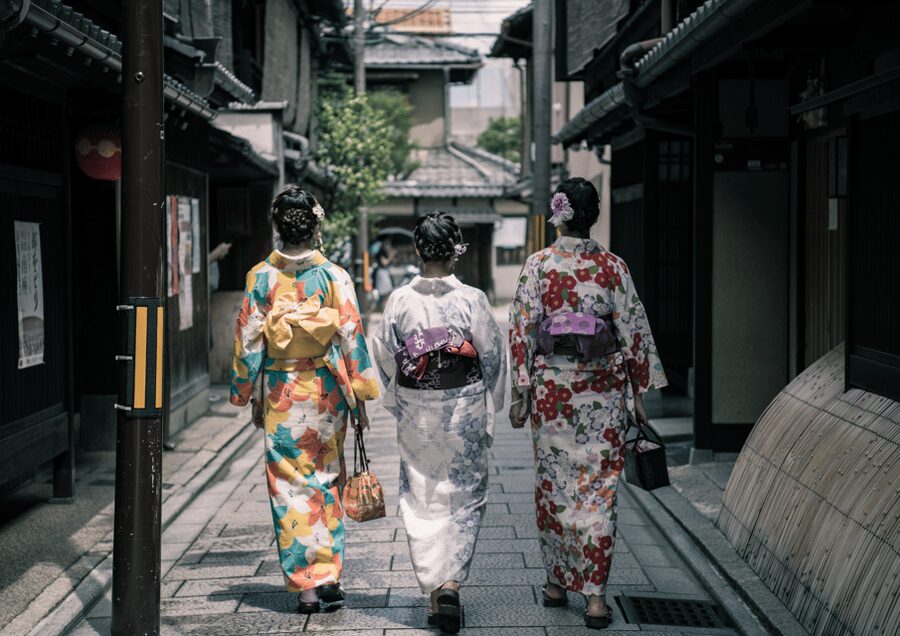
Reviewed · WALKING TOURS
Gion Walking Tour, Geisha Show and Japanese Game in Kyoto
Gion becomes personal in just two hours. I love the small-group pace, which makes the alleys feel calm instead of crowded, and I love that you get to meet a maiko up close for a dance, questions, and a traditional fan game. The main drawback is simple: with everything packed into 2 hours, there is less time to wander on your own afterward.
To start, you meet at the Izumo-no-Okuni Statue right above Gion Shijo Station, where your guide from GuideMe Japan holds a white board. From there, it turns into a guided look at Gion’s layout and culture, then it shifts into an intimate show setting for tea, a snack, and the maiko performance.
If you want Kyoto culture that feels respectful and hands-on, this is a smart choice. It also sounds like a hit across ages, since families in the group can enjoy the story side of Gion and the playful fan game without getting lost in long explanations.
Key highlights worth your attention
- Up to 6 people means more real conversation than big-bus sightseeing
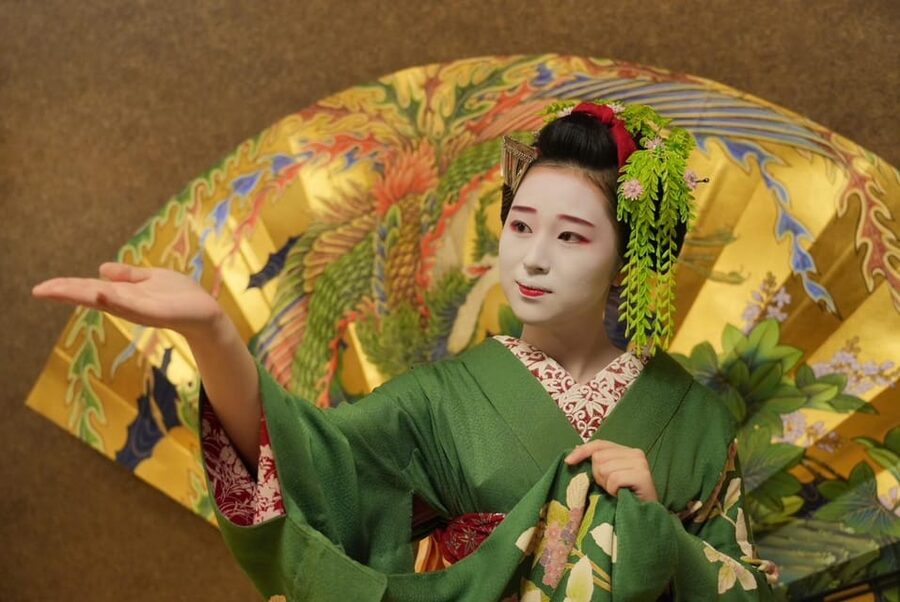
- Maiko apprentice dance and Q&A gives you context you cannot get from photos alone
- Traditional fan game with a geisha apprentice turns culture into something you do
- Tea and Japanese snack make the show portion feel like a real pause, not a quick stop
- Guides with strong English help you ask better questions and understand etiquette
- Guide-led etiquette for photos helps you avoid awkward moments in Gion
Two hours in Gion: why this tour works
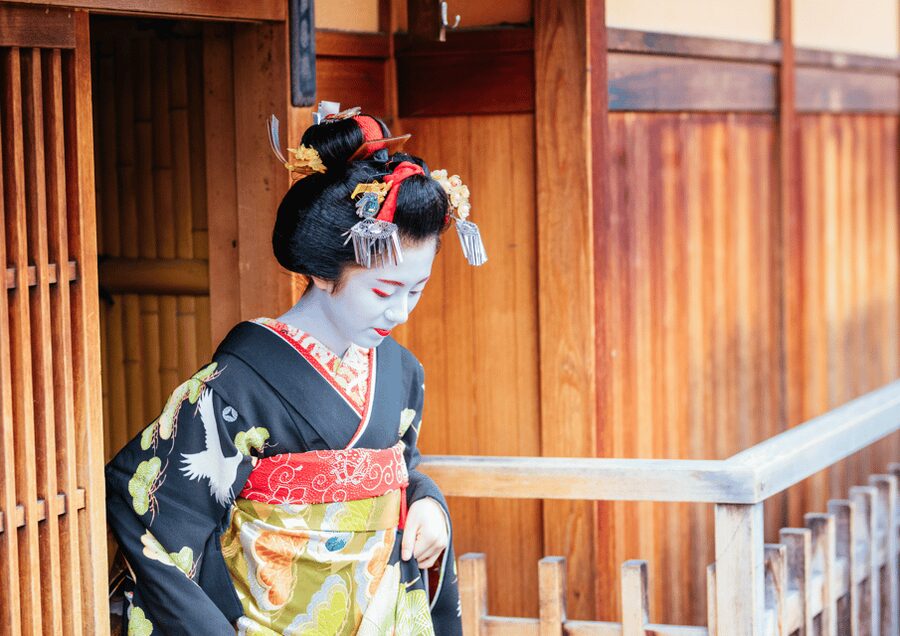
Kyoto’s Gion can feel like a living stage. Lanterns, narrow lanes, and the sense that everyone has a route and a role. This tour is built for that. You do not just see Gion, you learn how to look at it, then you get a rare chance to interact with a maiko apprentice in a small, structured setting.
The best part is the rhythm. The first hour is walking with historical insight, so when you see the scenery and details, they make sense. The second hour is the performance and Q&A, then the fan game adds a fun layer that turns etiquette and artistry into something you participate in.
Also, your time is protected by design. Group size is limited to only up to 6 people, so the guide can actually guide, not just herd. In Gion, that matters.
More Walking Tours in Kyoto
- Kyoto Geisha Walking Tour: Gion District & Hidden Gems
★ 4.7 · 3,273 reviews - Kyoto: Gion Magical Night Walking Tour with Geisha Trivia
★ 4.9 · 2,393 reviews - Kyoto: Gion Geisha District Walking Tour – Stories of Geisha
★ 4.7 · 2,187 reviews
Meeting at the Izumo-no-Okuni Statue, right above Gion Shijo Station
Your meeting point is the Izumo-no-Okuni Statue above Gion Shijo Station, and your guide will be holding a white board that says GuideMe Japan. This detail sounds minor until you arrive in Kyoto and everything starts to look similar.
Here is how I’d handle it: plan to be early. If you get there 10 minutes ahead, you will feel relaxed. You can also double-check you are at the right statue platform above the station before your group gathers.
This is also the moment to set your mindset. This tour is not a casual stroll where you roam freely. You will follow the guide’s timing, and you will be moving through alleys and viewpoints that work best with a small group.
The Gion walking portion: what you’re really learning in the first hour
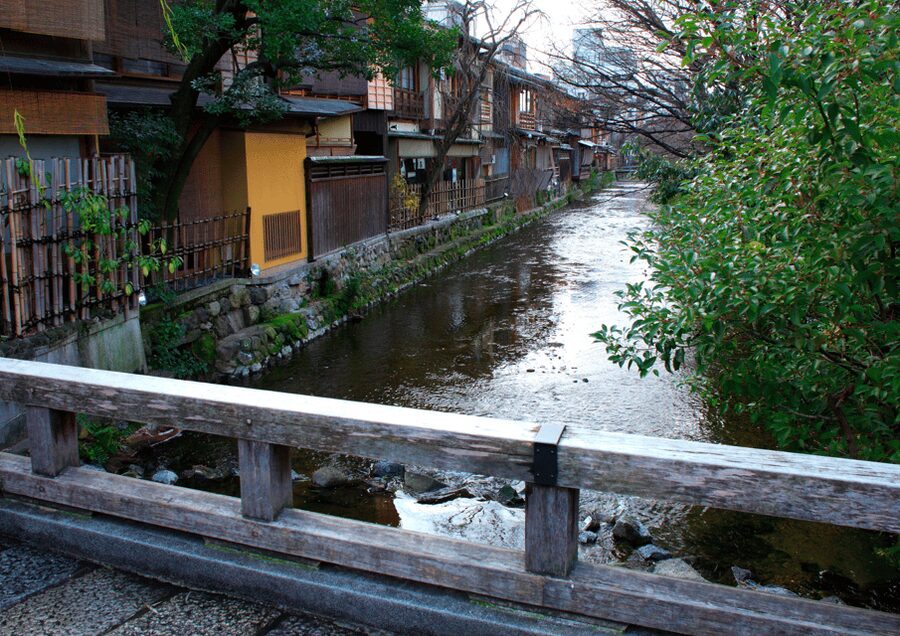
The first hour takes you around the main Gion area with a guide who explains what you are seeing and why it matters. Think of it as training your eyes. Instead of treating Gion like a pretty photo backdrop, you learn what the district layout is telling you.
In real-world terms, this means you will get context for things you might otherwise miss: how the area functions, what traditions mean, and how geiko and maiko culture connects to neighborhood life. One strong point from guide feedback in the experience is that the route often includes less crowded lanes, which helps your photos look less like a waiting line.
Guides also tend to help you with street-level etiquette. You will get cues about where it is appropriate to pause and how to behave around the space. That kind of guidance makes the difference between seeing Gion and understanding it.
If you have done research before, I still think you will come away with fresh details because the guide can connect the dots in real time. For example, guides with names like Ai Iwata and Soichiro are specifically praised for pointing out spots and explaining what they mean beyond the obvious.
A practical note for your photos
You will be in the Gion lanes before the show, and later you may get photo opportunities with the maiko. Guides in this experience are known for advising when it is OK to take pictures. So keep your phone ready, but follow the guide’s timing. In Gion, the polite move is always the cool move.
More geisha experiences in Kyoto:
- Best of Kyoto: Gion, Geisha, Pagodas & Cobblestones
★ 4.9 · 2,058 reviews - Night Walk in Gion: Kyoto’s Geisha District
★ 4.5 · 2,003 reviews - Kyoto Night Foodie Tour in Gion (9+ dishes + 6 Sake tastings)
★ 5.0 · 1,762 reviews - Kyoto Gion Geisha District Walking Tour – The Stories of Geisha
★ 5.0 · 1,441 reviews
The maiko apprentice show: dance, closeness, and Q&A
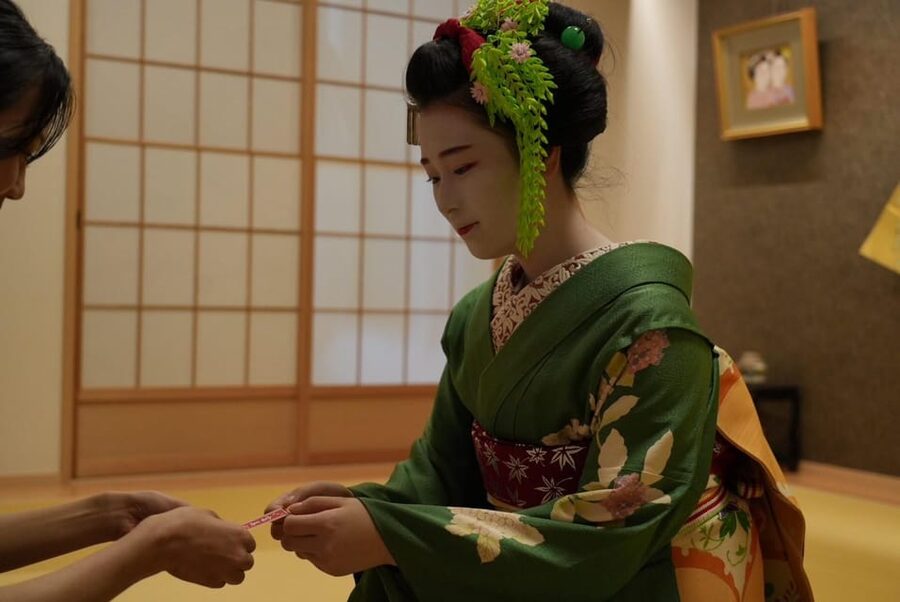
The second hour is the main event: a maiko apprentice dance show. You watch her perform, then you get time to ask questions about her current life.
What I like about this structure is that it keeps expectations realistic. You are not waiting in a vague line hoping for the best. You are getting a staged, explained experience where the artistry comes first and the conversation follows.
What to expect during the show
You should expect elegance and careful movement, and you should also expect interaction. Multiple guide notes mention that the maiko answered questions gracefully, and that the Q&A portion is part of the value, not an add-on.
If you’re wondering what kinds of questions work well, the experience naturally supports conversation topics like:
- how maiko life is different from what you see online
- what the roles and training mean
- how tradition shows up in everyday choices
You will have your translator guide helping in English, which matters. Even with decent travel language skills, nuance is the whole point here, and the guide’s translation can help you get answers that actually make sense.
Guides you might encounter, based on past experiences, include Rin, Fumi, Tang, and others. Many standout comments focus on patience, clear English, and helping you feel comfortable asking questions.
Tea, Japanese snack, and the show setting you feel good in
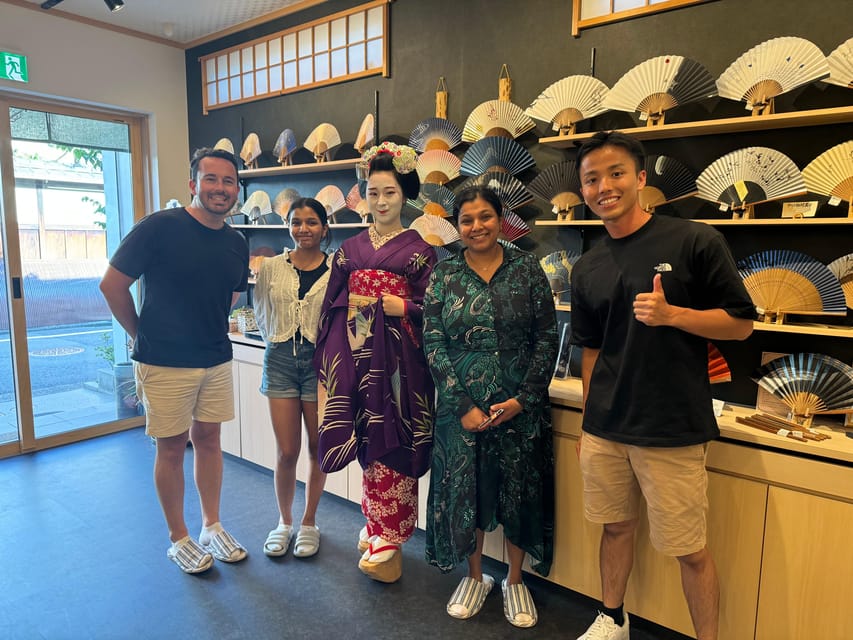
The experience includes tea and a Japanese snack. This is not just a freebie. It sets the tone so the performance does not feel rushed.
During the show portion, you are also in a more seated environment than the walking part. One guest described the setup as a separate room where they sat on pillows, and others mention time to enjoy the tea and snack before the performance. That matters because it gives you a pause in the middle of a Kyoto evening.
Also, you are not just watching from a distance. You are close enough to feel like you are part of a careful, respectful exchange.
The traditional Japanese fan game with your maiko
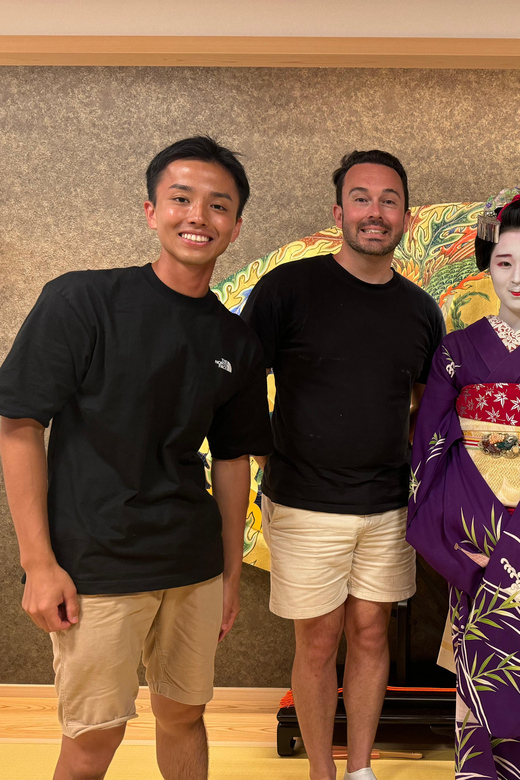
Then comes the part that surprised people in the best way: after the dance and Q&A, you play a traditional Japanese fan game with the geisha apprentice.
This is where the tour stops being only educational. It becomes a lived experience. You learn through play, which is how culture sticks. The guide keeps the flow organized, and you’re not left to figure out rules on your own.
If you enjoy interactive activities, you will likely love this. Even guests who did not score well still described it as fun and memorable, and several specifically said the fan game was a highlight.
One more small but important angle: the game also helps you see the maiko as a person, not just a performer. When the interaction becomes playful, the whole atmosphere shifts.
Small group size, up to 6: the real value in Gion
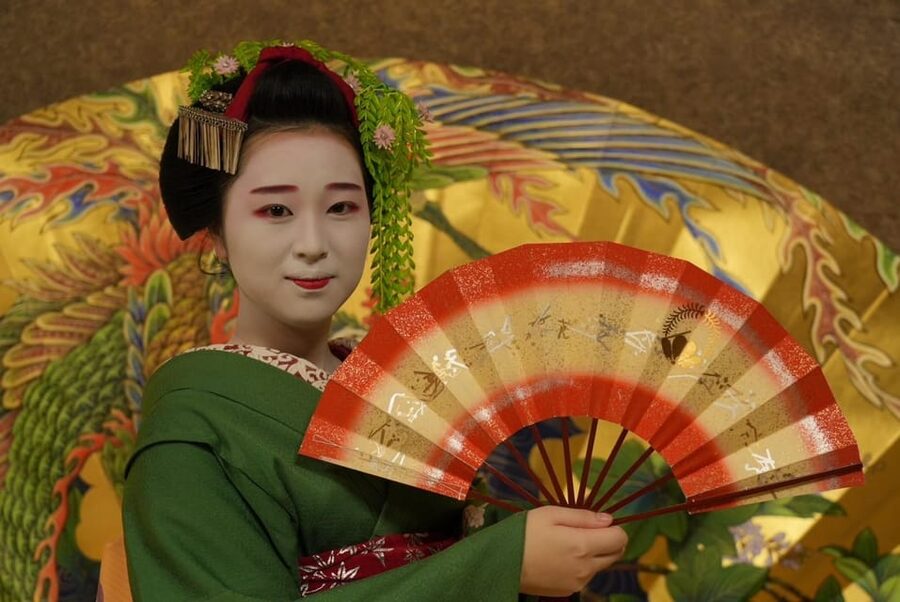
Big groups can work at big sights. Gion is different. Here, you are moving through narrow streets and sensitive spaces where behavior matters.
That is why I like this model: group size is capped at 6 participants. It changes the guide experience in a simple way. The guide can answer your questions, not just the group’s loudest question. You can hear the explanations better. You can also ask something without feeling like you are taking the show hostage.
This is also why guests consistently praised their guides for patient translations and for taking time to cover details you would not get in a larger crowd. Names that came up include Ai Iwata and Rin, with comments about showing quieter spots and explaining etiquette around photos.
Price and value: is $108 for 2 hours fair?
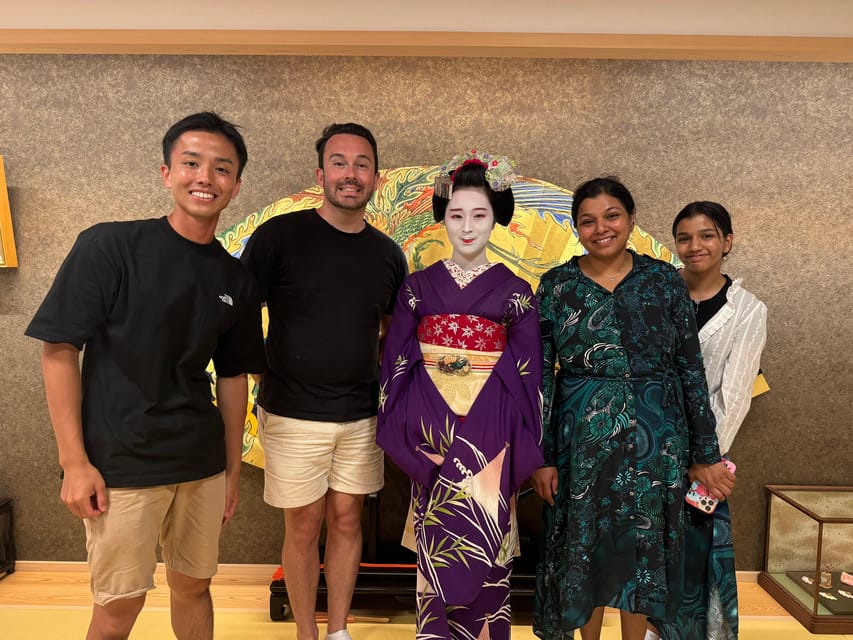
Let’s talk money honestly. At $108 per person for a 2-hour experience, you are paying for two things most sightseeing options in Kyoto cannot offer easily:
1) a structured Gion walk with guided interpretation
2) direct, facilitated interaction with a maiko apprentice, including a dance show, Q&A time, and a fan game
For a city full of free wandering, the question is always: why pay?
In this case, you pay because the access and translation are the product. A generic Gion walking tour does not include a maiko dance setting, tea and snack as part of the experience, and a guided fan game. You’re essentially booking a cultural appointment where the guide handles timing, etiquette, and communication.
Is it a bargain? Not in the cheap sense. But it can be great value if you want this once-in-a-lifetime kind of moment and you care more about understanding and interaction than ticking off dozens of stops.
Also, because the group is small and the timing is tight, you are not paying for wasted time standing around. You use the hours.
Who this tour is best for
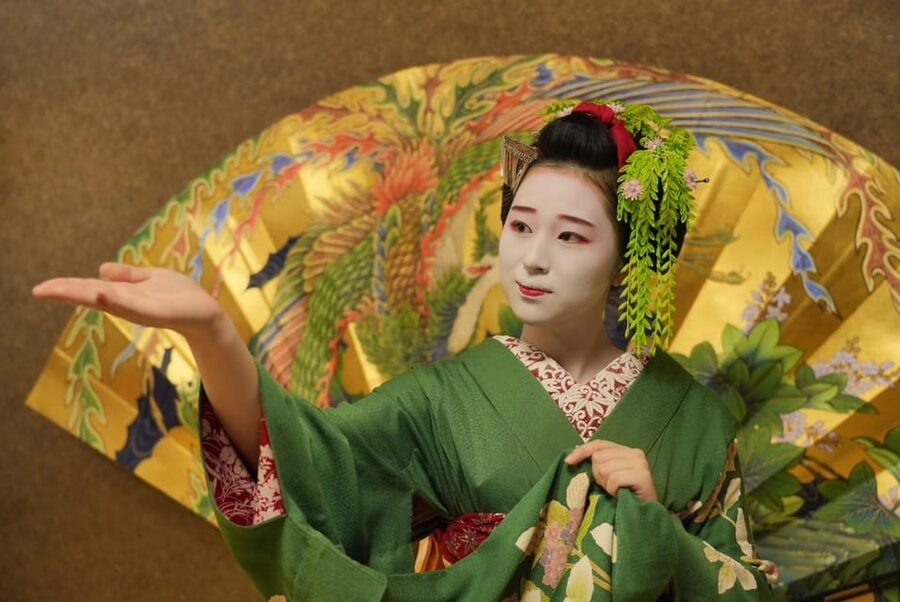
This tour fits best if you want:
- a guided Gion experience that helps you understand what you’re seeing
- up-close time with a maiko apprentice, including a Q&A
- an interactive element that goes beyond watching
It also seems family-friendly in practice. One family described enjoying it with both a tween and a teen. That usually happens when you have a mix of story and activity, which is exactly the design here.
If you dislike structured activities, or if you are the type who prefers to wander freely with no schedule, you might feel rushed. But if you like having your evening shaped for you, this is a solid plan.
The ending at Hangesho: finishing where the night still feels Kyoto
Your tour finishes at Hangesho. That matters because it gives you a clear endpoint. After the show and fan game, you will not be left wondering where you should go next.
If you want to keep the vibe going, treat this as a springboard. Your guide has already oriented you in the area, so you should feel more confident navigating the district afterward, even if you do not have a second planned activity.
Should you book this Gion tour?
I’d book it if you want an intimate Kyoto night in Gion that combines three parts you cannot easily recreate on your own: a guided walking context, an up-close maiko dance show with Q&A, and a traditional fan game.
I would hesitate if you mainly want independent wandering, or if you get annoyed by shopping stops. One participant mentioned being disappointed by designated shop stops, so if shopping is a hard no for you, check with the provider about any stops before you commit.
Bottom line: if your idea of value is personal access, cultural interaction, and a small-group setting, this $108, 2-hour Gion experience is a strong match.
FAQ
Where is the meeting point for the tour?
You meet at the Izumo-no-Okuni Statue right above Gion Shijo Station. Your guide will be holding a white board that says GuideMe Japan.
How long is the tour?
The tour is 2 hours.
How many people are in the group?
The group is small, limited to 6 participants.
What languages is the tour guide available in?
The tour guide provides an English-language experience.
What happens during the first part of the tour?
You take a 1-hour guided walking tour around the main area of Gion with historical insight.
What happens during the second part of the tour?
You watch a maiko, or geisha apprentice, dance show for 1 hour. You also have time to ask questions about her current life.
Do you get to participate in anything, or is it only watching?
You participate. After the show, you play a traditional Japanese fan game with the geisha apprentice.
What is included in the price?
Included are tea and a Japanese snack, a 1-hour Gion walking tour, a 1-hour maiko show, and the traditional Japanese fan game.
What is not included?
Additional expenses such as food are not included.
Where does the tour finish?
The tour finishes at Hangesho.
Fresh options around Kyoto
- Kyoto Aquarium Admission Ticket★ 4.7 · 12 reviews
- Kyoto Gion Photoshoot – Private Session | Pro Photographer★ 5.0 · 12 reviews
- Gyoza Cooking Class in Kyoto: Traditional Japanese Dumplings★ 5.0 · 12 reviews
- Kyoto: Guided Food Tour with 12 Dishes & 3 Drinks★ 5.0 · 12 reviews
- Kyoto: Avoid the Crowds at the Hidden Gems of Arashiyama★ 4.9 · 13 reviews
- Kyoto Early Bird English Tour: Gion & Higashiyama(Private opt)★ 5.0 · 13 reviews
- Otsu-e Folk Art Workshop & Local Culture Walk Near Kyoto★ 5.0 · 13 reviews
- Kyoto, Osaka, Nara Full Day tour by Car English speaking Driver★ 3.5 · 13 reviews
Walking Tours, compared.
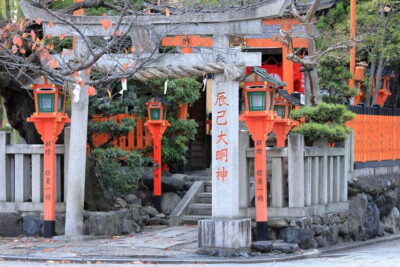
Kyoto Geisha Walking Tour: Gion District & Hidden Gems
Read our review →
Tokyo Tsukiji Fish Market Food and Culture Walking Tour
Read our review →
Gion Magical Night Walking Tour with Geisha Trivia
Read our review →
Imperial Palace and Shogun Historical Walking Tour
Read our review →
Gion Geisha District Walking Tour – Stories of Geisha
Read our review →
Shinjuku Local Bar and Izakaya Guided Walking Tour
Read our review →
Browse the lists this tour appears in