
Reviewed · SAMURAI & NINJA EXPERIENCES
Experience Samurai and traditional Culture to the fullest
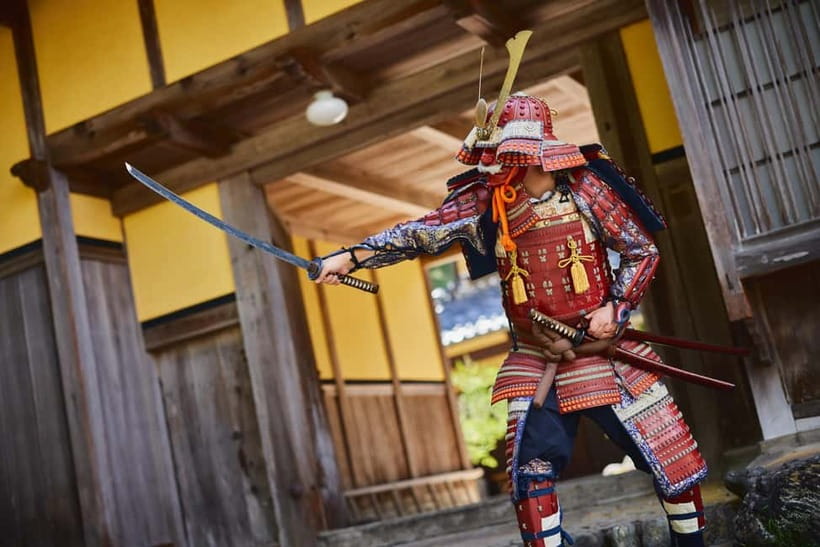
Samurai culture in Osaka Castle grounds is a rare setup. In just 3 hours, you practice calligraphy in a samurai theme, then try your hand at katana cutting, and finish with an armor photo at Osaka Castle. I especially like how the staff keep things calm and patient while you learn each technique, and I like that you get a photographer action during the whole experience, not just a single posed shot. The only real drawback to consider is that it is not a light, kid-style activity, since it includes sword training and a military battle roleplay moment.
You’ll start by changing into a kimono and learning how Japanese arts connect to manners and gestures, not just “cool photos.” The pacing is tight, and you’ll want to arrive ready to follow instructions quickly so you can get the full set of hands-on activities.
Why This Osaka Samurai Experience Feels Different by Osaka Castle
Most samurai experiences in the region lean heavily on costume and a short demo. This one treats the samurai look as part of a broader sequence: kimono culture first, calligraphy next, tea etiquette, then sword trial cutting, and finally armor and battle roleplay for photos on the Osaka Castle grounds.
The big draw is the setting. You’re photographed pretending to be a soldier with Osaka Castle as the backdrop, which is a very specific visual payoff. The second big draw is the structure of skills. You do multiple “body-to-mind” tasks, so you are not just watching someone else perform.
Price-wise, $168 per person for a 3-hour private group can feel high at first. But it includes the heavy-ticket items you normally pay for separately: kimono and samurai clothing, calligraphy and tea, sword trial cutting, armor, and photo shooting with data sent by email, plus tax and tips. If you were to price kimono rental, instruction, and a photo session separately, this starts looking like decent value.
One more practical point: they do not handle hotel or station pickup. If you want this to feel smooth, plan to get there on your own and arrive early.
What You Actually Get in 3 Hours (Plus Why the Order Matters)
This is a tightly scheduled, hands-on experience designed as a “culture to combat” arc.
You begin with traditional culture basics, not weapons. That matters, because the later sword practice is framed as responsibility and self-respect, not just a stunt. You then move into calligraphy, where technique is taught in strokes and structure. After that, the tea ceremony shifts your focus again, toward honor, hospitality, and formal gestures. Only then do you go into the sword trial cutting, and finally the armor and Osaka Castle photo moment.
That order helps your brain make connections. You see how Bushido ideas of courtesy, discipline, and conduct can be explained through art forms first, and through sword training second.
More Samurai & Ninja Experiences in Osaka
- Samurai Training Experience KENDO in Osaka
★ 5.0 · 515 reviews - OSAKA NIGHT FUSION Japanese Taiko Kabuki Samurai Dance Show
★ 4.8 · 155 reviews - Osaka: Samurai Training Experience KENDO in Osaka
★ 5.0 · 111 reviews
Kimono Change-In and Cultural Etiquette You Can Use Right Away
Before you touch calligraphy or a sword, you change into a kimono. This is not just wardrobe. It’s part of the learning frame, because learning the “shape” of Japanese courtesy starts with posture, movements, and manners.
The staff teach in English (and they can support other languages if available, like Spanish, Italian, French, Chinese, Thai, and Indonesian). They also run the session like instruction, not a script read to a group. One review highlight I paid attention to: staff were pleasant and patient, and they did not rush while answering questions. That kind of pace matters when you are trying to learn unfamiliar techniques with your hands and body.
If you’re the type who likes to understand the meaning behind gestures, you’ll likely enjoy this section. The tea and calligraphy parts are explicitly tied to manners and hospitality.
What to bring: a T-shirt.
What to wear: plan around changing into kimono once you arrive.
Not allowed: pets, baby strollers, baby carriages, and alcohol or drugs.
Samurai Calligraphy Practice, Including Stroke Basics and a Themed Kanji
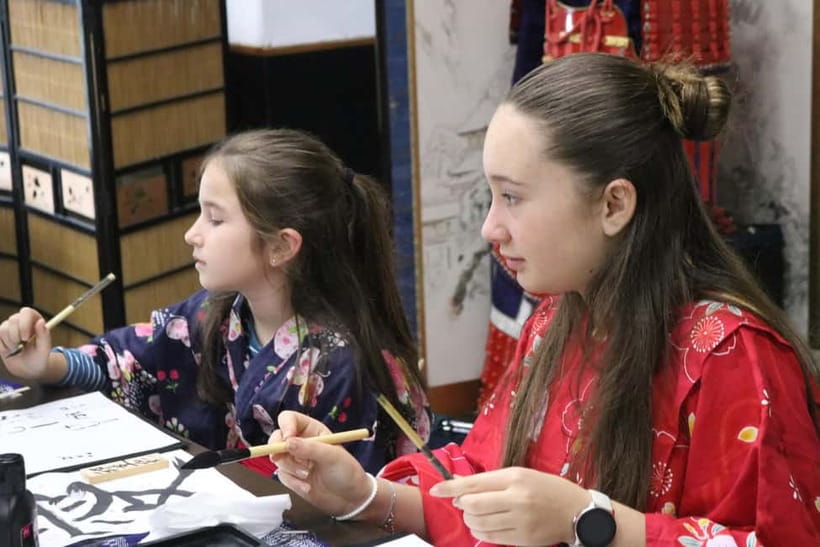
Calligraphy here is more than “write one character.” You learn how to prepare yourself for calligraphy, including how to hold a brush and use the tools. Then you practice basic strokes such as tome, hane, and harai.
Next, you choose a Kanji character and follow the stroke order to practice it. This gives you a real method, not just copying. It helps because good calligraphy is about sequence and control, not speed.
Then comes the samurai-themed part. You do Samurai Calligraphy, where the focus is words of resignation. The idea is that the character you write is treated like last words as the person prepares to die. You still practice the same technique and pay attention to the same brush control, but now it’s framed in a Bushido context.
Time note: this section takes about 20 minutes for the core calligraphy practice, and the samurai calligraphy writing takes about 10 minutes.
If you are worried about understanding strokes fast, don’t. The session is designed for beginners, and the staff instruction style seems built around patience and technique feedback.
Tea Ceremony Etiquette and the Bushido Angle
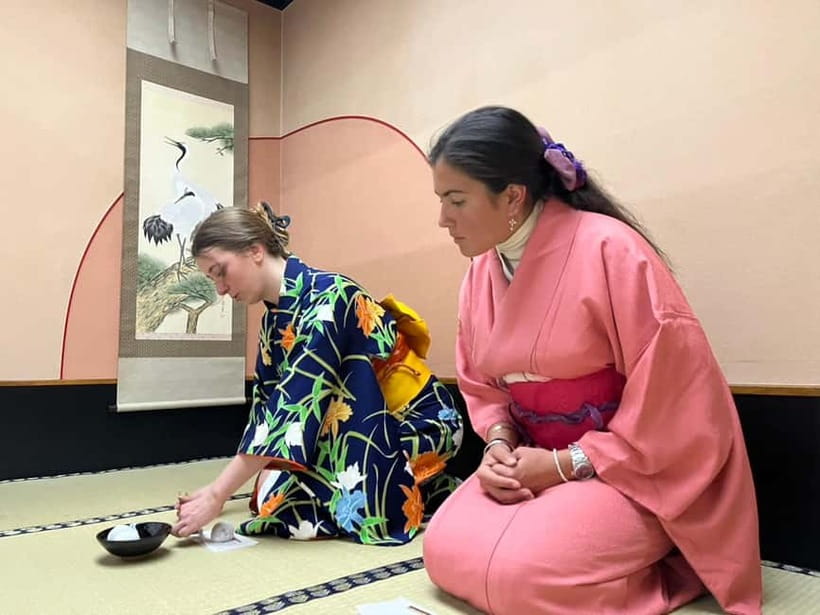
After calligraphy, you shift into Samurai Tea Ceremony. A master of the tea ceremony prepares and serves powdered green tea to the guests.
Here’s what you should expect beyond sipping tea. They use the tea ceremony as a way to teach etiquette, manners, beautiful gestures, and the spirit of hospitality. The experience emphasizes honor in the spirit of Bushido, meaning the conduct matters as much as the act itself.
Tea is also a great “reset” between the intense hands-on calligraphy and the later sword practice. You get time to slow down, stand and move with care, and focus on the social side of discipline.
Time note: about 30 minutes.
If you love cultural craft and formal manners, this part can become the most meaningful. If you only care about the sword and photos, the tea ceremony might feel like a lot of etiquette before the action. Either way, it explains why the sword training is framed as respect and responsibility.
More samurai and ninja experiences in Osaka:
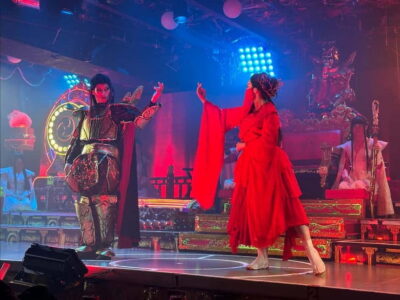
- Osaka: A Modern Samurai, Kabuki, Taiko, & Dance Show
★ 4.5 · 66 reviews - Osaka 2-Hour Genuine Kendo / Samurai Experience In Japan
★ 5.0 · 65 reviews - Osaka: Learn Bushido – Trial Slashing with Samurai Sword
★ 4.9 · 59 reviews - Samurai Show, Tea Ceremony, Japanese Traditional Activities
★ 5.0 · 56 reviews
Katana Sword Trial Cutting, Including Serious Training Mindset
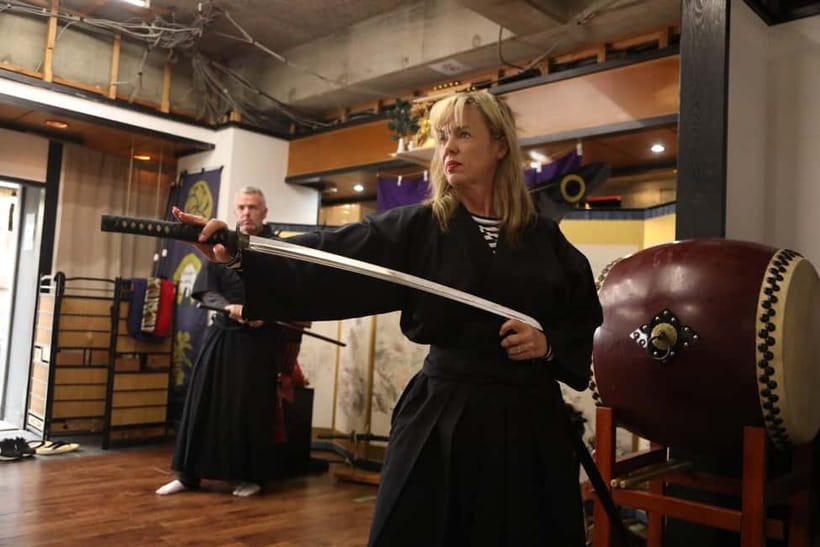
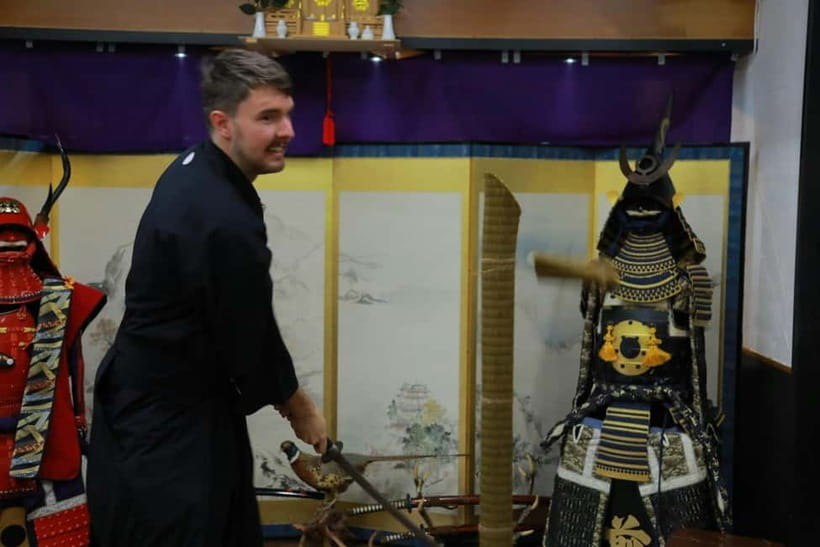
This is the highest-energy part of the experience: Samurai Sword Trial Cutting.
You learn how to use a sword and develop awareness of self-respect and responsibility for carrying a deadly weapon. That framing is important. It changes the tone from video-game fantasy into something more disciplined, where your role is to follow instructions and treat the tool with care.
You’re taught learning the Samurai Sword and then you’re allowed to wear a serious sword. After that, you try your hand at sword cutting with a samurai sword.
Time note: about 30 minutes.
A couple of review comments specifically praised the sword feeling and the staff coaching. One review highlighted that wearing the armor was amazing and the katana felt incredible to use, and another praised how friendly the staff were and how well they handled questions.
Practical caution: this is not a casual “touch a sword” moment. It’s an activity involving cutting practice. If you have mobility limitations, are uncomfortable with weapons themes, or are very sensitive to the idea of “deadly weapon” responsibility, you should think hard before booking.
Samurai Armor, Osaka Summer Battle Roleplay, and Your Armor Photo
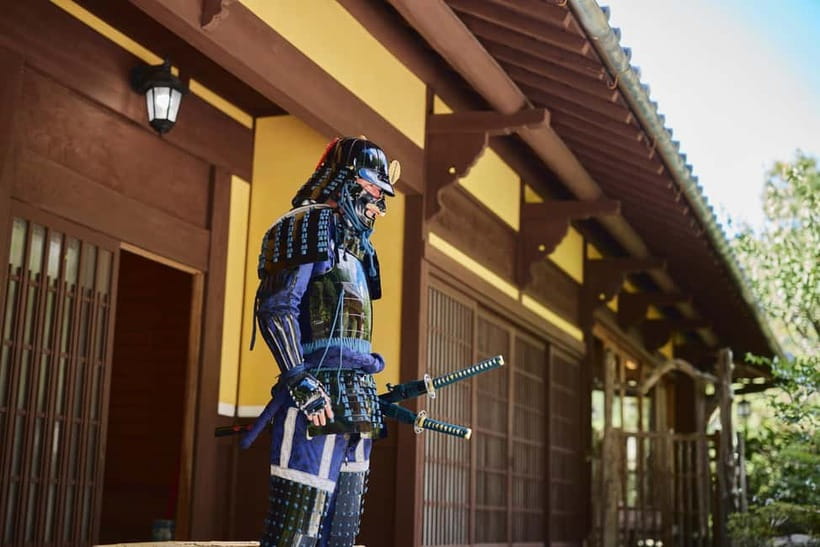
Then you step into armor. The experience includes wearing samurai armor indoors, but the finale is the photo session on the grounds of Osaka Castle.
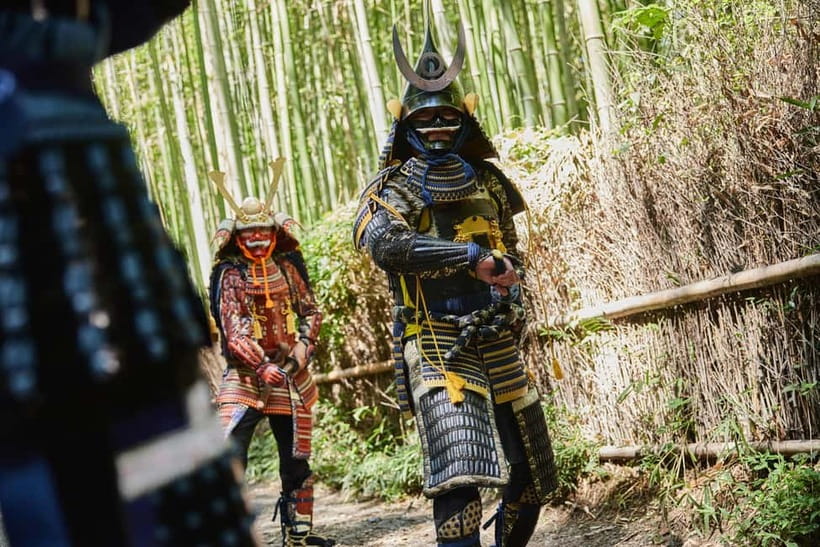
You participate in the battle of Osaka roleplay, with the story set in April 1615 as the Osaka Summer Battle begins. You go into battle on the Toyotomi side and get photographed as one of the best soldiers. The experience points out this is the only place near Osaka Castle where you can experience being a samurai, and they position the photo as the symbol of the samurai’s history of warfare and power.
Time note: about 30 minutes.
Even if you normally dislike costume photos, this one has more going for it than a static costume rental. You’ve already learned calligraphy and tea etiquette, then sword trial cutting, so when the armor goes on, the photo feels like a continuation, not a random costume moment.
If you care about photos, you will also like that the session includes photo shooting and sends the data to a designated email address. Reviews also mention a photographer covering all events, so you are not left to line up shots yourself.
Optional Seppuku and Harakiri Segment: Decide Based on Your Comfort
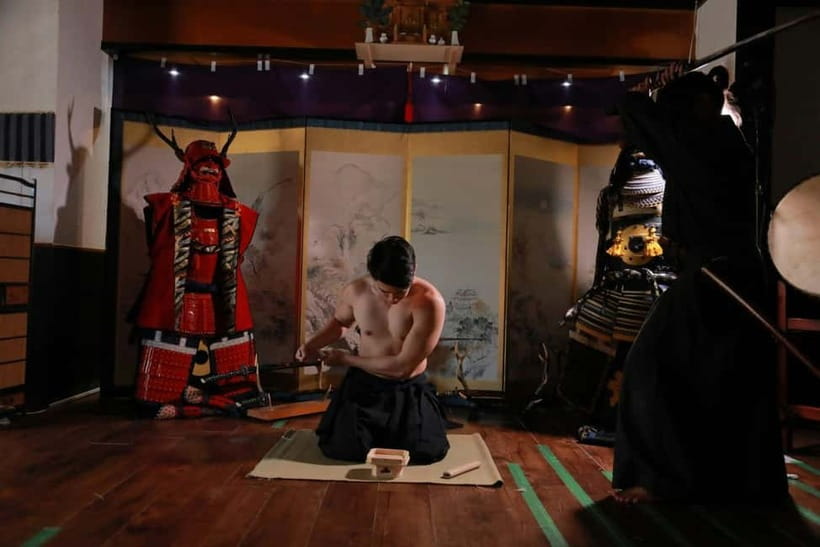
There is an optional segment labeled Seppuku and Harakiri. It describes the expectation that a samurai must be prepared to die for their lord, and frames it in the context of righteousness and Bushido. It also uses language about how to die beautifully, which is a paradox of living beautifully.
The key practical takeaway: this is optional, it takes about 30 minutes, and it introduces heavy themes. If that content would make you uneasy, you should skip it. If you’re comfortable with Bushido discussions even when they include ritualized death themes, you might find the cultural framing interesting.
Price, Value, and Who This Is Most Worth It For
At $168 per person for 3 hours, this is a premium experience. But it includes a lot that usually costs extra:
- Samurai clothing and kimono change-in
- Calligraphy instruction and samurai calligraphy practice
- Tea ceremony with the powdered green tea service
- Sword trial cutting with instruction and a “serious sword” component
- Samurai armor and the Osaka Castle photo session
- English-speaking staff, plus additional languages depending on schedule
- Photo shooting with data sent to email
- Tax and tips
That package is why it can feel worth it, especially if you want both culture and action in one stop rather than building a DIY day of separate reservations.
This experience is best for you if:
- You want hands-on learning, not just watching
- You like structured teaching, stroke technique, and etiquette details
- You want a samurai-themed Osaka Castle photo that feels earned through the sequence
- You’re traveling with an adult mindset and want a memorable, photo-rich activity
It may not be the best choice if:
- You’re hoping for a mostly sightseeing day
- You dislike weapon themes or formal ritual content
- You need pickup from your hotel or station, since transportation is not included
Quick How-To Before You Go (So You Don’t Lose Time)
Here’s how to set yourself up for a smooth 3 hours.
Meet early: arrive 30 minutes before your reserved time for instructions and changing clothes.
Know the landmark: look for a wooden sign that reads Honor of the Samurai. It’s a rack with Samurai Honor activity pamphlets out front, and kimonos and hakama are hanging around the store.
Bring a T-shirt: that’s the only item specifically listed.
Travel on your own: transportation and pick up or drop off at train stations or hotels are not included.
Also, this is listed as a private group. If you want one of the best experiences, private usually means more instructor attention and fewer bottlenecks during the practice parts.
Should You Book Samurai and Traditional Culture to the Fullest?
I think you should book it if you want a structured, adult-friendly sampler of Japanese samurai culture that actually teaches you something with your hands. The calligraphy and tea ceremony are not filler here. They create the tone for the sword trial cutting and make the armor and Osaka Castle photos feel connected.
I would not book it if you want a gentle, purely scenic experience, or if sword training and the optional seppuku content would make you uncomfortable. Also, if you’re expecting zero instruction time, remember you’ll spend part of your session changing into kimono and learning technique.
If you do book, arrive early, wear or plan for easy changing, and go in with the mindset of learning technique. The staff style seems built around patience, and the photo coverage is a real plus.
FAQ
What is the duration of this experience?
It lasts 3 hours.
Where is the experience located?
It is in Osaka, at Address/Excellence Takayama 1F, 2-3-19 Shiginonishi, Joto-ku, Osaka-shi, Osaka 536-0014.
What is included in the price?
The listed inclusions cover samurai clothing, calligraphy practice and samurai calligraphy, tea ceremony, sword trial cutting, wearing armor, and photo shooting with data sent to email. Tax and tips are also included.
Is transportation or pickup included?
No. Pickup and drop off at the train station or hotel are not included, and transportation is not included.
How early should I arrive?
Please arrive 30 minutes before your reserved experience time for instructions and changing clothes.
What language support is available?
English is the default interpreter language. Other languages can be requested, including Spanish, Italian, French, Chinese, Thai, and Indonesian, depending on staff schedule.
What should I bring?
Bring a T-shirt.
What is the meeting point landmark?
Look for a wooden sign that reads Honor of the Samurai. It is a rack with Samurai Honor activity pamphlets in front of the store.
Is this a private group?
Yes, it is listed as a private group.
Are children allowed?
The experience is not suitable for children under 10 years old.
Is the seppuku and harakiri segment included?
It is listed as an option, not a guaranteed part of the experience.
Fresh options around Osaka
- Osaka Winery Tour with Wine Tasting & Vineyard Walk★ 4.9 · 12 reviews
- Osaka: Early Morning Osaka Castle Guided Tour, Avoid Crowds★ 4.9 · 12 reviews
- Kyoto Day Trip from Osaka Port – Private Shore Excursion★ 5.0 · 13 reviews
- Osaka Private Pop Culture Tour: Historic Tenma to Dotonbori★ 4.5 · 13 reviews
- Osaka Castle Admission Ticket★ 4.0 · 13 reviews
- Hidden Osaka Foodie Tour: Nishinari Backstreets & Local Dining★ 5.0 · 13 reviews
- Discover Real Osaka: A Cultural Walk with Food & Drink★ 5.0 · 13 reviews
- Nara private tour (Shore excursion available from Osaka or Kobe port)★ 5.0 · 13 reviews
Samurai & Ninja Experiences, compared.
Samurai Ninja Museum Guided tour and Experience
Read our review →
Kendo and Samurai Experience with Uniform and Gear
Read our review →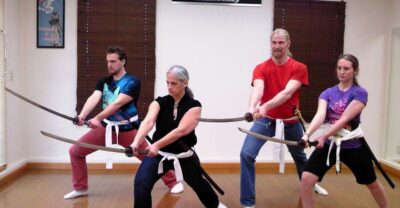
Samurai Sword Class by Experts in Traditional Arts
Read our review →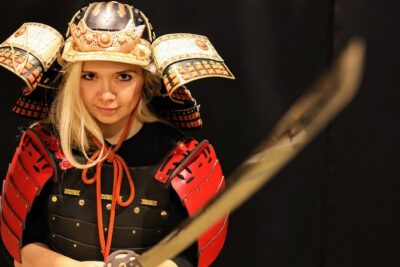
Skip the lines Basic Ticket at SAMURAI NINJA MUSEUM KYOTO
Read our review →
Samurai Sword & Archery Class from Samurai Descendant
Read our review →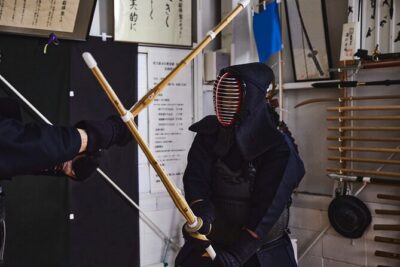
Browse the lists this tour appears in