
Reviewed · WORKSHOPS
Tokyo Sushi Making Class in Tsukiji with Professional Chef
Tsukiji sushi classes turn food into skill. This one pairs a professional chef with an English-speaking host inside the Tsukiji area, so you learn how sushi is put together, then you actually make it yourself. It’s also timed well for a busy Tokyo day, with about 1 hour 30 minutes to go from fish prep to eating what you made.
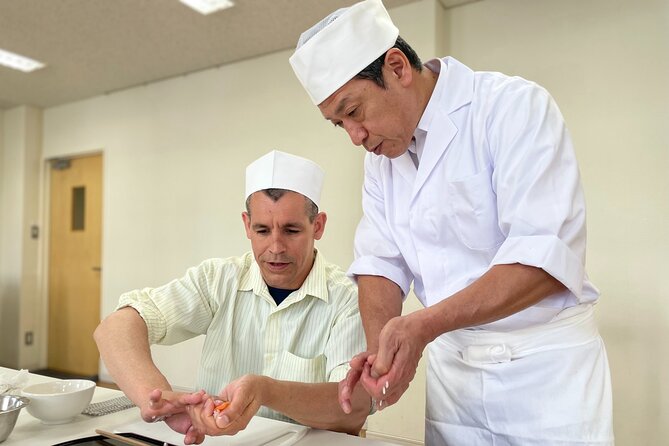
I love that you’re not stuck watching from the sidelines. You’ll learn the core moves for both nigiri and a rolled sushi style, and you leave with lunch that looks like the real thing. I also like that the instruction is structured, from knife basics and fish prep through hands-on shaping and rolling.
One thing to plan for: the classroom is on the third floor with only stairs. If stairs are a problem for you, this may not be the best fit.
Key Highlights You Should Care About
- Fish prep demo first so you understand the why behind the technique, not just the how
- English support throughout via a host and translator, so you can keep up even as the steps get technical
- You make 5 nigiri + 1 rolled sushi, then eat your own work
- Market-sourced ingredients in Tsukiji, which matters for flavor and for learning what fresh looks like
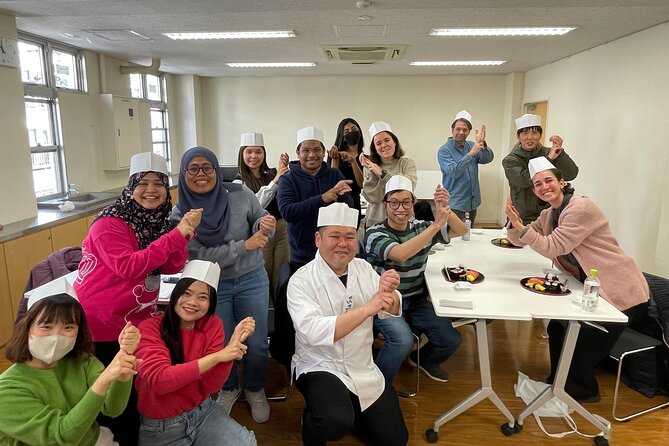
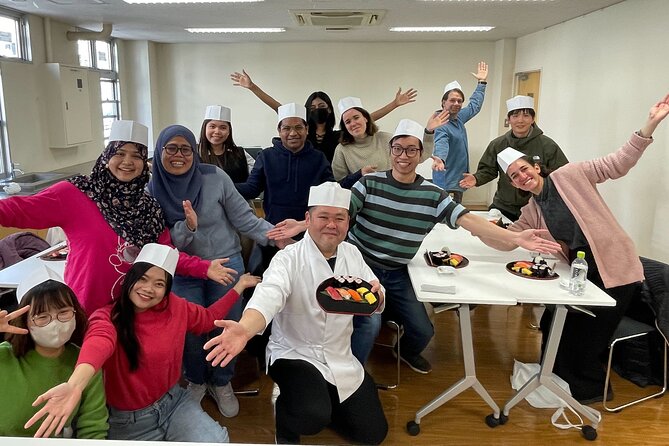
- Small group feel with a maximum of 20 travelers, so questions stay easy to ask
- Knife and wasabi focus, with a chef-led wasabi touch at the end
Tsukiji Sushi Making Class: Market Energy Meets a Real Skill Lesson
A Tokyo sushi class sounds fun. A Tokyo sushi class in Tsukiji sounds like a story you actually eat at the end. The value here is the combo of location, technique, and hands-on time. You get to see sushi prep explained like a craft, not like a cooking show.
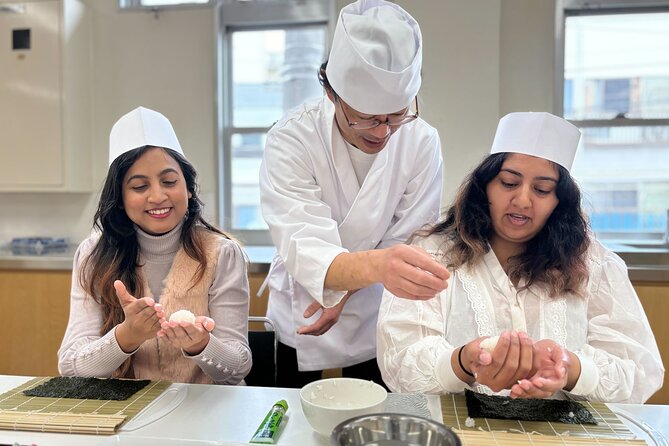
The setting is a classic Japanese-style classroom in a hidden local building in Tsukiji. Expect a learning environment that feels purposeful. You’re there to make sushi, and everything from utensils to pacing points you toward that goal.
For me, the best part of a beginner-friendly class is clarity. Here, your English-speaking host and sushi master guide you step by step, so you know what you’re aiming for before your hands start working. That matters because sushi is all about small details, like rice texture and how you handle fish.
The class also works with a typical sightseeing rhythm. It’s short enough to fit between other Tokyo plans, and it includes what you’ll want anyway in Japan, a real meal.
More Market Tours in Tokyo
- Tokyo Tsukiji Fish Market Food and Culture Walking Tour
★ 5.0 · 3,184 reviews - Tokyo: Tsukiji Fish Market Food and Walking tour
★ 5.0 · 1,724 reviews - Tokyo: Tsukiji Fish Market Guided Walking Tour
★ 4.9 · 1,397 reviews
What You Make (And Eat): 5 Nigiri Plus 1 Roll Lunch
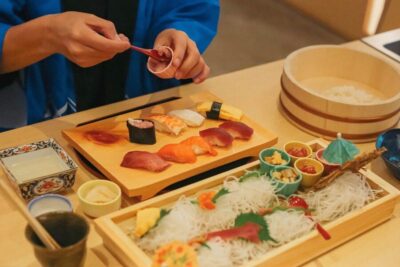
This is not just a tasting. You make a full set of sushi that functions as lunch. The included food is 5 different nigiri and 1 rolled sushi. So instead of leaving with one cute piece, you leave with a plateful of variety you practiced yourself.
That “variety” part matters. Nigiri trains you on fish placement and rice shaping. A roll trains you on spreading, rolling pressure, and clean finishing. Even if your first attempts are imperfect, you learn how two common sushi formats feel in the hand.
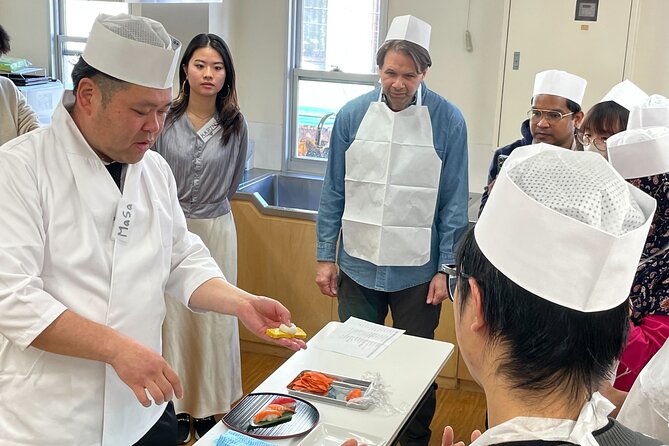
Also, you’re not just eating what you made. The sushi master prepares another serving while you eat, and the wasabi is handled with care. That gives you a useful comparison point: you can see what “chef-level” looks like right after you eat your own.
In practical terms, this format is also good value. At $49.74 per person, you’re paying for instruction plus fresh ingredients plus the lunch you would otherwise buy in Tsukiji or nearby. You’re not paying extra for a fancy show that doesn’t get you fed.
The Flow Inside the Class: Fish Disassembly, Knives, Then Your Hands
The lesson starts with a fish disassembly show by the sushi chef. This is where the class earns its credibility. Sushi is often explained as if it’s only about rice and seasoning. But the fish prep is the part that makes the rest of the craft possible.
You’ll also learn about Japanese knives. Even if you never plan to cut fish again at home, knowing what different knife styles are meant to do helps you understand the logic behind clean cuts and consistent portions.
After the prep demo, you shift from watching to doing. The sushi master explains what sushi is, then walks you through making nigiri and a rolled type sushi. The pacing is important here. If the class rushes, beginners feel lost. If it goes too slow, you lose the fun momentum. The structure here keeps you moving while still getting the key points right.
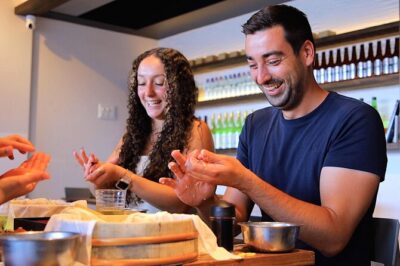
Hands-on time is the heart of this experience. You’ll use provided sushi-making utensils and tableware, and the staff guides you step by step as you shape rice and assemble your pieces. The goal is not perfection. The goal is competence you can take home and repeat.
You also get a moment to show off your work. Several participants mention taking photos of the completed sushi, which makes sense. Your plate ends up looking good because you learned the same core forms you see in real shops.
Tsukiji Stops: Why the Market Parts Aren’t Just Side Quests
This experience is tied to Tsukiji through several stops, not just one “meet and cook” moment. You’ll go through three areas in the Tsukiji zone: Tsukiji Fish Market, Tsukiji Jogai Market, and Tsukiji Nippon Fish Port Market. You’re seeing where the ingredients culture comes from, and you’re also getting a short guided pass through the market energy.
Here’s why this matters. If you only take a sushi class in a classroom far from food sources, you learn technique but not context. In Tsukiji, the message is that sushi starts with fresh ingredients and smart sourcing. Seeing the market areas helps you understand why the class emphasizes market-provided fish and proper prep.
There’s also a practical benefit. The stops act like built-in orientation. Even if you’re not an early-morning market person, you get a guided way to experience the Tsukiji environment without getting overwhelmed.
Timing is another quiet advantage. With a set duration of about 1 hour 30 minutes, the market moments and the cooking moments feel tied together. You’re not wandering for hours hoping you end up at the right places.
More Sushi Making Classes in Tokyo
- Sushi Making Tokyo Roll and Authentic Japanese Sushi Class
★ 5.0 · 3,971 reviews - Tokyo: Roll and Authentic Sushi Making Class in Asakusa
★ 4.9 · 1,957 reviews - Make Sushi and Create Unforgettable Memories in Tokyo
★ 5.0 · 1,413 reviews - Tokyo: Sushi Making Class in a Happi Coat near a Famous Spot
★ 4.9 · 1,377 reviews
English Support: Host + Sushi Master Working Together
Sushi classes can go two ways: you either understand the instructions or you pretend you do. This one is designed for real understanding. You have a friendly English-speaking host plus a skilled sushi master who teaches the technical parts.
What I like about the way this is described is that English support is not a one-time thing. It’s present during the presentation and through the steps. That keeps you from missing the important cues like how to handle fish portions, how to shape rice, and what to aim for during rolling.
Several participants also highlight how translators and staff keep communication clear from the start. If you’ve never made sushi, you’ll feel the help most during the moment your hands do something new. That’s when good explanation prevents mistakes from turning into frustration.
And if you already know a little sushi vocabulary, you’ll still benefit. You’ll hear the terms and steps used in a way that connects the words to what you’re doing in real time.
The Tools and Ingredients Part You’ll Actually Feel
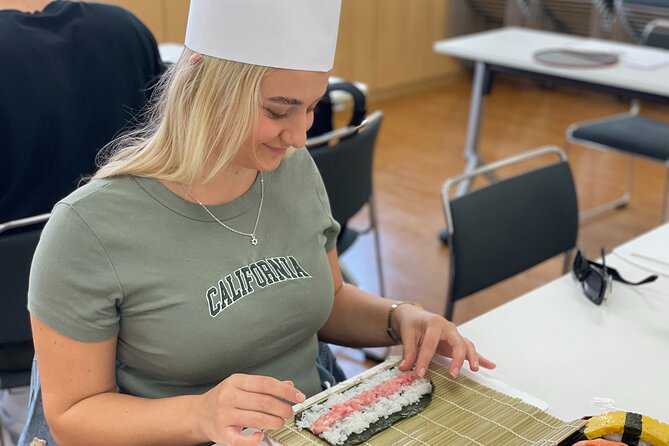
This class provides proper utensils and tableware. That’s a big deal because sushi tools are not all interchangeable. Having the right equipment lets you focus on technique instead of fighting a bad tool.
You’ll also work with fresh ingredients sourced from the market. Fresh fish and properly prepared rice ingredients change the whole experience. It affects texture, flavor, and the speed at which you can assemble your sushi without components breaking down.
You’ll even get a wasabi element handled by the chef. Wasabi is often treated like a condiment packet in tourist food. Here, it’s presented as something handled with intention. It’s a small detail, but sushi is full of small details.
If you care about authenticity, pay attention to this part. The class doesn’t seem designed as a generic “make something sushi-like” activity. It’s aiming at how sushi is done in practice.
Who This Tokyo Sushi Class Fits Best
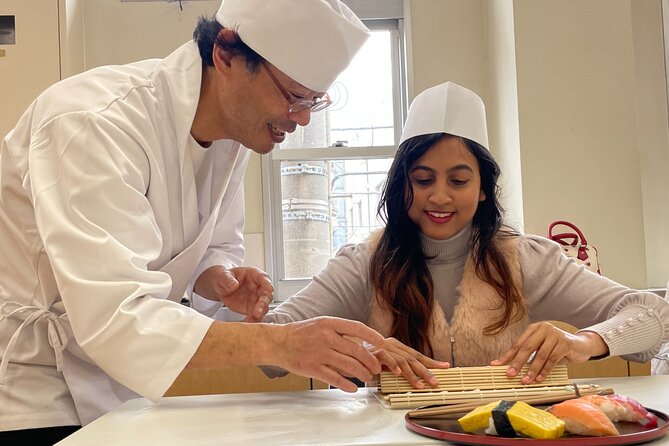
This is a strong fit for beginners. The class is structured in a way that teaches the basics without leaving you behind. The time is short enough that you stay engaged, but long enough that you really practice both nigiri and a roll.
It also makes sense for families. People mention bringing kids, including ages in the elementary and early teen range, and the activity still works as a family skill lesson. Making your own sushi gives kids a reason to try different flavors without feeling forced.
If you’re a serious sushi lover, you’ll appreciate the technique and the fish prep focus. Even if you can order nigiri easily in Tokyo, making it teaches you what you normally don’t think about, like knife cut consistency and rice handling.
Group size is another point. With a maximum of 20 travelers, you avoid that chaotic large-class feeling. You’re in a small enough space to ask questions and get corrections.
Possible Drawback: Stairs and Timing, Plain and Simple
The main consideration is accessibility. Your classroom is on the third floor in a traditional building, with only stairs. If you can’t handle stairs comfortably, you should choose another activity.
Timing is the second thing to think about. The tour may go beyond the scheduled end point, so if you have a hard appointment right after, tell the provider in advance. This is not a tour that’s designed to be a perfectly timed bolt-on right before you rush to something else.
Finally, allergies need advance communication. You should let the provider know about any allergies when you reserve. That helps them try to accommodate, though it may not always be possible.
Price and Value: Is $49.74 Worth It in Tsukiji?
Let’s do the practical math in a traveler’s way. $49.74 is the price you pay for about 1 hour 30 minutes of professional instruction, fresh market-sourced ingredients, tools, and a lunch made from what you produce. You’re not buying separate items or paying for a single bite.
In Tsukiji, food costs add up quickly, especially if you’re eating fish-focused meals. So you’re getting something you can’t replicate easily later. You get a skill lesson plus a meal plus context.
Where the price gets most convincing is the “included” portion. You’re making 5 nigiri plus 1 roll, which is more than most cooking experiences that offer only a small sample. You’ll leave feeling like you did something real, not just tried a bite.
If you’re the type who wants to bring something back from Tokyo besides photos and souvenirs, this class delivers.
Should You Book It? My Straight Answer
Book this Tokyo sushi making class in Tsukiji if you want a hands-on lesson, not a food walk. You’ll learn nigiri and a rolled style, you’ll eat what you make, and the market location adds context that makes the technique feel more meaningful.
Pass on it or reconsider if stairs are an issue for you. Also, if you have dietary needs, contact the provider early so they can try to accommodate.
If your goal is to go beyond eating sushi and actually understand how it’s put together, this is the kind of experience you’ll remember for the right reasons, fresh fish prep, clear English guidance, and a plate of sushi you made with your own hands.
FAQ
How long is the sushi making class in Tsukiji?
The experience lasts about 1 hour 30 minutes.
What is included in the class price?
You make and eat sushi: 5 different nigiri and 1 rolled sushi, with fresh ingredients, proper utensils, and English support from the host and sushi master.
Where does the class take place?
The classroom is in the Tsukiji area, in a hidden local building inside the Tsukiji market zone.
Do I need hotel pickup?
No. You make your own way to the meeting point in Tsukiji.
Is there an English-speaking host?
Yes. The experience includes an English speaking host along with a professional sushi master.
Will I eat lunch during the class?
Yes. Your lunch is the sushi you make.
Can you accommodate allergies?
You should tell the provider about any allergies when you reserve. They will try to accommodate allergy-related requests, though it may not be possible.
Is the classroom wheelchair friendly?
The classroom is on the third floor in a traditional building and accessible by stairs only, so it is best for people who have no problems with stairs.
Fresh options around Tokyo
- Tokyo: Nagano Snow Monkeys and Zenkoji Tour with Temples★ 4.9 · 19 reviews
- Yokohama Port: Private Customizable Tour with Transfer★ 5.0 · 19 reviews
- Explore Unique Tokyo Streets / Learn with a Pro Photographer★ 5.0 · 19 reviews
- Sushi Making with Interactive Samurai Experience at JIN-ASAKUSA★ 5.0 · 19 reviews
- DAIKOKU excursion by car DRIFT automobile encounter★ 4.5 · 19 reviews
- Official Street Go Kart Tour Akihabara 2nd★ 5.0 · 19 reviews
- Cosplay Experience with Professional Makeup and Photo Shoot!★ 5.0 · 19 reviews
- Tokyo: Name Seal & Pouch or Tote Bag Making Experience★ 4.5 · 19 reviews
Workshops, compared.
Sushi Making Tokyo Roll and Authentic Japanese Sushi Class
Read our review →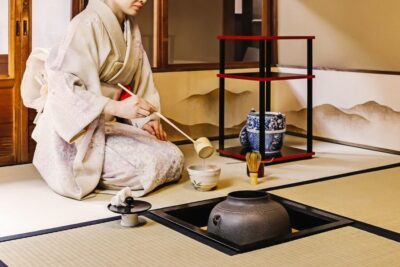
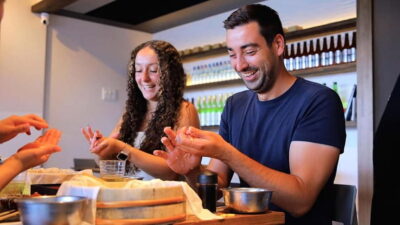
Roll and Authentic Sushi Making Class in Asakusa
Read our review →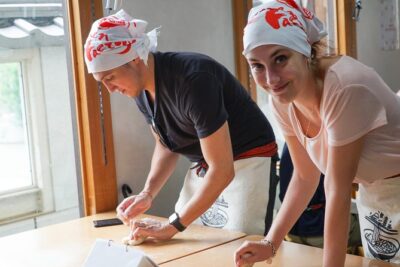
Ramen Cooking Class at Ramen Factory in Kyoto
Read our review →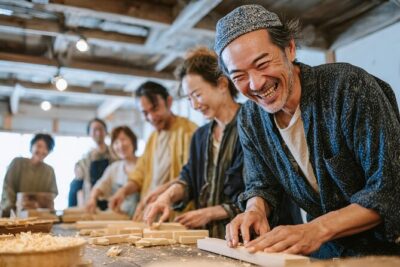
Sushi Making Class in a Happi Coat near a Famous Spot
Read our review →
Sushi Making Osaka Roll and Authentic Japanese Sushi Class
Read our review →Browse the lists this tour appears in