
Reviewed · WORKSHOPS
Japanese Pottery Class in Tokyo
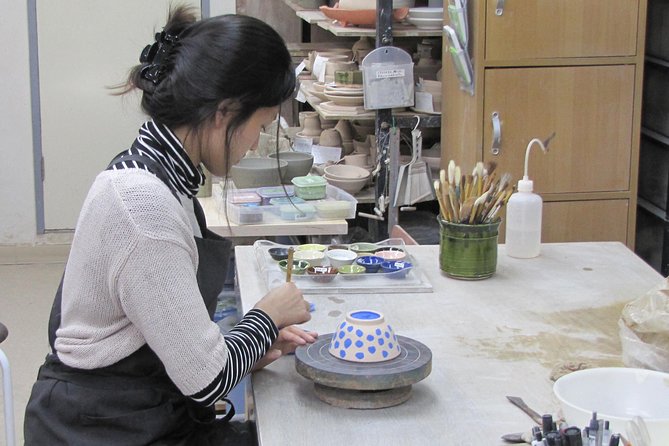
Tokyo clay takes an hour, then waits. This small-group class in Minato feels personal, and you create a souvenir you actually choose for firing. The one catch is budget and timing, the $26.73 covers the pottery trial, while firing fees and optional EMS shipping are extra.
You also get a practical setup: central Tokyo access near public transit, a studio session around an hour, and English-friendly instruction from the sensei team (names you may hear in class include Ruth, Stephen, Viki, Kaia/Kya, Jumpai, and Mr. Hoshi). The studio vibe is calm and supportive, but if you expect to carry home finished ware the same day, plan around that wait.
Key points before you go
- Small group teaching with a max of 15 for a personal feel
- You make 2-3 pieces in one hour, then select which ones to keep for firing
- The base price is the class only, firing is billed per selected work
- Finished pieces take about one month to prepare after you make them
- EMS shipping is optional, and international shipping can have destination quirks (Brazil needs extra care)
- Instructors are patient and English-capable, including people like Ruth, Stephen, Viki, and Jumpai
Japanese pottery in central Tokyo: what you get for $26.73
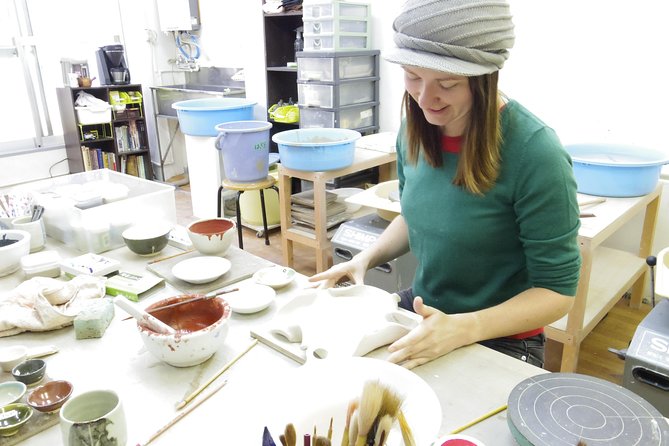
If you want a real hands-on Tokyo experience, not just a quick look at art, this pottery trial class is a smart way to do it. You’re making objects with a sensei (teacher) in a studio setting, and the class size stays small enough that you’re not just watching from the back row.
The value starts with structure. You show up, do a short application and setup, get an instructor demo, then you’re actively shaping clay during the main hour. That’s where the experience turns from sightseeing into doing. People often come for a simple try, but the way the session is taught makes it feel like you’re learning an art process, not just following steps.
The location also matters. The meeting point is in Minato City, Shiba, at Shimizu House, and it’s described as close to a Metro station. That makes it easier to fit into a typical Tokyo day without burning half your trip on transit.
One more detail: the experience is popular. It’s listed with 20+ bookings last month, and the high recommendation rate (94%) suggests this isn’t one of those one-size-fits-none craft stops. Just keep your expectations aligned with what’s included. Your class fee buys the trial and instruction, not necessarily the fully finished, fired pieces in your hands right away.
The one-hour studio session: demo first, then you shape 2-3 works
This class runs for about 1 hour (approx.), and your time is tightly focused on the making part.
Here’s the flow you should expect in the studio:
- You begin with an application form
- The instructor creates a sample so you can see the form and technique before you start
- You make about 2-3 works within 1 hour
- You choose which pieces you want to keep for firing
- You pick colors for the selected pieces
- You do cleaning at the end of the hands-on portion
- Then it’s payment and wrap-up
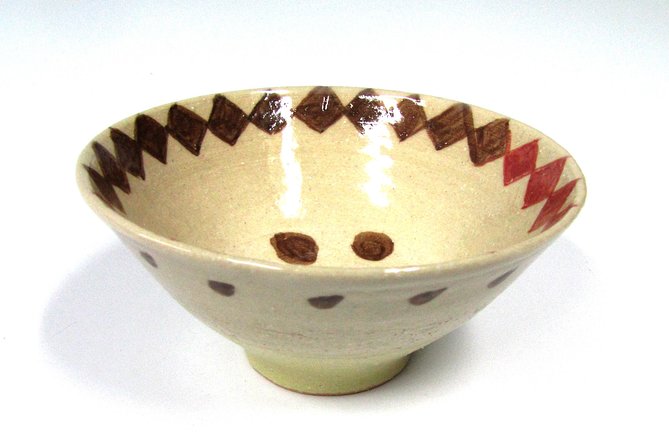
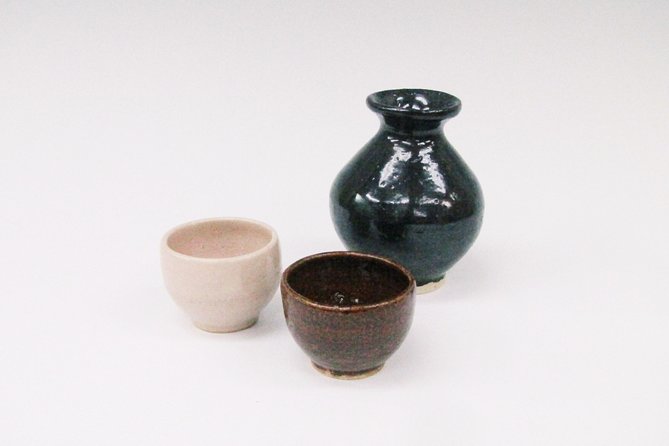
The biggest practical takeaway is that you’re not just painting a design. You’re choosing actual forms. That means your souvenir will reflect what you can make in real clay, in real time, with guidance when your hands need it.
A common theme from how instructors teach at places like this is quick demonstration, then real autonomy. You’re given a base technique, but you’re not locked into a single template. You get help if you ask, and you can still steer the piece toward your taste through shape decisions and glaze color choices.
My advice on how to prepare: wear sleeves you’re comfortable getting a little messy, and don’t stress about perfect symmetry. In pottery, the goal for a first class is learning the process and leaving with something that feels distinctly yours. If you want fewer decisions later, pick the best 1-2 pieces during the hour rather than trying to keep everything.
A few more Tokyo days worth comparing
- Mt Fuji and Hakone 1-Day Bus Tour Return by Bullet Train
★ 5.0 · 26,383 reviews - 1-Day Tokyo Bus Tour
★ 5.0 · 14,250 reviews - Tokyo: TOKYO SKYTREE® Admission ticket
★ 4.5 · 11,192 reviews
Waiting for firing: why you need patience and extra fees
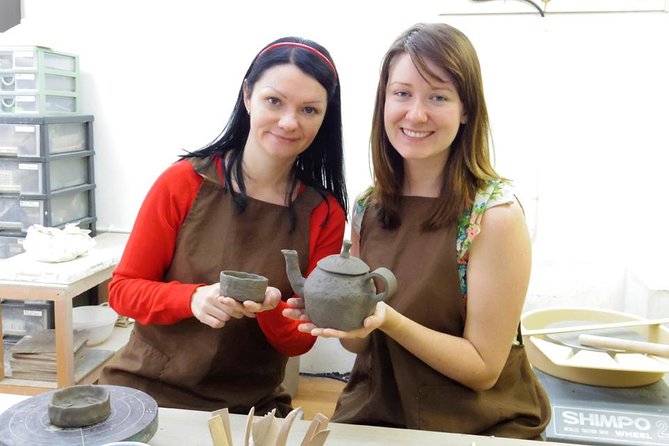
Here’s the part that trips people up, and it’s worth planning for up front.
The session ends with your pieces selected for firing, plus your glaze color choices. But the pieces don’t become finished take-home pottery immediately. The info you’re given is clear: it takes about one month to prepare the works after making.
Also, firing is not included in the basic fee. The tour lists firing fees as extra for each selected work. So the class price gets you the making and instruction, and then the studio handles the pottery process that turns your clay into durable ware.
Think of it like this:
- In class: you create and select
- After class: you wait while the studio fires, prepares, and completes your selected items
- At delivery time: you may pay optional EMS shipping to receive the finished pottery abroad
This is why the class can still be good value even when the final total ends up higher than $26.73. You’re paying for instruction and the studio’s production steps, and you only pay firing for the pieces you truly want to keep.
International shipping notes you should know
EMS shipping is listed as optional. There’s also a special warning for Brazil due to strict customs, which makes sending class-made pieces more challenging. If you’re in Brazil, you’re asked to contact the provider before booking to discuss alternatives.
One more practical tip if you’re outside Japan: don’t assume every destination is equally easy. Shipping rules can change, and pottery is a fragile, regulated item. If you want the finished pieces delivered, confirm the shipping options for your country before you commit.
Price breakdown: how $26.73 turns into a souvenir budget
Let’s talk money in a way that helps you decide.
Your listed price is $26.73 per person, and the included item is the basic fee for the pottery trial class. That means you’re paying primarily for:
- the instructor time
- the studio session
- the trial making experience in the hour
- the selection process (so you decide what moves forward to firing)
Not included are the two costs people often overlook:
- firing fee for each selected work
- EMS shipping fee, which is optional
So what’s the value? It’s in two places.
First, you get a structured hour with hands-on coaching. That’s hard to replicate with DIY craft options across Tokyo, and it’s where most of the experience happens.
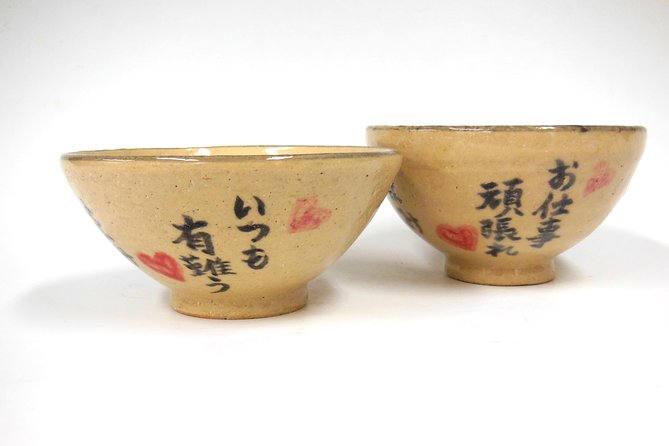
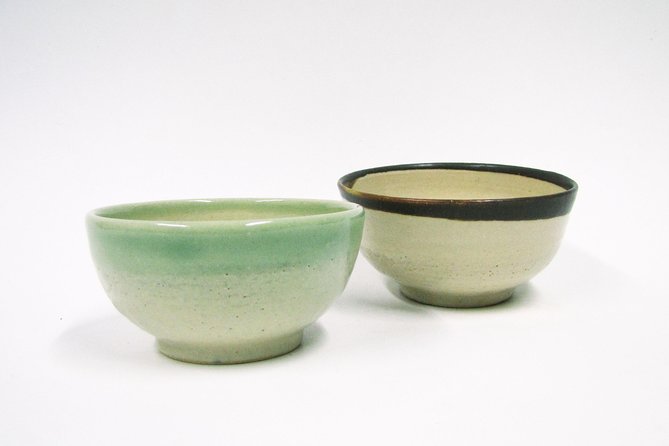
Second, your “souvenir” becomes a real object made from your choices. Many other craft activities give you a sample to decorate or a quick assembly. Here, you’re shaping and choosing what to fire, which tends to feel more meaningful.
Same corner of Japan, a different kind of day:
- Tokyo: teamLab Planets TOKYO Digital Art Museum Entry Ticket
★ 4.6 · 9,779 reviews - Mt Fuji & Hakone Cruise, Drum Show Bullet Train 1 Day from Tokyo
★ 4.0 · 7,413 reviews - Tokyo: Sumo Show Experience with Chicken Hot Pot and a Photo
★ 4.8 · 6,678 reviews - Tokyo: Shinjuku Food Tour (13 Dishes at 4 Local Eateries)
★ 5.0 · 6,603 reviews
A smart way to choose how many pieces to keep
Since firing is per selected work, your total cost often comes down to how many items you choose at the end of the hour. If you’re watching your budget, keep it simple:
- choose the pieces you feel proud of
- don’t select everything just because it’s available
If you’re less budget-sensitive and want a full set, you can aim for more pieces. You’re told to expect around 2-3 works in the time, and some people mention making more than that, depending on pace and guidance.
Guides in the room: patient teaching, English support, and real adjustments
One of the most praised parts of this kind of class is teaching quality. The instructor team is frequently described as patient, friendly, and attentive, with clear instructions that help you get unstuck.
Names that come up in the instructor lineup you might encounter include:
- Ruth (English-capable and patient)
- Stephen (helpful and instructive)
- Viki/Vicki (explains basics clearly)
- Kaia/Kya (encourages fun while still teaching technique)
- Jumpai (praised for excellent instruction)
- Mr. Hoshi (described as thorough and very patient)
You should also expect a teaching style built around demonstration first, then correction. People describe instructors stepping in to help fix shapes, guide technique, and encourage you to try different forms. That matters because pottery has a learning curve. Without quick corrections, a piece can go wrong fast.
The studio atmosphere you can aim for
The vibe sounds intentionally calm. Descriptions include a peaceful environment and a therapeutic feel, and that’s a big part of why this works as a Tokyo break. If you’re overwhelmed by the city’s pace, this class gives your hands and brain something focused to do for an hour.
It’s also described as suitable for families, which usually means the studio keeps things accessible and not overly technical. If you’re traveling with kids, this can be a rare activity where everyone gets to participate, not just watch.
Where it fits near Shiba and Tokyo Tower area
The meeting point is:
Japan, 105-0014 Tokyo, Minato City, Shiba, 3-chōme 29-11, Shimizu House
You return to the same meeting point at the end, so you can plan your day without a complicated transit puzzle.
Because it’s positioned in central Tokyo and close to public transportation, I recommend timing it around other nearby sightseeing. One description places it in the broader Tokyo Tower area, which is useful for planning. You can do a morning or afternoon craft session, then walk or ride to major sights afterward.
Practical tips that will help you make the class day smoother:
- Arrive a little early so you’re not rushed during application and payment
- Bring a phone screen for your mobile ticket
- Wear clothes that tolerate clay dust and minor mess
And remember, your main task is creating your pieces. Don’t schedule a tight connection immediately after the hour, because you may need a moment for cleaning and final payments.
Who should book, and who might not love it
This experience fits best if you want a hands-on Tokyo activity and you’re okay with a delayed finish.
Great for:
- First-timers who want to learn the basics with support
- People who want a real Japanese craft souvenir, not a mass-made trinket
- Anyone who likes calm, focused activities as a break from fast city days
- Groups that want small-group attention, since it’s built for limited size
Maybe not ideal for:
- Anyone who expects to take finished, fired pottery home the same day
- People who want a fixed total price, because firing fees are extra per selected work
- Anyone who needs international shipping certainty without any extra questions, since shipping is optional and international rules vary by destination
If you want to minimize surprises, decide in advance:
- how many pieces you’re likely to select for firing
- whether you plan on EMS shipping or bringing items back is an option for your situation
Should you book this Japanese pottery class in Tokyo?
I think it’s a strong booking if you match the trade-offs. For $26.73, you’re buying instruction and a focused hour of making, plus the chance to choose pieces and glaze colors for firing later. The process is patient, and the small group setup means you’re not lost with a lump of clay and a vague sign.
The reason I’d recommend it with confidence is simple: this class is built for people who want to leave with something authentic. Not just an Instagram photo. A real object made from your own hands, shaped under a sensei’s guidance.
Book it if you can handle the extra steps after class, the firing fees, and the about one-month wait for finished items. Skip or ask extra questions first if you need immediate take-home results or you’re uncertain about shipping to your country.
If you want, tell me your country and how many people are going. I can help you plan a sensible “how many pieces to select” approach so the final cost stays where you want it.
FAQ
How long is the Japanese pottery class in Tokyo?
The class runs for about 1 hour (approx.).
What is included in the $26.73 price?
The basic fee for the pottery trial class is included.
What is not included?
Firing fees for each selected work are not included. EMS shipping is optional.
How many pieces will I make during the class?
You will make about 2-3 works within the 1 hour session.
How long does it take for the finished pieces to be prepared?
It takes about 1 month to prepare the works after making.
Where do I meet for the class?
The meeting point is Shimizu House, 3-chōme2911 Shiba, Minato City, Tokyo 105-0014. The activity ends back at the same meeting point.
Can I cancel for a full refund?
Yes, you can cancel up to 24 hours in advance for a full refund. If you cancel less than 24 hours before the start time, the amount paid is not refunded.
Fresh options around Tokyo
- Tokyo: Nikko Kegon Falls Lake Chuzenji Toshogu Temple & More★ 4.9 · 12 reviews
- Tokyo: Samurai History Walking Tour★ 5.0 · 12 reviews
- Harajuku: Kawaii Fashion and Pop-Culture Tour★ 4.7 · 12 reviews
- Tokyo: Mt. Fuji & Lake Kawaguchi Instagram Full Day Trip★ 4.1 · 12 reviews
- Shibuya Tokyo: Modern Kintsugi Workshop in Shibuya★ 5.0 · 12 reviews
- Tokyo: GTR Guided Daikoku Experience at Night★ 5.0 · 12 reviews
- Tokyo: Daikoku JDM Car Culture Tour★ 4.6 · 12 reviews
- Mt Fuji Private Day Trip from Tokyo with English speaking driver★ 5.0 · 13 reviews
Workshops, compared.
Sushi Making Tokyo Roll and Authentic Japanese Sushi Class
Read our review →
Roll and Authentic Sushi Making Class in Asakusa
Read our review →
Ramen Cooking Class at Ramen Factory in Kyoto
Read our review →
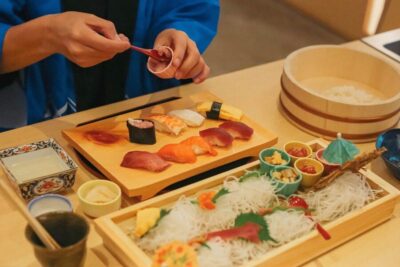
Sushi Making Class in a Happi Coat near a Famous Spot
Read our review →
Sushi Making Osaka Roll and Authentic Japanese Sushi Class
Read our review →Browse the lists this tour appears in