
Reviewed · WORKSHOPS
Mochi Sweets Making Class in Tokyo
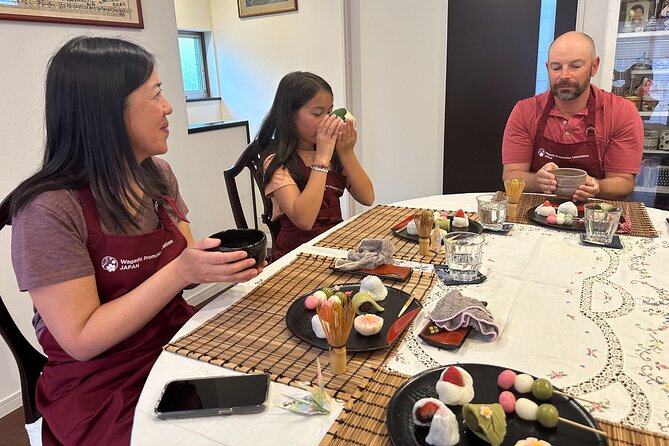
Mochi making in Tokyo is way more hands-on than it sounds. You spend 1 hour 30 minutes in a private residential setting learning traditional Japanese sweets, then eat what you make with tea. It is a small, practical workshop run by ankotopia WAGASHI School that focuses on technique, culture, and recipes you can repeat at home.
I love the step-by-step pace. You do not need to bring anything, and you get tools, an apron, and a takeaway box so your class does not turn into a shopping scavenger hunt.
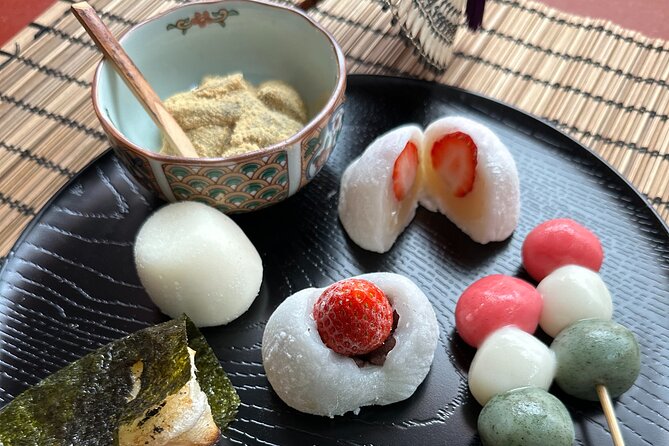
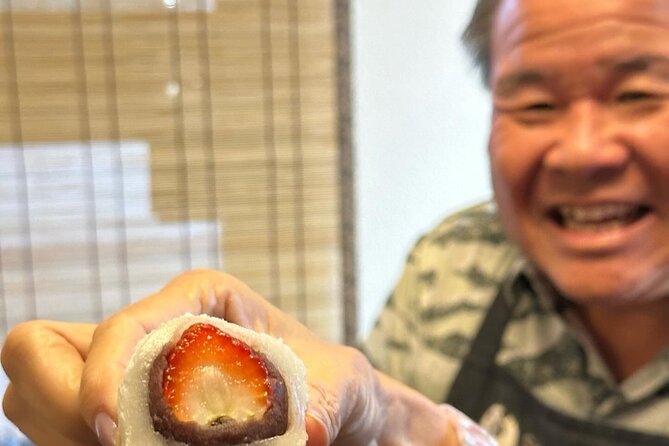
I also love that the experience is not just mochi, it branches into multiple styles like strawberry daifuku (or other fruit when strawberries are out), dango on skewers, warabi-mochi, and isobe-mochi. One consideration: the class takes place in a home with two short hair cats, so if you have allergies, you will want to think twice.
What I think you should know before you go
You go to a quiet neighborhood in Ota City, about 15 minutes from central Tokyo by train or car. That matters because the class feels like a real local pause, not a tourist factory.
You get a cozy atmosphere, photos and videos taken during your session, and a chance to explore nearby daily-life spots before or after. The menu uses plant-based ingredients that are easy to find in your home country, with vegan options noted for the class.
One drawback to plan for: there is no private transportation included. If you are traveling with heavy bags, you will want to make your own ride plan to the meeting point.
Key highlights you should care about
- Multiple mochi styles in one class: daifuku, dango, warabi-mochi, and isobe-mochi
- Downloadable recipes, including a mochi-ice cream recipe you can recreate later
- Tea tasting built in, with green tea or hojicha after you make the sweets
- A home setting with real hospitality, plus photos and videos for your memory
- Vegetarian and vegan friendly, using plant-based ingredients
- Cats on site, two short hair cats that stay in the bedroom during the lesson
A few more Tokyo days worth comparing
- Mt Fuji and Hakone 1-Day Bus Tour Return by Bullet Train
★ 5.0 · 26,383 reviews - 1-Day Tokyo Bus Tour
★ 5.0 · 14,250 reviews - Tokyo: TOKYO SKYTREE® Admission ticket
★ 4.5 · 11,192 reviews
MoChi making, but with real meaning behind it
Mochi looks simple until you try making it. The class starts with glutinous rice flour and turns that basic ingredient into several very different Japanese sweets, so you learn why texture and timing matter.
You also get the context that mochi connects to Japanese tradition and celebrations. That is the part that makes the hands-on work stick, because you understand what you are recreating, not just how to shape it.
I like that the teaching includes various ways to eat mochi too. It is useful, because even if you love Japanese sweets, you might not realize how many forms and pairings exist.
Finding the workshop in Ota City, and why the location feels better
The meeting point is at 20-15 Kitaminemachi, Ota City, Tokyo 145-0073. Your activity ends back at the meeting point, so you are not stuck wondering how to get home after you taste-test everything.
It is near public transportation, and the neighborhood is described as quiet and residential. That is a big plus if you want a break from crowded streets, and it helps explain why the class can feel relaxed even though it is still structured.
Also, plan a little buffer time. The schedule is short, about 1 hour 30 minutes, but the area is set up for easy add-ons. Before and after class, you can check out local shops, supermarkets, cafes, a shrine, and even a famous public bath nearby.
Inside the class setup: what you get and what you can skip
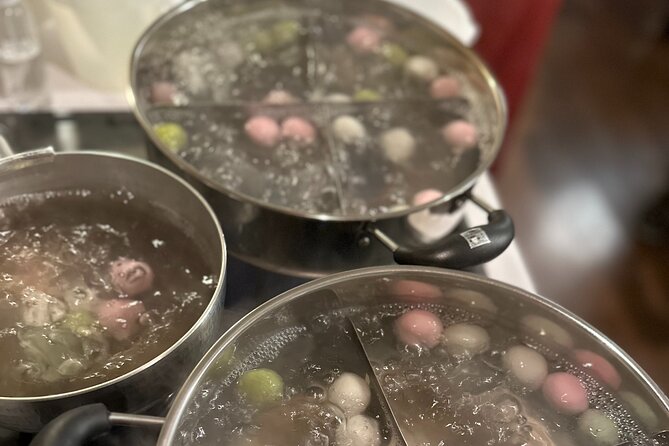
You do not need to bring ingredients or special gear. Apron, hand towel, special tools for wagashi making, drinking water, and a takeaway box are included.
This is not a “bring your own cutting board” kind of class. It makes the whole experience accessible, especially if you are traveling light or your luggage is already bursting.
You also get a guide. The guide element matters because mochi is technique-heavy, and having someone watch your handling can prevent the common mistakes like texture issues or uneven shaping.
One more thoughtful touch: you can receive portrait photos and videos taken during the class. That is handy because you do not have to play photographer while your hands are busy doing the hard work.
Same corner of Japan, a different kind of day:
- Tokyo: teamLab Planets TOKYO Digital Art Museum Entry Ticket
★ 4.6 · 9,779 reviews - Mt Fuji & Hakone Cruise, Drum Show Bullet Train 1 Day from Tokyo
★ 4.0 · 7,413 reviews - Tokyo: Sumo Show Experience with Chicken Hot Pot and a Photo
★ 4.8 · 6,678 reviews - Tokyo: Shinjuku Food Tour (13 Dishes at 4 Local Eateries)
★ 5.0 · 6,603 reviews
The mochi workflow you will actually learn
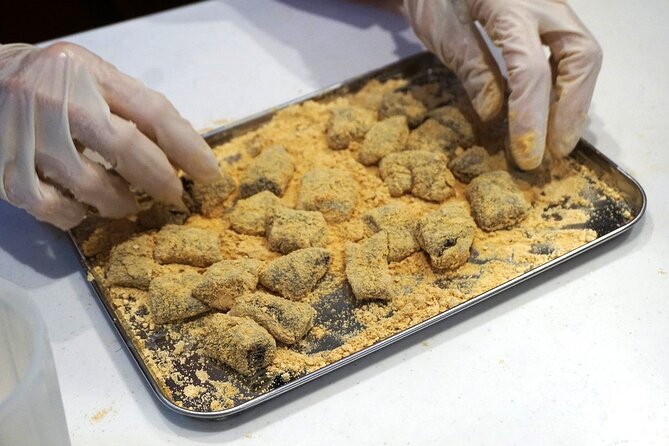
The class centers on making mochi using glutinous rice flour. You will follow an easy recipe described as downloadable, so you have a reference instead of relying on memory once you are back home.
Then you build multiple sweets from that mochi base. Here is what the menu includes, and why each item is worth your attention.
Strawberry daifuku, and what happens off-season
Daifuku is the “stuffed mochi” style most people picture first. You make strawberry daifuku when strawberries are in season. When strawberries are out of season, the class uses other fruits like pineapple and kiwi.
That seasonal swap is practical. It means you are still learning the method even if the fruit availability changes, and you do not feel like you booked the wrong date.
Dango on skewers with several flavor options
You also make dango, which are mochi balls served on skewers. The class notes several flavors, which is great because you get variety without adding extra class time.
Skewers also make the sweets feel approachable. Even if you are not sure how daifuku will be received at home, dango tends to be easy for friends and family to try because it is portable and fun to eat.
Warabi-mochi, a different texture lesson
Warabi-mochi is another mochi-based sweet, but the handling is different enough that it teaches you something new. You will learn how to make it as part of the session, and the experience is not just repetition.
Learning different mochi styles helps you understand the “why” behind texture. You stop thinking of mochi as one thing, and start seeing it as a family of sweets with different textures and eat styles.
Isobe-mochi, for a more distinctive Japanese taste
Isobe-mochi rounds out the menu. It is included alongside the other classic options, so you leave with a broader set of skills than a basic “one sweet only” workshop.
If you care about variety in your Tokyo food experiences, this is a smart choice. You are sampling techniques and forms, not only filling a single mold.
Mochi-ice cream recipe: the part you can use later
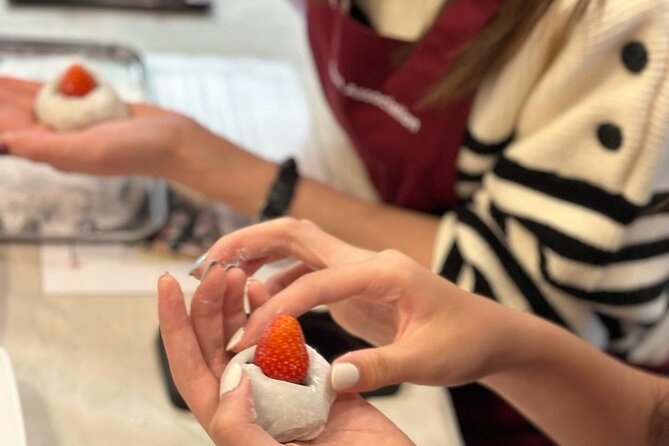
One of the best value boosts in this class is the downloadable mochi-ice cream recipe. You are not just eating dessert for the day, you are getting a follow-up project for your kitchen at home.
Even if you never make it right away, having the recipe means you can recreate it when you have the right ingredients or you want to impress someone. It turns your class into a souvenir that keeps paying off.
Tasting the results with green tea or hojicha
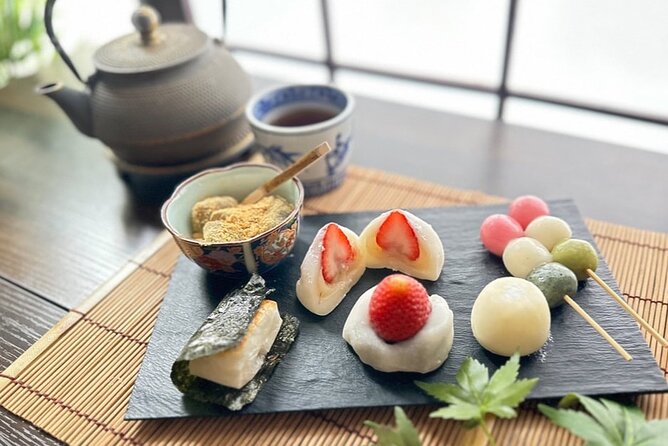
After you make your sweets, you get to taste them. The class includes tasting including mochi-ice cream, paired with Japanese green tea or hojicha.
This pairing detail is not random. Tea helps cut sweetness and resets your palate between different textures like daifuku and dango. Also, hojicha adds a roasted, comforting profile that tends to work well with chewy desserts.
You can also take creations with you in a special box. That is perfect if you want a sweet treat later, or if you want to share without worrying about how to store sticky items.
Vegetarian and vegan friendly, with plant-based ingredients you can find later
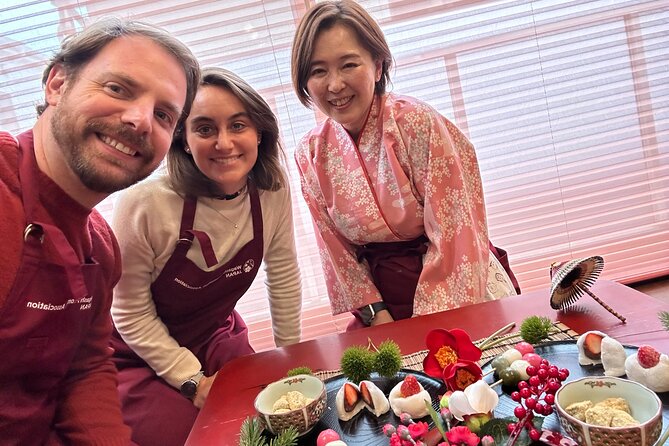
The class uses plant-based products that are described as easily available in your own country. Vegetarian is explicitly supported, and vegan options are available.
This is a big deal if you usually hit food workshops where vegetarian options are limited. Here, the menu and ingredient approach are built to fit different diets, so you can focus on learning without playing guessing games.
It also helps when you recreate recipes at home. If ingredients are easy to source, you are more likely to actually make the sweets again instead of shelving the idea.
The teacher experience, and why the pace feels comfortable
Satoko is the teacher name you will see in feedback, and the tone comes through clearly: warm, welcoming, and passionate about both technique and culture. In practical terms, that means you get an experience that explains what you are doing and why you are doing it.
There is also emphasis on patience. Mochi is a craft, not a race, and the class format supports a step-by-step pace.
The class is described as solo and family friendly too. So if you are traveling alone, you are not stuck in awkward group dynamics. If you are traveling with kids, the hands-on nature tends to keep attention.
Group size, private feel, and what to expect for your plan
This is described as a private tour or activity, with only your group participating. There is also a note that if your group is more than 3 people, it becomes a private lesson, and during off-peak season it may have no extra cost.
What I’d take from this is simple: you should expect more attention than you would in a large public class. And because the time is fixed at about 1 hour 30 minutes, you get a focused experience without burning hours waiting your turn.
Price is $75.12 per person. For Tokyo, that is often reasonable when a class includes tools, instruction, tea, tasting, takeaway boxes, and recipe downloads. It is not cheap, but it is not just buying sugar. You are paying for guided technique plus a set of sweets you can replicate later.
Also, the class is commonly booked about 42 days in advance on average. If you want a specific date, plan ahead.
Timing tips: when to book for the best Tokyo day
Because the class is short and the neighborhood is easy to explore, it is a good mid-day or early afternoon anchor. You can pair it with a nearby shrine visit or a public bath stop without turning your day into a logistics project.
I also suggest booking when you have time to eat lunch after. Mochi is filling, and if you go too hungry, you might feel like your energy is spent during the tasting portion.
And remember the cats. Two short hair cats stay in the bedroom during a lesson, but they are still part of the household. If you are sensitive, ask in advance and decide carefully.
Who should book this mochi lesson, and who might pass
Book it if you want a hands-on Tokyo food experience that teaches more than one item. This class is a strong fit for mochi lovers, people who enjoy Japanese craft foods, and anyone who likes to bring home skills, not just snacks.
You might consider another option if you have strong cat allergies, since the class happens in a home with two short hair cats on site. And if you hate train and local navigation, factor in the fact that private transportation is not included.
Families should also feel good about it. The class is described as solo and family friendly, and the overall format is step-by-step.
Should you book Mochi Sweets Making Class in Tokyo?
Yes, if you want a cozy, taught-from-scratch mochi experience with multiple sweets, tea tasting, takeaway boxes, and recipes you can actually use later. The value improves because you are not only learning one dessert, you are learning a set of techniques you can repeat, plus you get a mochi-ice cream recipe download.
I would book it sooner rather than later, since the typical booking window is around 42 days. And I would be honest with yourself about cat allergies and your comfort handling local transport to Ota City.
If that all sounds manageable, you will walk away with a better understanding of Japanese sweets and a delicious plan for your next dessert night.
Fresh options around Tokyo
- Tokyo: Nikko Kegon Falls Lake Chuzenji Toshogu Temple & More★ 4.9 · 12 reviews
- Tokyo: Samurai History Walking Tour★ 5.0 · 12 reviews
- Harajuku: Kawaii Fashion and Pop-Culture Tour★ 4.7 · 12 reviews
- Tokyo: Mt. Fuji & Lake Kawaguchi Instagram Full Day Trip★ 4.1 · 12 reviews
- Shibuya Tokyo: Modern Kintsugi Workshop in Shibuya★ 5.0 · 12 reviews
- Tokyo: GTR Guided Daikoku Experience at Night★ 5.0 · 12 reviews
- Tokyo: Daikoku JDM Car Culture Tour★ 4.6 · 12 reviews
- Mt Fuji Private Day Trip from Tokyo with English speaking driver★ 5.0 · 13 reviews
Workshops, compared.
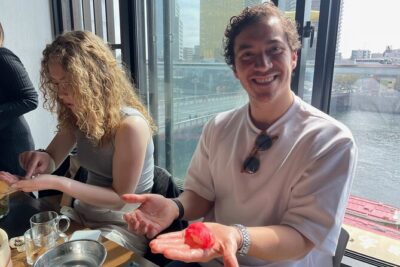
Sushi Making Tokyo Roll and Authentic Japanese Sushi Class
Read our review →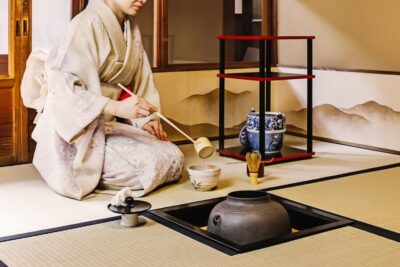
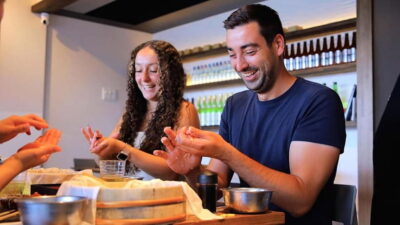
Roll and Authentic Sushi Making Class in Asakusa
Read our review →
Ramen Cooking Class at Ramen Factory in Kyoto
Read our review →
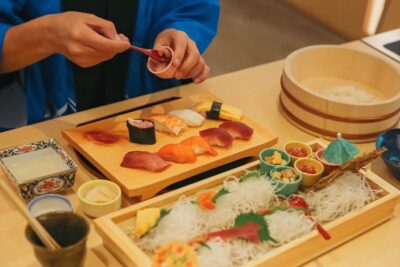
Sushi Making Class in a Happi Coat near a Famous Spot
Read our review →
Sushi Making Osaka Roll and Authentic Japanese Sushi Class
Read our review →Browse the lists this tour appears in