
Reviewed · HISTORICAL TOURS
Hiroshima: History and Hidden Gems Tour
Atomic memory deserves better than a quick glance. This Hiroshima walk starts at the Peace Memorial Museum and turns a list of sights into a story you can actually follow. I like that the route has a clear flow, so the places connect instead of feeling like random stops.
I also love the human scale here, with stops like the Atomic Bomb Dome and careful explanations by English guide Awais. The one drawback to plan for is lots of walking, so bring comfortable shoes and expect the day to flex if you stop for photos or want extra time.
Key highlights you should know before you go
English guide Awais makes the memorial sites easier to understand
You skip ticket lines for key stops, saving time for what matters
You see the Peace Memorial area, then shift to Hiroshima Castle and Shukukeien Garden
Rain-ready pacing, with safety briefings and sheltered moments when weather turns
You can be dropped off at Shukukeien Garden or back near the museum area
Why this Hiroshima start at the Peace Memorial Museum hits harder
The tour begins where your emotions usually get the clearest focus, the Hiroshima Peace Memorial Museum. You start with a photo stop, then you get a guided introduction that helps you read what you’re seeing, not just pass by it.
What makes this start work well is the order. The museum is heavy, and it’s easy to wander through it like a checklist. With a guide, you get context first, so the exhibits land with more meaning. One of the best things I look for in a history tour is whether it helps you make sense of the timeline. Here, the guide does that, and you’ll feel the difference as you move from room to room.
There’s also time to take it in at your own pace after the guided part. If you want to slow down for specific panels or photos, you can. If you’re the type who likes to get your bearings fast, the guidance gets you there without rushing you through.
A few more Hiroshima days worth comparing
- Hiroshima Historical Walking Tour – Why A-Bomb was Dropped
★ 4.8 · 893 reviews - Hiroshima Peace (Heiwa) Walking Tour at World Heritage Sites
★ 5.0 · 872 reviews - Miyajima Half-day Trip Historical Walking Tour
★ 5.0 · 284 reviews
Peace Memorial Park: seeing the viewpoints you might otherwise miss
Right after the museum, you move into Peace Memorial Park, and the vibe changes from indoor learning to outdoor, walk-and-look history. Your guide includes a safety briefing and points out scenic views along the way, which matters because the park is designed to make you pause and look at what survived.
In this part of the tour, the details are the point. It’s not only about what the memorials are, it’s about why they’re placed where they are, and how the sightlines shape your experience. You’ll hear the story behind key markers, like what’s being remembered and why those locations matter for the world to see.
If you’ve visited parks before where nothing is explained, you know how that goes. You end up standing, taking photos, and leaving with only vague impressions. This tour helps you connect the dots between the park’s spaces and the people who lived through the events.
Hiroshima National Peace Memorial, Children’s Peace Monument, and what they teach
From the park, you’ll continue to major commemorative sites, including the Hiroshima National Peace Memorial and the Children’s Peace Monument. These stops feel different from each other, and that’s a good thing. They aren’t duplicates of the same message. Each one frames memory in its own way.
The National Peace Memorial helps you zoom out, toward the broader meaning of peace as a global concern. The Children’s Peace Monument pulls you back to the human reality of how catastrophe reaches ordinary lives, including kids. If you’re traveling with family or teenagers, this section is often where the tour becomes more than “school on a weekend,” because it gives the emotions a structure you can talk about afterward.
And if you’re worried about the tone being too sharp or too political, don’t. The guide’s approach is careful, and the explanations stay respectful, focused on what happened and what is being remembered.
Atomic Bomb Memorial Burial Mound and Aioi Bridge: where memory becomes geography
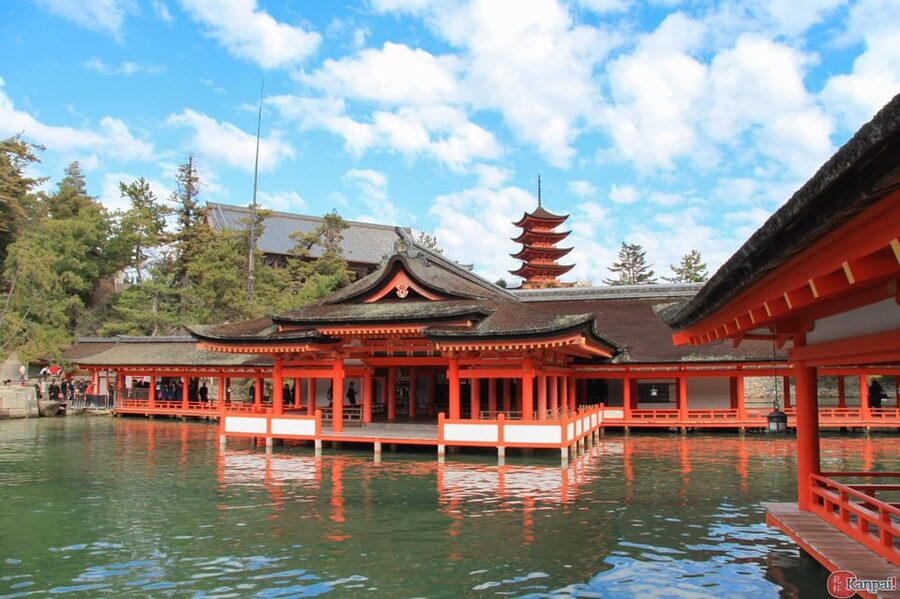
Next up are stops that make Hiroshima feel real, not abstract. You’ll visit the Atomic Bomb Memorial Burial Mound, then head toward Aioi Bridge, both with guided context.
This is where I think walking tours earn their keep. A bridge is easy to photograph. A bridge with history attached is something else entirely. You start seeing the space as a physical environment people navigated, not just a backdrop for pictures.
At the burial mound, the tour slows down in the way good guides do. You aren’t just consuming facts, you’re learning how to stand in the right mindset. That shift is subtle but important, especially if you’re the type who wants to understand before you move on.
Same corner of Japan, a different kind of day:
- Peaceful Hiroshima & Miyajima UNESCO 1 Day Bus Tour
★ 5.0 · 5,309 reviews - Hiroshima: Hiroshima and Miyajima UNESCO Sites 1-Day Tour
★ 4.9 · 2,330 reviews - Hiroshima / Miyajima Full-day Private Tour with Government Licensed Guide
★ 5.0 · 1,298 reviews - Hiroshima in a Nutshell: Morning Bike Adventure
★ 5.0 · 524 reviews
Korean Atomic Bomb Victims Cenotaph: a crucial reminder of who is remembered
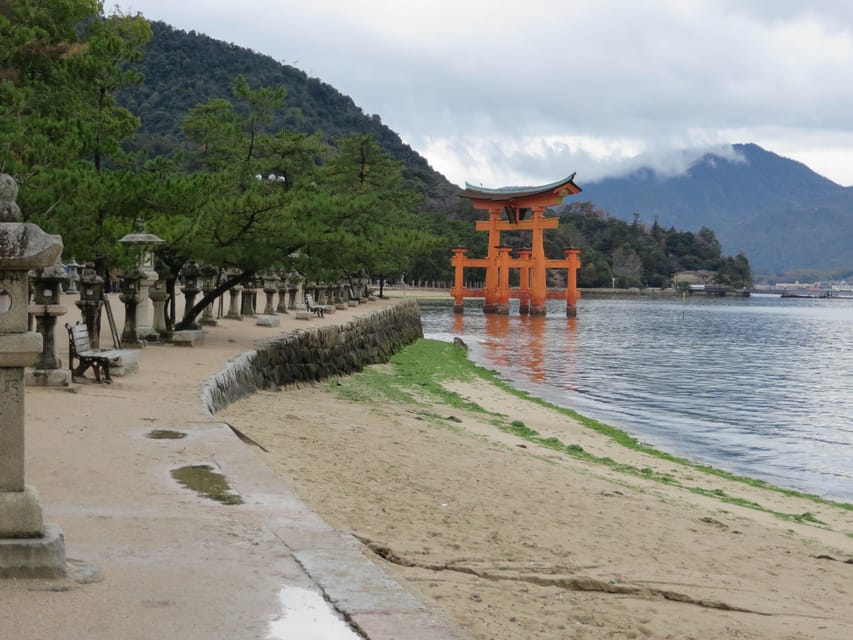
One stop that deserves extra attention is the Korean Atomic Bomb Victims Cenotaph. It broadens what many visitors assume the story is only about. The tour doesn’t treat this as a quick checkbox either. Your guide explains why this memorial exists and how it fits into Hiroshima’s wider network of remembrance.
It’s a meaningful addition because it pushes you to look beyond the most commonly repeated narrative. You may not have heard this angle before, and that’s exactly why it’s powerful to have someone on the ground explaining what you’re seeing.
Atomic Bomb Dome: the stop where you’ll probably look longer than planned
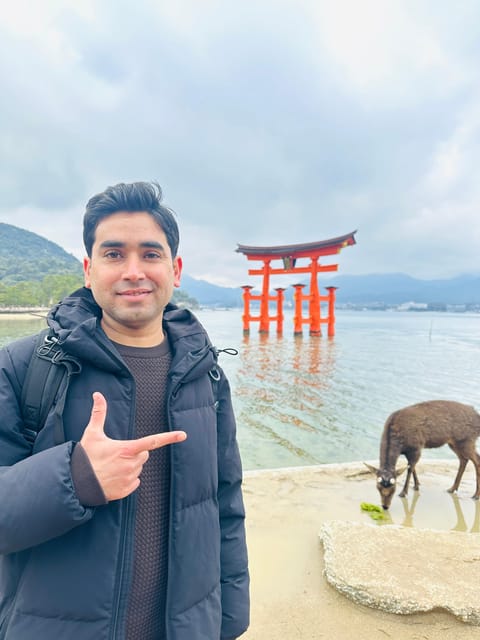
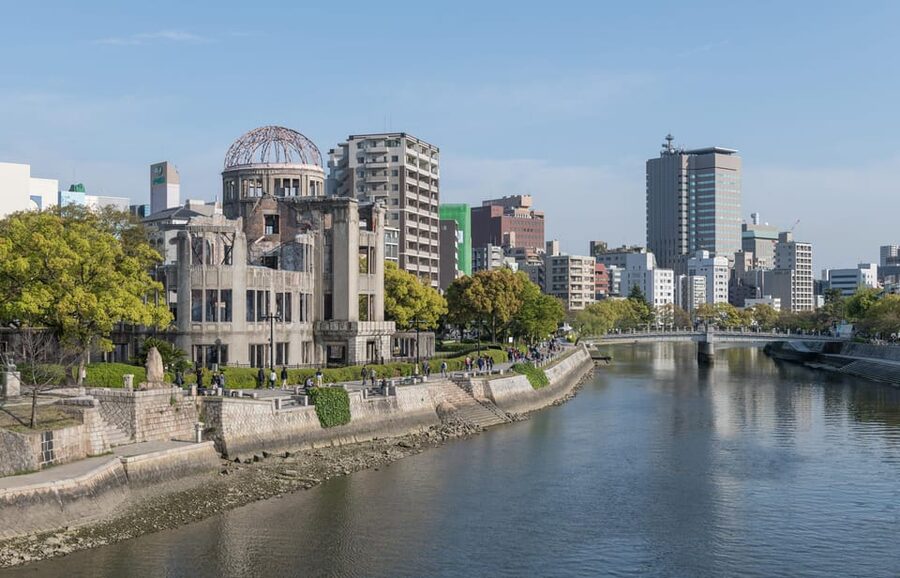
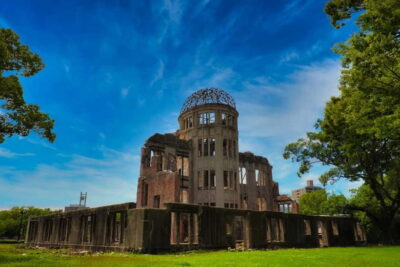
Then comes the Atomic Bomb Dome. Even if you’ve seen pictures before, nothing prepares you for seeing it in person with guidance and a sense of the surrounding area. Your guide helps you notice what you might otherwise ignore, like the way the building sits within the city and why its survival has its own symbolic weight.
This part can be emotional, and that’s normal. The value of the tour is that it doesn’t leave you alone with your thoughts. You get context first, then you can absorb the moment without feeling lost.
Also, the pacing is designed so you’re not waiting in line for the big pieces. The tour information specifically includes skipping ticket lines, and your route sequencing helps you avoid unnecessary delays.
Hiroshima Castle: history mode, with less waiting inside
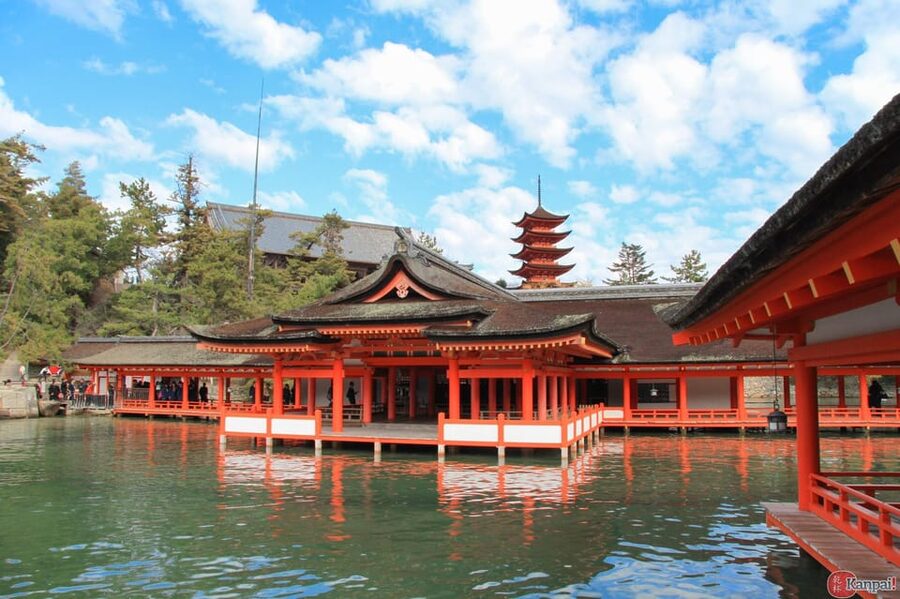
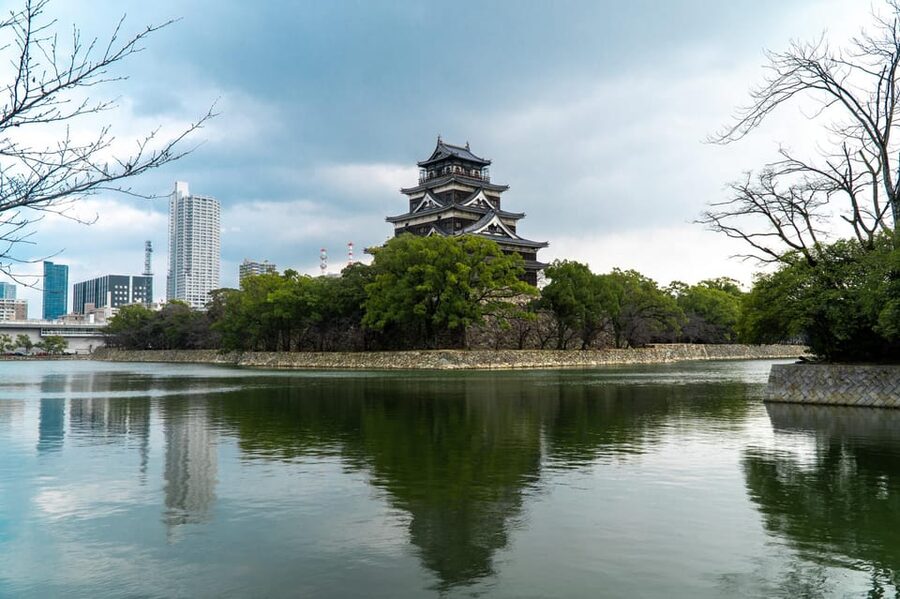
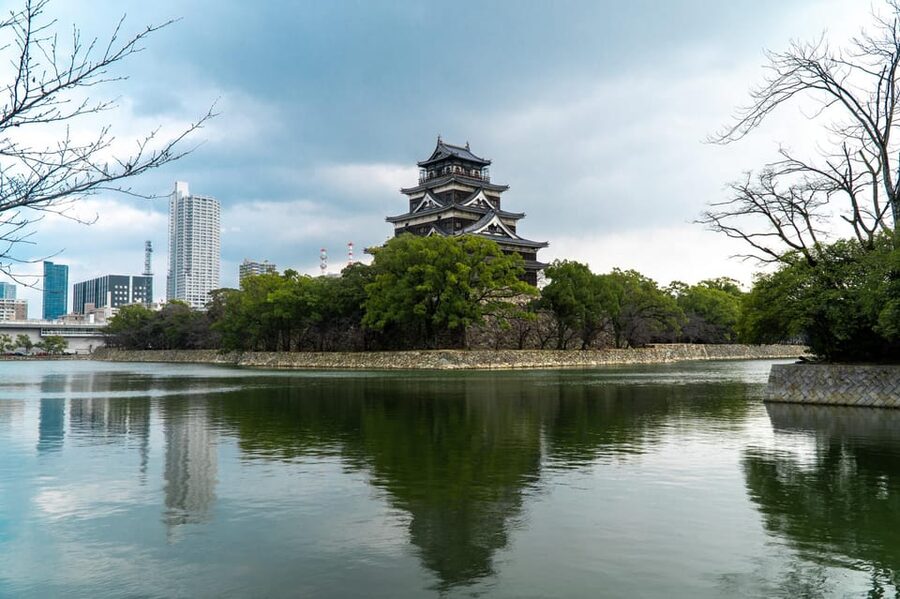
After the memorial-focused segment, the tour shifts gears to something lighter in tone but still firmly historical: Hiroshima Castle. The key detail here is how you visit it. Instead of burning time in queues, you head inside to see what the castle offers, including exhibits and displays.
This matters because the tour is only 3 hours. When time is limited, it’s better to spend it looking at the most important parts of a site than standing around. The guide’s sequencing aims to make the visit efficient without feeling like a sprint.
Inside the castle, you’re likely to feel a change in your brain. You’ve been walking through reminders of loss. Now you’re looking at a landmark of power, rebuilding, and how the city defined itself over time. It’s not a distraction. It’s part of the same Hiroshima story, just on a different chapter.
Shukukeien Garden: the 16th-century pause that changes how you see the city
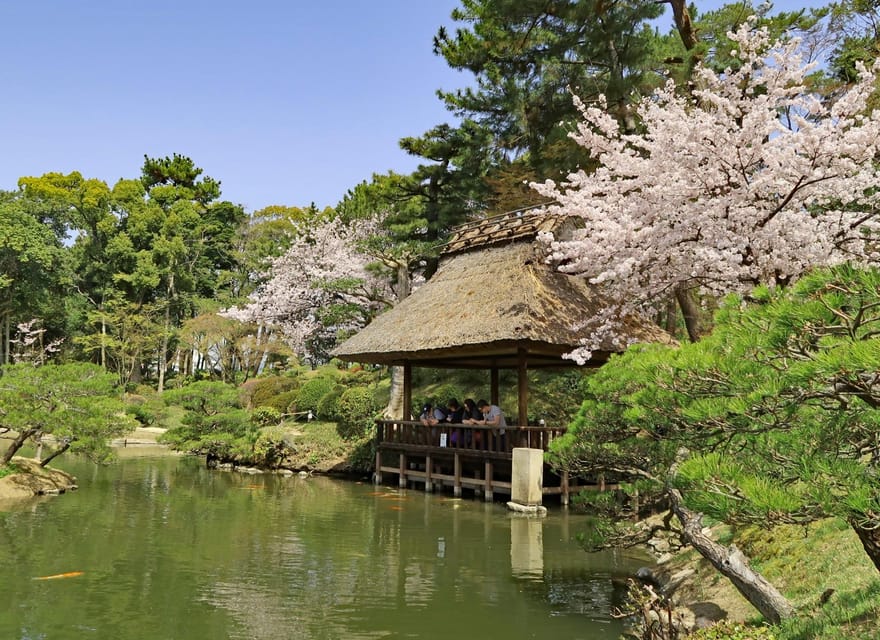
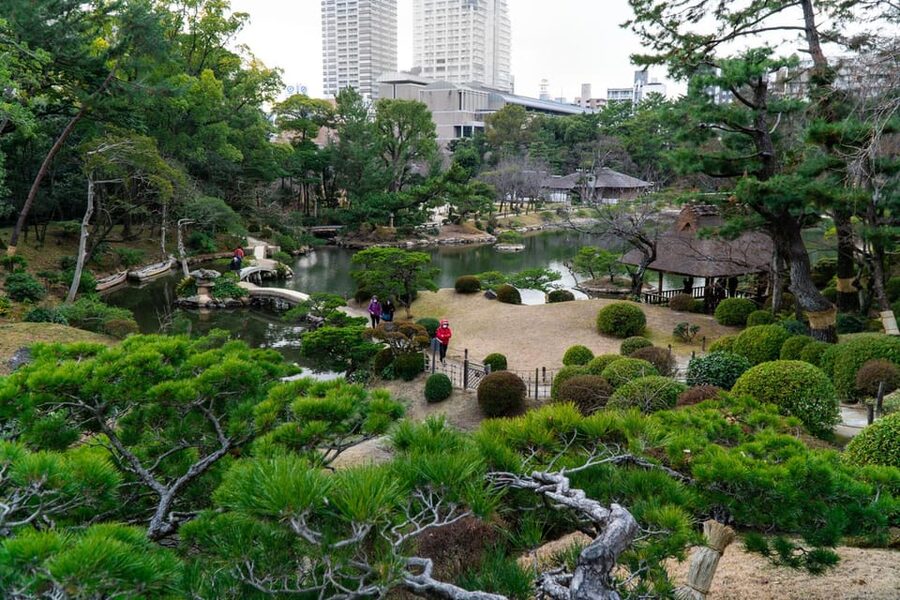
The last major stop is Shukukeien Garden, described as the oldest garden from the 16th century. If you’ve spent much of the day in memorial spaces, a garden can feel like a shock at first. But in this case, it works.
Your guide points out the garden’s striking architecture and helps you catch glimpses of the past alongside what’s still present today. It’s not only pretty. It’s a reminder that the city did not stop at a single moment in history. Hiroshima kept changing, and the garden shows that continuity in a way that feels gentle instead of blunt.
Also, this is a great place to slow down. You can take photos, step back when you need quiet, and settle your thoughts. Some people have noted that the guide can adjust timing, and in at least one case, extra time was given to make sure the garden and castle were fully enjoyed. That kind of flexibility is a sign of a guide who cares about the experience, not just the stopwatch.
Price and time value: what $57 buys you in real terms
At $57 per person for a 3-hour walking experience, the value comes down to three things: context, time savings, and emotional pacing.
First, context. Memorial sites are dense. Without help, it’s easy to leave with only impressions. With a guide, you get explanations that connect the exhibits, monuments, and surviving structures into a readable storyline. You pay for the clarity.
Second, time savings. The tour specifically includes skipping ticket lines, which is more valuable than it sounds during peak periods. When you save even 20 to 30 minutes of waiting, you can spend that time in the places that actually matter to you.
Third, pacing. Guides like Awais do more than talk. They help you decide when to pause, when to keep moving, and how to keep the group safe and comfortable. One reviewer noted that the guide even kept them sheltered during heavy rain, which is exactly the kind of practical care that makes a short tour feel smoother.
If you’re the type who hates group tours, this might feel like a lot of structure for your taste. But if you want to see the highlights and understand them without doing hours of research beforehand, this price is on the reasonable side.
Practical advice: shoes, sun, rain, and how to avoid feeling rushed
This tour is walking-heavy, and that’s part of its strength. You get from site to site and see how they relate to each other in real space. To make it comfortable, bring comfortable shoes. Don’t underestimate the floor time.
Also bring a hat and sunscreen. Hiroshima weather can be hot, and you’ll be outside for the park and multiple memorial stops. For clothing, choose weather-appropriate gear, because rain can happen.
One small but real tip: ask questions early. Your guide is there to answer them, and it usually makes the rest of the tour more meaningful. If you get overwhelmed at any point, you can ask for a break and the guide can adjust the pace.
And if it rains, don’t panic. The guide is used to handling bad weather. One person described how he helped keep them sheltered and even provided an umbrella for taking photos. That kind of quick practical response is one reason the ratings are so high.
Who this tour suits best
This experience is best for you if:
- You want a clear, guided route through the Peace Memorial area without losing time or getting confused
- You appreciate careful explanations for difficult history
- You want a mix of remembrance and recovery themes, with Hiroshima Castle and Shukukeien Garden added to the day
- You prefer walking to jumping between stops with a lot of transit time
It can also work well for families, including teens, because the tour includes the Children’s Peace Monument and keeps the day structured enough to stay engaged.
If you want a totally light, carefree outing, this won’t be that kind of tour. This day is about memory, and it can feel sobering. But if you’re ready for that, it’s also one of the most meaningful ways to understand Hiroshima in a short window.
Should you book this Hiroshima history tour?
I’d book it if you want to do Hiroshima with your eyes open. Starting at the Peace Memorial Museum, moving through the major memorials, then finishing with Hiroshima Castle and Shukukeien Garden is a strong mix. You get context for the hardest parts of the story, and you still walk away with a sense of the city beyond a single moment.
The decision hinges on your comfort with walking and emotional weight. If you’re okay with both, the guide, the pacing, and the time savings make $57 feel fair. If you have mobility limits or you hate walking outdoors, you can still consider it because it’s wheelchair accessible, but I’d be more cautious about the day’s physical demands.
If you do book, bring good shoes, pack sun protection, and come ready to ask questions. A guide like Awais can turn a short visit into something you remember for years.
FAQ
How long is the Hiroshima History and Hidden Gems Tour?
The tour duration is 3 hours.
Where does the tour start, and can I change the meeting point?
It starts at the Hiroshima Peace Memorial Museum, and you can choose the meeting point if you prefer.
What language is the tour guide?
The tour is conducted with an English-speaking guide.
What is included in the price?
The included items are the Hiroshima historical tour and an English-speaking guide.
Do I need to buy tickets in advance?
The tour includes skip the ticket line for the key sites on the route.
Is the tour wheelchair accessible?
Yes, the tour is wheelchair accessible.
What should I bring?
Bring comfortable shoes, a hat, sunscreen, and weather-appropriate clothing.
FAQ
Can I cancel for a full refund?
Yes. You can cancel up to 24 hours in advance for a full refund.
Fresh options around Hiroshima
- The Peace Memorial and Beyond: A Half-Day around Hiroshima★ 4.9 · 12 reviews
- Hiroshima Saijo Sake Tasting Tour with visit to 3 Breweries★ 5.0 · 12 reviews
- Private Hiroshima Calligraphy: Create Your Own Kanji Art Souvenir★ 5.0 · 12 reviews
- Hiroshima:Private lacquer workshop experience tour(gift included)★ 5.0 · 13 reviews
- Sunset Walking Tour at Peace Park, Hiroshima★ 5.0 · 13 reviews
- Kimono and Calligraphy Experience in Miyajima★ 5.0 · 16 reviews
- Hiroshima Peace Memorial Park: A Guided Tour★ 4.9 · 16 reviews
- History of Hiroshima: Small Group Night Walking Tour★ 4.8 · 17 reviews
Historical Tours, compared.
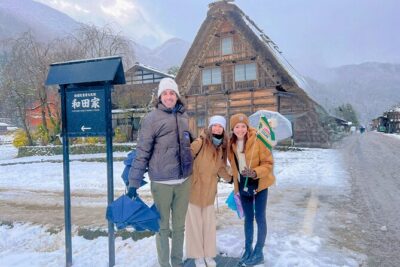
World Heritage Shirakawa-go and Experience Tours from Kanazawa
Read our review →
Imperial Palace and Shogun Historical Walking Tour
Read our review →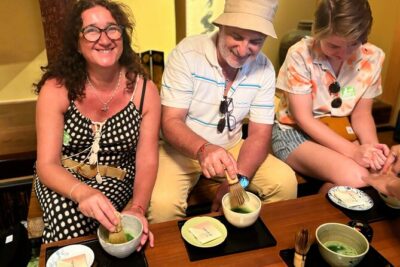
World Heritage Kyoto & Nara Uji Authentic Matcha Experience
Read our review →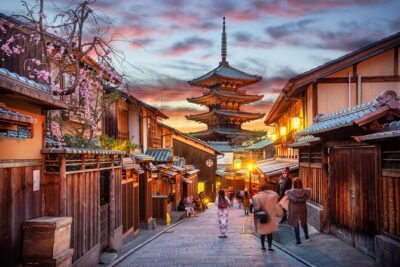
Kyoto Gion: 2-Hour Geisha Culture & History Walking Tour
Read our review →
World Heritage Shirakawa-go Morning Guided Tour
Read our review →
Hiroshima Historical Walking Tour – Why A-Bomb was Dropped
Read our review →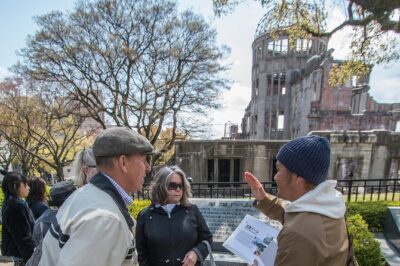
Hiroshima Peace (Heiwa) Walking Tour at World Heritage Sites
Read our review →Browse the lists this tour appears in