Reviewed · SAKE TASTING
Kyoto: Gion Geisha District & Sake-in-Hand Walking Tour
Kyoto at night feels different, and Gion is the proof. This small-group Gion geisha district walking tour pairs an easy route through famous landmarks with stories that connect what you see to samurai culture and Zen meditation, plus the chance to spot real-world geiko energy as you move. I especially like that the itinerary builds in short, frequent stops so you can keep your footing on uneven streets while still taking in the atmosphere, and you finish close to Yasaka Shrine.
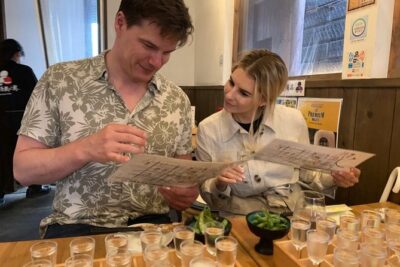
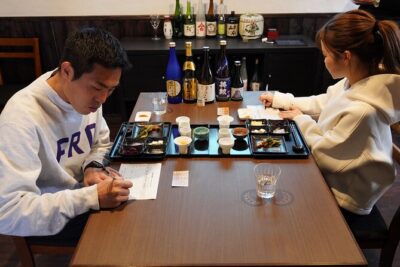
One more big plus is the sake tasting included, which turns the walk into more of an experience than a standard sightseeing shuffle.
The one watch-out is that this is still a lot of walking through residential lanes at night, and if you want lots of back-and-forth conversation, guide personalities can vary. The good news: reviews specifically call out guides like Shumpei and Mune as friendly and quick to answer questions, so you can reasonably expect lively commentary when your group clicks.
Key things that make this tour work
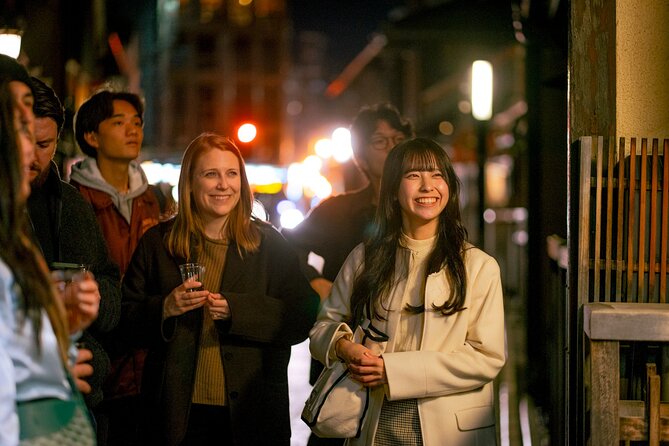
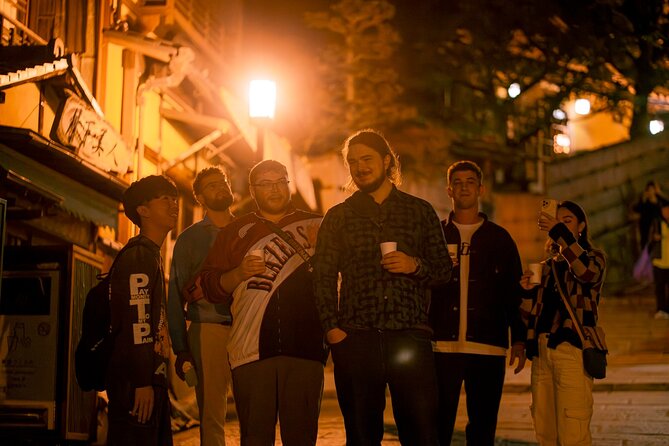
- Sake in hand, but kept respectful, with responsibility encouraged during an evening walk
- Small group capped at 10, so you are not just a body in a crowd
- A tight night route through Gion landmarks, designed for short viewing windows
- Real atmosphere under lantern light, with backstreets that feel less touristy at night
- Easy-to-follow structure with stops at Gion, Hanamikoji Street, Yasaka Shrine, and more
Why a Gion geisha district night walk works so well
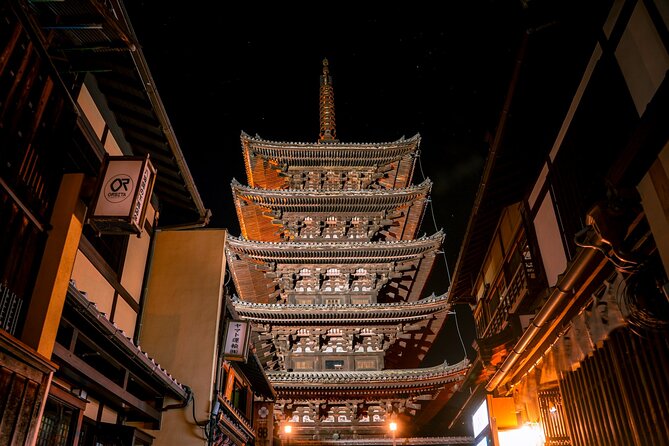
Gion is one of those Kyoto districts where the details matter. The narrow lanes, the wooden machiya houses, the sliding-door storefronts, the teahouses tucked between streets, all of it reads differently after dark. Daytime visits are nice, but nighttime is when you start noticing mood, not just architecture.
This tour is built for that. Your guide gives you cultural context as you walk, so you are not just doing a highlight loop. The commentary links what you see to geisha culture, and it also touches samurai culture and Zen meditation, so the district starts making sense instead of feeling like a set of postcards.
Another reason night is smart here: the route is designed around moving. You do not have to stand around waiting for the perfect photo. You keep walking, stop often, and your guide helps you understand what you might be seeing when geiko or related figures pass through the area.
Finally, the small-group format matters. With up to 10 people, you can actually hear explanations and adjust your pace without feeling like you are being dragged. Reviews also suggest the experience feels relaxed at the stop level, which is exactly what you want on a night walking tour.
More Food Tours in Kyoto
- Kyoto Night Foodie Tour in Gion (9+ dishes + 6 Sake tastings)
★ 5.0 · 1,762 reviews - 3-Hour Kyoto Insider Sake Brewery Tour with Tastings & Pairings
★ 5.0 · 917 reviews - Arashiyama Bamboo, Temple, Monkeys, or Secret Sake Brewery
★ 4.8 · 886 reviews
Meet at Kikunoi Roan and end near Yasaka Shrine
The tour starts at Kikunoi Roan, 600-8012 Kyoto, Shimogyo Ward, Saitōchō, 四条下る斎藤町118 and ends at Yasaka Shrine, 625 Gionmachi Kitagawa, Higashiyama Ward, Kyoto, 605-0073.
That start-and-finish pattern is practical. Meeting near a main area helps you arrive without stress, and ending at Yasaka Shrine means you are already positioned for easy onward plans afterward. If buses have slowed down by the time you finish, you can request help coordinating a taxi or returning to the start point, which the provider notes as an option.
Expect a duration of about 1 hour to 1 hour 30 minutes, which is a sweet spot for jet lag days or when you want something focused but not exhausting. The tour also uses a mobile ticket, so you are not worrying about printed paperwork.
One more detail that affects your comfort: the route goes through residential areas at night. You will enjoy it more if you keep your voice down and act like the streets are someone’s home, because they are.
Kamo River: start calm before Gion’s atmosphere
Your first stop is the Kamo River, a waterway that runs through the heart of Kyoto. It is known for scenic beauty and historical significance, and the riverbanks are lined with cherry blossom trees.
Even though this is not a long stop, the river start helps you shift into the right mindset. You get a quieter moment before you head into denser lanes. It also gives you a visual reset, which is useful when you later move into narrow streets where you can lose your sense of direction fast on your own.
If you are the type who loves “small staging moments” on a trip, this works. The river sets the tone, then the tour gets more character and more city texture as you move into Gion.
Gion and Hanamikoji Street: machiya lanes and geisha district energy
Next you step into Gion, Kyoto’s best-known geisha district. Gion is famous for traditional wooden machiya houses, teahouses, and that unmistakable sense that the neighborhood is still performing for visitors, even as it remains a living community.
You then move through Hanamikoji Street, one of the most iconic streets in the area. This is the kind of place where preserved wooden houses frame the walkway, and the street itself feels like a stage set that Kyoto somehow keeps from turning into a theme park.
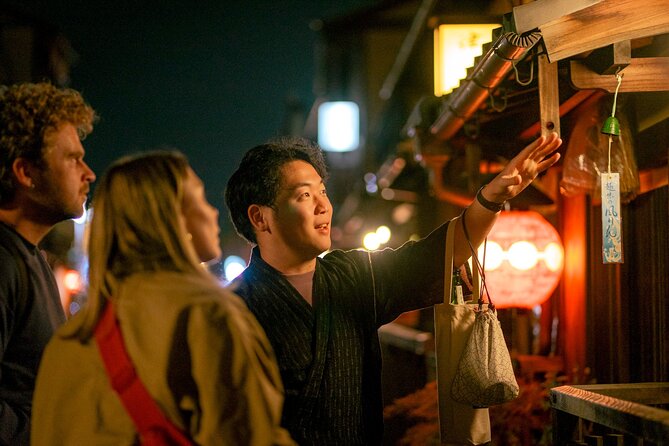
Here is what makes this section valuable. The guide commentary helps you connect the visuals to culture. You will hear tips on where you might spot a geiko, and you will understand why certain features and behaviors matter. That transforms your walk from guesswork into pattern recognition.
Practical advice: stay on the safe side of the street when possible, and avoid crowding private entrances. The “right” way to look is to slow down just enough to notice, then keep moving. On a night walk, your best photos usually come when you do not block someone’s path.
This portion is also short by design, with around 10 minutes at each listed segment. That means you are not forced into a long wait if the scene is quiet. If something interesting happens, your timing stays flexible.
More Sake Tastings in Kyoto
- Kyoto: Insider Sake Brewery Tour with Sake and Food Pairing
★ 5.0 · 704 reviews - Kyoto Sake Brewery & Tasting Walking Tour
★ 5.0 · 623 reviews - 1.5-Hour Kyoto Insider Sake Experience with 7 Tastings & Pairings
★ 5.0 · 297 reviews - Kyoto: Insider Sake Experience with 7 Tastings and Snacks
★ 5.0 · 266 reviews
Yasui-Konpiragu Shrine: a shrine stop with a relationship theme
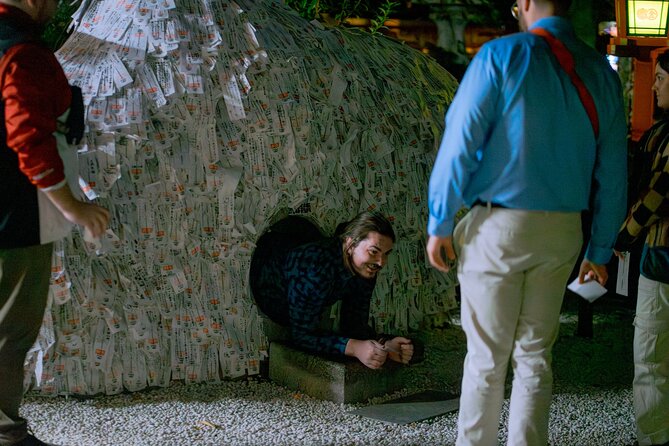
At Yasui-Konpiragu Shrine, you get a different flavor of Kyoto spirituality. The shrine is known for cutting bad relationships and bringing good ones, and it is famous for a large enki-related feature.
A stop like this matters because it prevents the tour from becoming only aesthetic sightseeing. You also get a cultural “why” behind the place names and symbols. In Kyoto, shrines often explain how people think about luck, social harmony, and life’s messy edges, and this one fits that theme.
Because the stop is about 15 minutes, you should use it to observe first. Look for how the space feels and how the worship area is arranged. Then, if you want, you can take in the meaning through the guide’s context.
If you are the type who likes respectful photos, this is a good place to practice. Keep your camera low, be patient with foot traffic, and avoid lingering in ways that feel disruptive.
Hokan-ji Temple and Yasaka Pagoda: five stories you cannot ignore

Your next landmark is Hokan-ji Temple, also known as Yasaka Pagoda. This is one of Kyoto’s most recognizable silhouettes: a five-story pagoda. The temple dates back to the 6th century, which adds weight to how you see it. Even if you do not go deep into the full temple complex, the pagoda alone is enough to anchor your night.
This stop is about 15 minutes, so you are not touring the building interiors in a full temple day. Instead, you focus on the exterior presence and the surrounding streetscape. At night, the pagoda and temple setting can feel extra dramatic because your eyes naturally seek the vertical lines.
If you want a photo, plan for the fact that people will move through the area. The easiest winning strategy is to find a spot where you can step aside quickly. That keeps the vibe respectful while still giving you time for a couple of good shots.
Sannenzaka and Ninenzaka slopes: walking Kyoto’s famous stair-streets
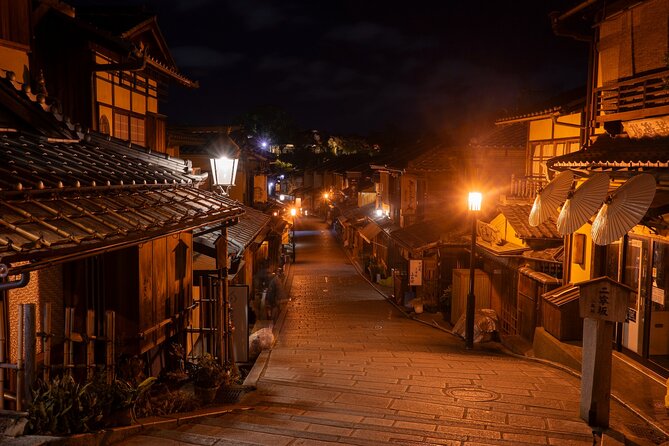
You then head into the Higashiyama-style pedestrian lanes, starting with Sannenzaka and Ninenzaka. These are charming, historic streets known for traditional atmosphere and well-preserved wooden buildings. They also operate as a reminder that Kyoto is a city of slopes and sidewalks, not just flat squares.
You will spend short stretches here, around 5 minutes at each listed section. That is perfect for the reality of a night walk: you get the feel of the street without turning this into a long detour.
What to look for on these lanes:
- how the preserved buildings frame the walkway
- how the stone-paved path guides you naturally forward
- how the street’s slight rise changes your view of lanterns and architecture
Comfort tip: those stone paths can be uneven. Keep your pace steady and let your guide’s timing guide your footsteps rather than trying to speed up for photos.
Nene-no-Michi: a calmer path named for Toyotomi Hideyoshi’s wife
After the busier feeling of the slopes, you shift to Nene-no-Michi, a serene, stone-paved path. It is named after Nene, the beloved wife of Toyotomi Hideyoshi.
This is a nice balance point. Even if you do not know the full background of Nene or the Toyotomi era details, the name gives you a connection point. Kyoto often uses place names to keep historical figures present in daily space, and this path is a good example.
You get about 10 minutes here. Use that time to slow down, look at the path surface, and enjoy the calmer flow. If you feel like your feet are warming up and your eyes are getting tired, this kind of pause is helpful. It also makes the final shrine stop feel like a “finish” instead of another checkpoint.
Yasaka Shrine at the end: a classic Kyoto finish
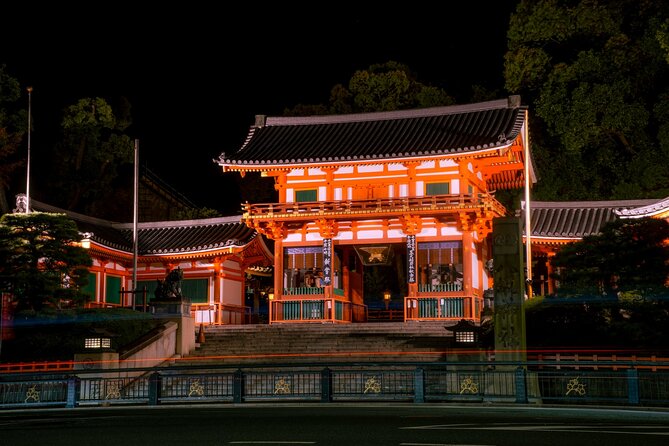
You finish at Yasaka Shrine, also known as Gion Shrine. It dates back to 656 AD, and it is one of the most historically significant shrines in the Gion area. Your final stop is around 20 minutes.
Why this makes a good ending: it is a recognizable spiritual landmark, and the emotional arc works. You start with a calm river, move through Gion’s distinct district atmosphere, then you add shrine and temple stops, and finally you land at a major shrine again. Your brain naturally treats it like a destination.
If you want to squeeze in a last photo or simply sit for a moment before heading out, this is your window. The tour ends here, and the provider can help you catch a taxi since buses may have stopped running by then.
Price and what you actually get for $27.84
At $27.84 per person, this is positioned as a short, focused experience with a few costs baked in. The itinerary’s listed landmarks have admission ticket free for the included stops, so you are mainly paying for the guide time, the route curation, and the included sake tasting.
For value, I think the key is that you get multiple benefits at once:
- You do not just get walking, you get context while walking
- You do not just get sightseeing, you also get a sake tasting
- You do not do it solo, you do it with a guide who can point out what to notice
The small-group cap of 10 travelers also matters for value. You are not paying for a tour that feels like a moving crowd. Reviews back this up with mentions of guides like Shumpei and Mune being personable and answering questions, which is part of what you are really buying.
Also, this runs about 1 hour to 1.5 hours, which is often easier to fit than longer tours. You get a meaningful evening chunk without committing to a half day you might end up tired during.
Sake in hand: how to enjoy the tasting without ruining the evening
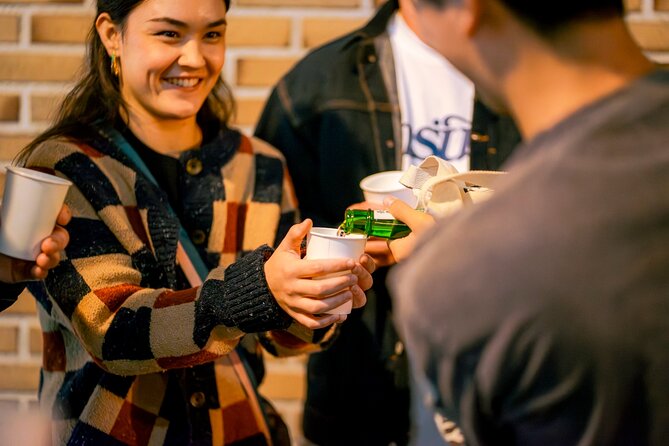
The tour includes sake tasting, and the provider specifically notes alcohol is included, with a responsibility reminder.
Here is how to make it feel like part of the experience, not an add-on:
- Sip slowly so you stay present for the walk
- Keep your pace consistent after tasting
- Plan water too, especially if you tend to get dehydrated on city walks
Sake also changes how you interpret the streets. It is one of those travel details that turns an ordinary walk into a sensory night scene. Reviews strongly highlight that the sake helps set the tone and that it is a real treat rather than a token pour.
Just remember: the route includes residential areas. Keep your group respectful, and avoid loud conversation that can carry.
Comfort, etiquette, and walking tips for Kyoto nights
This tour has a moderate physical fitness expectation because it involves a lot of walking. Even though the itinerary is split into short stops, the total movement adds up on stone streets and slopes.
What I recommend before you go:
- Wear comfortable shoes with grip
- Dress for the night, not just the hour you start
- Keep your voice down in residential lanes
- Bring a simple layer you can adjust during walking
You will also be happier if you travel with the right mindset. This is not a fast-paced marathon where you are trying to see everything in one go. It is a guided “see, pause, notice” route. If you treat it like a calm evening stroll with learning built in, it clicks.
One more small note: the tour is described as having an intimate atmosphere. That tends to work best when you are open to questions and watching how the guide reads the streets.
Should you book this Gion and sake walking tour?
Book it if you want a compact night experience in Kyoto’s most famous geisha district, with a guide-led route that explains what you are looking at and why it matters. The included sake tasting makes it feel special, and the small group up to 10 is ideal if you prefer conversation and context over a crowded assembly-line tour.
Skip it or be cautious if you hate walking, or if you expected lots of interactive discussion the entire time. One review theme that stands out is that some groups wanted more interaction, so go in knowing the structure is stop-and-stroll. If you like that style, you will probably love it.
If you are planning your Kyoto nights and you want one evening that feels both atmospheric and meaningful, this is a solid choice. It ends at Yasaka Shrine, so you can roll right into the rest of your Higashiyama and Gion plans without backtracking across town.
More Geisha Experiences in Kyoto
- Best of Kyoto: Gion, Geisha, Pagodas & Cobblestones
★ 4.9 · 2,058 reviews - Kyoto Gion Geisha District Walking Tour – The Stories of Geisha
★ 5.0 · 1,441 reviews - Kyoto Gion: 2-Hour Geisha Culture & History Walking Tour
★ 5.0 · 1,186 reviews - Kyoto : Chopsticks Making Workshop in Gion with Engraving Option
★ 5.0 · 958 reviews
More Walking Tours in Kyoto
- Kyoto Geisha Walking Tour: Gion District & Hidden Gems
★ 4.7 · 3,273 reviews - Kyoto: Gion Magical Night Walking Tour with Geisha Trivia
★ 4.9 · 2,393 reviews - Kyoto: Gion Geisha District Walking Tour – Stories of Geisha
★ 4.7 · 2,187 reviews - Night Walk in Gion: Kyoto’s Geisha District
★ 4.5 · 2,003 reviews
Fresh options around Kyoto
- Treasures of Kyoto: Geishas & Traditions Private Tour★ 5.0 · 36 reviews
- Kyoto: Fushimi Sake Brewery Tour – 18 Tastings in 2.5 Hours★ 4.7 · 36 reviews
- Otagi Nenbutsu Temple and Arashiyama Bamboo Forest Tour★ 5.0 · 37 reviews
- Kyoto Gion Walking Tour for First Time Visitors★ 5.0 · 37 reviews
- Tea Ceremony Experience in Traditional Kyoto Townhouse★ 5.0 · 38 reviews
- Bamboo LED Lantern Making Experience in Kyoto Arashiyama★ 5.0 · 38 reviews
- Kyoto: Private Customizable Day Trip by Car★ 5.0 · 38 reviews
- Private Japanese Calligraphy in Kyoto – Learn Shodō with a Master★ 5.0 · 39 reviews
Sake Tasting, compared.
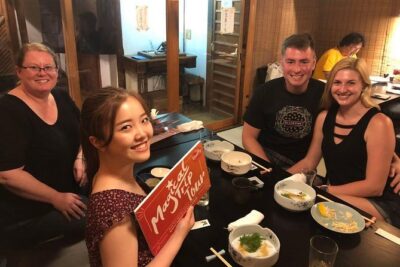
Kyoto Night Foodie Tour in Gion (9+ dishes + 6 Sake tastings)
Read our review →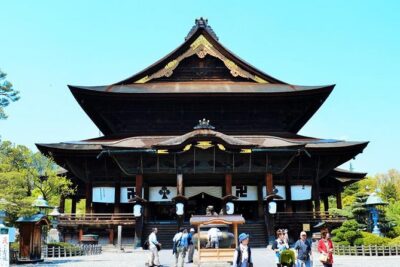
1-Day Snow Monkeys, Zenko-ji Temple & Sake in Nagano
Read our review →
3-Hour Kyoto Insider Sake Brewery Tour with Tastings & Pairings
Read our review →
Arashiyama Bamboo, Temple, Monkeys, or Secret Sake Brewery
Read our review →
Nagano: Snow Monkeys, Zenkoji Temple & Sake Day Trip
Read our review →
Insider Sake Brewery Tour with Sake and Food Pairing
Read our review →