
Reviewed · WORKSHOPS
Tokyo: Gameboy Mod Workshop at Akihabara
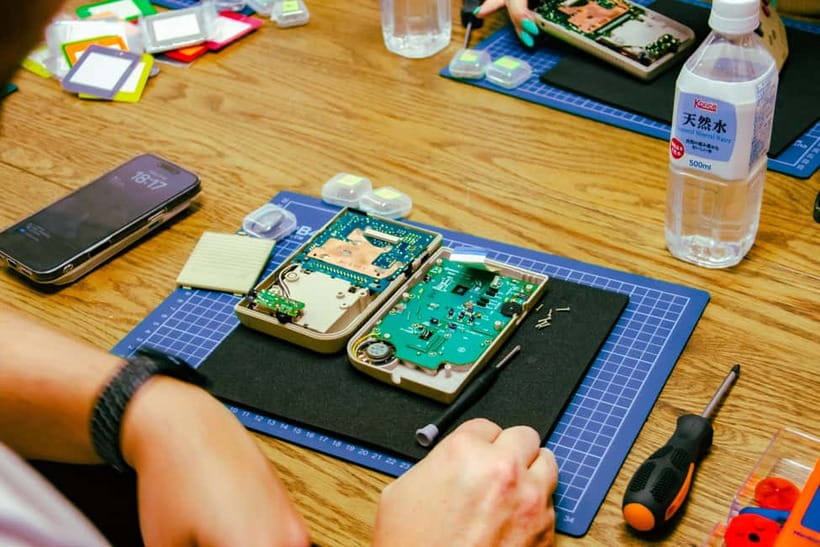
Tokyo’s Akihabara has a special kind of nerd joy. This Game Boy mod workshop turns that fandom into a hands-on build, with you picking your own DMG-01 parts and leaving with a working console you designed.
I like that it is small, focused, and run by fans who actually enjoy teaching. I also love the combo of DIY hardware work plus a mini history lesson on Nintendo handhelds, with plenty of time to ask questions and get help from the Gameboy masters (I heard names like Ro, Gabi, Franz, and Shio San show up in the crew).
One drawback to plan for: it is on the second floor of Wakita Building, and there are no elevators or escalators, so it is not wheelchair accessible.
Key Things You’ll Do (and Why They Matter)
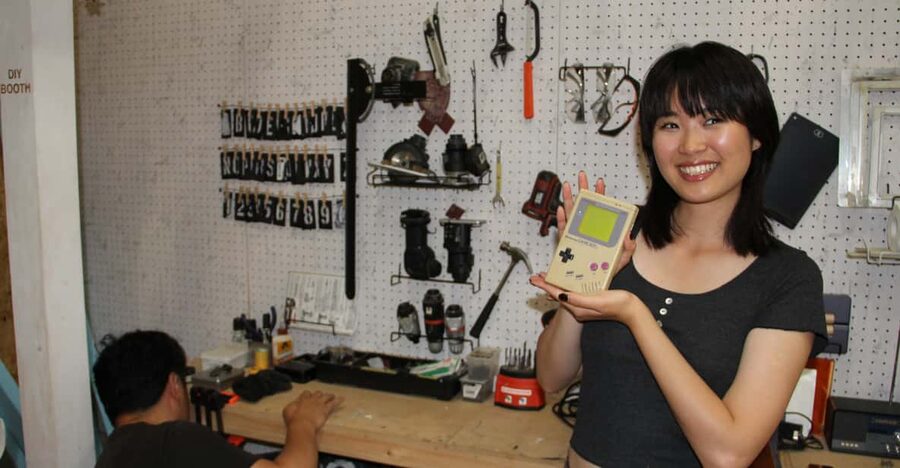
- Pick your own base Game Boy (DMG-01) so the build feels personal from minute one.
- Choose colors, buttons, and parts instead of settling for a pre-made design.
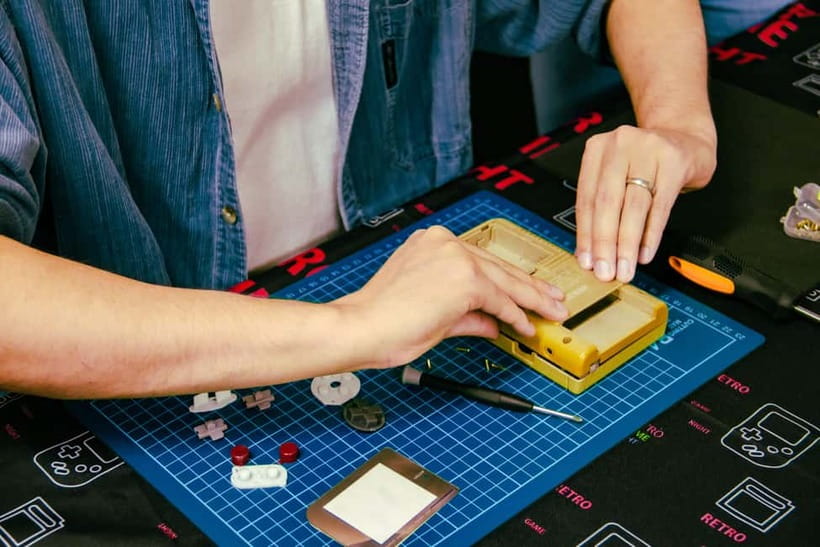
- Take the console apart and rebuild it step-by-step with staff close by.
- Get a handheld history talk plus Q&A so the modding makes cultural sense, not just mechanical sense.
- Leave with a playable, functioning custom unit that becomes a real souvenir, not a photo prop.
- Shop retro games after the build with pricing that can beat what you see elsewhere in Akihabara.
A Very Tokyo Hobby, Turned Into a 2-Hour Workshop
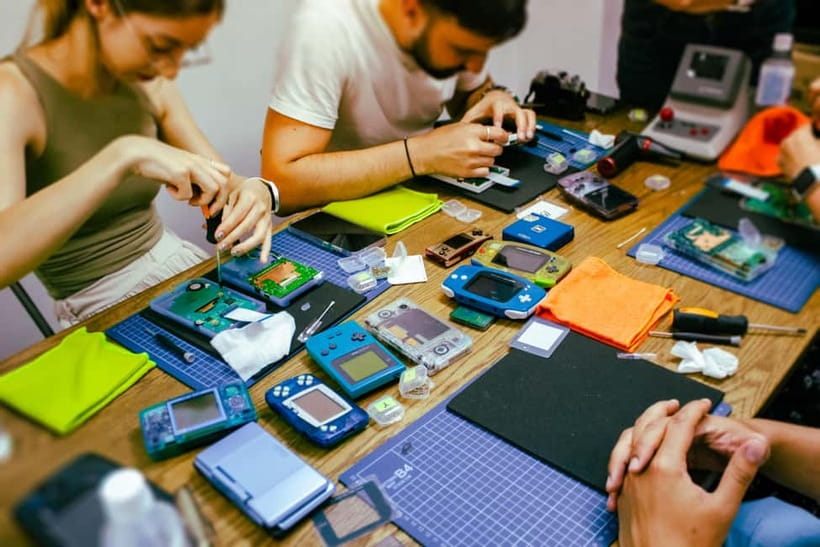
Akihabara is where retro gaming culture shows up in loud neon and louder opinions. What makes this workshop different is that you do not just browse. You build. You make choices. You go home with something that still works when the souvenir gloss wears off.
The whole experience is built around a classic structure that keeps it fun even if you are new to electronics: you get guidance, you get time, and you get the chance to turn your taste into hardware. The small group size, limited to 4 participants, also changes the vibe. You are not lost in a crowd. You get real attention when you hit a tricky moment.
The price is $360 per person for about 2 hours. That sounds steep until you look at what you are paying for: an expert-led build process, all the included workshop materials for a modded DMG-01, and staff time to keep everything working at the end. You are also paying for something most souvenirs cannot do, a functional electronics project you can use every day.
More anime and pop culture tours in Tokyo:
- Official Street Go-Kart Tour – Akihabara
★ 5.0 · 1,578 reviews - Tokyo Go Kart: Asakusa, Skytree, and Akihabara **IDP MUST**
★ 5.0 · 988 reviews - Tokyo Studio Ghibli Museum and Ghibli Film Appreciation Tour
★ 4.5 · 421 reviews
Finding Wakita Building in Akihabara Without Stress
The meeting point is straightforward but important: you meet on the second floor of Wakita Building. The activity says to follow the address to find the workshop, so use the provided location details, not guesswork.
Because the workshop sits on a second floor with no elevators or escalators, I recommend planning for how you will handle stairs. If you are traveling with a stroller, mobility aids, or a knee that does not love stairs, this is worth factoring in early.
Timing matters too. The workshop is 2 hours, and they run it in small groups. If you arrive late, you can cut into the build time that is the whole point.
The Workshop Flow: History First, Build Next
You start with an orientation that is part story, part hands-on. The best version of this kind of activity does not treat history like a lecture you escape from. It uses history to make the hardware feel meaningful.
In this workshop, you get a presentation about Game Boy and handheld consoles, and you can ask questions. I like that the staff approach it like conversation. One of the reasons people rate this experience so highly is that the crew keeps the pace friendly while still explaining the why behind the tech.
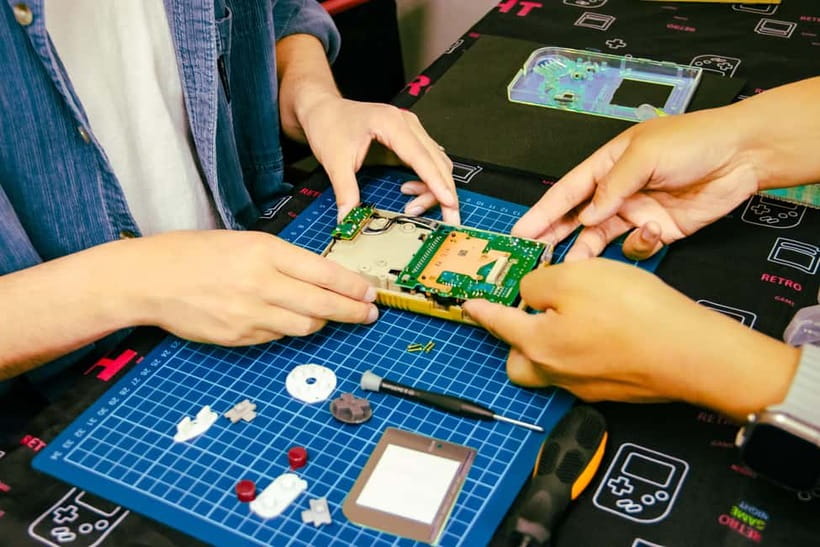
Then you shift from theory to action. You pick your parts and begin the mod process with expert guidance right next to you. The staff role is not just to supervise. They help you get unstuck when you need a hand, and they double-check key steps so you leave with something that powers on and plays.
If you want a hands-on Tokyo experience that does not require you to be a hardcore gamer or a electronics expert, this is one of the better bets in Akihabara.
DMG-01 Customization: Choosing Your Case, Buttons, and Screen Style
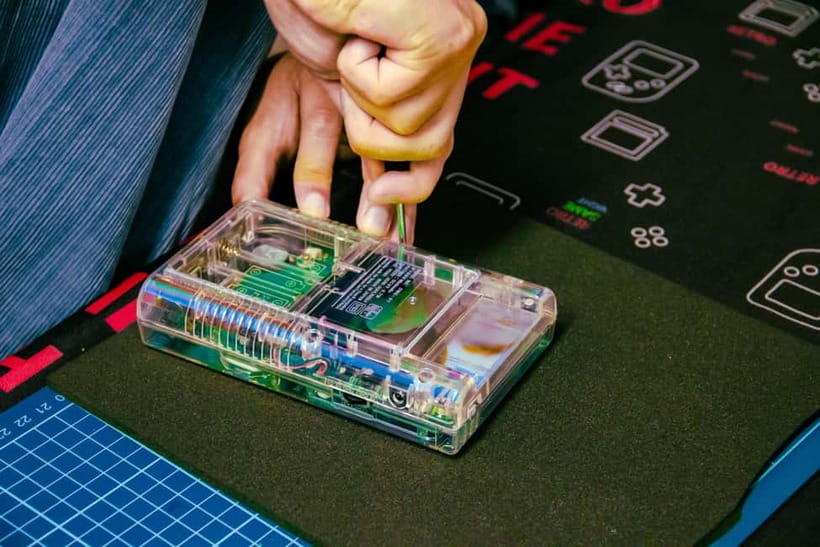
Customization is the heart of the workshop. You are not stuck with a single preset look. You pick your own device, then personalize it with provided parts.
Here is what you can influence:
- Clamshell and case color choices so your Game Boy looks like your taste, not just like the 90s.
- Button selection so the feel matches what you want.
- Screen-related changes so the experience is not just nostalgia.
The listing calls out that you personalize a vintage DMG-01 with provided parts, including changing the screen, buttons, and colors. Multiple participants also mention an upgraded backlit screen experience, which is a huge practical win. A backlit screen turns a historical gadget into something you can use comfortably beyond display value.
I also like that the build choices are not overwhelming. The staff guide you through options, so you can make decisions without feeling like you need to become a hardware designer first.
A few more Tokyo days worth comparing
- Mt Fuji and Hakone 1-Day Bus Tour Return by Bullet Train
★ 5.0 · 26,383 reviews - 1-Day Tokyo Bus Tour
★ 5.0 · 14,250 reviews - Tokyo: TOKYO SKYTREE® Admission ticket
★ 4.5 · 11,192 reviews - Tokyo: teamLab Planets TOKYO Digital Art Museum Entry Ticket
★ 4.6 · 9,779 reviews
Taking It Apart, Rebuilding It Right
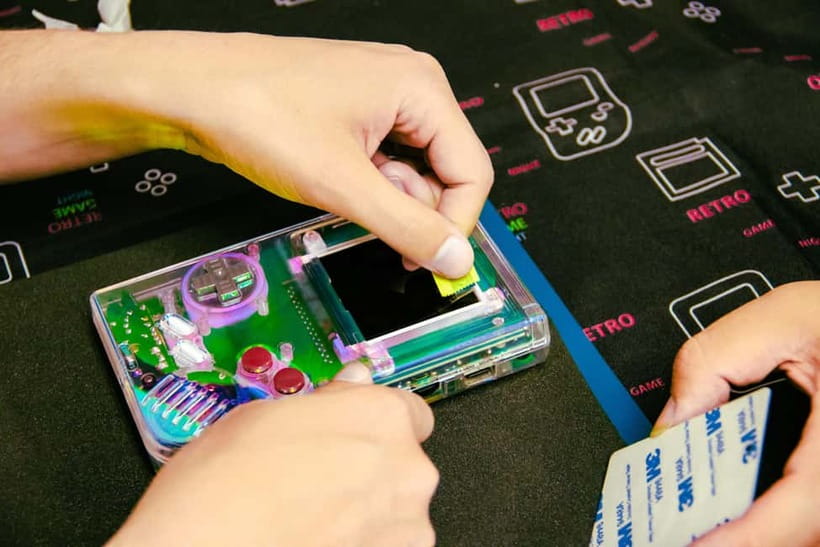
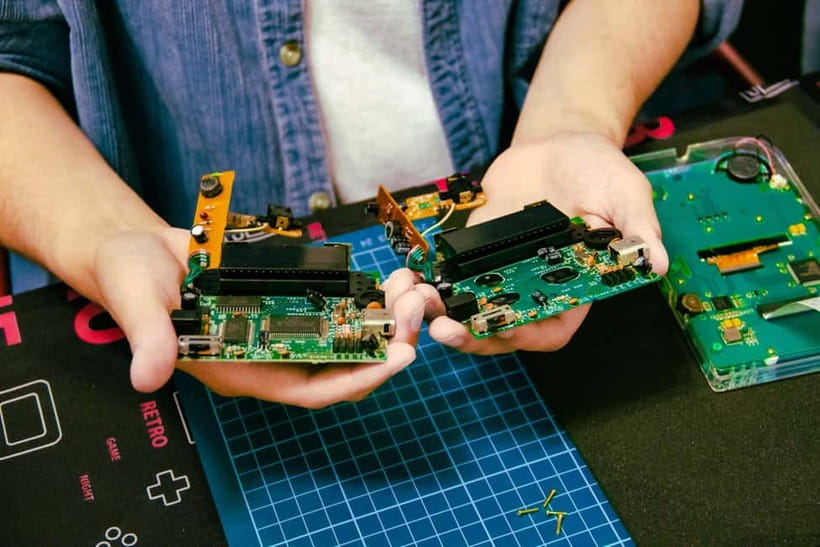
The most satisfying moment in this kind of workshop is when you actually crack open the console. You go from seeing a Game Boy as an old object to understanding it as a set of parts and a system.
In this workshop, you:
- take apart and rebuild your Game Boy
- work with provided parts
- follow step-by-step help from the Gameboy masters
Because it is a small group of up to 4, you are not waiting for the one person holding the knowledge. You get close support, including quick fixes when something is not lining up.
One practical tip for you: stay calm and slow down during assembly steps. The workshop is structured so you can build confidently, but the best results come when you let the guidance do its job. If you rush, you end up spending more time checking and re-checking.
The Hands-On Demo Plus Nintendo Handheld Context
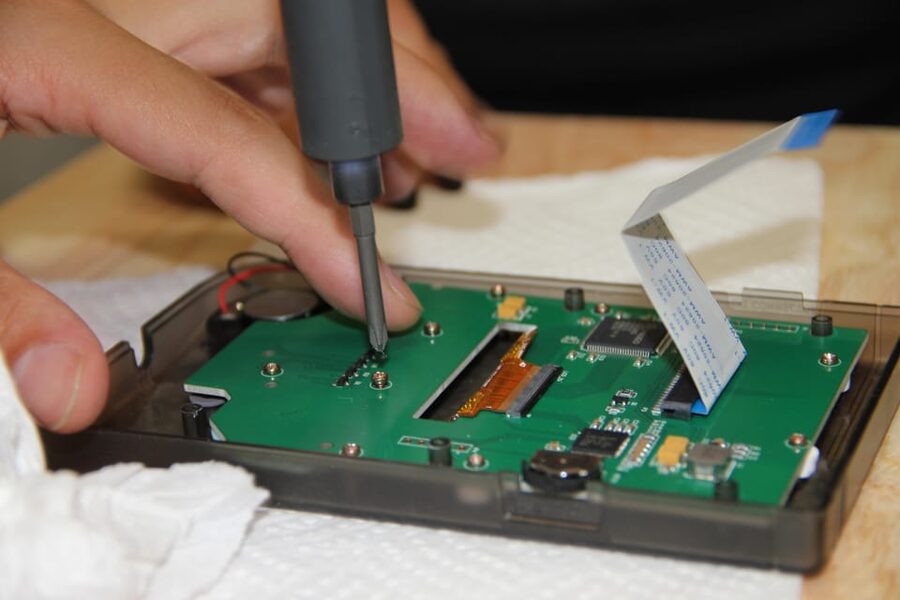
This workshop does something smart: it ties your build to the bigger story of handheld gaming. You get a history lesson on the Game Boy and handheld consoles in general, and the staff keep it lively enough to stay interesting.
From what I gathered, the presentation is paired with hands-on examples. That can mean you see different handheld versions and understand why certain design choices became important. It is also where questions get answered without the awkward silence that happens in many classes.
If you care about retro gaming culture, you will appreciate how the crew frames the Game Boy not just as a gadget, but as a design moment that shaped how people played on the go. And if you just want the build, you still benefit. Understanding the components makes assembly feel more logical.
Games to Try and Buy Before You Leave
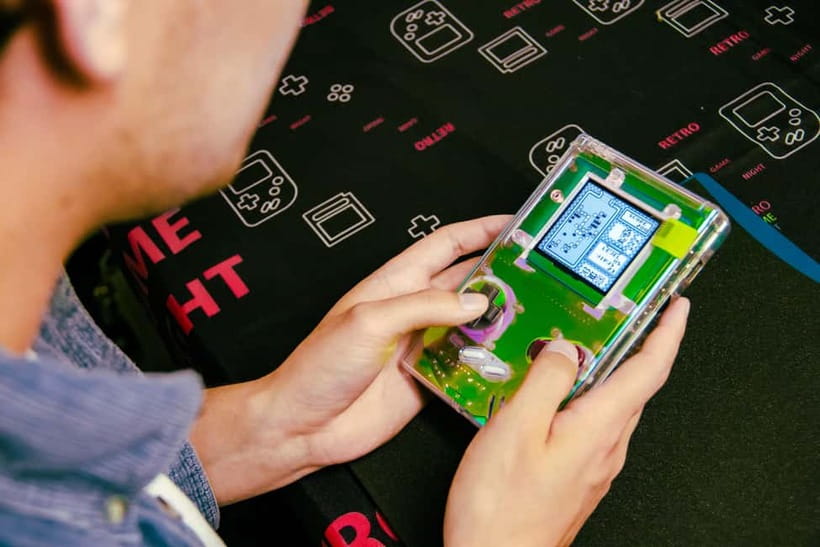
Leaving with the hardware is the main event. But the add-on that makes this shop feel worth your time is the game selection.
After the build, participants mention that you can choose a game valued at 1000 yen. You also get access to lots of games in boxes, with the option to try and purchase. You are not limited to just the one included game, and additional purchases are encouraged if you find something you genuinely want to play.
I also like that pricing is competitive. People specifically mention that prices were better than other Akihabara stores. One participant even compared titles to Super Potato, saying the workshop selection was around 40 percent cheaper for the same kinds of games. That matters, because the souvenir budget is not just the build. It is also what you bring home to keep the console alive.
If you want your new Game Boy to feel complete, plan to browse with a small list in mind:
- one classic you know
- one Japanese title you are curious about
- and one game your friends keep recommending
Value Check: Is $360 Actually Fair?
Let’s talk straight. $360 is not cheap for a 2-hour activity. If you are used to “drop-in” workshops that feel like a craft session, this may seem pricey.
Here is why it can still be good value:
- You leave with a functioning modded Game Boy, not a display shell.
- The build uses provided parts, including screen and customization elements.
- Staff time is real and hands-on, especially with a group capped at 4.
- The included experience covers guidance plus admissions and workshop activities.
- You often get help that prevents the most common failure point: finishing with something that does not work reliably.
Also, consider what you would pay if you tried to replicate this yourself. Sourcing enough retro hardware, sourcing parts, and learning modding basics takes time and can get expensive fast. This workshop is basically you buying the result, plus the instruction needed to finish with confidence.
If you want a memorable Akihabara souvenir that is also a daily-use object, this workshop earns its cost.
Who This Workshop Suits Best
This is ideal if you are any of the following:
- a Game Boy fan who wants something real, not just a replica
- someone who likes tech and wants to learn by doing
- a traveler who wants a workshop with a point of view, run by people who genuinely care
It also works well for solo travelers because the small group format keeps you from feeling awkward. Multiple participants mention it is great for solo or small group visits.
It is a strong pick for families too, based on participant feedback where teens enjoyed building and adults enjoyed the guided structure. If you are traveling with kids, the key is patience and curiosity. The staff support helps a lot.
The one clear mismatch is accessibility needs due to the second-floor location without elevators or escalators.
My Booking Decision: Should You Book It?
I think you should book it if you want an Akihabara experience that is hands-on, creative, and genuinely useful after you leave Japan. The combination of customization, close staff support, and a Game Boy you can actually play makes it more than a themed activity.
If you only want a quick photo stop or you are not interested in tech work at all, you may feel the price more than the value. But if you enjoy the idea of choosing parts, assembling hardware, and learning how handheld design evolved, this is one of the more memorable ways to spend two hours in Tokyo.
FAQ
How long is the Game Boy mod workshop?
The workshop lasts 2 hours.
What is included in the $360 per person price?
You get a build-your-dream Game Boy experience using a DMG-01 with provided parts, plus guidance from multilingual staff. The experience also includes activities and admissions, everything needed for the workshop.
Is this a small group activity?
Yes. It is limited to 4 participants, with a small-group format.
What languages are used during the workshop?
The instructor and staff operate in English and Japanese.
Where do I meet for the workshop?
You meet on the second floor of Wakita Building. Follow the provided address details to find the location.
Is the workshop wheelchair accessible?
No. The workshop is on the second floor without elevators or escalators.
Can I reserve now and pay later?
Yes. The option is reserve now and pay later.
Can I cancel and get a full refund?
Yes. You can cancel up to 24 hours in advance for a full refund.
Fresh options around Tokyo
- Tokyo: Nagano Snow Monkeys and Zenkoji Tour with Temples★ 4.9 · 19 reviews
- Yokohama Port: Private Customizable Tour with Transfer★ 5.0 · 19 reviews
- Explore Unique Tokyo Streets / Learn with a Pro Photographer★ 5.0 · 19 reviews
- Sushi Making with Interactive Samurai Experience at JIN-ASAKUSA★ 5.0 · 19 reviews
- DAIKOKU excursion by car DRIFT automobile encounter★ 4.5 · 19 reviews
- Official Street Go Kart Tour Akihabara 2nd★ 5.0 · 19 reviews
- Cosplay Experience with Professional Makeup and Photo Shoot!★ 5.0 · 19 reviews
- Tokyo: Name Seal & Pouch or Tote Bag Making Experience★ 4.5 · 19 reviews
Workshops, compared.
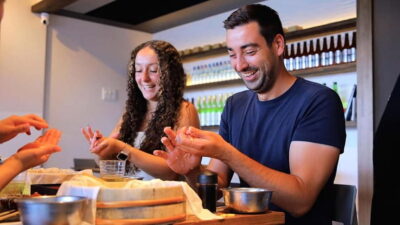
Sushi Making Tokyo Roll and Authentic Japanese Sushi Class
Read our review →
Roll and Authentic Sushi Making Class in Asakusa
Read our review →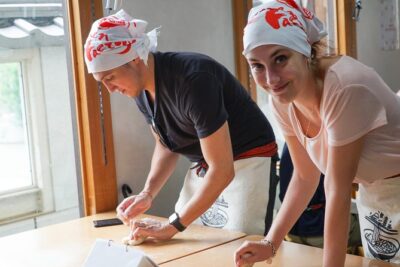
Ramen Cooking Class at Ramen Factory in Kyoto
Read our review →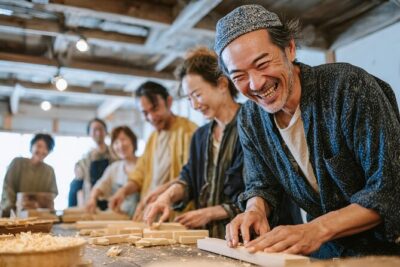
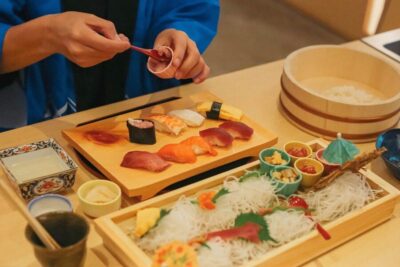
Sushi Making Class in a Happi Coat near a Famous Spot
Read our review →
Sushi Making Osaka Roll and Authentic Japanese Sushi Class
Read our review →Browse the lists this tour appears in