
Reviewed · WALKING TOURS
Kyoto: Gion Night Walking Tour with Geisha Insight
Gion at night feels like a movie. This 2 hour walk pairs an easy route with clear geisha and maiko context, so you spend less time figuring things out and more time noticing details. What I like most is the small-group pace and the way guides such as Ryu are praised for explaining how geisha practice actually works. One thing to keep in mind, though, is that seeing a geisha is not guaranteed, and you may be nudged to keep photos quiet and respectful if someone does appear.
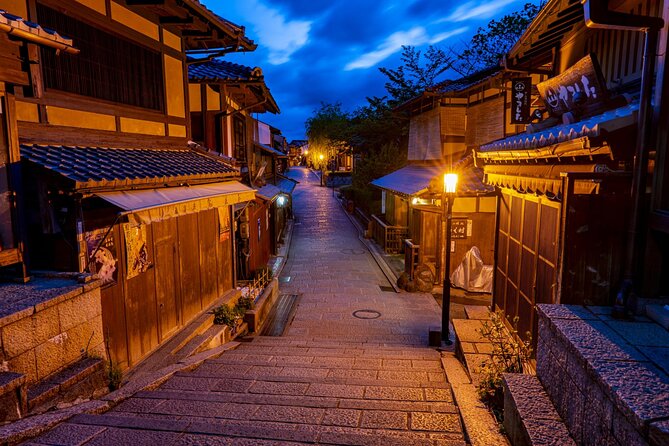
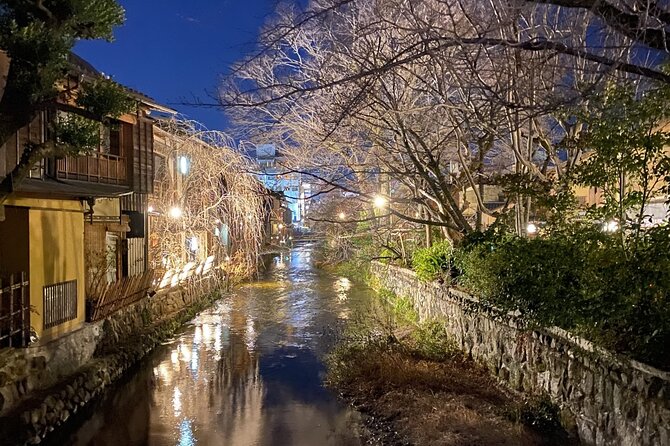
You also get the practical benefit of not getting lost. You’ll follow the lantern-lit lanes around Hanamikoji Street and the Shirakawa Canal, then slip into side streets where Kyoto feels more lived-in than staged. The tour also includes insider food recommendations, which is a big deal after a long day of temples.
My main caution is darkness. A past guest felt the route was so dark that photos were tough, and expectations around geisha sightings may be managed early in the walk. If low light photography matters a lot to you, plan your expectations, and focus on people watching and street details instead.
Key things I’d zero in on
- Small group, max 15 people, which keeps the pace calm and questions possible
- Night-first Gion route, cutting down the daytime crowd pressure
- Geisha and maiko insight, including how to spot geisha versus maiko and what to do respectfully
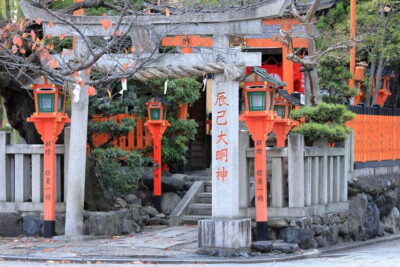
- Shrine stop in the backstreets at Tatsumi Daimyojin Shrine, not just the big postcard spots
- Local food tips built into the walk, so you leave with dinner ideas, not just photos
Why a Gion night walk beats daytime wandering
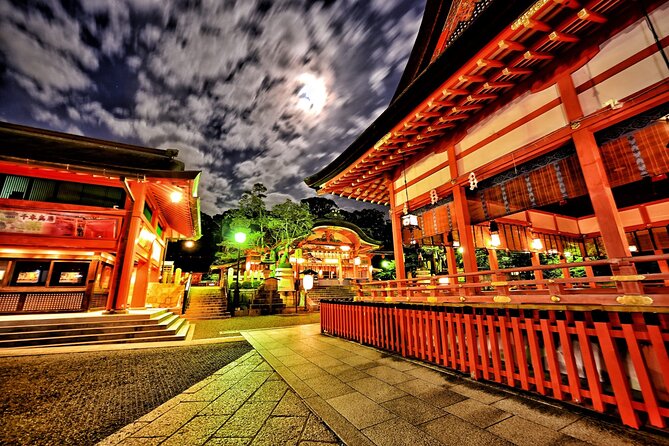
Gion is crowded by day, and the streets turn into a one-way traffic jam. At night, the mood changes. You still get the historic lanes, but you also get softer light and more room to actually look.
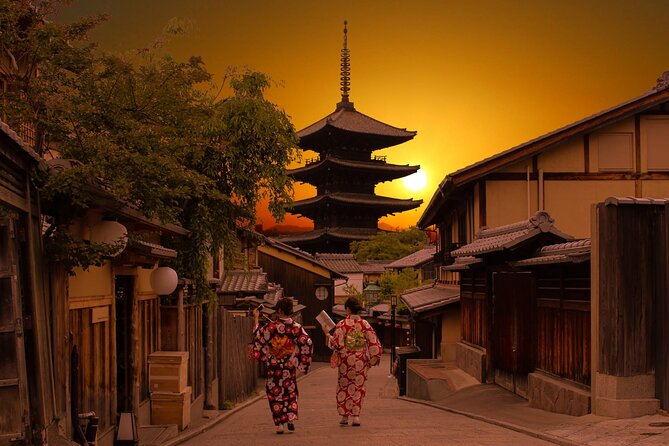
This tour is built around that timing. You’re out after sunset in the geisha district, so you can focus on the textures of Kyoto: wooden townhouses, stone paths, and those narrow alleys where sound travels differently. It also helps that you have a guide with you, so you can move confidently without stopping every ten steps to re-check a map.
More Walking Tours in Kyoto
- Kyoto Geisha Walking Tour: Gion District & Hidden Gems
★ 4.7 · 3,273 reviews - Kyoto: Gion Magical Night Walking Tour with Geisha Trivia
★ 4.9 · 2,393 reviews - Kyoto: Gion Geisha District Walking Tour – Stories of Geisha
★ 4.7 · 2,187 reviews
Price and what $25 buys you in real terms
At $25 per person for about 2 hours, the value comes from the mix, not from any single landmark. You are paying for three practical benefits: route support, cultural context, and eating advice.
Route support matters in Kyoto. Gion has repeating lanes and quick turns, and it is easy to wander in circles if you are alone. Cultural context matters because Gion is not just scenery. The tour explains geisha and maiko basics in a way that helps you understand what you might see, instead of just guessing.
And then there is the food angle. The tour includes insider recommendations on local eateries, which is one of the best value add-ons you can get at night. Dinner plans in Gion can be confusing, and you will likely appreciate having options suggested before you get hungry and decision-fatigued.
Where the tour starts in Gion (and why that helps)
The meeting point is Tanaka Coffee GionJapan, 605-0085 Kyoto, Higashiyama Ward, 新地末吉町993. Starting here is handy because it puts you right where you need to be, instead of making you bus or walk a long distance to begin the real neighborhood experience.
The tour ends back at the meeting point. That matters because you do not have to figure out a late-night return route while you are tired and looking for a meal. It is also a simple setup for your evening planning.
You’ll use a mobile ticket, which is convenient if you prefer keeping everything on your phone.
Stop 1: Hanamikoji Street, Shirakawa Canal, and Tatsumi Daimyojin Shrine
This first hour is where you get the heart of Gion.
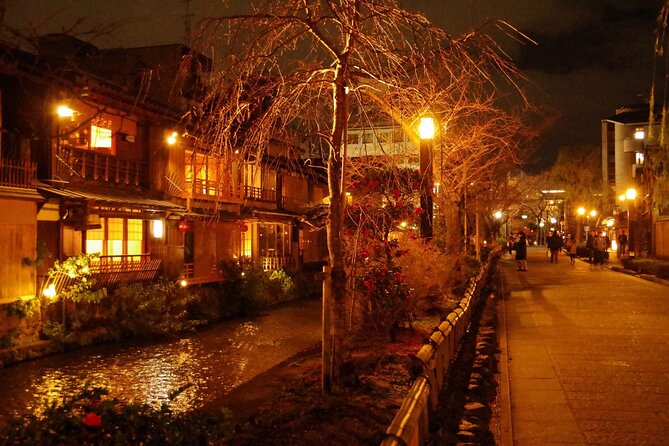
You start with Hanamikoji Street, the geisha district’s central strip. You’ll walk past traditional wooden teahouses (ochaya), and the key is not to rush. Move slowly enough to notice how the storefront rhythm changes as the street narrows into side lanes.
Next is the Shirakawa Canal area. Expect stone-paved alleys, red bridges, and willow trees. At night, water reflections and lantern glow make these spots feel more like atmosphere than just scenery. It is the kind of place where you can pause without feeling like you are blocking a bus tour flow.
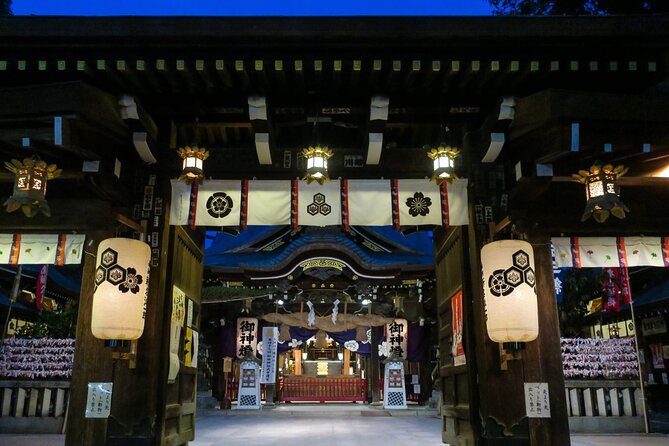
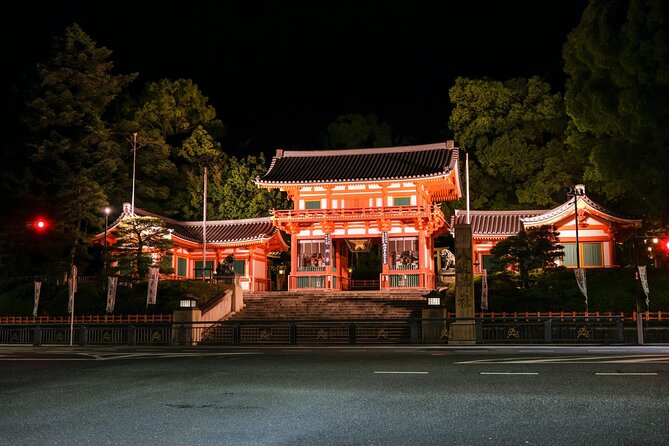
Then comes a quieter highlight: Tatsumi Daimyojin Shrine. It’s described as small but culturally significant, tucked away in the backstreets. This is the stop I’d recommend you take your time with, even if you are not a big shrine person. A shrine tucked into a lane gives you a better sense of how daily life threads through Kyoto’s historic zones.
A big part of this first stop is also education. You’ll learn how to spot real geisha and maiko. With some luck, you may see one heading to an evening appointment.
More geisha experiences in Kyoto:
- Best of Kyoto: Gion, Geisha, Pagodas & Cobblestones
★ 4.9 · 2,058 reviews - Night Walk in Gion: Kyoto’s Geisha District
★ 4.5 · 2,003 reviews - Kyoto Night Foodie Tour in Gion (9+ dishes + 6 Sake tastings)
★ 5.0 · 1,762 reviews - Kyoto Gion Geisha District Walking Tour – The Stories of Geisha
★ 5.0 · 1,441 reviews
A note on the geisha viewing part
A prior guest experience raised a real consideration: sometimes guides may manage expectations early and remind you that sightings are not certain. Another important point from that same feedback was the request to keep behavior respectful around any potential geisha, including keeping photos and noise in check.
So here is my practical advice: treat this as a cultural walk with a chance of sighting, not a guaranteed show. If you go in expecting a photo opportunity at any cost, you are setting yourself up for disappointment.
How the tour teaches geisha and maiko etiquette without getting preachy
One reason this tour earns such strong ratings is that it aims to explain the context. Gion can feel like a costume parade if you have no background. The guide’s job is to help you read what you are seeing with respect.
You learn not just facts, but also the basics of what to look for. The tour focuses on identifying geisha versus maiko and understanding that they are moving between appointments, not performing for a crowd.
You’ll also get tips on where you might see one. That guidance is valuable because it redirects your attention. Instead of staring at every woman in traditional attire for a clue, you know what to pay attention to and how to respond respectfully if someone is near.
If you are visiting Kyoto for the first time, this is the best kind of cultural intro: short, practical, and connected to the neighborhood you are walking through.
Stop 2: Kawaramachidori near Shijo-Kawaramachi, plus Kyoto’s modern backstreets
The second hour shifts gears from classic Gion to the surrounding Kyoto energy.
You explore the area around Shijo-Kawaramachi, where modern Kyoto shows up more clearly. You will see that the historic district is not sealed off behind walls. It lives next to everyday life, shops, and city movement.
Then you venture into hidden backstreets and alleys known for cozy bars, eateries, and old machiya houses. These are the lanes where you can feel the contrast: traditional architecture close to the buzz of a nightlife district.
Your guide adds stories about how the area evolved. That storytelling is what makes the walking meaningful, not just scenic. You start to understand why certain buildings stay, why neighborhoods change, and how the city keeps layering old and new.
A small-group advantage you can feel here
Because the group is capped at 15 travelers, you are less likely to get stuck behind a mass of people at the tight turns. The guide can slow down when something matters, and you can ask questions without waiting until the crowd catches up.
This is also why night tours benefit from small groups. If something unexpected happens, like a better view or a quieter lane, your guide can adjust without turning it into chaos.
How to get the best photos in low light (without upsetting anyone)
Night photography can be tricky in Gion. One guest specifically flagged that it could be too dark for photos along parts of the walk.
So here’s my balanced approach for you:
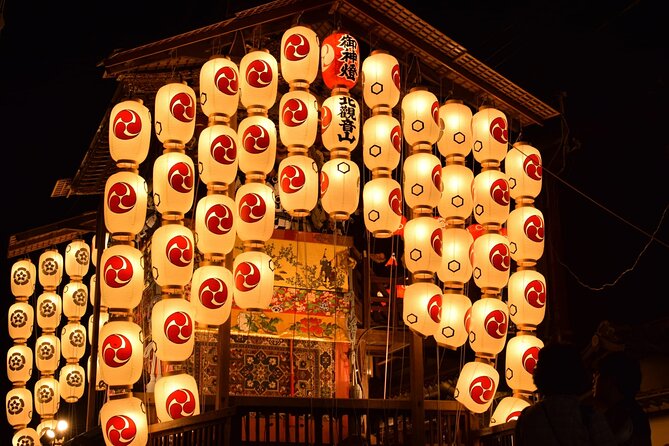
- Focus on street details (lantern glow, canal reflections, red bridge shapes) instead of chasing a perfect face shot
- Keep your phone steady and expect that you might need to accept blur
- If the guide advises restraint around any geisha sighting, follow it. Respect matters more than gear
Also, if you want a souvenir photo, consider taking one or two wider shots of the canal lanes and teahouse streets. Those tend to photograph better than trying to capture a moving person in the dark.
What to do with the food tips after the tour
This tour includes insider recommendations on local eateries. That is practical because it addresses a common night problem: by the time you finish sightseeing, you want something close, good, and not a total gamble.
Use your guide’s suggestions right away while you still have momentum and you know exactly what neighborhood you are in. If you wait too long, the best options can turn into lines, limited seating, or places that are hard to find on your own.
If you are planning your night strategy, I’d do this: go from the tour into dinner, then decide on a second stop based on what looks best near where you end up. You will get a more relaxed Kyoto evening that way.
Who this tour is best for
This works well if you want:
- A guided way through Gion without spending time getting lost
- Cultural context about geisha and maiko so you can recognize what you’re seeing
- A night route that aims to reduce daytime crowd stress
- A small-group pace that keeps things conversational
It’s also a great fit for first-timers who feel overwhelmed by Kyoto’s neighborhoods. And if you love walking tours, this is an easy way to connect landmarks with stories and etiquette.
If you are a hardcore photographer who expects perfect low-light shots of geisha on demand, you may feel let down. The tour itself includes geisha insight and a chance of sightings, but it does not promise a guaranteed encounter.
Should you book this Gion Night Walking Tour?
I think you should book it if you want a respectful, guided evening through Gion, with the added value of geisha culture context and real dinner ideas. The small-group setup and the focus on navigating the district without map hassle are the big wins.
I’d skip or rethink if your main goal is guaranteed geisha spotting and easy photography. Night conditions and sighting luck are real factors here, and you may be asked to keep behavior quiet and considerate if someone does appear.
If you do book, go in with the right mindset: you are walking for the mood, the streets, the etiquette lesson, and the chance to catch something special.
FAQ
How long is the Gion night walking tour?
The tour lasts about 2 hours.
What is the group size limit?
This experience has a maximum of 15 travelers.
Where does the tour start?
The tour starts at Tanaka Coffee GionJapan, 605-0085 Kyoto, Higashiyama Ward, 新地末吉町993.
Does this tour use a mobile ticket?
Yes, the tour uses a mobile ticket.
What is included in the price?
The tour includes a walking tour and insider recommendations on local eateries.
Will I definitely see a geisha or maiko?
The tour teaches how to spot geisha and maiko and notes that with some luck you may see one heading to an evening appointment, so it is not guaranteed.
Can I cancel for a full refund?
Yes. You can cancel up to 24 hours in advance for a full refund. If you cancel less than 24 hours before the start time, the amount paid will not be refunded.
More Evening Experiences in Kyoto
- Kyoto Gion Night Walk & Geisha District Guided Tour
★ 5.0 · 786 reviews - Kyoto Ghost Tour: Dark Tales, Urban Legends, Bamboo Forest Night
★ 5.0 · 625 reviews - Kyoto Bar Hopping Night Tour
★ 5.0 · 613 reviews - Kyoto Night All-Inclusive Eats and Streets, Gion and Beyond
★ 4.7 · 601 reviews
Fresh options around Kyoto
- Kyoto Aquarium Admission Ticket★ 4.7 · 12 reviews
- Kyoto Gion Photoshoot – Private Session | Pro Photographer★ 5.0 · 12 reviews
- Gyoza Cooking Class in Kyoto: Traditional Japanese Dumplings★ 5.0 · 12 reviews
- Kyoto: Guided Food Tour with 12 Dishes & 3 Drinks★ 5.0 · 12 reviews
- Kyoto: Avoid the Crowds at the Hidden Gems of Arashiyama★ 4.9 · 13 reviews
- Kyoto Early Bird English Tour: Gion & Higashiyama(Private opt)★ 5.0 · 13 reviews
- Otsu-e Folk Art Workshop & Local Culture Walk Near Kyoto★ 5.0 · 13 reviews
- Kyoto, Osaka, Nara Full Day tour by Car English speaking Driver★ 3.5 · 13 reviews
Walking Tours, compared.
Kyoto Geisha Walking Tour: Gion District & Hidden Gems
Read our review →
Tokyo Tsukiji Fish Market Food and Culture Walking Tour
Read our review →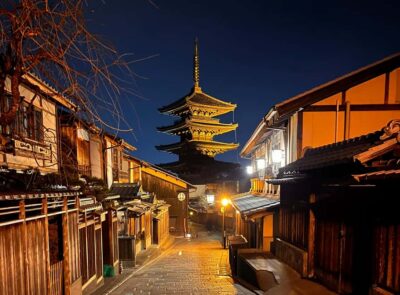
Gion Magical Night Walking Tour with Geisha Trivia
Read our review →
Imperial Palace and Shogun Historical Walking Tour
Read our review →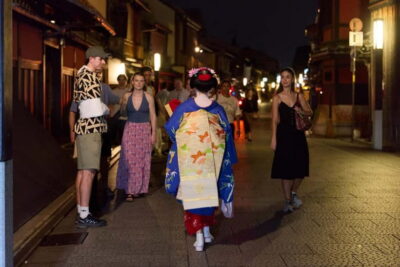
Gion Geisha District Walking Tour – Stories of Geisha
Read our review →
Shinjuku Local Bar and Izakaya Guided Walking Tour
Read our review →
Browse the lists this tour appears in