
Reviewed · ONSEN & HOT SPRINGS
Guide tour of Japanese bathing culture at Funaoka Onsen
Bathrooms, but make it Japanese culture. This tour turns a soak into a guided lesson, with etiquette explained before you hit the baths and a stop at Funaoka Onsen that regular Kyoto locals actually use. I especially like how the experience is practical, not just theoretical, so you know what to do once you arrive in real bath-house space.
I also love the way the tour starts in Sarasa Nishijin, a cafe renovated from a former public bathhouse, so the history feels built into the room. With guide Atsuki (a local Japanese guide whose English is not perfect), the pacing stays friendly, and the small max 5 group size makes questions feel easy rather than rushed.
One drawback to consider: baths are nude and gender-separated, so couples are not together during that part. If that would make you uncomfortable, plan for that reality up front, and also expect you may need patience if you want very detailed English explanations.
Key highlights I’d plan around
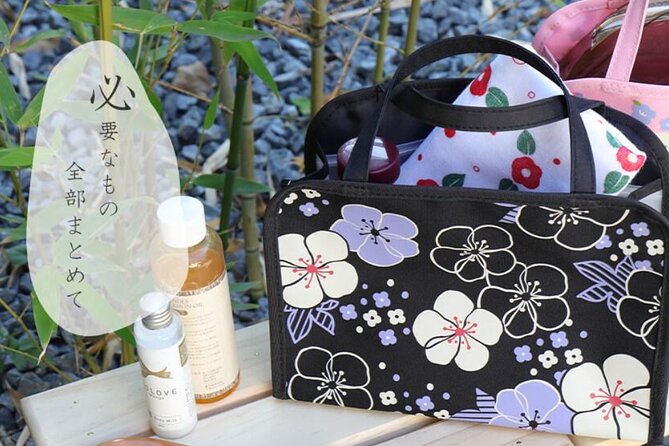
- A former bathhouse cafe start (Sarasa Nishijin): learn sento and onsen basics in a space that used to function like one
- Lecture materials before you soak: you get a step-by-step briefing so you are not guessing in the steam
- Funaoka Onsen with local context: the history includes how the founders pushed the onsen model and competed with geothermal traditions
- Small group energy (up to 5): easier to follow along and ask the guide what you are unsure about
- Take-home technique guide: the lesson does not end when you leave the bathhouse
Why Japanese bathing culture is worth your time in Kyoto
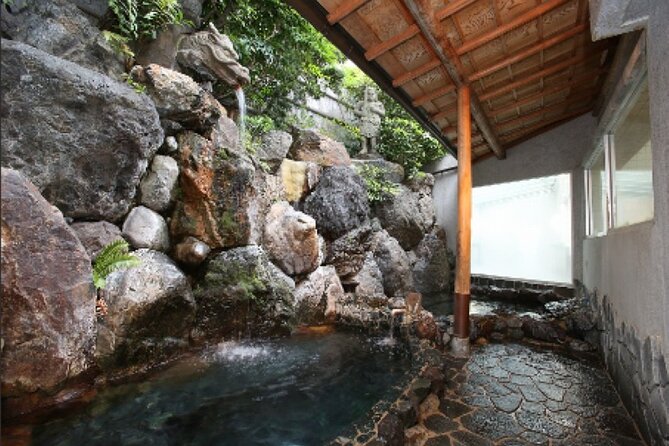
Kyoto already has plenty of temples, shrines, and photo stops. This tour scratches a different itch, because Japanese bathing is social, sensory, and rule-based in a way that feels distinctly Japanese.
What I like most is that you are not just told you should relax. You are taught how bathing works, why public baths exist, and how etiquette helps everyone feel comfortable. That makes the soak feel calmer, even if you are new to the whole thing.
And yes, the experience is very hands-on. You will learn the “why” and then do the “how,” right after.
More onsen experiences near Kyoto:
- Kyoto: Hike and Hot Springs in Kurama
★ 5.0 · 49 reviews - Kyoto: Arashiyama Day Tour with Train, Boat, and Onsen
★ 4.9 · 48 reviews - From Osaka: Himeji Castle, Arima Onsen & Mt. Rokko Day Tour
★ 4.6 · 339 reviews
Timing and logistics: 1.5 hours that fit between plans
The tour runs about 1 hour 30 minutes, starting at Funaoka Onsen (82-1 Murasakino Minamifunaokachō, Kita Ward, Kyoto) and ending back at the same place. It is a short window, which matters in Kyoto, where you can easily lose a day to transport and lines.
You also get a mobile ticket, and admission for both stops is included in the price. The meeting point is near public transportation, so you are not likely to waste time on a long last-mile trek.
A small note for your expectations: the guide is a local Japanese person and not very strong in English. The tour is still set up to be understandable, but if you want extremely detailed explanations in fluent English, you may find yourself leaning on gestures and the take-home materials.
Stop 1: Sarasa Nishijin, a cafe inside a former public bathhouse
Your first stop is Sarasa Nishijin, a cafe that was renovated from a public bathhouse. That detail matters, because it changes the mood from generic “cultural talk” to something more grounded. You are learning in a place that once did the exact work the lesson is about.
You start with about 15 minutes here, with an admission ticket included. Over a drink, the guide explains the history and meaning behind Japanese public baths, plus how to bathe properly. There is even a take-home guide so you can remember the steps later, instead of relying on shaky first-impression recall.
I like this opening because it reduces the shock factor of the actual bathhouse. If you have ever walked into a new onsen and felt unsure about what comes first, this is the antidote. You get your mental checklist before you enter the more intimate part.
Stop 2: Funaoka Onsen, where Kyoto locals keep coming back
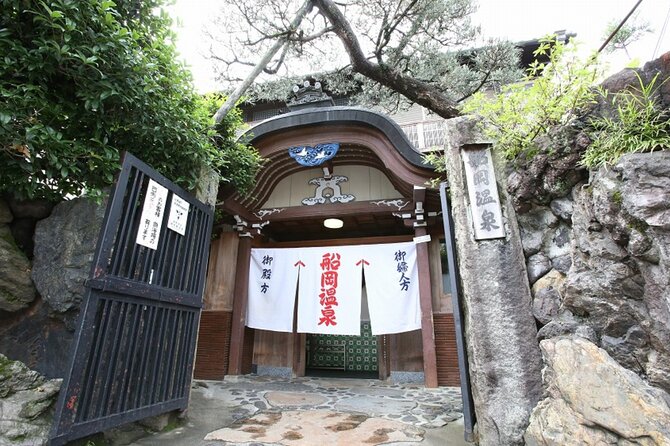
After the briefing, you move to Funaoka Onsen, where the heart of the experience happens. The onsen time is about 1 hour, with an admission ticket included.
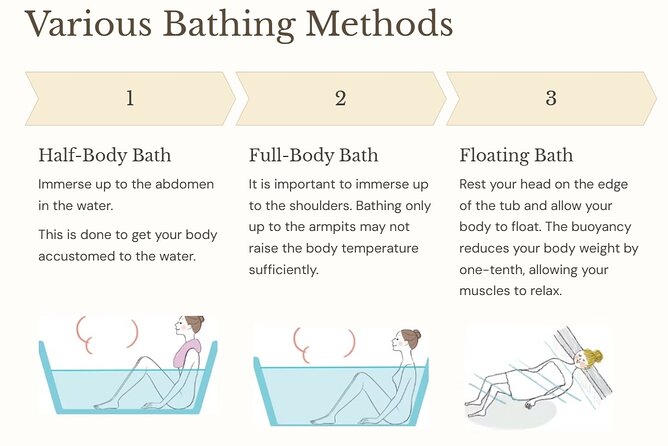
Before bathing, the guide uses materials to lecture you on the specific methods and how to follow the flow. This is not a vague “be respectful” talk. You get a structure for what you do first, how you behave, and how to use the space like someone who has done it before.
Then you try it yourself, while the guide stays there to help you not only do it correctly, but also feel less anxious. That reassurance is a big deal for first-timers.
One extra piece of context I appreciated from the guide’s stories is that Funaoka Onsen has an interesting background, including how the founders worked against expectations tied to geothermal traditions. It adds a sense of real Kyoto local history, not just generic onsen trivia.
A few more Kyoto days worth comparing
- PERFECT KYOTO 1-Day Bus Tour
★ 5.0 · 13,518 reviews - Kyoto: Fushimi Inari, Kinkakuji, Bamboo Grove 1 Day Bus Tour
★ 4.8 · 4,316 reviews - Kyoto: Tea Ceremony in a Traditional Tea House in Kiyomizu
★ 4.9 · 3,519 reviews - Kyoto Geisha Walking Tour: Gion District & Hidden Gems
★ 4.7 · 3,273 reviews
The etiquette lesson that makes the soak feel easy
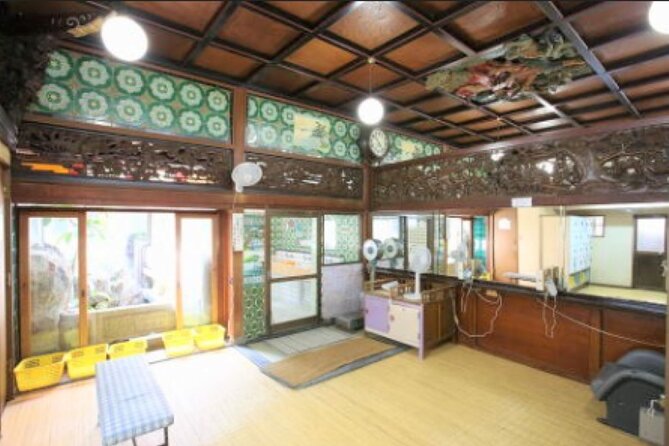
Japanese bathing etiquette can sound complicated until someone gives you the order of operations. This tour is built to solve that exact problem.
Here is what you can expect conceptually, based on the way the experience is structured:
- You learn the steps first using lecture materials at Funaoka Onsen
- You follow the method yourself right after, not hours later
- You get guidance while you do it, so mistakes feel fixable
The biggest practical benefit is confidence. Once you know the sequence, you can stop mentally scrambling. You can focus on the feel of warm water, the quiet rhythm of the room, and the relief of letting your body actually unwind.
And importantly, the guide frames it as transferable knowledge. The bathing steps and etiquette tend to be similar across other onsen and sento experiences, so you are not only learning for this one bathhouse.
The “nude and gender-separated” reality, and how to plan for it
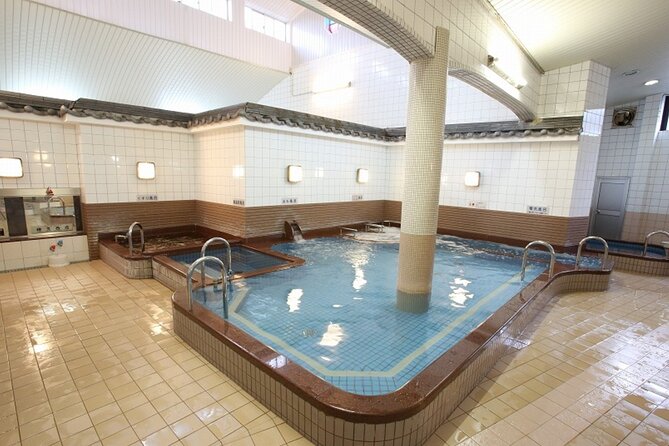
Be direct about this, because it affects your comfort. At Funaoka Onsen, bathing is nude, and the facilities are segregated by gender.
That has two implications:
- You will bathe separately from your partner if you arrive as a couple.
- You need to be okay with the bathhouse environment being more private and procedural than, say, a hotel spa.
If you are visiting with a partner who wants to be side-by-side during bathing, this tour likely will not match that expectation. If you are a solo traveler or you are comfortable with gender-separated bathing, the experience can feel wonderfully normal and relaxing.
Also, because the guide is independent and local, they will help you navigate the culture, but they may not be able to smooth every nuance in perfect English. You may want to keep your questions short and specific, like asking what comes next in the process.
Health and safety notes you should take seriously
This tour explicitly advises against participation for people with certain hot-spring contraindications. Avoid it if you have severe heart or lung disease, recent gastrointestinal bleeding, advanced malignant tumors, or severe anemia.
Also skip the experience if you are feeling unwell that day, have a fever, or have consumed alcohol. The tour also notes that if a doctor advises against hot-spring participation, you must refrain.
That is not a “cover-your-bases” line. Hot water can hit different people in different ways, so it is smart to treat the guidance as real safety advice.
If you are on the fence, I would rather you err on the careful side. A relaxation day should not become a medical risk.
Price and value: about $46 for a guided bathhouse lesson
The price is $45.72 per person, for roughly 1.5 hours, and it includes admission tickets for both the cafe and the onsen.
Is it worth it? In my view, yes, if you are the kind of traveler who wants to do things correctly and feel comfortable. A self-guided onsen visit can be cheap, sure. But without the etiquette briefing, you may spend the whole time worrying about the rules instead of enjoying the soak.
The value here comes from:
- the instruction before bathing (so you do not guess)
- the local context about onsen culture and the specific bathhouse
- the fact it is small-group and not a rushed herd experience
So if you want a lesson plus relaxation, this price makes sense. If you only want the soak and you already know how sento and onsen etiquette works, you might skip the guide to save money.
Who this tour suits best (and who might not love it)
This is a strong fit for:
- Solo travelers who want structure and a friendly guide at a place where rules matter
- People interested in wellness and mindfulness, not just sightseeing
- First-time visitors to Kyoto who want an experience that feels local rather than stagey
It may be less ideal if:
- you strongly dislike nude, gender-separated bathing
- you expect fluent English explanations throughout
- you have health conditions that match the hot-spring contraindications
The good news is that the tour is built to support most people who can safely participate. The guide is also there throughout the process, so you are not left alone to figure it out mid-ritual.
A few practical tips to get the most out of it
You will have a much smoother experience if you go in knowing what kind of day this is: part museum-like culture talk, part real bathhouse practice.
A few mindset tweaks I suggest:
- Treat the first stop as your warm-up, use it to get the order in your head
- Keep your questions simple at the onsen, like asking what to do next
- If you are nervous, that is normal, the guide’s role is partly to help you relax into the routine
And remember, this is not about performing. It is about participating in a ritual the Japanese way.
Should you book this Japanese bathing culture tour at Funaoka Onsen?
Book it if you want an onsen experience that comes with clear etiquette guidance and local context, not just a ticket and a map. The small group size, the pre-bath instruction, and the chance to practice right away are the reasons this feels worth your time.
Skip it if nude, gender-separated bathing would make you uncomfortable, or if you have health reasons you should avoid hot springs. Also consider whether you are okay with a guide who may not be fluent in English, since that will shape how much detail you can ask for on the spot.
If you fit the “curious first-timer who wants to do it right” profile, this is a great Kyoto detour. It turns relaxation into understanding, and understanding usually makes the soak better.
FAQ
Where is the tour meeting point?
The tour meets at Funaoka Onsen, address 82-1 Murasakino Minamifunaokachō, Kita Ward, Kyoto, 603-8225, Japan.
How long is the tour?
The experience lasts about 1 hour 30 minutes.
What stops are included?
You visit Sarasa Nishijin first and then Funaoka Onsen. The cafe stop is about 15 minutes, and the onsen portion is about 1 hour.
Is admission included?
Yes. Admission tickets are included for both Sarasa Nishijin and Funaoka Onsen, and you receive a mobile ticket.
Is bathing nude, and are genders separated?
Bathing is nude, and the facilities are segregated by gender.
Is the tour group small?
Yes. The maximum group size is 5 travelers.
Who should not participate?
The tour advises against participation for people with severe heart or lung diseases, recent gastrointestinal bleeding, advanced malignant tumors, or severe anemia. It also advises against joining if you feel unwell, have a fever, or have consumed alcohol.
What is the cancellation policy?
You can cancel for a full refund if you cancel at least 24 hours in advance of the experience’s start time. If you cancel less than 24 hours before, the amount paid is not refunded.
Fresh options around Kyoto
- Fushimi Inari – Arashiyama: Torii Gates, Bamboo, Monkeys & Secret★ 5.0 · 15 reviews
- Arashiyama Bamboo Forest Family Bike Tour ( Infants & Kids )★ 5.0 · 15 reviews
- Arashiyama & Nara Highlights: One-Day Private Tour Adventure★ 5.0 · 16 reviews
- Kyoto Sushi Making Experience with a Professional Sushi Chef★ 5.0 · 16 reviews
- Kyoto tea town for matcha lovers★ 5.0 · 16 reviews
- Private Guided Traditional Buddhist Cooking in Japan★ 5.0 · 16 reviews
- Guided Gion Tour: Explore Kyoto’s Historic Geisha District★ 4.5 · 16 reviews
- Fish Cutting workshop in Kyoto Japan★ 5.0 · 16 reviews
Onsen & Hot Springs, compared.
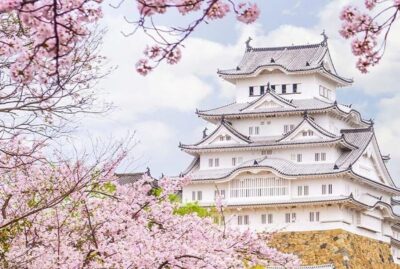
Himeji Castle, Arima Onsen & Mt. Rokko Day Tour
Read our review →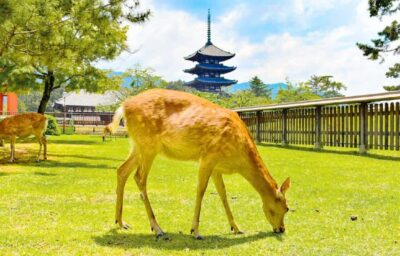
Nara and Uji Day Trip with Deer Park and Hot Spring
Read our review →
Private Tour to Fuji/Hakone – Onsen, Art, Nature
Read our review →
Mt. Fuji, Hakone Private Tour from Tokyo – Onsen, Arts and Nature
Read our review →
Private Nagano 1-Day Tour:Snow Monkeys,Zenko-ji,Obuse,Sake,Onsen
Read our review →
Mt Takao Tour with Ramen and Tattoo-Okay Hot Spring
Read our review →Browse the lists this tour appears in