
Reviewed · ONSEN & HOT SPRINGS
From Fukuoka: Mount Aso, Kurokawa Onsen, and Shrine Tour
Volcano fumes and hot-spring mist in one day. This trip strings together Mount Aso crater viewing (when access is allowed) and Kurokawa Onsen downtime, so you get big nature and then real rest.
I especially like two parts: the chance to see an active volcanic caldera up close, and the way Kurokawa feels like an actual onsen village stroll, not just a quick stop.
The one catch is timing. Mount Aso access depends on volcanic activity and weather, so you might lose some viewing time or have parts of the day shortened.
Key things to know before you go
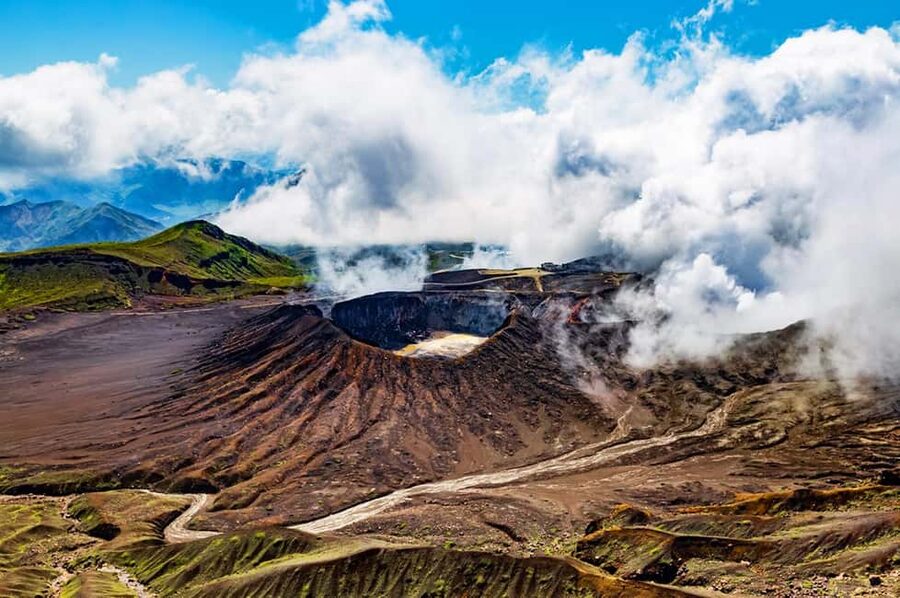
- Nakadake crater access is conditional, based on safety and volcanic activity, so plan for flexibility.
- Kusasenri grassland is the slow breath in the day, with a long enough stretch for a walk and lunch break (lunch not included).
- Aso Shrine is more than a photo stop, with 2,500 plus years of history and ties to Emperor Jimmu.
- Kurokawa Onsen is about the village feel, with misty rivers and wooded scenery, plus optional mineral baths.
- Optional add-ons cost extra, like the Aso Volcano Museum and horseback riding across the grassland.
- Bring cash and check tattoo rules, since onsen entry can be restricted and some places may not take cards.
Price and value for a $50 day trip
At around $50 per person for a full 10-hour outing, this tour is good value if you want a structured day that covers three major hits in Kyushu: Mount Aso, Aso Shrine, and Kurokawa Onsen. You are not paying extra for the main transport, a professional guide, and the included Aso area admission.
What you should expect to pay separately is where the value comes into focus. Lunch is not included, and onsen admission at Kurokawa is not included either. Optional experiences like the Aso Volcano Museum or horseback riding across Kusasenri are also at your own expense. In other words, the base price gets you to the right places with guide time and logistics handled, but you still control your spending on food, baths, and add-ons.
More onsen experiences near Kumamoto:
- From Osaka: Himeji Castle, Arima Onsen & Mt. Rokko Day Tour
★ 4.6 · 339 reviews - Osaka: Nara and Uji Day Trip with Deer Park and Hot Spring
★ 4.4 · 302 reviews - From Tokyo: Private Tour to Fuji/Hakone – Onsen, Art, Nature
★ 5.0 · 116 reviews
From Fukuoka at 8:00am: how the day starts
You kick off at 8:00am with pickup around the Oriental Hotel Fukuoka Hakata Station area, near the Lawson convenience store. Plan to arrive 15 minutes early so you do not feel rushed. Around 9:00pm the night before, you will receive an email with the driver and guide details, so it is worth checking both your inbox and spam folder.
The ride to Kumamoto takes time. The day trip includes bus travel segments, and the overall schedule is built around a smooth flow of short scenic stops and a couple of longer free-time blocks. That means you will not be in one place all day, but you will also not be stuck commuting forever without seeing anything. You get air-conditioned vehicle comfort, and smoking or eating inside the vehicle is not allowed.
Mount Aso and Nakadake crater: the main event, with safety first
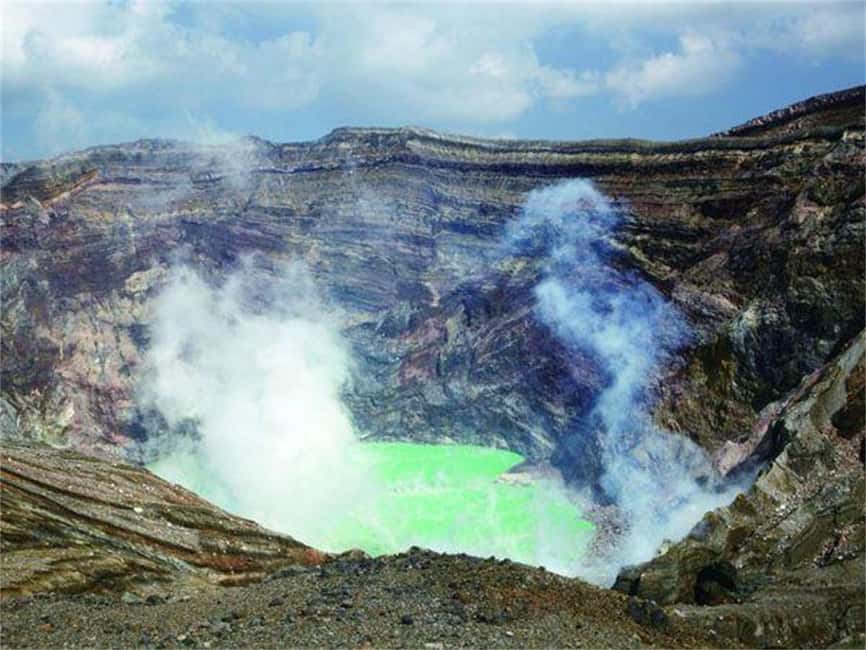
Mount Aso is one of Japan’s most active volcano areas, and the Nakadake crater viewing point is the day’s big “wow” moment when conditions allow. You get a short window for photos and sightseeing, roughly 15 to 20 minutes at the crater area.
Here is the important practical detail: crater access is subject to volcanic activity. If safety rules tighten, your view might be limited or the crater area might be restricted. Weather can also affect what you can see. This is not a tour where you can assume you will get a perfect smoky panorama from the same spot every time.
So how do you make this stop work for you?
- Treat it as a short, high-impact photo chance, not a long hike.
- Dress for fog, wind, or sudden cloud cover, because volcanic regions can shift fast.
- If you end up with a less dramatic view, try to watch the guide’s safety-based explanation and geological context anyway, because the crater area is still the reason the day trip exists.
Kusasenri grassland: why the “extra walking” time matters
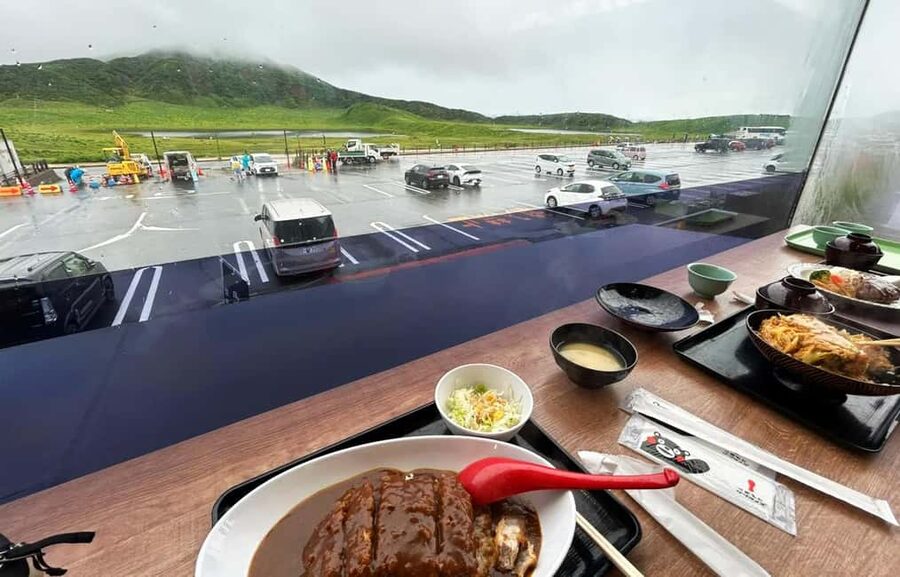
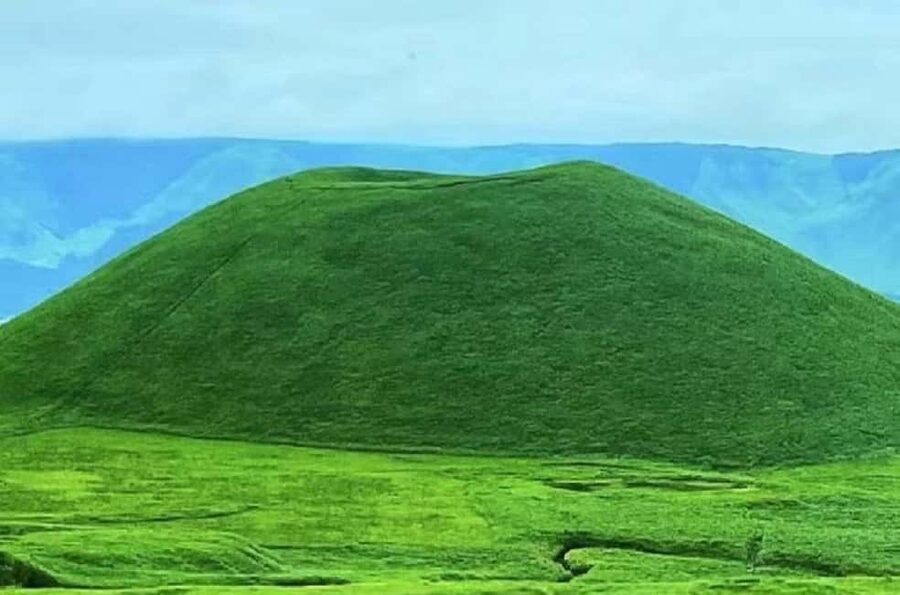
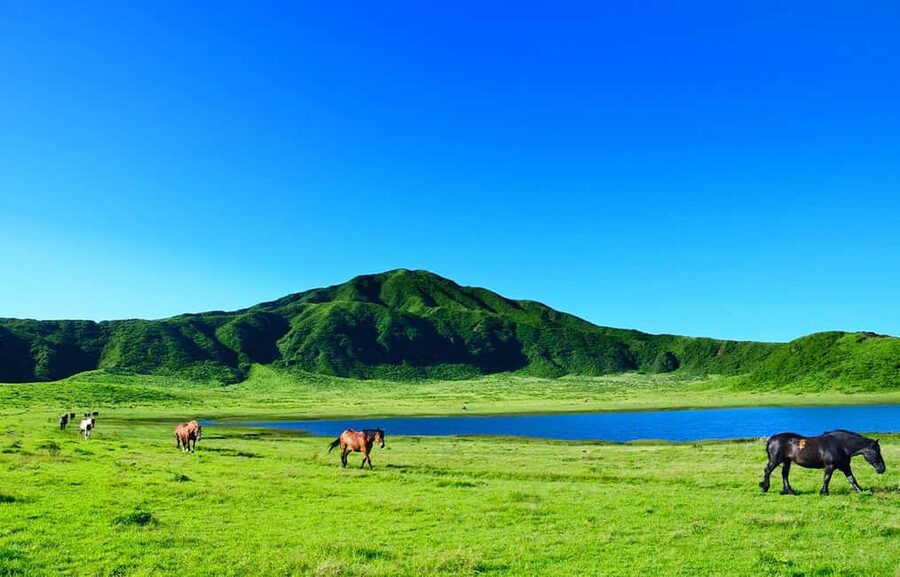
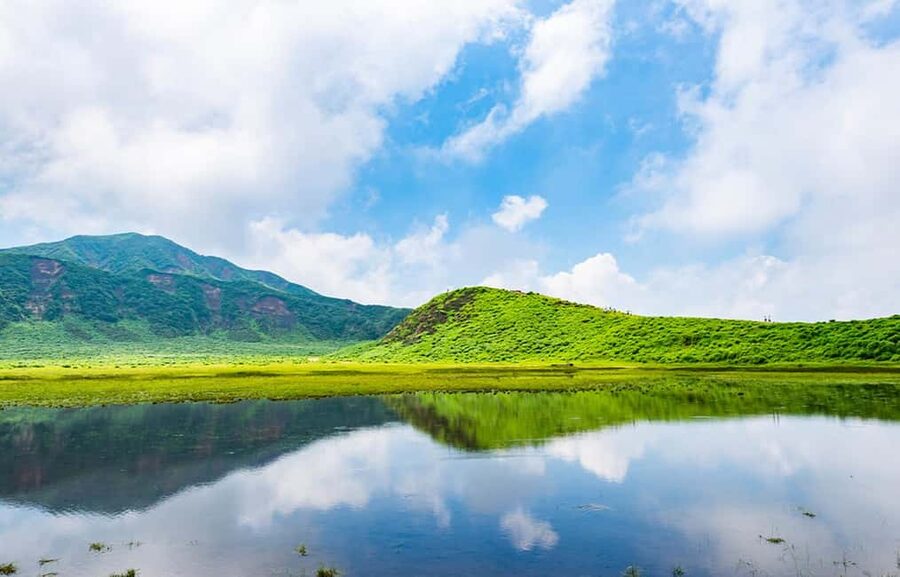
After the crater, you head to Kusasenri, a vast grassland at the foot of Mount Eboshi. You get about 60 minutes of free time, plus time for lunch on your own. Lunch is not included, but the schedule is built to give you enough breathing room to eat without feeling like you are speed-running the day.
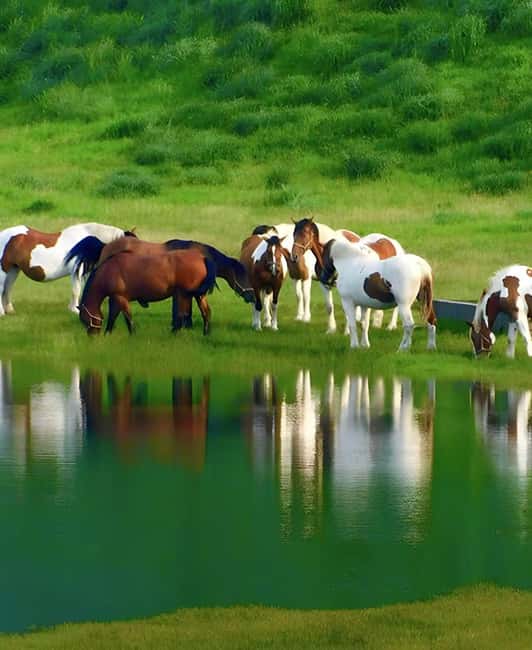
What makes Kusasenri special is the setting and the pace. You can take a leisurely walk and enjoy the open views, and you may see grazing cattle and horses. There is also a central pond area, so it is not just “flat field” scenery. Seasonal changes can shape the feel of the grassland a lot, and it is one of the few places on the route where the focus is calm and space rather than urgency.
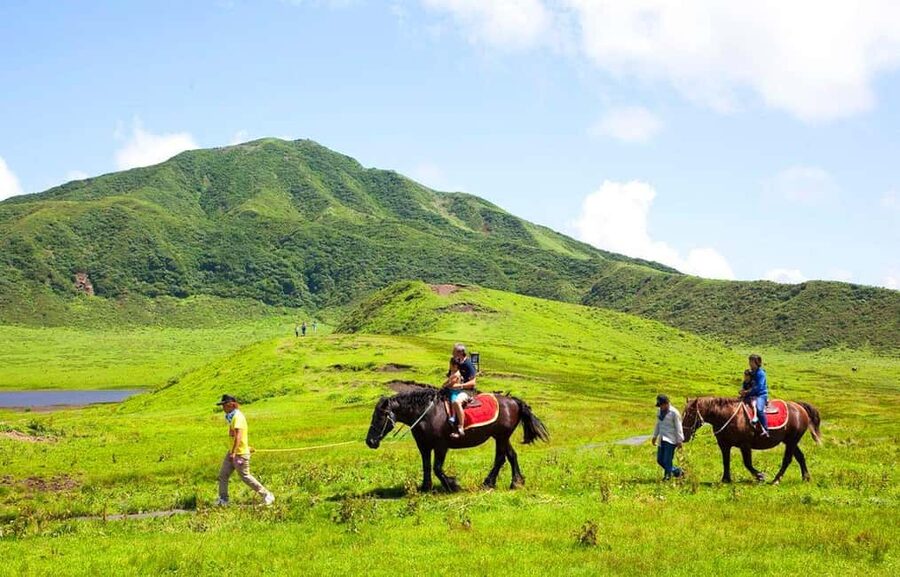
Optional add-on: horseback riding across the grassland. It is at your own expense, guided by experienced staff, and described as suitable for beginners and even children. If that sounds like something you would actually do, Kusasenri is the best place in the itinerary to add it because the timing matches the activity.
Aso Shrine: a calm cultural reset with real age behind it
Next comes Aso Shrine (Aso Jinja) with around 30 to 40 minutes of free time. This is the cultural counterweight to all the volcanic nature: quieter, slower, and more about meaning than scenery.
Aso Shrine has been around for over 2,500 years and is one of Japan’s oldest and most significant Shinto shrines. It enshrines 12 deities, including the grandson of Emperor Jimmu. It also functions as the head shrine for over 450 Aso Shrines across Japan, and the site is recognized as an Important Cultural Property of Japan.
Even if you are not a shrine person, I like this stop because it helps you connect the dots. A volcano shapes the land, but the shrine shows how people have lived alongside that reality for centuries. It is a short window, but it can make the earlier crater visit feel less like a random science stop and more like part of a longer human story.
Practical tip: use your free time to stroll a bit and find a viewpoint that lets you take in both the shrine structures and the surrounding atmosphere. You do not need to memorize details to appreciate what you are seeing, but you will likely benefit from the guide’s explanation during your visit.
Kurokawa Onsen: the village atmosphere before the bath
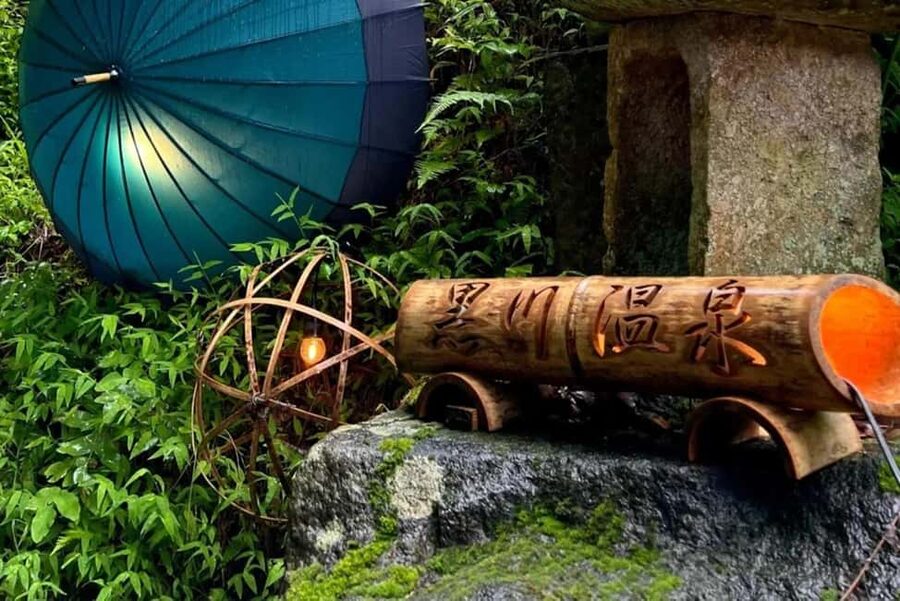
Then you land in Kurokawa Onsen for about 90 minutes of free time. This is where the day shifts from “see as much as possible” to “slow down and enjoy.”
Kurokawa is known for its nostalgic architecture, misty rivers, and lush greenery, and it is often praised for its atmosphere. In fact, it ranked #1 for Atmosphere in the Onsen Top 100 in 2008, and it received 2 stars in the Michelin Green Guide Japan in 2009. That matters because it hints that this is not just an onsen brand name, it is a town with a genuine feel.
What you can do in your time:
- Walk the streets and browse small souvenir shops.
- Pause for sweets that match the seasonal vibe of the area.
- Decide whether to soak or just enjoy the village atmosphere.
The baths themselves are optional for you to budget. Onsen admission at Kurokawa is not included. The mineral-rich waters have been popular for over 300 years, and the tour information notes that each bathhouse has its own unique therapeutic focus. If you do soak, plan for it to take a bit of your 90 minutes, so do not spend the entire block only shopping.
Tattoo note: if you have tattoos, you may not be allowed to enter Japanese hot springs. That is a real policy detail to check ahead of time so you do not waste your soaking plan.
Optional add-ons: museum and horseback, but only if they fit your day
You may see two optional extras during the route:
- Aso Volcano Museum: admission not included. It focuses on geology, flora and fauna, and the history of Mount Aso with interactive exhibits and live video footage from the Nakadake crater.
- Horse riding at Kusasenri: at your own expense, described as short and beginner-friendly.
I like the idea of adding one optional activity because the base schedule is built around quick highlights. But the tradeoff is time. If Nakadake access is affected by safety or visibility, you might find your day feels tighter. So if you add something optional, keep your expectations flexible and keep your plan simple.
Weather, timing, and money: the practical stuff that decides your comfort
This tour is run with shared-group logistics, and it can move across weather changes quickly. You are also traveling in a volcanic region, which adds extra unpredictability.
Bring:
- Appropriate clothing for changing conditions, since fog, wind, and rain can happen.
- Cash for personal expenses, because the tour notes that some places may not accept credit cards.
Plan around:
- Short free-time blocks at key sights. You will get enough time to enjoy each stop, but it is still a one-day loop.
- Possible delays and adjustments. Return time can shift due to weather, traffic, or crowding during Japanese holidays and peak seasons. If that happens, some attractions may be shortened, rescheduled, or canceled.
Also keep your feet and energy in mind. This is not described as wheelchair-friendly, so it is best suited to travelers who can handle getting on and off coaches and doing short walks at each stop.
Guides and languages: what you gain from the shared-group format
One of the strongest selling points here is the guide experience. The tour includes a professional tour guide and is offered in English, Japanese, Korean, and Traditional Chinese.
In past departures, guides like Seki and Sun have been praised for clear explanations and translation, including when someone was the only English speaker on the group. That gives you confidence that even when the schedule is fast, the story of each location is not just “look and go.”
This is also a good way to learn how the region connects: why Aso Shrine is tied to early Japanese myth and leadership, and how Kurokawa’s onsen culture fits into a volcanic landscape that people have managed for generations.
Should you book this Mount Aso, Aso Shrine, and Kurokawa Onsen tour?
Book it if:
- You want one guided day that hits the biggest Aso region highlights without figuring out transport yourself.
- You like having short, efficient free time plus context from a guide.
- You care about both nature and culture, and you want a hot-spring town to close out the day.
Skip it or think twice if:
- Your schedule is strict. Return time can shift, and weather or volcanic safety can cause itinerary changes.
- You need guaranteed crater visibility. Access is conditional, and the crater area may be restricted when safety requires it.
- You cannot do onsen entry due to tattoo rules, since Kurokawa baths are optional but still central to the experience.
If you are flexible and you want a practical, high-value Kyushu day trip that combines volcano reality with onsen calm, this is a smart pick.
More Temple & Shrine Tours in Kumamoto
- From Fukuoka: Miyazaki, Takachiho Gorge and Shrines Day Tour
★ 4.6 · 233 reviews - Kyoto: Fushimi Inari, Kinkakuji, Bamboo Grove 1 Day Bus Tour
★ 4.8 · 4,316 reviews - Kyoto: Tea Ceremony Ju-An at Jotokuji Temple
★ 4.9 · 3,207 reviews - Tokyo: Meiji Shrine, Asakusa, Skytree Bus Tour and Cruise
★ 4.7 · 1,986 reviews
Fresh options around Kumamoto
- Kumamoto Full-Day Private Tour with Government-Licensed Guide★ 5.0 · 20 reviews
- From Kumamoto : Mt.Aso and Takachiho All-inclusive Private Tour★ 5.0 · 37 reviews
- From Fukuoka: Miyazaki, Takachiho Gorge and Shrines Day Tour★ 4.6 · 233 reviews
Onsen & Hot Springs, compared.
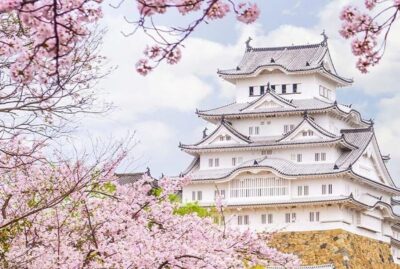
Himeji Castle, Arima Onsen & Mt. Rokko Day Tour
Read our review →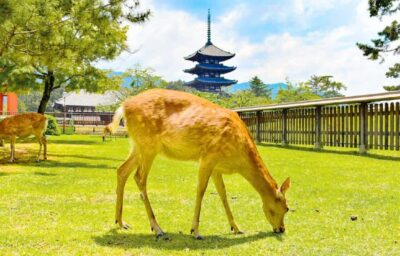
Nara and Uji Day Trip with Deer Park and Hot Spring
Read our review →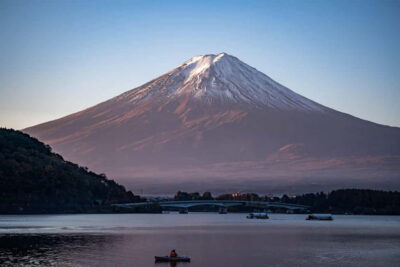
Private Tour to Fuji/Hakone – Onsen, Art, Nature
Read our review →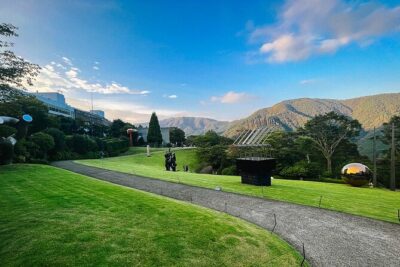
Mt. Fuji, Hakone Private Tour from Tokyo – Onsen, Arts and Nature
Read our review →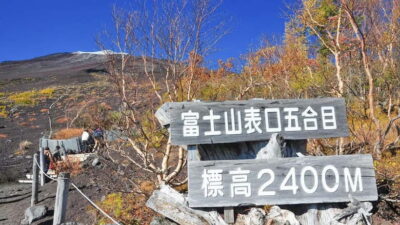

Private Nagano 1-Day Tour:Snow Monkeys,Zenko-ji,Obuse,Sake,Onsen
Read our review →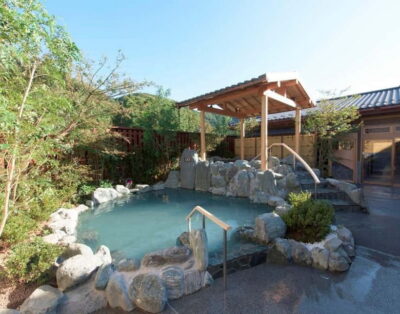
Mt Takao Tour with Ramen and Tattoo-Okay Hot Spring
Read our review →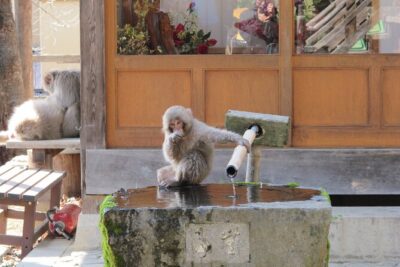
Snow Monkey & Shibu Onsen Afternoon Tour (Depart: Iiyama & Nozwa)
Read our review →Browse the lists this tour appears in