
Reviewed · SUSHI MAKING CLASSES IN KYOTO
Kyoto Sushi Making Experience with a Professional Sushi Chef
Knife work, plus you in the mix. This Kyoto sushi making experience pairs a professional Taisho sushi chef with hands-on lessons, so you get to shape nigiri and rolls instead of just watching. I especially liked the smooth flow from choosing traditional sweets to learning sushi technique, then finishing with matcha whisking in a calm Kyoto-style garden.
Two things really landed for me. First, the fish quality and the fresh, chef-made tempura were standouts. Second, the sake tasting felt practical, with pairing guidance that made each bite taste more intentional. One consideration: this is a fixed, set-course class, so it is not a long, flexible dinner menu.
Key highlights worth planning for
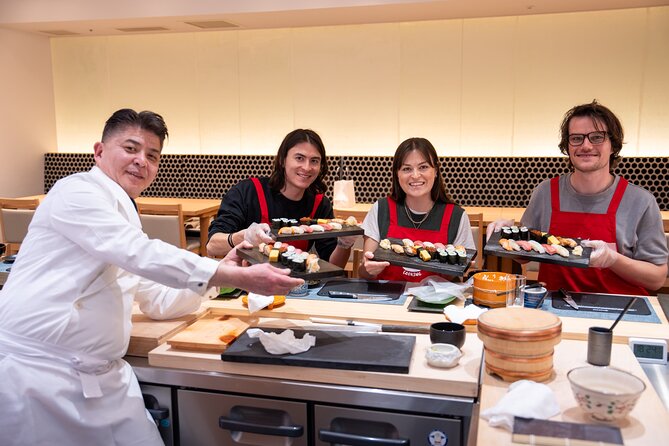
- 9 nigiri plus roll sushi, hands-on
- A professional Taisho chef leads the technique
- Chef-made tempura and a full tasting meal
- Sake tastings with pairing tips you can use later
- Matcha whisking in a Kyoto-style garden
- Small group size (max 8) for more attention
From Kyoto sweets to sushi knives: how the afternoon works
This class runs about 3 hours 30 minutes and starts at 3:30 pm. That timing is handy if you want a food-focused plan without using your whole day. It also means your dinner plans will likely shift, because the experience includes multiple courses like nigiri, rolls, tempura, sweets, and matcha.
The day starts with a visit to a local shop for traditional Japanese sweets. You are not just picking something random to eat later. You are choosing sweets that tie into the end of the experience, when you whisk matcha and pair it with what you selected. That gives the afternoon a satisfying rhythm, sweet first, then sushi, then sweet again with tea.
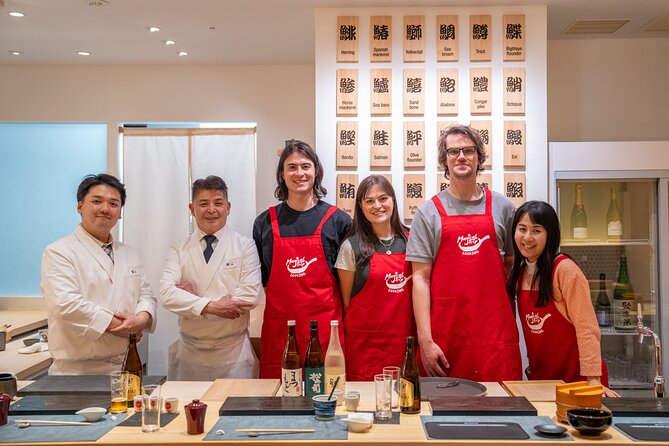
After the sweets stop, you head into the sushi restaurant area and meet the chef. From there, it is all about technique and building confidence: you watch the precision first, then you try it step by step.
More Sushi Making Classes in Kyoto
- Sushi Making in Kyoto! Same-day bookings welcome!
★ 5.0 · 713 reviews - The Original Small-Group Sushi Making Class in Kyoto
★ 5.0 · 436 reviews - Kyoto: Small-Group Authentic Sushi Making Workshop
★ 5.0 · 137 reviews
Diesel604 meeting point and why small-group classes feel better
Your meeting point is Diesel604 Banochō, Nakagyo Ward, Kyoto (604-8172), and you return there when the activity ends. It is also listed as near public transportation, which matters in Kyoto. A class like this is easiest when you can arrive on time without a complicated last-mile scramble.
The group size is capped at 8 people, which is a big deal for a hands-on food class. With fewer people, you get faster help when shaping nigiri or rolling sushi. It is the difference between feeling like you are on stage and feeling like someone is actually coaching your hands.
You do not need Japanese skills. The guide provides English support throughout. I also appreciated that the class is designed so families can join (kids 4+ are welcome). That usually means the pacing is practical, with enough guidance to keep things smooth.
Your Taisho chef: what the guidance actually changes
The experience is led by a professional Taisho chef. In practice, that means you get the real thing, not just a cooking demo with a few props. The chef showcases precise knife work and the elegant craft of making nigiri. Then you make your own sushi under careful guidance.
Here is what I love about this setup: you are learning technique, not performing a guessing game. When shaping nigiri, the details are the whole story. If the rice texture, pressure, and angle are off, everything feels wrong. With a pro coaching you, you learn what to correct right away.
One helpful note for nervous beginners: the class guidance says you do not worry about sharp knives or tricky techniques, because the chef handles the slicing while you focus on the fun parts. That matters. You get the experience without turning it into a safety workshop.
In my experience of classes like this, that is the sweet spot. You leave with skills you can repeat, and you do not leave exhausted from trying to do everything at once.
Making 9 nigiri and rolling your own sushi, step by step
The core of the class includes 9 nigiri sushi and roll sushi. You will start by watching the chef’s process, especially how he handles the rhythm of making nigiri. Then you do it yourself.
You can think of nigiri as three skills working together:
- getting the rice right,
- shaping it consistently,
- balancing topping and placement.
Once you understand those pieces, rolling sushi feels more doable. Roll sushi has its own focus, like how the ingredients sit and how tightly you roll. The goal is not perfection. The goal is learning control, so your final bites look good and taste right.
One reason this part is worth it: sushi is small by design, but it is not simple. It is geometry and texture. Having a pro in the room means you get feedback while it is still easy to adjust.
Also, the course includes a tempura set and multiple drinks along the way, so you are not only learning. You get to eat what you make and see how it all fits together in a real meal.
Same corner of Japan, a different kind of day:
- PERFECT KYOTO 1-Day Bus Tour
★ 5.0 · 13,518 reviews - Kyoto: Fushimi Inari, Kinkakuji, Bamboo Grove 1 Day Bus Tour
★ 4.8 · 4,316 reviews - Kyoto: Tea Ceremony in a Traditional Tea House in Kiyomizu
★ 4.9 · 3,519 reviews - Kyoto Geisha Walking Tour: Gion District & Hidden Gems
★ 4.7 · 3,273 reviews
Tempura and two drinks: why this class feeds you, not just teaches
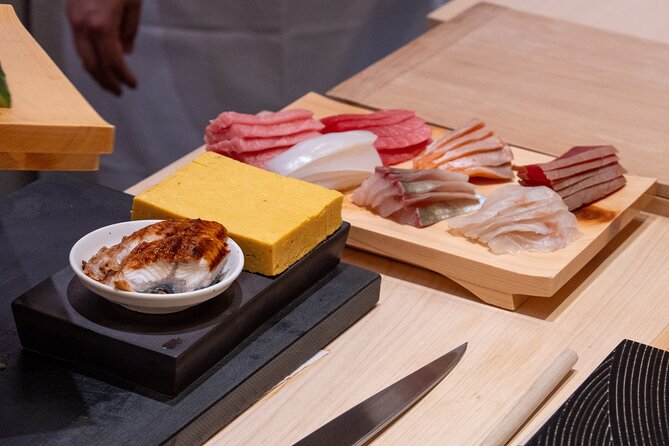
A lot of sushi classes stop at nigiri. This one keeps going with a tempura set made by the chef. Tempura is one of those dishes where technique matters, and chef-made tempura is a great reality check. If you think you know what tempura should taste like, this course gives you a fresh benchmark.
The experience also includes two drinks. Along with the sake portion (more on that next), the drink components are part of the meal structure. You are tasting and comparing, not just receiving food on a tray.
Practical tip: pace yourself. After making multiple pieces of nigiri and rolls, your appetite is usually there, but your stomach still needs a moment. Tempura and sushi together can be light if done right, but you will still feel full. Plan to enjoy it slowly, especially during the tasting segment.
Sake tastings with pairing tips that make sense at home
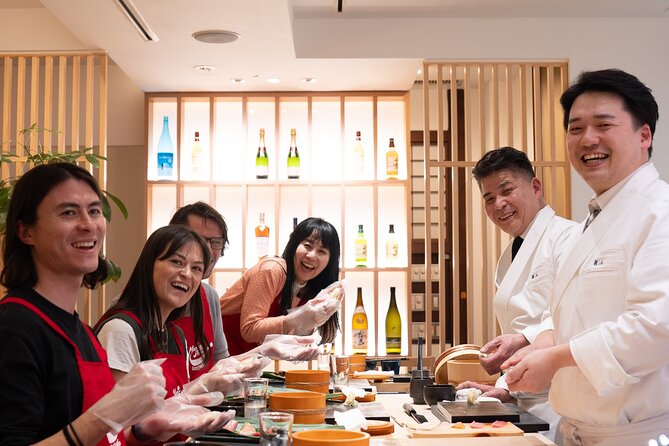
This class includes sake tastings and pairing guidance. In a good sake tasting, you do not just drink different types. You learn what to notice, and why one style works better with certain flavors.
Sushi is clean and delicate, and sake has to play nicely with that. That is why pairing matters. When someone explains how to match sake styles to sushi flavors, your brain starts doing the work for you. Later, when you order sake on your own in Japan, you have a framework instead of a random guess.
The class format is also helpful because you are tasting while you are still in the food mindset. You just made nigiri and rolls, so you can connect the sake choices to real bites you are experiencing right then.
If you like food education that stays practical, this is one of the strongest parts of the experience. You get guidance you can actually reuse.
Matcha whisking in a Kyoto-style garden, plus your chosen sweets
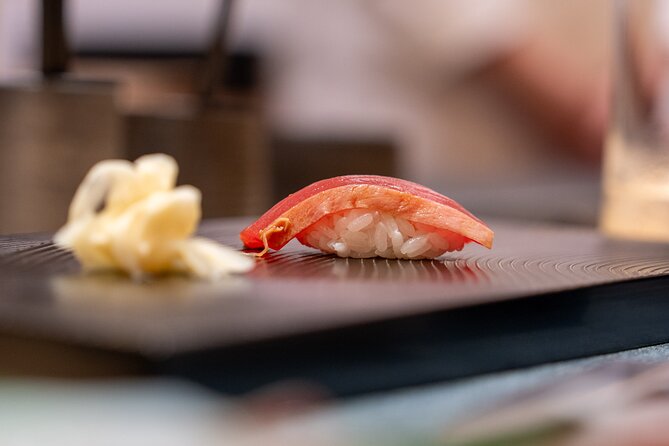
After the sushi meal, you end in a peaceful Kyoto-style garden. That change of scenery is not just for nice photos. It helps your digestion and resets your senses after savory food and sake.
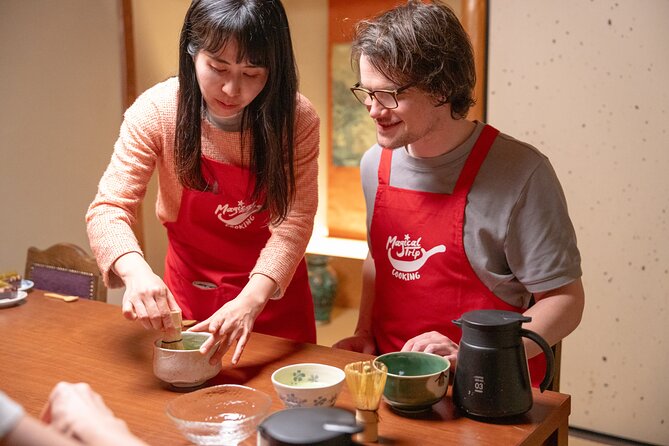
In the garden, you learn to whisk matcha. Then you enjoy it with the Japanese sweets you picked earlier. This is one of those details that makes the experience feel complete. You are not doing matcha as a separate add-on. You made the sweets choice earlier, and now you taste the combination as it was intended.
Matcha is a skill you can practice, but the lesson is also sensory. You notice the texture changes when you whisk. You also notice how sweetness and tea bitterness interact. When you pair matcha with the right kind of sweet, it feels balanced instead of harsh.
I also like the pacing here. You finish the savory part, then shift to tea and sweets in a calm space. It feels like a proper Kyoto evening moment.
Price and value for a Kyoto sushi making class
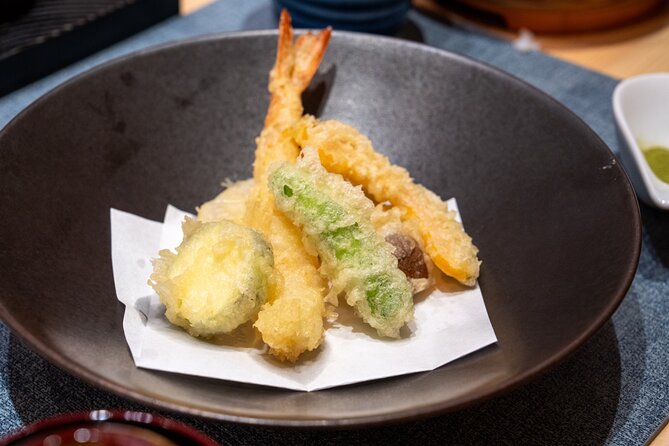
At $163.30 per person for roughly 3.5 hours, this is not a budget cooking class. But it is also not overpriced in a bubble. You are paying for a trained Taisho chef, hands-on instruction, a set menu that includes 9 nigiri, roll sushi, tempura, Japanese sweets, sake tastings, two drinks, and matcha.
Here is how I judge value in experiences like this:
- Do you eat what you make, and does it feel substantial? Yes, the course includes multiple real dishes.
- Is the instruction high-touch? The max 8-person group supports that.
- Do you get culture, not just cooking steps? The sweets shop, sake pairing guidance, and matcha whisking tie it together.
The booking window is also worth noting. It is typically booked about 24 days in advance, so you do not want to wait until the last minute if you are traveling in a busy season.
If you care about sushi beyond Instagram visuals, the price starts to make sense. You are buying technique plus a meal that matches it.
Who should book this (and what to expect if you are picky)
This is a great fit if you want:
- hands-on nigiri and roll sushi instruction,
- a real chef-led experience with sake tasting and pairing tips,
- a calmer finish with matcha whisking in a garden setting,
- a small group experience where you can ask questions.
It is also family-friendly since kids 4+ are welcome, and language support is handled by an English-speaking guide. That makes it approachable even if you are not confident in a new food situation.
You might choose something else if you expect a long sit-down omakase-style meal or a class that lets you fully drive every step, including knife work. The chef handles slicing, and the format follows the set course. That is by design, and it keeps the class safe and smooth, but it is still structured.
Final call: should you book this Kyoto sushi class?
I think you should book this if you want a focused Kyoto food experience that teaches real skills, not just a tasting event. The biggest selling points for me are the chef-led technique, the mix of sushi plus tempura and sake pairing, and the finishing moment of matcha in a garden.
If you are short on time, the 3.5 hours at 3:30 pm can be a smart use of an afternoon. Just plan your evening meal accordingly. And if you want one meal in Kyoto that feels hands-on, this is the kind of class that makes you leave knowing something you can repeat at home.
FAQ
Where is the meeting point for this Kyoto sushi making experience?
The tour starts at Diesel604 Banochō, Nakagyo Ward, Kyoto, 604-8172, Japan, and it ends back at the same meeting point.
How long does the experience last?
It lasts about 3 hours 30 minutes.
What dishes and tastings are included in the course?
You will make 9 nigiri sushi and roll sushi, enjoy a tempura set, have two drinks, participate in sake tastings, and whisk matcha with Japanese sweets.
Do I need to know Japanese or handle knives myself?
No Japanese skills are needed. The guide speaks English, and you do not have to worry about sharp knives since the chef handles the slicing while you focus on the fun parts.
What is the group size limit?
The experience has a maximum of 8 travelers.
What is the cancellation policy?
You can cancel for a full refund up to 24 hours before the experience’s start time. If you cancel less than 24 hours in advance, the amount paid is not refunded.
Fresh options around Kyoto
- Fushimi Inari – Arashiyama: Torii Gates, Bamboo, Monkeys & Secret★ 5.0 · 15 reviews
- Guide tour of Japanese bathing culture at Funaoka Onsen★ 5.0 · 15 reviews
- Arashiyama Bamboo Forest Family Bike Tour ( Infants & Kids )★ 5.0 · 15 reviews
- Arashiyama & Nara Highlights: One-Day Private Tour Adventure★ 5.0 · 16 reviews
- Kyoto tea town for matcha lovers★ 5.0 · 16 reviews
- Private Guided Traditional Buddhist Cooking in Japan★ 5.0 · 16 reviews
- Guided Gion Tour: Explore Kyoto’s Historic Geisha District★ 4.5 · 16 reviews
- Fish Cutting workshop in Kyoto Japan★ 5.0 · 16 reviews
Sushi Making Classes in Kyoto, compared.
Sushi Making in Kyoto! Same-day bookings welcome!
Read our review →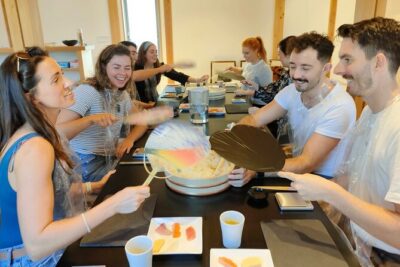
The Original Small-Group Sushi Making Class in Kyoto
Read our review →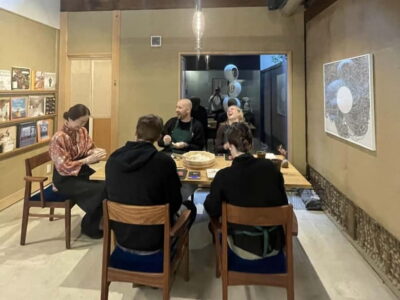
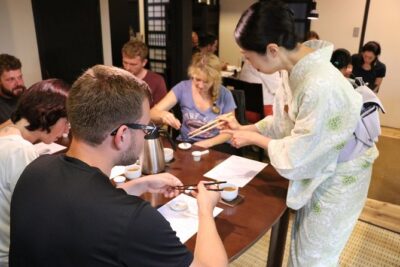
Sushi – Authentic Japanese Cooking Class – the best souvenir from Kyoto!
Read our review →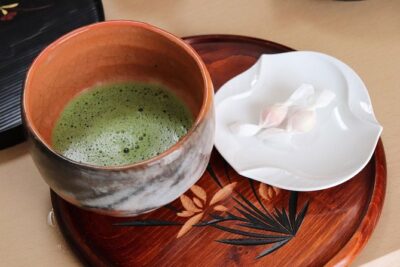
Private Kyoto Sushi Cooking Class & Tea Ceremony with Emika
Read our review →
Sushi or Traditional Japanese Cuisine in a Kyoto Home with Emika
Read our review →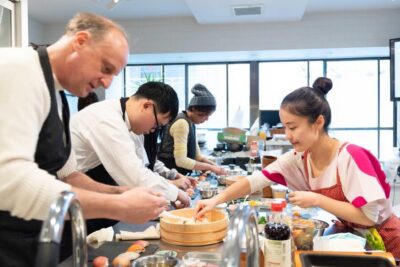
Enjoy Sushi & Market Tour! Best for Family & Couple!
Read our review →Browse the lists this tour appears in