Reviewed · COOKING CLASSES
Private Kyoto Sushi Cooking Class & Tea Ceremony with Emika
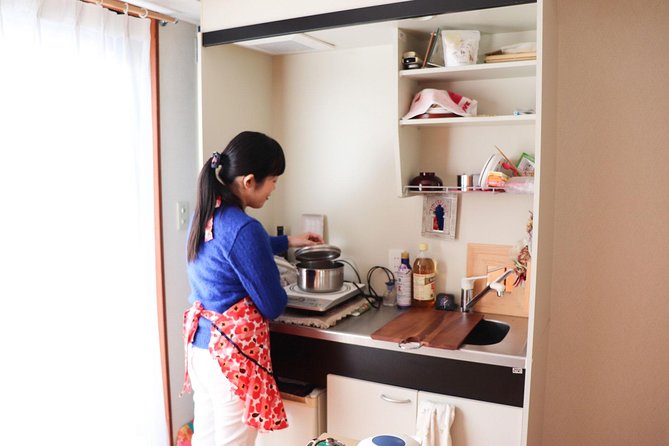
Kyoto cooking with a real home host feels personal. I love the intimacy of cooking in Emika’s home, and I also love that the meal starts (and often ends) with fresh matcha served with care. Your main consideration is the neighborhood feel: the meeting place is near public transit, but you may still have a short walk through local streets.
You’ll be in good hands with Emika and her father, who handle the tea part and set the tone. The class is designed for all skill levels, and you get to use seasonal, local produce that Emika grows organically. If you’re hoping for a strict timeline or a super formal lecture, this is more relaxed and hands-on than that.
Key highlights at a glance
- A private Kyoto home class led by Emika, with only your group taking part
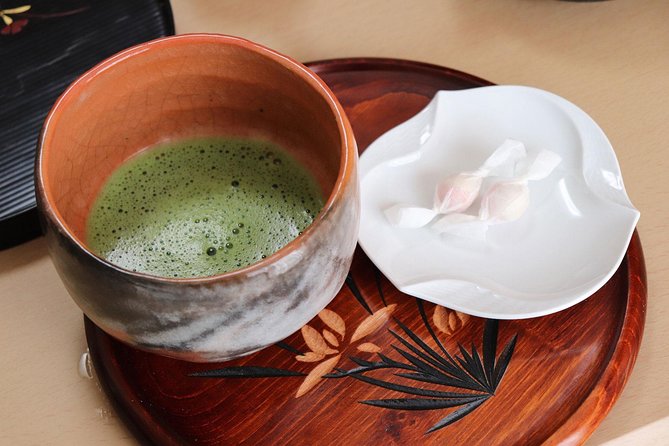
- Matcha first, freshly prepared by Emika or her father, then food and conversation
- Obanzai focus using seasonal vegetables, plus classics like miso soup and tofu dishes
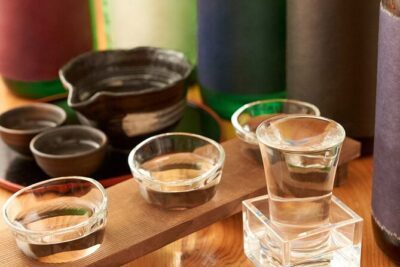
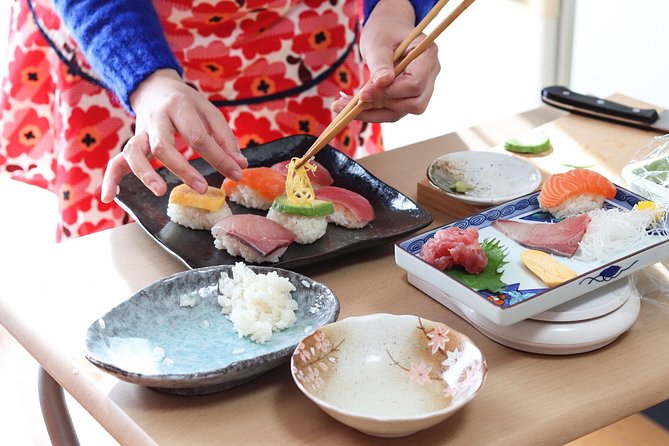
- Sushi of your choice paired with vegetable side dishes and drinks (local alcohol or matcha)
- Optional local supermarket walk after your meal to see ingredients and seasonings up close
Cooking in Emika’s Kyoto home, not a classroom
Kyoto has cooking classes everywhere, but this one has a different heartbeat. You’re invited into a resident’s home in Nishikyo Ward, where food is part of daily life, not a performance. That difference matters. It’s why the teaching feels practical, and why your questions about culture and etiquette come up naturally during the meal.
Two things I’d call out right away. First, Emika clearly builds the class around what you can actually do at home afterward. You’re not just copying steps, you’re learning the logic behind flavors: how to handle sushi rice, how to balance miso soup, and how to treat vegetables as the star in Obanzai. Second, you’re using ingredients that feel very Kyoto. Emika grows organic vegetables, so you taste the difference that freshness makes.
The “consider” part is simple: expect a real neighborhood walk. Even though the meeting point is near public transportation, one common experience is a short 10 to 15 minute walk from Kasura station. Nothing scary, just plan for it and use your map app.
More Cooking Classes in Kyoto
- Ramen Cooking Class at Ramen Factory in Kyoto
★ 5.0 · 1,937 reviews - Kyoto: Ramen Cooking Class at a Ramen Factory with Souvenir
★ 4.9 · 532 reviews - Kyoto: Ramen, Gyoza, and Onigiri Cooking Class
★ 5.0 · 445 reviews
How the 3-hour experience moves, matcha, cooking, then tea
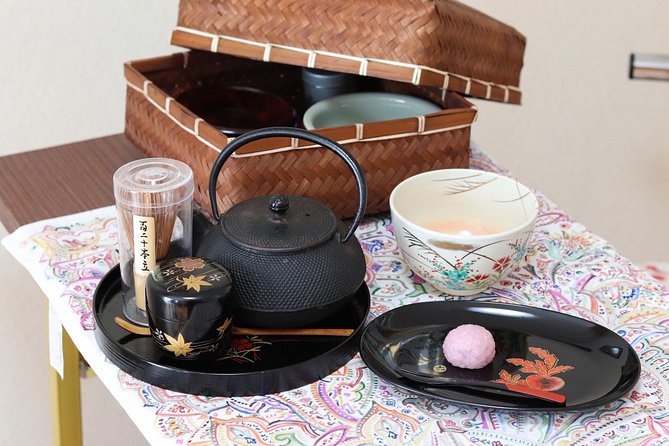
The experience runs about 3 hours, and the flow is easy to follow once you understand the rhythm. It typically starts (or finishes) with a freshly made cup of traditional matcha green tea, prepared by Emika or her father. Then you shift into the kitchen work.
Your hands-on cooking time is about an hour. That includes learning how to make sushi of your choice or a traditional main, plus two Obanzai-style vegetable dishes. Skills range from first-timers to confident cooks, and Emika’s approach is patient. You’ll also hear explanations that connect the dish to Kyoto habits, like ingredient timing and why certain flavors go together in the local style.
After the cooking, you eat what you made. This is not a “stand aside while the chef serves” situation. You sit, you share the meal, and you talk. It’s also where you can pick up practical recommendations for the city, from what to eat next to how to think about ingredients you see in stores.
The final note is a tea ceremony that closes the experience. So you get matcha at the start, and a formal tea moment at the end. It turns the class into a full cultural loop, not only a cooking session.
Obanzai vegetables, miso soup, tofu, and what seasonal really means
Obanzai is Kyoto’s everyday home cooking. It’s not one single dish. It’s a style. The focus is on vegetables, gentle flavors, and seasonal rhythm, and that’s exactly what this class emphasizes.
You can expect instruction for Kyoto classics such as marinated mushrooms, slow-cooked vegetables, miso soup, and tofu dishes. Even if you do not cook Japanese often, this is a friendly entry point, because many Obanzai dishes rely on taste building blocks you can learn quickly: seasoning, simmer time, and texture control.
A big reason this feels authentic is the ingredient sourcing. Emika grows organic vegetables, and you use them in the dishes during class. The point is not bragging rights. It’s practical. When your vegetables are fresh, they cook differently. They taste sweeter, and they hold their shape with less fuss. You also learn what to look for later in Japanese stores, because you’ve tasted the real thing first.
You’ll also learn technique choices that matter when you cook back home. For example, miso soup is less about heat and more about timing and balance. Sushi rice is about feel, moisture, and seasoning. Vegetable dishes are about respecting each ingredient’s texture so the dish doesn’t collapse into mush.
If you like food that’s comforting but not heavy, Obanzai is a great match. And if you want vegetables to feel like something other than a side, this is where that shift happens.
Sushi lesson details, plus what to request when booking
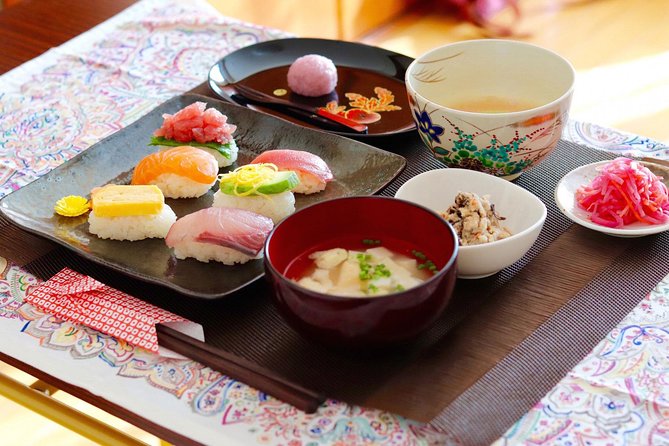
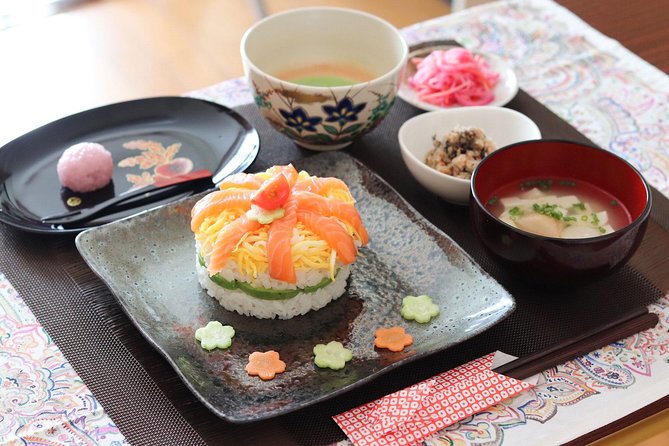
You’ll choose the menu direction when you book: sushi or an Obanzai-leaning option. The class can include sushi of your choice, or a traditional main, plus two vegetable dishes. So even if you’re not sure you want to focus only on sushi, you’re not locked into one narrow lane.
During the sushi portion, you learn the steps that create good sushi, not only the assembly. That includes sushi rice basics, and then how to handle topping and wrapping choices. In real home cooking, you also learn little tricks, like how to keep the rice from turning sticky in your hands and how to build flavors that won’t overpower each other.
You’ll taste what you make, and you’ll also get drinks paired with the meal. Options include alcoholic drinks, typically 1 to 2 glasses, or matcha, depending on what’s available and what you prefer. One common drink mentioned is nigori sake, which is creamy and slightly cloudy, and it can work surprisingly well with sushi flavors.
Practical tip: if you have dietary needs or allergies, say so when you book. The instructions explicitly ask you to inform Emika about allergies, dietary restrictions, and cooking preferences. For example, if you’re vegetarian, you should be able to plan a menu that fits you, since this kind of accommodation is part of how the class operates.
More Sushi Making Classes in Kyoto
- Sushi Making in Kyoto! Same-day bookings welcome!
★ 5.0 · 713 reviews - The Original Small-Group Sushi Making Class in Kyoto
★ 5.0 · 436 reviews - Kyoto: Small-Group Authentic Sushi Making Workshop
★ 5.0 · 137 reviews - Sushi – Authentic Japanese Cooking Class – the best souvenir from Kyoto!
★ 5.0 · 93 reviews
Tea ceremony at the end: why it feels like part of the meal
Many cooking experiences end when the plates get cleared. This one ends with tea, and that matters because it changes how you remember the meal. Instead of rushing out, you pause and slow down.
Your tea ceremony comes at the end of the shared meal. Even if you’ve seen tea setups before, the context here is different because you’ve already been cooking and eating. You notice the pace. You notice how matcha and tea flavors tie back to the dishes. And you get that quiet reset after handling food with your hands.
Also, tea is a perfect match for the Obanzai theme. It’s not only about taste, it’s about balance. The tea cuts through richness and gives you a different way to experience the flavors you just cooked.
The optional market walk, seeing ingredients after you cook
If you choose the market tour option, Emika adds a walk to a local supermarket and produce store. Here’s a key scheduling detail: the market portion happens after your cooking class and lunch, not before. You’ll also walk together about 10 minutes to get there.
This is one of the best parts for people who want to recreate dishes at home. You’re not stuck with memories and pictures. You can see how Japanese products are packaged and what seasonings look like in the real world. Emika can help you figure out what to buy and what to skip, which is huge if you’ve ever stood in an aisle with no clue what to grab.
You might find it especially useful after cooking Obanzai vegetables. You’ll know the ingredient shapes and the flavor goals, so you’re shopping with purpose. And if you want to take ingredients home, Emika can assist with purchases.
One more practical note: because the market part is after lunch, it tends to feel less rushed. You already did the work, you ate, then you shop like a local.
Price and value for a private class in Kyoto
At $109 per person for about 3 hours, the value comes down to what’s included and how personal the experience is.
First, it’s private. Only your group participates. That tends to make the teaching more direct, and it usually means you can ask questions without holding up others. Second, the meal isn’t an extra add-on. You cook, you sit, you eat. Third, the class includes drinks, with local alcohol 1 to 2 glasses, or matcha. That’s not nothing, especially in Kyoto where food experiences can add up fast.
Finally, you’re not only learning recipes. You’re learning how a home cook thinks. That’s the part you can’t buy easily in a ticketed show. When you leave, you have a practical menu you can actually repeat, and you have a better sense for Japanese seasonal ingredients.
Is it “cheap”? No. But it’s priced like what it is: a private home meal, a structured class, tea ceremony time, and an optional market tour. If you want a cultural food experience that feels like it happened in a real neighborhood kitchen, this is a reasonable way to spend your Kyoto time.
Getting there, what to bring, and how to set yourself up
The meeting point is 31-30 Katsurainariyamachō, Nishikyo Ward, Kyoto, 615-8025, Japan. It’s near public transportation, but plan on walking the last stretch. Google maps and a calm attitude help. I also recommend wearing shoes you can walk in, because the route through local streets is part of the charm.
If you’re thinking about what to bring, keep it simple:
- Your phone with the mobile ticket
- Any messages or questions you want Emika to know in advance, especially allergy details
- If you’re doing the market option, plan to carry what you buy comfortably
Also, you may want to decide early whether you prefer sushi-focused or Obanzai-focused cooking. When booking, you can inform Emika that you’d prefer a sushi or Obanzai menu. That helps her plan the class pace and ingredients.
One small reality check: this is a home setting, so the experience is intimate. That can be wonderful, but it also means you should be comfortable with a more personal atmosphere than a public cooking school.
Who should book Emika’s class, and who might skip it
This experience is perfect if you want:
- A Kyoto home-cooked meal, not a crowd setup
- Real Obanzai flavors, with vegetables cooked in the local way
- A sushi lesson that leaves you with techniques, not only a memory
- Matcha and tea ceremony as part of your food education
- The chance to shop for Japanese ingredients after you learn what they do
It may be less ideal if you strongly prefer:
- Big group energy or a high-energy studio class
- Zero walking from transit
- A fully rigid schedule with no conversation and no pauses
The best fit is couples, friends, and families who want a calm, cultural meal experience and who like asking questions while they cook.
Should you book the Kyoto sushi and tea ceremony with Emika?
I’d book it if you want your Kyoto food day to feel like a real neighbor invited you into their kitchen. The combination is strong: matcha, a hands-on sushi or main lesson, two Obanzai-style vegetable dishes, then a tea ceremony close. Add the optional supermarket walk and you get both culture and practical take-home value.
If you’re deciding between a quick tasting and a real lesson, choose the lesson. This one gives you more than taste. It gives you methods, ingredients to look for later, and a better feel for how Kyoto cooks season and cook vegetables.
One last nudge: when you book, clearly state any allergies and whether you want sushi or an Obanzai-leaning menu. That’s the quickest way to make sure you get a class that fits your table back home.
FAQ
How long is the Kyoto cooking class and tea ceremony?
It lasts about 3 hours (approx.).
Where does the experience take place?
The meeting point is 31-30 Katsurainariyamachō, Nishikyo Ward, Kyoto, 615-8025, Japan. The activity ends back at the meeting point.
Is this a private experience?
Yes. It’s a private tour/activity, and only your group participates.
Does the experience include lunch or dinner?
You can choose between lunch or dinner options.
What will I cook during the class?
You’ll learn to make sushi of your choice or a traditional main, along with two Obanzai-style vegetable dishes.
Is matcha included?
Yes. The experience starts or ends with freshly made traditional matcha green tea prepared by Emika or her father, and it also includes a tea ceremony.
Are alcoholic drinks included?
Yes. Local alcohol (1 to 2 glasses) is included. Matcha may also be paired with your food.
If I choose the market tour option, when does it happen?
The market tour happens after your cooking class and meal, not before. It includes a supermarket and produce market tour.
What is not included in the price?
Hotel pickup and drop-off are not included.
What if I have allergies or dietary restrictions?
You should inform Emika at the time of booking about any allergies, dietary restrictions, or cooking preferences.
More Tea Ceremonies in Kyoto
- Kyoto: Tea Ceremony in a Traditional Tea House in Kiyomizu
★ 4.9 · 3,519 reviews - Kyoto: Tea Ceremony Ju-An at Jotokuji Temple
★ 4.9 · 3,207 reviews - Kyoto: 45-Minute Tea Ceremony Lesson Experience
★ 4.3 · 2,378 reviews - Kyoto: Table-Style Tea Ceremony at a Kyo-Machiya
★ 4.9 · 1,211 reviews
Fresh options around Kyoto
- Nara Todaiji Kasuga Taisha Private Full Day Tour From Kyoto★ 5.0 · 13 reviews
- Private Sake Tasting in Central Kyoto with Sake Sommelier★ 5.0 · 13 reviews
- Traditional Tea Ceremony with Matcha and Sweets in Kyoto★ 5.0 · 13 reviews
- Kyoto: Sushi Making Experience in Kawaramachi★ 4.8 · 13 reviews
- Kyoto: KITSUNE Nightclub Admission Ticket with Drink★ 4.2 · 13 reviews
- Kyoto Shogun Cycling Tour★ 5.0 · 13 reviews
- Kyoto: Customizable Full-Day Tour with Privarte Transfers★ 3.5 · 13 reviews
- Japan’s Rural Life & Nature: Private Half Day Cycling Near Kyoto★ 5.0 · 13 reviews
Cooking Classes, compared.
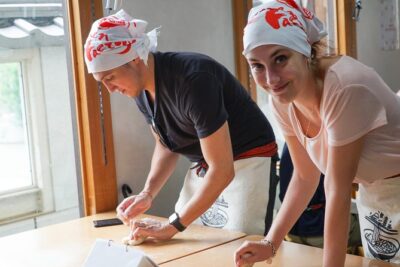
Ramen Cooking Class at Ramen Factory in Kyoto
Read our review →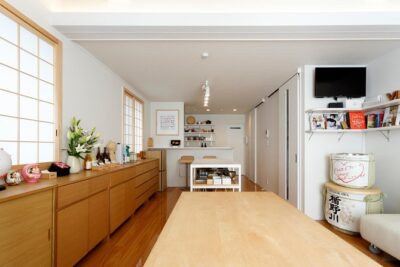
Ramen & Gyoza Cooking Class in Tokyo with Local Supermarket Visit
Read our review →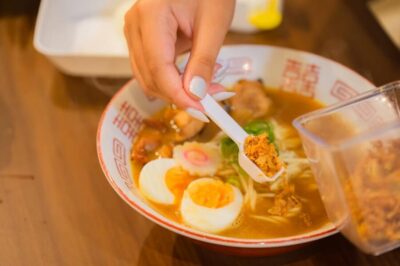
Ramen Cooking Class at a Ramen Factory with Souvenir
Read our review →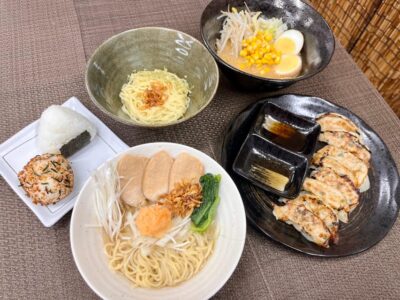
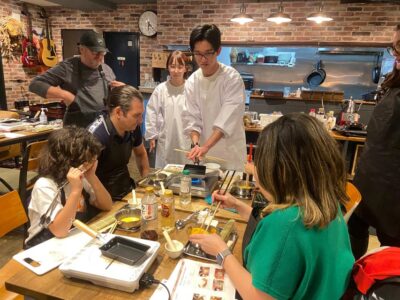
Japanese Washoku Bento Small Group Cooking Class
Read our review →
Easy Ramen Cooking Experience in Kabukicho, Shinjuku
Read our review →