
Reviewed · TEA CEREMONIES IN KYOTO
Kyoto tea town for matcha lovers
Tea in Uji is a whole mood.
This half-day style matcha town walk pairs historic spots with hands-on tea culture, from shrine time to tea tastings and a traditional ceremony. I like that it keeps things small (up to 7), so you get room to ask questions and move at a sane pace. I also like that the day is built around real tea experiences, not just storefront photos, with food and ceremony both included. One consideration: you do a fair amount of walking, so hot weather can feel tough in summer.
You also get more than matcha flavor.
Expect stops that connect tea to place, like Uji Shrine and the story of Uji’s famous waters, plus a historic tea shop that dates back over 850 years. The matcha snacks are not an afterthought either, with tastings like matcha rice cake skewers and lunch built around tea dishes. The possible drawback is the price, which is not low, so it only feels like a strong value if you plan to lean into the food, workshop, and ceremony parts of the day.
Finally, the guide can make or break it.
A lot of the best moments here come from the host, Terumi, who people describe as patient, friendly, and genuinely happy to explain tea, temples, and even local details. If you want a guided day that connects the dots between shrines, farms, and the cup, this is a great fit.
Key highlights you will actually care about
- Small-group pace (max 7 travelers) means better Q and A time and less rushing.
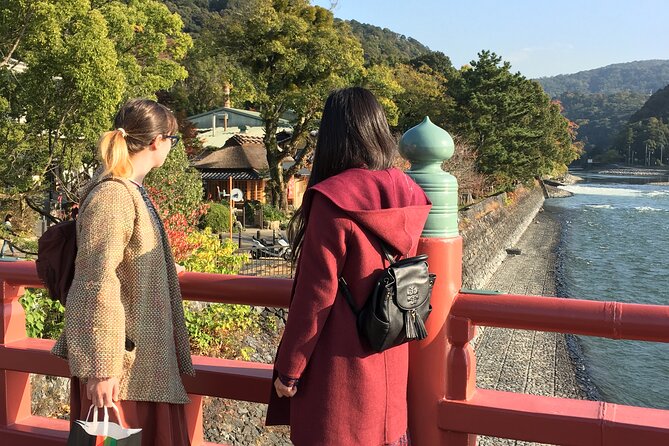
- Uji Shrine plus the water story ties tea culture to what makes Uji special.
- Tsuen Main Branch tasting includes matcha rice cake skewers made with pure matcha powder.
- Hands-on matcha making includes grinding your own matcha, not just watching.
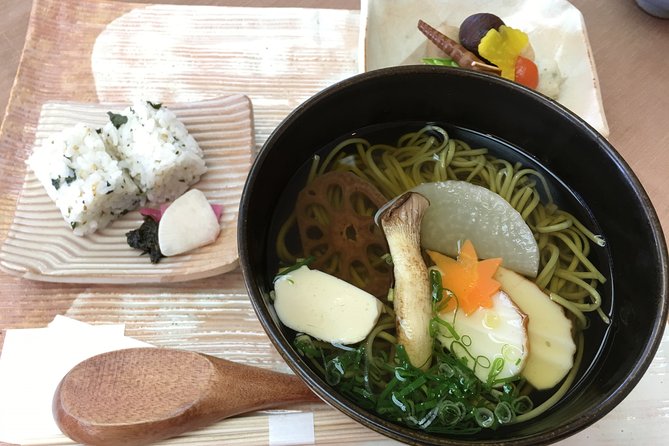
- Tea house lunch of tea dishes keeps the day grounded in local food, not only sweets.
- Authentic tea ceremony in a traditional tea house brings the culture home.
Morning kickoff at Uji Station, and why the timing matters
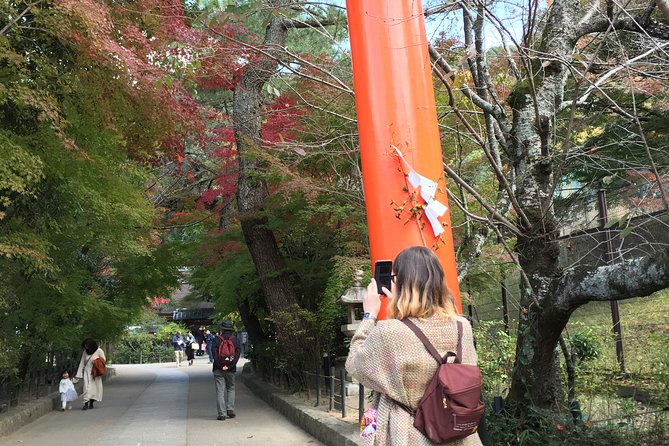
The tour starts at 9:30 am at Uji Station and ends back at the same meeting point. That timing is smart in practice. You get moving early enough to beat the thickest crowds, and you still have time to enjoy the rest of your Kyoto area day afterward.
The route is designed for a 5 to 5.5 hour experience, so you can think of it as a focused half-day. You are out walking in Uji’s historic area and around tea-related stops, so you will want comfortable shoes and a water bottle. The tour notes a moderate fitness level, which usually means uneven sidewalks and some steady walking, not mountain climbing.
Group size is a major part of why people love this. With up to 7 travelers, you are not packed in like a bus tour. In a place like Uji, where you want to hear small details about tea, that makes a noticeable difference.
More Tea Ceremonies in Kyoto
- Kyoto: Tea Ceremony in a Traditional Tea House in Kiyomizu
★ 4.9 · 3,519 reviews - Kyoto: Tea Ceremony Ju-An at Jotokuji Temple
★ 4.9 · 3,207 reviews - Kyoto: 45-Minute Tea Ceremony Lesson Experience
★ 4.3 · 2,378 reviews
Uji Shrine stop: the tea and water connection you will remember
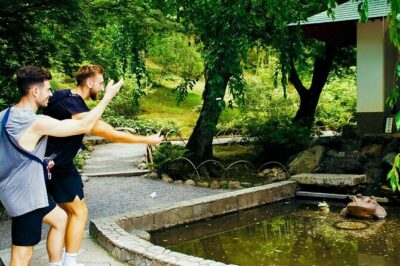
Your first main stop is Uji Shrine. It is about 20 minutes, and admission is free. Even if you only have a short time, this spot sets the tone for the day.
Here is what makes this stop more than a quick photo break. Uji is closely linked to water, and the tour frames the area as one of the famed 7 best waters in Uji. When your guide explains how water and place influence tea culture, it clicks why Uji became a tea center in the first place.
If you are visiting Kyoto expecting mostly temples, this is a useful twist. Uji Shrine helps you connect the spiritual side of Japan with the practical side, where water, farming, and tradition meet.
Practical tip: keep an eye on the weather. If you do this early summer, you will be outside. One review notes June heat can make walking feel hot, so plan for sun protection.
Tsuen Main Branch: matcha skewers and the thrill of tasting tea history
Next you head to Tsuen Main Branch, one of the oldest tea shops in Uji. This stop runs about 10 minutes, and admission is free. The big thing here is that it is described as over 850 years old, which is exactly the kind of long timeline tea lovers care about.
But you do not just get a history lesson. You taste something specific: matcha rice cake skewers made with pure matcha powder. That matters, because matcha is not one uniform flavor. The first real taste you get on the tour is a baseline for everything that follows.
This stop also works well for picky eaters. If you normally avoid strange snacks, you still get a recognizable form factor, skewers and rice cake, with matcha as the star.
Watch the pace here. Ten minutes is short, so be ready to focus on the tasting and any questions you want to ask before you move on.
Tea town walking: how the guide ties tea houses, fields, and daily life together
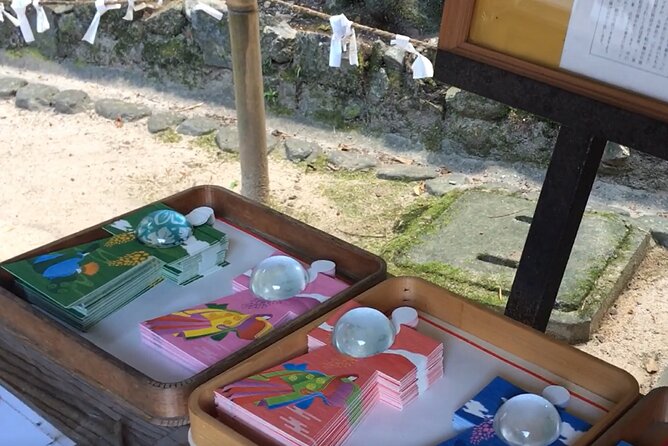
After the early shrine and shop stops, the day becomes a true walking experience through Uji’s tea town vibe. The tour description highlights tea houses and tea fields, and the reviews back that up with a sense that you are seeing both the tourist side and the more local working-tea side.
This part is where you learn how matcha culture actually functions. You start to understand that tea is not only something you drink in a quiet room. It is also tied to craft, farming, and local businesses that keep tea production moving.
I especially like the way this tour connects small, everyday details to big ideas. Tea ceremony is often taught as a calm performance, but a good tour shows what made that calm possible in the first place, the cultivation, processing, and tools behind the scenes.
You will also likely notice traditional crafts around tea culture, including pottery mentioned by guests. Even if you do not buy anything, it helps you look at Uji differently when you are walking on your own later.
Same corner of Japan, a different kind of day:
- PERFECT KYOTO 1-Day Bus Tour
★ 5.0 · 13,518 reviews - Kyoto: Fushimi Inari, Kinkakuji, Bamboo Grove 1 Day Bus Tour
★ 4.8 · 4,316 reviews - Kyoto Geisha Walking Tour: Gion District & Hidden Gems
★ 4.7 · 3,273 reviews - Kyoto: Gion Magical Night Walking Tour with Geisha Trivia
★ 4.9 · 2,393 reviews
Hands-on matcha making: grinding your own powder changes everything
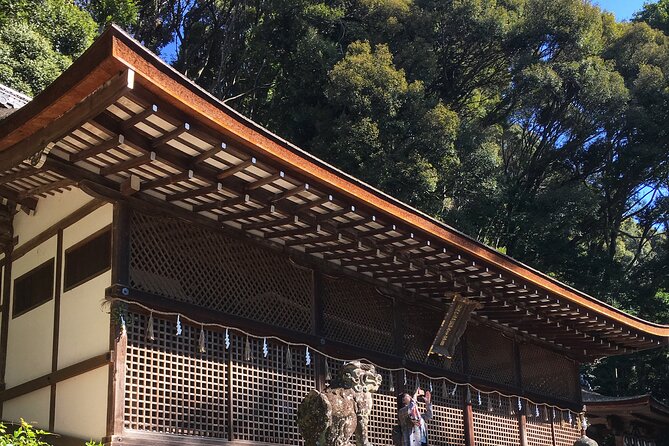
One of the most praised parts is the hands-on matcha experience. Multiple people mention making matcha and even grinding it yourself on a stone mill.
This is a turning point in the day because it teaches you the difference between matcha as a flavor and matcha as an ingredient. When you grind the powder, you experience texture and aroma changes in real time. It makes the ceremony later feel less mysterious and more like a logical next step.
For me, this is the best kind of activity for a food lover. You are not just tasting. You are participating, so you remember it longer.
If you are a first-time matcha drinker, this also helps you avoid the common mistake of thinking all matcha is the same. Freshly ground matcha has a different character than what you might find in grocery store powders.
Practical tip: wear sleeves that you do not mind getting a little warm in. Grinding and workshop activities can feel warmer than the outdoor walking.
Lunch at a tea house: tea dishes that make sense mid-tour

Lunch is at a famous tea house, and you eat tea dishes. The tour does not position lunch as a random stop. It is built into the day as a continuation of the tea theme.
This timing matters. By the time you reach lunch, you have already tasted matcha once or twice, and you have walked through tea-related sights. Eating tea dishes afterward helps lock in the idea that tea culture is food culture too.
What I like here is balance. You are not just stacking sweets all day. Tea house lunches usually focus on food choices that pair with tea, so your later ceremony experience feels more coherent.
One comfort: you are not rushing right after the tasting workshop. Lunch gives your feet a reset and gives your brain a chance to absorb what you learned.
Traditional tea ceremony: learning how to watch, not just what to drink
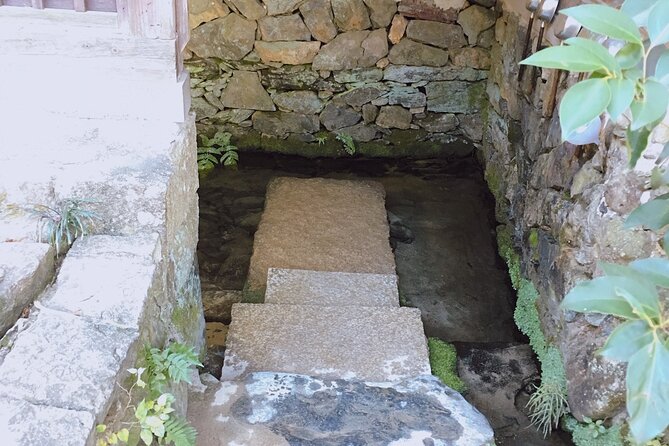
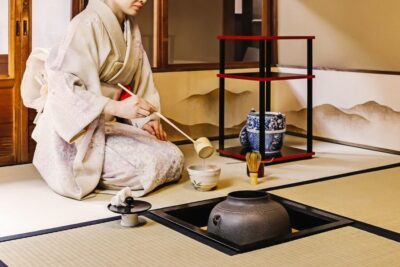
After lunch, you experience an authentic Japanese tea ceremony at a traditional tea house. This is a core part of the value. It turns matcha from a flavor into a cultural practice.
A good ceremony guide helps you understand what you are seeing and why the steps matter. Even if you have watched tea ceremony videos before, this kind of in-person experience teaches the pacing and the intent. It is not about speed. It is about attention.
Based on what people highlight, the guide experience here is also a strong point. Terumi is repeatedly described as friendly and patient, and that kind of attitude really helps if your group has questions or if you want extra time to understand what is happening at each step.
If you are the type who likes cultural context, you will probably appreciate how the ceremony fits the rest of the day, shrine stop to shop tasting to workshop to tea house meal.
Terumi and the small-group feel: why the day stays personal
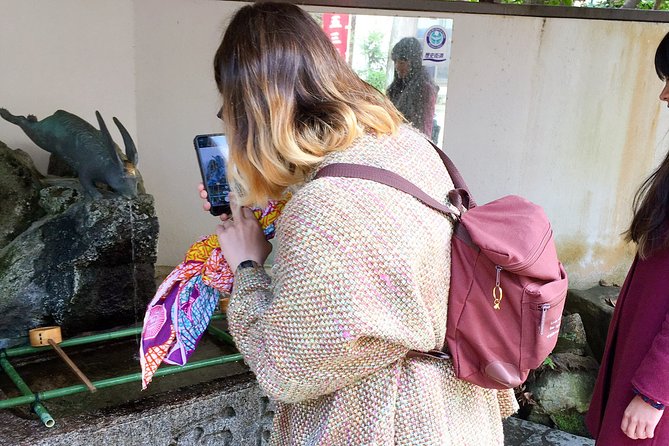
The guide name that comes up again and again is Terumi. Guests describe her as patient, hospitable, and very good at answering questions. They also mention she goes at the group’s pace and helps with practical extras like taking pictures.
That might sound like a small detail, but it affects the entire experience. Tea culture is full of small terms and small rituals. If your guide moves too fast or does not allow questions, you miss the point.
With a group max of 7, you are more likely to get clear explanations instead of a one-size-fits-all script. It also makes it easier to adapt if someone in your group needs a slower pace.
Price and value: is $157.65 worth it?
At $157.65 per person, this is not a cheap snack-and-stroll. The question is value: what you get for the price, and whether you will use it.
Here is the real value math for matcha lovers:
- You get multiple components in one day: shrine time, historic tea shop tasting, tea house lunch, hands-on matcha making, and a tea ceremony.
- The group is small, which usually costs more than large-group tours, but it gives you better interaction.
- The experience is food-forward. You are not only learning, you are tasting, and you are participating in making matcha.
If you come to Uji expecting only photos and a quick café stop, this price will feel steep. If you want the full tea-day package, including the ceremony and workshop, then it starts to make sense.
Also, booking is typically done around two months in advance on average, which suggests it sells enough to keep a steady schedule. That is another sign it is a popular choice for matcha-focused visitors.
Who should book this matcha town walk
This tour is a great match if:
- You love matcha and want to learn what shapes its taste.
- You want an experience that mixes food, craft, and culture.
- You like guided explanations, especially ones tied to real places in Uji.
It may be less ideal if:
- You hate walking or you expect a mostly indoor day.
- You only want one quick tasting and do not care about ceremony or workshop time.
It also works well for families in the sense that it includes hands-on and structured steps. Still, the tour notes moderate fitness, so keep that in mind if you have young kids or anyone who struggles with heat.
Should you book Kyoto Tea Town for Matcha Lovers in Uji?
If you are a matcha person, I would lean yes. The combination is the selling point: tasting plus hands-on making plus a real ceremony, all wrapped into a walk through Uji’s tea identity. The small group size and Terumi’s patient, friendly approach also help it feel like a thoughtful day rather than a checklist.
Before you book, make one honest check. Can you commit to a few hours of walking in Uji, with possible heat if you are traveling in summer? If the answer is yes, you will likely come away with more than memories. You will have a stronger sense of how tea culture connects food, place, and ritual.
FAQ
How long is the Kyoto Tea Town for Matcha Lovers tour?
It runs about 5 to 5.5 hours.
Where does the tour start?
The tour starts at Uji Station (Kyoto, 611-0021, Uji-shi, Uji, Uji-machi area), and it ends back at the meeting point.
How many people are in the group?
The tour has a maximum of 7 travelers.
Is there any admission fee at the stops?
The tour lists free admission for Uji Shrine and for Tsuen Main Branch.
What matcha experiences are included?
You will taste matcha treats such as matcha rice cake skewers, and you will also experience an authentic Japanese tea ceremony in a traditional tea house. Some parts of the day also include hands-on matcha making.
What will I do at lunch?
Lunch is at a tea house, and you will enjoy tea dishes.
Do I need to be very fit?
You should have moderate physical fitness since the day involves walking around Uji.
What if the weather is poor?
This experience requires good weather. If it is canceled due to poor weather, you will be offered a different date or a full refund.
Fresh options around Kyoto
- Private Guided Traditional Buddhist Cooking in Japan★ 5.0 · 16 reviews
- Guided Gion Tour: Explore Kyoto’s Historic Geisha District★ 4.5 · 16 reviews
- Fish Cutting workshop in Kyoto Japan★ 5.0 · 16 reviews
- KYOTO Sake Tasting Tour at Local Breweries(tasting fee included)★ 5.0 · 16 reviews
- Kyo-arashi Shibori Scarf Class★ 5.0 · 16 reviews
- SHIRAKAWA Japanese Culture Experiences with private English staff★ 5.0 · 16 reviews
- Crowd-Free Kyoto: Fushimi Inari, Nijo Castle & Kinkaku-ji★ 5.0 · 16 reviews
- Guided Kyoto City Cherry Blossom One Day Private Tour★ 5.0 · 16 reviews
Tea Ceremonies in Kyoto, compared.
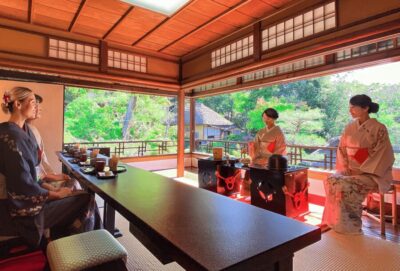
Tea Ceremony in a Traditional Tea House in Kiyomizu
Read our review →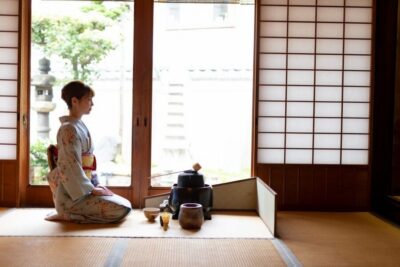
Arashiyama Bamboo Forest, Monkeys, Matcha & Temple Tour
Read our review →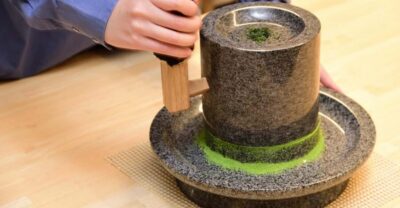
Tea Museum Tickets and Matcha Grinding Experience
Read our review →
Browse the lists this tour appears in