
Reviewed · COOKING CLASSES
Private Guided Traditional Buddhist Cooking in Japan
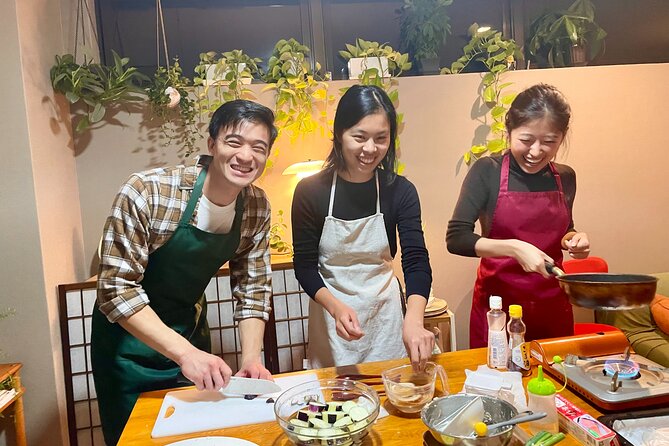
Kyoto’s vegan Buddhist roots taste better than you expect. This private cooking class teaches Shojin-ryorui and connects it to three Kyoto temple stops, then ends with a meal you helped make. I especially love the hands-on pace and the chance to learn the small ingredient details that make Kyoto food feel precise. I also like that you cook a full lineup of dishes, not just one item, so you actually leave with techniques. One consideration: it’s fully plant-based, so if you’re hunting meat-and-fish comfort food, this won’t match that mood.
You start near Ichijōji, meet Yukari at 10:00 am, and you’ll spend about 2 hours 30 minutes cooking and tasting your way through a classic Buddhist approach. The class includes ingredients, apron, equipment, a drink, and recipes, and it runs as a private group experience, so it feels more like a cooking session than a show.
Key things to know before you book
- Private guided hands-on cooking: only your group participates, with close instruction while you cook
- Shojin-ryorui without animal products: classic Buddhist ideas, updated with modern twists
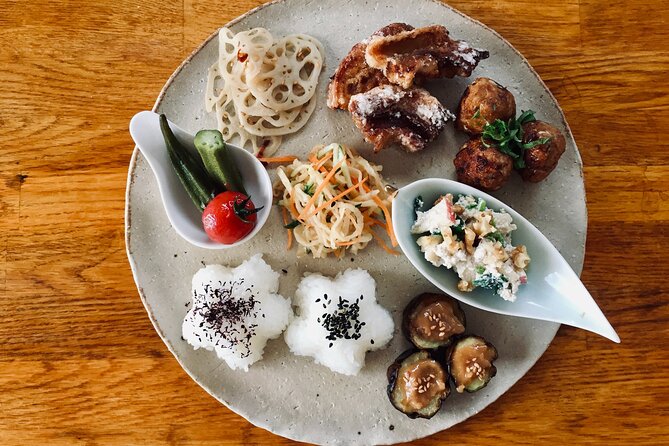
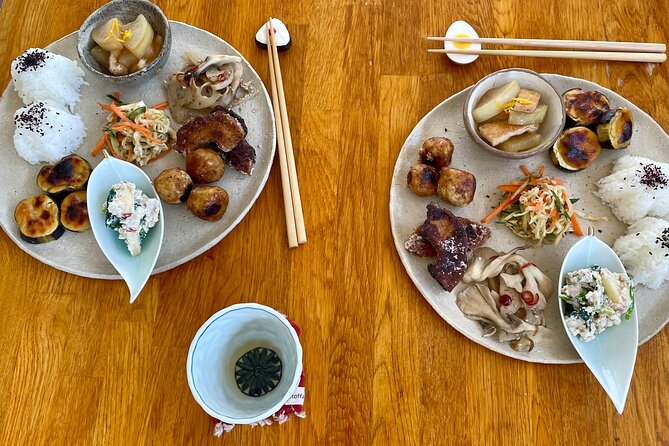
- You cook 7 dishes plus rice balls: including nasu dengaku, shiraae, kinpira of lotus, and more
- Kyoto temple visits included: Enkoji, Shisendo, and Ginkakuji are part of the experience
- Dietary help available: gluten-free can be accepted if you let them know
- Everything you need is included: ingredients, water or tea, apron, equipment, and written recipes
How Shojin-ryorui Shapes the Meal in Kyoto
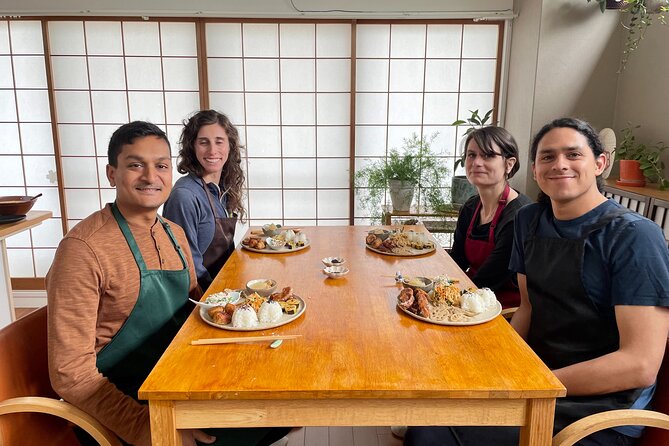
If you’ve only tried Japanese food at restaurants, this experience gives you a different starting point. Shojin-ryorui is Japan’s Buddhist-style cooking, built around one big rule: no meat or fish because killing animals is prohibited in Buddhism. That constraint is exactly what makes the food interesting. You stop expecting a dish to rely on animal fats or seafood flavors, and you start noticing how much taste comes from vegetables, grains, tofu, seaweed, and fermented foods.
In this class, Yukari guides you through why those ingredients matter, and how Kyoto cooks make them feel balanced. Expect explanations about local products and how to treat each ingredient so it keeps its character. The overall goal is simple: you get healthy, well-balanced food that still feels Japanese in texture and detail.
I also like the way the course frames tradition. It’s not just an idea you admire from afar. You learn what makes classic temple cooking work, then you apply that thinking as you cook. That means you’ll understand why certain vegetables get simmered, why tofu is handled the way it is, and how seasoning brings it together.
One more thing I appreciate: the teacher is patient and organized. People mention Yukari’s kindness and her ability to keep kids engaged too. So if you’re traveling as a family, you’ll likely find the pace manageable instead of rushed.
More Cooking Classes in Kyoto
- Ramen Cooking Class at Ramen Factory in Kyoto
★ 5.0 · 1,937 reviews - Kyoto: Ramen Cooking Class at a Ramen Factory with Souvenir
★ 4.9 · 532 reviews - Kyoto: Ramen, Gyoza, and Onigiri Cooking Class
★ 5.0 · 445 reviews
What You Cook: 7 Kyoto Dishes Plus Rice Balls
This class is built around a full menu, about seven dishes, then finishing with two rice balls. Instead of learning random techniques, you get a practical set of Japanese vegetarian staples that you can repeat at home.
Here’s the lineup you’ll make:
- Simmered seasonal vegetables
This is where Japanese flavor work shows up. You learn how to build a gentle sauce and let vegetables taste like themselves, not like an afterthought.
- Dried strips of daikon salad
Daikon gets transformed, and you’ll learn how dried ingredients still deliver a satisfying bite. It’s a good reminder that in Shojin-ryorui, texture matters as much as taste.
- Kinpira of lotus
Lotus root is a classic Kyoto-adjacent ingredient in Japanese cooking. You’ll practice braising and seasoning so it turns tender while still staying slightly structured.
- Nasu dengaku (miso-grazed eggplant)
Eggplant can go silky or soggy depending on prep. This dish teaches you how miso flavors cling and how to finish so it stays appetizing.
- Shiraae (mashed tofu salad)
Tofu becomes the creamy base here. You’ll work on blending and seasoning so it feels like a composed dish, not just mashed tofu.
- Spicy teriyaki balls
This gives you a “chef trick” dish that feels fun and flavorful. Expect you to learn how to form and season for that teriyaki-style punch without using meat.
- Vegetarian fried chicken using wheat gluten
This is the most “wow” item on the list. Wheat gluten can be unfamiliar at first, but you’ll learn how it’s treated for a fried, savory result that still fits the vegan Buddhist rules.
Plus, you’ll make two rice balls, which ties the meal together and adds an easy-to-remember Japanese serving style.
Gluten-free note
They can accept gluten-free. If that matters for you, tell them in advance when you book, because it affects what substitutions are possible across multiple dishes.
Kyoto Temple Stops: Enkoji, Shisendo, and Ginkakuji
Part of what makes this experience feel Kyoto-specific is the way the food connects to place. You’ll visit three temples during the tour: Enkoji Temple, Shisendo Temple, and Ginkakuji Temple.
You shouldn’t expect this to be a heavy history lecture at every step. The goal is more practical: the temple visits set the tone for why Shojin-ryorui exists, so when you’re later chopping, simmering, and mixing, the ingredients feel less random. Think of it like context for your cooking. You see the setting where this kind of meal tradition makes sense, then you learn the techniques behind it.
A possible drawback is that temple time often means some walking and standing, even if the pace is relaxed. Wear comfortable shoes and plan for mild weather swings. (Kyoto can surprise you.)
Also, since the cooking is hands-on, you’ll want your day to be focused. If you’re planning a packed schedule right after, keep some buffer time so you don’t feel rushed while you’re still savoring the meal.
Same corner of Japan, a different kind of day:
- PERFECT KYOTO 1-Day Bus Tour
★ 5.0 · 13,518 reviews - Kyoto: Fushimi Inari, Kinkakuji, Bamboo Grove 1 Day Bus Tour
★ 4.8 · 4,316 reviews - Kyoto: Tea Ceremony in a Traditional Tea House in Kiyomizu
★ 4.9 · 3,519 reviews - Kyoto Geisha Walking Tour: Gion District & Hidden Gems
★ 4.7 · 3,273 reviews
The Class Flow: From Aprons to a Shared Plate Lunch
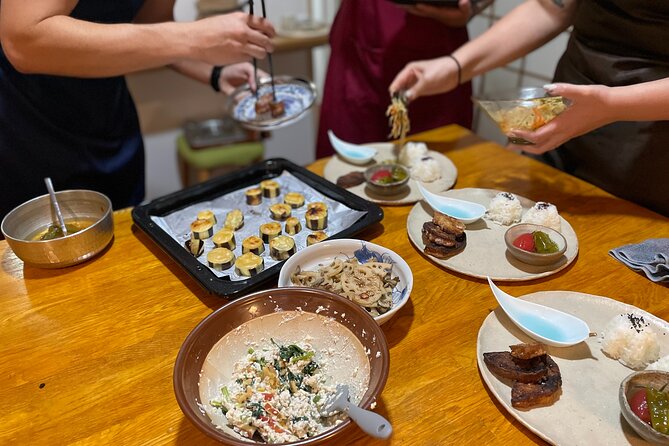
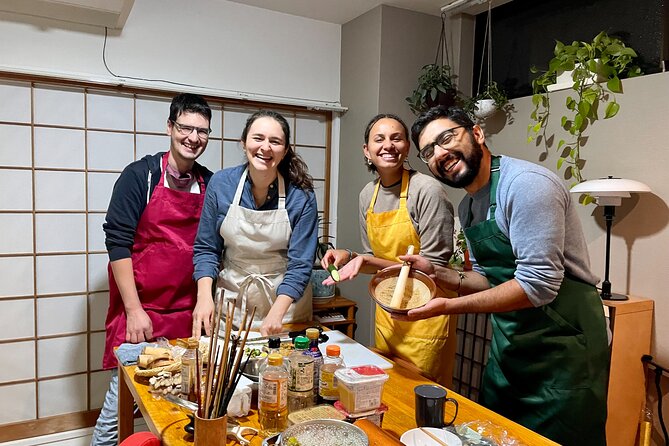
The experience is structured to move you from understanding to doing, without making it overwhelming. After a temple-based intro and an overview of local products and Shojin-ryorui principles, you put on aprons and start cooking.
What stands out is the “how-to” delivery. The cooking isn’t just watching someone else work. You’re active throughout, which is why it’s worth doing as a private experience instead of a quick demo class. You’ll practice the steps that matter: prep, timing, seasoning, and finishing.
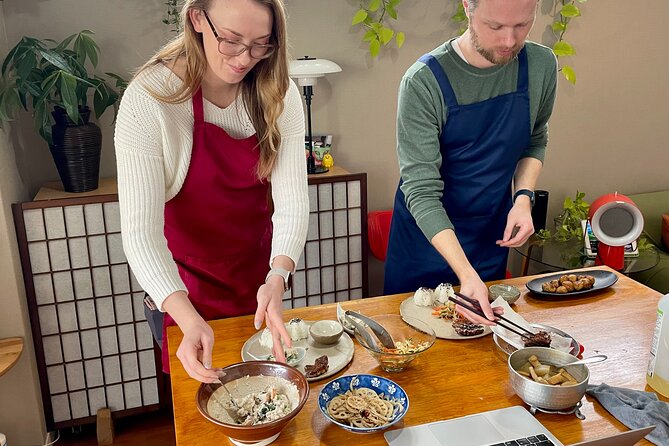
In the end, you enjoy your work as a beautiful and flavorful plate lunch (the description calls it a lunch, and it’s described as a dinner plate too in the tour summary, so you can treat it as the final plated meal). You get water or tea with the meal, and you’ll have written recipes to take home.
I love courses that include recipes, because Japanese cooking depends on ratios and technique. Being able to recreate dishes later is the difference between a fun vacation afternoon and a skill you can actually use. People also note that Yukari shares instructions in writing, and that’s exactly what you want for dishes like miso-grazed eggplant or tofu-based shiraae.
Who teaches, and what you’ll feel during the session
Yukari is described as a kind and talented host, with deep understanding of Japanese cooking. People also mention she’s patient, detailed, and good at keeping conversations going while still explaining recipes clearly. If you enjoy learning and also want the experience to feel warm rather than formal, this fits that vibe.
Price and Value for a 2.5 Hour Private Cooking Session
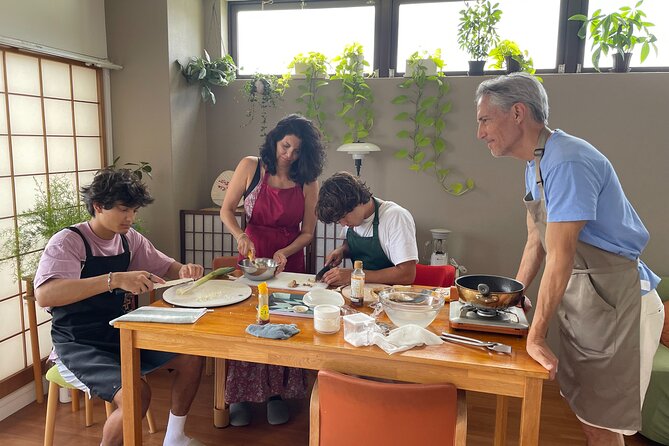
At $70.94 per person, this class sits in the mid-range for private cooking in Kyoto. The value comes from what’s included and the fact that you get a full menu.
Here’s how the cost makes sense for your money:
- You’re not paying just for instruction. Ingredients, equipment, and the meal are part of the package.
- The time is efficient: about 2 hours 30 minutes from start to finish.
- You’re cooking seven dishes plus rice balls, so you leave with more than one technique.
And because it’s private (only your group participates), the instruction feels more personal. That usually matters most when you’re learning something unfamiliar like shojin-ryorui basics or wheat gluten “vegetarian chicken” preparation.
What you should watch for: private transportation is not included. If you’re not already near the meeting point, you’ll need to plan for getting there. If you’d otherwise spend money on taxis anyway, this won’t sting. If you’re budgeting strictly, just factor in local transit time and cost.
Practical Tips: Getting There, What to Bring, and Dietary Needs
Meeting point and start time: 10:00 am, at Japan, 606-8165 Kyoto, Sakyo Ward, Ichijōji Nodachō, 16 フェアモントビル. The activity ends back at the meeting point.
A few practical tips that will make your morning smoother:
- Bring comfort first. You’ll be actively cooking, and you’ll also move between temple stops. Comfortable shoes matter.
- Think about dietary needs early. If you need gluten-free, tell them when you book so the class can adjust across dishes.
- Plan for public transport access. The tour is listed as near public transportation, but you still need to walk a bit from stops.
- Use the mobile ticket. The class offers a mobile ticket, which is convenient if you travel with your phone as your “one device” travel tool.
If you’re traveling with service animals, note that service animals are allowed. For anything else related to mobility or special needs, the safest move is to message the provider before booking since details aren’t listed here.
Who This Kyoto Buddhist Cooking Class Is Best For
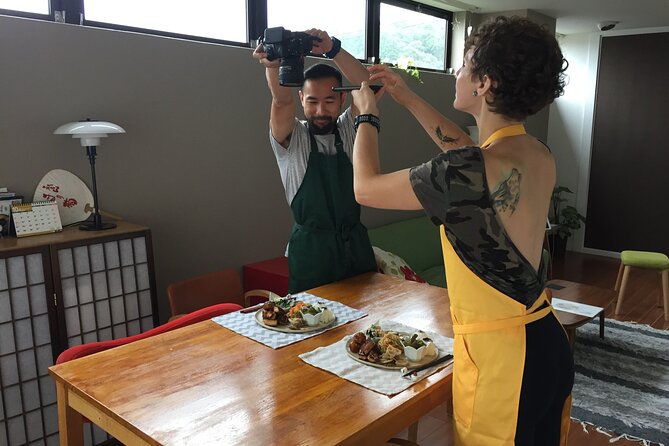
This is a great fit if you want Japanese food that feels authentic, not just “vegetarian restaurant style.” Shojin-ryorui teaches you how flavor comes from plants and fermentation instead of meat broths.
You’ll likely enjoy it most if you:
- Eat vegetarian or vegan, or you’re curious about plant-based Japanese cooking
- Want hands-on cooking rather than a passive tasting
- Love Kyoto culture and want the food story connected to temples
- Are traveling with family, including kids who need a friendly pace and clear explanations
It’s less ideal if you want a classic Japanese cooking class focused on meat or seafood techniques, since the menu stays animal-free by design.
Should You Book This Kyoto Buddhist Cooking Class?
Book it if you want a compact Kyoto experience with real skills. You get a private, hands-on Shojin-ryorui lesson, a lineup of seven meaningful dishes, and temple stops that give the food context. The included recipes are also a big deal, because they help you turn the experience into meals you can actually cook later.
Skip it or reconsider if you don’t want plant-based cooking, or if you’re the type who prefers a light tasting tour over active cooking. Also, factor in that you’ll handle your own transportation to the meeting point.
If you’re aiming for something genuinely Kyoto, this is one of those rare classes where the food and the setting point in the same direction.
FAQ
Is this a private cooking experience?
Yes. It’s listed as a private tour or activity, and only your group will participate.
How long is the class?
It runs for about 2 hours 30 minutes.
What time does it start in Kyoto?
The start time is 10:00 am.
Where do we meet for the tour?
The meeting point is Japan, 606-8165 Kyoto, Sakyo Ward, Ichijōji Nodachō, 16 フェアモントビル.
What dishes will we cook?
You’ll cook seven dishes including simmered seasonal vegetables, dried strips of daikon salad, kinpira of lotus, nasu dengaku (miso-grazed eggplant), shiraae (mashed tofu salad), spicy teriyaki balls, and vegetarian fried chicken made with wheat gluten, plus two rice balls.
Is gluten-free available?
Yes. The experience can accept gluten-free, and you should let them know when booking.
What is included in the price?
Included items are lunch ingredients, a drink (water or tea), an apron, all equipment, utility charges, facility fee, and recipes.
What is not included?
Private transportation is not included.
What is the cancellation policy?
Free cancellation is available up to 24 hours in advance for a full refund. If you cancel less than 24 hours before the start time, the amount paid will not be refunded.
Fresh options around Kyoto
- Kyoto tea town for matcha lovers★ 5.0 · 16 reviews
- Guided Gion Tour: Explore Kyoto’s Historic Geisha District★ 4.5 · 16 reviews
- Fish Cutting workshop in Kyoto Japan★ 5.0 · 16 reviews
- KYOTO Sake Tasting Tour at Local Breweries(tasting fee included)★ 5.0 · 16 reviews
- Kyo-arashi Shibori Scarf Class★ 5.0 · 16 reviews
- SHIRAKAWA Japanese Culture Experiences with private English staff★ 5.0 · 16 reviews
- Crowd-Free Kyoto: Fushimi Inari, Nijo Castle & Kinkaku-ji★ 5.0 · 16 reviews
- Guided Kyoto City Cherry Blossom One Day Private Tour★ 5.0 · 16 reviews
Cooking Classes, compared.
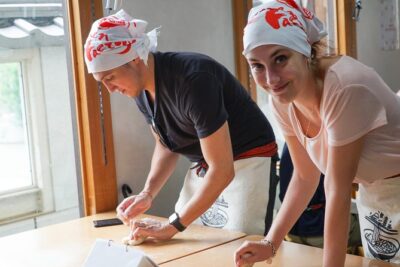
Ramen Cooking Class at Ramen Factory in Kyoto
Read our review →
Ramen & Gyoza Cooking Class in Tokyo with Local Supermarket Visit
Read our review →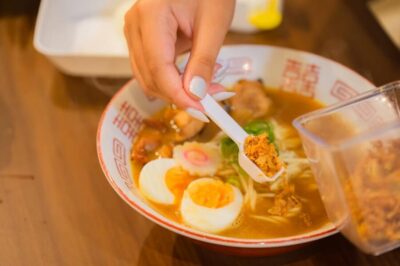
Ramen Cooking Class at a Ramen Factory with Souvenir
Read our review →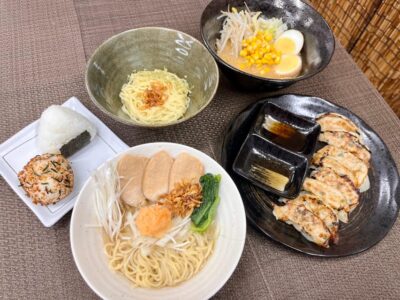
Japanese Washoku Bento Small Group Cooking Class
Read our review →
Easy Ramen Cooking Experience in Kabukicho, Shinjuku
Read our review →
Ramen and Sushi Cooking Class with Sake Pairing Set in Tokyo
Read our review →Browse the lists this tour appears in