
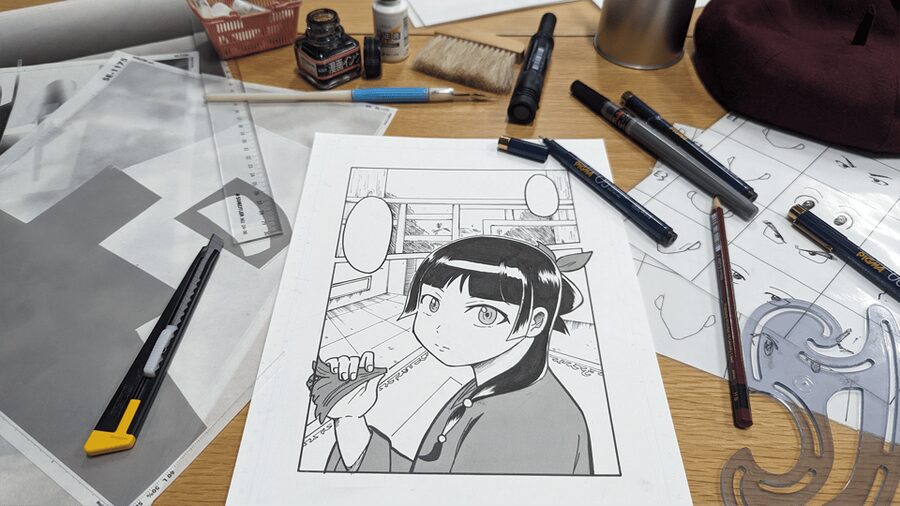
Reviewed · WORKSHOPS
Tokyo: Manga Drawing Workshop Guided by Pro Manga Artist
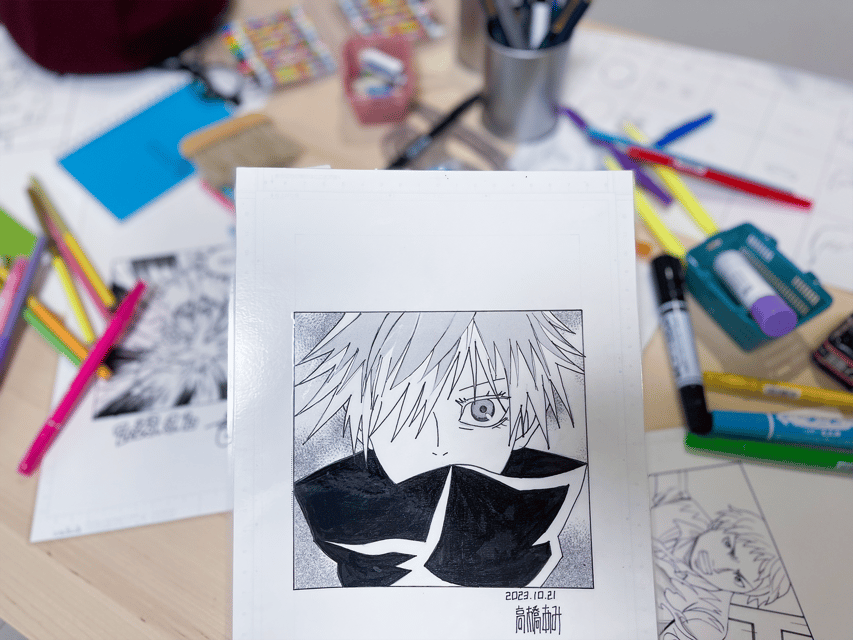
Tokyo gives you manga superpowers. In Shibuya, you spend 150 minutes with a pro manga artist who teaches the full, old-school process, from rough ideas to inking and speech bubbles. You come as you are, and you leave with a real keepsake you made yourself.
I love the small-group size (limited to 8) and the hands-on traditional workflow you follow step by step. The class is designed for beginners, and it still feels serious because you’re working through the same kinds of stages manga artists use.
One drawback to plan for: this is a guided, time-boxed workshop, so if you’re expecting total freeform experimentation, you may feel a bit limited by the panel plan.
Key takeaways
- Small group, max 8 people, which makes it easier to get personal help
- Pro manga artist instruction with decades of experience and traditional techniques
- Interpreter support in English and Japanese, with friendly Q&A
- You learn the full sequence, including inking, solid blacks, and screen tones
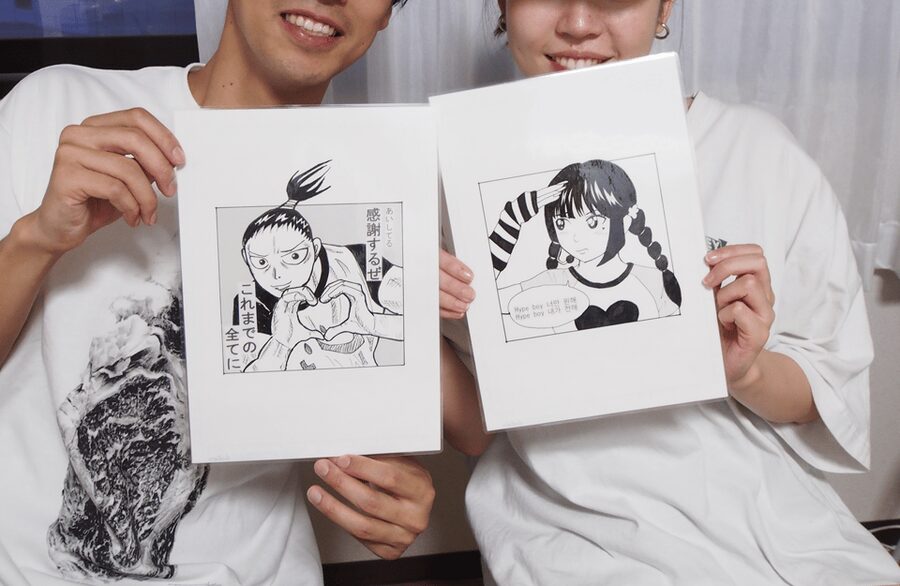
- You take home a finished panel, often laminated so it’s wall-ready
- Shibuya location can be tricky to find, so arrive a few minutes early
Finding The Shibuya Studio In A Thin Black Building
Your meeting point is in Shibuya at 6F, Shibuya 3-chome TR Building, 3-8-11 Shibuya, Shibuya-ku. The building is described as black and also relatively thin, so it can be easy to miss while you’re walking around.
Plan for a little buffer. Shibuya’s streets can get confusing, especially if something local is happening nearby. I recommend you build in extra time so you’re not sprinting upstairs with a sketchbook panic.
Good news: once you’re there, you’ll be directed to the studio space for the class. And since there’s no pickup, you’ll want to handle transit yourself. A short walk from wherever you enter Shibuya is usually part of the experience.
More anime and pop culture tours in Tokyo:
- Official Street Go-Kart Tour – Akihabara
★ 5.0 · 1,578 reviews - Tokyo Go Kart: Asakusa, Skytree, and Akihabara **IDP MUST**
★ 5.0 · 988 reviews - Tokyo Studio Ghibli Museum and Ghibli Film Appreciation Tour
★ 4.5 · 421 reviews
Your Pro Manga Artist And Interpreter Team (English Included)
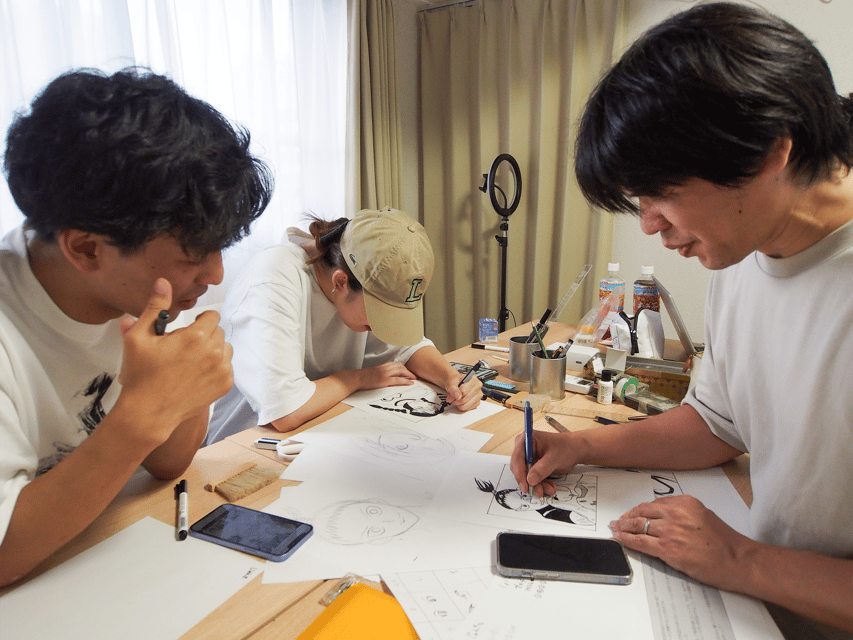
This workshop is built around a strong duo: a professional manga artist instructor plus an interpreter. The activity runs in English and Japanese, and the interpreter is there not just for translation, but for keeping the instructions clear and comfortable.
From recent class notes, interpreter names you may encounter include Machi, Madoka, Hanae, and Ai. On the artist side, you might be taught by sensei such as Hiroshi, Shige Mathumori, Rokkaku-sensei, or Kousei-sensei depending on the day. Regardless of who’s teaching, the common thread is patience. Multiple sessions emphasize that beginners got help that made the final panel look surprisingly solid.
What I like about this setup is simple: you get feedback fast. When you’re working with traditional manga tools, small technique differences matter. Having an interpreter present keeps you from guessing what your instructor is asking you to do.
Also, this is listed as wheelchair accessible, which is a real plus for a Tokyo activity that’s often packed into tight spaces.
The 150-Minute Flow: From Ideation To Screen Tones
The class is structured around the real professional steps of manga creation. You don’t just watch. You do the work. And the pace is designed so people with no previous skills can finish a high-quality panel in about two hours.
Here’s the core sequence you’ll follow:
1) Start With An Idea (And Choose Your Character/Scene)
You begin by deciding what you’re going to draw. You’ll likely pick from provided samples, and some sessions also let you use your own reference for a character concept. Either way, the goal is to get you to a clear target quickly, so you’re not stuck blank-page stressing.
A few more Tokyo days worth comparing
- Mt Fuji and Hakone 1-Day Bus Tour Return by Bullet Train
★ 5.0 · 26,383 reviews - 1-Day Tokyo Bus Tour
★ 5.0 · 14,250 reviews - Tokyo: TOKYO SKYTREE® Admission ticket
★ 4.5 · 11,192 reviews - Tokyo: teamLab Planets TOKYO Digital Art Museum Entry Ticket
★ 4.6 · 9,779 reviews
2) Rough Sketching And Planning
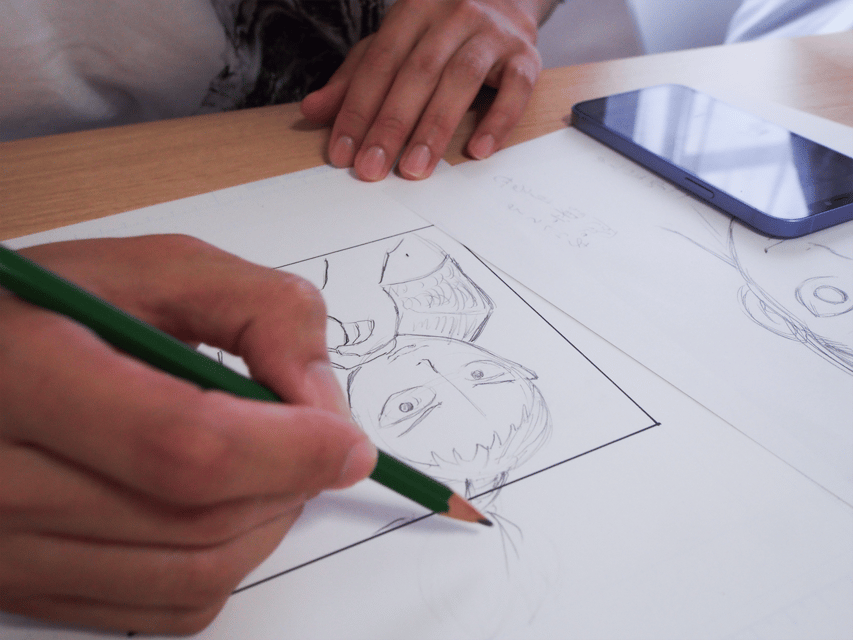
Next, you move into the rough sketch stage. In many classes, the sensei creates an initial pencil guide based on your chosen concept. Then you review it, adjust it, and start locking in the pose and proportions.
This matters because manga drawing is less about artistic talent and more about structure: faces, line weight, and how shapes read in a single panel.
3) Drafting And Inking
After your layout is set, you move to drafting and then inking. This is where the traditional feel really kicks in. Inking is not just drawing outlines. It’s about consistency, clean lines, and making your panel look like manga instead of a sketch someone doodled on.
4) Solid Blacks And Finishing Contrast
Then comes filling in solid blacks. This step is a big reason your panel suddenly looks dramatic, not flat. Manga relies on contrast to guide the eye, and solid blacks are one of the fastest ways to get that effect.
5) Screen Tones For Texture And Mood
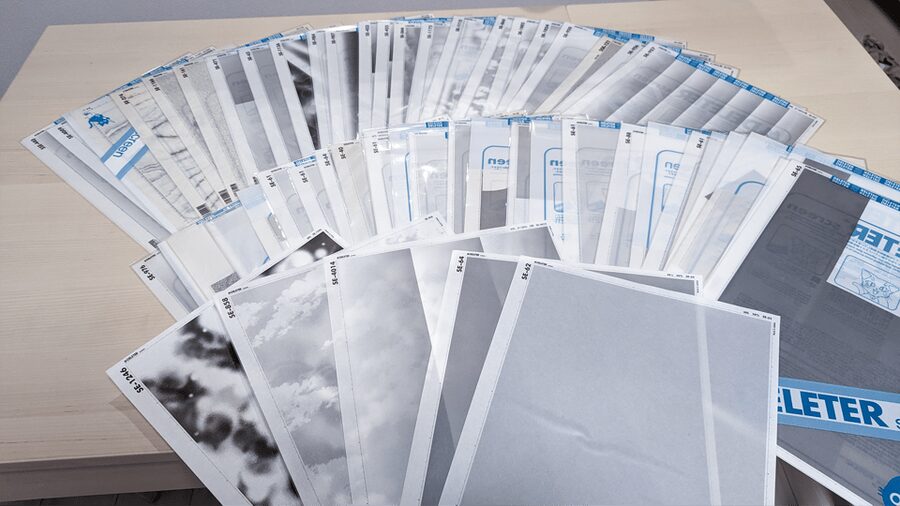
After the black fills, you’ll work with screen tones. This is a signature manga technique that can look complicated but becomes straightforward with step-by-step guidance.
One extra practical detail: some sessions explain the tone workflow using materials like a grey calque style paper and tools for cutting. If you’ve never used screen tones before, you’ll probably feel a little surprised by how much they affect skin, shading, and background mood.
6) Speech Bubbles And Final Panel Check
Last, you add speech bubbles and finish the panel. You’ll review your line work and tone placement, then get to the final touches that make it feel like a real page.
7) Take Home Your Manga Keepsake
At the end, you take home your self-drawn manga. Several accounts mention the panel being laminated, which is smart. It protects your work, and it’s more “put it on the wall” friendly than loose paper.
What You Actually Learn: The Tools Behind One Piece Or Naruto Energy
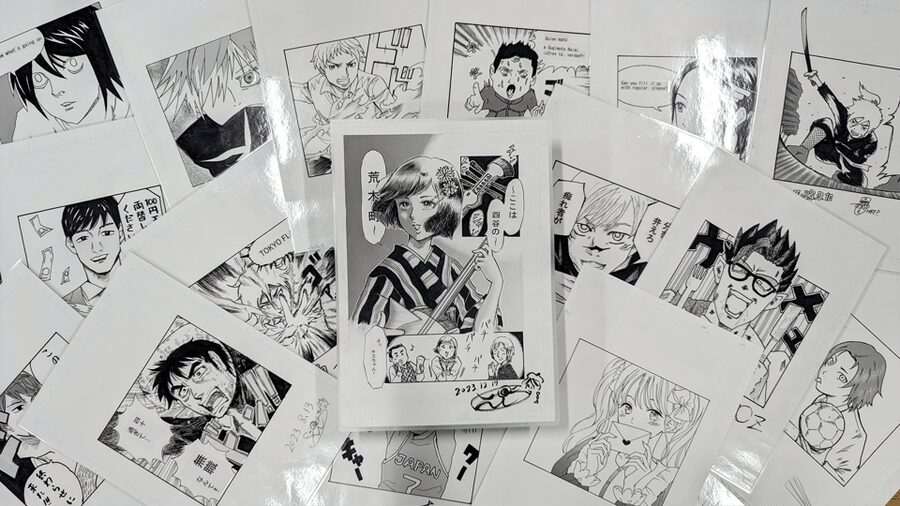
If you’re a manga fan, you already love the stories. This class teaches the craft behind the look.
The biggest practical wins are these:
You learn how professional steps connect
Manga art isn’t random. Even when you’re drawing a character in a simple panel, the process is linked. Your ideation becomes composition. Your sketch becomes ink. Your black fills become contrast. Your tones become depth. Your speech bubbles become readability.
When you see that chain in action, it stops being mysterious.
You get hands-on screen tone technique
Screen tones are where most beginner drawings start to feel “not finished.” Here, you learn how to place them and how to cut or shape them so they look like manga, not craft paper.
You learn pacing and decision-making
The instructor doesn’t just teach steps, they keep you moving. That time pressure is helpful. It trains you to make choices confidently, which is how manga creators work under deadlines.
And if you’re an artist yourself, you may still enjoy learning traditional tools again. One session description specifically called out how returning to traditional methods, especially screen tones, can spark new motivation to draw more.
Why The Small Group Matters So Much In A Hands-On Workshop
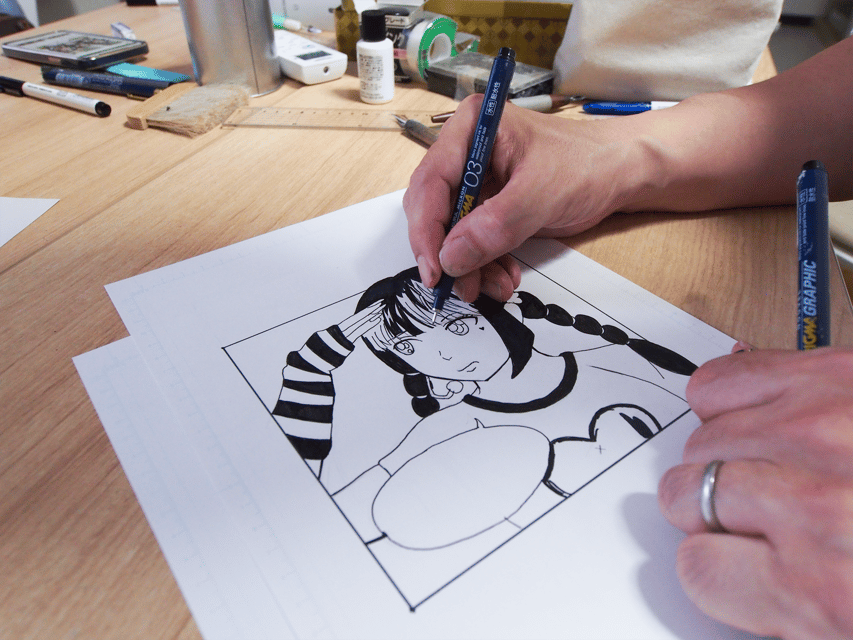
This is limited to 8 participants, which changes everything about how the class feels.
In a big class, instructions can turn generic. Here, help stays closer. You’re more likely to get quick fixes on line shape, where to place blacks, and how to apply tone without overdoing it.
It also creates the right energy for beginners and kids. Several class experiences emphasize positive, patient guidance that keeps the room calm, even when people start with zero confidence.
If you’re going with family or friends, the small size also makes it easier for everyone to participate, ask questions, and finish with something you’re happy to sign and display.
Is $129 A Good Value In Tokyo?
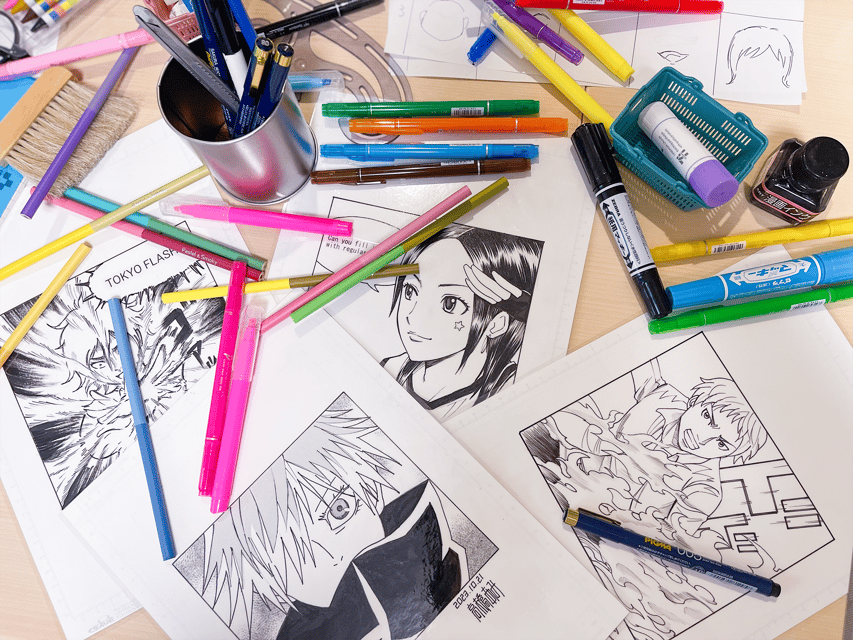
At $129 per person for 150 minutes, you’re paying for three things at once: expert instruction, interpretation, and materials. You also leave with a finished panel you made yourself, not just a sketch you half-completed.
So the value question comes down to one thing: do you want a pro-led, hands-on craft experience that you can take home? If yes, this pricing can feel very fair, especially compared to Tokyo souvenirs that look cool but don’t give you a story you lived.
Another value angle: you’re not just learning how to draw one element. You’re learning a full manga-style workflow, including screen tones and speech bubbles, which is harder to replicate on your own without proper guidance.
The only time the price may feel steep is if you only want casual doodling time or you expect a workshop that’s mostly freeform. This class is structured and supportive, but it still follows the panel process.
Who Should Book This Manga Workshop In Shibuya?
This works especially well if any of these are true:
- You’re a manga or anime fan, and you want a real look at how the style is built
- You’re a beginner who’s nervous about drawing and wants step-by-step help
- You’re traveling with kids or multi-age groups and want a class that keeps everyone engaged
- You’re an artist who wants to try traditional methods again, especially screen tones
- You want a Tokyo souvenir that looks personal, not mass-produced
It also sounds like a fun choice for couples and special trips. One class note mentioned a honeymoon, and the final laminated panel made a memorable keepsake.
Good To Know Before You Go (So You Don’t Waste Minutes)
Here are the practical pieces that affect your day the most:
- No food and drinks are included, so eat beforehand if you’re prone to getting hungry during hands-on activities.
- No pickup is included, so plan your own route to Shibuya and build in time to find the thin black building entrance.
- Materials are provided, so you don’t need to bring pencils, ink tools, or screen tones.
- The workshop runs for 150 minutes, so wear something comfortable for drawing at a table.
- The class is English and Japanese, with interpreter support, so you can rely on translation rather than solo guessing.
Should You Book This Tokyo Manga Drawing Workshop?
If you want a Tokyo activity that’s genuinely hands-on, teachable for beginners, and likely to produce a panel you’ll be proud to frame, I think it’s a smart booking. The small group, the pro mangaka instruction, and the interpreter support are the big strengths.
I’d skip it only if you’re looking for a mostly freeform art session where you experiment without structure. This workshop is guided, and the value is in that guidance.
If you’re even mildly curious about the mechanics behind manga style, this is one of those experiences that turns fandom into a skill you can actually point to at home.
FAQ
How long is the Tokyo manga drawing workshop?
The workshop duration is 150 minutes.
What is the price per person?
The price is $129 per person.
Where is the meeting point in Shibuya?
Meet at 6F, Shibuya 3-chome TR Building, 3-8-11 Shibuya, Shibuya-ku, Tokyo.
Do I need previous drawing skills?
No. The experience is designed for people with no previous skills required.
Are manga drawing materials provided?
Yes. All manga drawing materials are provided.
What languages are available during the workshop?
The workshop is available in English and Japanese, with an interpreter.
How many people are in the group?
The group is small, limited to 8 participants.
Is food, drinks, or pickup included?
No. Food and drinks are not included, and there is no pickup.
Is pay later available, and can I cancel for a full refund?
Yes. You can reserve now & pay later, and there is free cancellation up to 24 hours in advance for a full refund.
Fresh options around Tokyo
- Tokyo: Nagano Snow Monkeys and Zenkoji Tour with Temples★ 4.9 · 19 reviews
- Yokohama Port: Private Customizable Tour with Transfer★ 5.0 · 19 reviews
- Explore Unique Tokyo Streets / Learn with a Pro Photographer★ 5.0 · 19 reviews
- Sushi Making with Interactive Samurai Experience at JIN-ASAKUSA★ 5.0 · 19 reviews
- DAIKOKU excursion by car DRIFT automobile encounter★ 4.5 · 19 reviews
- Official Street Go Kart Tour Akihabara 2nd★ 5.0 · 19 reviews
- Cosplay Experience with Professional Makeup and Photo Shoot!★ 5.0 · 19 reviews
- Tokyo: Name Seal & Pouch or Tote Bag Making Experience★ 4.5 · 19 reviews
Workshops, compared.
Sushi Making Tokyo Roll and Authentic Japanese Sushi Class
Read our review →
Roll and Authentic Sushi Making Class in Asakusa
Read our review →
Ramen Cooking Class at Ramen Factory in Kyoto
Read our review →
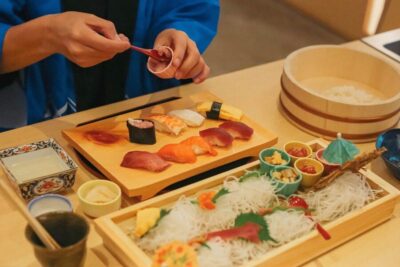
Sushi Making Class in a Happi Coat near a Famous Spot
Read our review →
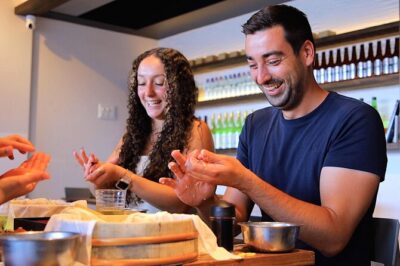
Sushi Making Osaka Roll and Authentic Japanese Sushi Class
Read our review →Browse the lists this tour appears in