
Reviewed · WORKSHOPS
Tokyo: Kintsugi Art Repair Workshop
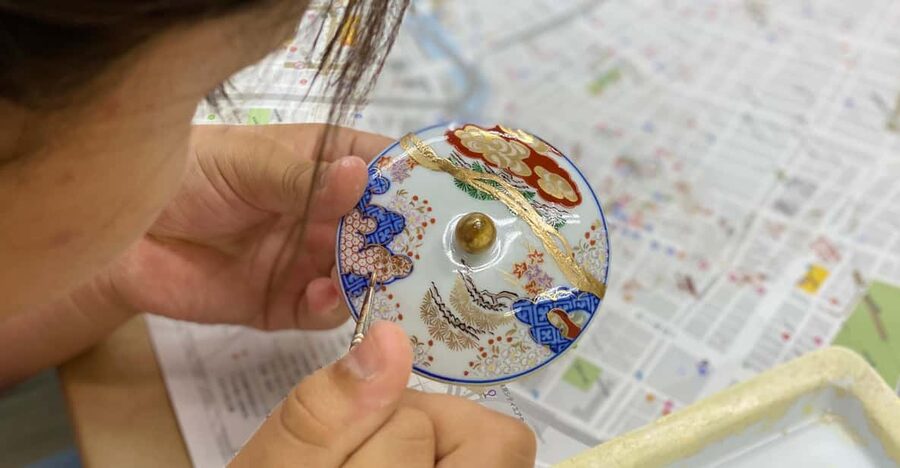
Gold in the cracks, in under two hours. This Tokyo Kintsugi Art Repair Workshop turns broken ceramics into a gold-seamed keepsake, and it is designed to be practical and doable even on a tight schedule, with a convenient 90-minute format.
I like two things most about this class: all the materials are provided (so you do not need to bring tools or supplies), and you leave with a finished piece of Japanese art. One thing to plan for, though, is that the session is time-limited, so larger or chunkier repairs may not be completed fully within 90 minutes if your piece needs more work.
Key points to know before you go
- You work hands-on with the core Kintsugi steps, not just watching
- All materials are included, plus English interpretation
- Small group size (up to 5 participants) keeps it calm and supported
- Your take-home result is the point, with gold-lacquer style finishing
- Ceramic limits apply, including size and crack count (1-2 cracks)
Kintsugi in Tokyo: A Gold-Seam Souvenir You Actually Make
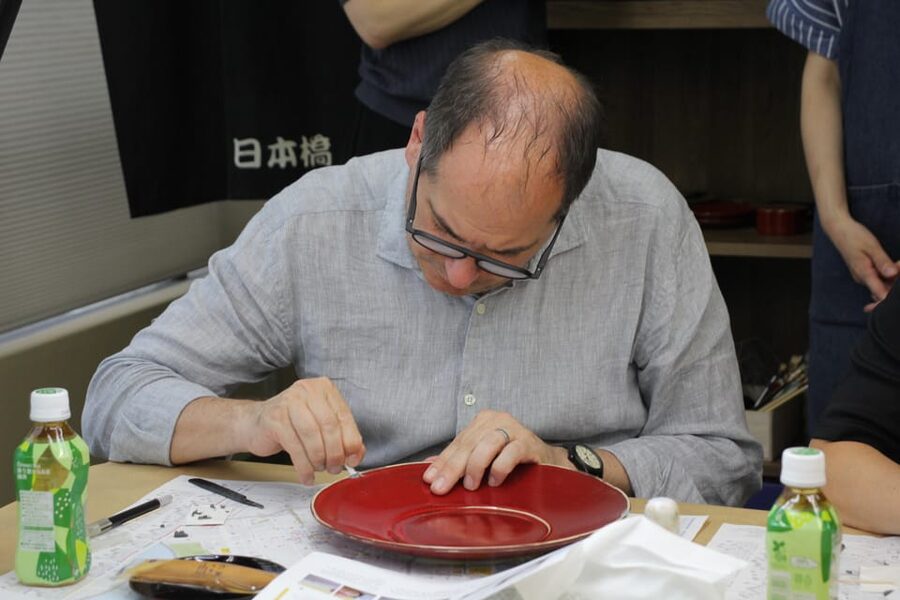
Kintsugi is one of those ideas that sounds poetic, then gets real the moment you start repairing something yourself. Instead of hiding damage, you treat it as part of the object’s story, then emphasize those lines with lacquer and gold tones. This workshop is built for travelers who want that meaning, plus a finished result they can bring home.
The big practical win is that it is not an all-day or all-week commitment. You get a structured 1- to 1.5-hour style session (listed as 90 minutes), which fits nicely between sightseeing blocks in central Tokyo.
You also get a calm, small-setting vibe. English interpretation is included, and the class is limited to a small group (up to 5). That matters in craft classes. If you have to mentally translate every step, your hands and your focus fall behind. Here, the language support is part of the value.
A few more Tokyo days worth comparing
- Mt Fuji and Hakone 1-Day Bus Tour Return by Bullet Train
★ 5.0 · 26,383 reviews - 1-Day Tokyo Bus Tour
★ 5.0 · 14,250 reviews - Tokyo: TOKYO SKYTREE® Admission ticket
★ 4.5 · 11,192 reviews
Where to Meet: Nihonbashi Mutoh Main Store Is Easy to Find
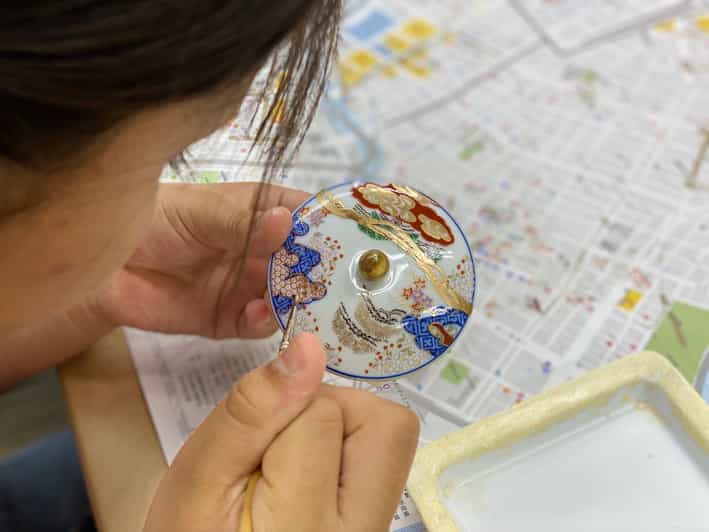
You meet at Nihonbashi Mutoh Main Store, in the Nihonbashi area (日本橋滄浪閣 Bldg.). The address is:
〒1030023 JP Tokyo 1-8-13 Nihonbashihoncho, Chuo City.
The workshop is about 15 minutes by subway from Asakusa, so you can pair it with an early neighborhood plan (Asakusa temples, then a craft class in Nihonbashi) without crossing the city more than necessary. Also, Nihonbashi is very central, which makes it easier to hop to other areas afterward.
Do plan to arrive at least 5 minutes early. The experience begins promptly at the scheduled time, and the workshop cannot extend for anyone who has not finished.
How the Workshop Runs: From Broken Piece to Gold-Lacquer Finish
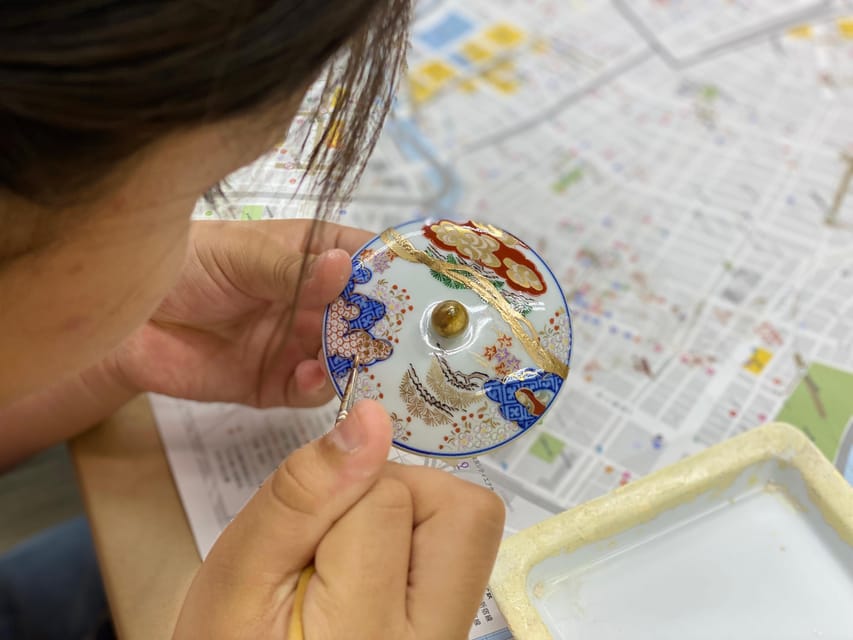
Even if you have never held lacquer or gold-tinted materials before, the format is designed to guide your hands through a clear sequence. You will repair a piece of pottery by applying materials along the cracks so the break becomes a visible design line rather than an eyesore.
Here is the workflow in plain terms, based on what you are taught during the class:
- Prepare and align the broken pieces
You will handle the broken sections in a way that lets you reassemble the object correctly. One key step you may see in this process is taping or assembling the fragments so nothing shifts.
- Join with appropriate adhesive materials
After pieces fit correctly, you apply glue or cement-type materials to bond them. This is where accuracy matters, because your final seams depend on how well the object is aligned.
- Fill gaps when needed
If there are chipped areas or missing chunks, you may add filler (clay/putty-type materials are used in the Kintsugi repair approach). This helps create a smoother base for the seam work.
- Sand for a cleaner surface
You likely do sanding to smooth uneven edges so the decorative seam looks intentional instead of messy.
- Finish with metallic/gold seam coating
The final aesthetic step is where the workshop earns its name. You apply gold-tone metallic paint or lacquer along the repaired seams, so cracks become lines of shine.
What I like about this approach is that it teaches Kintsugi as a set of practical decisions. You learn why each step exists, not just what to do. That is also why the class feels relaxing for many people: once you are in the rhythm of careful work, it is not chaotic. You get a quiet task and time to focus.
Also, there is English support, and you can end up with different instructor personalities. In one example, Hijiri was praised for being patient, hands-on, and clear while guiding the process.
Your Piece: What They Can Repair (and What Won’t Work)
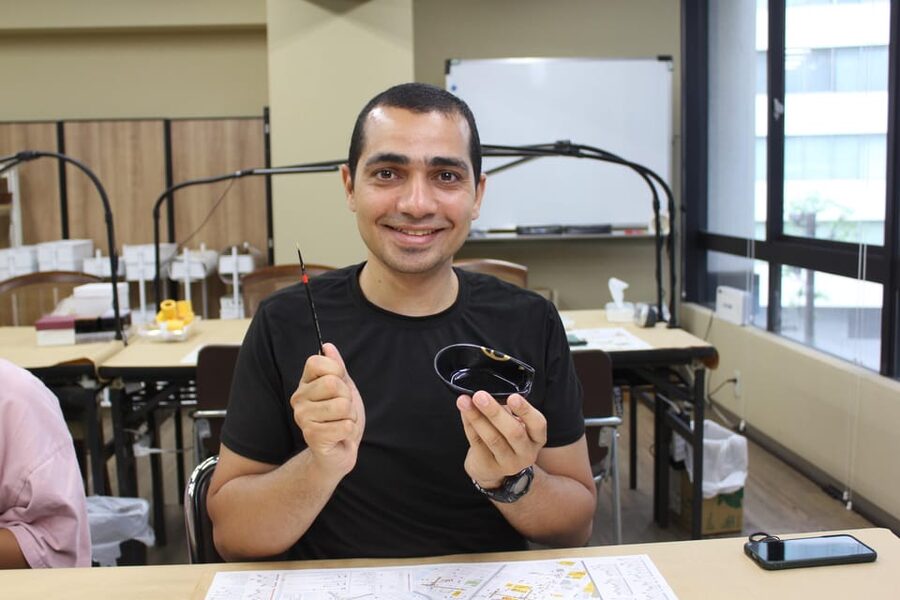
Kintsugi can sound flexible, but the workshop has real limits. This is one of the most important parts to check before you show up.
Same corner of Japan, a different kind of day:
- Tokyo: teamLab Planets TOKYO Digital Art Museum Entry Ticket
★ 4.6 · 9,779 reviews - Mt Fuji & Hakone Cruise, Drum Show Bullet Train 1 Day from Tokyo
★ 4.0 · 7,413 reviews - Tokyo: Sumo Show Experience with Chicken Hot Pot and a Photo
★ 4.8 · 6,678 reviews - Tokyo: Shinjuku Food Tour (13 Dishes at 4 Local Eateries)
★ 5.0 · 6,603 reviews
Ceramic only, with strict size and crack limits
- Type: ceramic vessels only
- Size limit: up to φ15 cm, height up to 15 cm
- Cracks: typically 1-2 cracks
- Restorable objects: ceramic vessels only
So if you are imagining repairing a large platter, or something tall, or a very complex break, the workshop may not fit. They are set up for repair jobs that can be completed within the time window.
Mug handles and certain damages are not repairable
Chipped and cracked mug handles are not repairable. So if you are thinking of bringing a favorite mug with a cracked handle, you will likely be disappointed.
Time limits mean more complex breaks may carry over
The program notes that if you bring your own vessels, depending on the size of the crack or chip, it may not be completed in 90 minutes. Since they cannot extend the end time for those who have not finished, the workshop is best for pieces that are within the stated limits and repair scope.
If you want the highest chance of a finished take-home object, choose a vessel with 1-2 manageable cracks and no major handle damage.
Materials, Comfort, and the Small-Group Advantage
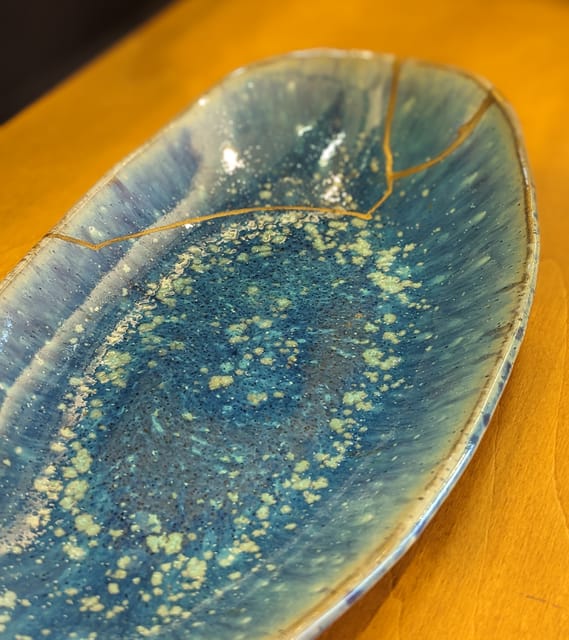
This is a very traveler-friendly craft class in the way it removes friction.
All materials provided
You do not need to bring tools or craft supplies. You will get what you need during the workshop. That includes the repair and finishing materials used in the technique, like lacquer and gold-tone elements. For you, that means lighter luggage and fewer worries about finding supplies at random shops.
What to bring
The only listed personal item is comfortable clothes.
That matters more than you might expect. You will be working with fine steps and careful handling, and comfortable sleeves help. Also, a relaxed outfit makes it easier to stay focused for the full session.
Small group, English interpretation
The group size is limited to 5 participants. English interpretation is provided, so you should feel comfortable asking questions as you go.
Many craft classes fail when the instructor has to juggle too many people. Here, the cap on the group size makes it more likely you will get hands-on attention and corrections.
And the atmosphere tends to be quiet and supportive, with patient guidance. If you prefer structured step-by-step instructions in a calm space, this is a good match.
The Take-Home Result: What You Really Get
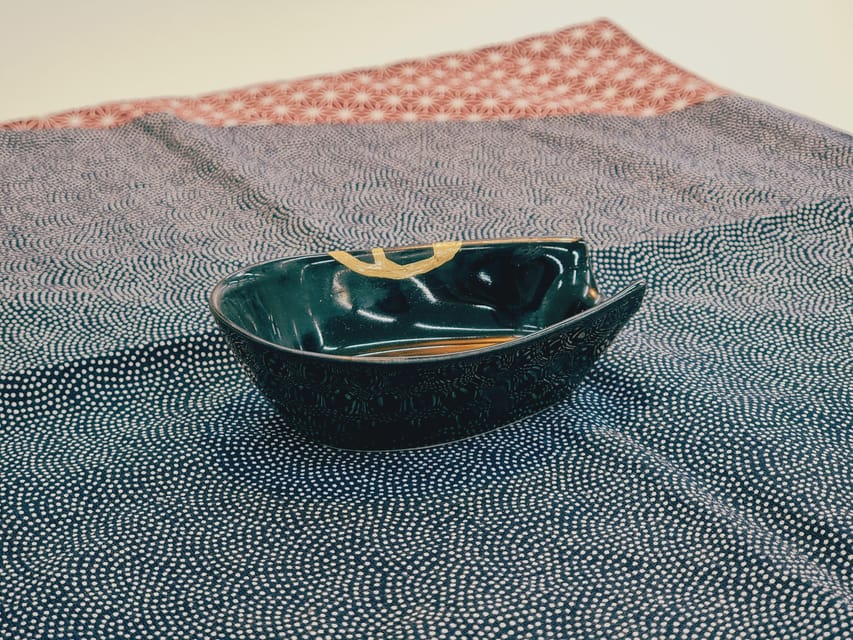
The promise is a take-home piece of Japanese art, and the practical takeaway is that your finished Kintsugi object is meant to be displayed.
You can also use the completed piece to hold dry food items, but it is primarily intended for decorative use. So treat it like a beautiful object first, and a functional container second.
Why the “finished souvenir” part is good value
A major part of the value in a class like this is that you are not paying just for theory. You pay for:
- the instructor time and experience
- the materials used for repair and finishing
- a souvenir you make
At $125 per person for 90 minutes, you are paying for the combination of guidance and the materials needed to create a real, finished product. That tends to be better value than buying an already-made souvenir, especially if you care about crafts and you want a story that feels personal because you did the repair steps yourself.
Curing time may be part of the reality
One caution from practical experience with this repair style: some Kintsugi finishes need time to settle and cure. The workshop does provide a take-home result, but if you bring your own piece, your item may need additional time before it is fully ready. The shop can pack items carefully when extra curing time is needed.
If you are planning to pack the piece immediately and leave Tokyo right away, be gentle and follow any handling advice you are given.
Pricing and Value: When $125 Makes Sense
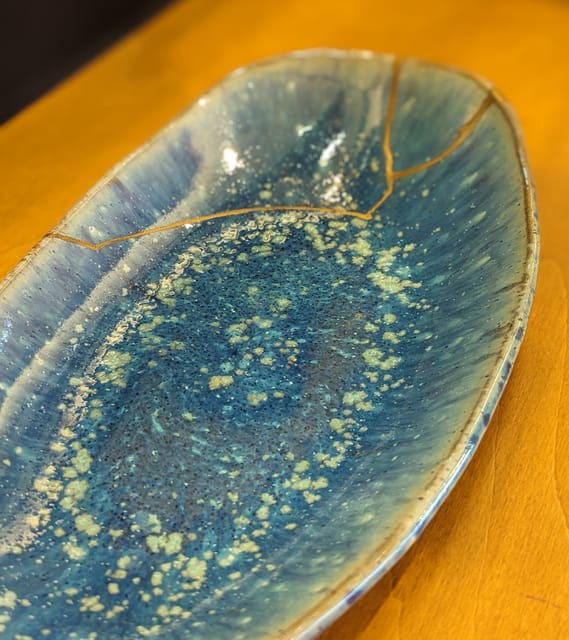
Let’s talk money without pretending it is cheap.
$125 for a 90-minute hands-on workshop is a “pay for the product plus the instruction” price. You are not paying for a lecture. You are paying for repairs that require materials, labor, and finishing steps.
You also get:
- English guidance
- a small group setting
- all materials included
- a take-home souvenir
If your goal is a meaningful Japanese craft memory without spending hours on a full-day program, this price is easier to justify. Also, because the class includes materials, you are not tempted to spend extra on supplies you might not use well.
On the other hand, if you want deep cultural lectures on traditional timelines and philosophy only, the time is short. One note you should listen to is that the workshop can feel focused on getting you through the hands-on steps quickly, rather than providing long-form theory.
So the best fit is someone who wants practical making, not just talking.
Quick Itinerary Plan: How to Slot This Into Your Day
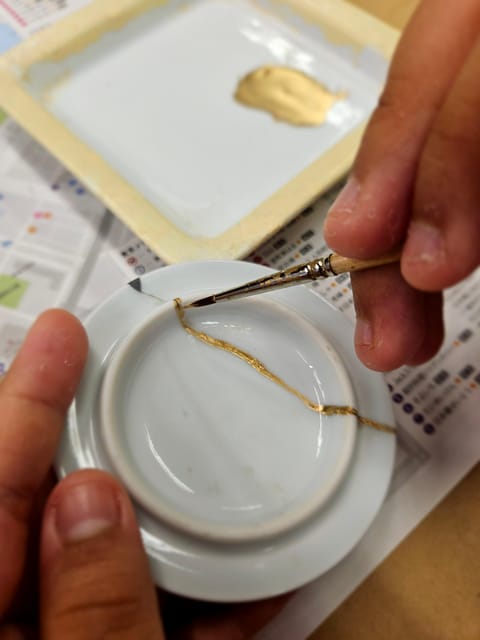
Even though there is no complicated multi-stop itinerary, you can still plan your day so you do not feel rushed.
Best day setup
- Schedule the class earlier in the day if possible, so you have time to browse the area afterward.
- Keep your next activity flexible. Your hands might be tired, and your finished piece may require careful packing.
What happens during the session
You can expect a steady flow:
- meet at the storefront
- get set up with the repair materials and guidance
- work through the steps (assembly, bonding, filling/sanding when needed, then metallic seam finishing)
- finish with packaging advice
Then you take your repaired piece home.
A small bonus: the shop setting is worth it even if you finish early. It is a place where you might also browse related Japanese craft items, like lacquerware and small gifts. Some people also shop for practical souvenirs such as tenugui fabric and other household items.
Who Should Book This Tokyo Kintsugi Workshop
I would book this if you fit any of these profiles:
- You want a hands-on cultural craft that you can complete within a short time window.
- You like small groups and clear English instructions.
- You want a take-home souvenir that is not mass-produced and actually ties to a technique.
- You have a ceramic vessel in mind that fits the limits (size up to φ15 cm, height up to 15 cm, and 1-2 cracks).
You should reconsider if:
- you are bringing something with a cracked mug handle
- your object is outside the size range or has too many break points
- you want a long, traditional pace and deep theory over practical repair steps
If you go in with realistic expectations about what can be finished in 90 minutes, you will enjoy it much more.
Should You Book It? My Practical Verdict
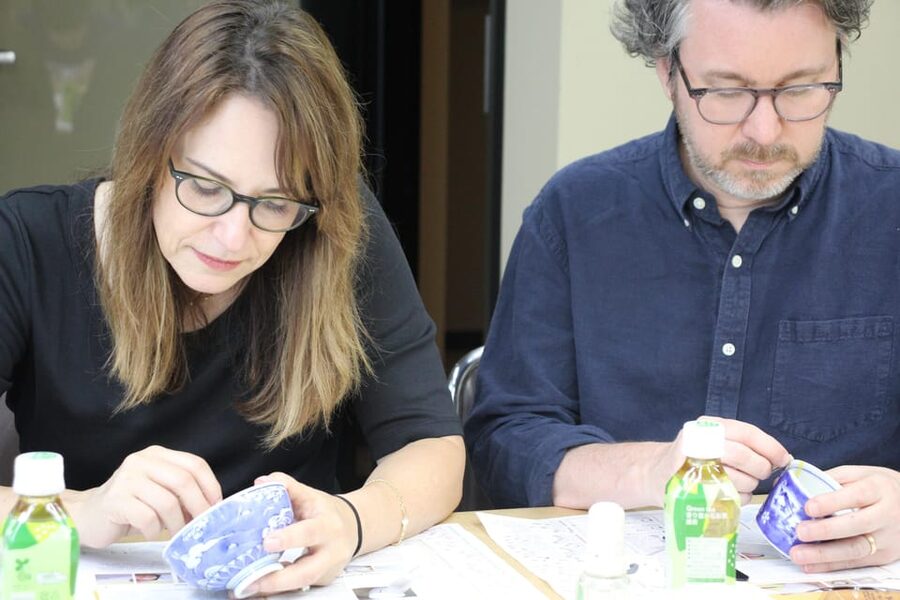
If you are looking for a short, meaningful Tokyo experience that ends with a gold-seam object you made, this class is a strong choice.
Book it if you care about the craft steps, want English support, and want materials handled for you. It is also a smart option for travelers who want something different from the usual temple-shopping circuit, without sacrificing hours of your day.
Skip it or choose a different activity if your main goal is a long lecture or if your item does not fit the repair rules. Kintsugi is beautiful, but the workshop can only work within its ceramic limits and time window.
If you want a souvenir with a story you can explain, this is the kind of class that gives you that.
FAQ
How long is the Kintsugi Art Repair Workshop?
The workshop lasts 90 minutes.
How much does it cost per person?
The price is $125 per person.
Where is the meeting point?
The meeting point is Nihonbashi Mutoh Main Store (日本橋滄浪閣 Bldg.), 〒1030023 JP Tokyo 1-8-13 Nihonbashihoncho Chuo City.
Is the workshop taught in English?
Yes. The instructor provides English interpretation.
How big is the group?
The workshop is a small group limited to 5 participants.
What should I bring?
You only need comfortable clothes. All materials are provided.
What age is the experience suitable for?
It is recommended for ages 13 and up, and minors must be accompanied by a guardian.
What kind of objects can be repaired?
Restorable objects are ceramic vessels only.
What are the size limits for the vessel?
It can be up to φ15 cm, and height up to 15 cm.
Can the finished piece hold food?
The finished piece can be used to hold dry food items, but it is primarily intended for decorative purposes.
Is free cancellation available?
Yes. You can cancel up to 3 days in advance for a full refund.
Fresh options around Tokyo
- Tokyo: Nikko Kegon Falls Lake Chuzenji Toshogu Temple & More★ 4.9 · 12 reviews
- Tokyo: Samurai History Walking Tour★ 5.0 · 12 reviews
- Harajuku: Kawaii Fashion and Pop-Culture Tour★ 4.7 · 12 reviews
- Tokyo: Mt. Fuji & Lake Kawaguchi Instagram Full Day Trip★ 4.1 · 12 reviews
- Shibuya Tokyo: Modern Kintsugi Workshop in Shibuya★ 5.0 · 12 reviews
- Tokyo: GTR Guided Daikoku Experience at Night★ 5.0 · 12 reviews
- Tokyo: Daikoku JDM Car Culture Tour★ 4.6 · 12 reviews
- Mt Fuji Private Day Trip from Tokyo with English speaking driver★ 5.0 · 13 reviews
Workshops, compared.
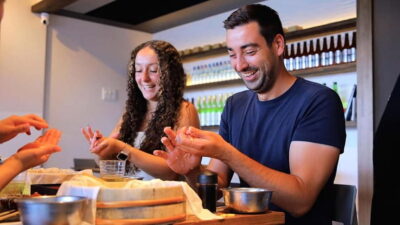
Sushi Making Tokyo Roll and Authentic Japanese Sushi Class
Read our review →
Roll and Authentic Sushi Making Class in Asakusa
Read our review →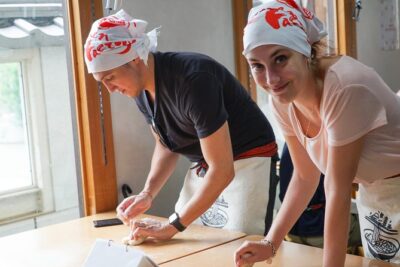
Ramen Cooking Class at Ramen Factory in Kyoto
Read our review →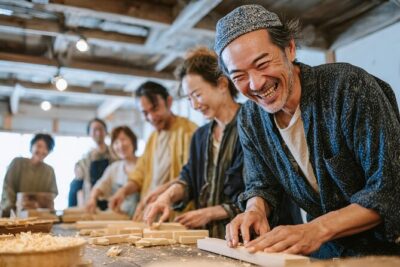
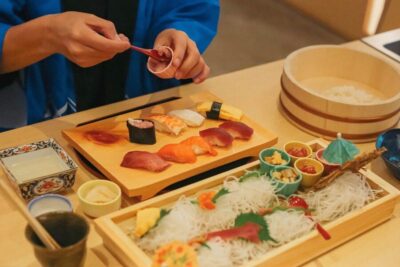
Sushi Making Class in a Happi Coat near a Famous Spot
Read our review →
Sushi Making Osaka Roll and Authentic Japanese Sushi Class
Read our review →Browse the lists this tour appears in