

Reviewed · WORKSHOPS
Tokyo: Edo Kiriko Traditional Glass Carving Class
Glass cutting turns quiet focus into art. This Edo Kiriko class near Asakusa is interesting because you choose your design up front, then learn the traditional cutting technique step by step for a take-home souvenir. I love the hands-on feel of making something with your own hands, and I love that you get real choices in glass color and pattern. One possible drawback to plan for, though, is that the cutting takes steady accuracy, so your first attempt may not look perfect.
You start at Sokichi, a short walk from Asakusa Station, and a lecturer guides you in English or Japanese through the whole 90 minutes. If you want a cultural craft you can actually use as a memory of Tokyo, this is a smart use of time.
Key Things to Know Before You Cut Your First Edo Kiriko Design

- Asakusa location makes it easy to pair with Senso-ji and Tokyo Skytree
- You choose from more than 20 glass types and dozens of pattern samples
- Colored glass options include blue, pink, and yellow (plus clear choices)
- Hands-on instruction stays close, so corrections are part of the process
- You can work at a beginner level or choose a more challenging approach
- English-speaking support is available (plus Japanese if you prefer)
Edo Kiriko Glass Carving: What You’re Actually Learning
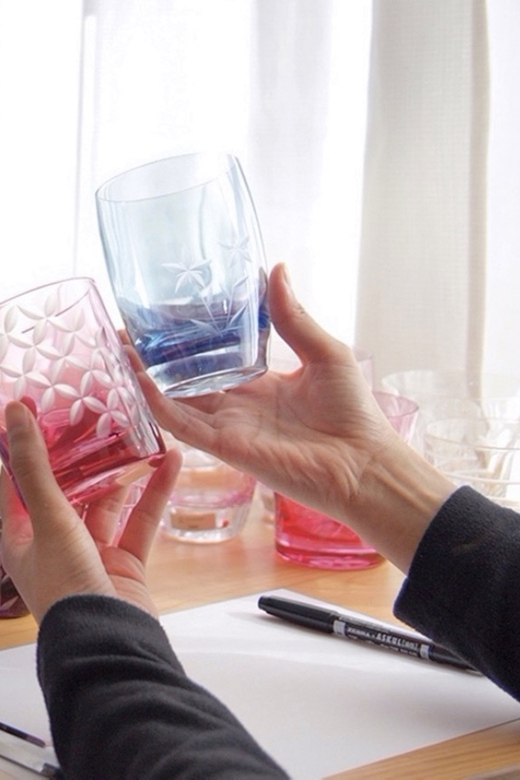
Edo Kiriko is one of Japan’s most recognized traditional glass crafts, with over 180 years of history. In this class, you’re not just tracing a template or decorating a finished item. You’re learning the craft’s core skill, cutting glass using traditional techniques to create a pattern.
That matters because the “wow” is in the control. The lines and facets come from how you place the cutting tool and how carefully you follow your chosen design. Your lecturer will guide you, but you still do the work. That’s why the final piece feels personal, even if your first cuts are wobbly.
You also get to choose how adventurous you want to be. The class offers options from beginner level to expert level, so you can go for something simple and clean or try a more detailed pattern if you want the challenge.
A few more Tokyo days worth comparing
- Mt Fuji and Hakone 1-Day Bus Tour Return by Bullet Train
★ 5.0 · 26,383 reviews - 1-Day Tokyo Bus Tour
★ 5.0 · 14,250 reviews - Tokyo: TOKYO SKYTREE® Admission ticket
★ 4.5 · 11,192 reviews
Sokichi Meeting Point, Then Into a Quiet Class Space
Your experience starts at Sokichi, and it’s about a 30 seconds walk from Asakusa Station. When you arrive, talk to a staff member at the shop, and they will escort you to the room for your class. The experience is designed so you are not wandering around Tokyo guessing where to go.
One review describes the setting as a quiet space away from the neighborhood noise, with the class room above a glassware shop. That setup is practical. You get a calm spot to focus on fine work, without the constant distraction of the street outside.
Timing is also part of the value. The class runs 90 minutes, which is long enough to practice and finish, but short enough to fit into a normal Tokyo day.
How the Glass and Patterns Work (And Why Your Choices Matter)

Before you start cutting, you get to pick your materials. This is one of the most satisfying parts of the experience because you can shape the look of your finished souvenir right from the start.
Here’s what you can choose from:
- More than 20 kinds of glasses
- Dozens of pattern samples
- 6 types of clear and colored glasses
- Colored options in blue, pink, and yellow
That selection range matters because glass behaves differently depending on the color and surface. Even if your cutting skill is the same, the pattern can look different once it’s on a clear base versus a colored one. The class setup helps you think like a craftsperson instead of treating the workshop like a one-size-fits-all kit.
It also means you can tailor your design to your style. If you want something understated, choose a clearer base and a more delicate pattern. If you want a stronger visual contrast, pick one of the colored glasses and match it with a bolder pattern sample.
From Practice Cuts to Your Final Design
A common moment in the best workshops is the transition from learning mode to making mode. This one is built for that.
You’ll practice first, then move on to your own design. One participant noted that they started with practice stars, which is a great way to get your hand steady before cutting something that you actually plan to keep.
During the working time, the lecturer stays by your side and helps with technique. The guidance can be specific and encouraging rather than vague. One review even mentioned that the instructor refined crooked etchings to correct the line work, while still keeping the design yours.
That balance is important. If you’re new to glass carving, you need corrections. If you’re experienced, you still want feedback that helps you sharpen the results. Either way, you leave with a finished piece you’re proud of, not just a lesson in theory.
Same corner of Japan, a different kind of day:
- Tokyo: teamLab Planets TOKYO Digital Art Museum Entry Ticket
★ 4.6 · 9,779 reviews - Mt Fuji & Hakone Cruise, Drum Show Bullet Train 1 Day from Tokyo
★ 4.0 · 7,413 reviews - Tokyo: Sumo Show Experience with Chicken Hot Pot and a Photo
★ 4.8 · 6,678 reviews - Tokyo: Shinjuku Food Tour (13 Dishes at 4 Local Eateries)
★ 5.0 · 6,603 reviews
Beginner-Friendly, But Not Fake Easy
The class is beginner-friendly, and you can choose the beginner level. Still, glass cutting is not a “press and it’s done” activity. The difficult part is accuracy.
That’s where the close support shines. Reviews repeatedly point to patient teaching, clear instruction, and helpful corrections. One named instructor is Ze, described as kind, thorough, and patient. Another review highlighted strong English and supportive critiques, which helps if you want to understand what you should do with your tool.
Expect a mix of learning and doing. You’ll likely make small adjustments as you go, including minor corrections to line direction and placement. The result is that the workshop feels fair: you’re not being rushed, and you’re not being left alone with a fragile material.
Duration and Flow: What 90 Minutes Feels Like
Ninety minutes goes quickly in a hands-on craft class, and this one is paced so you can complete a work item within the session.
A typical flow looks like:
- Meet at Sokichi, get escorted into the class room.
- Choose your glass type and your pattern design.
- Practice cutting to get comfortable with the tool and control.
- Cut your own design under guidance.
- Finish with your take-home glass artwork.
Because you select your materials and patterns before cutting, you start with purpose. That’s a big reason this workshop works well as a Tokyo activity. You’re not waiting in a long line for the chance to make something, and you’re not stuck with a random design you didn’t choose.
Price and Value: $30 for Instructor Time Plus Real Materials
At $30 per person for a 90-minute class, you’re paying for more than “access.” You’re paying for:
- a lecturer who guides you through the cutting technique,
- hands-on practice time,
- and the included glass for your finished souvenir (including colored glass options).
In a city where many activities charge similarly but don’t include real instruction, this feels like solid value. You get a functional reward, something you can hold, display, and remember. Also, the class is set up to support different skill levels, so you’re not penalized for being a beginner.
Is it the cheapest Tokyo craft option? Probably not the cheapest. But it is one of the better values if you want a meaningful, culturally rooted souvenir that comes from your own effort.
Who This Class Is Perfect For
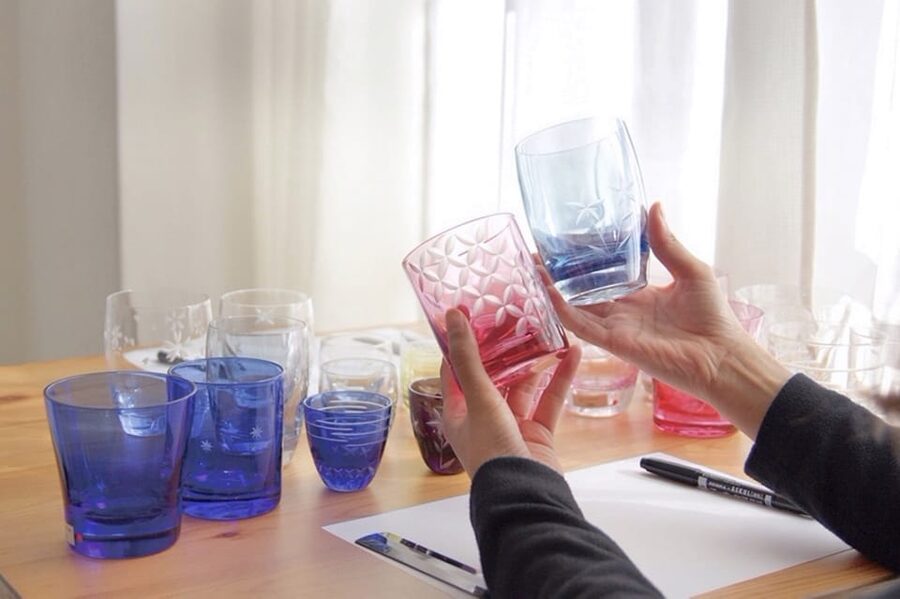
This Edo Kiriko class is a great fit if:
- you want a hands-on Tokyo experience instead of another photo stop,
- you enjoy crafts where precision matters,
- you like the idea of choosing your own colors and patterns,
- you want instruction in English or Japanese.
It’s also a strong option for people who are tired of doing everything on a schedule. Reviews describe the environment as calm and focused, which makes it a nice change from busy sightseeing days.
If you have zero patience for careful work, or if you want something fully hands-off, you might find glass cutting frustrating. The good news is that beginners are welcome, and the lecturer support helps you get to a finished result.
Handy Tips Before You Go
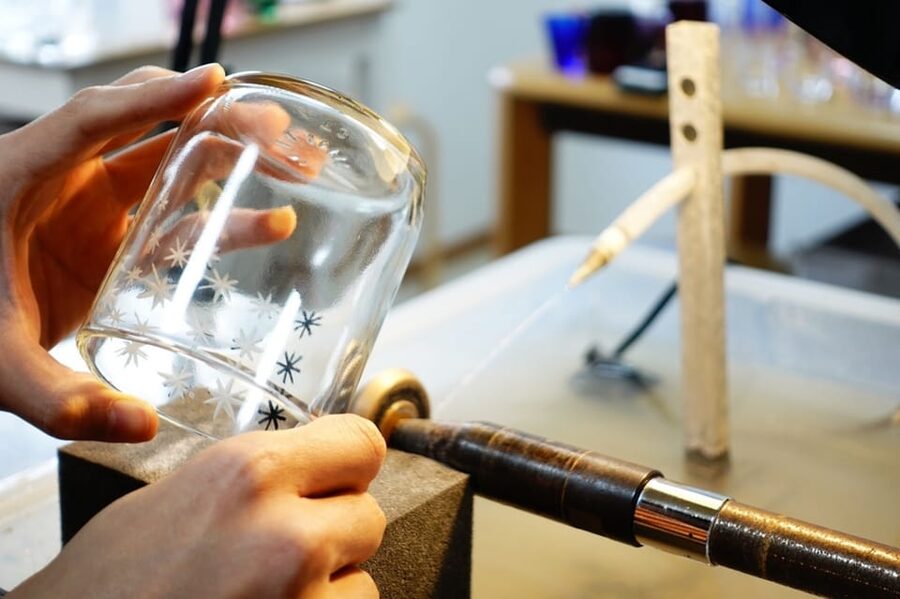
A few small details can make your session smoother:
- Bring a hair tie. You’ll be working close to your materials, so keeping hair out of the way helps.
- Wear comfortable clothes you can sit and focus in for the full session.
- If you care about understanding the craft beyond the workshop, ask questions during the class. One review noted that you may need to request a pamphlet or ask for the history component.
And because the location is so close to Asakusa Station, it’s easy to build a plan around it. One review described the class location as about 5 minutes from Senso-ji and about 15 minutes from Tokyo Skytree, which makes it convenient for a classic Asakusa day.
Should You Book This Edo Kiriko Class in Tokyo?
Book it if you want a real craft souvenir, not just a ticket. The class gives you choices in glass color and pattern, plus close instruction that helps you turn your first cuts into a finished keepsake. At $30 for 90 minutes, it’s also priced in a way that feels fair for the materials and teacher time.
Skip or reconsider if you’re hoping for a super quick, low-concentration activity. Glass cutting requires steadiness. But if you’re willing to slow down and follow the lecturer’s guidance, you’ll likely leave with a piece you’re genuinely proud to pack.
FAQ
How long is the Edo Kiriko glass carving class?
The class lasts 90 minutes.
Where do I meet for the class?
Start your experience at Sokichi. The store is about a 30 seconds walk from Asakusa Station. Staff will escort you to the room.
Is transportation included?
No, transportation is not included.
What is the price per person?
The price is listed as $30 per person.
What should I bring?
You should bring a hair tie.
What languages does the instructor speak?
The instructor is listed as English and Japanese.
What kind of materials do I get to work with?
The class includes glass carving instruction and colored glass. You can choose from clear and colored glasses, with colored options including blue, pink, and yellow, and a total of 6 clear and colored glass types.
Do I get to choose my design?
Yes. You can select from more than 20 kinds of glasses and dozens of pattern samples.
Can beginners join?
Yes. The class offers options from beginner level to expert level and is described as beginner-friendly.
Fresh options around Tokyo
- The Best Family-Friendly Tokyo Tour with Government Licensed Guide★ 5.0 · 28 reviews
- Tokyo’s Authentic and Finest Taiko Drumming Experience★ 5.0 · 28 reviews
- Real-Life Anime Pilgrimage Tour: “Shibuya Incident”★ 4.9 · 28 reviews
- Shibuya Tokyo: Sushi Making Class (Vegan/Vegetarian/Halal)★ 4.7 · 29 reviews
- Tokyo: Sunshine 60 Observatory Tenbou Park Entry Ticket★ 4.9 · 29 reviews
- Tokyo Sightseeing/ City Tour by Private Car with English Guide★ 5.0 · 29 reviews
- Tokyo Portrait Tour with a Professional Photographer★ 5.0 · 29 reviews
- Mt.Fuji Private tour from Tokyo/Yokoham (Customizable)★ 5.0 · 29 reviews
Workshops, compared.
Sushi Making Tokyo Roll and Authentic Japanese Sushi Class
Read our review →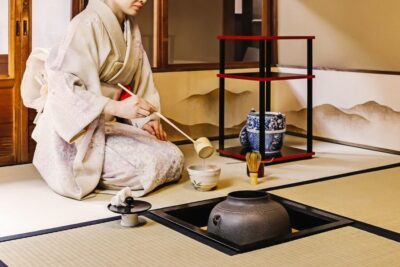
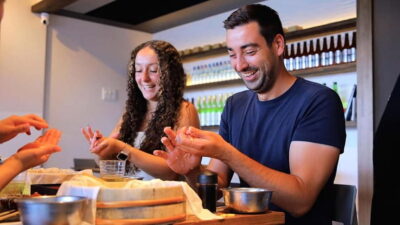
Roll and Authentic Sushi Making Class in Asakusa
Read our review →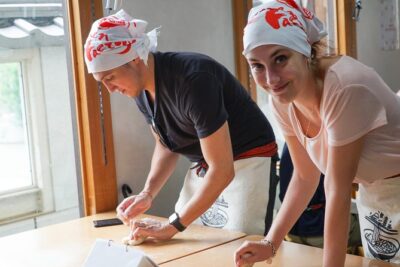
Ramen Cooking Class at Ramen Factory in Kyoto
Read our review →
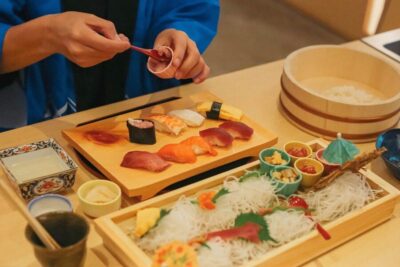
Sushi Making Class in a Happi Coat near a Famous Spot
Read our review →
Sushi Making Osaka Roll and Authentic Japanese Sushi Class
Read our review →Browse the lists this tour appears in