
Reviewed · WORKSHOPS
Tokyo: Chopstick Making Workshop with Artisan
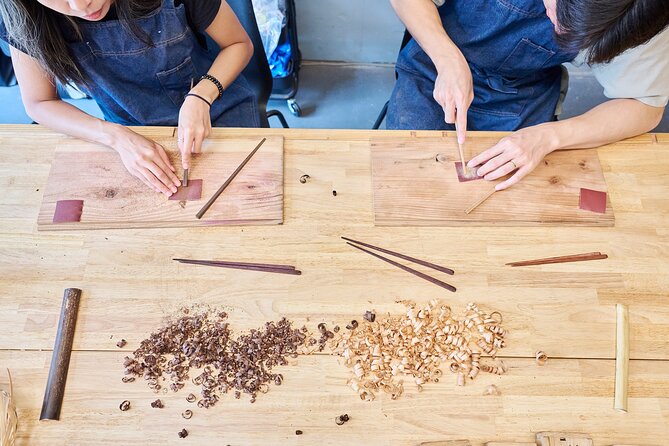
Tokyo is full of gadgets. Here you make something useful by hand. In a small-group workshop at Hashiyuki Chopsticks Shop & Workshop, you shape real wooden chopsticks with traditional tools, guided in English by the artisan team. I love the hands-on, calming feel, and I also like that you can personalize everything, then take your finished chopsticks home the same day. One thing to keep in mind is the session is only 1 hour, so you may feel a bit of time pressure if you need extra coaching.
What makes this workshop work so well is the way the guides slow things down when you hit a snag. Names that come up again and again include Yuki sensei, Angie sensei, Chihiro, and Kaana, with a common theme of patient, practical help. The only real caution is that one participant felt the pace was rushed in a small space, especially when groups were not starting in perfect sync, so pick a time that matches your comfort level.
Key Things to Know Before You Go
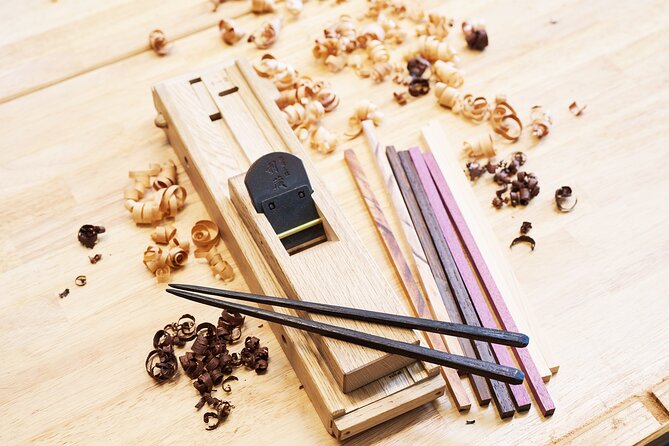
- You’ll carve and finish your own chopsticks, not just watch a demo
- English-speaking support helps beginners keep up without guesswork
- Choose from over 10 wood types, with 3 included free of charge
- Optional engraving is available, and one past participant strongly recommended it for gifting
- Small groups max out at 10, which keeps the workshop from feeling chaotic
- You take your chopsticks home the same day, wrapped and ready to use
Arriving at Hashiyuki Chopsticks Shop and Workshop, Misuji Neighborhood Vibe
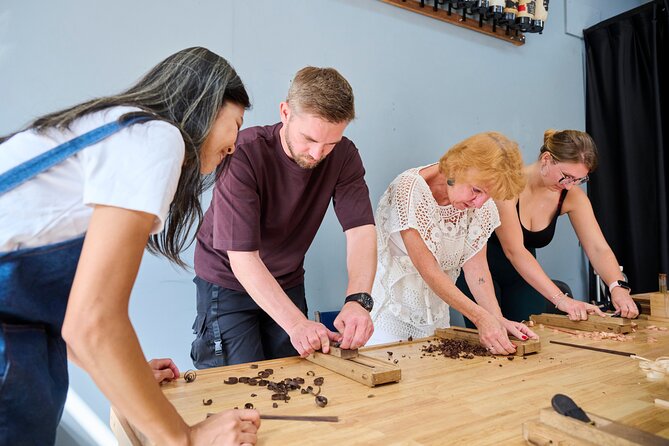
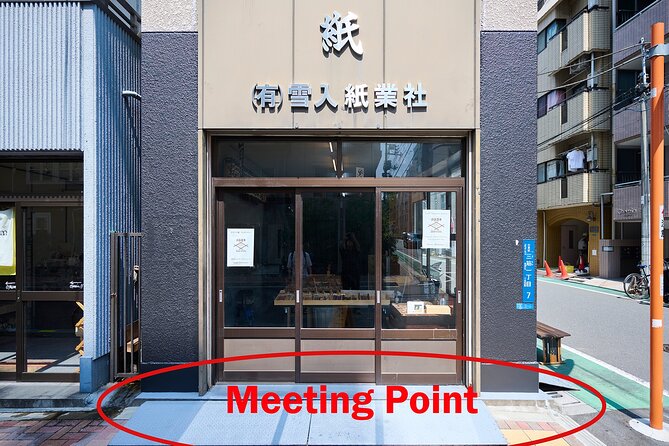
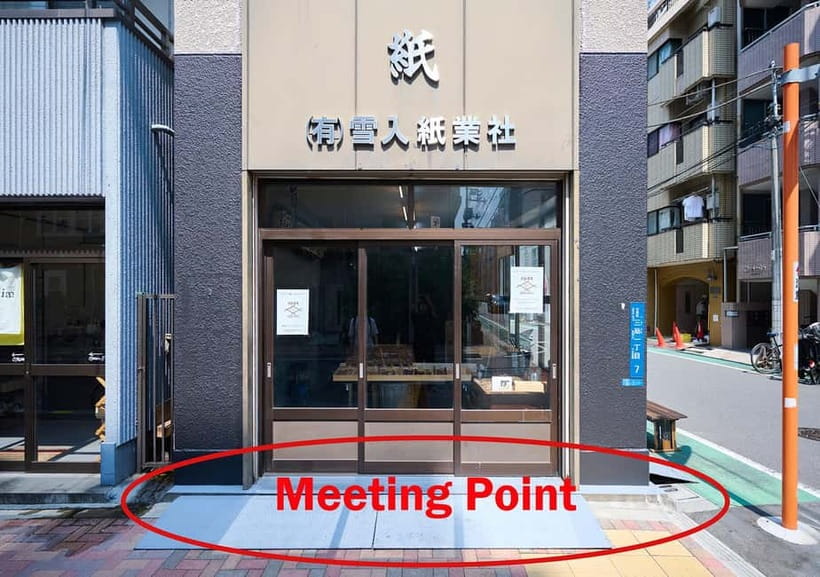
The meeting point is Hashiyuki Chopsticks Shop & Workshop, at 1-7-1 Misuji, Taito-ku, Tokyo (雪入紙業社). This is the kind of neighborhood stop you will enjoy even if you are not chasing a big-ticket attraction, because it feels like everyday Tokyo rather than a stage set. The workshop setting matters here: you are working in a craft space designed for hands-on instruction, not a lecture hall.
When you get there, plan to focus on one simple goal, making your chopsticks from rough wood to something smooth enough to feel good in your hand. You do not need special tools or prior experience. The whole setup is geared to get you started fast, and you’ll have staff on hand to guide you while you work.
A few more Tokyo days worth comparing
- Mt Fuji and Hakone 1-Day Bus Tour Return by Bullet Train
★ 5.0 · 26,383 reviews - 1-Day Tokyo Bus Tour
★ 5.0 · 14,250 reviews - Tokyo: TOKYO SKYTREE® Admission ticket
★ 4.5 · 11,192 reviews
Picking Your Wood Types, and How the Free Options Affect the Value
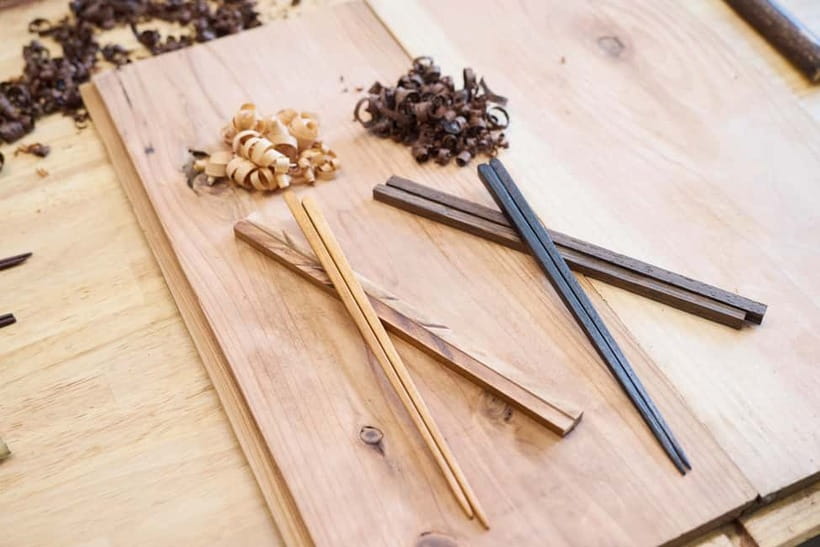
One of the smartest parts of this workshop is the wood menu. You can choose from over 10 types of wood, and 3 types are included free of charge. If you want something fancier, you can pay extra for additional high-grade woods, but you do not have to. That makes the $16 base price feel more honest, because you can control how much upgrade spending you want.
Here’s how to think about it: if you are treating this as a souvenir and want the most meaningful take-home, consider picking a wood that feels special to you visually and to the touch. If you are budget-conscious, start with one of the included options and spend your energy on the carving and finishing, not decision fatigue.
The 1-Hour Hands-On Session, From Shaping to Smooth Finish
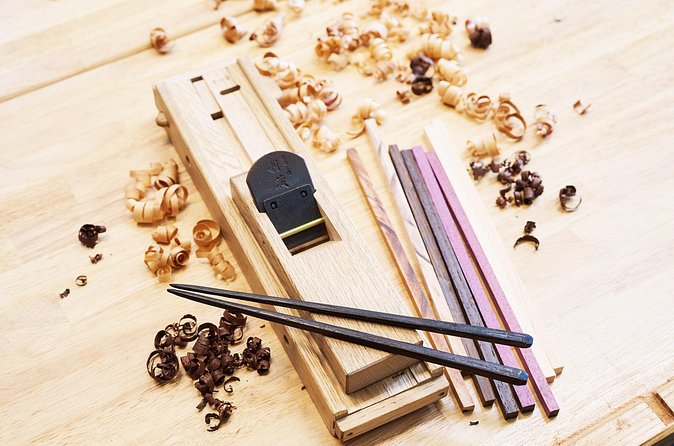
The workshop runs 1 hour, and it’s designed around steady, practical steps. You’ll use traditional tools and techniques to carve your chopsticks, then smooth the surface and finish them to a comfortable, usable feel. All tools and materials are provided, so you do not need to bring anything except your hands and patience.
From the feedback, the instruction style is a big reason people love the session. Past participants describe guides like Yuki sensei and Angie sensei as helpful with the details, and especially good at correcting small mistakes before they become frustrating. The goal is not perfection. It’s learning how the wood behaves, how to shave evenly, and how to sand or smooth until it feels right.
What the “Too Hard” Anxiety Is Really About
If you worry you’ll mess it up, you’re not alone. One theme in the reviews is that the workshop is challenging enough to feel satisfying, but not so difficult that you feel panicked. That balance is exactly what you want in a beginner-friendly craft. If you take your time with the shaping and keep asking for quick corrections, you’ll likely end up with chopsticks you are proud to use.
Same corner of Japan, a different kind of day:
- Tokyo: teamLab Planets TOKYO Digital Art Museum Entry Ticket
★ 4.6 · 9,779 reviews - Mt Fuji & Hakone Cruise, Drum Show Bullet Train 1 Day from Tokyo
★ 4.0 · 7,413 reviews - Tokyo: Sumo Show Experience with Chicken Hot Pot and a Photo
★ 4.8 · 6,678 reviews - Tokyo: Shinjuku Food Tour (13 Dishes at 4 Local Eateries)
★ 5.0 · 6,603 reviews
Time reality check
Even though it’s scheduled for 1 hour, one participant noted you could finish in about 30 minutes if you are already handy. Another participant felt the hour allocation could feel rushed, mainly because of how the staff managed multiple people in a limited space. The practical takeaway is simple: if you prefer a slow, leisurely pace, choose a session time that feels relaxed for you, not squeezed between other plans.
Learning Why Chopsticks Matter in Japan (Not Just How to Hold Them)
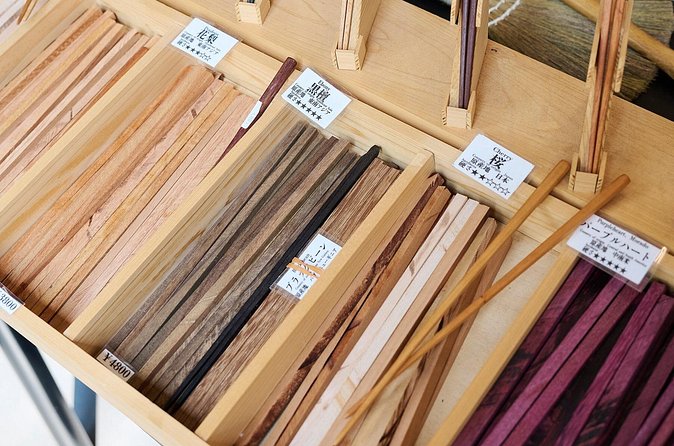
This workshop doesn’t treat chopsticks as a craft novelty. You’ll also learn about the cultural significance of chopsticks in Japan along the way. That adds meaning to what you are doing, because you’re not just making a souvenir, you’re creating an everyday object with etiquette and symbolism behind it.
It also helps you pay attention to details. When someone explains the why behind the tool, you tend to care more about the feel and the finish. The workshop staff also chat with participants, and one review even mentioned a friendly conversation comparing Japan and Scotland, which is a sweet reminder that learning can be part practical, part human.
Engraving and Personalization, Turning Chopsticks into a Real Gift
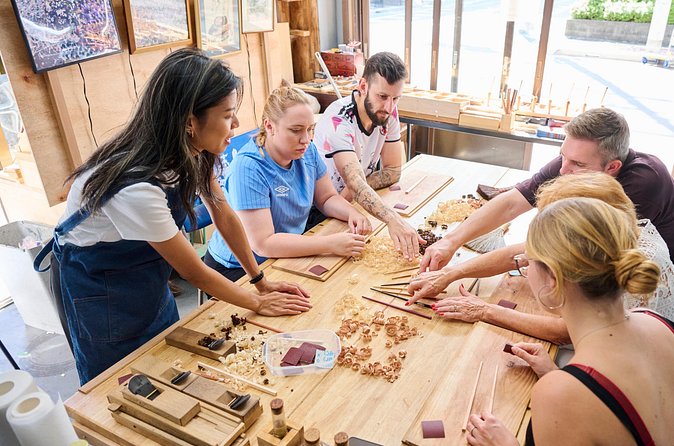
You personalize your chopsticks during the workshop, and there’s also an optional engraving upgrade available for an additional fee. One past participant specifically recommended spending the extra ¥1000 on engraving, calling it beautifully done. That makes sense: once your chopsticks are shaped and smoothed, engraving is what turns them from an item you made into something you can give with a story.
If you’re making chopsticks for a friend or partner, engraving is the easiest way to make it personal without adding much stress. If you’re making them for yourself, it’s also a fun way to mark the experience so they remind you of the day you stepped out of Tokyo’s rush and into a slow craft routine.
Small Groups, Staff Style, and Why You’ll Want to Ask Questions
Small group size is a core part of the experience design. The workshop is limited to 10 participants, which is why the guidance can stay hands-on. In the reviews, staff members are repeatedly described as encouraging, warm, and attentive. People singled out instructors for explaining instructions clearly and for sticking with you while you worked, including helping fix mistakes.
You’ll probably feel the difference immediately if you come in as a beginner. You are not left to figure things out alone. Instead, you get quick feedback on what to do next, and the staff can help you adjust your technique so you keep moving toward a good result.
The workshop has a social calm, not a factory feel
Several participants mentioned it felt peaceful and relaxing, a refreshing break from busy Tokyo days. That makes this workshop a smart plan when you want something that does not rely on crowds, lines, or translation stress. Even if you are traveling solo, the format is intimate enough that asking a question feels normal.
Price and Value: $16 for Skills, Plus Optional Wood and Engraving Upgrades
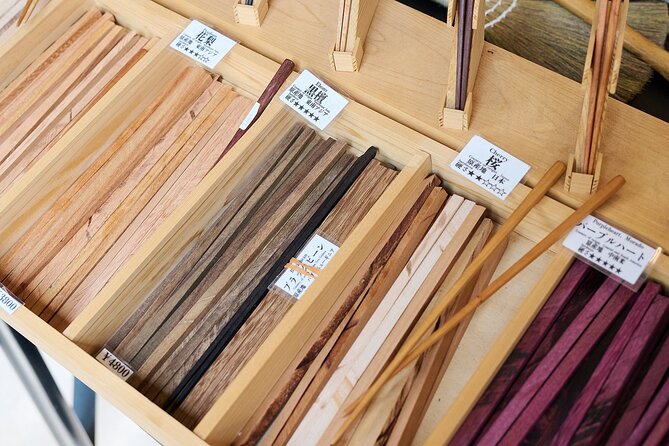
At about $16 per person, this workshop is priced like a value craft experience, not a luxury class. The math gets even better because the session includes tools, materials, and the workshop itself. And you are also getting a real take-home product you made by hand, something you can actually use at the table when you’re back home.
The only extra costs to consider are the choices you make during the session:
- You can choose from 3 included wood types free of charge
- Higher-grade woods cost extra
- Engraving costs extra (and is worth considering if you want a gift-ready souvenir)
In other words, you can keep it simple and stick close to the base price, or you can add a little spending to upgrade the look and emotional value. If you are the type who likes meaningful souvenirs, paying a bit more for wood and engraving can feel like a good trade for something lasting.
When This Workshop Is a Great Fit, and When to Rethink It
This is a great choice if you want a hands-on activity that feels culturally grounded and beginner-friendly. It’s also ideal if you like quiet, focused tasks, because several people highlighted how calming the workshop felt. Families also seem to enjoy it, including feedback from a family group spanning kids to adults.
It may be less ideal if your schedule is very tight and you hate any chance of feeling rushed. One review mentioned the process felt rushed because of staff managing the room and groups not starting in perfect unison. If you tend to need extra time with your hands, pick a session where you have breathing room after, so you do not have to rush your own questions.
Should You Book This Tokyo Chopstick Making Workshop?
If you want a Tokyo souvenir that is not just a fridge magnet, book it. The biggest reasons are simple: you’ll create something useful, you’ll learn why chopsticks matter culturally, and you’ll get patient English-speaking guidance in a small group. The 1-hour format also makes it easy to fit into a travel day without sacrificing your energy.
My decision rule is this: if you enjoy crafts, even slightly, or you want a calmer break from city noise, this workshop is a strong yes. If you are extremely time-sensitive or easily stressed by tight schedules, pick a time that gives you buffer, and focus on doing it right rather than going fast. Either way, you’ll leave with personalized chopsticks wrapped and ready, plus a story you can tell that sounds way better than I bought this in a shop.
FAQ
How much does the chopstick making workshop cost?
It costs $16 per person.
How long is the workshop?
The duration is 1 hour.
What is included in the price?
The price includes the chopstick making workshop, tools and materials, and you can choose from over 10 types of wood, with 3 types included free of charge.
Can I take my chopsticks home the same day?
Yes. You take your personalized chopsticks home the same day.
What languages are offered during the workshop?
The workshop has English-speaking staff, and languages listed are English and Japanese.
Is it a small group?
Yes. It’s a small group limited to 10 participants, and the workshop is wheelchair accessible.
Fresh options around Tokyo
- Private Harajuku Omotesando Architecture Tour★ 4.9 · 18 reviews
- Tokyo Shopping Street Hopping Private Tour with Government Licensed Guide★ 5.0 · 18 reviews
- Tokyo: Private Mount Fuji and Hakone Day Trip with Guide★ 4.5 · 18 reviews
- Small-Group Osaka-Style Okonomiyaki Cooking Class★ 5.0 · 18 reviews
- Hakone Private One Day Tour From Tokyo: Mt Fuji, Lake Ashi, Hakone National Park★ 5.0 · 18 reviews
- PERFECT 1 Day Tokyo Highlights Tour with a Private Car★ 5.0 · 19 reviews
- Shinto Shrine Tour: Explore Japanese Culture in Tokyo★ 5.0 · 18 reviews
- Night E-Scooter Ride to Tokyo Tower – No License Needed★ 4.9 · 19 reviews
Workshops, compared.
Sushi Making Tokyo Roll and Authentic Japanese Sushi Class
Read our review →
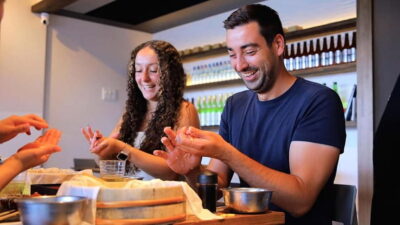
Roll and Authentic Sushi Making Class in Asakusa
Read our review →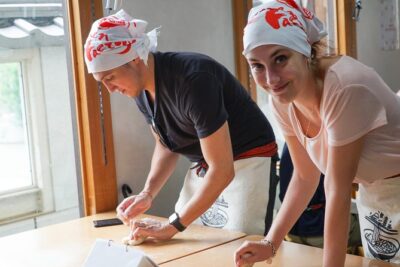
Ramen Cooking Class at Ramen Factory in Kyoto
Read our review →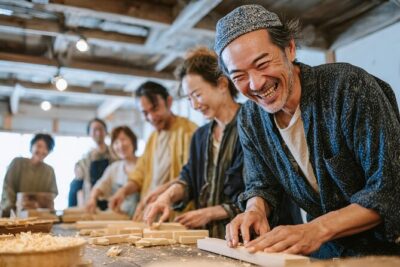
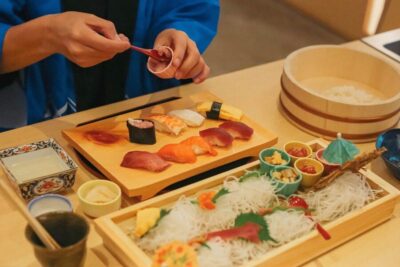
Sushi Making Class in a Happi Coat near a Famous Spot
Read our review →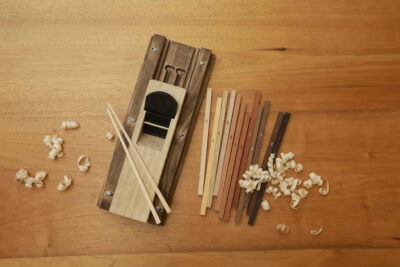
Sushi Making Osaka Roll and Authentic Japanese Sushi Class
Read our review →Browse the lists this tour appears in