
Reviewed · PRIVATE CAR WITH DRIVER
PERFECT 1 Day Tokyo Highlights Tour with a Private Car
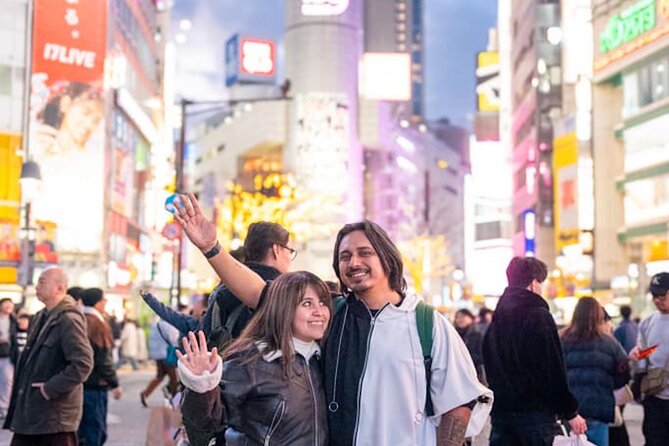
Tokyo in one day sounds intense. But this private highlights route makes it manageable. You get a private car for your group, no sharing with strangers, plus a plan built around big landmarks and strong photo stops like Shibuya Crossing.
Two things I especially like. First, it reduces time-wasting friction because key stops include admission and the day is organized around what you actually want to see. Second, the guide approach matters, and the strongest reviews mention an engaging guide named Ken who keeps the pace smooth and the day tuned to your interests.
One possible drawback: you do hit many areas, so each place gets a limited window. If you want long, slow wandering in just one neighborhood, this kind of fast, highlights-heavy format may feel a bit rushed, especially around crowded times and in bad weather when the route can shift.
Key things to know before you go
- Private car for your group: you avoid mixing with strangers and reduce transit stress.
- Admission included at key stops: Meiji Jingu Shrine, Tokyo Tower, and Hama-rikyu Gardens are covered.
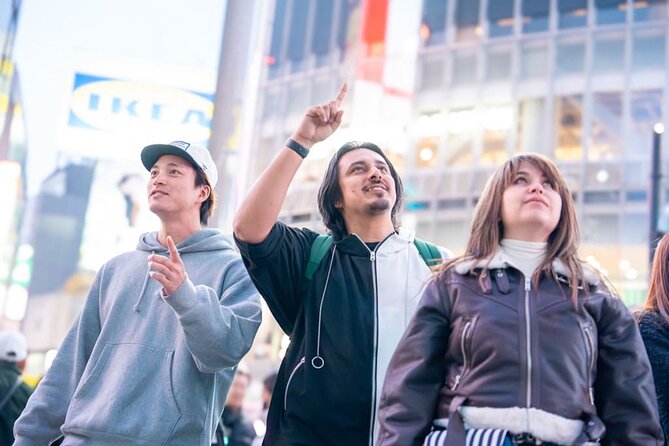
- A Shibuya Crossing photo plan: not only street level, but also an elevated view from a nearby observation deck.
- Food included for the day: your guide covers food and drinks, and vegetarian or vegan options are available.
- Designed to minimize line time: less waiting, more seeing.
- Flexible route if needed: if a site closes, your guide arranges a substitute, and weather or traffic can adjust the plan.
A 10-hour private day that actually feels organized
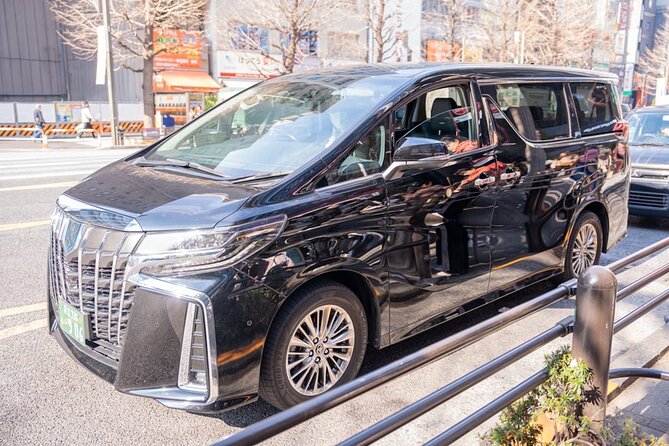
A full Tokyo day can turn into a whack-a-mole of trains, crossings, ticket counters, and lines. This tour is built to cut that chaos. You start with a morning pickup near Shinjuku, then ride efficiently in a private car to major stops, with a guide handling transitions and timing.
The other big reason this works is that the day is structured around landmarks that are easy to understand and fun to photograph. You’ll see Shinto and temple sites, Tokyo Tower views, traditional Asakusa street energy, and the pop-culture buzz of Akihabara, all without the guesswork of stitching together your own route.
And because it’s private, you can better manage your own comfort level. If you want a few extra minutes at a spot for photos, you’re not competing with strangers who have a different pace.
A few more Tokyo days worth comparing
- Mt Fuji and Hakone 1-Day Bus Tour Return by Bullet Train
★ 5.0 · 26,383 reviews - 1-Day Tokyo Bus Tour
★ 5.0 · 14,250 reviews - Tokyo: TOKYO SKYTREE® Admission ticket
★ 4.5 · 11,192 reviews
Price and value: what you pay for, and what you get
At $459.81 per person for about 10 hours, this is not a bargain-basement tour. You’re paying for three things that are hard to replicate on your own without time and effort:
- Transportation that does the heavy lifting: a private car for a day with multiple districts.
- Included admissions at major attractions: Meiji Jingu Shrine, Tokyo Tower, and Hama-rikyu Gardens.
- A guided food plan: lunch is arranged, and the guide’s food and drinks are covered.
Where the value really shows is in the hidden time savings. Ticket lines and transit friction can eat up a surprising chunk of a short Tokyo visit. By bundling key admissions and smoothing the travel between neighborhoods, you get more minutes at sights and less time stuck waiting.
That said, it’s still a highlights route. You’re not buying a slow, deep neighborhood study. You’re buying a well-timed day that checks off classic Tokyo with strong photo payoff.
Meeting point in Shinjuku, then the day starts clean
Your day begins at Tiffany & Co. Shinjuku Store, in Shinjuku (3-chōme-30-11, Shinjuku, Shinjuku City, Tokyo). Start time is 9:00 am, and you return to the meeting point when the tour ends.
Why this matters: Shinjuku is a convenient hub, so you’re not starting your day across the city in a hard-to-reach spot. Also, meeting at a recognizable storefront reduces the usual first-20-minute stress that comes with vague “near the station” instructions.
One more practical note: you’ll want comfortable walking shoes. Even when time at each stop is limited, you’ll still be moving around temple grounds, market streets, and viewpoints.
Meiji Jingu Shrine: Shinto calm and a good morning rhythm
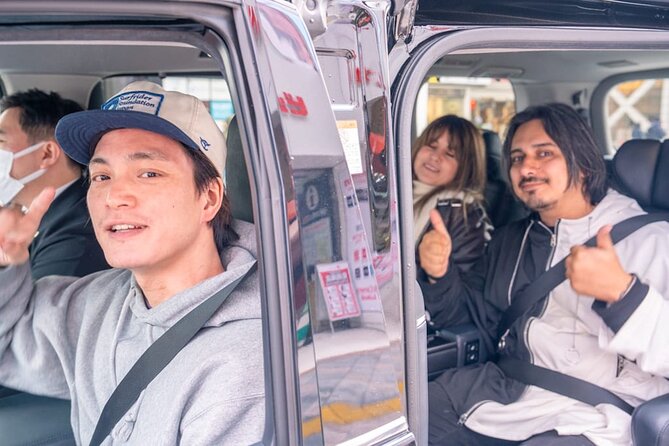
First stop is Meiji Jingu Shrine. The day kicks off with about an hour here, and admission is included.
What makes this stop worth your time is the contrast it creates. Tokyo can feel loud and fast, then Meiji Jingu gives you a calmer, more grounded start. It’s a classic way to see another side of Japan’s spiritual culture before you switch gears into markets, tech, and neon.
Practical tip for photos: early in the day usually gives you better light and fewer crowds than later. Your guide can also help you pick practical angles rather than you spending time hunting for them.
Potential drawback to consider: your time window is fixed. If you’re the type who likes to linger for long stretches, you may feel a little time pressure, but the tradeoff is that the day keeps its overall pace.
Same corner of Japan, a different kind of day:
- Tokyo: teamLab Planets TOKYO Digital Art Museum Entry Ticket
★ 4.6 · 9,779 reviews - Mt Fuji & Hakone Cruise, Drum Show Bullet Train 1 Day from Tokyo
★ 4.0 · 7,413 reviews - Tokyo: Sumo Show Experience with Chicken Hot Pot and a Photo
★ 4.8 · 6,678 reviews - Tokyo: Shinjuku Food Tour (13 Dishes at 4 Local Eateries)
★ 5.0 · 6,603 reviews
Tsukiji Fish Market: food-focused wandering without the ticket hassle
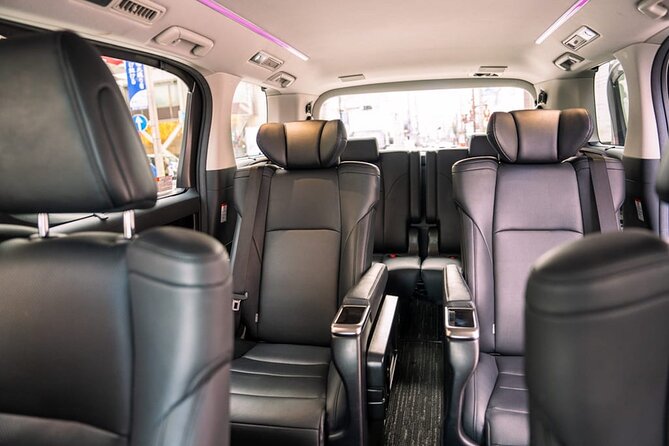
Next comes Tsukiji Fish Market for about an hour. Admission is listed as free here, and the tour is set up as a food tour with street foods and sweets recommended by local guides.
This is a very Tokyo way to travel. You get to sample without turning the trip into a logistics puzzle. Since the guide’s food and drinks are covered, you’re not constantly doing small add-ons. Just tell your guide any dietary limits ahead of time, and vegetarian and vegan options are available.
What you can expect is more than just watching stalls. The format is meant for eating and tasting, so you’ll likely get guidance on what’s easy, what’s worth it, and what to skip if you want to avoid wasteful overbuying.
One caution: markets can be crowded. Even with a good route, you might feel shoulder-to-shoulder at peak times, so keep expectations realistic.
Asakusa and Senso-ji: classic streets, quick hits, and smart shopping time
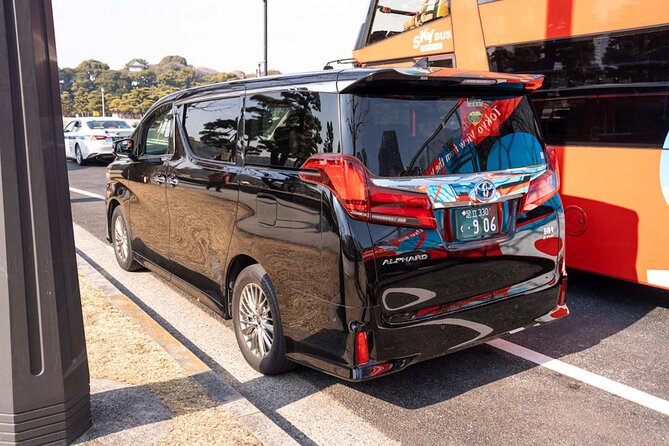
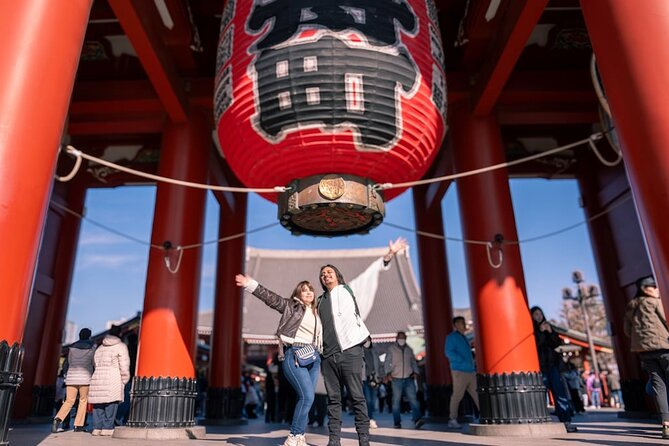
You then head into Asakusa for about 30 minutes, followed by another 30 minutes at Senso-ji Temple. Both are listed as free for admission.
Asakusa is where Tokyo shows you its older side in a very walkable way. Even in a short time window, you can get the feel of the neighborhood: temple atmosphere, souvenir shopping, and the street-level energy that people come for again and again.
Senso-ji is the centerpiece. You’ll also have time for food tasting on the surrounding streets, plus shopping around the area. Because the tour includes food coverage through the guide, you can focus on choosing what sounds good rather than working out the budget in real time.
Time reality check: Asakusa is easy to overstay because there’s always something to look at. Here you’ll get enough time to enjoy it, but not enough to fully master the neighborhood. If this is your top priority, it might be worth planning one extra self-guided return later.
Akihabara: arcades, tech energy, and an easy reset
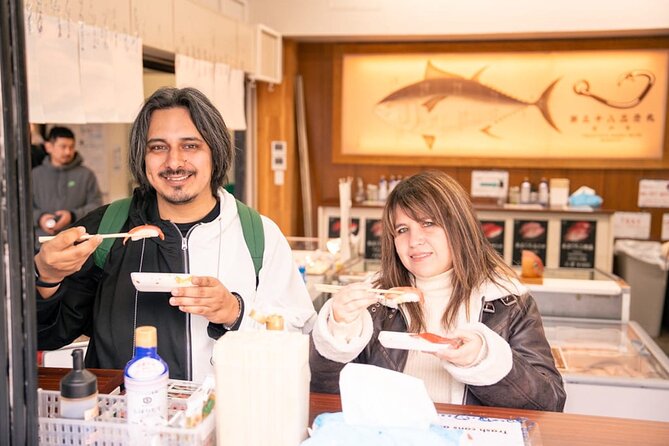
About an hour in Akihabara follows. Admission is listed as free for this stop.
Akihabara can be a shock of different Tokyo modes. One minute you’re near traditional temple streets, the next you’re in a district devoted to electronics, games, and the kind of geek culture that feels like a Tokyo-specific universe.
The tour focus here is fun and activity. You’ll have time for arcade games and general wandering, which is a nice mental reset after religious and market sites.
Possible consideration: if you’re not into games, tech stores, or pop culture, you might prefer using that time for another neighborhood. On the other hand, even non-gamers often find Akihabara interesting because it’s visually loud and very different from the rest of the day’s stops.
Zojo-ji and lunch: a scenic pause with a skyline view
You’ll take a lunch break after Akihabara. The tour states that lunch is at a spot chosen by your guide, and admission for Zojo-ji is listed as free. The stop is about an hour.
This part of the day works because it’s a structured recovery. After temple walking, market tasting, and arcade energy, lunch gives you a mental reset before the big skyline moments.
Zojo-ji is the next highlight, and the tour describes it as offering serenity with impressive city views. That combo is exactly what makes this stop useful: you get a temple setting without giving up the Tokyo backdrop.
Food note: since the guide’s food and drinks are covered, you’re not forced into a rushed, budget-limited choice. If you told them dietary restrictions when booking, this is when those arrangements usually pay off.
Tokyo Tower: climb for views, and let the guide pick angles
Next up is Tokyo Tower for about 30 minutes, and admission is included. This is one of the cleanest “big Tokyo view” stops on the route.
Why it’s on a highlights day: Tokyo Tower gives you a clear skyline moment, and it’s easy to compare how the city looks from up high compared with street level.
Your guide will recommend the best photo spots, and that matters more than you’d think. Getting a good angle at Tokyo Tower is partly about timing and partly about knowing where people naturally queue. With a guide, you spend less time scanning and more time shooting.
Practical advice: plan for short climbs and stair or elevator movement depending on the tower setup. Even with a fixed 30-minute slot, you’ll want to move with purpose so you don’t lose your view time.
Hamarikyu Gardens: tea break in Edo-era grounds
After Tokyo Tower, you’ll head to Hama-rikyu Gardens for about an hour, with admission included. The plan includes a peaceful tea break where you can sip matcha and enjoy garden views that were associated with Edo-period shoguns.
This stop is valuable because it slows the whole day down in the best way. Instead of “one more photo point,” you get a calmer break with a drink and a garden setting. It’s a strong way to balance the high-energy districts like Akihabara and Shibuya.
Since the route includes matcha time, you can treat this as a reset before the final Tokyo energy burst. If you’re tired, this is where you catch your breath and refuel.
Time consideration: it’s one hour total, so don’t plan to see every corner like you would on a standalone garden visit. Plan to enjoy the area you get access to and take your time during the tea break.
Shibuya Crossing and the upper view: the Tokyo finale
Your last major district is Shibuya. You’ll spend time around Shibuya Crossing, described as the busiest intersection in the world, then also head to a nearby observation deck for a view above.
The tour splits this into two parts: time at Shibuya crossing itself and time for the elevated view. Even if you know the crossing from photos, there’s a difference between seeing it on a screen and being there in person, with the noise, movement, and scale.
What I like about this end of day format is that it gives you two perspectives:
- Street level, where you feel the crowds and the “people current.”
- Higher up, where you can understand the pattern of the intersection.
That structure makes photos easier too. You’re not taking everything from one angle. You can capture both the iconic chaos and a more organized view.
One caution: Shibuya can be crowded at nearly any time, and the crossing area is designed for maximum foot traffic. Wear shoes you can stand in, and keep your bags secured.
Food, drinks, and dietary needs: how to avoid stress
The tour specifically says your guide’s food and drinks are covered, and you should inform the guide of dietary restrictions when booking. Vegetarian and vegan options are available.
This is more useful than it sounds. When food is covered, you stop making constant micro-decisions about what fits your budget. And when your needs are known ahead of time, your guide can pick options that keep you from ending up in a place where you have limited choices.
If you have allergies, still flag them clearly when booking. The tour data only states vegetarian and vegan options are available, not allergy specifics, so clearer communication helps.
Getting the most out of limited time at each stop
This is a fast highlights tour. That’s the whole model. To make it feel like a win, you should set expectations properly:
- Think of each stop as a “taste” rather than a full day of exploration in that one area.
- Prioritize photos at the stops that you care about most, and let your guide handle the rest.
- If you see something you love during a short visit, take a photo early, then decide if it’s worth a second look.
The biggest value comes from the route working as a chain. Each neighborhood transition is planned so you don’t waste time. The private car also helps you avoid long, stressful jumps across Tokyo’s busiest areas.
Weather and closures: what happens if Tokyo throws a curveball
Tokyo weather can shift fast, and traffic patterns change. The tour notes that if visibility is limited due to weather, refunds are not provided for that issue. It also says the guide may adjust the itinerary or arrange a substitute if a facility unexpectedly closes.
This isn’t a reason not to book, but it is a reason to keep your expectations flexible. If you’re someone who needs exact outdoor conditions, you might want backup plans. If you’re open to “seeing Tokyo my way today,” then this tour style will feel more comfortable.
Who should book this private Tokyo highlights day?
This tour fits best if you:
- Want a private day, not a shared-group schedule.
- Have limited time in Tokyo and want the big-name landmarks.
- Prefer less waiting and more time at the sights, especially for ticketed stops.
- Like a mix of tradition (Meiji Jingu, Senso-ji, Zojo-ji), food wandering (Tsukiji and street tasting), and modern pop culture (Akihabara).
You might want something else if you:
- Want to spend hours in one neighborhood rather than sampling many districts.
- Don’t care about Tokyo Tower or gardens, which are part of the route.
- Prefer DIY control over restaurant choices, since lunch is chosen by your guide.
Should you book this tour?
I’d book it if you’re the kind of traveler who hates logistics more than sightseeing. The structure, private car comfort, included admissions at key stops, and food coverage turn your day into something simpler than planning a route from scratch.
I’d skip or pair it with extra time if your priorities are more niche. For example, if you want deep shopping time in one area, or long temple stays, a 10-hour highlights plan may feel like it moves on before you’re ready.
If you do book, one practical move is to plan your top two or three priorities in advance. Tell your guide what you care about most, and you’ll get the most out of the day, including at the photo-heavy stops like Shibuya Crossing and Tokyo Tower.
FAQ
How long is the Perfect 1 Day Tokyo Highlights Tour?
It runs for about 10 hours.
Where does the tour start and what time does it begin?
The tour starts at Tiffany & Co. Shinjuku Store in Shinjuku, with a start time of 9:00 am.
Is this tour private or shared with strangers?
This is a private tour, so only your group participates.
What is included in terms of transportation?
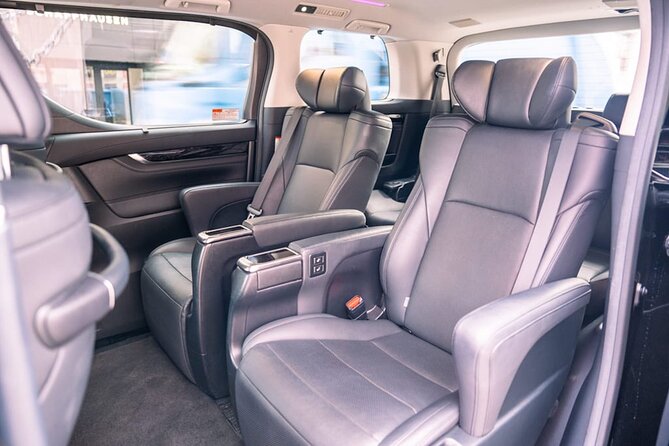
Pickup is offered, and the tour uses a private car for the day.
Are admissions included?
Admission tickets are included for Meiji Jingu Shrine, Tokyo Tower, and Hamarikyu Gardens. Other listed stops show free admission.
Does the tour include food and lunch?
Yes. Lunch is included, and food and drinks covered by your guide do not require additional payment. Vegetarian and vegan options are available if you share dietary restrictions at booking.
What stops are on the route?
The day includes Meiji Jingu Shrine, Tsukiji Fish Market, Asakusa, Senso-ji Temple, Akihabara, Zojo-ji, Tokyo Tower, Hamarikyu Gardens, and Shibuya including Shibuya Crossing and a nearby observation deck view.
What happens if something is closed or weather affects plans?
If a facility is unexpectedly closed, your guide will arrange a suitable substitute within the planned route. The itinerary may be adjusted or canceled depending on weather or traffic conditions, and refunds are not provided for limited visibility due to weather.
Fresh options around Tokyo
- Tokyo: Nikko Kegon Falls Lake Chuzenji Toshogu Temple & More★ 4.9 · 12 reviews
- Tokyo: Samurai History Walking Tour★ 5.0 · 12 reviews
- Harajuku: Kawaii Fashion and Pop-Culture Tour★ 4.7 · 12 reviews
- Tokyo: Mt. Fuji & Lake Kawaguchi Instagram Full Day Trip★ 4.1 · 12 reviews
- Shibuya Tokyo: Modern Kintsugi Workshop in Shibuya★ 5.0 · 12 reviews
- Tokyo: GTR Guided Daikoku Experience at Night★ 5.0 · 12 reviews
- Tokyo: Daikoku JDM Car Culture Tour★ 4.6 · 12 reviews
- Mt Fuji Private Day Trip from Tokyo with English speaking driver★ 5.0 · 13 reviews
Private Car with Driver, compared.
Tokyo Private Sightseeing Tour by Car- English speaking chauffeur
Read our review →
Tokyo Private Tour by Vehicle with English-Speaking Chauffeur
Read our review →Mt FUJI Day Tour with Private Car and English Speaking Guide
Read our review →
Private Car Tour to Mt. Fuji Lake Kawaguchiko or Hakone
Read our review →
Kyoto Private Car Tour – Full Day with Local Guide & Nara Option
Read our review →
Mt Fuji Exclusive Tour with Private Car English Guide
Read our review →
Tokyo Private Customizable Tour with English Speaking Chauffeur
Read our review →Browse the lists this tour appears in