
Reviewed · WORKSHOPS
Experience the Soul of Hiroshima: A Peaceful Koto Workshop
Turn silence into music fast.
This Hiroshima koto workshop blends hands-on playing with a moving peace theme, taught in English and designed for beginners. I especially love how the class connects the instrument to Fukuyama City, the koto-making heartland, and how you don’t just hear a story, you end up performing a piece called Echo of Serenity. One consideration: it is only 90 minutes, so you may wish you had a bit more time to feel totally at home with every technique.
You’ll also appreciate the calm, creative pace, especially since it takes place in a peaceful studio within walking distance of Peace Memorial Park. I’m a fan of the small-group format (limited to 6), because you get enough attention to correct posture and hand position without feeling rushed. The main drawback I’d plan for is that it’s not geared to kids under 10, so families with younger children will need to look at other activities.
Key things to know before you play koto in Hiroshima
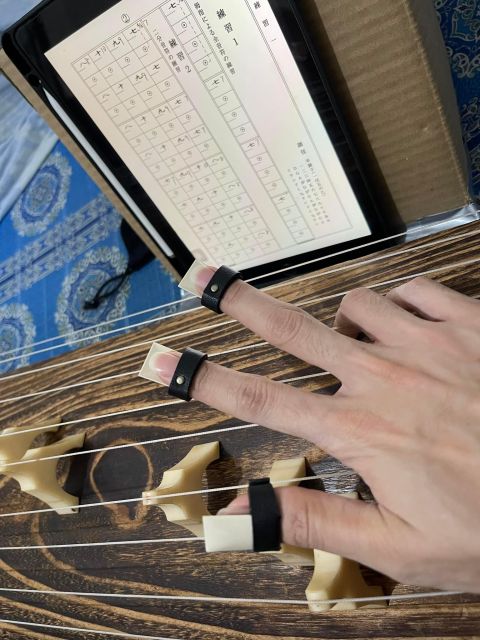
- Fukuyama-crafted koto you can actually play, tied to the region that produces over 70% of Japan’s kotos
- 1300-year instrument history and a look at how the koto’s parts carry meaning
- A purpose-built peace performance featuring Echo of Serenity, honoring atomic bomb victims
- Beginner-friendly teaching in English, from posture to plucking technique
- A keepsake video recording of your group performance, plus a fold-and-spread origami crane
- A small group of up to 6, which helps you learn at a human pace (and not like a factory class)
Why Hiroshima’s peace message fits a koto so well
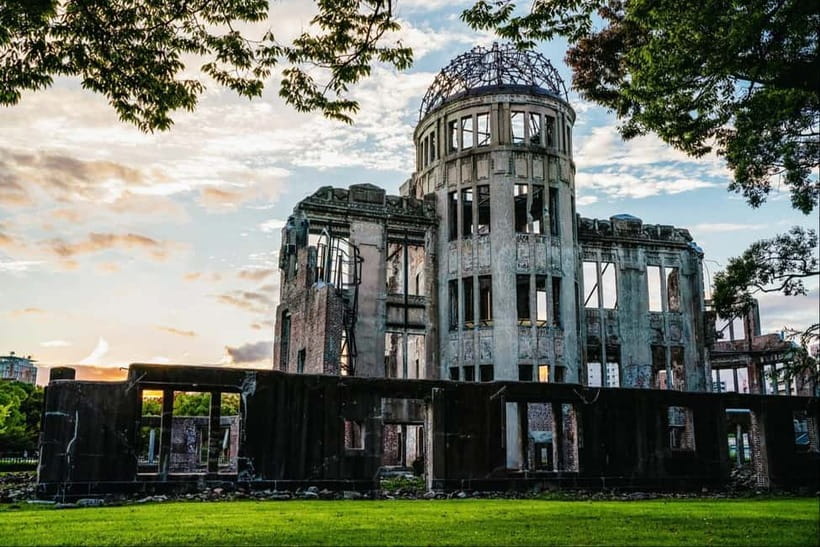
Hiroshima has a particular kind of quiet. Even when you’re surrounded by museums and crowds, the city still encourages slower thinking, and this workshop leans into that tone.
The connection starts with the koto itself. It’s a 13-string instrument with a history often traced back more than 1,300 years, and the class doesn’t treat that as trivia. You get the symbolism behind parts of the instrument’s design, and it helps you understand why this music can feel both elegant and serious. In a city where peace is not a slogan but a lived memory, that matters.
Then there’s the actual centerpiece piece: Echo of Serenity. It’s described as a haunting composition honoring atomic bomb victims. Hearing and learning it on a koto changes the experience from listening to history, to shaping history through sound. You won’t need to be a musician for the emotions to land, because the structure of the lesson builds your confidence step by step.
A few more Hiroshima days worth comparing
- Peaceful Hiroshima & Miyajima UNESCO 1 Day Bus Tour
★ 5.0 · 5,309 reviews - Hiroshima: Hiroshima and Miyajima UNESCO Sites 1-Day Tour
★ 4.9 · 2,330 reviews - Hiroshima / Miyajima Full-day Private Tour with Government Licensed Guide
★ 5.0 · 1,298 reviews
Price and time: why $50 feels fair for 90 minutes
At $50 per person for a 90-minute class, this isn’t an all-day cultural show. It’s a focused, hands-on lesson with a clear endpoint: you learn basics and then play as part of a group piece.
Here’s what you get for your money that makes the price feel reasonable:
- Real instruction on posture and plucking technique, not just a demo
- The chance to play toward a complete piece during your session
- A recording of your performance, so you don’t leave with only a fuzzy memory
- Small-group attention, since the class is limited to 6 participants
- Soft drinks after, and coffee, tea, and juice during the experience
Is it long enough to become comfortable? Probably not, and that’s the honest tradeoff. One person wanted a longer class to get more familiarity with the instrument. Still, the workshop is designed for first-timers. If you treat it like a first chapter, it works. If you want mastery, you’ll likely book a longer series or buy a koto and keep going.
Finding the studio near Peace Memorial Park without stress
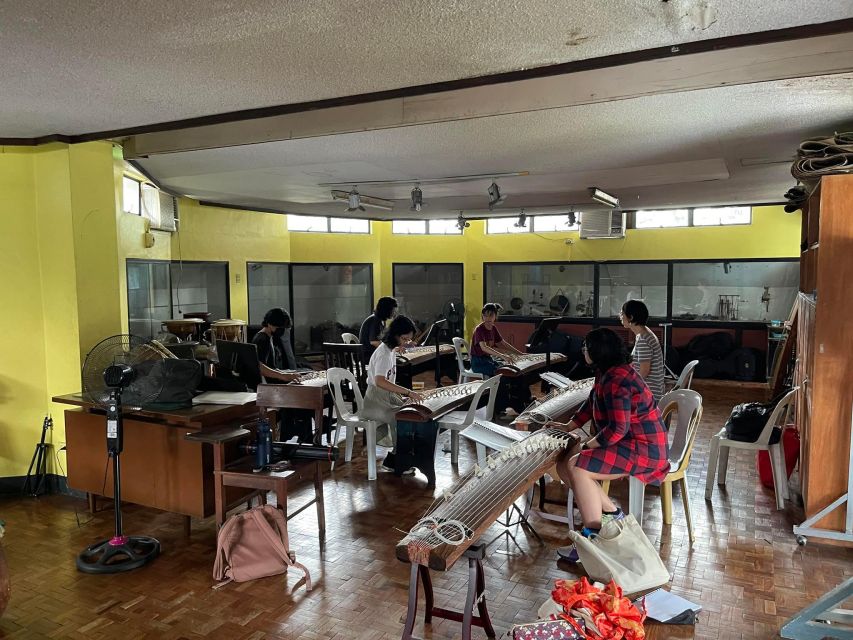
You start at 石田第2ビル (Ishida Dai 2 Building). The class happens on the second floor, and it’s within walking distance of Peace Memorial Park, so you can pair this with a museum visit if you plan your time.
For the streetcar route, the directions are straightforward:
- Get off at Tatemachi station
- Go straight toward YMCA past Tully’s Coffee
- When you see Gokku 悟空 (an okonomiyaki restaurant), turn right
- Look for the workshop sign, then go up to the second floor
Practical tip: give yourself a few extra minutes to locate the sign. Hiroshima’s streets are easy, but you don’t want to be late, especially since you’ll want time to settle and get posture coached before you start plucking.
What really happens in the 90-minute koto lesson
The workshop follows a purposeful arc, and that’s one reason it feels effective even for beginners.
Same corner of Japan, a different kind of day:
- Hiroshima Historical Walking Tour – Why A-Bomb was Dropped
★ 4.8 · 893 reviews - Hiroshima Peace (Heiwa) Walking Tour at World Heritage Sites
★ 5.0 · 872 reviews - Hiroshima in a Nutshell: Morning Bike Adventure
★ 5.0 · 524 reviews - Hiroshima City 4hr Private Walking Tour with Licensed Guide
★ 5.0 · 437 reviews
Step 1: Learn the koto basics (and your body positions)
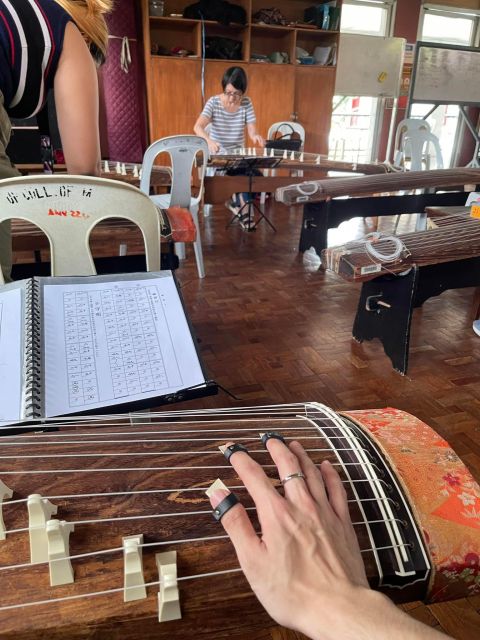
You won’t just be handed a script. The instructors guide you through essentials like posture and how to sit so the instrument sits correctly in front of you. Since koto playing depends on hand position and plucking angle, early corrections make a big difference quickly.
You also learn fundamental plucking technique. Even if your first notes are more like experiments than music, the lesson builds from those basics toward the piece you’ll perform.
Step 2: Get the instrument story, then connect it to the music
Expect explanation of:
- the koto’s legacy
- the 1300-year history
- how the instrument’s parts are symbolically understood
- why this area matters through Fukuyama City, the koto craftsmanship heartland
One thing I like about this structure is that you don’t learn history in a vacuum. You learn the story, then you put your hands back on the strings, so the meaning stays attached to the sound.
Step 3: Learn the special piece and build toward group playing
The class focuses on a piece created for this session theme, Echo of Serenity. English instruction keeps the learning curve manageable. The goal is not perfection. The goal is that, by the end, you’re part of a group ensemble.
In past sessions, teachers have explained the history first and then built exercises leading into the performance. Names that have come up include Vincent and Nicholas, and both styles seem to share a key habit: they guide you from simple technique into a full piece without making it feel like a music theory exam.
Step 4: Your finale, as a group performance
Near the end, you perform together. That final moment is where the workshop becomes more than a lesson. Because the piece honors atomic bomb victims, the group performance feels like a calm, respectful collective act.
And yes, it’s recorded. You’ll receive a video recording of your performance as a keepsake, so you can relive the moment without needing perfect memory.
Fukuyama koto craftsmanship: the detail that makes the music sound better
The workshop highlights an important detail that many “try a Japanese instrument” experiences skip: the specific regional craftsmanship behind the koto.
Fukuyama City is described as the koto-making heartland, and it’s credited with producing over 70% of Japan’s kotos. That tells you something practical. Instruments made with refined craftsmanship are easier to play cleanly, and their resonance carries more clearly.
Even if you can’t tell the difference on day one, you’ll feel it. A well-made instrument responds. Notes bloom instead of sounding dull. That response helps beginners progress faster because you get feedback immediately.
It also makes the workshop’s message more grounded. You’re not just learning a “cultural souvenir” activity. You’re learning on an instrument with a strong local identity, and that identity connects back to the Hiroshima region’s wider cultural story.
How Echo of Serenity changes the vibe of a “music class”
Most music workshops end with a song. This one ends with a message, and that changes your emotional tempo.
The composition is described as honoring atomic bomb victims, and you’re taught to play it in a calm, creative environment. When the group plays together, the sound carries a sense of reflection. You’re not being asked to perform grief. You’re being invited to use music as remembrance.
A nice touch is the combination of learning and reflection:
- You hear the composition and its meaning
- You feel the resonance while you learn
- You join the ensemble and contribute to the final sound
It makes the experience feel thoughtful without turning it into something heavy and awkward. If you like cultural activities that are meaningful, not just decorative, this fits.
Your keepsakes: video plus a Hiroshima peace crane
You take home a couple of things, and they’re both linked to the peace theme.
First, you get the video recording of your performance. For beginners, that’s a huge practical win. It lets you watch what you did, without trying to judge yourself on the spot.
Second, you receive an origami crane, described as Hiroshima’s symbol of peace. It’s a small object, but it works as a reminder you can share. If you’re traveling with family or a couple friends, the crane gives you something tangible to explain in one minute.
There’s also an optional path if you want to keep the hobby going: it’s possible to purchase a koto on the spot, and after you return home, you can continue lessons online. The workshop doesn’t pressure you to buy. It simply leaves the door open.
Small groups, English instruction, and who this is best for
This workshop is built for people who don’t already read music or play an instrument. The class is in English, and it explicitly says no Japanese is needed. Ages 10+ are welcome, so it’s a solid option for older kids who are curious and not easily frustrated by new tasks.
I think this is especially good for:
- couples who want a shared activity that feels different from standard sightseeing
- friends looking for a memorable group moment
- solo travelers who like to meet people without it feeling like a big tour bus
- families with kids 10 and up who can follow straightforward instructions
The small group size matters here. With up to 6 participants, the instructor can correct posture and technique without leaving you guessing. That’s a big deal when you’re learning something physical, like how to sit and pluck.
If you’re traveling with younger children under 10, you’ll need to skip this one and choose another activity in the area.
Practical tips to get the most from your session
A few things can make your koto experience smoother:
- Wear comfortable clothes that let you sit and adjust without fuss.
- If you arrive early, use the walking distance to Peace Memorial Park to set a quiet mood. The workshop space is described as peaceful, so you’ll get more out of it if you’re not rushing.
- Keep your expectations realistic. You’ll learn the basics and play toward a complete piece within 90 minutes. You’re aiming for a satisfying first performance, not a conservatory audition.
- If you enjoy it, ask about continuing online lessons and whether buying a koto makes sense for your travel budget.
Also, note the basic rules: pets are not allowed (assistance dogs are allowed), and alcohol and drugs are not allowed. That helps explain why the environment stays calm and respectful.
Should you book this Hiroshima koto workshop?
If you want a hands-on Hiroshima experience that connects art to peace without requiring any prior skill, I’d book it. The value comes from the combination: English instruction, a small group, a structured 90-minute progression, and keepsakes like the performance video and origami crane.
I’d especially recommend it if you:
- like cultural activities where you leave with a real skill, even a beginner one
- want an emotional, reflective activity near Peace Memorial Park
- enjoy learning instruments with a strong regional story, like Fukuyama koto craftsmanship
The only real reason to hesitate is time. If you think you’ll feel “shortchanged” unless you master the instrument, this workshop may leave you wanting more. But if you treat it as the start of a musical memory, it delivers.
If you’re in Hiroshima anyway and want something calm, meaningful, and genuinely different from sightseeing photos, this is an easy yes.
Fresh options around Hiroshima
- Hiroshima and Miyajima Full Day Private Tour★ 4.5 · 19 reviews
- 4 Hour Miyajima PRIVATE Tour★ 5.0 · 19 reviews
- Hiroshima Private Walking Tour with a Local★ 4.5 · 19 reviews
- Hiroshima Scenic Cycling Guided Tour★ 5.0 · 19 reviews
- Miyajima Guided Tour and Fresh Oyster Farm Tour★ 5.0 · 20 reviews
- Hiroshima: Atomic Bomb Dome and Peace Memorial Museum 3 hours★ 5.0 · 20 reviews
- Hiroshima: Tour of Atomic Bomb Dome & Peace Memorial Museum★ 5.0 · 20 reviews
- Hiroshima: City and Miyajima Bike and Boat Tour★ 5.0 · 20 reviews
Workshops, compared.
Sushi Making Tokyo Roll and Authentic Japanese Sushi Class
Read our review →
Roll and Authentic Sushi Making Class in Asakusa
Read our review →
Ramen Cooking Class at Ramen Factory in Kyoto
Read our review →
Sushi Making Class in a Happi Coat near a Famous Spot
Read our review →
Sushi Making Osaka Roll and Authentic Japanese Sushi Class
Read our review →Browse the lists this tour appears in