
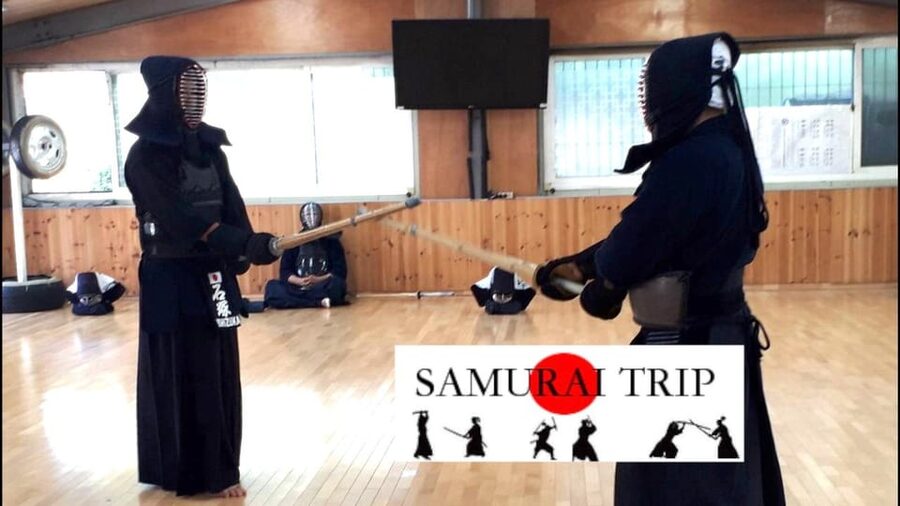
Reviewed · SAMURAI & NINJA EXPERIENCES
Osaka: Kendo Workshop Experience
Kendo in a real dojo beats the usual photo-op. This Osaka workshop gives you hands-on practice with bamboo swords and respectful dojo etiquette, plus safety-minded coaching. One catch: this is physically active, and it is not a fit for everyone, especially kids under 9, anyone pregnant, or people with mobility limits.
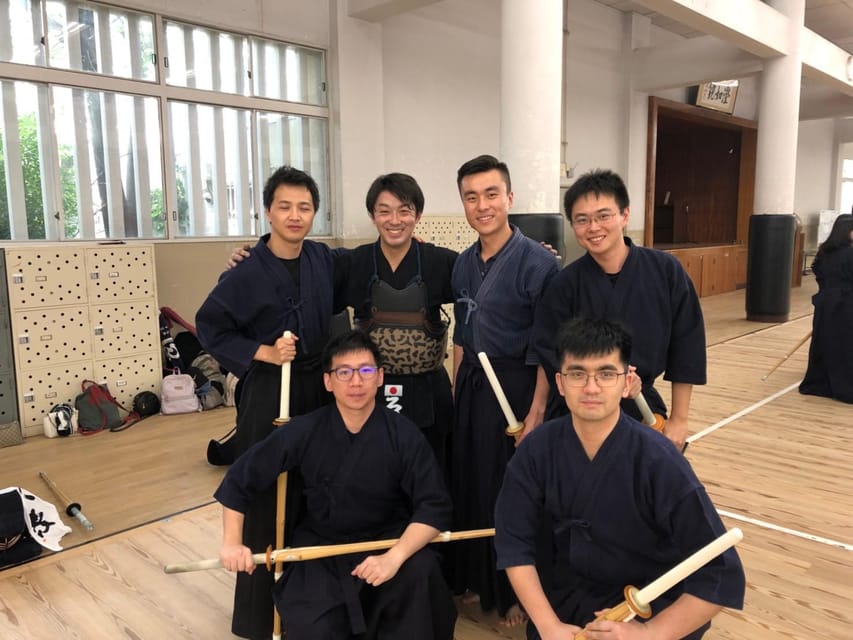
You will move through the full sequence, from ritual basics to hitting practice and then a mini match-style round you can actually try. I also like that the teaching is built for beginners and tuned for technique, not ego. The only drawback to plan for is that the session is small, and the focus on doing kendo means you should come ready to follow instructions closely.
Key Kendo Workshop Highlights in Osaka
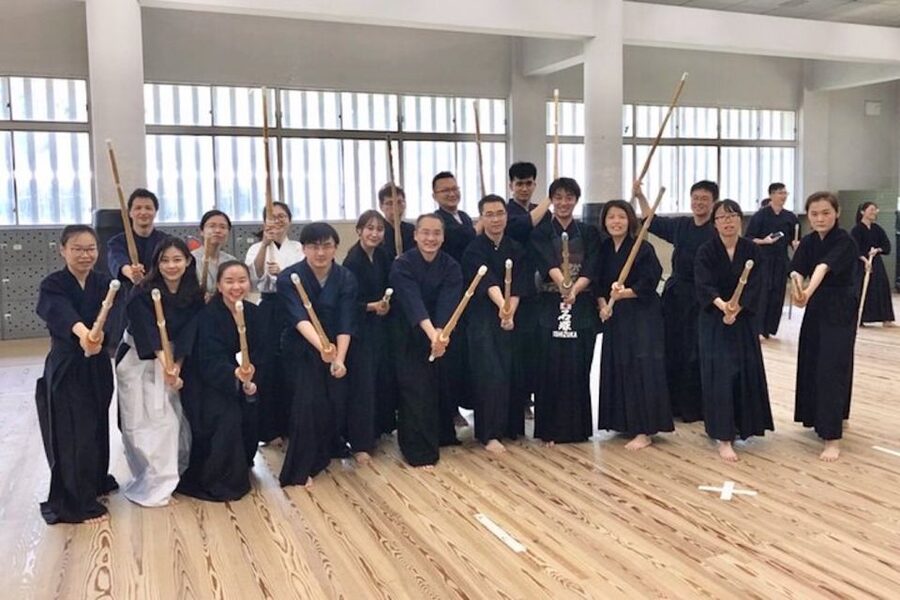
- Full sequence training from etiquette and basics to hitting and a match-style mini-game
- Small group of 2 participants max for more focused coaching
- English and Japanese instruction, so you are not stuck guessing what to do
- Rental armor and equipment included, including the face protector called Men
- National-level demos and close technique viewing, so you learn what good looks like
A Real Dojo Feeling: Etiquette, Silence, and Bamboo-Sword Sound
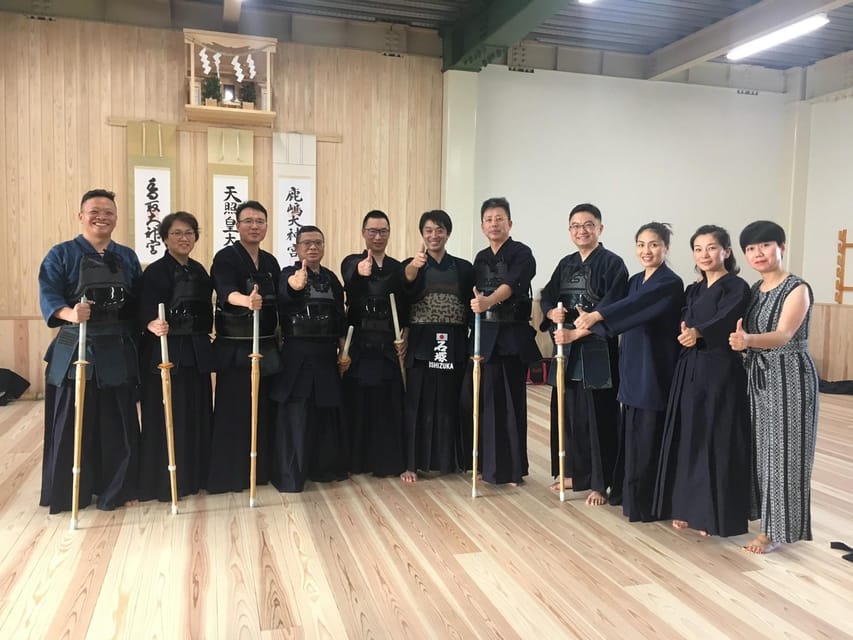
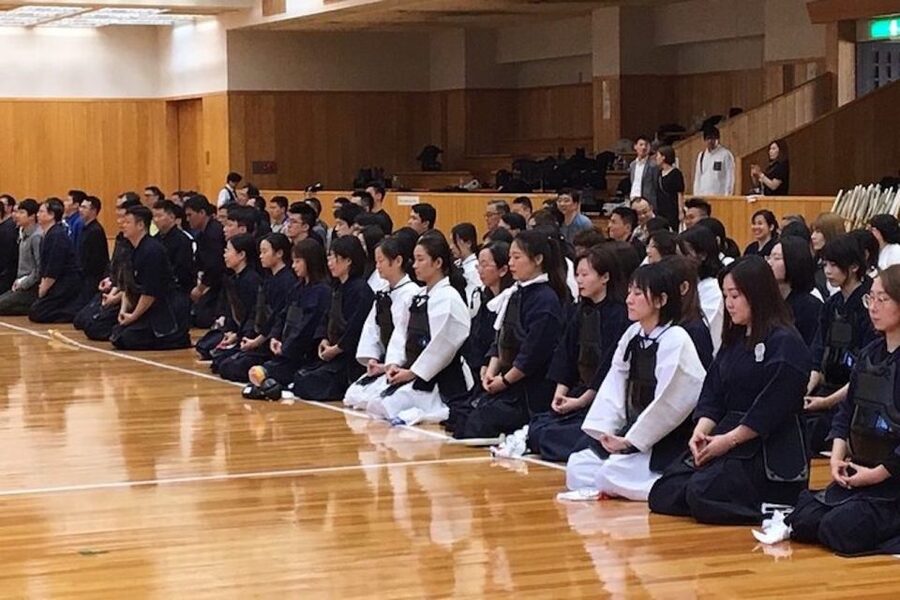
If you want kendo without the cosplay vibe, this is the kind of experience you should target. The dojo atmosphere is part of the lesson. You feel it right away, with the quiet attention and the etiquette that frames everything you do. Then you add the sound, the clean thwack of bamboo swords colliding, plus the echoing teacher voice carrying through the room. It turns a beginner activity into something more physical and more serious, in the best way.
The training also keeps the focus on manners. In kendo, the way you bow, the way you stand ready, and the way you respond matters as much as the strike. You will practice that rhythm during the workshop, not just get a quick speech about it. I like that the instructors treat etiquette as something you learn by doing, so you are not left feeling awkward when everyone else seems to know the steps.
The sound and the discipline work together. When the teacher calls out a point, you understand it with your body, not just your ears. And when the session moves from lecture into gear and practice, the transition feels natural, not rushed. That is the difference between a gimmick class and an actual training format.
More Samurai & Ninja Experiences in Osaka
- Samurai Training Experience KENDO in Osaka
★ 5.0 · 515 reviews - OSAKA NIGHT FUSION Japanese Taiko Kabuki Samurai Dance Show
★ 4.8 · 155 reviews - Osaka: Samurai Training Experience KENDO in Osaka
★ 5.0 · 111 reviews
The 2-Hour Flow: Ritual, Practice, Men Face Protector, Then a Mini Match
This workshop runs for about 2 hours, and it is structured like a full training block, not a rushed sampler. Expect a clear progression where each step sets up the next one.
First, there is time for changing clothes. You will also go through basic etiquette and a short lecture. This matters because kendo is governed by rules, not just force. You learn the foundation of how the class runs, what respect looks like in motion, and what safety expectations are.
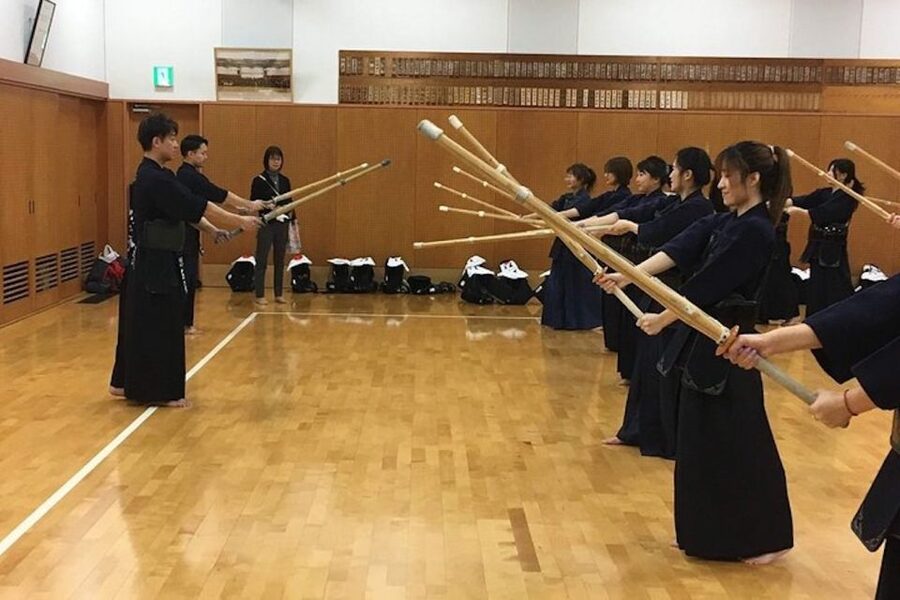
Next comes the hands-on part with bamboo swords. The program includes hitting practice, plus controlled practice where you strike toward the teacher. This is a big value point for you. You get repetitions, not just a single demonstration. And because the instructors teach through the steps, you are not stuck trying to copy something you have never seen.
During intervals, the workshop shifts into a kendo culture course. You learn more than how to hit. You get history and the martial-art manners behind kendo. If you care about context, this part gives your practice a backbone. Instead of thinking only about technique, you start to understand why the technique exists and what it is meant to train.
After that, you put on the face protector called Men. This is one of the moments that makes the experience feel real. The moment the gear goes on, you understand how kendo controls distance, focus, and awareness. With the Men on, you do the hitting to the teacher again, then you move to the match-style mini-game.
The mini-game is the reward stage. You get a version of a bout format, not just free sparring. That means you are guided into a structure that feels like kendo while staying approachable. If you like games, you will enjoy it. If you are nervous, you will still appreciate the boundaries because they keep you from feeling lost.
Then national-level instructors demonstrate techniques. Watching high-level technique up close is helpful because you can see the details that beginners often miss: posture, timing, and how power transfers through the body. You also get etiquette and photography at the end, plus a special kendo towel as a memory.
Finally, the session ends with changing clothes back. It is a clean wrap-up, and you are left with that practical question most people have after kendo. So, what now? The answer is usually, practice again, because once you try it, you want more.
Instructors and Coaching Quality: Clear English, Tight Technique Checks
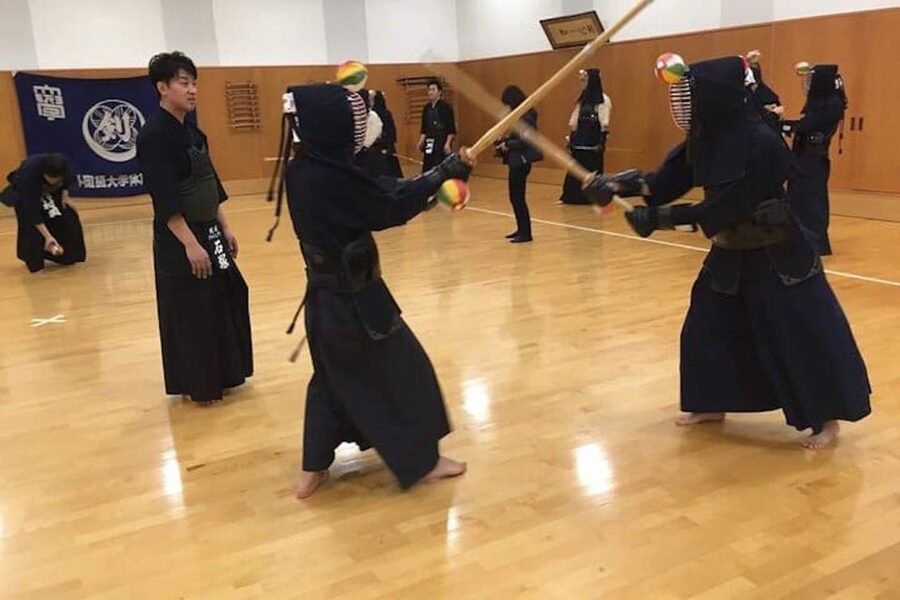
The coaching is one of the strongest reasons to book this workshop. The program is taught by professional instructors who speak English and Japanese, and they guide you step by step. That language flexibility matters because it is not just translation. Clear instruction helps you learn the why behind each movement, and it reduces the frustration that comes from misunderstanding.
One name that comes up in the instructor experience is Yamasaki sensei. In the training format, you can expect someone who watches closely and gives advice you can apply immediately. You do not just run through a checklist. The teacher corrects and shapes what you are doing, especially when it comes to posture and strike mechanics.
I also like that the instructors build the class tone. The energy is focused, but it is not stiff. You might even hear jokes in the middle of serious practice, which keeps your body from tensing up. That is important because kendo requires control, and a relaxed mind helps your technique improve faster.
The small group limit, capped at 2 participants, is a practical win. More attention per person means you spend less time waiting and more time correcting. For beginners, that can be the difference between feeling like an observer and feeling like a student.
And safety is part of the teaching style. The workshop uses an approach that makes it possible for you to participate without feeling thrown into chaos. As long as you follow the instructions and keep to the rules, you get a real training feeling that still respects first-timers.
Gear, Safety, and What to Do When You Feel Uncertain
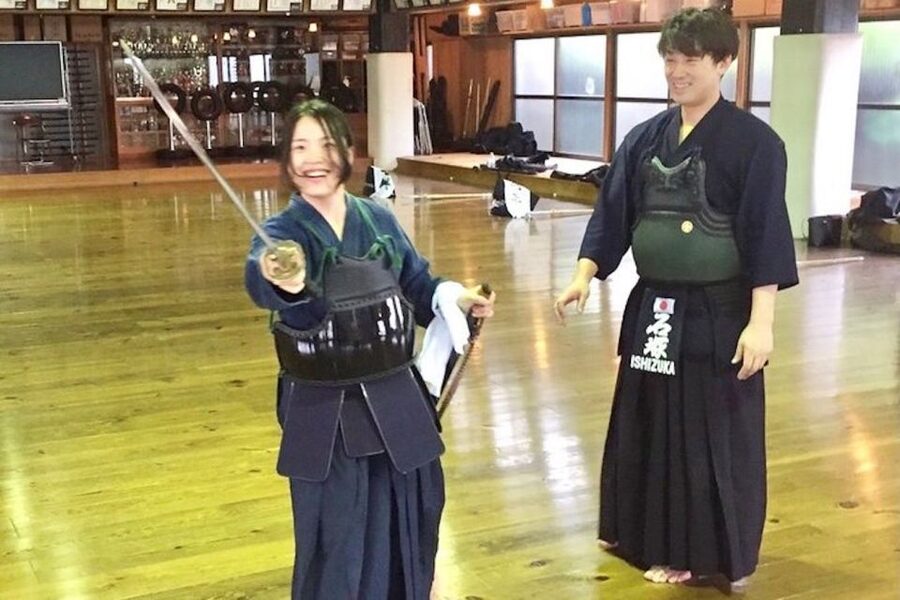
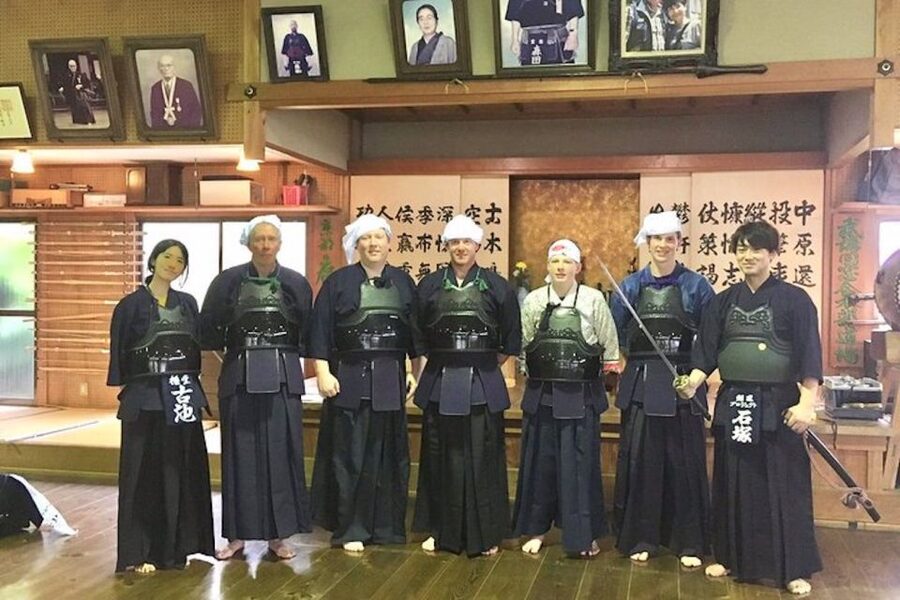
You are not expected to bring kendo equipment. Rental kendo armor and equipment are included, and you get water and a hand towel. That means your mental load stays lower. You can show up, change clothes, and focus on learning.
The face protector, Men, is a key piece of the experience. It is not just protective. It changes your sensory experience. You learn to aim and time your strike through a different kind of visibility and focus. If you have never trained with protective gear, this is where the session starts to feel like real kendo practice.
Bamboo swords, or shinai, are used so you can train striking mechanics safely. Still, you should treat them with respect. Kendo training teaches that equipment is not toys. The teacher guidance helps you keep your movements controlled.
A practical note: if you are worried about getting it wrong, good. That fear is normal. The workshop structure is designed so you can make mistakes while still staying within a safe routine. You are guided through the sequence, and the instructor helps you adjust. Come with the mindset that today is for learning, not for winning.
You also need to plan around the rules. Alcohol and drugs are not allowed during the experience, and pets are not permitted. It is a serious setting. If you keep that in mind, you will feel more comfortable with the etiquette and training tone.
Finally, read your own body honestly. This is active training. Even with coaching, you will be moving, striking, and adjusting your stance repeatedly. If you have injuries or limitations, check whether the workshop is a safe fit before booking, since it is not suitable for certain mobility situations.
More samurai and ninja experiences in Osaka:
- Osaka: A Modern Samurai, Kabuki, Taiko, & Dance Show
★ 4.5 · 66 reviews - Osaka 2-Hour Genuine Kendo / Samurai Experience In Japan
★ 5.0 · 65 reviews - Osaka: Learn Bushido – Trial Slashing with Samurai Sword
★ 4.9 · 59 reviews - Samurai Show, Tea Ceremony, Japanese Traditional Activities
★ 5.0 · 56 reviews
Price and Value at $116: What You Get That Most Tryouts Skip
At $116 per person for a 2-hour session, the price is not just about a quick activity. The value comes from what is included and how the time is used.
First, you get professional instruction for the full duration, not a single overview. You also get rental armor and equipment, plus free mineral water and a Japanese hand towel. That reduces the usual hidden costs that pop up in hands-on workshops.
Second, you get the whole training flow: etiquette basics, lecture, hitting practice, cultural context, Men practice, and then a match-style mini-game. Many short experiences stop at waving a sword near a camera. Here, you go deeper into the training structure. That matters because technique improves through repetition, and repetition requires time and guidance.
Third, you get to see national-level demonstrations up close. That part gives you a yardstick for future practice. Even if you only watch, you learn by observing what looks controlled, what looks efficient, and how movements connect.
And fourth, you are in a very small group, limited to 2 participants. That makes the learning feel more personal. You can ask questions in English or Japanese, and you can correct your form in real time rather than after the fact.
If you are comparing costs to other Osaka experiences, this is a higher-impact activity. It is less about seeing and more about doing. For many people, that is exactly what they came to Japan for: a skill-based cultural experience you cannot get from a postcard.
Where It Fits in Your Osaka Day, Plus the Izakaya Follow-Up
When the workshop ends, you will likely feel a bit tired and a bit energized. That makes it a great activity to place earlier in your day. You will have time to shower, eat, and still wander.
There is also a practical cultural rhythm to the next step. After kendo, you can go to an izakaya, and some menus may offer a special samurai meal, so you can keep the theme going without forcing it. This part is not included, but it is a smart way to turn the workshop into a full evening plan.
If you want a simple rule for pairing it with the rest of Osaka, do this: schedule kendo, then plan an easy meal. Your legs and arms will be doing work today, and a calm food stop will feel earned.
Also, if you enjoy photos, the session includes etiquette and photography at the end. That gives you more than just action shots. You get a memory that connects to what you practiced.
Who Should Book, and Who Should Skip This Kendo Workshop
This is a strong choice if you want a real introductory kendo experience. It fits first-timers who want structure and safety, and it also fits people who have done kendo before but want to refresh fundamentals like manners and controlled hitting.
It is not suitable for children under 9. It is also not for pregnant women, people with mobility impairments, or wheelchair users. So be honest about your comfort and your ability to stand, move, and follow close instructions.
You should also note the participation style. The workshop is limited to about 2 people in the group, so it is not built like a big crowd tour. If you like quiet, focused instruction and you prefer learning with less waiting, you will probably enjoy this format.
And if language matters to you, you are covered. The instructor offers English and Japanese support, so you can understand the key steps and ask questions without stress.
If you dislike structured physical activities, or if you hate wearing protective gear, this might not be your thing. But if you are curious about kendo as a martial art with etiquette and discipline, you will be in the right place.
Should You Book This Osaka Kendo Workshop Experience?
I think you should book it if you want to do kendo, not just look at it. The combination of hands-on practice, Men face protector training, a match-style mini-game, and national-level demonstrations makes it feel like the start of real study.
It is also great value for people who want rental gear and instruction included, plus the chance to learn manners and culture, not only strikes. And the small group size helps you get corrected rather than just completed.
Skip it if you know kendo will be uncomfortable for your body, or if you fall into the workshop’s not-suitable categories like young children under 9, pregnancy, or mobility limitations. If that is your situation, look for a different Osaka activity that matches your needs better.
If you are on the fence, here is my simple advice: choose this workshop if you are ready to learn with your whole body. It is one of those experiences where technique, respect, and effort come together fast.
FAQ
How long is the Osaka Kendo Workshop experience?
The experience lasts 2 hours.
Where do we meet for the workshop?
You meet at 鴫野会館 / Shigino Kaikan hall.
What is included in the price?
Included items are a professional guide or instructor, rental of kendo armor and equipment, free mineral water, and a free Japanese hand towel. Food is not included.
Is the workshop taught in English?
Yes. The instructor provides English and Japanese.
Is this a small group activity?
Yes. It is limited to 2 participants.
What should I know about who can participate?
It is not suitable for children under 9 years, pregnant women, people with mobility impairments, and wheelchair users.
What is the cancellation policy?
Free cancellation is available up to 24 hours in advance for a full refund.
Fresh options around Osaka
- Osaka: Osaka Castle & Historical Museum Guided Tour★ 4.8 · 28 reviews
- OSAKA:Feel the Power! Learn Taiko Drum from Professionals★ 5.0 · 28 reviews
- Osaka: High-Energy Japanese Variety Night Show (English MC)★ 5.0 · 28 reviews
- Osaka; Japanese Tea ceremony experience, Macha and Sencha★ 4.9 · 29 reviews
- Minoh Waterfall and nature walk through the Minoh Park★ 5.0 · 29 reviews
- Osaka: Shinsekai Food Tour – 13 Dishes at 5 Local Eateries★ 4.5 · 29 reviews
- Osaka: Private Japanese Traditional Ceramics Experience★ 5.0 · 29 reviews
- Kyoto Full Day Tour from Osaka with Licensed Guide and Vehicle★ 5.0 · 29 reviews
Samurai & Ninja Experiences, compared.
Samurai Ninja Museum Guided tour and Experience
Read our review →
Kendo and Samurai Experience with Uniform and Gear
Read our review →
Samurai Sword Class by Experts in Traditional Arts
Read our review →
Skip the lines Basic Ticket at SAMURAI NINJA MUSEUM KYOTO
Read our review →
Samurai Sword & Archery Class from Samurai Descendant
Read our review →
Browse the lists this tour appears in