
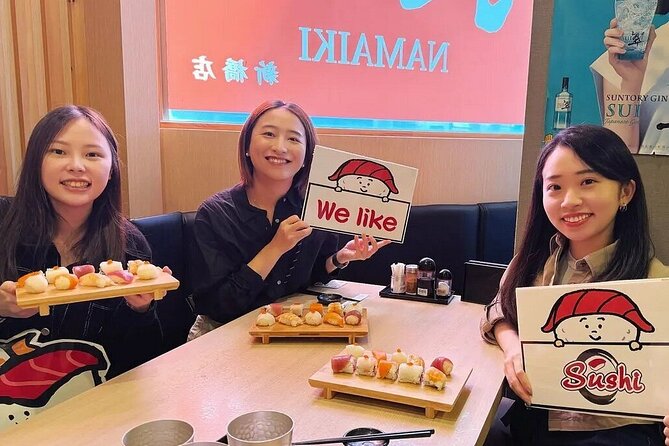
Reviewed · COOKING CLASSES
Tokyo Sushi Making Experience & Japanese Cooking Class
Sushi in Tokyo, in under two hours. This hands-on Japanese cooking class teaches you sushi basics with history and etiquette, then puts fresh ingredients in your hands. You also get the kind of instruction that helps you actually repeat the steps back home, not just admire the result.
What I like most is the mix of sushi history and practical technique. You learn maki, temari, and nigiri, with guidance in English (plus Traditional and Simplified Chinese). The second big win is the small-group setup, capped at 15, which keeps questions moving and makes it easier to cook at your own pace.
One consideration: drinks are not fully included. You can add sake or shochu, but bottled water and any alcoholic beverages (and juice) need to be ordered separately, and the experience needs good weather to run.
Key Highlights You Should Know
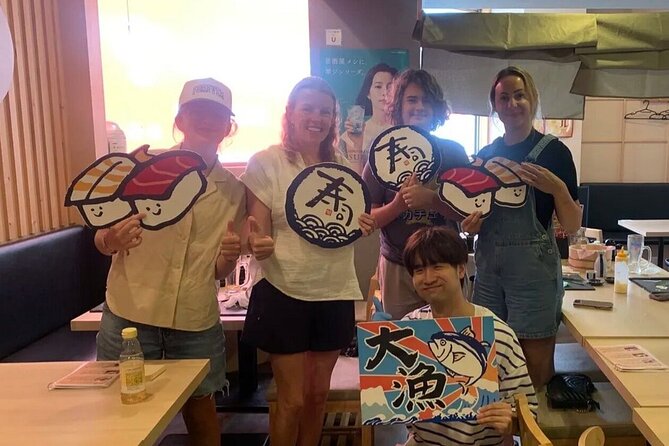
- Small group size (max 15) helps you get real attention while you cook
- Hands-on practice making maki, temari, and nigiri, not just watching
- English-speaking instruction (also Traditional and Simplified Chinese) for easy learning
- Optional sake or shochu for an authentic add-on, with ID required if you drink
- Commemorative photos so you can remember what you made
- Fresh, sushi-ready ingredients like tuna, salmon, squid, and flying fish roe
A 90 Minute Sushi Lesson Near Shinbashi
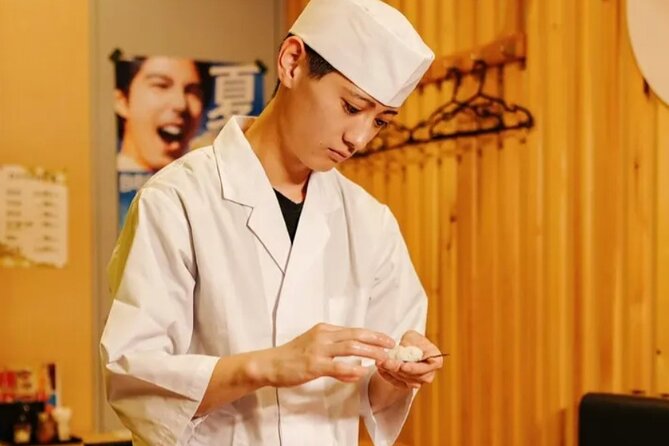
This class runs about 1 hour 30 minutes, so it fits nicely into a Tokyo day without hijacking your schedule. You start and end at the same meeting spot in Shinbashi (S-PLAZA 弥生Ⅱ), Minato City, which is a big help when you do not want to think about transit at the end of class.
The location is also near public transportation, so you can plan around whatever rail or subway stop you already use in central Tokyo. There is a mobile ticket, which keeps things fast on the day.
The other practical part: you do not need to bring anything for the class itself. Your main planning job is just showing up hungry and ready to learn.
More Cooking Classes in Tokyo
- Ramen & Gyoza Cooking Class in Tokyo with Local Supermarket Visit
★ 5.0 · 823 reviews - Tokyo: Easy Ramen Cooking Experience in Kabukicho, Shinjuku
★ 4.6 · 321 reviews - Ramen and Sushi Cooking Class with Sake Pairing Set in Tokyo
★ 5.0 · 291 reviews
What You Actually Learn: Maki, Temari, and Nigiri
You will make multiple types of sushi in a short session, which is exactly what makes this class feel worth your time. The core items are maki sushi, temari sushi, and nigiri sushi, with snacks prepared around the process as you go.
You work with familiar, beginner-friendly ingredients like tuna and salmon, plus items such as squid and flying fish roe. Those choices matter, because they help you understand what changes when you handle different textures, not just one safe ingredient.
Here is the practical value of learning all three:
- Maki teaches you rolling basics and portion control.
- Temari is great for understanding shape and bite size, especially if you want a neat, grab-and-eat style.
- Nigiri is where you learn how the topping sits and why that timing and pressure matters.
Even if you have zero sushi skills now, you should leave knowing the sequence and the feel you need to repeat it later.
Sushi Etiquette and History, Explained Clearly
This is not just hands-on cooking. You also get sushi history and culture from English-speaking instructors, along with the art and etiquette behind each bite. That matters more than people expect. Sushi is not only food, it is also a set of habits and expectations, and learning the basics helps you order and eat more confidently during the rest of your trip.
You also get instruction from staff who are fluent in English and can also support Traditional Chinese and Simplified Chinese. That language mix is useful if you are traveling with someone who wants extra clarity, or if you are more comfortable asking questions in a different language.
If you like the idea of eating sushi in Japan while understanding why things are done a certain way, this cultural piece is a big part of the value.
Optional Sake or Shochu, and How to Plan It
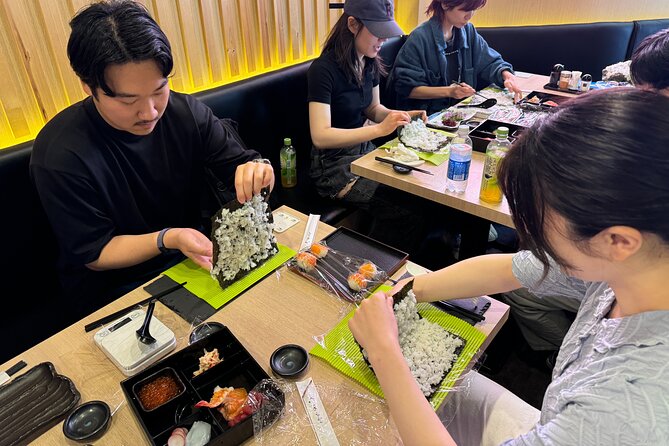
One fun add-on here is the chance to include sake or shochu for a more authentic meal. The key detail is that alcohol is not automatically included. Bottled water and alcoholic beverages (plus juice) need to be ordered separately.
Also, Japan’s legal drinking age is 20, so you should bring a valid form of identification if you plan to drink. If you are traveling with kids, the class still works well for them, and the ID rule just affects adults who choose alcohol.
Budget tip: if you think you might want a drink, plan extra spending beyond the base price. Otherwise, you may end up surprised at checkout when you are ready to toast your sushi.
More Sushi Making Classes in Tokyo
- Sushi Making Tokyo Roll and Authentic Japanese Sushi Class
★ 5.0 · 3,971 reviews - Tokyo: Roll and Authentic Sushi Making Class in Asakusa
★ 4.9 · 1,957 reviews - Make Sushi and Create Unforgettable Memories in Tokyo
★ 5.0 · 1,413 reviews - Tokyo: Sushi Making Class in a Happi Coat near a Famous Spot
★ 4.9 · 1,377 reviews
Snacks, Eating Together, and the Small-Group Advantage
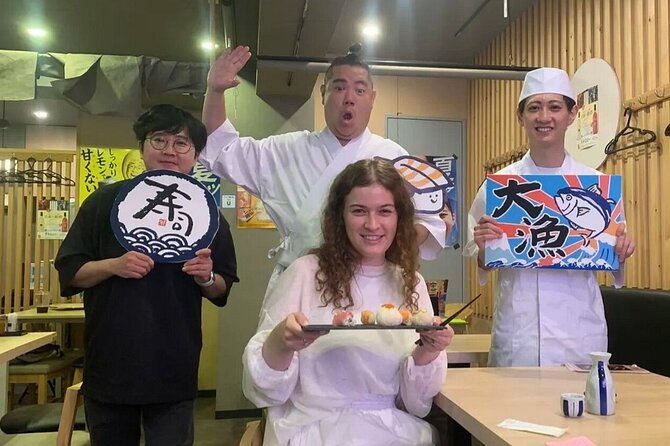
You can expect snacks made as part of the maki sushi and temari sushi process, including options with tuna, salmon, squid, and similar ingredients. Then you savor what you make. That shared eating moment is where the class clicks.
With a maximum of 15 travelers, you are not stuck in a huge room where your questions die at the back. In practice, this kind of group size usually means faster help when your roll or shaping looks messy.
The experience also mentions enjoying your creations with about 15 like-minded travelers, which fits the vibe of a short, friendly workshop. If you want something social but not chaotic, this is a good sweet spot.
Commemorative Photos: A Small Detail That Helps
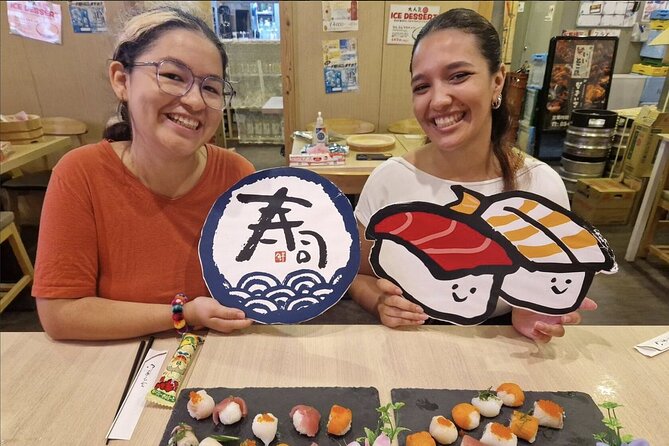
At the end, you get commemorative photos. This sounds small, but it is smart for a class like this. Sushi making is quick, hands get messy, and you may not remember exactly how your pieces looked before you ate them.
Having photos gives you something to take home that is directly tied to your work, not just a generic Tokyo street shot.
Price and Value Check: Is $59.46 Worth It?
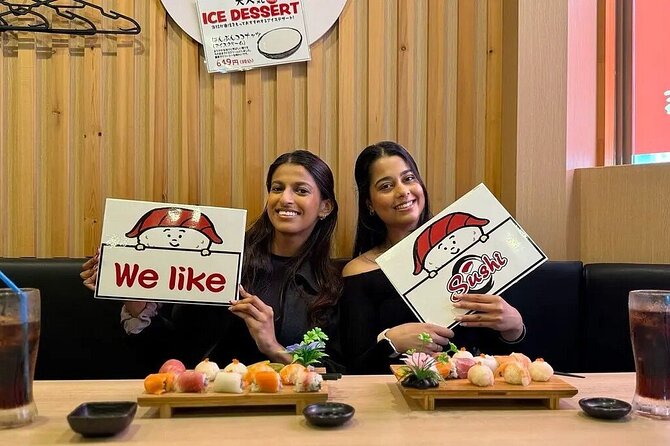
At $59.46 per person for about 90 minutes, you are paying for several things at once: instruction, ingredients, and a structured practice session with guidance. In Tokyo, cooking classes can swing wildly in price depending on what is included, and this one does not ask you to supply your own materials.
What makes the value feel fair is the combo of:
- Multiple sushi styles (maki, temari, nigiri, plus temari)
- Fresh ingredients named up front, including tuna, salmon, squid, and flying fish roe
- Small group (max 15), which usually means less waiting for help
The main cost caveat is drink extras. Bottled water is not included, and alcohol and juice are separate. If you are planning on sake or shochu, that can raise your total, even though the base price still covers the core class and snacks.
If your goal is to gain a real skill you can repeat, the time-to-value ratio is strong. If your goal is purely eating without learning much, it might feel a bit more structured than you want.
Logistics That Matter More Than You Think
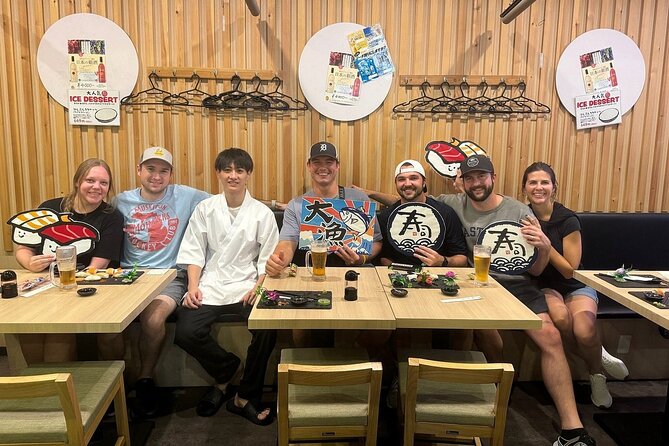
This experience runs with a mobile ticket, and it finishes back at the meeting point. That keeps your evening simple, especially if you are stacking activities in Minato City or around Shinbashi.
Weather is also part of the equation. The experience requires good weather, and if it is canceled due to poor weather, you should be offered another date or a full refund. In practical terms, do not schedule it as your only flexible plan on a day where rain would derail you.
There is also a minimum number of travelers requirement. If that minimum is not met, you can be offered a different date or a full refund. This matters most if you are booking very close to travel dates.
Who This Sushi Making Class Suits Best
This class is a good match if you:
- Want a hands-on Tokyo experience that teaches you more than just a meal
- Prefer small-group learning over a big demo
- Like cultural context, not just recipes
- Travel with kids who are old enough, since it is age 4 and up
- Want English support, with staff also able to help in Chinese languages
It is especially useful if you plan to eat sushi during the rest of your trip and you want to understand etiquette and choices instead of guessing.
Quick Downsides to Consider Before You Go
The biggest drawback is the add-on costs for drinks. Bottled water and any alcoholic beverages or juice are not included, so you should expect to pay extra if you order sake, shochu, or non-alcoholic drinks.
The second consideration is weather. Because good weather is required, you need a flexible mindset if your schedule depends on this exact day.
Finally, alcohol is not an option for underage participants and requires ID for legal drinking age adults. That is not a deal breaker, but it is something you should plan for early.
Should You Book This Tokyo Sushi Making Experience?
I would book it if you want a short, focused class where you leave with actual sushi-making confidence. The combination of etiquette, English instruction, and multiple sushi types (maki, temari, nigiri) gives you both the story and the technique.
Skip it only if you mainly want to eat and socialize, and you would rather spend your money on a full meal somewhere instead of a structured workshop. Also, if you hate the idea of possible weather changes, pick a day with backup plans.
If you want a memorable, practical Tokyo skill in just 1 hour 30 minutes, this is a smart choice.
FAQ
How long is the Tokyo sushi making experience?
It runs for about 1 hour 30 minutes.
What’s included in the class?
You get snacks, including maki sushi and temari sushi, with ingredients such as tuna, salmon, squid, and more. You also get an English guide (plus Traditional and Simplified Chinese).
Can I add sake or shochu?
Yes, you can add sake or shochu. Alcoholic beverages are not included and must be ordered separately, and you must bring valid ID if you plan to drink since the legal drinking age in Japan is 20.
Do I need to bring anything?
No, the class is designed so you can enjoy the experience without bringing anything.
Is bottled water included?
No. Bottled water is not included, and juice and alcoholic beverages need to be ordered separately.
Where do I meet for the experience?
Meet at Japan, Minato City, Shinbashi, 2-chome 15-10 S-PLAZA 弥生Ⅱ. It also ends back at the meeting point.
What if the weather is bad or the class is canceled?
The experience requires good weather. If it is canceled due to poor weather, you will be offered a different date or a full refund. If a minimum number of travelers is not met, you will also be offered a different date or a full refund. You can cancel for a full refund up to 24 hours before the start time.
Fresh options around Tokyo
- Tokyo: Nikko Kegon Falls Lake Chuzenji Toshogu Temple & More★ 4.9 · 12 reviews
- Tokyo: Samurai History Walking Tour★ 5.0 · 12 reviews
- Harajuku: Kawaii Fashion and Pop-Culture Tour★ 4.7 · 12 reviews
- Tokyo: Mt. Fuji & Lake Kawaguchi Instagram Full Day Trip★ 4.1 · 12 reviews
- Shibuya Tokyo: Modern Kintsugi Workshop in Shibuya★ 5.0 · 12 reviews
- Tokyo: GTR Guided Daikoku Experience at Night★ 5.0 · 12 reviews
- Tokyo: Daikoku JDM Car Culture Tour★ 4.6 · 12 reviews
- Mt Fuji Private Day Trip from Tokyo with English speaking driver★ 5.0 · 13 reviews
Cooking Classes, compared.
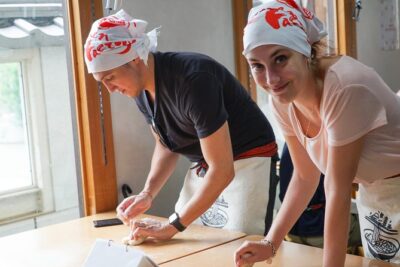
Ramen Cooking Class at Ramen Factory in Kyoto
Read our review →
Ramen & Gyoza Cooking Class in Tokyo with Local Supermarket Visit
Read our review →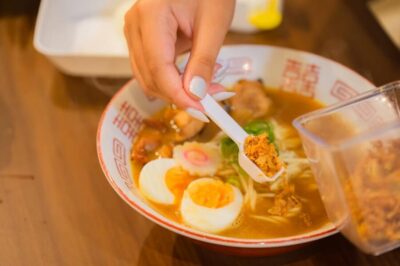
Ramen Cooking Class at a Ramen Factory with Souvenir
Read our review →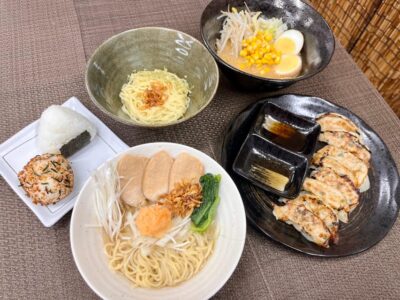
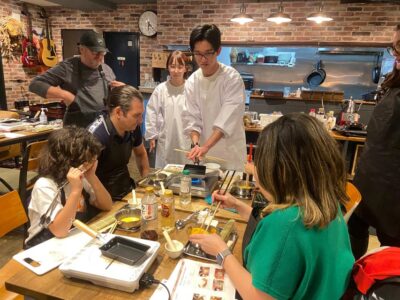
Japanese Washoku Bento Small Group Cooking Class
Read our review →
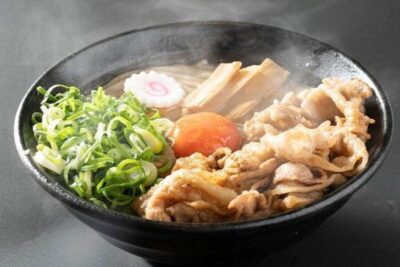
Easy Ramen Cooking Experience in Kabukicho, Shinjuku
Read our review →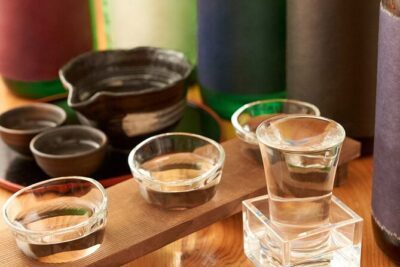
Ramen and Sushi Cooking Class with Sake Pairing Set in Tokyo
Read our review →Browse the lists this tour appears in