

Reviewed · WALKING TOURS
Tokyo Private Walking Tour With Fresh Eyes, Local Hearts
Tokyo makes more sense with a local plan. This private custom itinerary tour lets you shape the day around what you care about, with a guide born and raised in Tokyo guiding every step. I like the undivided attention of a one-on-one guide, and I also like how the route can mix big landmarks with neighborhood texture. The only real catch to plan for is that some major sights have limited access, like the Imperial Palace being exterior and public areas only.
You also get the kind of practical support that saves you time and stress. After booking, your guide contacts you to learn your interests, so you are not stuck guessing what to do first. You can choose a 1-hour quick hit or stretch it out up to a full 8 hours, and the day adjusts to your pace.
One more reason this works well in Tokyo: you get help navigating the stop-to-stop flow. You are walking and using public transit as needed, with a mobile ticket and optional hotel pickup included. Just keep in mind that some gardens or special sections may have admission fees not covered in the tour.
Key highlights worth caring about

- Local-born guides who tailor the day to your interests, not a fixed script
- Private and exclusive time, only your group with no one else to coordinate
- Icon + neighborhood mix, from Imperial Palace and Shibuya to Akihabara and Golden Gai
- Most stops are free-entry areas, so you are not constantly paying small fees
- Your pace matters, with time-per-stop segments that can flex across a short or long tour
- Practical pacing for first-timers, the kind of route that helps you understand where things are
Why a Tokyo private walking tour helps more than you expect

Tokyo is not one city. It is many different mini-worlds, and the hardest part of visiting is figuring out how to connect them without wasting half your day in transit. A private walking tour solves that with a simple idea: someone else makes the first routing decisions, then you steer the theme.
The best part here is that the tour is designed to be adjustable. You can request the kind of day you want, whether that is classic landmarks, markets and food streets, shrine culture, shopping districts, or quiet garden time. With one guide, you are not stuck with a group that votes on everything.
And yes, the guide attention is a big deal. When you ask where to eat next, what to skip, or how long something will realistically take, you get direct answers for your exact route. That is especially useful in Tokyo where signage is good, but context is everything.
More Walking Tours in Tokyo
- Tokyo Tsukiji Fish Market Food and Culture Walking Tour
★ 5.0 · 3,184 reviews - Tokyo: Imperial Palace and Shogun Historical Walking Tour
★ 5.0 · 2,251 reviews - Tokyo: Shinjuku Local Bar and Izakaya Guided Walking Tour
★ 4.9 · 1,794 reviews
Price and value: what $26.36 per person really buys
At $26.36 per person, this sits in the budget-friendly lane for a private guided experience. You are paying for three things that add up fast on your own: route planning, local context at each stop, and time savings.
Even if you later spend on train fares and any extra admission, the tour still often wins on value because you are not buying a long list of separate attractions. Many of the stops included here are admission free, including the Imperial Palace public areas, Tsukiji areas, Shibuya Crossing viewpoints, Meiji Jingu Shrine, Senso-ji, Asakusa, Golden Gai, Akihabara, Zojoji, and Ueno Park.
The practical tradeoff is that not everything is fully included. Some sites state that admission is not included for certain gardens, and a few experiences limit access inside buildings. But that is a predictable cost, not a mystery once you know what to expect.
Logistics that matter: walking, public transit, and how pickup helps
This tour includes walking and public transportation, with hotel pickup offered. That matters because Tokyo transit is easy when you know the neighborhood rhythm, and frustrating when you do not. Having pickup can reduce the first stress, especially if your hotel is not near a major station.
You also get a mobile ticket, which makes the day easier once you are on the move. Service animals are allowed, and the tour is designed so most travelers can participate.
Your exact duration can be anywhere from 1 to 8 hours. Because the itinerary lists lots of possible stops, that flexibility is key. A shorter tour usually means fewer stops, and a longer tour means you can slow down and add time where your interests pull you.
Imperial Palace, Tsukiji Outer Market, Tsukiji Fish Market, Shibuya Crossing

A strong way to start is classic Tokyo plus food street energy. If your guide is building an introduction to the city, this is the core loop.
Same corner of Japan, a different kind of day:
- Mt Fuji and Hakone 1-Day Bus Tour Return by Bullet Train
★ 5.0 · 26,383 reviews - 1-Day Tokyo Bus Tour
★ 5.0 · 14,250 reviews - Tokyo: TOKYO SKYTREE® Admission ticket
★ 4.5 · 11,192 reviews - Tokyo: teamLab Planets TOKYO Digital Art Museum Entry Ticket
★ 4.6 · 9,779 reviews
Imperial Palace public areas (free, but not the inside)
You will visit the Imperial Palace area with access limited to certain public spaces, not the interior. For first-timers, that is still worthwhile because it sets the tone for how Tokyo ties modern life to older power centers.
A quick heads-up: this is more about walking the edges and understanding the layout than touring buildings. If you are the kind of person who likes gardens, moats, and broad city structure, this works well even without inside access.
Tsukiji Outer Market (great for breakfast)
Tsukiji Outer Market is one of Tokyo’s historic market zones, packed with small stalls and shops. It is a strong breakfast stop because you can graze, compare, and find flavors without needing a sit-down restaurant.
This area is also a fast education in Japanese market culture. Even if you do not buy much, you learn the rhythm of how people shop, snack, and move.
Tsukiji Fish Market inner area (a lesser-known stop for many)
The inner Tsukiji Fish Market is described here as a hidden-feeling area, even for many Japanese people. In practice, that usually means fewer tourists linger, and the atmosphere is more focused on what happens behind the scenes.
If you love seafood, seeing the contrast between the Outer Market’s food stalls and the Inner Market’s industrial focus is the payoff. If you prefer hands-on tastings only, your guide may adjust how much time you spend depending on your interests.
Shibuya Crossing (15 minutes that teach the neighborhood)
Shibuya Crossing is Tokyo at full volume. You get a chance to experience the scale and the street-culture vibe, where fashion and youth trends are a big part of the story.
Fifteen minutes sounds short, but it is enough to get the lay of the land. Use that time to look around, spot station entrances, and understand the grid so you feel confident later when you return on your own.
Meiji Jingu Shrine to Kabukiza Theater: calm rituals and stage craft

Tokyo can swing from neon intensity to forest silence fast. This section is where you see that contrast.
Meiji Jingu Shrine (1920, dedicated to Emperor Meiji)
Meiji Jingu Shrine is not the oldest shrine, but it is culturally significant. It was built in 1920 and established to honor Emperor Meiji and Empress Shoken.
The setting matters: you are stepping into a more restful atmosphere than the city streets. This is a great pause in the middle of an itinerary that might include shopping and markets.
Kabukiza Theater gallery (inside access not included)
You will visit the gallery area on a different floor within the Kabukiza building, not the inside of the main theater itself. That still gives you a meaningful connection to kabuki as an iconic traditional art form.
If you are a theater buff, this option can feel slightly limited because it is not the full performance space experience. Still, it can be a good stop to learn the visual language of kabuki and understand why it matters in Japanese culture.
Senso-ji and Asakusa, then Shinjuku Gyoen, Golden Gai, Akihabara

This is the chapter where Tokyo becomes a choose-your-own-adventure city.
Senso-ji Temple and Asakusa (old Tokyo preserved)
Senso-ji Temple is described as the oldest temple in Tokyo and one of the most beloved landmarks. Asakusa around it keeps history and tradition visible in everyday street life.
Senso-ji gives you the big landmark moment, and Asakusa gives you the breathing room to wander. Think of it as: one stop for significance, one stop for atmosphere.
Shinjuku Gyoen National Garden (admission not included)
Shinjuku Gyoen is a greenery pause right in the city center. It started as an imperial garden and is now open to the public.
Garden time is one of the best ways to prevent Tokyo overload. You get a break from crowds and visuals, and the pace slows naturally. Admission here is noted as not included, so budget for possible ticket costs depending on the season.
Shinjuku Golden Gai (tiny bars and narrow alleys)
Golden Gai is famous for its maze-like alleys and the sheer number of small bars packed into a small space. The streets are extremely narrow, and the buildings are described as traditional two-story structures.
Even if you are not planning to drink, this is a fun look at Tokyo nightlife design. It is also a good photo walk, just be respectful of tiny storefront spacing.
Akihabara (electronics and pop culture)
Akihabara is Tokyo’s hub for pop culture focused shopping, especially electronics, anime, manga, and gaming. It is not just stores, it is a mood, and it tends to pull you along as you browse.
If your group includes anyone who loves fandom merch, gaming, or tech gadgets, this stop is usually a hit. It can also be a good way to cool down after shrine and temple walking because you can step in and out of shops easily.
Garden detours and quiet shrines: Hamarikyu, Koishikawa Korakuen, Rikugien, Yoyogi, Takeshita, Nezu, Kiyosumi Teien

Tokyo has a surprising number of places to slow down, and this section is built for it.
Hamarikyu Gardens (ponds and tidal garden features, admission not included)
Hamarikyu Gardens is an Edo-period garden along Tokyo Bay. It features ponds and seasonal flowering, and the contrast between greenery and city edges can feel especially relaxing.
Admission is not included here, so you may want to bring a little cash or card for entry depending on your plan.
Koishikawa Korakuen (early Edo strolling garden)
Koishikawa Korakuen dates to the early Edo period. It offers ponds, small bridges, and hills, which makes it a classic stroll style garden.
This one works well when you want something scenic but not too structured. You can move at your own pace, and your guide can point out what to notice.
Rikugien Garden (best in cherry blossom and autumn foliage seasons)
Rikugien is described as one of Tokyo’s famous feudal-era gardens, and it is especially beautiful during cherry blossom season in spring and autumn foliage season. The garden is built around a pond-centered stroll path.
Timing matters here. If you are visiting in peak seasons, this stop can be more than a quick look. If you are not in those seasons, it still provides greenery and layout interest, just with a different seasonal look.
Yoyogi Park (space to reset)
Yoyogi Park is a large urban park popular for jogging, picnics, and events. It gives you open lawns and seasonal trees, which makes it an easy reset point between neighborhoods.
This stop is also handy if your day includes indoor shopping. Fresh air breaks help you stay alert for the rest of the itinerary.
Takeshita Street (kawaii culture outside Harajuku Station)
Takeshita Street is a shopping street known for kawaii culture. You will see fashion, accessories, sweets, and character goods.
This is a fun energy stop, but it can be crowded. If you prefer moving through quickly, keep your time tight and focus on a few specific items rather than trying to browse everything.
Nezu Shrine (azalea flowers and a calm grounds feel)
Nezu Shrine is known for azalea flowers and a serene set of grounds. It is a good contrast to high-energy shopping streets because the environment is calmer and more contemplative.
This can also be a strong “find your own pace” stop. You can spend time on the grounds or move along faster if you have other priorities.
Kiyosumi Teien (pond-centered Edo stroll garden)
Kiyosumi Teien is another stroll garden centered around a pond. It is described as calm and peaceful even though it sits in the city.
Admission is noted as not included. If you are doing multiple gardens in one day, your guide may select fewer entries so your schedule stays smooth.
Tokyo Tower and Zojo-ji: skyline history at night or near night

If your tour time overlaps evening, Tokyo Tower is a natural choice. It is described as an iconic observation tower with panoramic city views, and it is beautifully illuminated at night.
Tokyo Tower (views with a historical feel)
The value here is perspective. Tokyo looks totally different from above, and you can connect what you saw earlier on the ground to what the city looks like on a larger scale.
If you are not going at night, you can still get meaning from the tower as a landmark. But the illuminated experience is the one described as stunning, so try to time it if you can.
Zojo-ji (family temple of the Tokugawa clan)
Zojoji Temple is a historic Edo-period temple and known as the family temple of the Tokugawa clan, where several Tokugawa shoguns are enshrined.
This stop pairs nicely with Tokyo Tower because both connect to Tokyo’s power and skyline identity. It is one of those “place names you hear often” moments, but you see it grounded in real space.
Ueno Park, Gotokuji Temple, Kanda Shrine: cultural anchors across the city
These are spots that help you understand Tokyo as a living city of neighborhoods, not just landmarks.
Ueno Park (museums, art galleries, zoo, plus cherry blossoms)
Ueno Park is described as a cultural and natural hub with museums, art galleries, and a zoo. In spring it is famous for cherry blossoms, which can bring crowds.
Even when it is not blossom season, the breadth of the park makes it a flexible stop. You can tailor your time based on whether you want art, nature, or just the park atmosphere.
Gotokuji Temple (birthplace of maneki-neko)
Gotokuji Temple is known as the birthplace of the maneki-neko, the beckoning cat. If you like playful folklore mixed with real place, this is a satisfying stop.
You also get traditional temple grounds and gardens, and the whole area feels peaceful as described.
Kanda Shrine (over 1,300 years old)
Kanda Myojin is described as a historic Shinto shrine with over 1,300 years of history. It is known as one of the traditional guardian shrines of Tokyo and is tied to protecting central areas like Kanda and Nihonbashi.
This works well as a wrap-up stop because it gives you a sense of Tokyo’s long continuity. It is also a good reset before you head back to your hotel.
Who this tour suits best, and who should plan around it
This is a strong fit for first-timers who want an organized overview without feeling trapped. It is also ideal for families who want a day that can flex around different interests, like a guide planning around kids’ enjoyment as seen in one past booking.
I also think it suits anyone who hates rigid group tours. With customization and private guide attention, you can spend a bit longer where you care and move on before you get bored.
If you want the full inside access to specific major sites every time, plan expectations. This route has limited access at certain places, like the Imperial Palace public areas and the Kabukiza theater inside. You can still get a lot, but it is not built to be a full-ticket inside-the-building tour.
Should you book this Tokyo private walking tour?
Yes, I think you should book it if you want an efficient way to get your bearings fast while still choosing the tone of your day. The private, customizable format is the main value, and the pricing makes it feel doable even if you are adding transit and a few optional admissions.
Book it especially if you want a route that mixes classic sights with modern Tokyo zones like Shibuya, Golden Gai, and Akihabara, plus breaks in gardens when you need them. If your schedule is tight, a shorter 1 to 3 hour option can still be useful because the guide can pick the most logical stops for your time.
You might skip it or adjust expectations if your top goal is full interior access at every attraction. This tour is more about being oriented and informed through key areas, then deciding what to revisit later on your own.
FAQ
How long is the Tokyo private walking tour?
The tour duration is listed as 1 to 8 hours, approximately.
Is this tour private or shared?
It is a private tour/activity. Only your group will participate.
Do you get to customize the itinerary?
Yes. The itinerary is customizable, and you can make requests for what you want to see.
Is hotel pickup included?
Hotel pickup is included, and pickup is offered.
What kind of tickets or admissions are included?
Many stops are listed as admission free, and the tour also notes that some admissions are not included (for example certain gardens).
Does the tour include access inside the Imperial Palace?
No. The tour notes that access inside the Imperial Palace is not included, and entry is limited to certain public areas.
Does the tour include access inside Kabukiza Theater?
No. The tour notes that access to the inside of the main Kabuki-za Theater itself is not included, but you will visit a gallery located on a different floor within the same building.
Are meals included?
No. Meals are not included.
Are public transport fees included?
The tour includes walking and public transportation, but public transportation fees are listed as not included.
What is the cancellation policy?
Free cancellation is available. You can cancel up to 24 hours in advance for a full refund. Cancellation within 24 hours is not refundable.
Fresh options around Tokyo
- Tokyo: Nikko Kegon Falls Lake Chuzenji Toshogu Temple & More★ 4.9 · 12 reviews
- Tokyo: Samurai History Walking Tour★ 5.0 · 12 reviews
- Harajuku: Kawaii Fashion and Pop-Culture Tour★ 4.7 · 12 reviews
- Tokyo: Mt. Fuji & Lake Kawaguchi Instagram Full Day Trip★ 4.1 · 12 reviews
- Shibuya Tokyo: Modern Kintsugi Workshop in Shibuya★ 5.0 · 12 reviews
- Tokyo: GTR Guided Daikoku Experience at Night★ 5.0 · 12 reviews
- Tokyo: Daikoku JDM Car Culture Tour★ 4.6 · 12 reviews
- Mt Fuji Private Day Trip from Tokyo with English speaking driver★ 5.0 · 13 reviews
Walking Tours, compared.
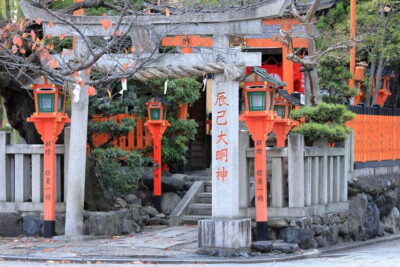
Kyoto Geisha Walking Tour: Gion District & Hidden Gems
Read our review →
Tokyo Tsukiji Fish Market Food and Culture Walking Tour
Read our review →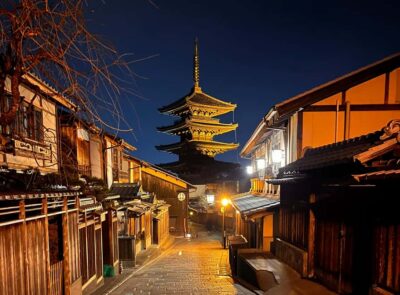
Gion Magical Night Walking Tour with Geisha Trivia
Read our review →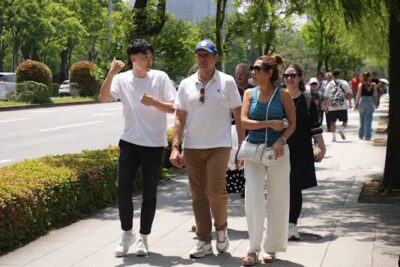
Imperial Palace and Shogun Historical Walking Tour
Read our review →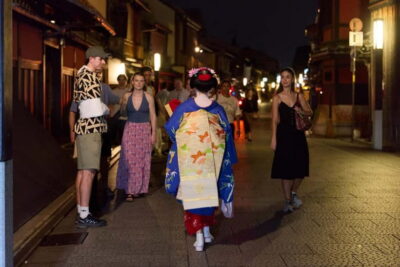
Gion Geisha District Walking Tour – Stories of Geisha
Read our review →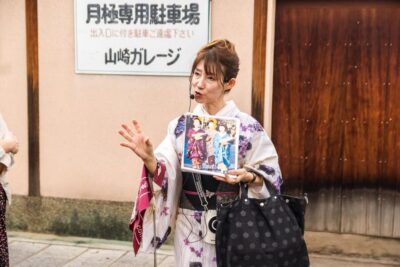
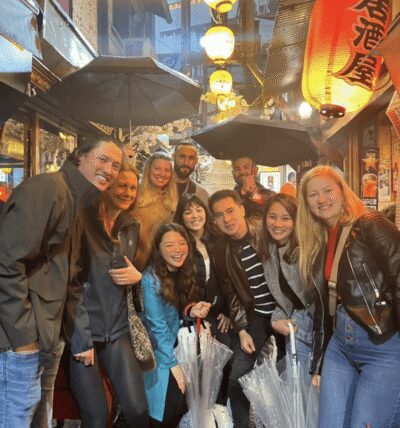
Shinjuku Local Bar and Izakaya Guided Walking Tour
Read our review →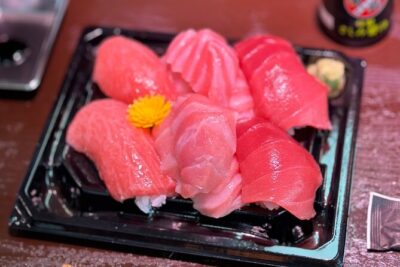
Browse the lists this tour appears in