
Reviewed · WALKING TOURS
Tokyo: Private Walking Tour with a Local
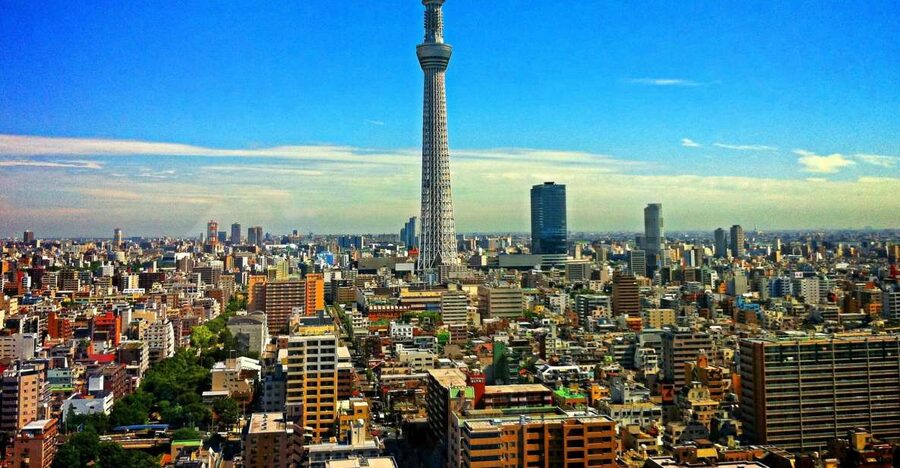
Tokyo gets easier when someone walks with you. This private experience pairs you with a local Lokafyer who tailors the day to real interests, not a checklist, and it often includes practical city know-how like subway confidence and smart neighborhood choices. I especially like how guides build it around conversation, with the energy of guides like Amanda, and how your route can change on the fly based on your questions and curiosity.
My second favorite part is the payoff after the walk. You leave Tokyo better set up for doing things on your own, because you learn how the train and metro system works in the real world, including help like Edwardo and David gave with station navigation and ticket steps. The one drawback to plan for is that it is a walking tour, and if you add attractions you will need to cover entrance costs, plus meals and transport are not included.
Key things that make this tour work
- 100% private, no fixed route so the day follows your interests instead of a script
- Subway and rail tips that reduce the stress of day-two navigation
- Local food stops such as cafés and lunch spots locals actually use
- Flexible pacing for different energy levels and weather, including regrouping plans
- A mix of Tokyo styles from temples and markets to neighborhoods like Shibuya and Harajuku
- Photo and scenic breaks where views feel earned, not rushed
A private Tokyo walk that feels like a real catch-up
This is not a group parade. It is a one-on-one (or just your party) walking tour where the Lokafyer adjusts the plan as you go, based on what you want to see and what you ask about. You can arrive with a wish list, or you can show up with no plan and let the guide build a route that fits your vibe.
That matters in Tokyo, because the city can feel like a puzzle box. A local guide helps you connect what you see with how life actually moves there, so Tokyo stops being a collection of landmarks and starts being neighborhoods with personality.
And yes, you might still hit major icons. But the difference is the context you get while walking, plus the chance to include street-level culture like markets, backstreets, and street art rather than only doing the obvious stops.
More Walking Tours in Tokyo
- Tokyo Tsukiji Fish Market Food and Culture Walking Tour
★ 5.0 · 3,184 reviews - Tokyo: Imperial Palace and Shogun Historical Walking Tour
★ 5.0 · 2,251 reviews - Tokyo: Shinjuku Local Bar and Izakaya Guided Walking Tour
★ 4.9 · 1,794 reviews
Pickup, first steps, and why the meeting place matters
Your Lokafyer meets you at a location you choose that is in or near the city center. That can be your hotel, a well-known landmark, or even a quiet café. Starting this way saves energy. You are not wasting your first hour figuring out where to find a tour group.
Once you’re together, the first part of the walk is usually about orientation. You get to settle into the city rhythms and set expectations quickly, including what kind of walking distance makes sense for your group and how you want the day to feel.
If you have a tight first day, this tour can be a smart way to reduce stress fast. Guides like Amanda and David are specifically praised for being helpful and practical, especially when people are trying to understand how to get around.
Subway confidence: the most useful skill you can take home
Tokyo transit can overwhelm even confident travelers. What makes this experience valuable is that you get hands-on help with real routes and station logic, not just vague advice.
In the tours people described, guides helped with things like figuring out how to use a rail pass, navigating the metro, and understanding the ticket process at major stations such as Shinjuku. Some guides even adjusted the day to keep the walking manageable for slower pace travelers.
If you’re visiting for only a short time, this is the piece that pays dividends. After your walk, you tend to feel safer going out on your own, because you understand the system basics and you have a model for how to move between areas.
Practical bonus: at least one guide experience described included step-by-step support to help with subway use when the city felt confusing. That kind of guidance is exactly what you want on day one or day two.
Neighborhood mix: Shibuya, Harajuku, and the feel of the streets
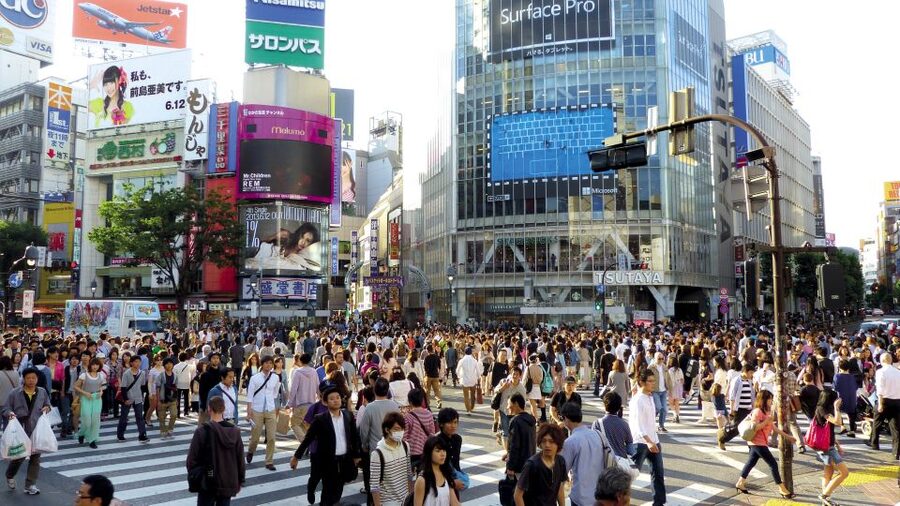
Even though this tour is flexible, it often covers different Tokyo “modes” across the day. You might get a classic Shibuya moment like Shibuya Crossing, then follow it with a calmer neighborhood feel so you can contrast styles.
You may also get areas tied to youth culture, like Harajuku, where the streets can feel playful and design-forward. One itinerary experience included places such as Cat Street and nearby backroads, which are the kind of spots you can miss if you only follow big-name landmarks.
What I like about this mix is how it reduces Tokyo anxiety. Instead of trying to cram everything into one day by yourself, you get a guided flow that makes each area easier to understand.
There is also room for specific interests. Some tours included niche fun stops like a Pokémon center. If you have a personal checklist, this tour can often treat it as part of the day’s story rather than as a random detour.
Same corner of Japan, a different kind of day:
- Mt Fuji and Hakone 1-Day Bus Tour Return by Bullet Train
★ 5.0 · 26,383 reviews - 1-Day Tokyo Bus Tour
★ 5.0 · 14,250 reviews - Tokyo: TOKYO SKYTREE® Admission ticket
★ 4.5 · 11,192 reviews - Tokyo: teamLab Planets TOKYO Digital Art Museum Entry Ticket
★ 4.6 · 9,779 reviews
Temples, shrines, and old customs without feeling rushed
You can expect cultural stops to show up in the plan, especially for first-time visits. Guides often incorporate temple and shrine time, plus traditional areas that help you see how old customs still show up in daily life.
For example, one guide plan mentioned Meiji Jingu Shrine, and another included Asakusa temple. Those are very different vibes, so the walking approach helps you feel the contrast instead of simply taking photos and moving on.
Some Lokafyers go deeper than the basics. One guide with strong kimono knowledge, Siih, was praised for extensive expertise in the area of kimonos, which is the kind of detail you cannot get from a quick audio guide.
The drawback to keep in mind: you may want to add attractions beyond walking areas. If you do, entrance costs apply. The tour itself covers the guide and customized walking, but entrance fees are on you.
Markets, backstreets, and best-kept secrets that make Tokyo personal
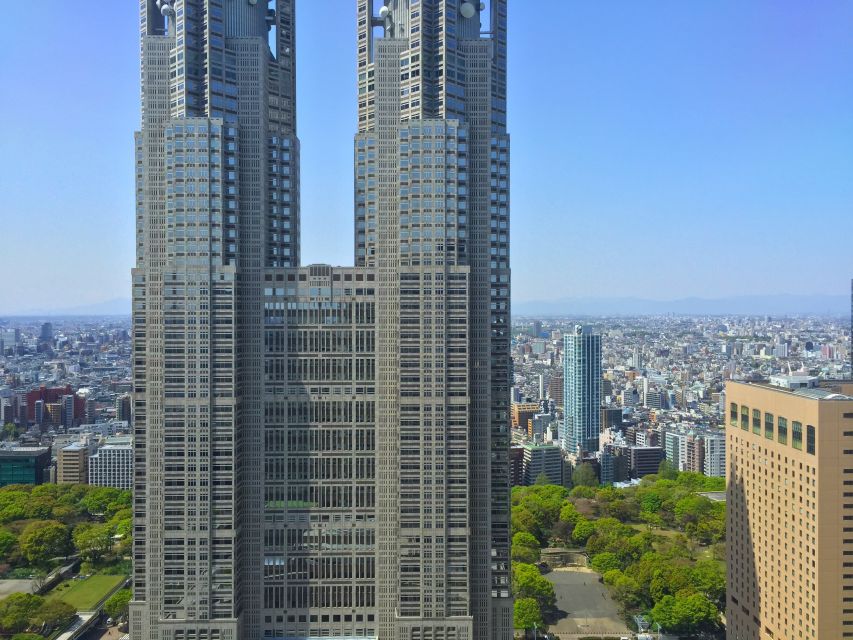
A lot of the most memorable moments in Tokyo come from side streets. People described the tour as getting them to quieter sections, including backstreets and markets that don’t feel like a performance for tourists.
In the experiences shared, guides led people through older market areas and less hectic zones where it felt easier to slow down and observe. That style of pacing is where Tokyo becomes human scale, even in a massive city.
You might also encounter street art and local courtyard café moments, the sort of places locals seem to treat as regular hangouts. One tour experience described a quiet courtyard café locals adore, which is exactly the kind of stop that makes the day feel personal.
If your goal is to learn Tokyo through people and places, this is where the tour shines. You get practical “how to see this like a local” guidance, not just photo opportunities.
Scenic photo stops, high-rise views, and garden breaks
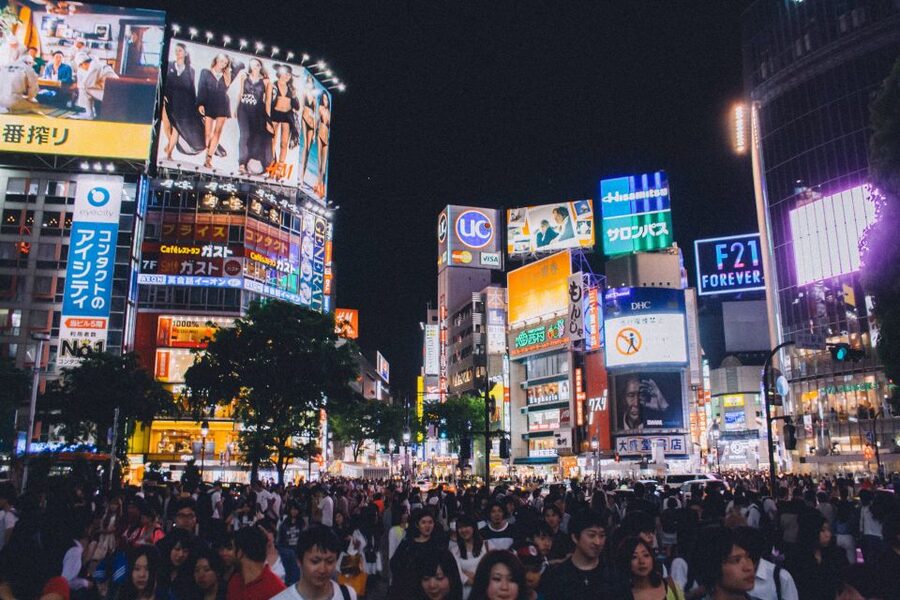
Tokyo has great viewpoints, but timing matters. This tour is flexible enough to include scenic stops when they fit your energy and walking pace.
Some guides were praised for helping people get views from towers, including a plan that included Shibuya Crossing views and a high-rise visit at Parco Tower. That combination works well because you get the street-level energy first, then the “map in your mind” perspective.
Other tours mentioned parks and gardens, including requests for beautiful gardens and cherry blossoms. Even on a rainy day, one guide experience included umbrella planning and route adjustments so people could keep moving without giving up the day.
Keep expectations practical: scenic stops depend on how you want to spend time, and high points may involve stairs or longer walks to reach viewpoints. If you have mobility limits, bring it up early so the Lokafyer can plan accordingly.
Food stops that feel like a recommendation, not an obligation
Meals are not included, but your guide can still shape your day around good food. You might stop for coffee, lunch, or a casual bite in neighborhoods you want to explore later on your own.
People described lunch spots as amazing and recommended, and several guides helped pick cafés with a local feel. There was even mention of helping with timing at a restaurant, which is the kind of practical detail that can save you from long waits.
If you want a break that is social and easy, ask for it. Many guides naturally build a café or lunch stop into the route because it gives you a natural reset point during walking.
One small but useful idea: use the meal stop as a chance to ask follow-up questions. A good Lokafyer can suggest where to go next, what neighborhoods fit your interests, and how to get there without stress.
Pacing and flexibility: how the 3 to 8 hours plays out
The tour duration ranges from 3 to 8 hours, and that range is part of the value. Short tours usually focus on an efficient introduction and a few key neighborhoods, plus practical navigation tips. Longer tours can add extra cultural stops, quieter areas, and more time for food and scenic breaks.
In the experiences described, guides adjusted to group needs. One guide included rest stops and kept a comfortable walking pace for elderly travelers. Another offered to meet earlier when plans changed, keeping the day workable.
Rain is another reality in Tokyo. One tour experience noted umbrellas and route switching to keep people dry while still seeing a good mix of places. That flexibility is hard to replicate when you are DIY-ing.
So think of the time as “how much Tokyo you want to unpack in one day.” If you’re overwhelmed, go shorter and focus on orientation. If you want momentum, take the longer window and let the guide connect multiple areas.
Languages, private setup, and what you should ask up front
This tour is offered with live guides in Spanish, English, and French. It is also wheelchair accessible, and it is a private group, meaning you are not stuck listening to someone else’s preferences for hours.
Because the route is personalized, the smartest move is to share your interests before you meet. If you care about transit, tell them. If you want culture, say so. If you want modern street culture, that can shape what neighborhoods you visit.
Also ask what kind of walking to expect. Since the experience is built around walking, you will get the best day when your shoe choice matches your planned pace.
When guides are described as adaptable, that usually means you can change the day without chaos. People mentioned guides being easy to work with, responsive to requests, and comfortable answering questions along the way.
Price and what you still need to budget
The price is $82 per person, with the tour lasting 3 to 8 hours. For Tokyo, that can be fair value when you compare it to the cost of your time spent figuring out transit, route planning, and what to prioritize.
This fee covers the local guide and a customized private walking tour. It does not cover entrance fees, meals and drinks, personal expenses, or transportation.
One important cost detail: if you include a visit to an attraction, you will need to cover the entrance cost for the local guide. That is not a huge surprise, but it is one that can catch people off guard if they assume everything is included.
My practical take: if you want a mix of major sights plus local streets, and you also want transit support, $82 can feel reasonable because it buys certainty. If you only want a light stroll with no transit help and no added stops, you might get less out of it.
Who should book this tour
Book this experience if you want Tokyo to feel navigable from day one. It works especially well for first-time visitors who need orientation and practical tips, and for people who prefer conversation over scripted facts.
It also suits travelers who are interested in local culture and how people live, not only monuments. If you want hidden courtyards, markets, cafés, and quiet backstreets, a guide who can tailor the route makes a real difference.
If you are a repeat visitor, you can still benefit by using the tour to target gaps. Ask for neighborhoods you skipped, transit patterns that still confuse you, or specific interests like street art or cultural shopping.
People described making connections with guides and leaving with the confidence to keep exploring on their own. That is the vibe you want if you’re trying to avoid tourist-brain and replace it with city-brain.
Should you book it?
I think it is a smart choice when you value direction, flexibility, and local recommendations more than you value ticking off a list. If you’re anxious about the subway, this tour’s focus on transit help is exactly what can reduce friction fast.
Do book it if you can bring your interests to the table, even if that interest is simple like shopping, temples, cafés, or high-rise views. A good Lokafyer can shape the day around you, and the experience is designed to feel like spending time with someone who actually lives there.
Skip it only if you want a low-effort sightseeing day with minimal walking and you already feel totally comfortable navigating Tokyo transit. In that case, a self-guided plan might cost less and still meet your needs.
FAQ
How long is the Tokyo private walking tour?
The tour duration is 3 to 8 hours. You can check availability to see starting times.
How much does it cost?
It costs $82 per person.
Is the tour private or part of a group?
It is 100% private and personalized, with no groups.
What languages are the live guides?
The live tour guide is available in Spanish, English, and French.
Where does pickup happen?
Pickup is included. The Lokafyer will meet you at your preferred location as long as it is in or near the city center, such as your hotel, an iconic landmark, or even a quiet café.
Is there a fixed route?
No. The tour is customized, and there is no fixed route.
Are entrance fees included?
Entrance fees are not included. If you want to visit an attraction, you will need to cover the entrance cost for the local guide.
Are meals and drinks included?
Meals and drinks are not included.
Do I need comfortable shoes?
Yes. Since this is a walking tour, wear comfortable shoes.
Can I cancel for free?
Yes. Free cancellation is available up to 24 hours in advance for a full refund.
Fresh options around Tokyo
- Tokyo: Samurai History Walking Tour★ 5.0 · 12 reviews
- Tokyo: Nikko Kegon Falls Lake Chuzenji Toshogu Temple & More★ 4.9 · 12 reviews
- Harajuku: Kawaii Fashion and Pop-Culture Tour★ 4.7 · 12 reviews
- Tokyo: Mt. Fuji & Lake Kawaguchi Instagram Full Day Trip★ 4.1 · 12 reviews
- Shibuya Tokyo: Modern Kintsugi Workshop in Shibuya★ 5.0 · 12 reviews
- Tokyo: GTR Guided Daikoku Experience at Night★ 5.0 · 12 reviews
- Tokyo: Daikoku JDM Car Culture Tour★ 4.6 · 12 reviews
- Mt Fuji Private Day Trip from Tokyo with English speaking driver★ 5.0 · 13 reviews
Walking Tours, compared.
Kyoto Geisha Walking Tour: Gion District & Hidden Gems
Read our review →
Tokyo Tsukiji Fish Market Food and Culture Walking Tour
Read our review →
Gion Magical Night Walking Tour with Geisha Trivia
Read our review →
Imperial Palace and Shogun Historical Walking Tour
Read our review →
Gion Geisha District Walking Tour – Stories of Geisha
Read our review →
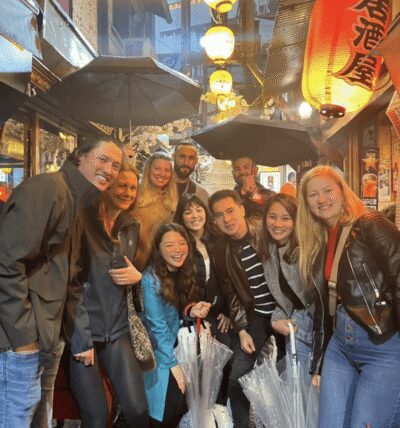
Shinjuku Local Bar and Izakaya Guided Walking Tour
Read our review →
Browse the lists this tour appears in