
Reviewed · WALKING TOURS
Tokyo: Imperial Palace and Shogun Walking Tour
Stone walls, koi ponds, and real political power. This 2-hour walk through the Imperial Palace East Gardens turns Tokyo’s calm atmosphere into a smart history lesson, with stories that connect samurai rule to modern Japan. I especially like the chance to see Ninomaru Garden and its quiet ponds up close, and I like how guides (like Tony or Izzy, depending on your group) answer questions in plain, practical terms.
One thing to consider is that palace grounds can mean extra time for entry and rules, so plan for a steady pace rather than a long, wander-at-will stroll.
Key highlights you will actually feel

- Ninomaru Garden and koi-filled ponds: calm water, slow-moving fish, and an easy place to pause and look.
- Edo Castle leftovers you can interpret: gates, foundations, and the shape of where power sat.
- Massive stone walls and defensive design: you start seeing the fortress logic behind the beauty.
- Guardhouse and yagura stops: small structures that help the big story make sense.
- Guides who tie history to Tokyo today: Tony, Blake, Miguel, Jim Allen, and others often connect past decisions to street-level life now.
A 2-hour shortcut into Edo Castle and shogun-era Tokyo

This tour is short on purpose. You get a focused walk through the East Gardens, where Japan’s political center of gravity once lived, then you move on before your brain gets overloaded. In a city packed with temples and neighborhoods, it is an efficient way to understand the Tokugawa shogunate and why the Imperial Palace grounds still matter.
What makes it work is the mix of “big picture” and “look closely.” The East Gardens are peaceful now, but the stone walls, gate areas, and old castle remains help you read the space like a defensive machine. I also like that the tour does not treat history like a museum label. It aims to show how power operated, then how Japan transitioned into the modern era.
And yes, you do slow down enough to enjoy the quiet. Seeing koi swimming in palace ponds is not just pretty. It gives you a sensory contrast to the subject matter, which is exactly what helps a first-time visitor remember the story later.
More Walking Tours in Tokyo
- Tokyo Tsukiji Fish Market Food and Culture Walking Tour
★ 5.0 · 3,184 reviews - Tokyo: Imperial Palace and Shogun Historical Walking Tour
★ 5.0 · 2,251 reviews - Tokyo: Shinjuku Local Bar and Izakaya Guided Walking Tour
★ 4.9 · 1,794 reviews
Meeting at Starbucks Kokyo Gaien, then heading straight in
You will meet in front of Starbucks Coffee at Kokyo Gaien Wadakura Fountain Park. The coordinates are 35.6830391, 139.7614181, which helps if you are using a map app and want to match the location precisely.
This start matters because it gets you oriented fast. The area is close enough to the palace complex that the walk to the first stop does not feel like wasted time. It also sets the tone: you are going from a modern caffeine stop into a space with layers of political meaning.
One practical note: palace tours can feel stricter than typical sightseeing. Go in expecting rules and possible entry checks, and the experience will feel smooth. If you arrive flustered, you will feel it more than you need to.
Ote-Mon Gate and the story of power at ground level
The tour begins with the Ote-Mon Gate stop, then you move into the Tokyo Imperial Palace area with a short guided visit. Ote-Mon is one of those points where the guide’s job is not just to point. It is to help you understand why gates like this were built the way they were.
Look at the structure with your guide’s pacing in mind. The tour is built around short segments, so you get context before you move again. I like this style because it keeps you from staring at details without knowing what they were for.
A good guide experience is one reason this tour scores so high. In past tours, guides like Tony have been praised for connecting Edo-era power to today’s Tokyo structure, and for answering questions clearly. If your guide is someone like Blake, you may notice an energetic, slightly humorous way of making the space feel alive, not robotic.
Hyakunin Bansho Guardhouse: where defense meets administration
Next up is the Hyakunin Bansho Guardhouse. It sounds like a small stop, but these “support” areas are often where the real mechanics of rule become easier to grasp.
A guardhouse helps you picture who stood watch, how security was organized, and how the castle system functioned day to day. The guide’s explanations tend to focus on practical meaning, like how spaces worked for people rather than just what the buildings look like.
This is also where you start getting more “stand here and imagine” moments. You are not expected to be an architect, but you do begin reading the space. Once you can see the layout logic, the rest of the tour clicks faster, including the stone wall segments later on.
Same corner of Japan, a different kind of day:
- Mt Fuji and Hakone 1-Day Bus Tour Return by Bullet Train
★ 5.0 · 26,383 reviews - 1-Day Tokyo Bus Tour
★ 5.0 · 14,250 reviews - Tokyo: TOKYO SKYTREE® Admission ticket
★ 4.5 · 11,192 reviews - Tokyo: teamLab Planets TOKYO Digital Art Museum Entry Ticket
★ 4.6 · 9,779 reviews
Fujimi-yagura and why viewpoints mattered in a fortress
The tour continues to Fujimi-yagura. In castle design, yagura often relates to surveillance and control, and that is the lens your guide should bring to it. Even if the structure is not huge, the concept is big: you are learning how visibility and position shaped security.
If you like military history without getting lost in dates, this stop is a strong one. The guide can frame it as a “why this spot mattered” lesson, which is easier to remember than memorizing a timeline.
It is also a nice moment to pause. You get a chance to shift from “reading structures” to “thinking strategically,” and that keeps the tour from feeling like a checklist. If your guide is the type praised for being patient and interactive, you may find yourself asking questions here just to see how the story connects.
Imperial Palace East Gardens: moats, foundations, and a calm you can interpret
Now you enter the Imperial Palace East Gardens, where the tour spends the longest chunk of time. This is where the experience feels most like a stroll, but with a guide directing what you notice.
You are looking at ruins and landscaped areas side by side, because that is what makes the East Gardens meaningful. The grounds are tranquil now, but you are still seeing elements of the former Edo Castle system, including moats and stone foundations. The guide’s job is to decode the massive stone walls and connect them back to defense and control.
This part is also where the “power was actually wielded here” theme becomes real. Not because you pretend history is alive in the literal sense, but because you stand in the geometry of authority. Once you understand how a fortress protected leadership, the palace calm feels even more striking.
One reason this stop performs so well in guide-led reviews is that the guides tend to keep the pace humane and the story easy to follow. Many comments highlight guides who stay friendly, stay on time, and answer questions without rushing. If your group has teenagers or time-crunched adults, this is a good segment to keep them interested, because it mixes visual stops with clear explanations.
Ninomaru Garden: seasonal beauty, koi ponds, and quiet control
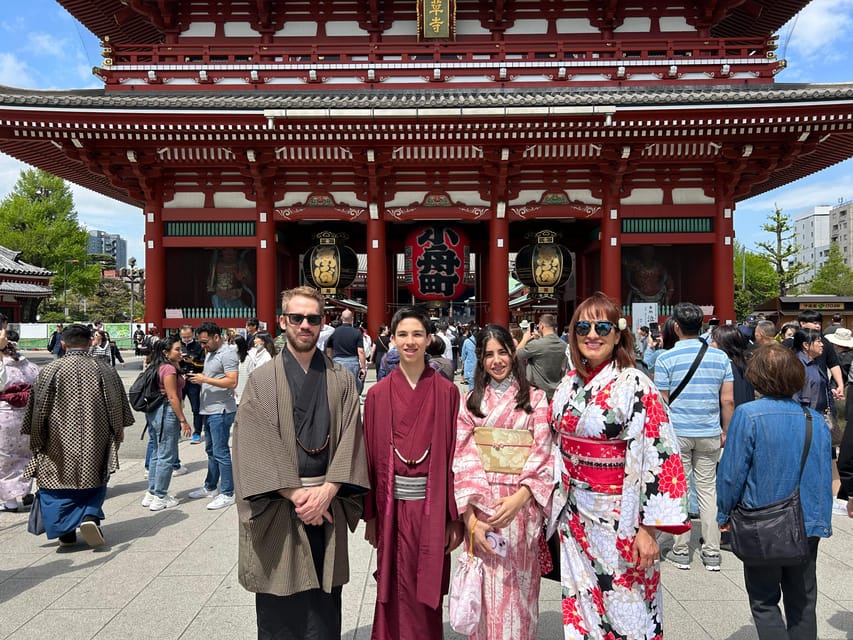
The final major highlight is Ninomaru Garden. This is the heart of the “serene but strategic” idea. You get Ninomaru Garden with guided time to enjoy it, and you also get the koi ponds experience that the tour is known for.
Seeing koi swimming in tranquil ponds inside the palace grounds is a rare feeling in a world-class mega city. It is calm, slow, and a little unreal after you have spent the earlier stops thinking about walls and guard points. That contrast is part of the value.
Seasonal beauty is another reason this garden works. Even if you visit in a colder month, you will still get a sense of Japanese garden design principles through water, layout, and how the space channels attention. The guide can help you interpret what you are seeing, including why pond placement and sightlines mattered.
This is also one of the best places to ask the guide about what comes next after the tour. Many guides in this format are praised for sharing recommendations for where to eat nearby and what else to do that weekend. That kind of local, practical advice can turn a short tour into a better overall trip plan.
Price and value: why $16 for 2 hours feels fair
At $16 per person for a 2-hour guided experience, you are paying for two things: guided interpretation and time saved. Tokyo’s Imperial Palace East Gardens are not the kind of place where you can easily guess meaning from signage alone. A guide turns the route into a story you can remember.
You also get an efficient structure. The tour starts at a clear meeting point, moves through multiple named sites, and finishes back at the same Starbucks location. That’s a lot of “context per minute,” especially if it is your first days in Tokyo and you want a grounded introduction rather than random wandering.
The strong reviews, averaging 4.9 with a large number of ratings, mostly point to the same value drivers: clear explanations, good pacing, and guides who keep the group engaged. Many comments also mention that the guide makes the difference in understanding significance, not just collecting facts.
What to watch for during the walk

Because this is a walking tour, your comfort matters. The tour is paced for a 2-hour visit, which usually means you will not have long free time to roam. If you like to linger and photograph endlessly, you may want to treat this as the guided “orientation round,” then plan a separate slower revisit on your own later.
Also, the palace setting can make routes feel more controlled than open-city attractions. If you are expecting a casual stroll, switch your mindset: this is sightseeing with rules, plus a guide who keeps you moving and looking in the right places.
Finally, your experience will rise or fall with the guide’s style. The good news is that this tour has a track record of friendly, humorous, patient guides who take questions and adjust to the group. Examples from guides who have led tours include Tony, Izzy, Blake, Miguel, Thomas, Jim Allen, and others noted for being approachable and easy to hear.
Who this Imperial Palace East Gardens tour suits best
This tour is ideal if you are:
- In Tokyo for the first time and want shogun-era context without heavy planning.
- Interested in how Japan moved from feudal rule toward modern government.
- The type who enjoys reading architecture and walls with a story attached.
- Traveling with mixed ages, including teens who need an engaging guide to stay interested.
It may be less ideal if you:
- Want a long, unstructured garden day with lots of personal wandering time.
- Prefer topics that focus only on art or only on religion, with minimal political history.
Should you book this Tokyo Imperial Palace walking tour?
Yes, I think you should book it if you want a clear, guided introduction to one of Tokyo’s most important historical spaces. The route is compact, the highlights are specific (especially Ninomaru Garden and its koi ponds), and the value comes from getting meaning out of walls, gates, and garden design rather than just viewing them.
If you are trying to choose between a solo visit and a guided one, the guide advantage is the whole point here. When a guide like Tony ties Edo decisions to Tokyo you can see today, or when someone like Blake makes the garden feel more understandable, your time turns into understanding, not just photos.
FAQ
How long is the Tokyo Imperial Palace and Shogun Walking Tour?
The tour duration is 2 hours.
How much does the tour cost?
It costs $16 per person.
Where do I meet the guide?
You meet in front of Starbucks Coffee – Kokyo Gaien Wadakura Fountain Park (35.6830391, 139.7614181).
What stops are included in the walking route?
The tour includes Ote-Mon Gate, Tokyo Imperial Palace, Hyakunin Bansho Guardhouse, Fujimi-yagura, Imperial Palace East Gardens, and Ninomaru Garden.
What is included with the price?
The tour includes an English-speaking guide and a guided walking tour of the East Gardens.
Is the tour available in English?
Yes, the tour guide provides live English language commentary.
Is the tour wheelchair accessible?
Yes, the tour is wheelchair accessible.
Can I cancel for a full refund?
Yes. You can cancel up to 24 hours in advance for a full refund.
Fresh options around Tokyo
- Tokyo: Nikko Kegon Falls Lake Chuzenji Toshogu Temple & More★ 4.9 · 12 reviews
- Tokyo: Samurai History Walking Tour★ 5.0 · 12 reviews
- Harajuku: Kawaii Fashion and Pop-Culture Tour★ 4.7 · 12 reviews
- Tokyo: Mt. Fuji & Lake Kawaguchi Instagram Full Day Trip★ 4.1 · 12 reviews
- Shibuya Tokyo: Modern Kintsugi Workshop in Shibuya★ 5.0 · 12 reviews
- Tokyo: GTR Guided Daikoku Experience at Night★ 5.0 · 12 reviews
- Tokyo: Daikoku JDM Car Culture Tour★ 4.6 · 12 reviews
- Mt Fuji Private Day Trip from Tokyo with English speaking driver★ 5.0 · 13 reviews
Walking Tours, compared.
Kyoto Geisha Walking Tour: Gion District & Hidden Gems
Read our review →
Tokyo Tsukiji Fish Market Food and Culture Walking Tour
Read our review →
Gion Magical Night Walking Tour with Geisha Trivia
Read our review →
Imperial Palace and Shogun Historical Walking Tour
Read our review →
Gion Geisha District Walking Tour – Stories of Geisha
Read our review →
Shinjuku Local Bar and Izakaya Guided Walking Tour
Read our review →
Browse the lists this tour appears in