
Reviewed · WALKING TOURS
Tokyo: Asakusa Walking Tour with Japanese Comedian
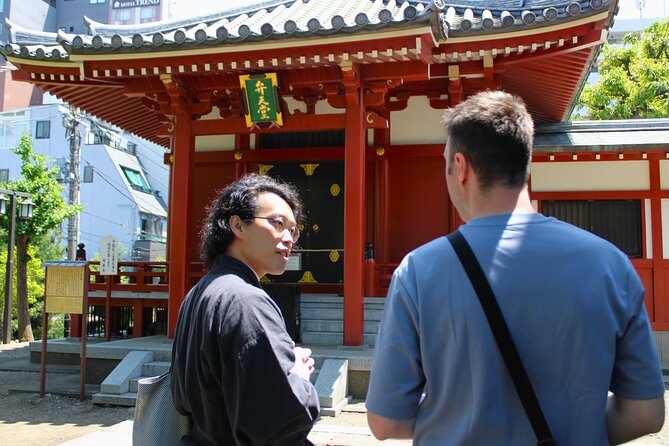
Asakusa history feels effortless on foot. This 90-minute walk with Japanese comedian guide Ryo turns temple names you already recognize into a story you can actually picture. I like the small-group size and the English comedy angle, which makes the religious and cultural facts stick. One possible drawback: the core sights are famous for a reason, so if you already have an exact Asakusa checklist, you may feel like you are re-visiting familiar spots at a guided pace.
You start at the Tokyo Cruise water bus area near Asakusa Station and end at the main hall area at Sensō-ji, with skip-the-ticket-line access and a tight route through Sumida Park, Kaminarimon Gate, Nakamise Shopping Street, Asakusa Shrine, and Sensō-ji Temple. Ryo brings real local perspective too, including 6 years working in Asakusa as a rickshaw driver. Note: the tour stays focused on sights, so you will not be pulled into food or souvenir stops along the way.
Key highlights worth your time
- Comedian guide Ryo keeps the tone light in English, using humor tied to standup comedy and local culture
- Small group (max 8) means you can ask questions and hear details clearly
- Temple and shrine side-by-side in Asakusa helps you understand how Buddhism and Shinto show up in daily life
- Kaminarimon and Sensō-ji specifics include statues of Buddhist deities and why they matter
- Nakamise Shopping Street gets an origin story, with illustrations instead of a pure shopping break
- You skip the ticket line, so more of the time goes toward looking and learning
Why This Asakusa Walk Feels Different: Ryo’s Comedian Perspective
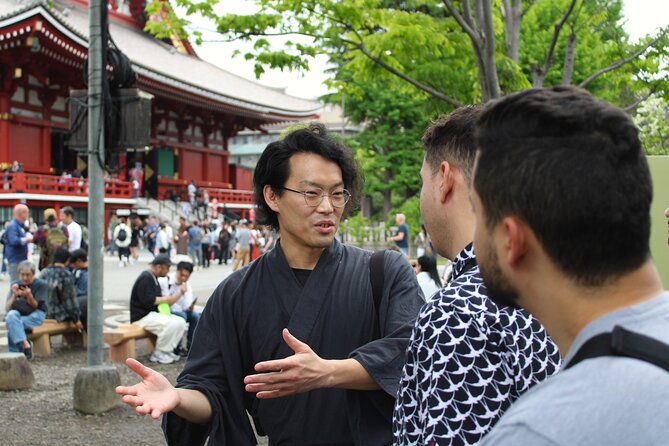
Asakusa can be a lot on your first day in Tokyo. It is visually intense, there are crowds near the big gates, and it is easy to take photos without really understanding what you are looking at. This tour helps you slow down just enough. You are not just moving from landmark to landmark, you are getting cultural meaning attached to each stop.
Ryo is the key. He works as a comedian and storyteller, so the explanations do not land like a lecture. The humor is tied to his standup comedy experience and delivered in English, which is a big deal if you want context without needing Japanese language skills. I also like that the jokes are not random. They connect to the way Japanese culture is talked about, practiced, and understood, especially around religion and everyday etiquette.
You also get more than one “big photo” moment. Ryo points out the smaller visual cues you might otherwise miss, like specific deities and symbols around the temple area, and how they fit into belief. That is how Asakusa becomes more than a checklist.
More Walking Tours in Tokyo
- Tokyo Tsukiji Fish Market Food and Culture Walking Tour
★ 5.0 · 3,184 reviews - Tokyo: Imperial Palace and Shogun Historical Walking Tour
★ 5.0 · 2,251 reviews - Tokyo: Shinjuku Local Bar and Izakaya Guided Walking Tour
★ 4.9 · 1,794 reviews
Meeting at Tokyo Cruise and Getting Oriented Fast
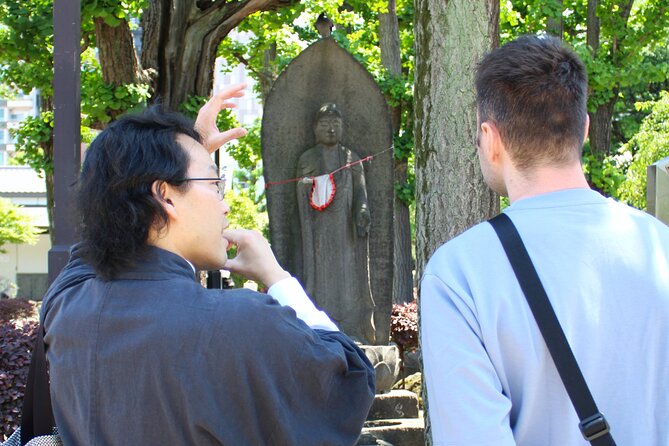
The meeting point is in front of Tokyo Cruise, the water bus station area by Asakusa. It is a 1 to 2 minute walk from Asakusa Station on the Tokyo Metro Ginza Line, so you are not stuck with a long transit puzzle before the tour begins. You also get a clean starting rhythm, since the tour is scheduled for 90 minutes and follows a fixed route.
Arrive about 5 minutes early. The tour starts on time, and the guide will not wait for late arrivals. That matters in Asakusa because it can take a moment to find the exact water bus entrance and settle near the group. If you are coming from elsewhere, I recommend building in extra buffer so you are not sprinting through the station area.
One practical plus: it is a walking tour with a small group, limited to 8 participants. That size tends to keep things manageable, especially when you hit the tight parts around Kaminarimon Gate and the temple grounds. The tour is also listed as wheelchair accessible, which you should appreciate if you want a guided plan without guessing routes.
Sumida Park, Skytree, and Asahi Beer Company: The Warm-Up Stops
Before you go deep into the temple area, Ryo warms you up with landmarks and viewpoints. You begin with Sumida Park, then move through photo stops and quick orientation points.
One of the more interesting early segments is the connection to modern Tokyo landmarks. Ryo shows you Tokyo Skytree and Asahi Beer Company as you get your bearings. That might sound like a detour, but it actually helps. Asakusa is the old side of Tokyo, yet the neighborhood is surrounded by modern landmarks and business. Seeing both in the same tour trains your brain to compare eras instead of treating Asakusa as a frozen theme park.
You also get a free view of Asakusa from the top of a nearby building. You are not paying for a ticketed viewpoint, which makes it feel like a local shortcut. Even if you do not remember every fact, that kind of overview is useful because it makes your later photo angles and spatial sense much better once you are walking among the shrine and temple buildings.
Kaminarimon Gate and Asakusa Shrine: Where Two Religions Meet
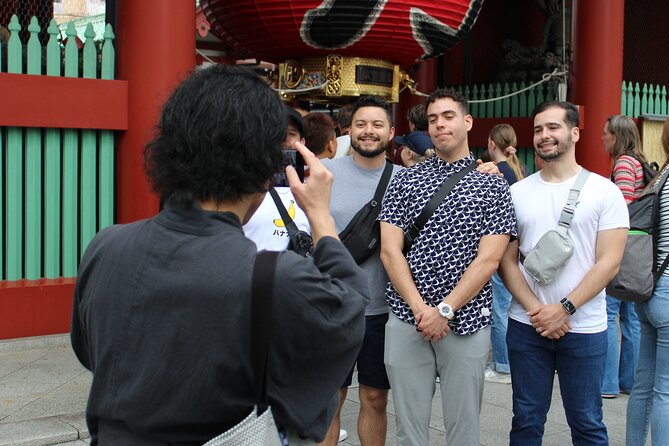
The first true “wow” moment is Kaminarimon Gate, the iconic thunder gate into the Sensō-ji area. Ryo treats this as more than a photo stop. He explains what you are seeing and why it looks the way it does, helping you read the symbolism while you are still outside.
A big value here is Asakusa itself as a place where Buddhism and Shinto coexist close together. Asakusa Shrine sits near the Buddhist temple area, and Ryo uses that physical closeness to explain religious views among Japanese people. If you have ever wondered how people can be part of different traditions in the same city, this is the simplest way to get a grounded answer. You see the structure, then you hear the meaning.
You also get visits to multiple temples and shrines around the area, not just one main stop. Along the way, you may encounter statues of Buddhist deities and learn what their significance is. The goal is not to memorize names like a textbook. It is to understand why these images are present, what role they play, and how people might approach them during visits.
One practical tip: wear shoes that can handle stone walkways and crowd areas. You will be on your feet for most of the 90 minutes, and the tour benefits from slow walking so you can hear the details.
Same corner of Japan, a different kind of day:
- Mt Fuji and Hakone 1-Day Bus Tour Return by Bullet Train
★ 5.0 · 26,383 reviews - 1-Day Tokyo Bus Tour
★ 5.0 · 14,250 reviews - Tokyo: TOKYO SKYTREE® Admission ticket
★ 4.5 · 11,192 reviews - Tokyo: teamLab Planets TOKYO Digital Art Museum Entry Ticket
★ 4.6 · 9,779 reviews
Sensō-ji Temple Details and the Ticket-Line Shortcut
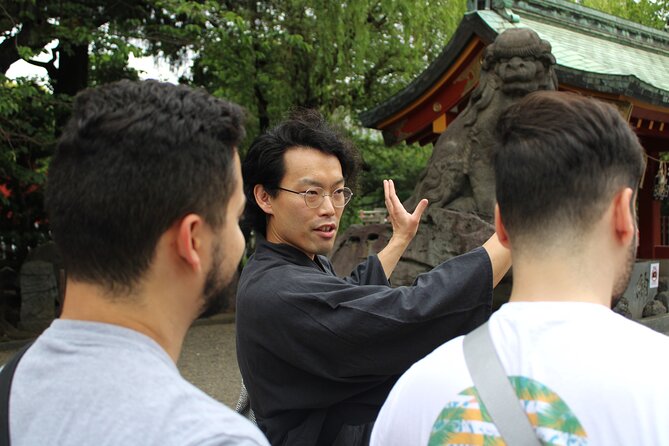
Sensō-ji is famous, and you are going to see it. The difference is what you do after you notice the buildings. Ryo focuses on temple area specifics: why certain elements exist, what you are supposed to pay attention to, and how the space has been loved and supported across different periods of Japanese history.
You also get help preparing for the temple’s interior rhythm. The tour includes explaining the origin of Sensō-ji before you go deeper. You will see illustrations during the Nakamise Shopping Street segment that help explain how the temple developed and why it gained support over time, from locals to historical figures across eras.
A very practical bonus: skip the ticket line. Crowds near major temple sites can eat time, and this is one of those cases where saving even 20 minutes can make a huge difference to your energy level. Instead of spending your best walking time waiting, you spend it looking.
Expect a guided experience that feels structured but not rushed. Ryo’s local perspective, shaped by years in Asakusa as a rickshaw driver, comes through in how he talks about the neighborhood beyond the postcard view.
Nakamise Shopping Street Without the Detour to Shopping
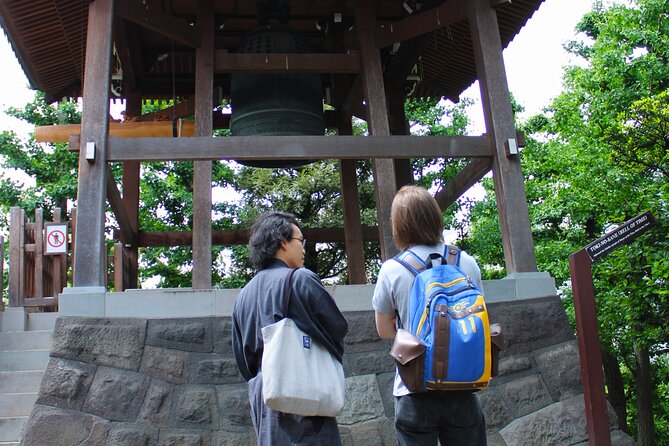
Nakamise Shopping Street is the classic lane of food and snacks leading toward Sensō-ji. In this tour, it is not treated as a free-for-all shopping walk. Instead, it is used as a storytelling corridor.
Ryo explains the origin of Sensō-ji and shows various illustrations, connecting what you are seeing on the street to what the temple means historically and socially. This is valuable because it gives context right when you are passing through the most visually busy area. Without that, Nakamise can turn into a blur of lanterns, stalls, and shopping signs.
The tour specifically does not stop for food or souvenirs. That is a smart choice if you want the cultural and historical parts delivered efficiently. It also means you can decide afterward what you actually want to try or buy, instead of being pulled into forced “tour time” spending.
That said, you will still get recommendations at the end, and sometimes even in the moment. For example, one account notes a guide recommendation for melon pan. If you want to snack, plan to do it after the tour. Bring a light appetite, but do not expect a mid-tour break.
Pacing, Small Group Size, and When This Tour Fits You
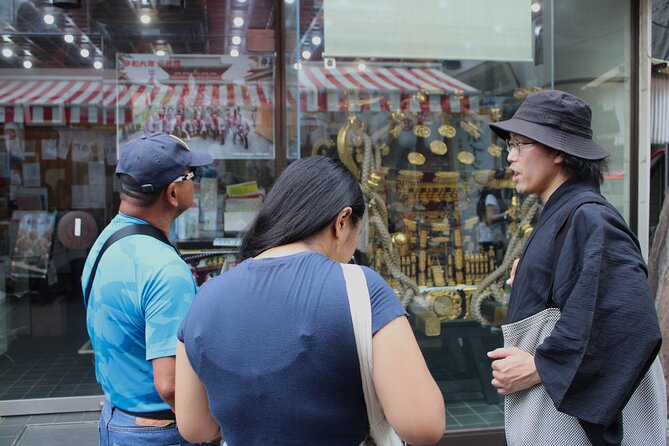
The group limit is 8 participants, and that size changes the whole feel. You are not competing with a large crowd for hearing distance. You can ask questions, and Ryo can adjust his explanation if someone is curious about a detail like deity statues, religion comparisons, or local customs.
The tour is also explicitly an itinerary-based walk. That means you do not get to turn it into your own private wandering session. If you are the type who loves flexible hours for random side streets, you might prefer a self-guided day with a short add-on tour. If you are the type who likes a guided spine for your first visit, this fits well.
A practical note on pacing: in a compact area like Asakusa, time compresses quickly. Your 90 minutes will feel full because you cover multiple stops, including Kaminarimon, Asakusa Shrine, Sensō-ji Temple, and Nakamise. If you are arriving tired from jet lag, I suggest keeping this tour as your early day activity. It helps you orient and reduces decision fatigue later.
Price and Value: What $31 Gets You in Real Terms
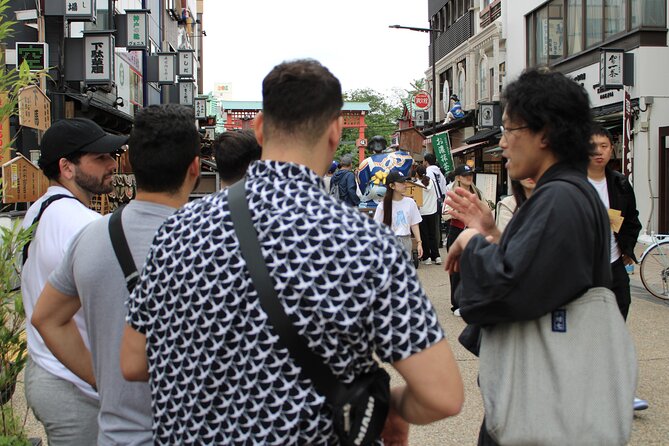
At $31 per person for 90 minutes, this sits in the “good value for guided context” range. What you are paying for is not just walking with someone. You are paying for three things that are hard to replicate easily on your own:
First, skip-the-ticket-line saves time in a crowded area. Second, you get structured explanations tied to the physical layout, including how Buddhism and Shinto appear close together in Asakusa. Third, Ryo adds humor and an English-friendly delivery style, which makes the history easier to absorb.
There is also a subtle value to the modern-to-old contrast built into the route. Tokyo Skytree, Asahi Beer Company, and Sumida Park are not random filler. They help you set the scene so Asakusa feels like part of the living city, not an isolated old-world set.
The main thing to consider on value is your starting point. If you already know the major facts and plan to focus only on photos, the tour might feel like it spends too much time on explanations you already expected. If you want a smarter first visit and a quick framework for understanding what you are seeing, the price feels fair.
What You Might Want to Skip Doing After, and What to Do Instead
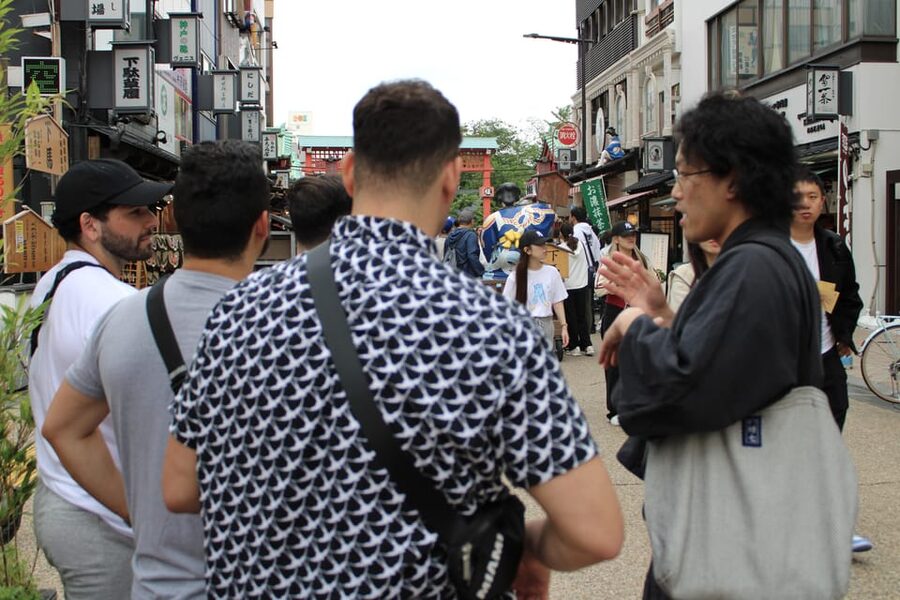
Because the tour route is fixed and does not include shopping or food stops, you will likely want to plan your personal time right after the tour ends. The tour finishes at the main hall area, so you will be right where many people want to linger.
Your best move is to use your “post-tour freedom” time for what you actually care about:
- Return to Nakamise if you want to pick snacks or browse souvenirs with zero schedule pressure
- Take extra time at Sensō-ji details you noticed during the tour
- If you like seasonal moments, keep your eyes open. One note in an earlier season mentioned a cherry blossom tree despite winter, which signals that lighting and timing can change the feel of the area
Also, since the guide cannot pick you up from your hotel or bring you to the station afterward, treat the tour as a self-contained block. Get yourself to the meeting point, then plan your next leg using public transport or walking from there.
Should You Book This Asakusa Tour?
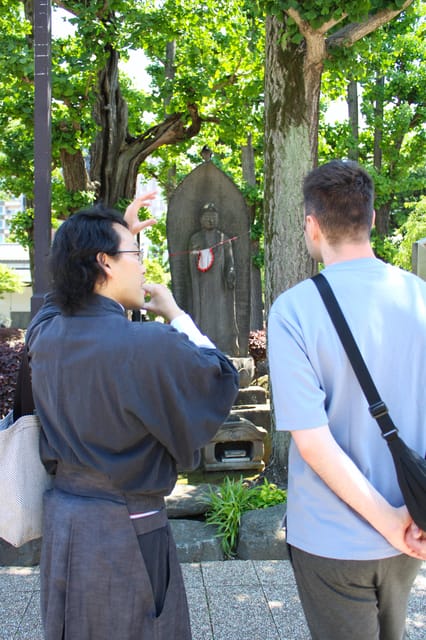
If this is your first time in Asakusa, I think you should book it. The combination of iconic sights plus meaning, delivered in English with comedian humor, is exactly what makes a guided walk worth paying for. It is also ideal if you want to understand the practical reality of how Buddhism and Shinto show up in one neighborhood, not just admire buildings from the outside.
I would hesitate only if you are already confident you know all the background and you want maximum free time for wandering and shopping. In that case, you might still enjoy Ryo’s explanations, but you may not feel like the structured 90 minutes is buying you much new.
FAQ
Where do I meet the guide?
Meet in front of Tokyo Cruise, the water bus station area. It is about a 1 to 2 minute walk from Asakusa Station on the Tokyo Metro Ginza Line.
How long is the tour?
The tour is 90 minutes.
What is included in the price?
You get a guided walking tour and a comedian guide (Ryo). The tour also includes skip-the-ticket-line access.
Is the tour in English?
Yes. The live guide speaks English and Japanese.
How many people are in the group?
The group is small, limited to 8 participants.
Is the tour wheelchair accessible?
Yes, the tour is listed as wheelchair accessible.
Will we stop for food or souvenirs?
No. The itinerary is focused on sights and does not include stops to shop for food or souvenirs. The guide can share recommendations for after the tour.
Where does the tour end?
The tour finishes at 本堂, the main hall area.
How early should I arrive?
Arrive 5 minutes before the tour starts. The tour starts on time and late guests cannot be waited for.
Can I cancel or pay later?
Free cancellation is available up to 24 hours in advance for a full refund. You can also reserve now and pay later to keep plans flexible.
Fresh options around Tokyo
- Tokyo: Nikko Kegon Falls Lake Chuzenji Toshogu Temple & More★ 4.9 · 12 reviews
- Tokyo: Samurai History Walking Tour★ 5.0 · 12 reviews
- Harajuku: Kawaii Fashion and Pop-Culture Tour★ 4.7 · 12 reviews
- Tokyo: Mt. Fuji & Lake Kawaguchi Instagram Full Day Trip★ 4.1 · 12 reviews
- Shibuya Tokyo: Modern Kintsugi Workshop in Shibuya★ 5.0 · 12 reviews
- Tokyo: GTR Guided Daikoku Experience at Night★ 5.0 · 12 reviews
- Tokyo: Daikoku JDM Car Culture Tour★ 4.6 · 12 reviews
- Mt Fuji Private Day Trip from Tokyo with English speaking driver★ 5.0 · 13 reviews
Walking Tours, compared.
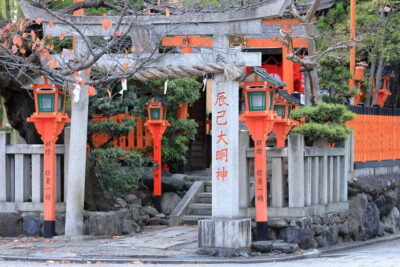
Kyoto Geisha Walking Tour: Gion District & Hidden Gems
Read our review →
Tokyo Tsukiji Fish Market Food and Culture Walking Tour
Read our review →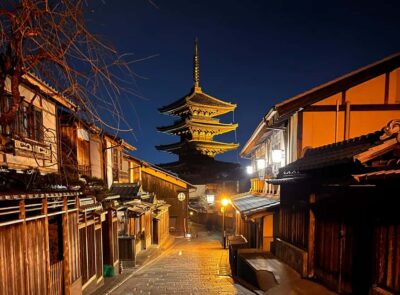
Gion Magical Night Walking Tour with Geisha Trivia
Read our review →
Imperial Palace and Shogun Historical Walking Tour
Read our review →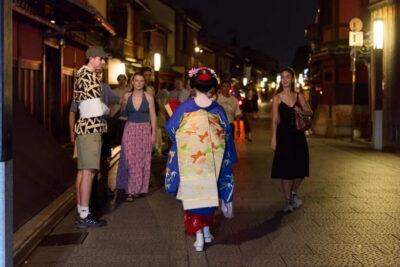
Gion Geisha District Walking Tour – Stories of Geisha
Read our review →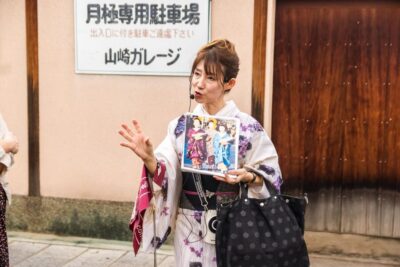
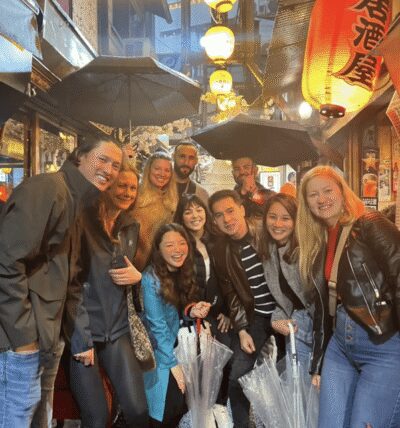
Shinjuku Local Bar and Izakaya Guided Walking Tour
Read our review →
Browse the lists this tour appears in