
Reviewed · WALKING TOURS
Tokyo: Asakusa & Tokyo’s Oldest Temple Senso-ji Walking Tour
Tokyo has a way of slowing you down. In Asakusa, that happens fast, because you are walking straight into the story of Senso-ji and the streets around it. I like this style of tour because it keeps the focus tight, from the dramatic Kaminarimon Gate to the nearby shopping lanes, without turning the day into a logistics game. One thing to weigh: it is a compact, 2-hour loop in one area, so if you want a wider Tokyo sweep, you will need a different plan.
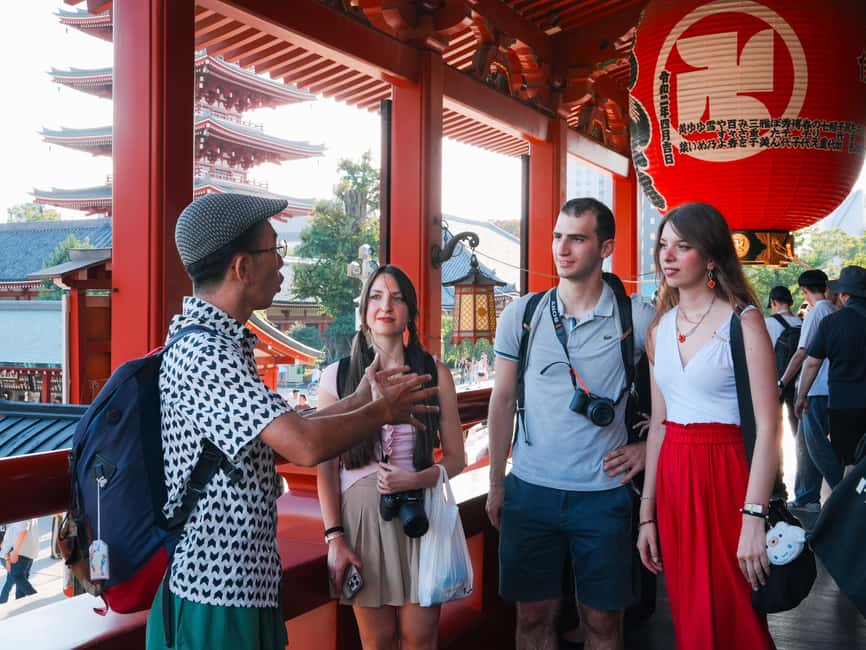
What I really like is the combination of temples plus street atmosphere. You get a guided pass through the exact places first-time visitors usually take photos of, plus context that helps you read the neighborhood like a local. Also, the small group size (up to 10) means your guide can actually point things out and respond, not just talk at a crowd.
Still, a small area tour has one limitation: you will spend most of your time in and around Asakusa, so expect to eat snacks and shop a bit, rather than moving far for constant new sights.
Key points I’d mark before you go
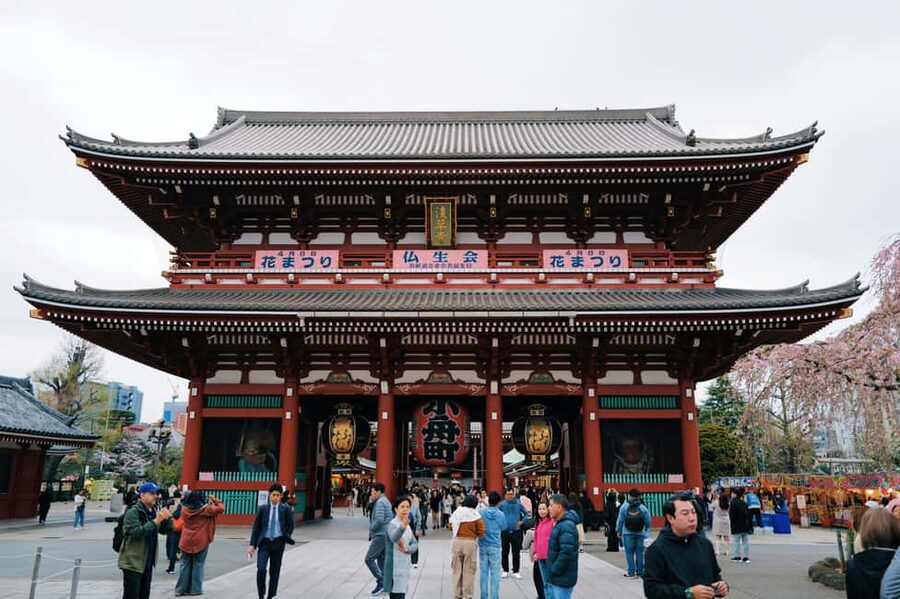
- Tokyo’s oldest celebrated temple: you base the walk around Senso-ji, including a temple visit and photo time at the gates.
- Kaminarimon and the first big photo moment: you start near 雷門交番 and build toward dramatic arrival views.
- Nakamise Street time that actually feels useful: about an hour to see the classic shopping street without rushing.
- Edo-era storytelling focus: your guide ties the area to legends, quarters, and Tokyo’s past as you walk.
- Small group, English guide: limited to 10, with English live interpretation.
- Excellent value for what’s included: a low price with a guide and admissions included.
Entering Asakusa by the right starting point
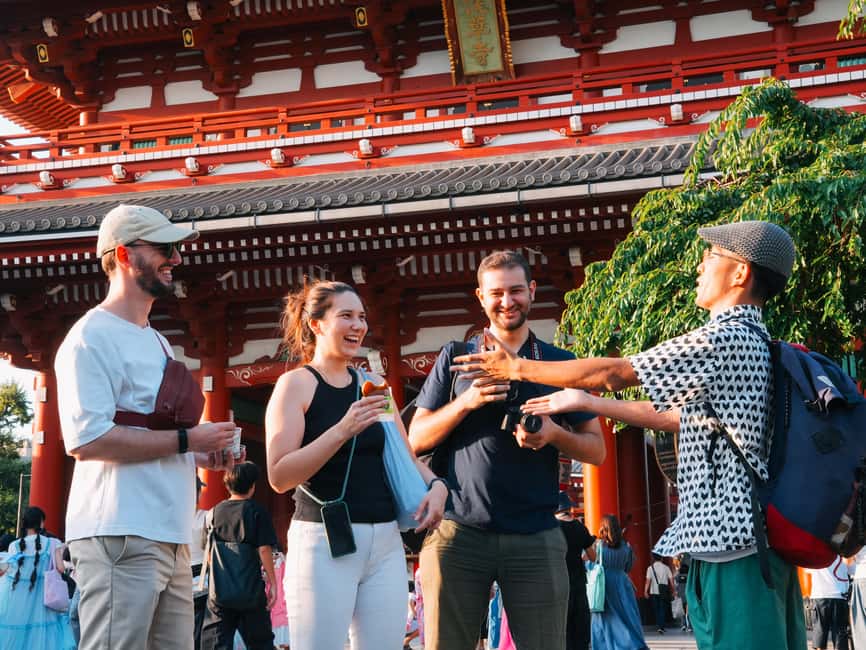
The most helpful thing about this tour is where it begins: right at 雷門交番 by Kaminarimon. That matters because Asakusa can feel like a maze if you arrive without a plan. Starting at a clear, well-known point means you spend your energy looking up at lanterns and architecture, not scanning maps.
From there, the walk builds in a logical rhythm. You ease into the atmosphere first, then hit the big spiritual anchor, then shift into neighborhood time where you can slow down and linger. In a city as huge as Tokyo, that pacing is surprisingly calming.
At just 2 hours, the tour fits neatly into a day that also includes other neighborhoods or a museum afternoon. It also works well as a first taste of Tokyo, because Asakusa is very recognizable but still deep enough to reward attention.
More Temple & Shrine Tours in Tokyo
- Tokyo: Meiji Shrine, Asakusa, Skytree Bus Tour and Cruise
★ 4.7 · 1,986 reviews - Tokyo: Asakusa Walking Tour with Sensoji Temple Visit
★ 4.8 · 1,583 reviews - Nikko: Kegon Falls, Lake Chuzenji & Toshogu Temple
★ 4.6 · 1,577 reviews
Senso-ji and Kaminarimon: the “why people come” part
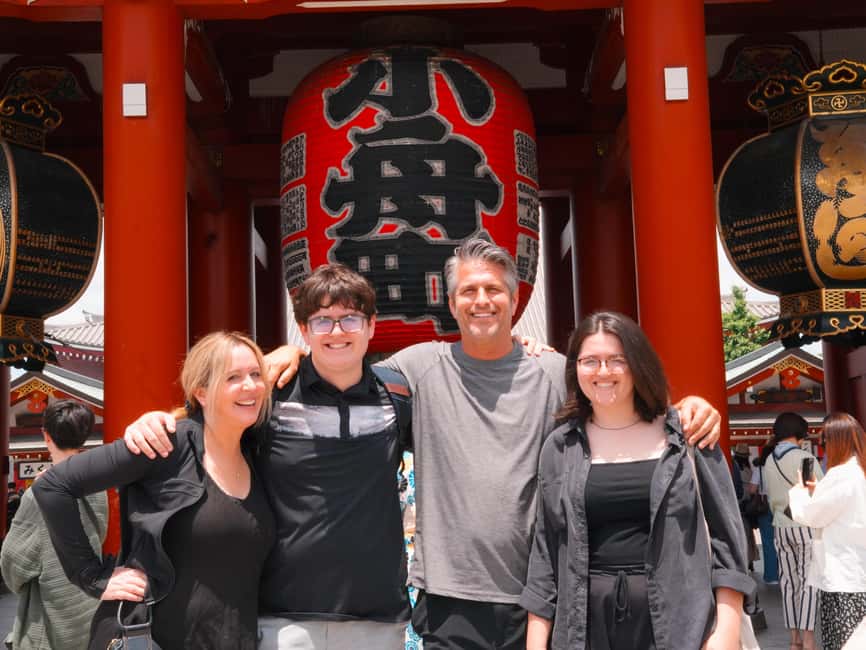
Your route centers on Senso-ji, described as Tokyo’s oldest and most celebrated temple, with roots reaching back to the 7th century. That timeline turns the gate-and-lantern vibe from a photo backdrop into something you can actually understand while you walk.
The tour includes admission to Senso-ji, which is a practical win. It removes one step from the pre-planning checklist and lets you focus on the experience. You will also get a photo stop tied to the temple area, which is helpful because those spots fill up quickly. Even if you are not a “serious photographer,” you want a moment where you can frame the iconic views without constantly moving.
Why this stop feels worth your time: once you know what to look for, the temple grounds stop being just beautiful scenery. You start noticing the flow of visitors, the way people move through the gate areas, and the meaning behind certain features your guide points out. The walk timing is built around that, so you are not stuck waiting through long stretches.
Nakamise Shopping Street: classic snacks, classic souvenirs
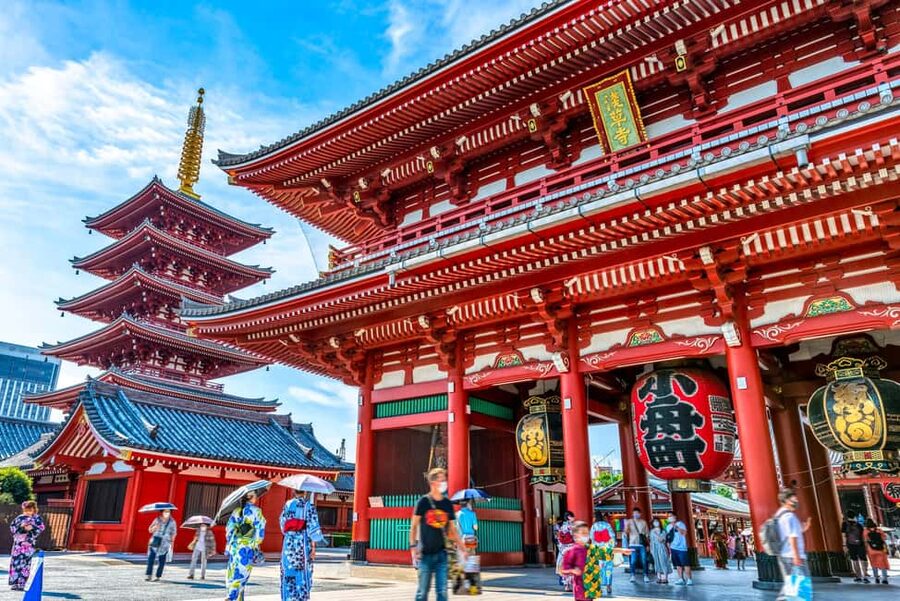
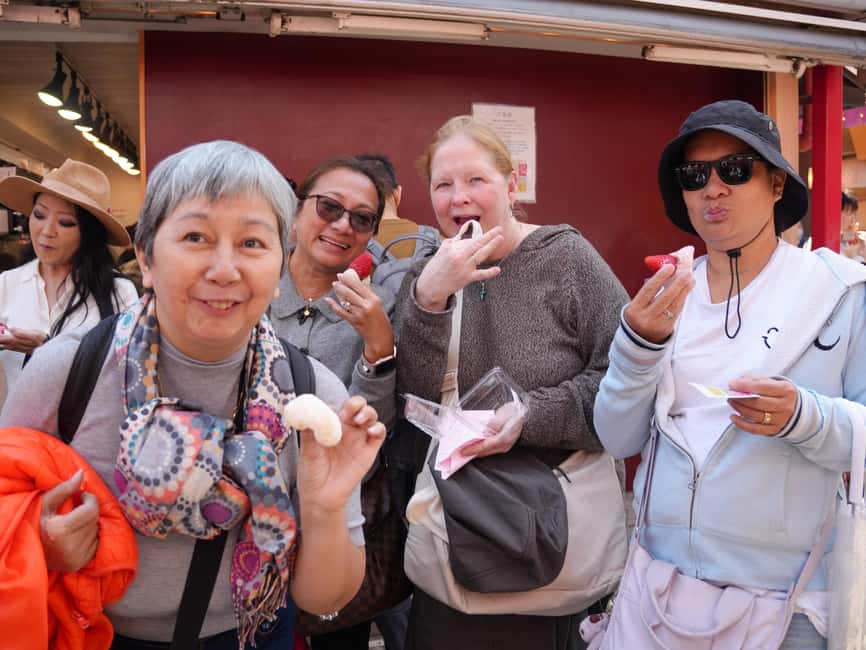
Next comes Nakamise Street, given about one hour. This is the “you are in the right place” corridor. You get traditional shops lined up in a way that feels familiar even if you have never visited before, and you can smell sweet and savory street foods as you go.
I like that the tour gives Nakamise dedicated time. Many self-guided visits feel chaotic because you spend too long in one stall or you rush through without sampling anything. Here, you can browse, compare prices, and decide what you actually want to carry home.
The tour context also helps you shop smarter. When a guide adds background about why certain items show up here, you are more likely to buy something with meaning rather than just whatever looks cute. You will still be free to snack and browse, but you are doing it with a bit of cultural framing.
One practical consideration: Nakamise is a shopping lane, so if you are not interested in souvenirs or street food, you may find some parts of it slower. It is still worth it for the atmosphere and for the way it sets you up for Senso-ji.
Asakusa neighborhood time: legends, shrines, and local texture
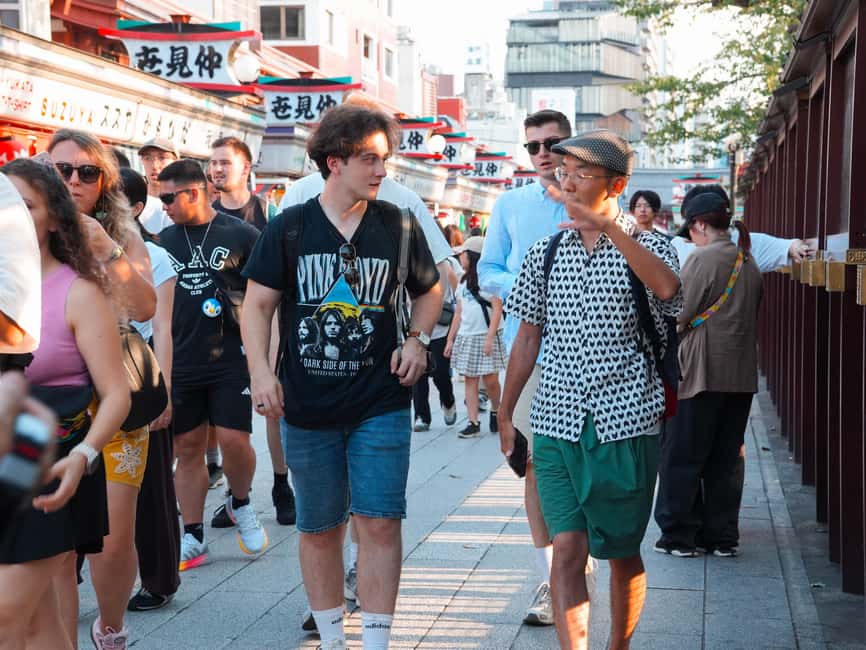
After the temple and Nakamise, you get a block of Asakusa time (about 80 minutes) focused on seeing the district as a living neighborhood, not just a sightseeing postcard.
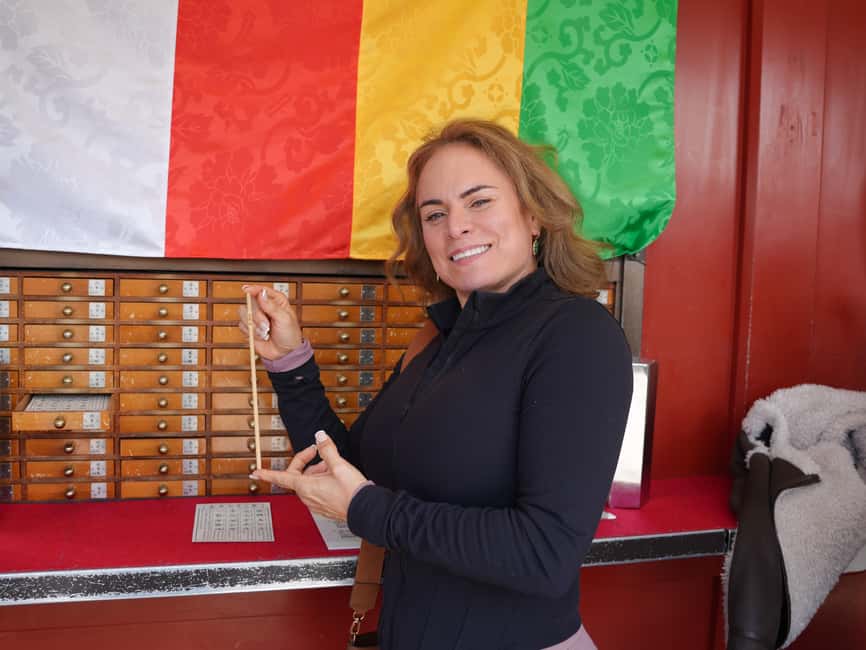
This is where your guide’s storytelling becomes the glue. The tour is designed to connect Asakusa to themes like Edo-period Tokyo, geisha quarters, and the neighborhood’s changing role through time. You also get references to smaller religious spots and quieter corners that many first-time visitors walk past.
What you gain from this neighborhood portion is perspective. Senso-ji is the headline, but Asakusa is the reason the temple feels human. You notice everyday rhythms: where people pause, how streets open up, and how old layouts still shape modern foot traffic. Even if you only plan to spend a short time in Asakusa, this portion helps you leave with a clearer mental map.
A fair caution: since it is still in one district, the variety depends on your guide’s route choices. If you end up with a guide who keeps it too factual or too route-driven, the Asakusa segment can feel less animated. The good news is that the overall guide quality in the feedback is strong, especially around storytelling and enthusiasm.
More Walking Tours in Tokyo
- Tokyo Tsukiji Fish Market Food and Culture Walking Tour
★ 5.0 · 3,184 reviews - Tokyo: Imperial Palace and Shogun Historical Walking Tour
★ 5.0 · 2,251 reviews - Tokyo: Shinjuku Local Bar and Izakaya Guided Walking Tour
★ 4.9 · 1,794 reviews - Tokyo: Tsukiji Fish Market Food and Walking tour
★ 5.0 · 1,724 reviews
The guides: Lax, Shoma, and what the feedback says
The experience is led by English live guides, and the names showing up in the feedback are a big clue about what you are likely to get.
Lax comes up repeatedly as a highlight, described as extremely knowledgeable, passionate, and fun. Several comments focus on how friendly and engaging he is, with one note that the day felt extra special due to having a more personalized group dynamic. There is also praise for making the tour feel original rather than rehearsed.
Shoma is also singled out, with feedback stressing strong English, clear explanations, and a helpful balance of religion and culture. In that type of tour, language quality matters. You do not just want a guide who can translate, you want one who can explain how people think and why traditions look the way they do.
There is also one mild negative note in the feedback: one guide was described as nice but not as engaging yet, with a suggestion that the guide could better connect the visible sights with story-driven facts. That matters for your decision, because it suggests the quality can vary by guide.
If you book, take it as a bonus that you are not paying a premium for a “premium vibe.” You are paying for a local guide and a structure that keeps you moving, with the potential for great storytelling.
Value and price: why $11 can make sense in Tokyo
At $11 per person for a 2-hour guided walk, the price is the biggest headliner. Tokyo can be expensive, so a low-cost walking tour stands out. The value case here is not just the cost. It is what is included.
You are getting:
- a guide
- a walking tour
- admission to Asakusa and admission to Senso-ji
- access tied to the Nakamise Shopping Street portion
And the group is small, limited to 10 participants. That combination, especially in a tourist-heavy area like Asakusa, is where the deal feeling comes from. Most walking tours either charge more without admissions included, or they include almost nothing besides talking time.
The main consideration is that this is not a private tour and it is not a full-day Tokyo deep study. It is a compact, efficient experience. If you love short tours that give context quickly, you will likely feel you got your money’s worth. If you want a long, slow, multi-neighborhood itinerary with heavy museum-style content, it may feel too short.
Logistics that actually affect your day
Because the tour is 2 hours, it is easiest to plan around it rather than with it. A short temple tour works best when you start it earlier in the day, so you do not feel rushed by crowds later. The structure also helps you avoid the common first-timer problem: walking in circles and spending time only on the iconic gate area.
You meet at Kaminarimon Police Station, so look for that exact landmark when you arrive. Hotel pickup and drop-off are not included, so plan to get yourself there on foot or by public transit.
The tour language is English, and the group is kept small. That usually means you will get more of the “point-and-explain” moments that make a walk better than a solo wander.
Who this tour fits best
This is a great match if:
- it is your first time in Tokyo and you want an easy entry point
- you care about how historical stories show up in modern streets
- you like photo moments but also want explanation, not just angles
- you want a low-cost plan that still feels guided and structured
It is a weaker match if:
- you want a broad, multi-district Tokyo tour in one go
- you dislike shopping lanes and street snack culture
- you prefer long, slow visits with lots of free time inside museums or behind-ticket attractions
Should you book this Asakusa and Senso-ji tour?
I would book it if you want a short, focused Senso-ji walking tour that combines the big sights with enough neighborhood time to make the area feel real. The price is a strong signal that this is meant to be accessible, and the inclusion of a guide plus admissions makes it easier to commit without overthinking your schedule.
I would pause only if you know you want a wider Tokyo overview or you tend to get bored on shopping-heavy streets. Otherwise, start with Asakusa. It is one of the easiest places in Tokyo to feel the past while you are still standing in the present.
If you do book, aim for the mindset of a “story walk.” You will get more out of it when you let your guide connect what you see, the legends and history behind it, and the way Asakusa still lives with both old and new layers.
FAQ
Where does the tour start?
You meet at KAMINARIMON POLICE STATION (雷門交番).
How long is the walking tour?
The duration is 2 hours.
How much does it cost?
The price is $11 per person.
Is the tour guided, and what language is it in?
Yes. It includes a live English tour guide.
What is the group size?
The group is small, limited to 10 participants.
What stops are included?
The tour covers Nakamise Shopping Street, Senso-ji Temple, and Asakusa.
What does the price include?
Included items are the guide, the walking tour, admission to Asakusa and Senso-ji Temple, and admission tied to Nakamise Shopping Street.
What is not included?
Hotel pickup and drop off are not included.
What is the cancellation policy?
You can cancel up to 24 hours in advance for a full refund, and there is free cancellation.
Are there different start times?
There are starting times available, and the schedule depends on availability.
Fresh options around Tokyo
- Tokyo: Nikko Kegon Falls Lake Chuzenji Toshogu Temple & More★ 4.9 · 12 reviews
- Tokyo: Samurai History Walking Tour★ 5.0 · 12 reviews
- Harajuku: Kawaii Fashion and Pop-Culture Tour★ 4.7 · 12 reviews
- Tokyo: Mt. Fuji & Lake Kawaguchi Instagram Full Day Trip★ 4.1 · 12 reviews
- Shibuya Tokyo: Modern Kintsugi Workshop in Shibuya★ 5.0 · 12 reviews
- Tokyo: GTR Guided Daikoku Experience at Night★ 5.0 · 12 reviews
- Tokyo: Daikoku JDM Car Culture Tour★ 4.6 · 12 reviews
- Mt Fuji Private Day Trip from Tokyo with English speaking driver★ 5.0 · 13 reviews
Walking Tours, compared.
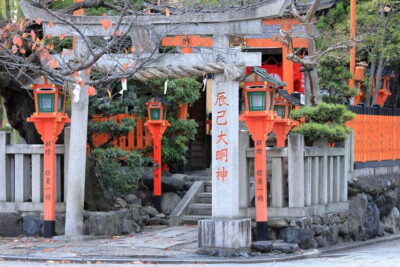
Kyoto Geisha Walking Tour: Gion District & Hidden Gems
Read our review →
Tokyo Tsukiji Fish Market Food and Culture Walking Tour
Read our review →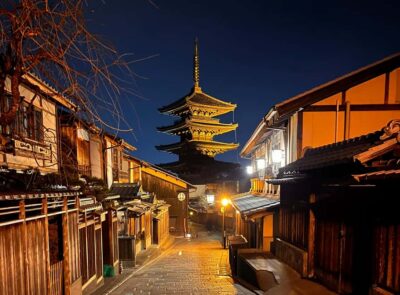
Gion Magical Night Walking Tour with Geisha Trivia
Read our review →
Imperial Palace and Shogun Historical Walking Tour
Read our review →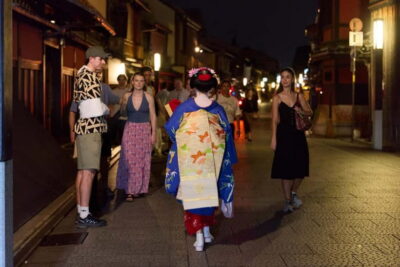
Gion Geisha District Walking Tour – Stories of Geisha
Read our review →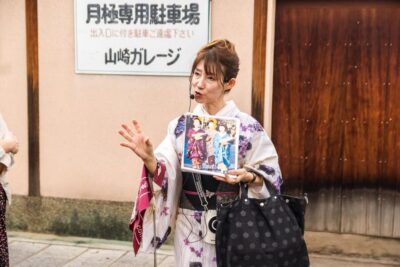
Shinjuku Local Bar and Izakaya Guided Walking Tour
Read our review →
Browse the lists this tour appears in