
Reviewed · WALKING TOURS
Tokyo: Asakusa Temple & Shrine Walking Tour with Local Guide
Asakusa smells like incense and history. This 2-hour small-group walk helps you understand the mix of Sensoji Temple and Asakusa Shrine, not just snap photos.
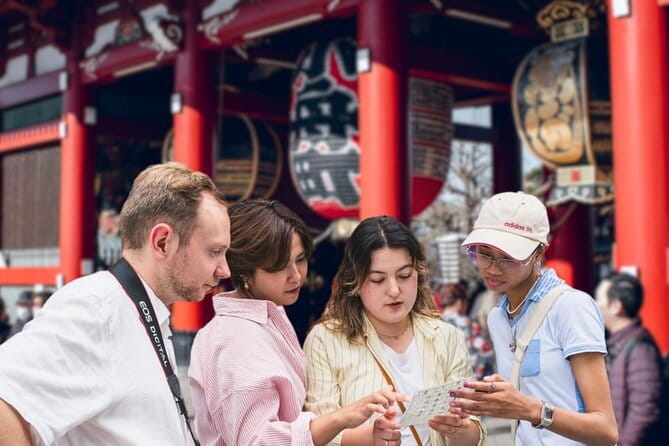
What I like most is how the guide makes the rituals feel normal and doable, especially temizu (hand washing) and omikuji (fortune slips). I also love the smart pacing that gets you to a hidden viewpoint for temple-wide photos before the crowds tighten up.
One consideration: this is still a walking tour in busy streets. If you have low fitness, or need wheelchair access, it likely won’t feel comfortable, so plan accordingly and bring the right shoes.
Key highlights at a glance
- Small group, max 8 people, so you can actually ask questions as you walk
- Temizu, omikuji, and incense rituals, explained with clear etiquette
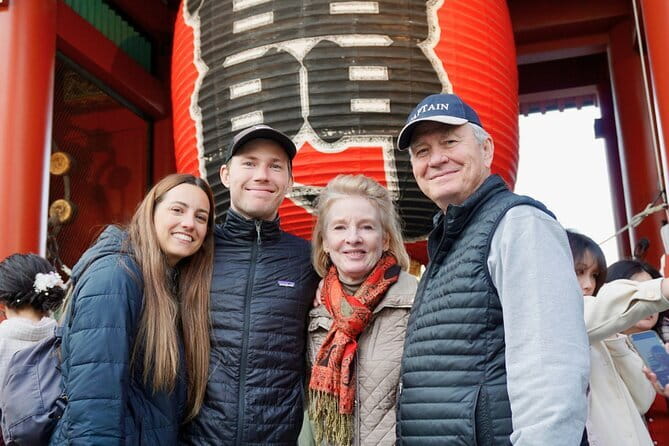
- Kaminarimon lantern story, including the 700kg red lantern and why it matters
- Great photo stops, from Azumabashi riverside views to a high viewpoint over the temple area
- Buddhism meets Shinto in real life, with practical guidance on how to pray and how to move through gates
- Kimono rental partnership nearby, if you want to add that option (ask your guide)
Why this Asakusa walk feels different from the usual tour
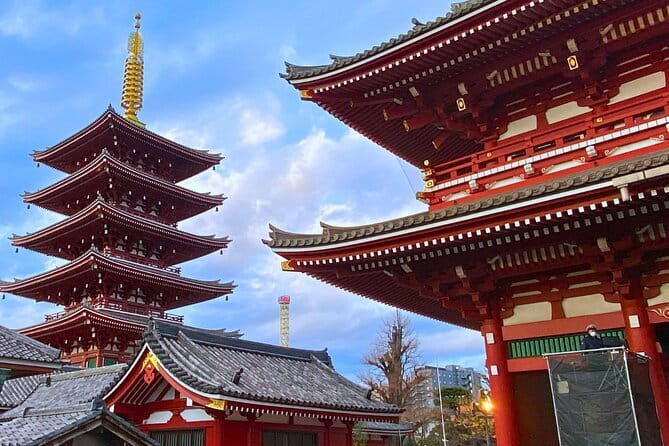
Asakusa can overwhelm you fast. You arrive for the big temple, then get stuck in crowds, staring at signs, hoping you guessed the rules right. This tour helps you slow down in the right places, so the sights become understandable.
The biggest win is the focus on everyday spiritual behavior. You learn why people wash their hands, how fortune slips work, and what burning incense is meant to do in the moment. That turns the experience from sightseeing into cultural literacy, which makes every future visit easier.
Another thing I like is that the guide keeps it human and interactive. The tour is built for questions, translations, and small course corrections if the crowd thickens. Guides such as Nicolas, Nico, Erik, Lino, and Nana show up in recent bookings, and the pattern is similar, clear explanations plus friendly, relaxed energy.
More Temple & Shrine Tours in Tokyo
- Tokyo: Meiji Shrine, Asakusa, Skytree Bus Tour and Cruise
★ 4.7 · 1,986 reviews - Tokyo: Asakusa Walking Tour with Sensoji Temple Visit
★ 4.8 · 1,583 reviews - Nikko: Kegon Falls, Lake Chuzenji & Toshogu Temple
★ 4.6 · 1,577 reviews
Starting by Azuma Bridge, with Skytree views to set the mood
You begin near the Azumabashi area, with a first photo stop by the river. From there, you get riverside views and the Tokyo Skytree in the distance, which is a nice reality check. Tokyo looks modern, then you walk toward an older religious district, and the contrast feels intentional instead of accidental.
This opening also gives you something practical: orientation. Asakusa’s streets can feel maze-like once you enter the main temple zone. Getting a view from the start helps you “map” the area in your head before you move into narrow lanes.
If your schedule is your top concern, the early stops are short and efficient. You get the best angles without wasting your limited time. It’s an easy win for couples and first-time visitors who want the highlights without feeling rushed.
Kaminarimon and Nakamise Street, where stories matter for shopping too
The Kaminarimon Gate is where Asakusa grabs your attention. You’ll step through with an explanation of the gate’s name, The Thunder Gate, and the famous 700kg red lantern hanging at the entrance. That detail matters because it changes the way you look at the gate from decoration to meaning.
Then comes Nakamise Shopping Street. This is the part many people treat like a snack run, but the guide connects the items to local tradition. You’ll hear why certain treats and souvenirs are sold here and how to spot good choices rather than just what’s most visible.
Practical tip: if you want photos, ask your guide where to stand before you buy anything. The tour is designed around photo-friendly angles, and you’ll usually get better results when you position first, shop second.
Hozomon and the in-between gates, the parts most people skip
After Nakamimon, the walking flow takes you through additional gate areas like Hozomon, with short visits and commentary along the way. These aren’t just “more arches.” They’re the connective tissue between the street life of Asakusa and the core religious spaces.
One smart part of the route is that you don’t only focus on the main hall. The guide also points you toward smaller temple sites tucked nearby. Those spots are where you see how spiritual practice works as part of normal neighborhood life, not just a landmark you check off.
You also get the benefit of a guide managing the crowd. When it gets dense, the plan keeps you moving and still makes space for learning. That’s a big deal in Asakusa, because the temple area can swing from manageable to packed in minutes.
More Walking Tours in Tokyo
- Tokyo Tsukiji Fish Market Food and Culture Walking Tour
★ 5.0 · 3,184 reviews - Tokyo: Imperial Palace and Shogun Historical Walking Tour
★ 5.0 · 2,251 reviews - Tokyo: Shinjuku Local Bar and Izakaya Guided Walking Tour
★ 4.9 · 1,794 reviews - Tokyo: Tsukiji Fish Market Food and Walking tour
★ 5.0 · 1,724 reviews
Temizu, omikuji, and incense, learning the rituals without fear
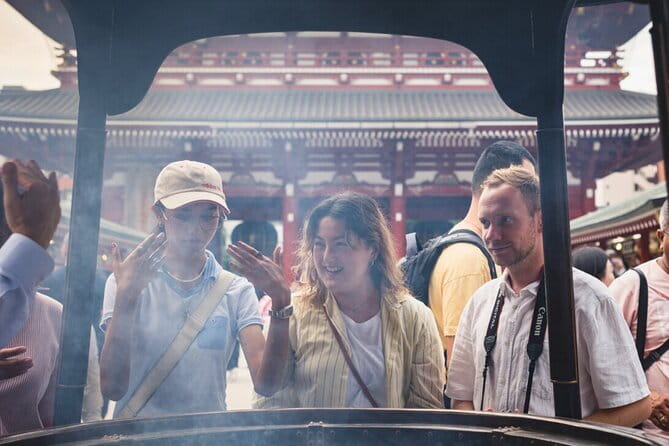
This is the heart of why the tour is worth it. The guide leads you through interactive practices and explains the meaning, not just the steps.
Temizu is the hand-washing ritual. It’s simple, but there’s an etiquette layer that visitors often miss. You’ll learn what you’re doing and how it fits into the moment of visiting a sacred space.
Omikuji is the fortune telling using slips. Again, it’s easy to participate once you know the basics. The tour helps you understand what the slip is for and how locals treat it, which makes the experience feel respectful rather than like a gimmick.
Then there’s incense smoke, described as physical and mental healing in the way locals experience it. You’re not being asked to believe in any one outcome. You’re learning what the ritual represents and how people use it for hope, calm, and attention.
At Sensō-ji: praying in the Buddhist style, step by step
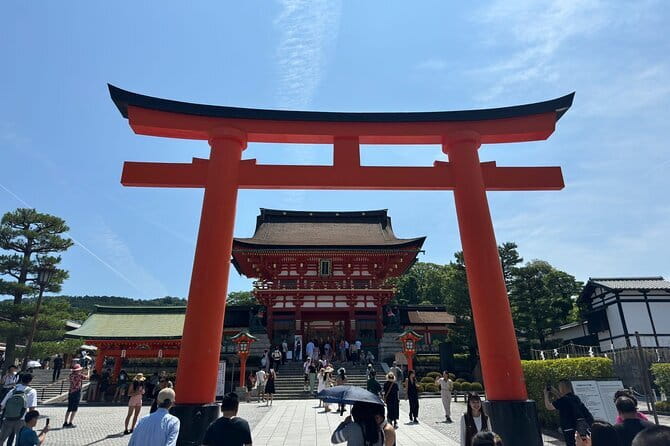
Sensō-ji Temple is Japan’s old-town magnet, and it can feel like sensory overload. The guide helps you focus on what to do when you’re right in front of the important areas.
You’ll learn Buddhist-style praying, including correct bowing and where to place yourself as you move through the temple space. The tour also covers gate-side etiquette, like walking on the correct side through torii gates. These details sound small, but they change how you move. And in crowded sacred spaces, moving correctly prevents you from becoming a distraction.
One especially valuable part is the explanation of how local practice blends the practical and the spiritual. You’re shown how routines like bowing and quiet attention create a shared rhythm. That makes the temple feel less like a performance and more like a living place.
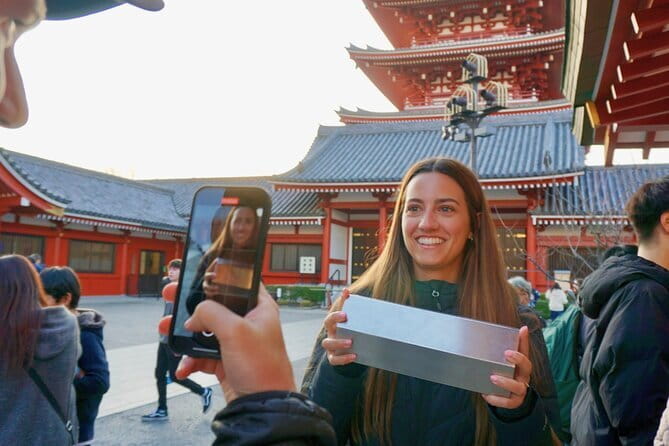
If you care about photos, you still get the photo moments. But the guide keeps them linked to the meaning, so you don’t end up with great pictures and no understanding.
Asakusa Shrine: Shinto etiquette next door to Buddhism
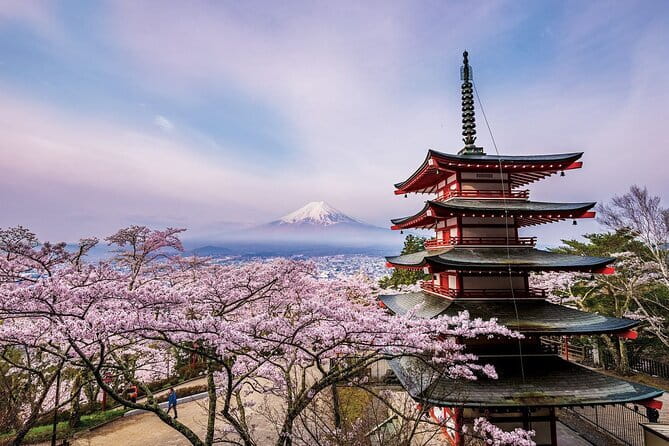
The tour doesn’t treat Sensō-ji and Asakusa Shrine like two separate checklists. It explains how Shinto and Buddhism coexist in the same neighborhood, and how their approaches feel different in practice.
At Asakusa Shrine, you’ll learn how the praying process differs from what you just practiced at the Buddhist temple. The guide also shows how bowing and gate etiquette shifts depending on the sacred space you’re in.
This is the section that helps you stop mixing up religious behaviors. You’ll walk away knowing what you’re doing, rather than copying what the loudest person in the crowd seems to be doing.
If you’re a couple, this is also a satisfying kind of shared learning. You get to participate in a cultural script, laugh when you hit a new concept (yes, people really joke about the golden poop term, and it becomes a memorable moment), and still feel respectful.
Hidden photo viewpoints and how to beat the “I’m stuck in the crowd” problem
One of the tour’s standout strengths is its attention to views. You’ll start with Azumabashi riverside sightlines, then head up to a viewpoint at the Asakusa Culture Tourist Information Center for a higher look over the temple area. That kind of perspective is hard to get on your own unless you know exactly where to go.
Once you’re inside the main zone, the guide keeps working the route so you’re not always standing in the same tourist bottleneck. You’ll also hear about the best photo spots, and the key line is simple: ask. The guide is prepared to adjust for where the best shots and the least frustrating walking paths happen to be.
This is also where the small group size matters. With up to 8 people, the guide can respond faster. A big group can get swallowed by crowds, and everyone waits. A smaller group can reposition.
Price and timing, and whether $30 makes sense for you
At about $30 per person for a 2-hour small-group walk, this isn’t a budget “quick look” tour. It is, however, good value if you care about learning how to behave and what rituals mean.
Here’s why the price can feel fair:
- You get access to multiple sacred stops, including Sensō-ji, Asakusa Shrine, and additional smaller temple sites
- You get interactive ritual participation like temizu and omikuji, with guidance so you don’t guess
- You get photo help, including viewpoints that are likely to take longer to find on your own
- You can ask questions beyond temples, since the guide helps with translations and general Tokyo topics (as long as you ask)
If you want only the postcard shots and don’t care about etiquette, you might not need a guide. But if you’re trying to understand Japan’s religious rhythm in one compact visit, this is one of those “spend the money to save the confusion” choices.
Who should book, and who should consider a different plan
This tour is a strong fit for:
- First-time visitors who want Asakusa’s main highlights plus the missing context
- Couples who like learning together and taking photos without stress
- Families who want patience and kid-friendly explanations, since guides like Nana and others are noted for being especially good with children
- Solo travelers who want a small-group format with real conversation
It may not be the best fit if:
- You use a wheelchair or need mobility accommodations
- You have low fitness for street walking and crowd movement
- You strongly prefer to move at a fixed pace and hate any stop-and-learn moments
A quick note: there is no dress code, tattoos are welcome, and the tour runs rain or shine. That flexibility helps you plan around Tokyo weather swings.
Practical tips so the two hours feel easy
Wear comfortable shoes. You’re walking, and the streets around Asakusa temples can be packed with uneven surfaces. Bring water, especially in heat, and use vending machines if you need them.
The tour does not allow smoking, and drones are also not allowed. Keep that in mind if you use camera gear.
If you’re interested in kimono, the operator notes a partnership with a local kimono store about 2 minutes from the meeting area. Ask the guide if you want to add it, since they can point you the right direction.
Also, plan for translations and questions. This tour is built for a chatty dynamic, and the guide will help you ask and understand what’s happening.
Should you book this Asakusa Temple and Shrine walking tour?
Book it if you want Asakusa to make sense. The biggest reason is the ritual and etiquette focus, because that is what most people miss when they do it on their own. You’ll get better photos too, since you’re guided to viewpoints and the right spots instead of wandering.
Skip it, or consider a more independent plan, if you only want quick temple selfies and you don’t care about Shinto versus Buddhism etiquette. Also skip if mobility is an issue, because this is clearly set up as a walking experience through busy areas.
If you’re visiting Tokyo for the first time and you want one activity that turns a famous neighborhood into a meaningful one, this is a solid, well-priced choice.
FAQ
How long is the Tokyo Asakusa Temple & Shrine walking tour?
The tour lasts 2 hours.
What is the group size limit?
It is a small group with a maximum of 8 participants.
What languages are the guides available in?
The live tour guide is available in English and French.
Where does the tour meet?
The meeting point may vary depending on the option booked, with one listed option at Burger King Asakusa Azumabashi.
What should I bring?
Wear comfortable shoes and bring water, especially for hot days.
Is there a dress code or are tattoos allowed?
There is no dress code, and tattoos are welcome.
Is the tour suitable for wheelchair users or people with mobility impairments?
No, it is not suitable for people with mobility impairments or wheelchair users.
Fresh options around Tokyo
- Tokyo: Nikko Kegon Falls Lake Chuzenji Toshogu Temple & More★ 4.9 · 12 reviews
- Tokyo: Samurai History Walking Tour★ 5.0 · 12 reviews
- Harajuku: Kawaii Fashion and Pop-Culture Tour★ 4.7 · 12 reviews
- Tokyo: Mt. Fuji & Lake Kawaguchi Instagram Full Day Trip★ 4.1 · 12 reviews
- Shibuya Tokyo: Modern Kintsugi Workshop in Shibuya★ 5.0 · 12 reviews
- Tokyo: GTR Guided Daikoku Experience at Night★ 5.0 · 12 reviews
- Tokyo: Daikoku JDM Car Culture Tour★ 4.6 · 12 reviews
- Mt Fuji Private Day Trip from Tokyo with English speaking driver★ 5.0 · 13 reviews
Walking Tours, compared.
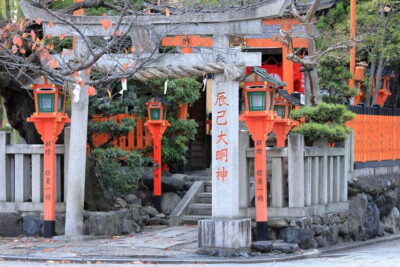
Kyoto Geisha Walking Tour: Gion District & Hidden Gems
Read our review →
Tokyo Tsukiji Fish Market Food and Culture Walking Tour
Read our review →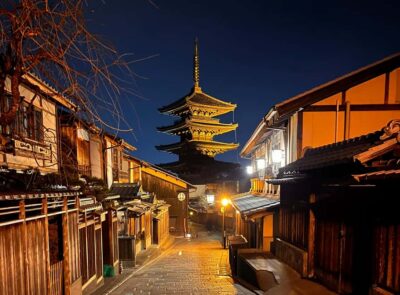
Gion Magical Night Walking Tour with Geisha Trivia
Read our review →
Imperial Palace and Shogun Historical Walking Tour
Read our review →
Gion Geisha District Walking Tour – Stories of Geisha
Read our review →
Shinjuku Local Bar and Izakaya Guided Walking Tour
Read our review →
Browse the lists this tour appears in