
Reviewed · WALKING TOURS
The Way of Tea: Kyoto Crafts, Hidden Temples & Wabi-Sabi Walk
Matcha and temples, guided end to end. This is a 3.5-hour Kyoto experience that pairs temple admission included with a real tea ceremony in a traditional house, and you do it with no map stress. One thing to watch: if you’re sensitive to quiet speech, you may want to position yourself close so you can catch every detail.
I also like the feel of a small group capped at 7, because you can actually ask questions while you walk through Gion and the surrounding Higashiyama area. The pacing is steady, with short 30-minute visits before the longer tea-making finale, plus the tour includes photos taken for you.
Key Highlights You’ll Feel Right Away
- Temple admission included, so you focus on the places instead of tickets
- Small group size (max 7), which makes Q and A practical, not awkward
- Gion matcha shop stop, with a quick lesson on how tea is made
- Craft and ceramics focus, including the story of a raku teacup
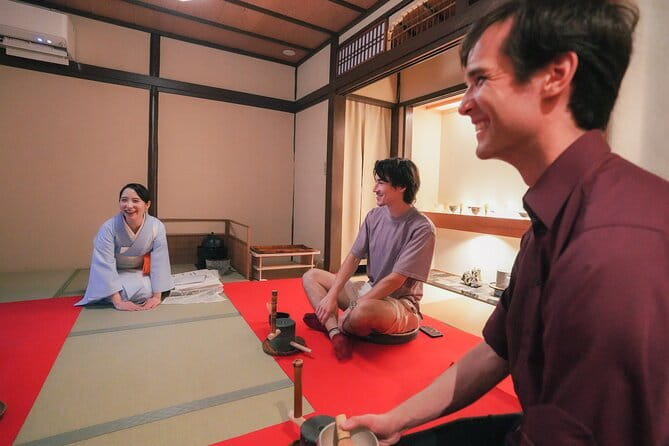
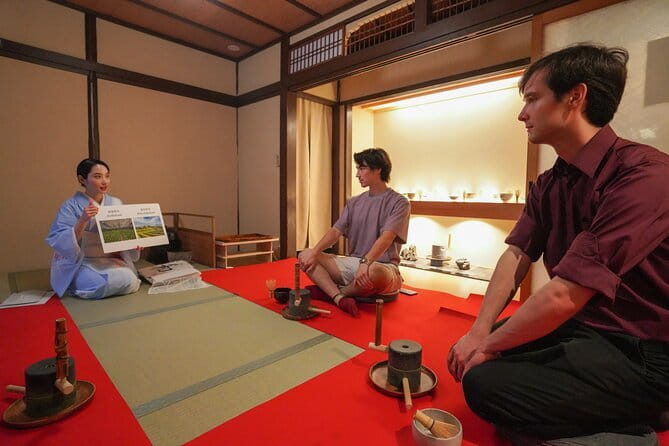
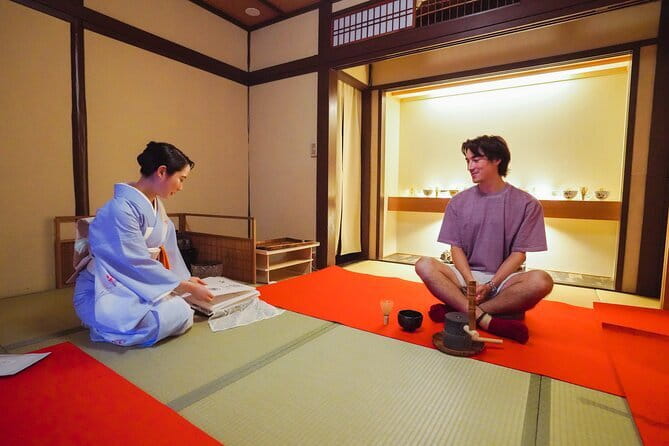
- Tea ceremony at a real tea house (chayu), with instruction from a tea master
Tea, Temples, and Wabi-Sabi on Foot in Higashiyama
Kyoto can be overwhelming when you’re trying to line up temples plus a tea experience. This tour is built for the days when you want the right mix without turning your afternoon into a logistics puzzle.
What makes it work is the flow: you start in Gion, move into temple time at Kennin-ji, then shift toward hands-on culture through craft shops, a hidden garden, and finally a matcha ceremony. It’s not just sightseeing, it’s a theme walk where wabi-sabi shows up as a way to look at objects, space, and even how tea is prepared.
The other practical win is that the tour stays short enough to feel doable, even if you’ve already seen a lot that morning. You’re usually at each stop for about 30 minutes, then you get a full hour for the tea-making part.
More Temple & Shrine Tours in Kyoto
- Kyoto: Fushimi Inari, Kinkakuji, Bamboo Grove 1 Day Bus Tour
★ 4.8 · 4,316 reviews - Kyoto: Tea Ceremony Ju-An at Jotokuji Temple
★ 4.9 · 3,207 reviews - Fushimi Inari Hidden Hiking Tour (Private Option Available)
★ 5.0 · 1,750 reviews
Where You Meet and How You Avoid Getting Lost
You meet at the Statue of Izumo-no-Okuni, right by Exit 5 of Gion Shijo Station on the Keihan Line. The guide is holding an orange sign for Magical Trip Tour, so you can confirm quickly and get moving.
Because the route is guide-led, you do not need to worry about navigation. Still, I’d treat it like a normal walking tour, meaning good shoes matter. The upside is that you can spend your energy on what you’re seeing instead of checking your phone every few minutes.
Also, plan to arrive on time. The tour has a strict start and if you miss the group, you likely will not be able to join late. If you’re using a phone for your mobile ticket, keep it charged, and make sure you can access it without a scramble.
Stop in Gion: Matcha Basics, Tea-Making, and a Real Shop Visit
Your first chunk of time is in Gion, the classic old-street area where Kyoto’s traditional atmosphere still shows up in small details. With your guide, you learn the history of Japanese tea and how it’s made, then you stroll through the district toward a famous matcha shop.
This part is a good warm-up. You’re not thrown straight into temple etiquette or silent garden time. Instead, you get the tea mindset first, so when matcha later becomes part of a ceremony, it feels connected, not random.
A practical tip here: if matcha tasting or product questions are your thing, this is the moment to ask. You’re close to the shops, and your guide can help translate what you’re seeing into something you can actually use.
Time wise, plan on about 30 minutes. That’s enough for the tea intro and the shop visit, without turning Gion into an all-day project.
Kennin-ji Temple: Centuries-Old Calm Without the Headaches
Next comes Kennin-ji Temple, one of Kyoto’s well-known historical sites. You get about 30 minutes here, with admission covered, and your guide gives context so you can read the site with more than just your camera.
This is where the tour earns its “temples included” promise. Even if you’ve been to Kyoto temples before, a guide can help you understand why a place like Kennin-ji has lasted and what traditions you should notice while you’re there.
The biggest advantage of timing is that it keeps the temple visit focused. You are not racing from one photo spot to another. You get enough time to slow down, look at the details, and ask questions while the group is still together.
One consideration: the tour moves at a walking pace, so if you like to linger long at temples, you may want to add extra solo time after the tour ends. The guided version gives you the key foundation, not an all-day temple marathon.
More Walking Tours in Kyoto
- Kyoto Geisha Walking Tour: Gion District & Hidden Gems
★ 4.7 · 3,273 reviews - Kyoto: Gion Magical Night Walking Tour with Geisha Trivia
★ 4.9 · 2,393 reviews - Kyoto: Gion Geisha District Walking Tour – Stories of Geisha
★ 4.7 · 2,187 reviews - Night Walk in Gion: Kyoto’s Geisha District
★ 4.5 · 2,003 reviews
Craft Shops and a Hidden Temple-Garden Moment
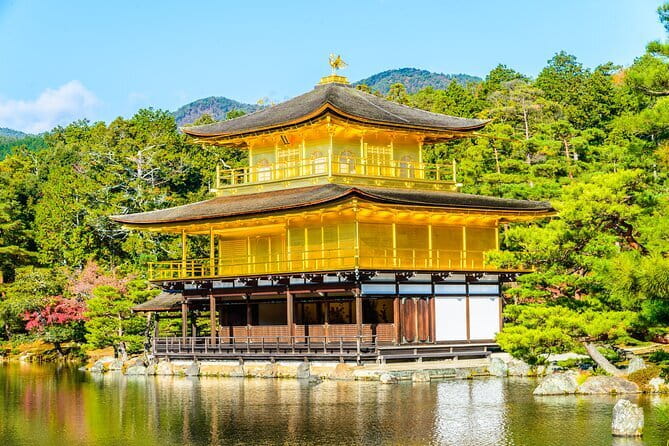
After Kennin-ji, you shift into a more Kyoto craft-oriented segment. There’s time for craft shops (about 30 minutes), then another 30-minute stop focused on a hidden temple and garden.
This middle section is where the experience gets more personal. Instead of only looking at sacred spaces, you’re also paying attention to everyday objects and how design, materials, and care reflect values. Kyoto’s culture often lives in objects, not just buildings.
At the ceramics stop, you’ll see a tea bowl shop where a raku teacup takes center stage. Your guide shares how each cup has its own character, history, and meaning. That matters because raku is not just a style, it’s tied to process and philosophy, the idea that a handmade piece carries marks of time and human touch.
If you’ve ever wondered why some tea wares feel more than decorative, this is your chance to understand the “why” in plain language. Even if ceramics are not your usual interest, this part helps you notice things during the later ceremony, like texture, shape, and how imperfection fits the moment.
Because this segment is still around 30 minutes per stop, you get a taste, not a full shop day. It’s a smart way to avoid the classic problem of “too much shopping, not enough meaning.”
The Tea Ceremony Chayu: Matcha With Instruction and Wabi-Sabi Focus
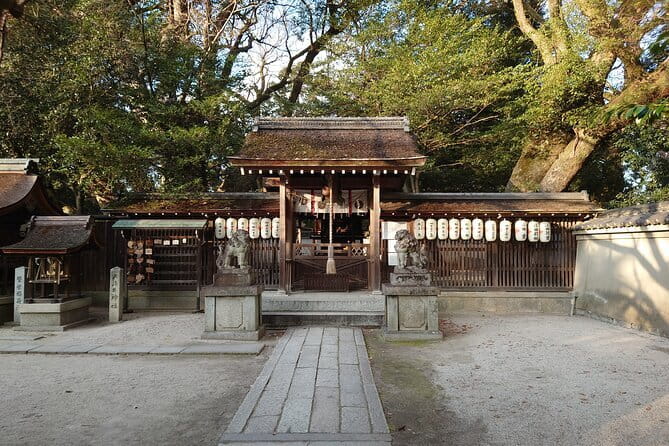
The finale is the tea ceremony experience in a real tea house, called chayu. This is the longest piece of the tour at about 1 hour, and admission is included.
You’ll drink matcha (green tea) and learn through the tea master’s instruction. What I like is that the ceremony is explicitly connected to the mindset you practiced during the walk, including the idea of wabi-sabi, which is about appreciating imperfection and the quiet beauty of things as they are.
This is also the moment when the earlier stops start paying off. When you’ve learned how tea is made, visited a ceramics setting, and heard about the meaning behind a raku cup, the ceremony feels less like a show and more like a set of linked lessons.
A key practical detail: the tea ceremony experience can only accommodate people age 6 and older. If you’re traveling with younger kids, one adult needs to accompany them outside the facility during the experience. So if you have a mixed-age group, plan ahead so nobody ends up sitting around longer than necessary.
The tour ends at the tea experience location in Higashiyama (around 4-chōme-172-7 Kiyomizu). This is helpful if you want to keep exploring nearby right after, since you’re already in the right neighborhood for classic Kyoto strolling.
The Real Value of $94.45 for a 3.5-Hour Kyoto Day
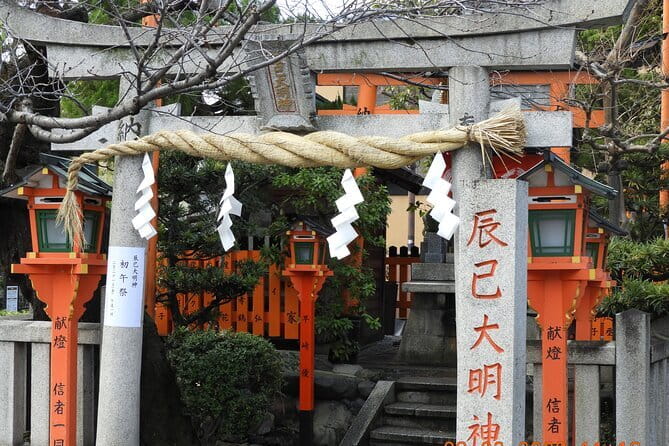
At $94.45 per person, this tour is not a “bargain bus” kind of deal. But it’s also not overpriced for what you actually get.
Here’s the value math that matters:
- A local English-speaking guide for about 3.5 hours
- Entrance fees of 2 temples included
- A matcha tea ceremony in a traditional Japanese house
- Photos taken during the tour
- A structure that prevents you from wasting time figuring out connections on your own
For many people, the hardest part of Kyoto planning is not knowing what exists. It’s timing it, finding the right entrance, and keeping your day from turning into a series of forced sprints. This tour handles that, and that time saving has real value.
Also, you’re paying for interpretation. Kyoto sites can be visually stunning but confusing if you don’t know what you’re looking for. Having a guide means you spend your limited time understanding the point of each stop, not just collecting images.
What’s not included is additional food and drinks. If you know you’ll snack during the day, you should budget for it. Since the tour is a little over three hours, you probably can cover your energy needs with a plan before or after, but do not assume meals are built in.
What to Watch For Before You Book
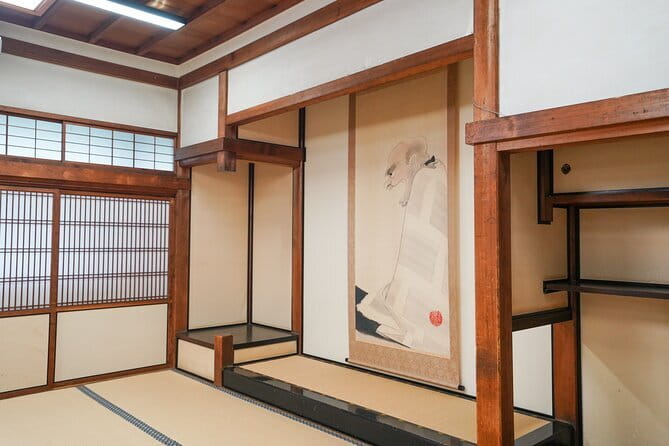
Most people will love this style of tour, because it’s themed, guided, and short. Still, a few considerations can help you decide wisely.
First, communication matters. In one case, the guide’s English was hard to understand because the voice was very soft. That does not mean every guide will be the same, but it’s a fair reminder to choose a spot near the guide, especially in quiet areas like temple courtyards.
Second, Kyoto weather can be intense. The info notes summer highs can reach 40°C and winter lows can go down to -5°C. Dress like you expect real conditions, not postcard weather. If you hate sweating through your day, you’ll want a hat and breathable layers.
Third, because the group is small but still a group, be ready for a bit of crowd energy at popular sights. This is Kyoto, so even on a smaller tour, you’ll still share space near major areas like Gion.
Should You Book This Tour?
I think you should book if you want a tea-and-temple combo that’s well structured, with admission and a real ceremony included. It’s a great choice for a first or second time in Kyoto, or for a day when you want to see meaningful places without building a route from scratch.
You might want a different plan if:
- You prefer to wander temples at your own slow pace with no set timing.
- You need a loud, super-clear guide voice, because hearing can be a factor in quieter sections.
- You’re traveling with a group that includes kids under 6 who will not be able to do the ceremony inside. That setup can work, but it changes how the adults spend time.
If your goal is a focused afternoon that connects matcha culture to Kyoto’s temple world, this is a strong fit.
FAQ
How long is the tour?
The tour lasts about 3 hours 30 minutes.
What is included in the price?
The price includes an English-speaking local guide for about 3.5 hours, entrance fees of 2 temples, and the tea ceremony experience where you drink matcha. Photos taken during the tour are also included.
Do I need to pay temple entrance fees?
No. Temple admission fees for 2 temples are included.
Where do I meet the guide?
Meet in front of the Statue of Izumo-no-Okuni, right outside Exit 5 of Gion Shijo Station (Keihan Line). The guide will be holding an orange signboard for Magical Trip Tour.
Is there a mobile ticket?
Yes, the tour uses a mobile ticket.
How old do you need to be for the tea ceremony?
The tea ceremony experience can only accommodate people age 6 and older. Children younger than 6 can come with an adult, but one adult must accompany them outside the facility during the experience.
What if I need to cancel?
You can cancel for free up to 24 hours before the tour starts for a full refund.
Fresh options around Kyoto
- Kyoto Aquarium Admission Ticket★ 4.7 · 12 reviews
- Kyoto Gion Photoshoot – Private Session | Pro Photographer★ 5.0 · 12 reviews
- Gyoza Cooking Class in Kyoto: Traditional Japanese Dumplings★ 5.0 · 12 reviews
- Kyoto: Guided Food Tour with 12 Dishes & 3 Drinks★ 5.0 · 12 reviews
- Kyoto: Avoid the Crowds at the Hidden Gems of Arashiyama★ 4.9 · 13 reviews
- Kyoto Early Bird English Tour: Gion & Higashiyama(Private opt)★ 5.0 · 13 reviews
- Otsu-e Folk Art Workshop & Local Culture Walk Near Kyoto★ 5.0 · 13 reviews
- Kyoto, Osaka, Nara Full Day tour by Car English speaking Driver★ 3.5 · 13 reviews
Walking Tours, compared.
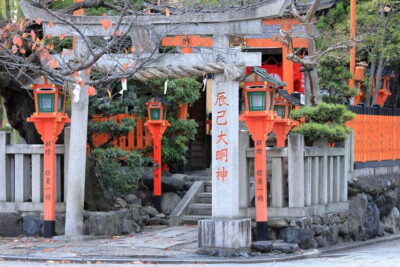
Kyoto Geisha Walking Tour: Gion District & Hidden Gems
Read our review →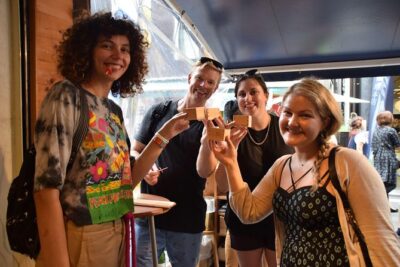
Tokyo Tsukiji Fish Market Food and Culture Walking Tour
Read our review →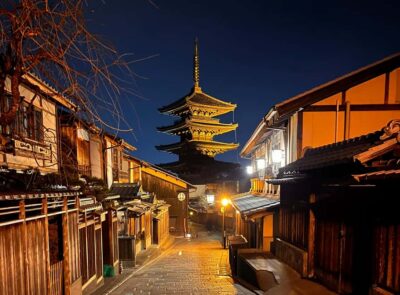
Gion Magical Night Walking Tour with Geisha Trivia
Read our review →
Imperial Palace and Shogun Historical Walking Tour
Read our review →
Gion Geisha District Walking Tour – Stories of Geisha
Read our review →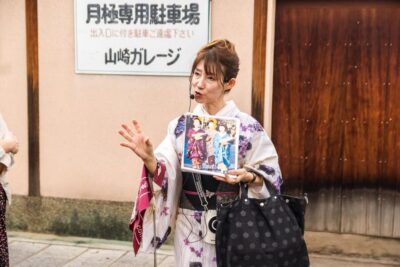
Shinjuku Local Bar and Izakaya Guided Walking Tour
Read our review →
Browse the lists this tour appears in