
Reviewed · KIMONO EXPERIENCES IN KYOTO
Tea ceremony and kimono experience at Kyoto, Tondaya
Tea and kimono in Kyoto’s old house. I love the machiya setting, a real historic townhouse where the whole ritual feels grounded, and I also like the kimono fitting process that makes you slow down and look around.
One possible drawback: because this is a group experience, the room can get crowded, and that can affect how clearly you see and hear the tea ceremony details when it’s busy.
Quick hits
- Meiji-era machiya townhouse: You tour and linger in a traditional wooden house, not a storefront or generic museum room.
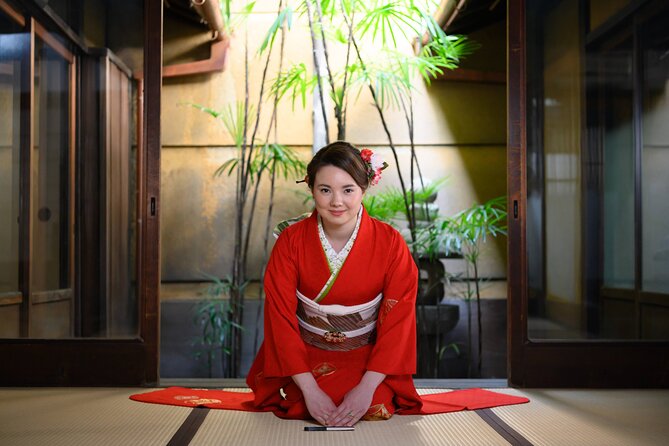
- Silk kimono, fitted on arrival: You get dressed over your clothes and can snap lots of photos around the house.
- Tea ceremony in a Kyoto house: Matcha plus a sweet, presented with a guide who often explains steps and meaning.
- Small-ish groups (max 20): Manageable on paper, but crowding still depends on timing and the room layout.
- Bring socks for cultural care: Socks are required, and you can buy them on site.
- If you want calm, choose private: The private option is there for a reason, especially if visibility matters.
Tondaya at the Nishijin Lifestyle Museum: where the tea ritual happens
This experience takes place at Tondaya, in Kyoto’s Nishijin area, inside a traditional townhouse space that’s connected to the Nishijin Japanese Cultural Experience Museum. The address is 697 Ishiyakushichō, Kamigyo Ward, Kyoto, 602-8226, Japan, and it’s described as being near public transportation, which helps if you’re combining it with other Kyoto stops.
One thing to plan for is finding the place. Some visitors say signage can be tricky, so I suggest you rely on your phone map and aim to arrive a bit early so you can settle before the kimono fitting starts. Also, you’ll get a mobile ticket, which is convenient when you’re juggling several activities.
More Kimono Experiences in Kyoto
- Kimono Tea Ceremony at Kyoto Maikoya, NISHIKI
★ 5.0 · 911 reviews - Kyoto: Kimono Rental with Hairstyling and Accessories
★ 4.8 · 653 reviews - Kyoto: Kimono Tea Ceremony at Orizuruya Gion
★ 4.9 · 618 reviews
Kimono fitting first: what to expect, what to bring
The visit starts with a prompt kimono fitting, and the kimono is described as authentic silk. You keep your own clothing on, and the staff dress you over it, so you don’t need to think about a full costume change. Many people also mention selecting colors, then being fitted with accessories, which is part of why the kimono portion feels special rather than rushed.
Photos are a big part of the timing. Right after you’re dressed, you can take pictures around the house, so you’re not stuck waiting until after you’re seated for tea. There’s also an introduction video covering how to wear kimono and the tea ceremony process, which is helpful if you want a quick mental checklist before the performance.
Practical note: you must bring socks. The experience asks for socks to protect cultural assets, and it also says you can buy socks there if you forget. Geta, the traditional wooden sandals, are listed as not included, so plan around that and focus on being comfortable in socks.
Wandering the machiya: Meiji-era rooms, gardens, and small details
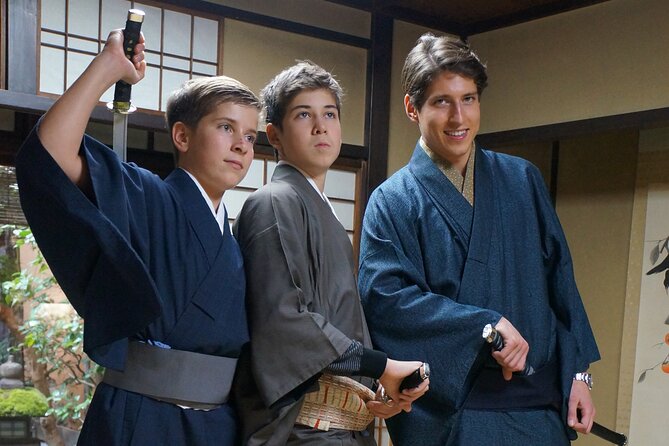
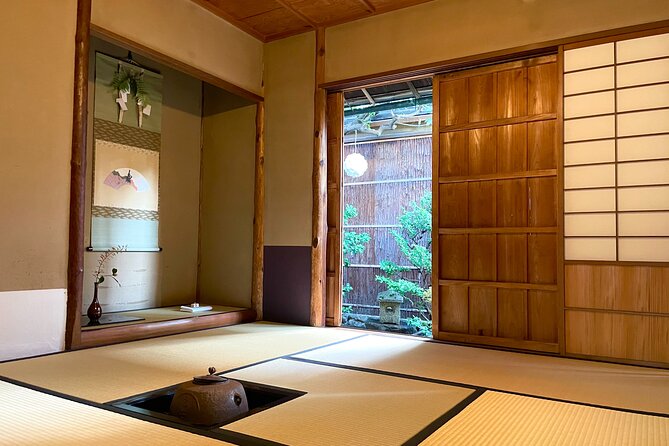
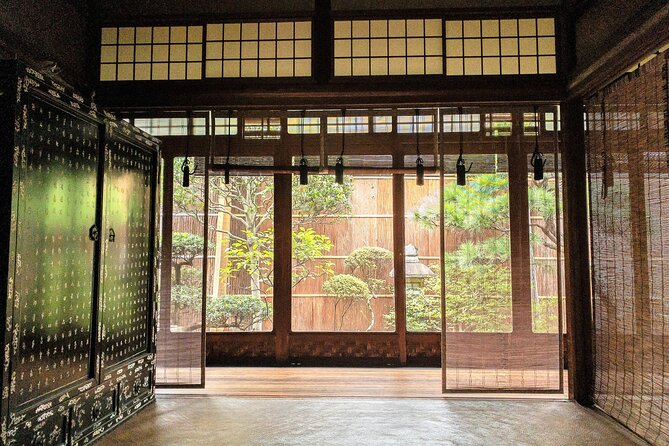
After the fitting, you tour the machiya, a traditional townhouse originally built during the Meiji period. That matters because it sets the atmosphere right away. You’re not just watching a ceremony, you’re seeing the architecture and objects the ceremony style is meant to live within.
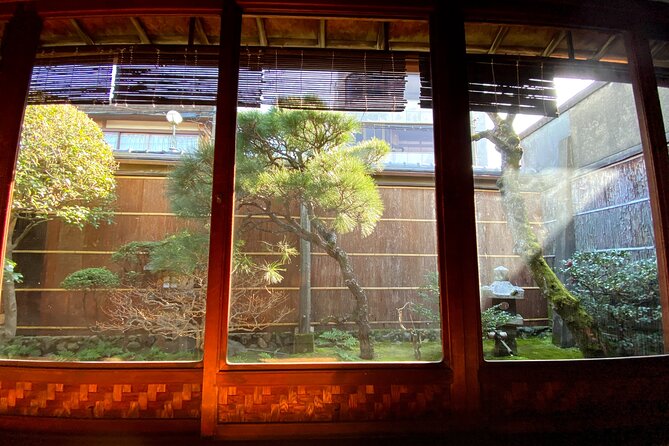
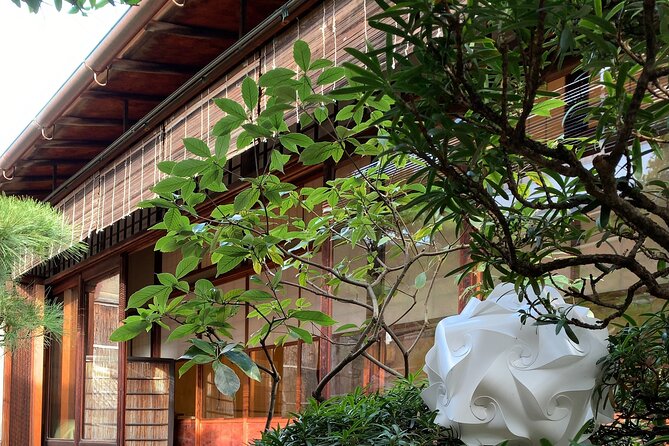
The house experience includes time to look around and notice the way the space works, including mentions of seasonal breezes and authentic rooms. Some visitors highlight the beauty of the gardens, and that fits with the overall feel here: quiet corners, wood textures, and a home-like layout.
This is also where the pacing becomes important. If the group is moving fast, you’ll still see the main areas, but you might not get the slower, curious look you were hoping for. If you love details like furniture placement, tea utensils, and room function, you’ll get more from this if you’re ready to ask questions when your guide pauses.
The tea ceremony: matcha tasting, steps, and how the explanation varies
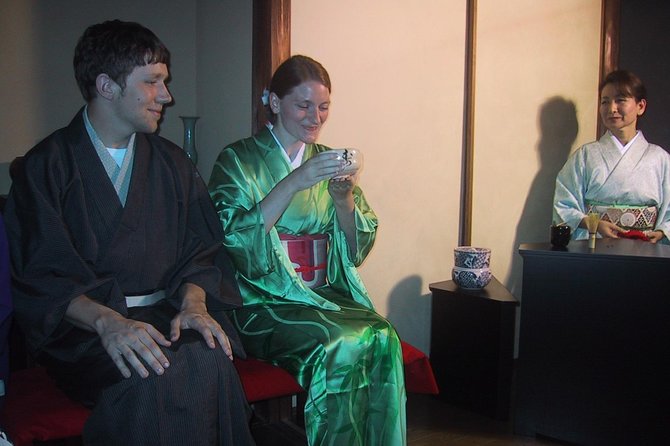
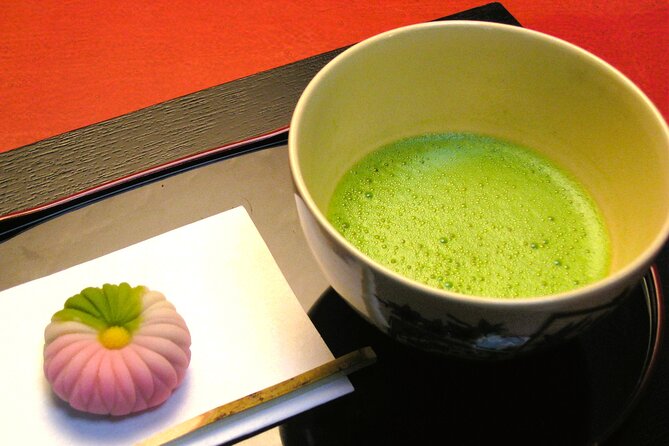
The tea ceremony is the heart of the experience. You’ll watch a traditional tea ceremony performance and then participate by tasting matcha along with a sweet. For most people, the best part is that the tea ritual is explained in context, not only done as a show.
In positive moments, the tea master or guide breaks down each step and explains the why behind actions, which is what turns matcha into a mini lesson. People also mention learning proper drinking style and understanding details like how the first portion is presented, followed by additional servings. When the language pacing works well, you leave with a clearer mental model of what to notice next time you see tea ceremony in Japan.
Still, it’s wise to set expectations about time. The overall experience is roughly 1 hour 30 minutes, and some people say the tea itself can feel brief. In busier sessions, the ceremony can be harder to see, and if your group is large, the tone can become less calm than you imagined. That’s not a tea ceremony flaw, it’s a room-and-crowd reality.
More Tea Ceremonies in Kyoto
- Kyoto: Tea Ceremony in a Traditional Tea House in Kiyomizu
★ 4.9 · 3,519 reviews - Kyoto: Tea Ceremony Ju-An at Jotokuji Temple
★ 4.9 · 3,207 reviews - Kyoto: 45-Minute Tea Ceremony Lesson Experience
★ 4.3 · 2,378 reviews - Kyoto: Table-Style Tea Ceremony at a Kyo-Machiya
★ 4.9 · 1,211 reviews
Group size and visibility: how to keep the experience peaceful
This is conducted as a group with other participants, and the experience notes a maximum of 20 travelers. That cap sounds comfortable, but remember you’re also sharing space with kimono fitting flow, photo time, stairs, and a seating area that might be small.
If you’re sensitive to crowding, go in with a plan. First, arrive early so you’re not adding stress to the start time. Second, position yourself so you have a clear line of sight to the tea maker. Third, if the session looks tight, ask the staff for the best spot you can use for seeing and hearing, rather than waiting through it.
There is a private experience option, and that’s the clearest hint at what to do if calm and attention matter most to you. People who opted for or experienced quieter setups tend to describe the tea room as more serene and the interaction as more focused. If you’re coming mainly for the ceremony itself, private is likely the safer bet than relying on a group room layout.
Price and value: what you’re really paying for at $178.34
At $178.34 per person, this isn’t the cheapest tea activity in Kyoto. But you are paying for a specific bundle: a kimono experience, a tea ceremony, and the entrance fee into this museum-style townhouse environment.
Here’s how I think about value. If you want the kimono fitting plus the historic machiya setting, the price starts to make sense. Multiple people call out that the kimonos are well made and that the house feels real, including a tour that explains rooms and how the ceremony fits the house. If you care about photos, you also get time right at the start in a beautiful setting.
The downside comes when your expectations are mostly about depth. Some visitors feel the ceremony explanation is too short, or that the experience becomes more dress-up and photo time than a long, step-by-step education. Others say the room got hot or crowded, making the moment less comfortable.
So the value equation depends on your goal:
- If your priority is wearing a kimono in a genuine house and learning the ritual basics, this can feel worth it.
- If you want a long, quiet seminar with lots of time for details, compare this option to a private tea ceremony elsewhere, or book with a private setting when available.
Best fit: who this experience suits (and who should reconsider)
This is a strong match if you’re a first-time tea ceremony visitor who wants a friendly introduction and a chance to ask questions while you’re in the house. It’s also ideal if you want a Kyoto experience that goes beyond a street view and into how people lived, with rooms built for everyday life.
You’ll also enjoy it if you like photo opportunities that don’t feel like a forced photo shoot. The fitting and early access to the house makes pictures feel integrated rather than tacked on at the end.
You might want to reconsider if you hate crowds, need excellent visibility to understand a performance, or were hoping for a lengthy, deeply technical explanation of tea. The group setup is the main reason for mixed reactions, and it shows up most when the ceremony room fills and you can’t see the tea maker clearly.
Should you book Tondaya for tea and kimono in Kyoto?
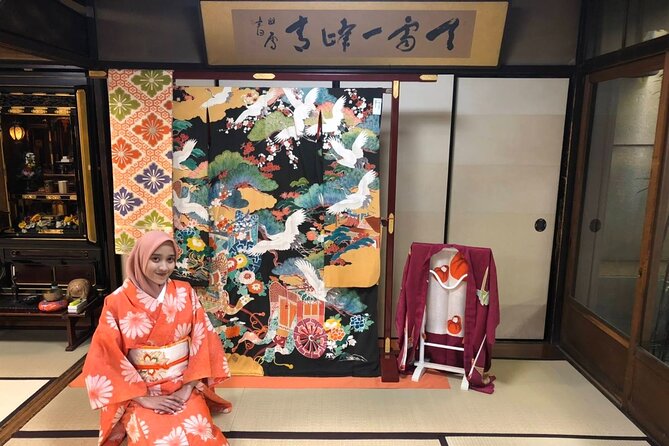
I’d book this if you want a classic Kyoto blend: kimono first, then a tour of a historic machiya, then matcha in the same setting. It’s the kind of experience that makes Kyoto feel personal, because you’re not just passing through, you’re stepping into a home-like space and seeing how ritual fits architecture and daily life.
Book with a bit of strategy:
- If you’re sensitive to noise and crowding, choose the private experience option.
- Bring socks, and save time by using GPS since some signage is reported as hard to spot.
- Go with the right time expectations: the experience is about 1 hour 30 minutes, so plan to learn the essentials rather than expecting a multi-hour masterclass.
If that sounds like your style, this is one of the more memorable ways to experience Kyoto tea culture without needing to decode everything on your own.
FAQ
How long is the Tea ceremony and kimono experience at Tondaya?
The experience is set for a maximum of about 1.5 hours. Actual timing can vary based on crowd levels.
Is this a private experience or a group tour?
This is conducted in a group setting with other participants. A private experience option is available if you want a quieter, more focused setting.
Do I need socks for the kimono ceremony?
Yes. You’re asked to bring socks to help protect cultural assets. Socks are not included, but you can buy a pair on site if needed.
What’s included in the price, and what’s not included?
Included are the tea ceremony experience, the kimono experience, and the entrance fee. Not included are lunch, make up, hair styling, socks, and geta (traditional wooden sandals).
Where do I meet for the experience?
You meet at Tondaya – Nishijin Japanese Cultural Experience Museum, 697 Ishiyakushichō, Kamigyo Ward, Kyoto, 602-8226, Japan. The activity ends back at the meeting point.
Can I cancel for a full refund?
Yes, free cancellation is offered. You can cancel up to 24 hours in advance for a full refund, and changes within 24 hours are not accepted.
Fresh options around Kyoto
- Kyoto Aquarium Admission Ticket★ 4.7 · 12 reviews
- Kyoto Gion Photoshoot – Private Session | Pro Photographer★ 5.0 · 12 reviews
- Gyoza Cooking Class in Kyoto: Traditional Japanese Dumplings★ 5.0 · 12 reviews
- Kyoto: Guided Food Tour with 12 Dishes & 3 Drinks★ 5.0 · 12 reviews
- Kyoto: Avoid the Crowds at the Hidden Gems of Arashiyama★ 4.9 · 13 reviews
- Kyoto Early Bird English Tour: Gion & Higashiyama(Private opt)★ 5.0 · 13 reviews
- Otsu-e Folk Art Workshop & Local Culture Walk Near Kyoto★ 5.0 · 13 reviews
- Kyoto, Osaka, Nara Full Day tour by Car English speaking Driver★ 3.5 · 13 reviews
Kimono Experiences in Kyoto, compared.
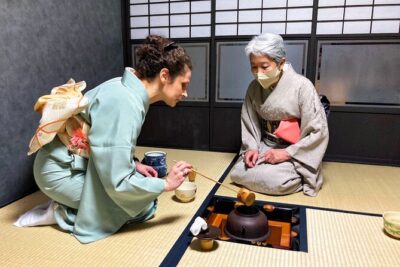
KYOTO Tea Ceremony with kimono near by Imamiya Jinjya Shrine
Read our review →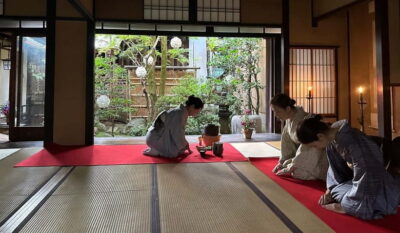
Kimono and Tea Ceremony Experience at Cultural Asset
Read our review →
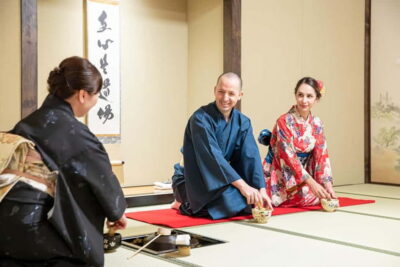
Family-Friendly Kimono & Yukata Experience at WARGO
Read our review →Browse the lists this tour appears in