
Reviewed · COOKING CLASSES
Sushi Cooking Class: AKEMI’s SUSHiKiTCHEN in Tokyo
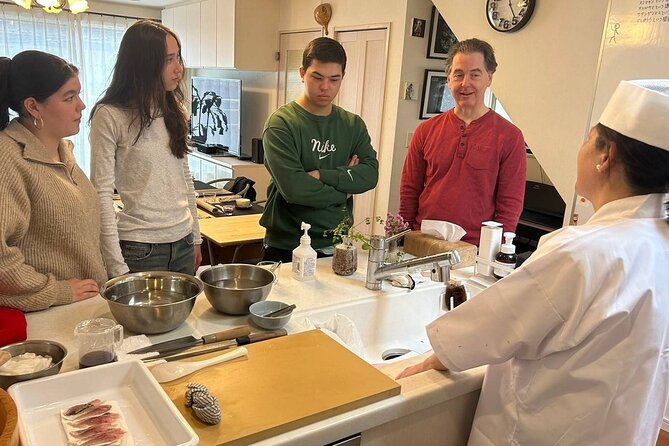
Sushi gets real when you cook it at home. In Akemi’s Sushikitchen, you step into a quiet Tokyo residential setting and learn how to make sushi with personal guidance. You do not just watch. You build skills, learn the culture, and end with a meal you made yourself.
What I like most is the small-group coaching. The lesson is limited to a maximum of five students, so you get attention while you form, assemble, and ask questions. I also love that the class teaches sushi as more than food, with history, terminology, and traditional eating etiquette built right into the lesson.
One consideration: this is a hands-on class, not a drop-in dining experience. If you want pure sightseeing with minimal interaction, the 2 hours 30 minutes can feel like a lot of focus in one block, especially on a busy Tokyo day. Plan your transit and energy accordingly.
Key things to look forward to
- Max five students for real coaching, not a crowd
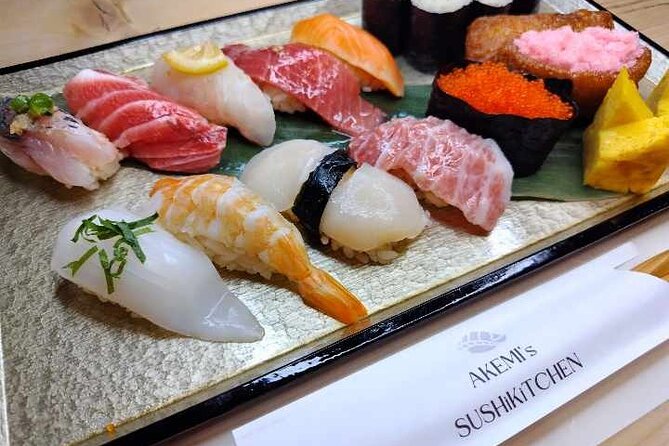
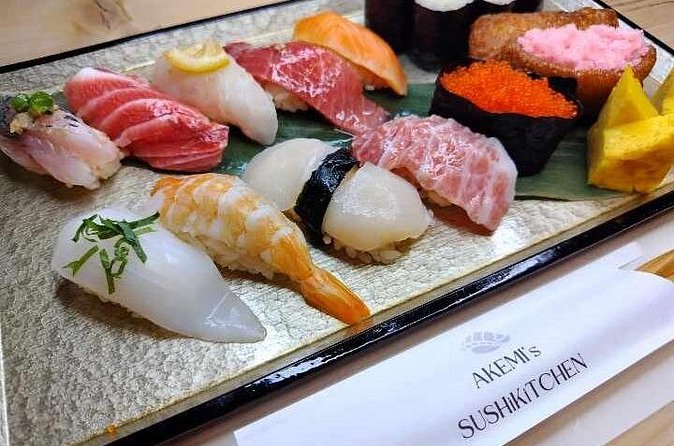
- Four types of sushi made during the lesson, then eaten
- Edomae training background paired with English instruction
- Premium ingredients including Kyoto rice and Toyosu and Tsukiji fish
- Sushi terms and etiquette explained in a practical way
A Tokyo Home Class, Not a Restaurant Performance
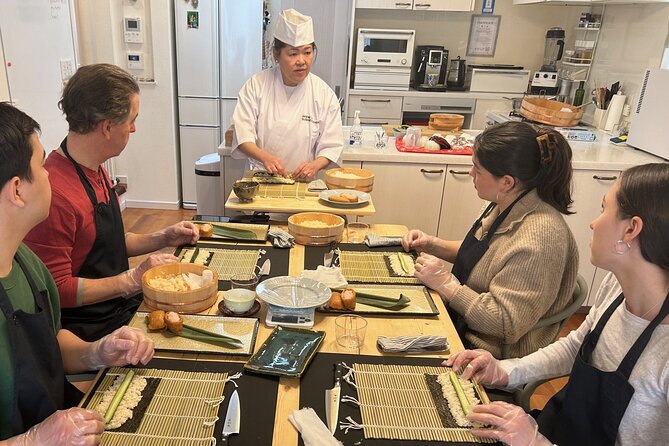
This sushi class is built around the idea that you learn faster when you are in a real kitchen and guided step by step. You meet at Tamanosato Sasazukaten, Sasazuka, Shibuya and the experience ends back at the same spot. That loop matters, because it keeps the logistics simple in a big city.
Instead of a restaurant setting where everyone is focused on service flow, you get a calmer pace. The class takes place in the chef host’s home in a quiet residential area of Japan, so you can concentrate on what you are doing. For me, this is where the value lives. Sushi techniques are precise. A relaxed home environment gives you room to pay attention.
Also, you are not just learning to make sushi. You are learning how to understand it. That comes through in the way the lesson includes Japanese food culture and the history of sushi, not as trivia, but as context for why people eat sushi the way they do.
More Cooking Classes in Tokyo
- Ramen & Gyoza Cooking Class in Tokyo with Local Supermarket Visit
★ 5.0 · 823 reviews - Tokyo: Easy Ramen Cooking Experience in Kabukicho, Shinjuku
★ 4.6 · 321 reviews - Ramen and Sushi Cooking Class with Sake Pairing Set in Tokyo
★ 5.0 · 291 reviews
Meet Akemi and Dan, Your English-Friendly Sushi Teachers
The host, Akemi, brings a restaurant background and formal training. She has seven years of experience in Japan’s restaurant industry and completed the Edomae Sushi Technique Acquisition Course at the Tokyo Sushi School. That combination matters because it usually means two things: good technique and a clear teaching style.
Akemi also offers instruction in English, which is huge for beginners. You can focus on the hands-on work without constantly translating what someone is saying. The reviews also highlight a friendly, welcoming vibe with hosts Akemi and Dan helping create an easy atmosphere.
Here’s what to expect from the teaching style. In a small group, questions are not an interruption. You can ask what you should look for, how the texture should feel, or what a term means, and you will get a response that fits what you are making at that moment. If you are nervous about cooking, this kind of setup helps a lot.
The Ingredients Matter: Kyoto Rice and Toyosu or Tsukiji Neta
The class leans hard into ingredient quality, and you will feel the difference while you cook. Akemi sources carefully, including blended rice specially ordered from Hachidaime Gihey in Kyoto (est. 1787). That is not just a brand name. It signals that the rice base is taken seriously, because sushi rice is the foundation for everything else.
For the topping ingredient, the lesson uses fresh fish, or neta, sourced directly from major fish markets, including Toyosu and Tsukiji. That matters because sushi is not forgiving in the same way a cooked dish can be. The flavor and freshness of the fish is part of the lesson, and the class is designed to show you how quality ingredients change the end result.
In practical terms, you are learning with real materials you would actually want to eat. That is one reason a cooking class in Japan often feels more meaningful than a demo. When you work with ingredients this thoughtfully chosen, your learning sticks.
Inside the 2.5 Hours: What You Do Step by Step
The whole experience runs about 2 hours 30 minutes. It is long enough to learn techniques and produce a real meal, but short enough to fit into a Tokyo schedule.
After you start at the meeting point in Shibuya, the lesson unfolds in your chef host’s home. You learn how to make sushi and you create four types of sushi during the session. While you are cooking, you also receive personalized guidance in the small-group setting, so you are not stuck “doing it wrong” while waiting for your turn.
The class also builds in cultural context as you go. You will hear about the history of sushi, learn essential terminology, and get practical instruction tied to eating sushi the right way. This is not only about what sushi is. It’s about how sushi culture works, from what different words mean to how people approach the meal.
Then, the lesson culminates in a meal. This is a key point. You do not end by taking a photo and walking away. You sit down and enjoy what you made yourself. If you are a foodie, that makes the experience feel complete.
More Sushi Making Classes in Tokyo
- Sushi Making Tokyo Roll and Authentic Japanese Sushi Class
★ 5.0 · 3,971 reviews - Tokyo: Roll and Authentic Sushi Making Class in Asakusa
★ 4.9 · 1,957 reviews - Make Sushi and Create Unforgettable Memories in Tokyo
★ 5.0 · 1,413 reviews - Tokyo: Sushi Making Class in a Happi Coat near a Famous Spot
★ 4.9 · 1,377 reviews
What you might notice as you cook
- Sushi rice needs attention, because it is the base flavor.
- Fish topping quality influences the end taste immediately.
- Small technique differences show up fast when you assemble sushi.
Edomae Technique and Sushi Terminology You Can Use Right Away
Akemi’s formal background in Edomae sushi technique shapes what you learn. Edomae is often associated with the traditional approach, and in class it comes across as technique-forward teaching, not just casual “roll it and eat it.”
The lesson also focuses on terminology. That is underrated. In Tokyo, sushi menus and conversations can be full of words that sound like they belong only to insiders. Here, you get the vocabulary explained in context, while you are actively making sushi. That makes it easier to order with confidence later.
A smart way to use this in your next meal is to carry the words you learned into your eating. Pay attention when a phrase comes up on a menu or when someone explains a topping. Even if you do not remember every term, you will understand enough to ask a better question, or to pick something that fits what you want to taste.
Sushi Etiquette: Eating Like You Know What Matters
A big part of the class is learning Japanese eating etiquette around sushi. That can sound formal, but in practice it is about avoiding awkward moments and understanding how the meal is meant to be enjoyed.
The etiquette instruction is paired with the meal you make. That is important because etiquette is easier to absorb when it is tied to a real situation. You do not have to guess what people mean. You get guidance that you can apply immediately.
The lesson also includes insights into Japanese food culture and the history of sushi, which helps you see sushi as more than a trendy item. You start to understand why certain traditions exist and what Japanese diners care about, even beyond flavor.
One extra detail that stood out from the feedback: even Japanese guests have said they learned a lot about their own food culture. That tells me this class is not “tourist basics.” It is teaching that can surprise locals too, which is usually a good sign.
Group Size, Comfort, and Who This Class Fits Best
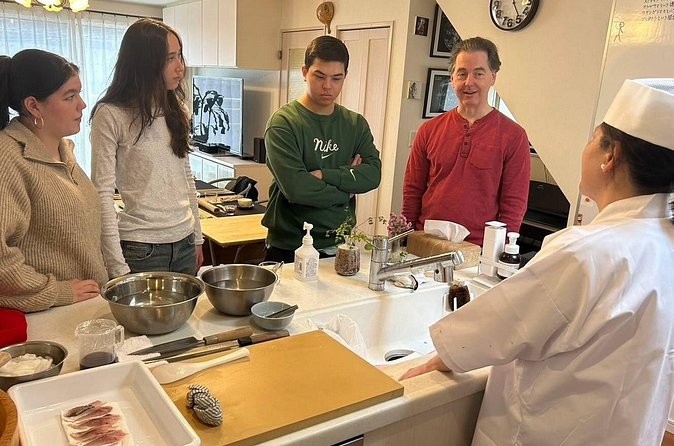
You are capped at a maximum of five students, and the experience lists up to six travelers overall. That small size is a practical advantage. Sushi involves multiple small actions, like shaping and careful assembly. In a big class, you would lose time waiting. In a small group, you can keep moving and refine what you are doing.
Also, Akemi teaches in a way that works even for beginners. The experience notes that even if you have never tried sushi before, you can feel confident that your hand-prepared meal will be a delight. That is exactly what you want from a cooking class. You are not paying for intimidation. You are paying for a supported result.
If you are traveling with another person and want a shared activity that ends in a meal, this is a strong choice. If you are a solo traveler who wants to meet people, the small group can feel friendly rather than chaotic.
If you are the type who just wants to taste everything quickly and move on, you might find this slower than a restaurant plan. But if you like learning, even basic sushi making skills in Tokyo can pay off the rest of your trip.
Price and Value: Is $105.68 Worth It?
At $105.68 per person, this is not a budget class. The value comes from what you get for that price, not only the dollar amount.
You are paying for:
- A small-group lesson with personalized guidance
- A hands-on experience that ends with you eating the sushi you made
- Ingredient quality, including Kyoto rice from Hachidaime Gihey and fish from Toyosu and Tsukiji
- Instruction that includes history, terminology, and etiquette, not just technique
In other words, this is closer to a guided culinary workshop than a typical “sit and eat” meal. And because sushi ingredients are sensitive, using fresh neta and well-sourced rice is not a minor detail. It affects flavor and how your technique turns out.
One more practical value point: this is often booked in advance, with an average booking window of about 49 days. If Tokyo is your base and sushi is on your must-do list, you will save stress by booking early.
Practical Tips Before You Go
A few smart prep moves will make the class feel smoother.
First, plan for a residential home experience. That means you will likely appreciate being on time, dressing comfortably, and treating the home like a shared space. You are in someone’s kitchen, not a public studio.
Second, go with a beginner mindset even if you think you already “know sushi.” The lesson includes terminology and etiquette, and those details can help you order better later. If you already love sushi, this class can still refine how you think about rice, fish, and how the meal is meant to be eaten.
Finally, bring your appetite. The lesson culminates in a meal, and the point is to enjoy what you made. If you schedule a heavy dinner right after, consider keeping it light.
Should You Book Akemi’s Sushikitchen Sushi Cooking Class?
I think you should book if you want a Tokyo food experience that goes beyond eating. This is best for couples, friends, and solo travelers who like hands-on learning, and especially for anyone curious about how sushi culture works in Japan.
You should also book if you care about ingredients. The class specifically uses Kyoto rice from Hachidaime Gihey and fresh fish from Toyosu and Tsukiji, and that translates into a better meal and a better learning experience.
Skip it if you want a quick, low-effort activity with zero focus. Also skip it if you only want restaurant-style tasting, because here the main goal is cooking, etiquette, and understanding sushi, not just sampling a menu.
If you are on the fence, the biggest sign to choose it is this: you get to make four types of sushi with coached technique, then eat your work in the same session. That is a rare mix of learning and reward in one 2.5-hour block.
FAQ
How long is the sushi cooking class?
The class lasts about 2 hours 30 minutes.
What is the price per person?
The price is $105.68 per person.
Where do I meet for the class?
The meeting point is Tamanosato Sasazukaten 1-chōme-56-18 Sasazuka, Shibuya, Tokyo 151-0073, Japan.
How many people are in the group?
Lessons are limited to a maximum of five students, and the activity has a maximum of 6 travelers.
Is this a mobile ticket experience?
Yes, it uses a mobile ticket.
What will I learn during the class?
You will learn how to make sushi (four types), plus the history of sushi, sushi terminology, and traditional Japanese sushi eating etiquette.
Do I need prior sushi experience?
No. The experience is designed so that even if you have never tried sushi before, you can still make a hand-prepared meal you will enjoy.
Where do the ingredients come from?
The rice is specially ordered from Hachidaime Gihey in Kyoto, and the fresh fish, neta, is sourced from fish markets in Toyosu and Tsukiji.
Is free cancellation available?
Yes. You can cancel up to 24 hours in advance for a full refund.
Is the meeting point near public transportation, and are service animals allowed?
Yes, it is near public transportation, and service animals are allowed.
Fresh options around Tokyo
- Tokyo: Nikko Kegon Falls Lake Chuzenji Toshogu Temple & More★ 4.9 · 12 reviews
- Tokyo: Samurai History Walking Tour★ 5.0 · 12 reviews
- Harajuku: Kawaii Fashion and Pop-Culture Tour★ 4.7 · 12 reviews
- Tokyo: Mt. Fuji & Lake Kawaguchi Instagram Full Day Trip★ 4.1 · 12 reviews
- Shibuya Tokyo: Modern Kintsugi Workshop in Shibuya★ 5.0 · 12 reviews
- Tokyo: GTR Guided Daikoku Experience at Night★ 5.0 · 12 reviews
- Tokyo: Daikoku JDM Car Culture Tour★ 4.6 · 12 reviews
- Mt Fuji Private Day Trip from Tokyo with English speaking driver★ 5.0 · 13 reviews
Cooking Classes, compared.
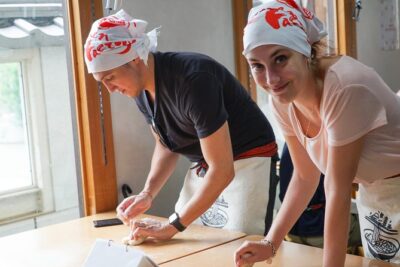
Ramen Cooking Class at Ramen Factory in Kyoto
Read our review →
Ramen & Gyoza Cooking Class in Tokyo with Local Supermarket Visit
Read our review →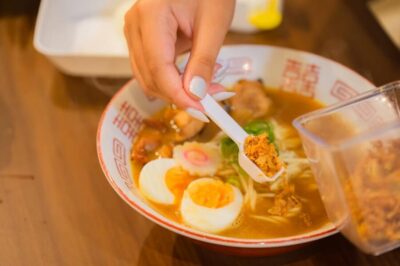
Ramen Cooking Class at a Ramen Factory with Souvenir
Read our review →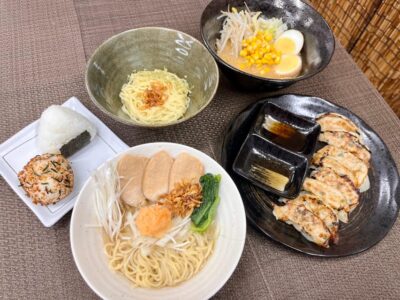
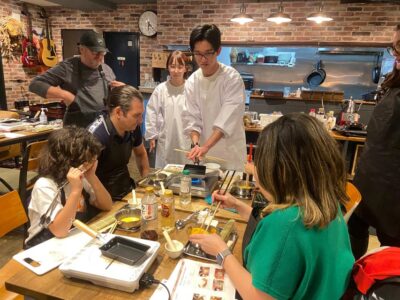
Japanese Washoku Bento Small Group Cooking Class
Read our review →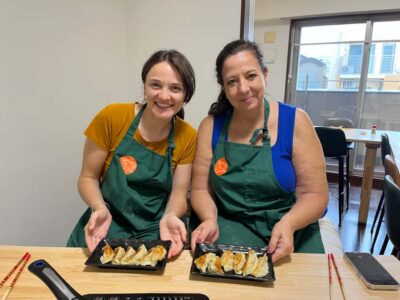
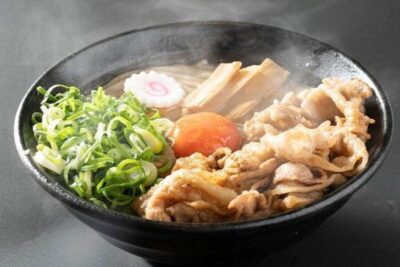
Easy Ramen Cooking Experience in Kabukicho, Shinjuku
Read our review →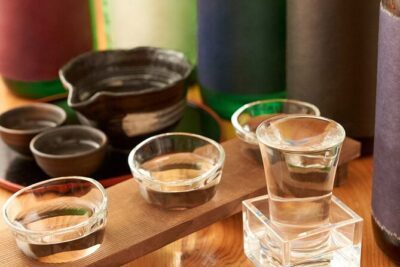
Ramen and Sushi Cooking Class with Sake Pairing Set in Tokyo
Read our review →Browse the lists this tour appears in