
Reviewed · WALKING TOURS
Private Walking Tour in Bamboo Forest & Hidden Spots in Arashiyama
Bamboo in Kyoto can feel magical, then busy fast. I like the private guide attention that keeps the pacing calm, and I love the mix of real temple stops plus the Arashiyama bamboo forest for photos and walking. One tradeoff: the bamboo grove area can get very crowded as the day moves on, so you will want to keep expectations realistic and start strong.
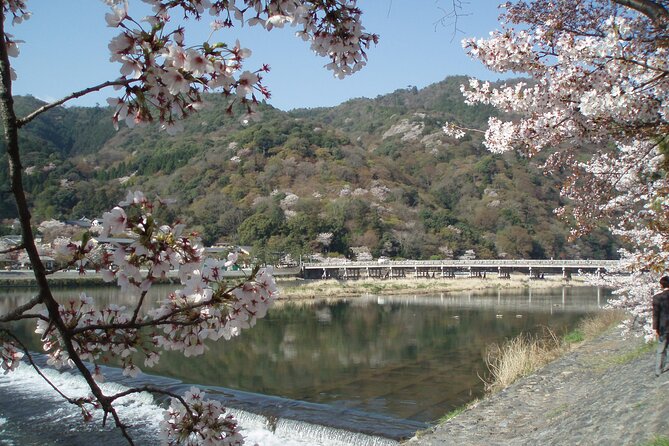
This is a 4-hour walk in Sagano, a centuries-old aristocratic retreat area outside the busiest Kyoto routes. You meet at Saga-Arashiyama Station at 9:00 am, and you end at Togetsukyō Bridge, close to Monkey Park, so you can keep exploring after the tour.
Key things I’d focus on before you go
- Sagano first, bamboo second: you get cultural stops before the big visual payoff.
- Small amount of paid entry: some temples are extra, but several sights are free.
- Crowd management matters: start early, move with a guide, and plan for photo traffic.
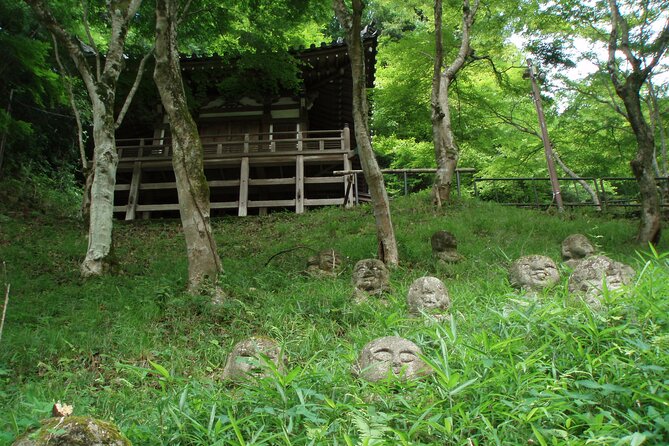
- Otagi Nenbutsu-ji is the surprise stop: 1,200 hand-carved Rakan statues make the walk feel different.
- You get a reason for each landmark: from aristocrat villas to a bridge named for the moon.
Why Sagano feels like Kyoto, not a postcard line
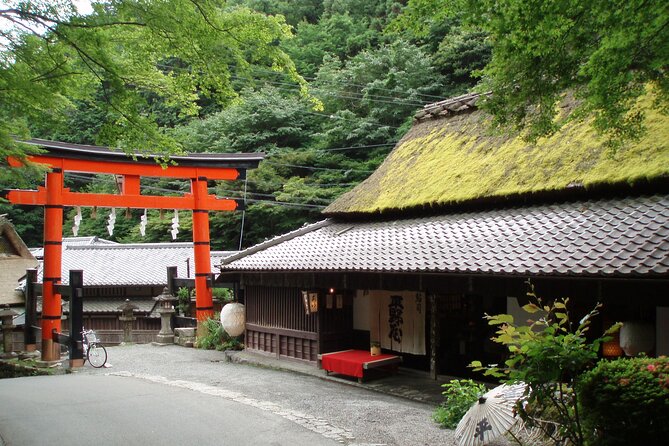
Sagano is the kind of Kyoto neighborhood that rewards a slow walk. It has that “old Japan” feeling, with small lanes, temple precincts, and riverside scenery, without the sense that everything is built for crowds. The tour leans into this by starting with heritage sites and preservation streets before steering you toward the bamboo corridor.
I especially like how the route ties the scenery to place. Instead of treating each stop like a photo stop, you get context for why Sagano mattered to aristocrats long ago, and how that legacy still shows up in what you see on the ground today. Even when you are just walking through a quiet preservation area, it feels like you are moving through a living neighborhood, not an attraction checklist.
More Walking Tours in Kyoto
- Kyoto Geisha Walking Tour: Gion District & Hidden Gems
★ 4.7 · 3,273 reviews - Kyoto: Gion Magical Night Walking Tour with Geisha Trivia
★ 4.9 · 2,393 reviews - Kyoto: Gion Geisha District Walking Tour – Stories of Geisha
★ 4.7 · 2,187 reviews
Getting there, starting at Saga-Arashiyama, ending at Togetsukyō Bridge
The meeting point is Saga-Arashiyama Station, address listed as 11-1 Sagatenryūji Kurumamichichō in Ukyo Ward. The start time is 9:00 am, which is a smart move for the bamboo portion because it helps you beat some of the late-morning crush.
The tour ends at Togetsukyō Bridge (address listed as 1-5 Sagatenryūji Susukinobabachō), and it is close to Monkey Park. That matters because you can turn this into a half-day plan: do the guided walk, then continue on your own while your legs still work.
Practical note: the tour includes a mobile ticket, and it says it is near public transportation. Since hotel pickup and drop-off are not included, you will want to rely on trains or buses to reach Saga-Arashiyama on your own.
Seiryōji (Saga Shakadō) and the quiet start near Saga
Your first stop is Seiryōji, also known as Saga Shakadō. This is described as one of the oldest temples in Kyoto, originally built as an aristocrat’s villa in the 9th century. That origin matters because it sets expectations. You are not only looking at temple buildings, you are seeing the physical footprint of how elite families used the area as a retreat.
The pacing here is gentle, and that’s the point. After getting your bearings near Saga-Arashiyama, you step into a quieter rhythm. Admission is free for this stop, so it is a low-pressure start and a good place to take a breath before the bigger, more crowded sites later.
What I like: it helps you feel the “Sagano mood” early, instead of starting with the most famous scenery and then feeling rushed through everything else.
Toriimoto traditional buildings and the old Atago highway idea
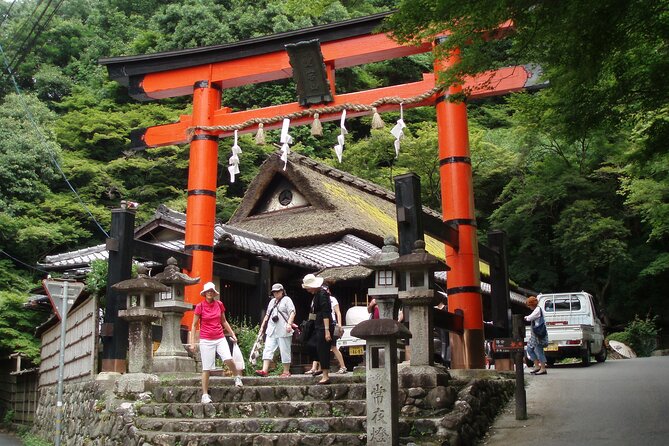
Next you walk through the Saga Toriimoto Traditional Buildings Preservation Area. It is designated as one of four town preservation areas in Kyoto, and historically it was called the Atago highway, an old route leading toward Mt. Atago. Mt. Atago is associated with a Shinto fire-prevention deity, so the area has a layered meaning: travel routes, local beliefs, and the built environment staying intact.
This is one of those stops that often gets skipped on fast Kyoto itineraries. Here, it becomes part of the story of the neighborhood. Instead of only chasing iconic sights, you notice small details like traditional building shapes and street character, and the guide helps you connect them to how the area developed.
Admission is free for this segment. The time is also short, around 10 minutes, so you are not stuck in a long lecture. It is more like a curated walk-through that makes the next parts make sense.
More Arashiyama tours:
- Kyoto: Fushimi Inari, Kinkakuji, Bamboo Grove 1 Day Bus Tour
★ 4.8 · 4,316 reviews - Osaka/Kyoto:Kinkakuji,Arashiyama,FushimiInariShrine,NaraPark
★ 4.1 · 1,596 reviews - Kyoto/Osaka: Nara, Fushimi Inari Taisha, Arashiyama Bus Tour
★ 4.7 · 1,275 reviews - Kyoto Arashiyama Walking Tour: Bamboo, Monkeys, Gardens & Secrets
★ 5.0 · 1,216 reviews
Otagi Nenbutsu-ji: the 1,200 Rakan statues that slow you down
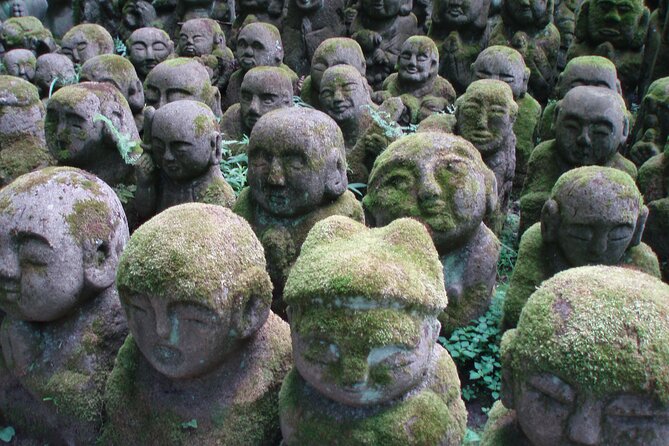
Otagi Nenbutsu-ji Temple is the stop that many people remember as the emotional surprise. It is famous for 1,200 stone statues of Rakan, disciples of Buddha. The statues are described as hand carved by 1,200 individuals who visited the temple.
That “1,200 individual carvers” detail changes the feel of the visit. It becomes less about checking off a landmark and more about sensing the work and devotion behind it. The statues are arranged in a way that creates a peaceful atmosphere, and the experience is described as you having quiet time surrounded by many small, unique figures.
Here is the tradeoff: admission is not included for this temple, so you should budget extra for entry. Also, it is not a place where you will speed-walk and still get the value. Give yourself a little patience for slowing down and noticing the variety among the statues.
The bamboo forest part: photos, peace, and the crowd reality
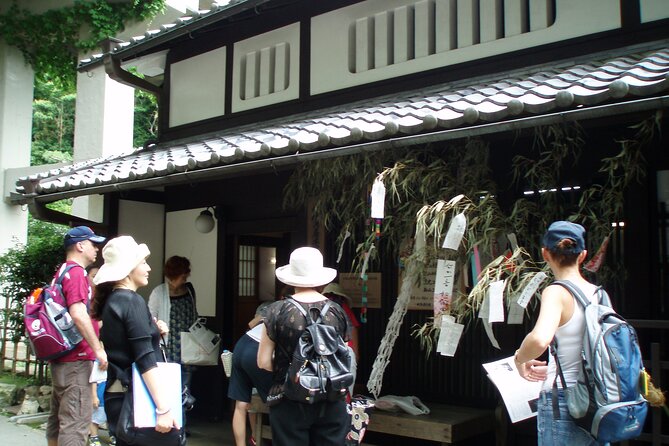
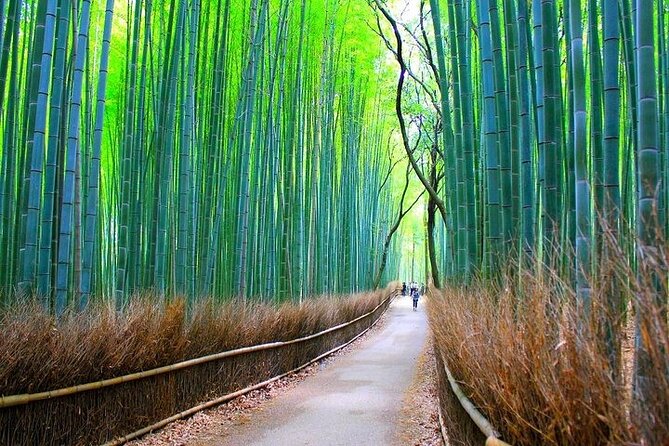
Then comes the bamboo grove path, often the main reason people book this kind of Arashiyama day. The tour includes the bamboo forest street portion and frames it with commentary about bamboo as a plant, how it has been cherished, and how it has been used in Japan.
I love bamboo when the timing is right. The tall stalks make your brain go quiet for a minute, and the walking path makes it easy to photograph without needing perfect angles. Reviews and general visitor feedback also reinforce that the scenery is breathtaking and gives strong photo opportunities.
But the crowd issue is real. The bamboo area can get very crowded and can ruin the calm you expect. I’d treat the bamboo forest here as a “worth seeing, manage your timing” situation. If you go at 9:00 am as scheduled, you are already doing the right thing.
Two practical tips I would not skip:
- Bring bug spray. Someone got bitten while touring this area, and bamboo groves near water can mean bugs.
- Expect selfie traffic. It’s a wide, popular path, so you will see people pausing and moving in waves. Your guide’s pacing can help you avoid spending your whole time stuck behind someone holding a camera.
One more thing to know: some bamboo-area precincts can include paid garden segments. One account specifically mentioned paying about 500 yen, with tea and biscuits, before wandering a garden area. If you see a ticketed area nearby, you can treat it as an optional add-on rather than a required purchase.
Tenryū-ji Zen garden time, then Togetsukyō’s moon connection
You finish with two more classic Kyoto anchors.
First is Tenryū-ji Temple, a Zen Buddhist temple founded in the 14th century. It is described as a World Cultural Heritage site. This stop is about feeling the Zen atmosphere in the garden, more than rushing through buildings. Admission is not included here, so again, budget extra.
What Tenryū-ji adds to the day is contrast. After the busy bamboo corridor energy, this is a slower, internal kind of visit. Even if you are not a Zen expert, the garden pacing encourages you to sit with your surroundings instead of sprinting for the next picture.
Then you end at Togetsukyō Bridge. This bridge was built as a way to reach the temple across the river. It is also tied to a story: an ancient emperor named it Moon Crossing Bridge after seeing the moon appear to cross the bridge.
This end point is great because you’re not stranded. The tour ends right at Togetsukyō Bridge, close to Monkey Park, so you can stretch your legs and keep the Arashiyama loop going if you want.
Price and value: what $85.87 buys, and what costs extra
The price is $85.87 per person for about 4 hours, and it includes a professional guide. That is the core value here: your guide helps you connect dots across multiple types of sights, and you do not have to figure out how to stitch Sagano and Arashiyama together on your own.
However, not everything is included. Entrance fees to temples are not included, and you’ll hit at least two paid entries on this route:
- Otagi Nenbutsu-ji
- Tenryū-ji
In other words, compare this tour cost to the cost of doing the sights independently, plus the value of someone managing your timing and pacing. If you want local commentary, and if you prefer not to play temple logistics games on a half-day, the guide price makes sense.
If you are traveling with a group, private also changes the value. Private means your attention is not split among strangers, and you can ask questions that fit your pace. If you are the type who likes to linger and then move on, private guidance tends to pay off.
Finally, transport is not included. That is normal for walking tours in Kyoto, but it matters for budgeting. You will need your own way to get to Saga-Arashiyama at 9:00 am.
Who this tour fits best (and who might feel underwhelmed)
This tour is a strong match for:
- People who want a mix of temples plus bamboo, not just one famous highlight.
- Visitors who like historical context, such as Sagano’s aristocratic retreat legacy and the old Atago highway preservation area.
- Travelers who can start early and want a more peaceful experience than midday bamboo.
It might not be the best choice if:
- You are chasing total solitude in the bamboo grove. The path is popular and gets crowded, so you should treat it like a photo and scenery stop, not a quiet sanctuary.
- You already know bamboo groves well and want something more offbeat than a famous corridor. The route does include off-the-radar-feeling stops like Otagi Nenbutsu-ji, but the bamboo part still comes with crowd energy.
In practice, I think the best way to enjoy this is to go in with a “slow morning” mindset. The first half sets you up for calmer appreciation, and the second half gives you the big Kyoto visuals with the right timing.
Should you book this private Sagano walk in the bamboo forest?
Yes, I’d book it if you want a curated half-day that hits real Kyoto heritage, then delivers the bamboo experience with a guide managing the flow. The combination of Seiryōji, Saga Toriimoto preservation streets, Otagi Nenbutsu-ji’s 1,200 Rakan statues, Tenryū-ji’s Zen garden, and the ending at Togetsukyō Bridge gives you variety without feeling chaotic.
But if you know you hate crowds and you want a bamboo grove experience with minimal foot traffic, pick your timing carefully and be honest with yourself. This starts at 9:00 am, which helps a lot, yet the bamboo corridor is still a magnet.
If you want a simple rule: book it for the guide-led mix and the Otagi Nenbutsu-ji surprise, then treat the bamboo as the show you watch from the best possible seat you can manage early in the day.
Fresh options around Kyoto
- Kyoto Aquarium Admission Ticket★ 4.7 · 12 reviews
- Kyoto Gion Photoshoot – Private Session | Pro Photographer★ 5.0 · 12 reviews
- Gyoza Cooking Class in Kyoto: Traditional Japanese Dumplings★ 5.0 · 12 reviews
- Kyoto: Guided Food Tour with 12 Dishes & 3 Drinks★ 5.0 · 12 reviews
- Kyoto: Avoid the Crowds at the Hidden Gems of Arashiyama★ 4.9 · 13 reviews
- Kyoto Early Bird English Tour: Gion & Higashiyama(Private opt)★ 5.0 · 13 reviews
- Otsu-e Folk Art Workshop & Local Culture Walk Near Kyoto★ 5.0 · 13 reviews
- Kyoto, Osaka, Nara Full Day tour by Car English speaking Driver★ 3.5 · 13 reviews
Walking Tours, compared.
Kyoto Geisha Walking Tour: Gion District & Hidden Gems
Read our review →
Tokyo Tsukiji Fish Market Food and Culture Walking Tour
Read our review →
Gion Magical Night Walking Tour with Geisha Trivia
Read our review →
Imperial Palace and Shogun Historical Walking Tour
Read our review →
Gion Geisha District Walking Tour – Stories of Geisha
Read our review →
Shinjuku Local Bar and Izakaya Guided Walking Tour
Read our review →
Browse the lists this tour appears in