

Reviewed · WALKING TOURS
Private Customizable Walking Tour of Tokyo
Tokyo is big, so this helps. A private, customizable walking route means you pick the pace and the stops, with a guide who can help with transit planning. I like two things most: the no-fixed-itinerary feel, and the hotel meet-up plus drop-off that makes a first day in Tokyo much less stressful.
One thing to consider: it’s still a walking tour, and you’ll also ride the subway. Public transportation costs and most food are not included, and some viewpoints have optional ticket upgrades.
Key highlights to plan around

- Hotel pickup and drop-off, so you start the day without hunting for the meeting point
- Your route, your pace, with a guide adjusting the order and timing around your interests
- Subway support, including help buying a travel pass for the day
- Iconic Tokyo in one day, from Shibuya Crossing to Senso-ji and on to the skyline
- Optional tower tickets you can add for Tokyo Skytree, Tokyo Tower, or Shibuya Sky
A private Tokyo day you can actually control

If Tokyo feels like sensory overload from minute one, you’re not wrong. What makes this experience different is that it’s private and built around your preferences. You choose how long you want to tour, then your guide designs an exact plan based on what you care about most, so you are not stuck watching everyone else’s priorities.
I also really like that you can set the start time and shape the day. That flexibility matters in Tokyo, because neighborhood energy changes fast by hour, and you might want to hit a temple when it’s calmer, or spend longer in a market area. You’ll also have a real person handling the logistics, not just pointing you at a map.
The trade-off is that customization still requires choices from you. If you don’t mention a must-see, it can be easy to focus on the big headlines and skip a section of your interests, like the Imperial Palace East Gardens. So think in terms of themes (fashion, shrines, markets, views), not just place names.
More Walking Tours in Tokyo
- Tokyo Tsukiji Fish Market Food and Culture Walking Tour
★ 5.0 · 3,184 reviews - Tokyo: Imperial Palace and Shogun Historical Walking Tour
★ 5.0 · 2,251 reviews - Tokyo: Shinjuku Local Bar and Izakaya Guided Walking Tour
★ 4.9 · 1,794 reviews
Hotel pickup, subway time, and real-world logistics
This is a walking tour with subway travel between areas. Hotel meet-up and drop-off is included, and that single detail saves energy. Once you’re on the move, your guide helps you get around efficiently, and you can ask for advice on the daily transit pass.
Public transportation costs are excluded, so you will budget for your subway rides and pass. Still, you will likely find it easier than figuring everything out on your own, especially if you are on your first Tokyo day. Private guides often make the subway feel less intimidating because they show you what station exits look like, how transfers work, and how to time crossing points.
Also, tickets for most stops are not required because the admissions listed are free. Where ticket costs can appear is with major observation decks, which you can add on when it fits your interests and time.
How the custom itinerary flows, from Shibuya to the skyline
Your route can run from a half-day to a full day, roughly 4 to 8 hours. The stops you might include span Tokyo’s modern buzz, old temple lanes, business architecture, market areas, and several top viewpoints.
A useful way to think about it: the tour is built like a sampler that you can steer. You can prioritize concentrated areas (Shibuya into Harajuku, or Asakusa into Senso-ji) and then choose whether to add high-ticket skyline viewpoints (Skytree, Tokyo Tower, Shibuya Sky). If you want a balanced first look at Tokyo, you’ll likely want some mix of each.
Here’s the smart part. Because it’s private, your guide can keep you from wasting time on “maybe later” stops. You can also slow down for photos, snacks, or a detour that fits your day. And when you hit a place with crowd pressure, you can decide how much time you want to spend in the center of it.
Shibuya, Harajuku, and Meiji Jingu: modern Tokyo and a shortcut to calm

Same corner of Japan, a different kind of day:
- Mt Fuji and Hakone 1-Day Bus Tour Return by Bullet Train
★ 5.0 · 26,383 reviews - 1-Day Tokyo Bus Tour
★ 5.0 · 14,250 reviews - Tokyo: TOKYO SKYTREE® Admission ticket
★ 4.5 · 11,192 reviews - Tokyo: teamLab Planets TOKYO Digital Art Museum Entry Ticket
★ 4.6 · 9,779 reviews
Shibuya Crossing and Hachiko
Start in Shibuya, where modern Tokyo puts on its loudest outfit. You’ll walk through the area and cross Shibuya Crossing, described as the busiest pedestrian crossing in the world. It’s the kind of place that looks like a film set until you’re standing in the middle of it.
You’ll also meet the bronze statue of Hachiko. Even if you’ve seen photos before, being there changes the vibe. It’s one of those moments where Tokyo’s everyday crowd energy meets a story you can understand in a few seconds.
A consideration here: Shibuya is a crowd zone. If you dislike tight pedestrian flow, tell your guide early so you can adjust how long you linger and where you regroup.
Harajuku Street, next to Meiji Shrine
From Shibuya you can roll into Harajuku, the youth-fashion center next to Meiji Jingu. This is where you’ll find trendy backstreets and plenty of visual stimulation, including street art, wacky youth fashion, and fun food culture in that area.
This stop works well if you like people-watching and street scenes. It can also be an easy place to buy small gifts, because it’s full of easy-to-browse shops.
If your group includes kids, Harajuku is often a win, but you’ll want to keep your pace flexible. The area is easy to drift into for an hour if you’re not careful, so ask your guide to keep it aligned with your overall time goal.
Meiji Jingu Shrine in a huge forest
Then comes the contrast: Meiji Jingu Shrine in the heart of a 700,000 m2 forest. You’ll learn about Shintoism, and the scale of the forest changes how you experience the shrine. The walk feels like you’re stepping out of the city’s noise, even though Tokyo is right there.
This part is ideal when you want one calm, reflective moment in the middle of a high-energy day. It also gives you a break from shopping crowds and the subway pace.
The drawback is simple: it can take more time to enjoy than you plan. If you only have a half-day, decide ahead of time how long you want in the shrine grounds.
Shinjuku views, Asakusa temples, and Senso-ji street life

Shinjuku entertainment district and big-city views
Shinjuku is the next stop in the sample route, known for tall buildings and neon lights. If you enjoy city views, this is where the tour can include an observatory on the 45th floor of the Tokyo Metropolitan Government building area.
Even if you skip a paid observation deck upgrade elsewhere, Shinjuku gives you an easy way to orient yourself. You can often connect what you saw earlier in the day with where you are now, and that helps Tokyo feel less random.
Time check: you may want to plan your view stop around light. The tour format is flexible, but a guide can help you decide what makes sense for your day.
Asakusa and Nakamise Shopping Street
Next is Asakusa, the historic core of Tokyo. You’ll find traditional craft shops and a well-known street approach called Nakamise Shopping Street, about 250 meters long, packed with stalls.
This is a great place to handle practical travel needs too. Snacks, small souvenirs, and easy gifts tend to be concentrated here. Food is not included, but your guide can point you toward what to try, how to navigate menus, and how to keep it quick without rushing.
The potential downside is crowd density. Asakusa gets busy, so if you’re sensitive to crowds, tell your guide your comfort level.
Senso-ji Temple, Tokyo’s oldest temple
From Asakusa you can reach Senso-ji Temple, described as Tokyo’s oldest temple dating back to 628. You’ll learn about Buddhism, and the atmosphere makes it easy to understand why this is one of the city’s anchors.
Senso-ji is also a place where photo stops can multiply. If you want the day to flow, ask your guide to time your temple walk and your snack stop so you don’t run out of energy.
Akihabara, Marunouchi, and the Imperial Palace area

Akihabara for anime, manga, games, and electronics
Then comes Akihabara, Tokyo’s anime, manga, video game, and electronics hub. It can feel like sensory overload in the best way. You’re surrounded by shops and displays that make Tokyo’s pop-culture influence obvious.
This is a strong choice if you like browsing product culture rather than just viewing landmarks. If you’re not into pop culture, you can still enjoy the street-scene energy, but it may be smarter to spend that time elsewhere.
Marunouchi: business district architecture and easy transit geometry
Marunouchi is a different Tokyo mood. It’s a sleek business district around the Imperial Palace area, with key landmarks like Tokyo International Forum and Tokyo Station. This is a nice “Tokyo map” stop because it helps you visualize the city’s structure.
You can also use it for a food break. Food and drinks are not included, but you’ll have more options nearby than in some smaller shopping pockets.
Imperial Palace East Gardens and Edo Castle Ruins
Next, you can visit the East Gardens of the Imperial Palace, including remnants tied to Edo Castle Ruin such as moat walls. If you like historical layers you can see with your own eyes, this stop is a strong add.
Here’s a practical tip from how customization works: if you care about palace grounds, tell your guide at the start of the day that this is a must. Otherwise, time can get spent on easier wins like the obvious streets and shops.
Nihonbashi and Tsukiji: trade history and a market reality check

Nihonbashi for the old center of commerce
Nihonbashi is where trade and commerce started in the Edo period. You’ll walk an area steeped in the story of Japanese cooking and filled with traditional food and craft shops.
This stop is a good bridge between “old Tokyo” and “modern-day food culture.” Even if you don’t buy much, you’ll understand why this part of the city is famous.
Tsukiji Fish Market, outer market energy
Then you can head toward Tsukiji Fish Market. The inner market and auction moved to Toyosu, but the outer market remains. You’ll see fresh fish and experience the market atmosphere, which makes Tokyo feel real in a way that brochures never do.
Food is not included, but this is exactly where a guide helps. Without someone there, it can be hard to know what’s worth trying and how to time your stops without getting stuck in long waits. Your guide can help you pick something that matches your tastes and time.
A consideration: markets can be intense in the morning. If you prefer calmer sightseeing, ask your guide to adjust the timing.
Yanaka and Tokyo’s viewpoints: old neighborhoods and sky tickets

Yanaka: temples, sweets, and a tea ceremony-style stop
Yanaka is a nostalgic downtown district with hundreds of temples and sweet shops. The tour also includes a tea house to experience a traditional tea ceremony setup.
If you want a slower pace at the end of a fast day, Yanaka is often the right kind of change. It also tends to feel more local, since it’s not built around one single big headline attraction.
This stop can be a time sink in a good way, but it’s worth planning around it if you also want a tower ticket at the end.
Tokyo Skytree, Tokyo Tower, and Shibuya Sky as add-ons
If you want high viewpoints, the tour can include optional upgrades for major observation decks:
- Tokyo Skytree at 634 meters, described as the world’s tallest tower. Ticket admission is not included.
- Tokyo Tower, completed in 1958, the tallest structure until 2012. Ticket admission is not included.
- Shibuya Sky, with a 360-degree observatory. Ticket admission is not included.
Choose based on your day and your priorities. Skytree is the taller, iconic choice. Shibuya Sky is the “Tokyo at your feet” option with the Shibuya setting. Tokyo Tower is the classic post-war symbol angle.
Because these are ticket add-ons, they can affect your total budget. But they can also be worth it if this is your first Tokyo trip or if you want one big visual payoff.
Who this tour is best for
This private format is especially good for:
- First-time visitors who want confidence using the subway without guessing
- People who like mixing neighborhoods rather than doing one theme all day
- Families, since the tour can be tailored to keep kids engaged and handle their food needs better than a fixed group plan
- Couples or small groups who want conversation, pacing control, and a guide who can answer questions in real time
In the reviews data you provided, I saw names like Paiva, Laura, and Miko tied to excellent experiences. Those guides are specifically praised for adapting the day, helping with subway navigation, and keeping families engaged. One standout example: a family started the day near the Palace Gardens, but the guide did not ask if they wanted to include that option, which is exactly why you should name your priorities early.
If you already know Tokyo well and just want quick hits, this may feel more than you need. But if you want a day that makes Tokyo click, it’s a strong fit.
Price, value, and what you should budget for
The price is $202.18 per person, for a private tour with professional guidance, plus hotel meet-up and drop-off. For a city as big as Tokyo, a private guide can be good value when you count time saved, fewer wrong turns, and the added comfort of having someone help with transit decisions.
What’s not included is also important:
- Subway/public transportation costs, which you’ll cover via a travel pass
- Food and drinks
- Observation deck tickets for Tokyo Skytree, Tokyo Tower, and Shibuya Sky
Most of the listed walking stops are marked as free entry, which helps you avoid surprise ticket fees at every turn. The budget reality is usually about transit plus optional viewpoints plus food.
Also note: the average booking window is 73 days in advance. If you have a tight schedule, booking earlier gives you more chances for a guide and time slot that matches your day.
Final take: should you book this Tokyo walking tour?
Book it if you want a private, customizable Tokyo day where the guide handles logistics and you get a practical first overview of major neighborhoods. It’s ideal for first timers, families, and anyone who hates the feeling of being rushed by a fixed group itinerary.
Skip it or adjust expectations if your goal is a fully ticketed “everything included” day with no extra costs. You will still pay for subway rides and you may want to add optional skyline tickets, and you will do plenty of walking.
If you want the best outcome, go in with two or three must-do themes (for example, shrines plus markets plus one viewpoint). Then tell your guide early. That’s the difference between seeing Tokyo and truly setting your Tokyo day up to feel like your trip.
Fresh options around Tokyo
- Tokyo: Nikko Kegon Falls Lake Chuzenji Toshogu Temple & More★ 4.9 · 12 reviews
- Tokyo: Samurai History Walking Tour★ 5.0 · 12 reviews
- Harajuku: Kawaii Fashion and Pop-Culture Tour★ 4.7 · 12 reviews
- Tokyo: Mt. Fuji & Lake Kawaguchi Instagram Full Day Trip★ 4.1 · 12 reviews
- Shibuya Tokyo: Modern Kintsugi Workshop in Shibuya★ 5.0 · 12 reviews
- Tokyo: GTR Guided Daikoku Experience at Night★ 5.0 · 12 reviews
- Tokyo: Daikoku JDM Car Culture Tour★ 4.6 · 12 reviews
- Mt Fuji Private Day Trip from Tokyo with English speaking driver★ 5.0 · 13 reviews
Walking Tours, compared.
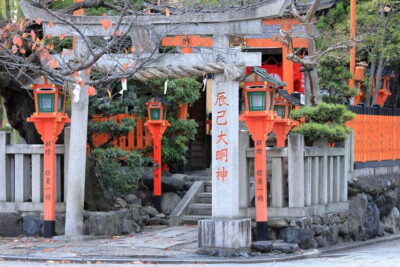
Kyoto Geisha Walking Tour: Gion District & Hidden Gems
Read our review →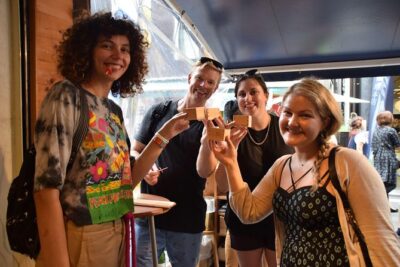
Tokyo Tsukiji Fish Market Food and Culture Walking Tour
Read our review →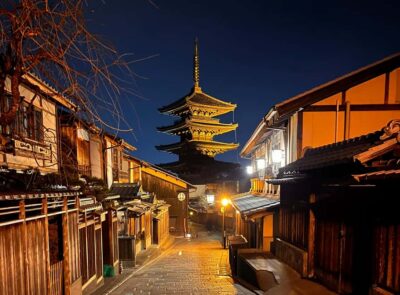
Gion Magical Night Walking Tour with Geisha Trivia
Read our review →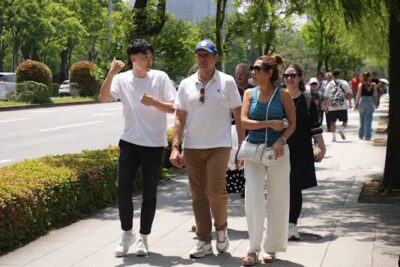
Imperial Palace and Shogun Historical Walking Tour
Read our review →
Gion Geisha District Walking Tour – Stories of Geisha
Read our review →
Shinjuku Local Bar and Izakaya Guided Walking Tour
Read our review →
Browse the lists this tour appears in