
Reviewed · GEISHA & GION TOURS
KYOTO: Tempio Kiyomizu Pagode Gion “Geisya” (Guida Italiana)
Kyoto in Italian, minus the guessing. This 5-hour route is interesting because it follows the same kind of pilgrimage streets that shaped the area from the 8th century to today, then connects the iconic sights. I love that the tour is led by an Italian-speaking Kyoto guide, with answers that stay clear even when you ask lots of questions. I also love the practical value: the price covers transport and entrance tickets, so you are not juggling extra purchases mid-walk. One consideration, since it is only 5 hours, is that you will need to pace yourself, and the guide is Italian only.
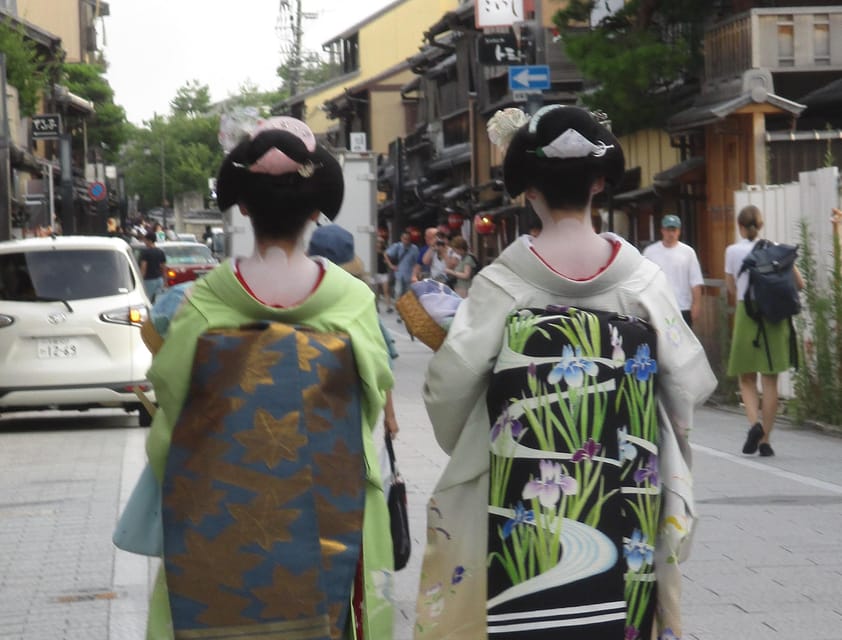
You will start at Kyoto Station, take a short coach ride, and then do a scenic walking loop through lanes packed with souvenir and sweet shops, plus cafes for breaks and people-watching. The visit flow is efficient: Kiyomizu-dera first, then Sannenzaka and Ninenzaka, then Gion, with a quick pass by Kyōto Minami-za, before the tour ends in Pontocho.
Logistics are straightforward. You meet at Kyoto Station North Entrance (Karasuma-Guchi), at the space by the four escalators outside the central north entrance, and you finish in Pontocho. The tour is also wheelchair accessible, which matters if you want Kyoto without making everything a DIY puzzle.
Key highlights
- Italian guide in Kyoto who answers your questions along the way, not just during the big stops
- Kiyomizu-dera visit for about 1 hour with guided sightseeing time included
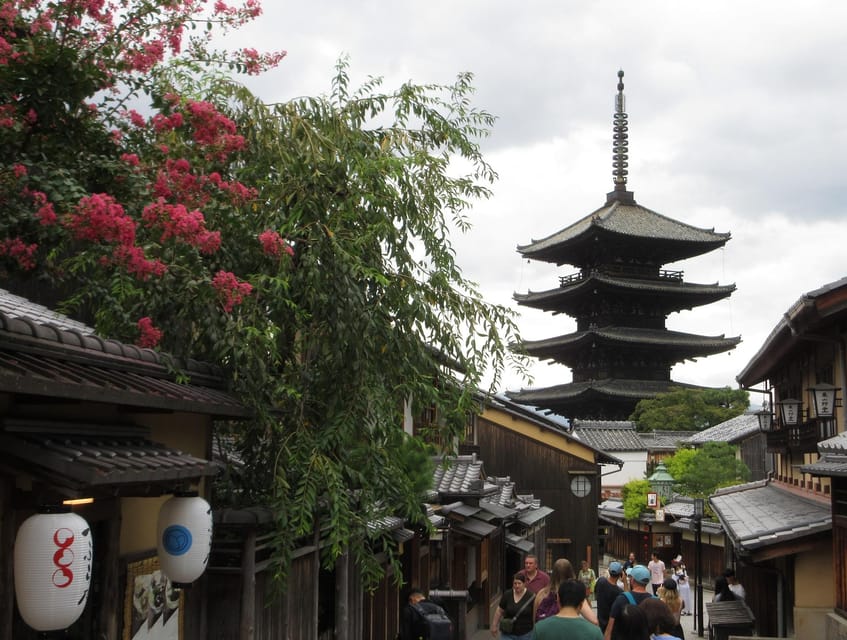
- Sannenzaka and Ninenzaka lanes built for strolling, snacks, and shopping breaks
- Gion visit with a short guided window so you still have time to enjoy the atmosphere
- Price includes transport and entrance tickets, so your budget stays stable
- Finish in Pontocho for an easy next step after the tour
Why This Kiyomizu-dera to Gion Loop Fits Real Life
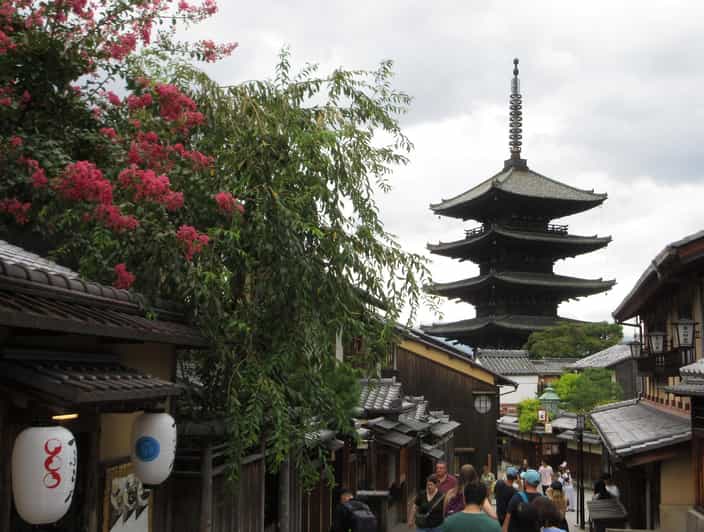
This is a smart half-day plan because it strings together Kyoto highlights with small, manageable walking hops. You start with a coach ride, then you transition into slow streets that feel made for wandering. If your Kyoto days are already packed, this kind of structure helps you see a lot without turning the whole afternoon into a navigation project.
I also like the theme. The route is framed as ancient pilgrimage paths that evolved over centuries, so it is not just sightseeing, it is a way to understand why the streets and the temple area feel the way they do today. By the time you reach Gion, the city makes more sense as a connected story, not a list of photos.
The pacing is another win. You are not spending the entire day in one spot. You get one focused temple window, then short walks through lively lanes, then a guided visit in Gion, and you finish where many people like to linger in the evening.
More geisha experiences in Kyoto:
- Kyoto Geisha Walking Tour: Gion District & Hidden Gems
★ 4.7 · 3,273 reviews - Kyoto: Gion Magical Night Walking Tour with Geisha Trivia
★ 4.9 · 2,393 reviews - Kyoto: Gion Geisha District Walking Tour – Stories of Geisha
★ 4.7 · 2,187 reviews
Getting Started at Kyoto Station, North Entry (Karasuma-Guchi)
The meeting point is specific, which is exactly what you want when you are traveling. You meet in the space between the four escalators in front of the cab terminal, toward the east just outside the central north entrance of Kyoto Station. From that spot, you can see Kyoto Tower at the top left.
Do not worry about arriving blind. You should get an email message by the day before the tour that confirms and details the meeting point. That one step can save you real stress on arrival day.
Timing matters too. The itinerary shows a short coach or bus transfer of about 15 minutes. That means you are likely to get moving quickly, which helps if you are trying to avoid burning precious time later in the day.
The Coach Ride and Kiyomizu-dera (About 1 Hour of Guided Time)
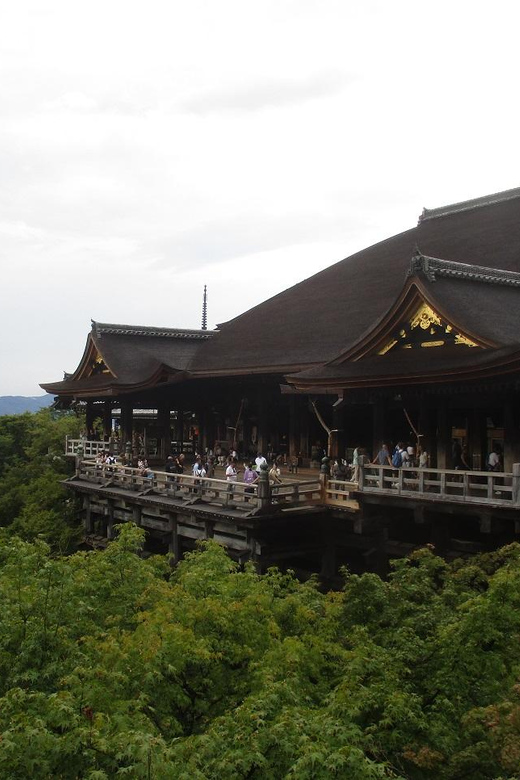
Your tour begins with that quick transfer, then you arrive at Kiyomizu-dera for about 1 hour. The focus here is a guided visit and sightseeing, so you are not just walking around wondering what you are looking at. A Kyoto native guide explains the historical, cultural, and religious details along the way and answers your questions as you go.
Here is why that guided hour can be more valuable than it sounds. Kiyomizu-dera is a major temple area, and if you try to figure it out alone, you usually end up with scattered impressions. With a guide, you get a chain of explanations, so the temple experience connects to what you will see next in the streets.
Practical tip for this part: keep your questions in mind. If something looks confusing, ask. The tour format is designed for interaction during the walk and stops, not for a one-way lecture.
Also, note that the guided time is limited to what fits into the 5-hour schedule. That is a good thing for most people, but it means you should expect a guided highlight approach, not a slow, deep, stay-all-day exploration.
Sannenzaka and Ninenzaka: The Old Streets That Make Kyoto Feel Like Kyoto
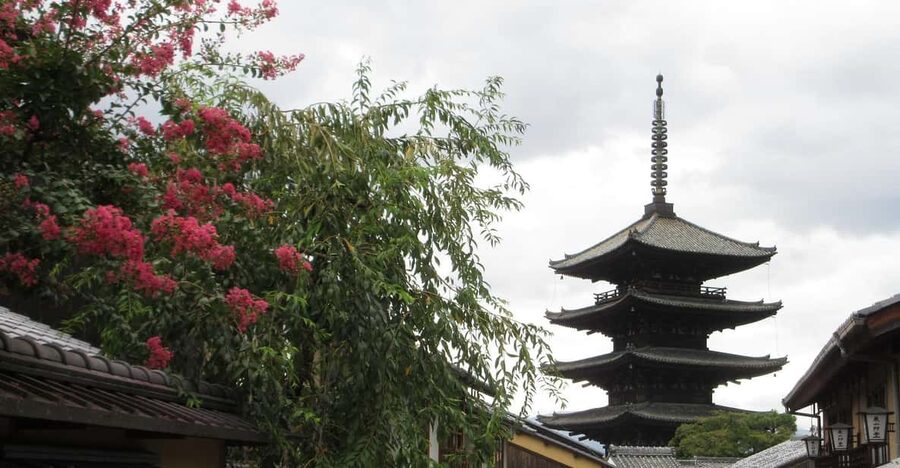
After Kiyomizu-dera, you move on foot to the classic street areas. The plan is tight and intentional: you walk to Sannenzaka, then to Ninenzaka, with short transitions between viewpoints and shopping lanes.
What you should expect in these neighborhoods is the fun stuff, and you are not visiting in a sterile way. The route is described as streets lined with countless souvenir and sweet shops and cafes. That matters because it makes the tour feel like Kyoto living in real time, not a museum route where you only look and leave.
These street segments also do a useful job for your day. They break up the intensity of temple sightseeing with casual walking. You can pause for photos, browse, or grab a snack while your guide keeps explaining the cultural details that make the architecture and street layout feel meaningful.
A consideration: because these areas are built for strolling and browsing, you might be tempted to wander a bit on your own. If you want to see everything on schedule, stay close to the group and let your guide pace you. You can always make time later to return on your own if a specific street or shop really clicks.
A few more Kyoto days worth comparing
- PERFECT KYOTO 1-Day Bus Tour
★ 5.0 · 13,518 reviews - Kyoto: Fushimi Inari, Kinkakuji, Bamboo Grove 1 Day Bus Tour
★ 4.8 · 4,316 reviews - Kyoto: Tea Ceremony in a Traditional Tea House in Kiyomizu
★ 4.9 · 3,519 reviews - Kyoto: Tea Ceremony Ju-An at Jotokuji Temple
★ 4.9 · 3,207 reviews
Gion in a Half-Day Window, Plus a Quick Pass by Kyōto Minami-za
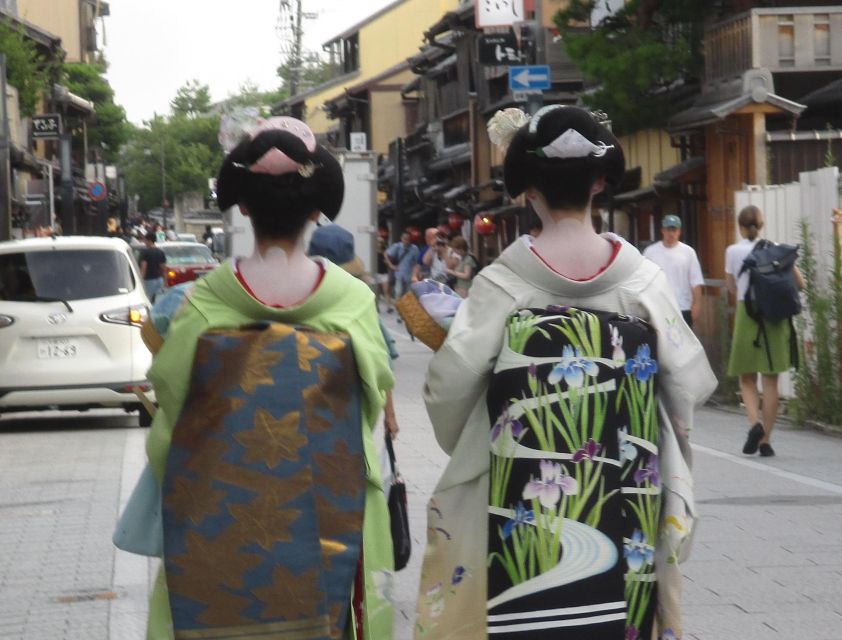
Next comes Gion, with about 30 minutes for a guided visit and sightseeing. This is not a long, slow immersion, it is a focused stop that gets you oriented and gives you a sense of what you are seeing as you pass through the area.
That guided window is especially helpful in Gion because it is easy to get distracted by the atmosphere and forget to connect it to context. The guide’s explanations are meant to keep the experience grounded. Instead of just thinking, I see a beautiful street, you start to understand how the city presents its cultural traditions in everyday space.
In the plan, you also pass by Kyōto Minami-za for about 3 minutes. That quick stop is more about adding variety to the route than making it a full destination. If you are the type who likes to check off one more recognizable name in the neighborhood, you get it without slowing down the whole day.
One practical note: the tour ends a little later, so if you want any food or shopping in this area, prioritize it here rather than assuming you will have time later.
Finishing in Pontocho: Your Next Move After the Tour
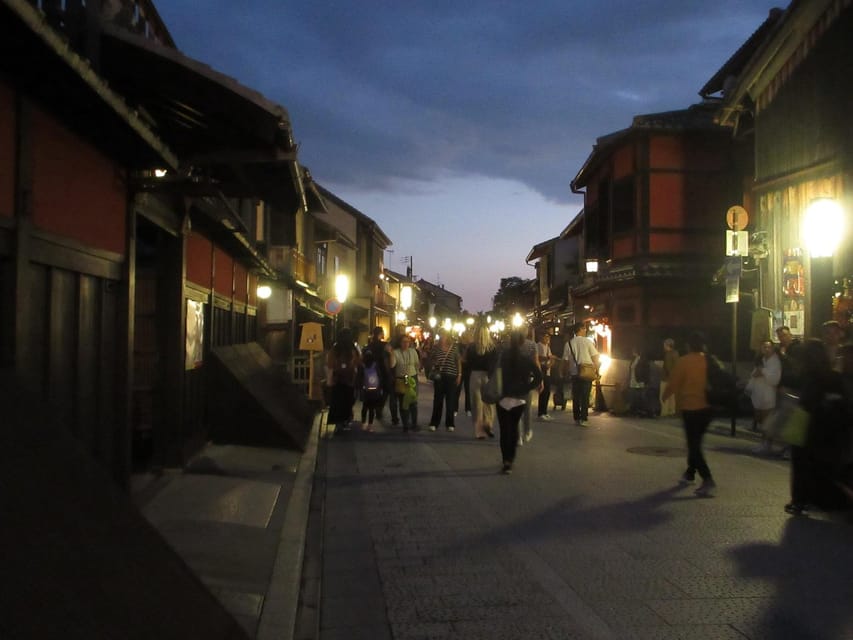
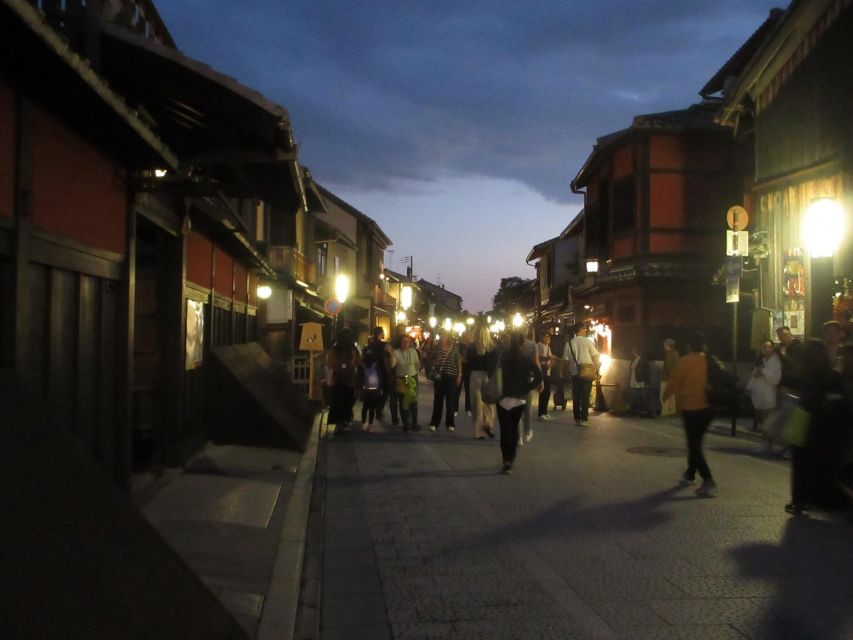
You finish in Pontocho. That matters because Pontocho is a great place to continue your evening without having to start another transport puzzle. The tour’s end point is a natural transition from guided walking to your own time.
This finish point can be a plus if you like to keep options open. You can choose to grab dinner nearby, take a relaxed stroll, or simply linger in the atmosphere before heading back to your hotel.
It is also a good reality check: your half-day tour does not return you to Kyoto Station. If your plan requires you to be back at the station immediately, plan your onward travel in advance.
Italian Guide Energy: Why Omae’s Explanations Matter
The headline reason to book this tour is the Italian guide experience. Multiple bookings highlight that the guide is friendly and quick on their feet, but also accurate and careful with details. I like that combination because it is rare to get both warmth and precision. You can ask questions, and the answers are not vague.
A name that comes up clearly in feedback is Omae. The common thread is that Omae’s Italian is strong enough to make the cultural and religious points land, not just sound nice. That makes a difference on a short tour. If you only have 5 hours, every explanation has to be clear, and your questions need to be welcome.
I also appreciate the way the tour is set up for interaction. The format says the guide answers your questions in Italian along the way, and the tour includes assistance as necessary during the itinerary. In plain terms, it means the guide is not just there to point. They are there to help you understand and stay comfortable while you walk.
If you speak Italian well enough to ask questions or you are learning and want structured context, this kind of guide-led route can be a standout value.
Price and Value: Does $117 Actually Make Sense?
At $117 per person for a 5-hour guided experience, the big question is what you get for the money. Here, the value is clear because the price includes transport and entrance tickets for the monuments scheduled during the itinerary.
That matters in Japan. Even when a self-guided day is tempting, you often end up piecing together multiple entry fees and transport costs. This tour packages the essentials, so your budget stays predictable.
You also get time efficiency. You do not waste time figuring out where to go next, and you do not spend your sightseeing window on guesswork. For a half-day tour, that efficiency often turns a slightly higher upfront cost into a better overall experience.
The other value is intellectual. You are not just paying for steps and photos. You are paying for explanations, religious and cultural context, and clear Italian narration that helps you connect Kiyomizu-dera to the street experience and then to Gion.
The only reason the price might feel steep is if you are comfortable navigating everything solo and you do not care about guided context. If you want meaning, not just locations, this price is easier to justify.
How Flexible Is This Tour, Really?
The tour offers itineraries and flexible times on request as far as possible, plus assistance necessary for participants. That means you are not locked into the exact same pace no matter what.
In real life, this can be helpful for small needs. If you need a moment to regroup, if your timing changes slightly, or if a specific stop feels more interesting than expected, having some flexibility makes the experience smoother.
Just keep expectations realistic. You have a 5-hour structure and a sequence of places to hit. Flexibility here is about adjusting within reason, not turning the tour into a custom day with new destinations added.
Who Should Book This Tour, and Who Should Skip It
This tour is a strong fit if you want:
- A guided Kyoto walk focused on Kiyomizu-dera, Sannenzaka, Ninenzaka, and Gion
- Clear Italian explanations and Q and A during the day
- Included transport and entrance fees so you avoid budgeting surprises
It is also a good pick for travelers who like a tight schedule with breathing room. The walking segments are short between key areas, which helps you stay energized.
You might want to skip it if:
- You do not want to be tied to an Italian-guided format
- You prefer fully independent pacing and longer time in one location
- You need to return to Kyoto Station at the end of the tour, since it finishes in Pontocho
Overall, it suits first-time Kyoto visitors and anyone who wants the highlights connected by a story, not isolated photo stops.
Should You Book This Kyoto Italian Walking Tour?
I would book this if you want a clean, efficient way to see Kiyomizu-dera and Gion with explanations in Italian and included tickets and transport. The guide-led approach, especially the strong Italian communication tied to Omae, is the kind of advantage that makes a short tour feel complete.
If you are traveling with someone who enjoys asking questions, this format is a win. If you prefer silence and solo wandering, you might feel a bit guided for a half-day. For most people, though, it hits a great balance of structure and street-level fun.
FAQ
How long is the tour?
The duration is 5 hours.
What language is the guide?
The live guide speaks Italian.
What does the price include?
The price includes transport and entrance tickets for the monuments scheduled during the itinerary.
Where do we meet the guide at Kyoto Station?
Meet at the space between the four escalators in front of the cab terminal, toward the east just outside the central north entrance of Kyoto Station (Karasuma-Guchi).
Where does the tour end?
The tour ends in Pontocho.
Is the tour wheelchair accessible?
Yes, it is wheelchair accessible.
How much of the tour is walking?
The schedule includes several short walking segments between stops (plus one 15-minute coach transfer). Based on the planned walking times, you should expect around 35 to 40 minutes on foot during the route.
Can you request changes to the itinerary or timing?
Yes, the itinerary and schedule can be flexible on request as far as possible.
Are there flexible booking options?
Yes. You can reserve now and pay later, and you can cancel up to 24 hours in advance for a full refund.
Fresh options around Kyoto
- Kyoto Aquarium Admission Ticket★ 4.7 · 12 reviews
- Kyoto Gion Photoshoot – Private Session | Pro Photographer★ 5.0 · 12 reviews
- Gyoza Cooking Class in Kyoto: Traditional Japanese Dumplings★ 5.0 · 12 reviews
- Kyoto: Guided Food Tour with 12 Dishes & 3 Drinks★ 5.0 · 12 reviews
- Kyoto: Avoid the Crowds at the Hidden Gems of Arashiyama★ 4.9 · 13 reviews
- Kyoto Early Bird English Tour: Gion & Higashiyama(Private opt)★ 5.0 · 13 reviews
- Otsu-e Folk Art Workshop & Local Culture Walk Near Kyoto★ 5.0 · 13 reviews
- Kyoto, Osaka, Nara Full Day tour by Car English speaking Driver★ 3.5 · 13 reviews
Geisha & Gion Tours, compared.
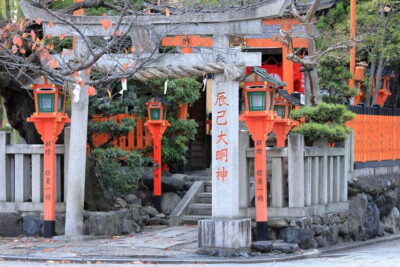
Kyoto Geisha Walking Tour: Gion District & Hidden Gems
Read our review →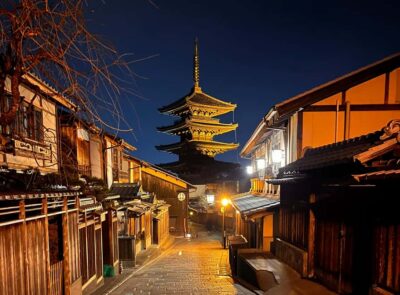
Gion Magical Night Walking Tour with Geisha Trivia
Read our review →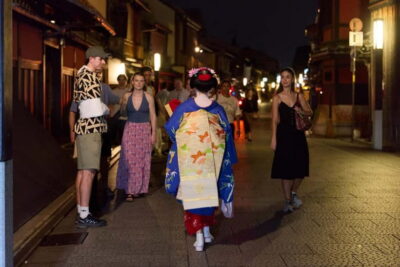
Gion Geisha District Walking Tour – Stories of Geisha
Read our review →
Best of Kyoto: Gion, Geisha, Pagodas & Cobblestones
Read our review →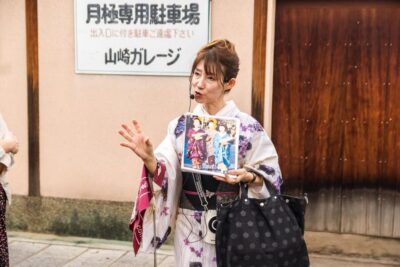
Kyoto Night Foodie Tour in Gion (9+ dishes + 6 Sake tastings)
Read our review →
Kyoto Gion Geisha District Walking Tour – The Stories of Geisha
Read our review →
Kyoto Gion: 2-Hour Geisha Culture & History Walking Tour
Read our review →Browse the lists this tour appears in