
Reviewed · TEA CEREMONIES IN KYOTO
Kyoto: Tea Ceremony Meditation – Make Matcha with Tea Master
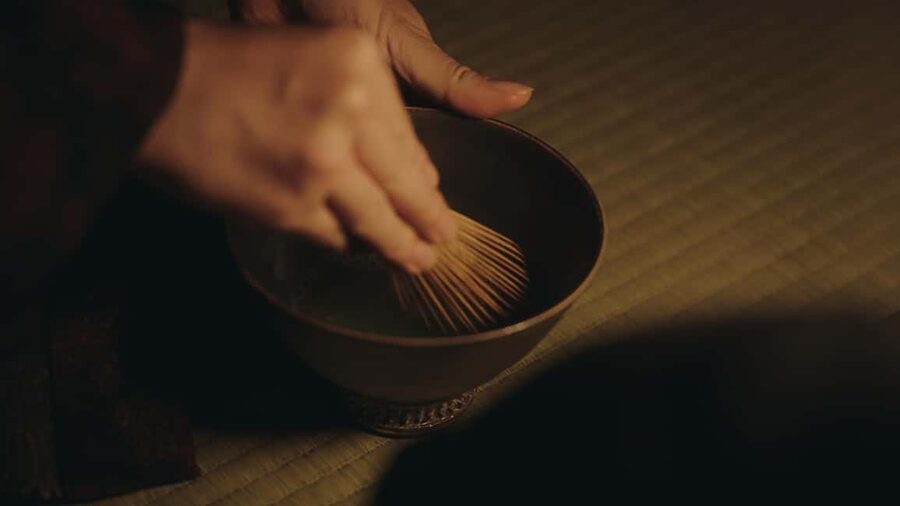
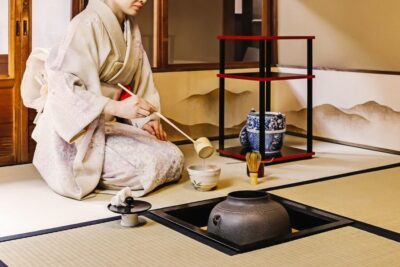
Your senses slow down the moment you step inside. This small, English-led matcha workshop takes place in a 100-year-old Kyoto townhouse, where the pace is quiet, respectful, and hands-on. You’ll learn the calm steps of matcha making in the Omotesenke tradition, then actually whisk your own bowl and enjoy it with a traditional sweet.
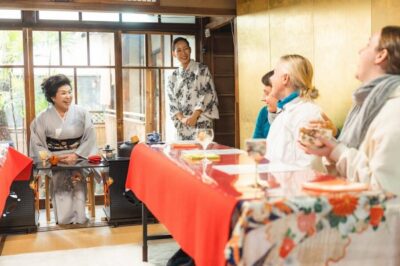
What I really like is how interactive it is without turning it into a performance. You’ll get real practice using handcrafted utensils, and you can ask questions about tea and Japanese culture, not just the mechanics of whisking.
The only real drawback to plan for: it’s short at 45 minutes, and kimono and hair setting are not included, so don’t expect a costume experience to stretch the time.
Key things that make this Kyoto matcha class work
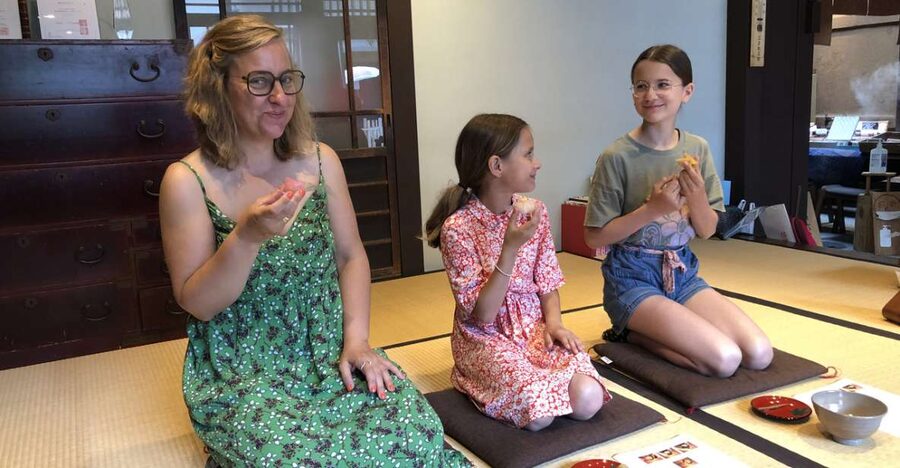
- A small group of up to 10 means more individual attention while you make your bowl
- Omotesenke-trained guidance gives you the structure, etiquette, and meaning behind each step
- Handcrafted tea tools are part of the lesson, not just decoration
- Matcha plus a traditional sweet lets you taste what you just learned right away
- Curated Japanese crafts and meaningful souvenirs add a practical way to remember the experience
- Tatami-townhouse calm makes it feel more like meditation than a quick cooking demo
Why Kyoto Matcha Meditation Feels Different From a Typical Workshop
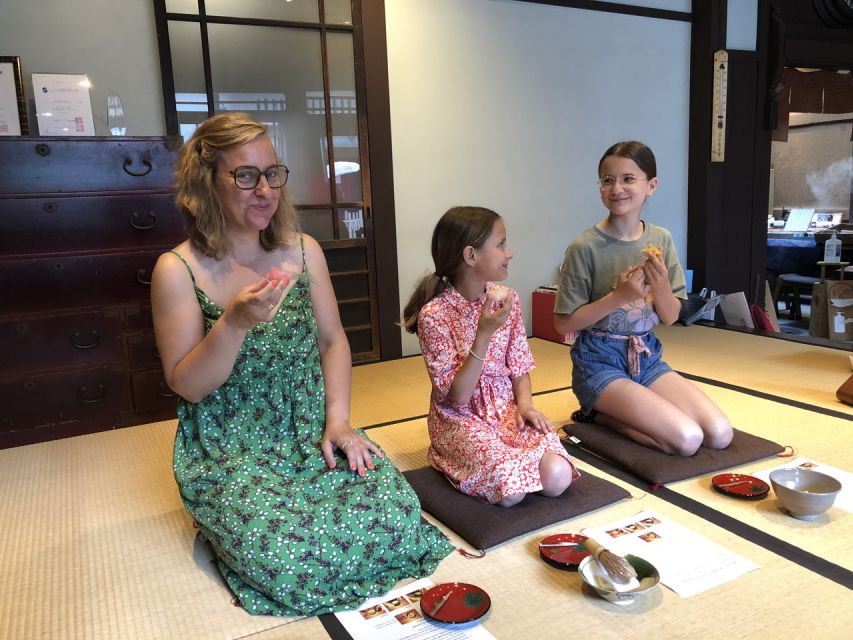
A lot of Kyoto food and culture classes can feel like you’re rushing from one station to another. This one is built around restraint. The goal is simple: learn the motions, learn the etiquette, then taste the result in a quiet moment.
You’re not just chasing a pretty photo. You’ll focus on small details you can actually repeat later, like how the bowl is handled, how the whisking changes the texture, and how the tea ritual frames the taste.
The cultural part is also practical. You’ll hear why matcha is prepared the way it is, and how etiquette connects to respect, patience, and attention. Even if you only catch half the nuance, the process makes sense fast.
More Tea Ceremonies in Kyoto
- Kyoto: Tea Ceremony in a Traditional Tea House in Kiyomizu
★ 4.9 · 3,519 reviews - Kyoto: Tea Ceremony Ju-An at Jotokuji Temple
★ 4.9 · 3,207 reviews - Kyoto: 45-Minute Tea Ceremony Lesson Experience
★ 4.3 · 2,378 reviews
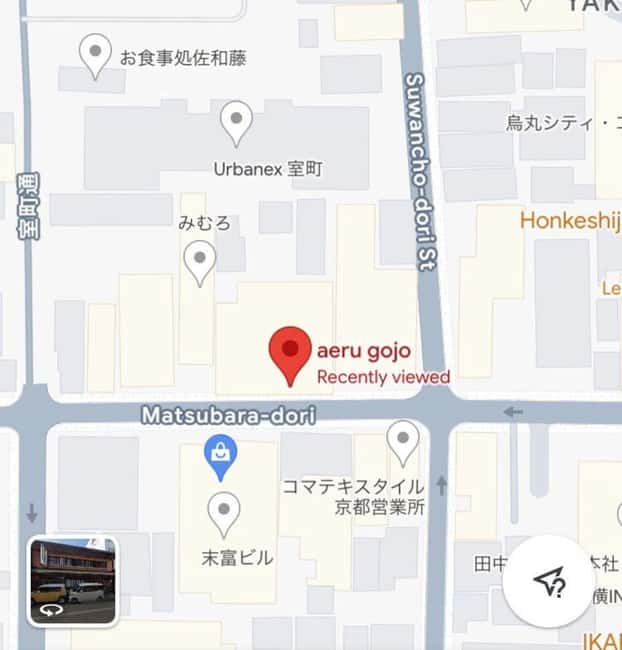
The 100-Year-Old Kyoto Townhouse Setting (and How to Find It)
The class happens in a traditional Kyoto townhouse that is about 100 years old. The space matters. Tatami scent, quiet pacing, and the controlled room layout do something modern classrooms rarely do: they nudge you into slower mode.
Location details are straightforward. If you’re coming from Karasuma-dori Street, turn at the corner with the Family Mart convenience store. Then go straight for one block. You should see the sign for aeru gojo, next to Only Corporation, across from Zen Kyoto.
Two practical notes for your day:
- There’s no parking lot. If you’re arriving by rental bicycle, use public parking, with the closest option linked on the activity page.
- The venue is not suitable for eating, and you should avoid arriving too early since space is limited.
If you need wheelchair access, this activity is listed as wheelchair accessible, which is a big plus for a townhouse-style setting.
Omotesenke Tea Ceremony Steps: Etiquette You Can Use Immediately
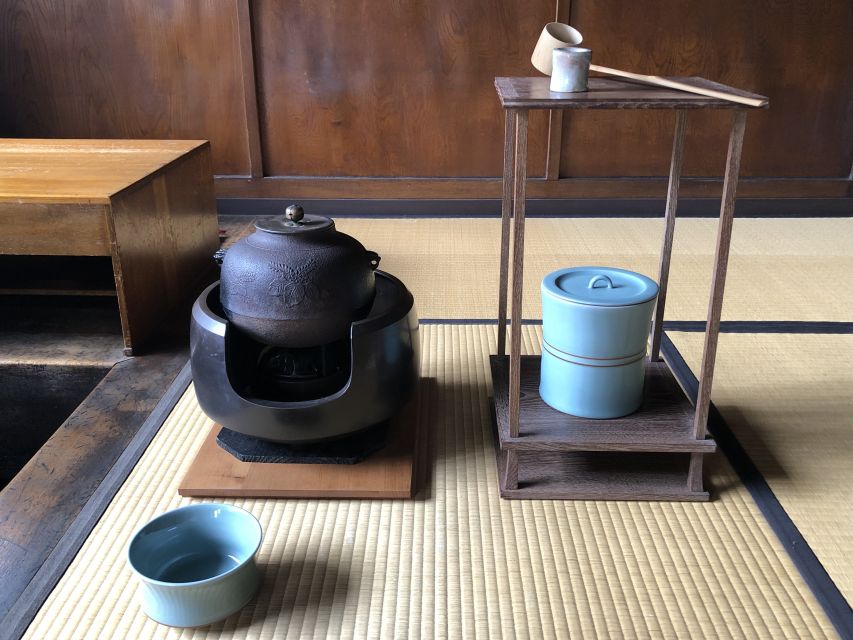
You’ll be guided by a host trained in the Omotesenke tradition, one of Japan’s respected schools of tea ceremony. That matters because Omotesenke is known for clear, disciplined technique. You aren’t learning random gestures, you’re learning a system.
Expect a warm welcome first, then a guided walkthrough of the ceremony flow. You’ll learn what each step is for, not only what it looks like. That includes etiquette around how you receive and prepare items, and how the host handles pacing so everyone can participate comfortably.
A helpful sign that this is designed for real people: the English-speaking tea masters actively encourage questions. Many hosts used in the program include names like Miki, Aki, Joko, Yoko, and Kiyoka, and the teaching style across those sessions is consistent, patient and interactive. You’ll likely ask things like how matcha quality is judged, why certain utensils matter, and how the ceremony fits into Japanese culture beyond tea.
One small rule that improves the experience: avoid wearing perfumes or colognes. Matcha aroma is delicate, and scent interference makes a difference in a quiet, enclosed room.
Making Your Own Matcha: The Hands-On Part (This Is the Payoff)
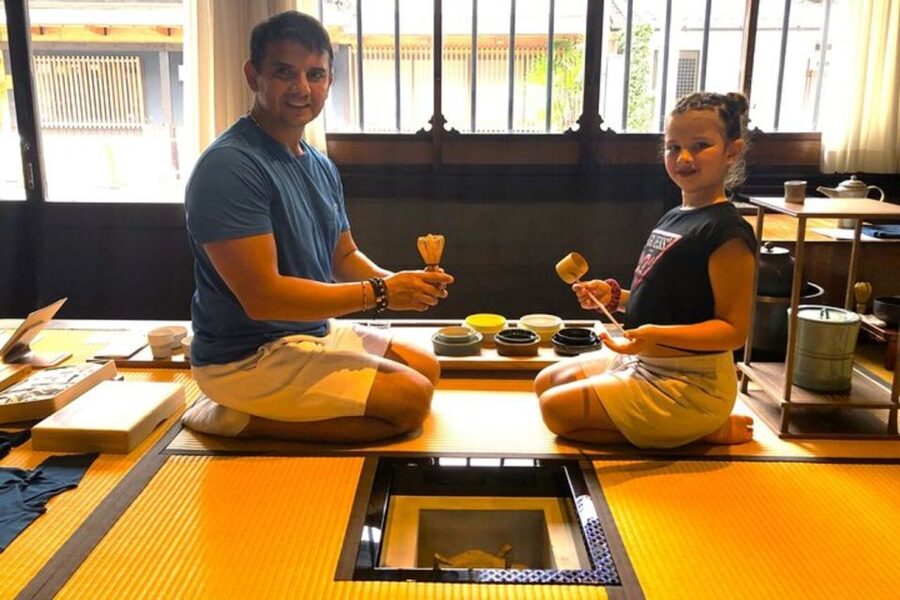
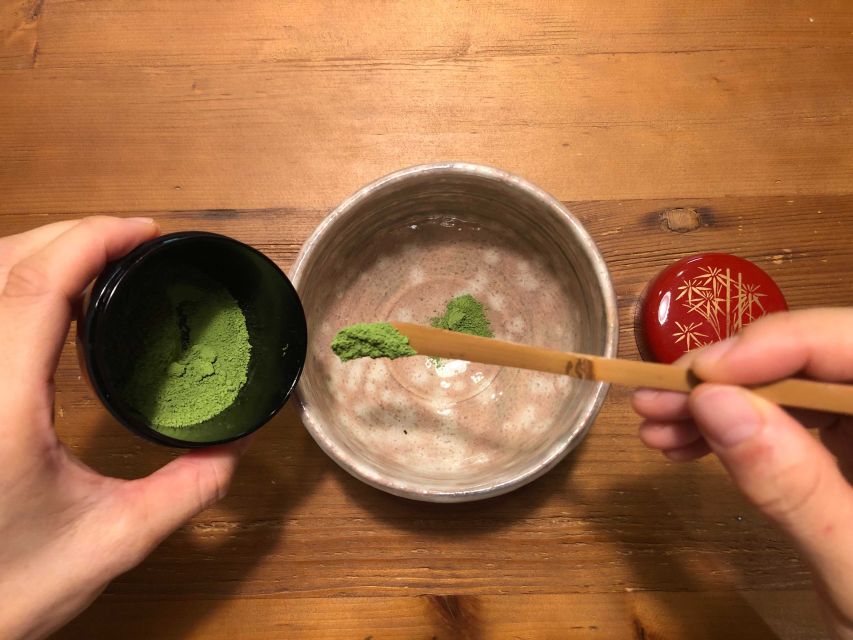
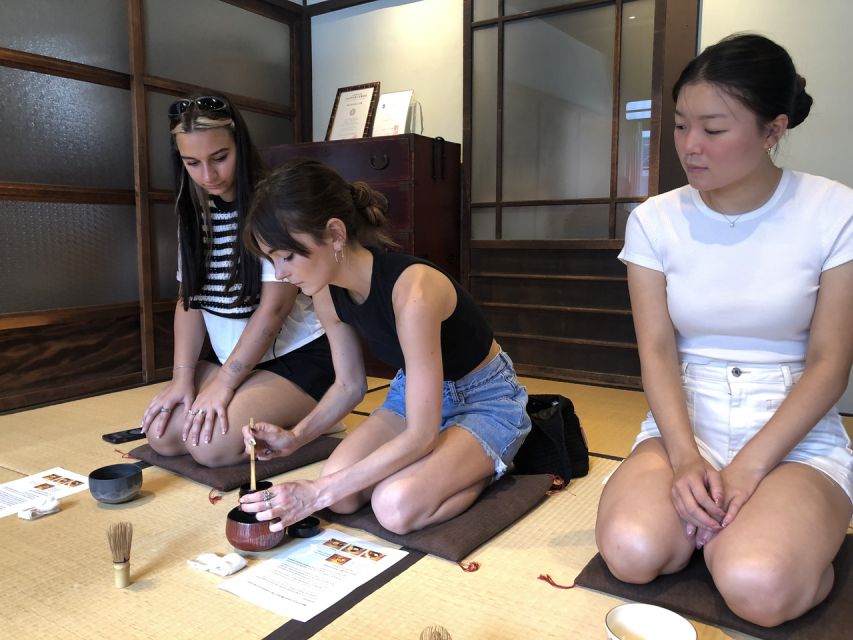
The best part is that you don’t just watch. You make your own bowl of matcha using authentic, handcrafted utensils made by skilled artisans.
What you’re really learning is coordination and control:
- how you handle the bowl and tools during the ritual
- how you manage the whisking so the texture develops correctly
- how you use proper manners around the serving and drinking moment
This is where the small group size helps. With a limit of 10 participants, you get enough attention to correct mistakes quickly. If your technique is a little off at first, you’ll still leave feeling like you understood the process.
Also, the workshop is designed to be calming instead of rushed. Even when you’re participating, the tone stays mindful. That’s why people describe the viewing part as soothing too, not like a lecture.
Same corner of Japan, a different kind of day:
- PERFECT KYOTO 1-Day Bus Tour
★ 5.0 · 13,518 reviews - Kyoto: Fushimi Inari, Kinkakuji, Bamboo Grove 1 Day Bus Tour
★ 4.8 · 4,316 reviews - Kyoto Geisha Walking Tour: Gion District & Hidden Gems
★ 4.7 · 3,273 reviews - Kyoto: Gion Magical Night Walking Tour with Geisha Trivia
★ 4.9 · 2,393 reviews
The sweet pairing: tasting what you learned
After you whisk, you get to enjoy your freshly prepared matcha with a Japanese traditional sweet. The sweet is included, and it’s a smart choice for first-timers because it helps balance the bitterness and lets you notice the matcha’s character.
You’ll get to taste your own work immediately. That timing turns technique into flavor memory, which is what you want if you hope to re-create it later.
Q&A With Tea Masters, Not Just a Script
This class earns its high rating for one simple reason: the hosts make space for questions. You can ask about tea culture, tea ceremony meaning, and even related Japanese customs, and you should get patient, clear answers in English.
That matters because matcha can feel mysterious if you only read about it online. In the room, questions get grounded in real technique and real tradition. You’re also free to learn at your own pace, since the session is built for a small group rather than a conveyor belt.
You’ll probably notice the teaching is not stiff. It follows tradition, but it stays friendly, especially for people visiting from outside Japan who are new to matcha.
If you’re traveling with kids, the format has worked well in the past with children around primary school age, since the lesson mixes explanation and hands-on practice. That said, if your group includes very young toddlers who struggle with quiet environments, you might find you need extra patience.
Finding the Right Value in a $45, 45-Minute Class
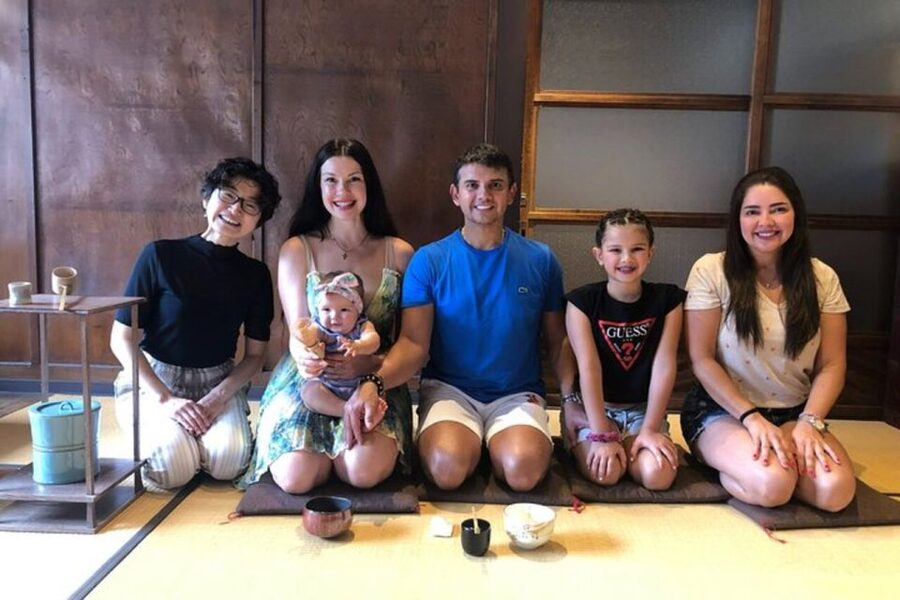
At $45 per person for about 45 minutes, the big question is value. This is not a long cooking course. It’s short by design, and that can actually be a plus in Kyoto.
Here’s what you get for the price:
- the full tea ceremony experience
- 1 cup of matcha tea that you make
- Japanese traditional sweets
- instruction in matcha-making and etiquette
- authentic handcrafted tools for the lesson
- time to explore Japanese crafts and take home souvenirs
When a class includes utensils you can actually use during the lesson, you’re paying for more than entertainment. You’re paying for technique and materials, plus the host’s time.
Is it expensive compared to grabbing matcha somewhere? Sure. But it’s not trying to compete with a café. It’s trying to teach you how to make and understand matcha in a ceremonial way, in a setting that feels genuinely Kyoto.
If you’re budgeting, consider this strategy: choose one structured cultural activity in Kyoto that adds a skill or ritual you can repeat later. This class is exactly that kind of pick.
What to Expect Before You Go (Rules That Prevent Frustration)
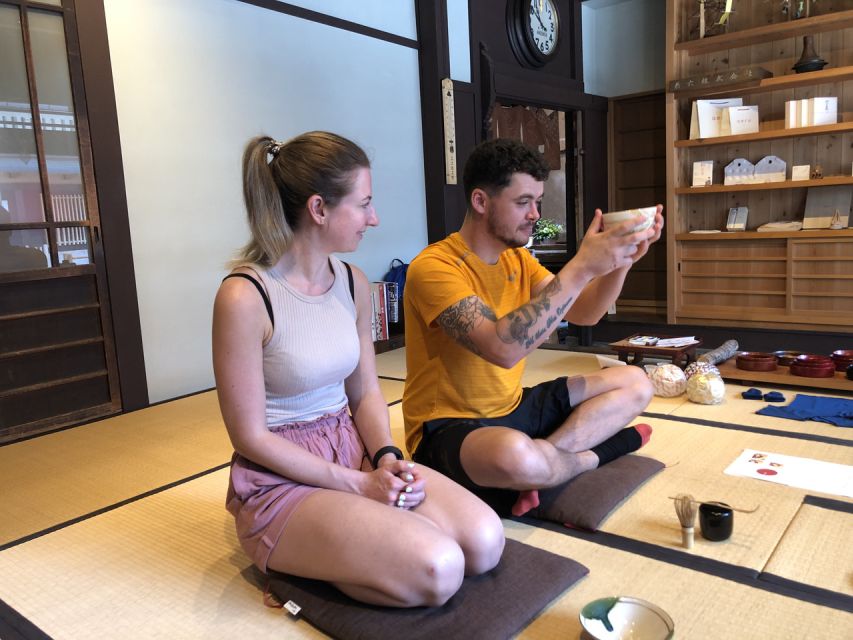
To keep the experience peaceful and fair for everyone:
- don’t wear perfume or cologne
- arrive no earlier than 10 minutes before your scheduled time
- don’t plan on eating at the venue
Also, respect the activity rules:
- Food and drinks are not allowed
- Bikes are not allowed
If you’re the kind of traveler who likes to snack while walking around, you’ll want to handle that before you arrive. The session focuses on sitting and participating, not eating on the side.
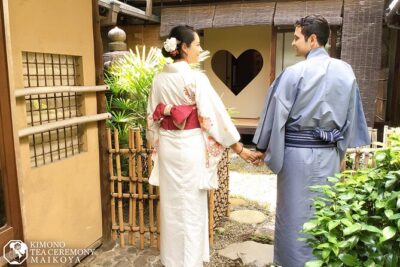
One more planning point: kimono and hair setting are not included. If you want the full photo look, you’ll need to arrange kimono separately.
Who This Matcha Workshop Is Best For
This is a strong choice if you want Kyoto culture that feels lived-in and hands-on. It’s especially good for:
- first-timers who want a clear, English-guided introduction to matcha
- travelers who enjoy thoughtful, quiet activities
- people who like learning etiquette and meaning, not just recipes
- solo travelers, since the format is small and interactive
- anyone who appreciates craftsmanship through the actual tools
It may be less ideal if you’re looking for a long, multi-course meal experience or a tour with lots of walking and sightseeing stops. This is focused and seated.
Should You Book Kyoto Tea Ceremony Meditation: Make Matcha With a Tea Master?
I’d book it if you want one genuinely Kyoto moment that teaches a skill and slows your pace. The combination of a small group, Omotesenke-trained instruction, and the chance to make and drink your own matcha is the winning formula.
If your priority is maximum photos or you’re hoping for kimono included, look at other options. This one is about tea, technique, and calm. It rewards you for showing up ready to participate quietly, smell matcha fully, and ask questions while you whisk.
FAQ
How long is the Kyoto tea ceremony experience?
The experience lasts 45 minutes.
What is included in the $45 per person price?
It includes the tea ceremony experience, 1 cup of matcha tea, and Japanese traditional sweets.
Is hotel pickup or drop-off included?
No, hotel pickup and drop-off are not included.
Is kimono and hair setting included?
No, kimono and hair setting are not included.
Should I avoid wearing perfume or cologne?
Yes. You’re asked to refrain from wearing perfumes or colognes so everyone can enjoy the aroma of matcha.
Can I bring food, drinks, or a bicycle?
No. Food and drinks are not allowed, and bikes are not allowed.
Fresh options around Kyoto
- Kyoto Aquarium Admission Ticket★ 4.7 · 12 reviews
- Kyoto Gion Photoshoot – Private Session | Pro Photographer★ 5.0 · 12 reviews
- Gyoza Cooking Class in Kyoto: Traditional Japanese Dumplings★ 5.0 · 12 reviews
- Kyoto: Guided Food Tour with 12 Dishes & 3 Drinks★ 5.0 · 12 reviews
- Kyoto: Avoid the Crowds at the Hidden Gems of Arashiyama★ 4.9 · 13 reviews
- Kyoto Early Bird English Tour: Gion & Higashiyama(Private opt)★ 5.0 · 13 reviews
- Otsu-e Folk Art Workshop & Local Culture Walk Near Kyoto★ 5.0 · 13 reviews
- Kyoto, Osaka, Nara Full Day tour by Car English speaking Driver★ 3.5 · 13 reviews
Tea Ceremonies in Kyoto, compared.
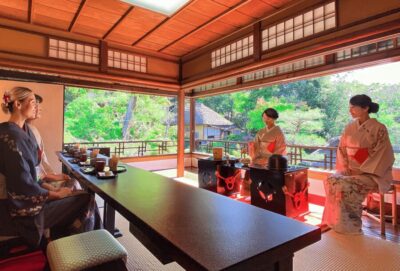
Tea Ceremony in a Traditional Tea House in Kiyomizu
Read our review →
Arashiyama Bamboo Forest, Monkeys, Matcha & Temple Tour
Read our review →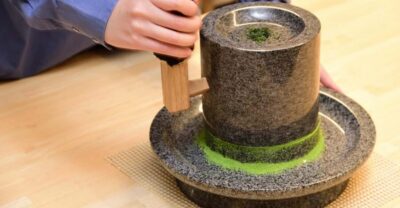
Tea Museum Tickets and Matcha Grinding Experience
Read our review →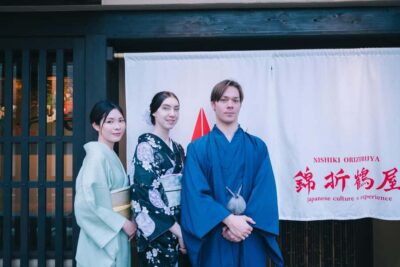
Browse the lists this tour appears in