
Reviewed · TEA CEREMONIES IN KYOTO
Kyoto: Tea Ceremony Experience in a Small Tea Room
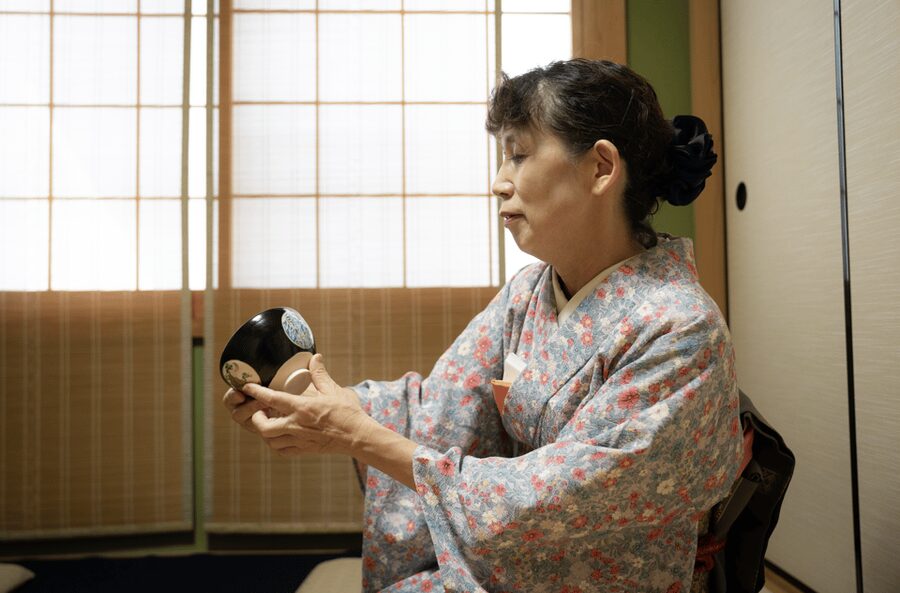
A quiet tea room can change your whole day. This one-hour Kyoto tea ceremony is built around hands-on matcha and guidance from a tea master with 30 years of experience, held near the Kamogawa Delta where the area feels relaxed and local. I love the clear, patient explanations and the chance to actually make your own matcha, not just watch. I also love the small group setup, capped at 6, which makes it easy to ask questions without feeling rushed. One possible drawback: if you want nonstop sightseeing or a very long experience, this is short and intentionally calm.
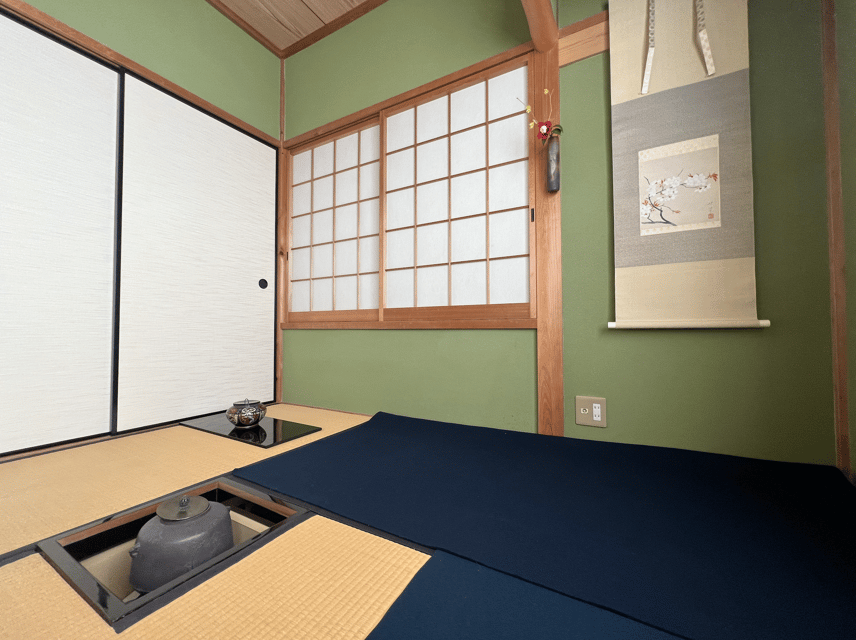
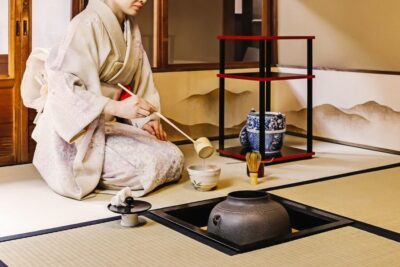
You’ll meet up at a Japanese house marked with a sign that says Tisato, then settle into a small tea room for a gentle crash course in Kyoto’s tea traditions. The best part is that you don’t need prior experience, because the whole session is designed to be welcoming for beginners while still feeling authentic.
Key things to know before you go
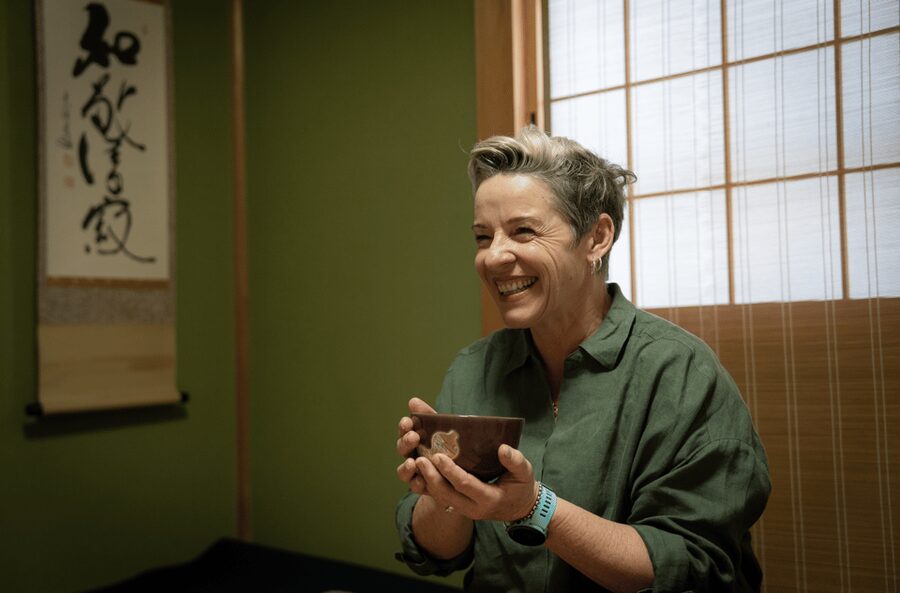
- 30 years of tea experience in the room: you get instruction from a seasoned tea master, not a scripted demo.
- Hands-on matcha preparation: you learn the steps, including whisking powdered tea and the precise motions.
- Small group, up to 6 people: the pace stays comfortable and questions are easy to fit in.
- Serene Kyoto surroundings near Kamogawa Delta: you’ll be close to riverside views when your hour ends.
- English instruction plus traditional sweets: you get matcha and dried sweets alongside clear guidance.
Kyoto tea ceremony in a small room: what the hour feels like
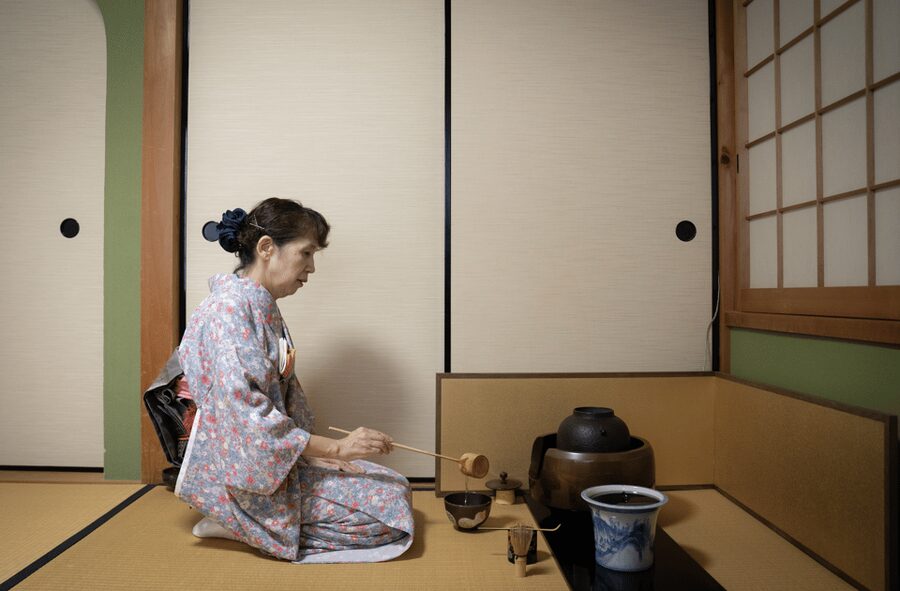
This is a one-hour experience with a simple goal: help you understand the spirit behind Japanese tea culture, while giving you something real to do. You sit in a quiet setting and learn how matcha is prepared with attention and repetition, not speed. That matters, because tea ceremony is often misunderstood as either fancy theater or complicated ritual. Here, it’s presented as calm, learnable craft.
The session is designed for you even if you know nothing about tea. The teaching approach is meant to lower the barriers that usually make traditional ceremonies feel intimidating. In practice, that translates into clear instruction, space for questions, and enough guidance that you can follow along, even if your hands are new to whisking matcha.
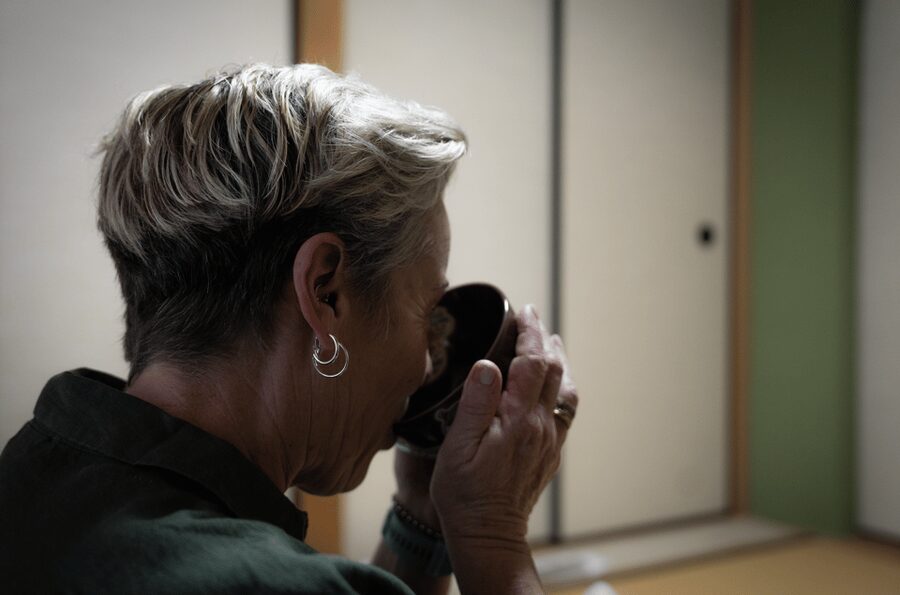
And yes, you get to taste what you make. Matcha and traditional dried sweets are included, so you’re not spending extra money trying to figure out what to eat after your lesson.
More Tea Ceremonies in Kyoto
- Kyoto: Tea Ceremony in a Traditional Tea House in Kiyomizu
★ 4.9 · 3,519 reviews - Kyoto: Tea Ceremony Ju-An at Jotokuji Temple
★ 4.9 · 3,207 reviews - Kyoto: 45-Minute Tea Ceremony Lesson Experience
★ 4.3 · 2,378 reviews
Where you meet near Demachiyanagi Station and the Kamogawa Delta
The location is one of the smartest parts of this tour. You’ll be walking distance from places you already want to see in Kyoto.
- About a 15-minute walk from Demachiyanagi Station, a handy starting point for other sights like Kibune Shrine and Rurikou Temple.
- About a 15-minute walk from the Kamogawa Delta, a scenic riverside area where locals and visitors enjoy the peaceful atmosphere.
When you arrive, your meeting point is specific: look for a Japanese house with the sign that says Tisato so you can enter. If you like arriving early to avoid stress, plan to give yourself a little extra time to find the right door and settle in.
Why this matters for value: this isn’t an all-day detour. It fits neatly into a Kyoto day, and after your ceremony you can keep walking toward riverside scenery or connect to shrine-temple exploring from Demachiyanagi.
The tea master and English instruction that keeps it friendly
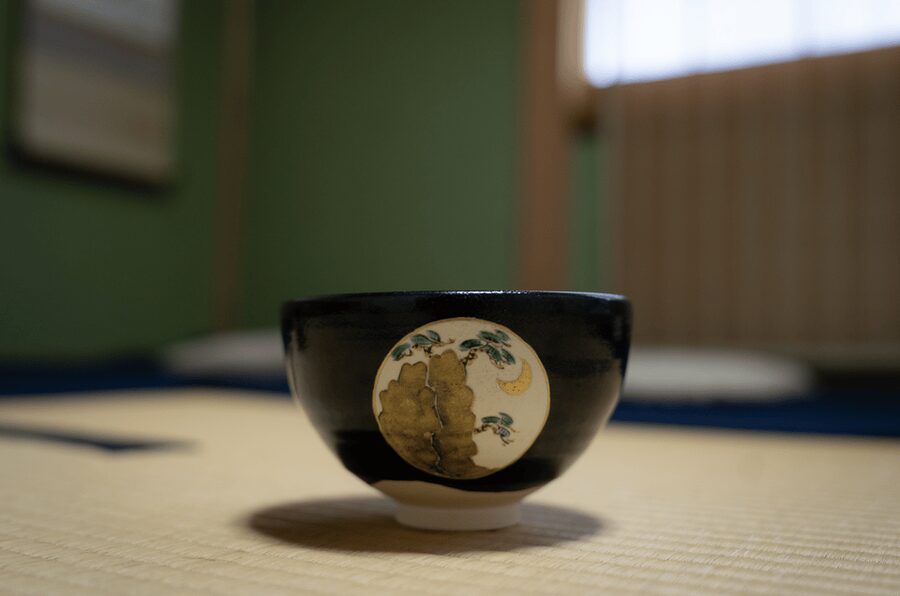
The teaching team is led by an instructor who speaks English, and the core strength is experience. You’re learning from someone with 30 years of expertise, which shows in how the session is explained and paced.
In my kind of travel planning, I look for two things in a class: clarity and patience. Here, the teaching style is built to feel welcoming. Beginners aren’t treated like they should already know the terminology. Instead, you’re guided step-by-step so you can participate.
English instruction also makes a difference in Kyoto, where some experiences can feel like you’re missing half the meaning. With guidance in your language, you can focus on what’s happening: the motions, the taste, and the cultural purpose.
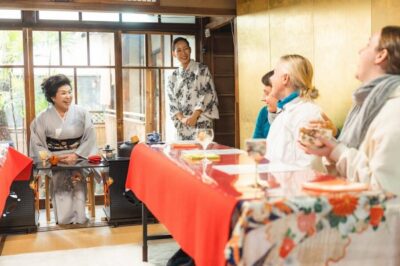
One more detail that stands out: the experience is limited to a small group of 6 participants. That turns the tea room into a more personal space. You’re less likely to feel like you’re watching from the back, and more likely to get attention when you need it.
Making matcha yourself, not just watching it happen
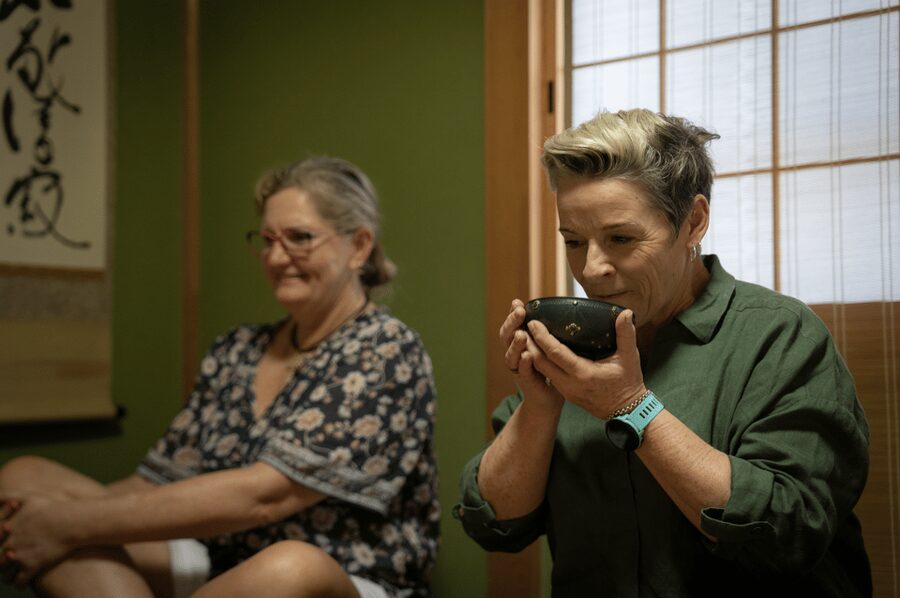
The heart of this experience is the hands-on matcha practice. You’ll learn the steps involved in preparing matcha, with guidance from your instructor. The process includes whisking the powdered tea and following the precise movements that reflect the mindful side of the tea ceremony.
This is the part that makes the hour feel worthwhile. A tea ceremony you only observe can be pretty, but it often turns into background ambiance. When you participate, you start to understand why certain details matter. You feel the rhythm of the whisking. You notice how small adjustments change the result in the cup.
You also have the option to make your own tea. If you’re the type who likes to leave a class with a skill you can repeat later, you’ll appreciate that this isn’t just passive learning.
And it’s not only about technique. The guidance is there to connect what you do with why it matters: harmony and mindfulness are described as part of the ceremony’s core values. Even if you don’t leave with every term memorized, you’ll leave with a better sense of how tea culture uses everyday action as a way to slow down.
Same corner of Japan, a different kind of day:
- PERFECT KYOTO 1-Day Bus Tour
★ 5.0 · 13,518 reviews - Kyoto: Fushimi Inari, Kinkakuji, Bamboo Grove 1 Day Bus Tour
★ 4.8 · 4,316 reviews - Kyoto Geisha Walking Tour: Gion District & Hidden Gems
★ 4.7 · 3,273 reviews - Kyoto: Gion Magical Night Walking Tour with Geisha Trivia
★ 4.9 · 2,393 reviews
Traditional dried sweets and the taste pairing
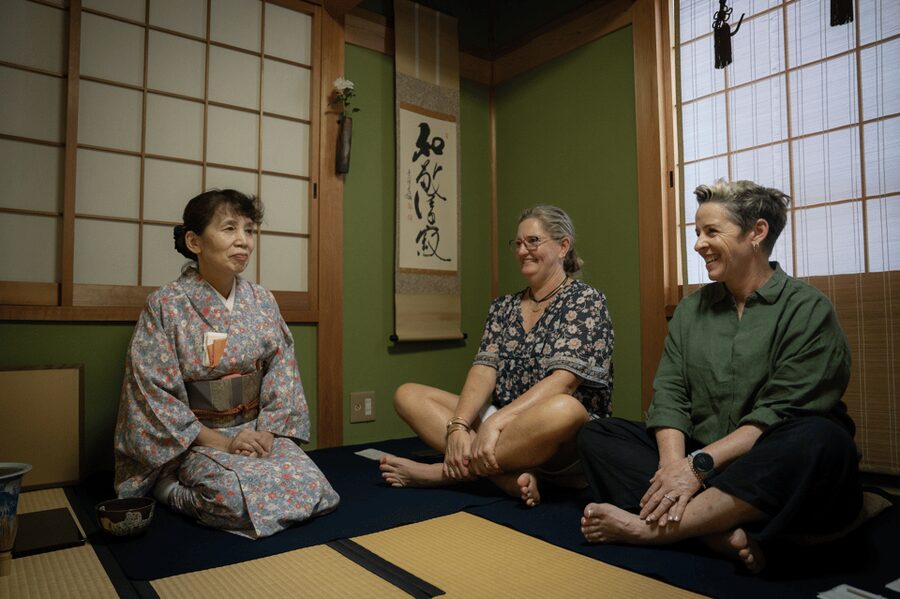
Your tea ceremony includes traditional dried sweets along with matcha. That pairing is important because it turns the experience into more than a single drink moment.
Taste-wise, sweets are meant to balance the overall feel of tea. If you prefer something sweet, you’ll welcome that added element, especially since you’re spending your hour concentrating on attention and technique. If you don’t normally seek out sweets, you can treat it as part of the ceremony’s structure, not a separate snack run.
The other hidden value is timing. You’re not scrambling to find food afterward. The session gives you a complete, contained set of flavors, which makes the hour feel smoother and less stressful.
How the surrounding area fits your Kyoto itinerary
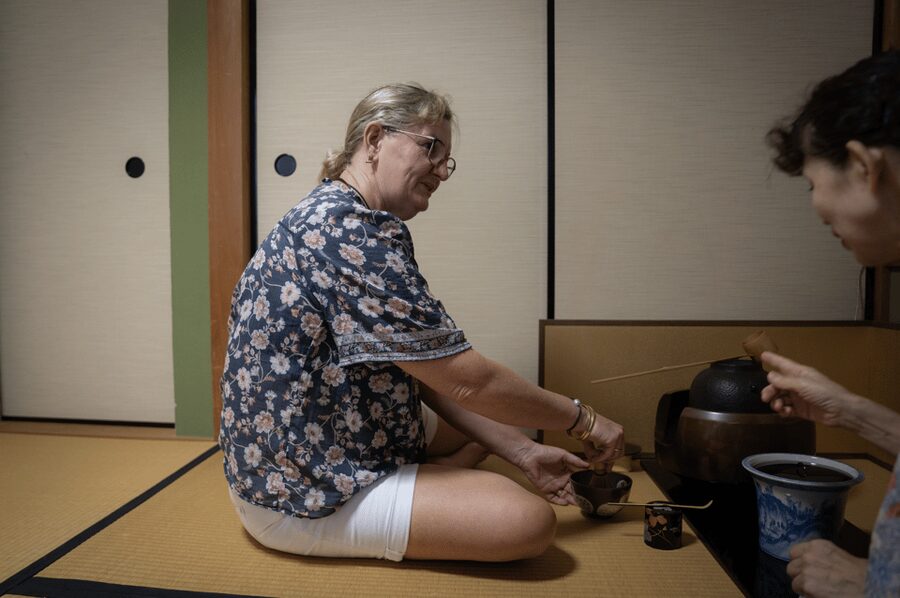
This ceremony sits in a location that supports easy day planning. You’re near the Kamogawa Delta, and you’re close enough to Demachiyanagi that you can combine it with other cultural stops.
After your session, consider a simple plan:
- Take a walk toward the Kamogawa Delta for riverside views and a calmer pace.
- If you want more temple and shrine time that same day, use Demachiyanagi Station as a springboard for Kibune Shrine and Rurikou Temple.
This kind of pairing is underrated. Tea ceremonies work best when they’re not squeezed between five stressful ticket lines. You want a day that lets you absorb the quiet. Being able to transition smoothly from the tea room to peaceful Kyoto streets is a real benefit.
Price and value: is $38 for a one-hour ceremony worth it?
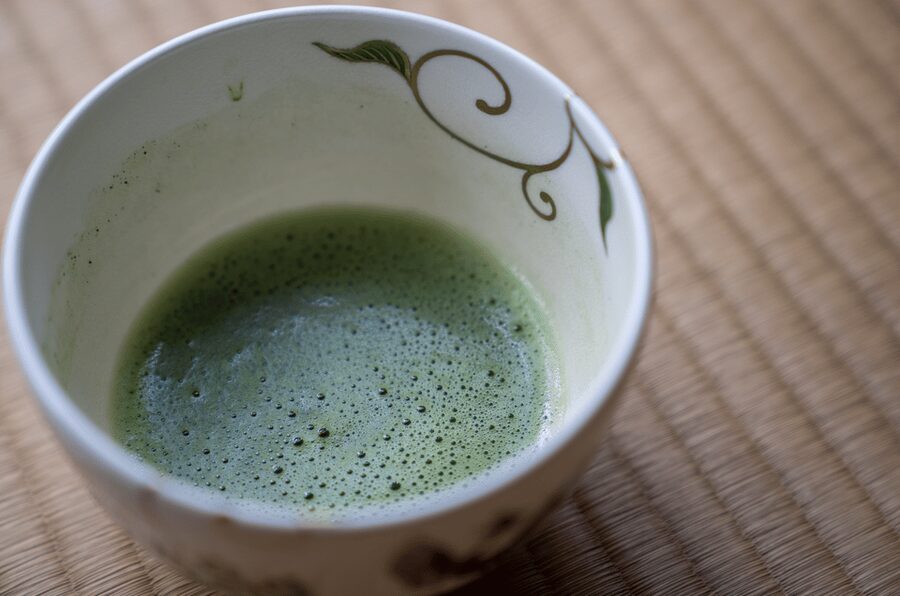
At $38 per person for a one-hour session, you’re paying for instruction, not just a cup of tea. The included items matter: the tea ceremony itself, instructions by the teacher, matcha tea, and traditional dried sweets.
The value equation is strongest for three types of travelers:
- You want an authentic cultural activity, but you also want guidance that makes it understandable.
- You prefer smaller groups, because you get a more personal pace and more room for questions.
- You’re the kind of traveler who learns best by doing, not only by observing.
A short experience also helps value. It’s not a half-day commitment where you lose the rest of your day to transportation and timing. Instead, you get a meaningful cultural moment and then move on to the rest of Kyoto.
One note to keep expectations realistic: because it’s one hour, you won’t leave with a full mastery of all tea-craft details. But you will leave with a clear sense of the process and the feel of the ceremony, which is what most people want from a first experience.
The most praised parts, and what to look for when you’re there
The strongest themes in the feedback are consistent: people love how the session is explained and how calming it feels. The instructor’s patience also gets singled out, along with the overall taste of the tea and sweets.
Here’s what that means for you as you plan:
- Expect very clear instruction and a teaching style that slows things down enough for beginners.
- Look forward to a calm, pleasant tone. The setting is quiet on purpose, so go with a mindset of slowing your day.
- If you care about authenticity, pay attention to how the teacher frames the meaning behind the motions, not just how to copy them.
The experience is also described as genuinely authentic. That’s exactly what you should be hunting for in Kyoto. You’re not there for a flashy show, you’re there to learn a tradition as it’s meant to be experienced.
And one extra detail from the names shared in feedback: the instructor is sometimes referenced as Ms Yamazaki. If you meet her, you’ll likely notice the patient, step-by-step approach people mention.
When this Kyoto tea ceremony is the best fit
This tour suits you best if:
- You want a cultural activity that’s welcoming for beginners.
- You like small-group settings where questions are normal.
- You want something peaceful that doesn’t require a long time commitment.
- You’d enjoy learning matcha preparation and taking a skill home, even if it’s just the basics.
It might be less ideal if:
- You’re expecting a long, guided sightseeing route with lots of walking and multiple stops.
- You’re the kind of traveler who gets restless in quiet, seated experiences.
- You want a history lecture heavy on dates and sites, because the focus is practical tea preparation and cultural meaning.
Quick planning tips so the hour goes smoothly
- Bring a calm mindset. Tea ceremony works best when you let it set the tempo.
- Wear comfortable shoes and clothing for Kyoto walking beforehand. The ceremony itself is the quiet part, but you’ll still be walking to the meeting point.
- Plan your day so you’re not sprinting to get there. A relaxed arrival helps your brain switch gears.
- If you’re pairing this with a bigger day around Demachiyanagi, treat the tea ceremony like your reset button.
Should you book this one-hour Kyoto tea ceremony near Kamogawa Delta?
I’d book it if you want a Kyoto experience that’s simple, guided, and genuinely participatory. The value comes from the combination of a seasoned teacher, a small group limit, and hands-on matcha preparation with traditional sweets. For $38, you’re buying more than a ticket. You’re buying clarity, calm, and a memorable skill you can repeat with your own tea gear later.
Skip it only if you’re looking for an all-day itinerary, or if you dislike quiet seated activities. Otherwise, this is the kind of Kyoto moment that makes your whole trip feel more intentional.
FAQ
How long is the Kyoto tea ceremony experience?
The experience lasts 1 hour.
What is the group size limit?
It is a small group limited to 6 participants.
Is the instruction available in English?
Yes, the instructor provides instruction in English.
What do I get during the tea ceremony?
The experience includes the tea ceremony, instructions by the teacher, matcha tea, and traditional dried sweets.
Can I make matcha myself?
Yes. You can make your own tea if you wish, with step-by-step guidance.
Where do I meet for the tour?
Meet at a Japanese house and look for the sign that says Tisato.
How far is it from Kamogawa Delta?
The tea ceremony location is about a 15-minute walk from the Kamogawa Delta.
How far is it from Demachiyanagi Station?
It is also about a 15-minute walk from Demachiyanagi Station.
What if my plans change?
You have free cancellation up to 24 hours in advance for a full refund, and you can reserve now and pay later.
Fresh options around Kyoto
- Kyoto Aquarium Admission Ticket★ 4.7 · 12 reviews
- Kyoto Gion Photoshoot – Private Session | Pro Photographer★ 5.0 · 12 reviews
- Gyoza Cooking Class in Kyoto: Traditional Japanese Dumplings★ 5.0 · 12 reviews
- Kyoto: Guided Food Tour with 12 Dishes & 3 Drinks★ 5.0 · 12 reviews
- Kyoto: Avoid the Crowds at the Hidden Gems of Arashiyama★ 4.9 · 13 reviews
- Kyoto Early Bird English Tour: Gion & Higashiyama(Private opt)★ 5.0 · 13 reviews
- Otsu-e Folk Art Workshop & Local Culture Walk Near Kyoto★ 5.0 · 13 reviews
- Kyoto, Osaka, Nara Full Day tour by Car English speaking Driver★ 3.5 · 13 reviews
Tea Ceremonies in Kyoto, compared.
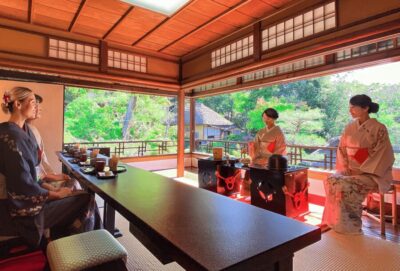
Tea Ceremony in a Traditional Tea House in Kiyomizu
Read our review →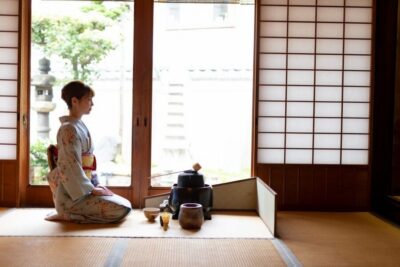
Arashiyama Bamboo Forest, Monkeys, Matcha & Temple Tour
Read our review →
Tea Museum Tickets and Matcha Grinding Experience
Read our review →
Browse the lists this tour appears in