
Reviewed · TEA CEREMONIES IN KYOTO
Kyoto Private Tea Ceremony with Tea Master at Home
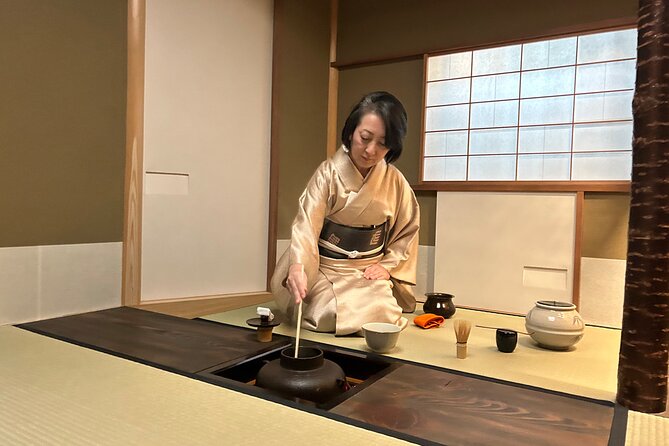
Tea felt like a quiet Kyoto secret. This private tea ceremony at home in Kyoto, led by Aya-sensei, is interesting because you learn the ritual up close, not from a distance. I love the hands-on matcha making with a bamboo whisk, and I also love that the three wagashi sweets are gluten-free and vegan. One drawback to plan for: the experience is strict about etiquette, including socks on tatami, sleeves on your outfit, no perfume, and arriving on time.
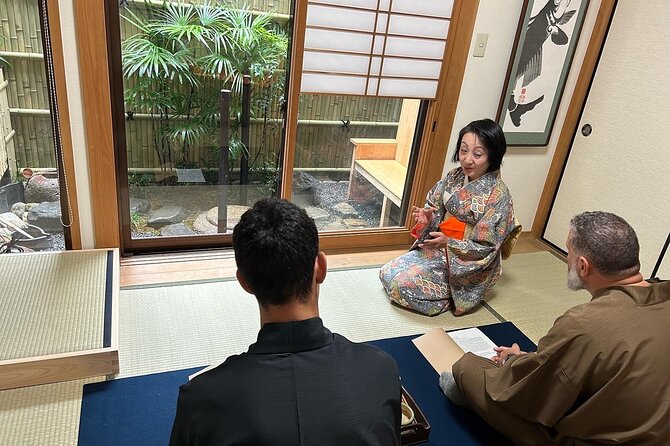
In other words, this is Kyoto culture with real boundaries, which is part of the charm. The session happens in a local home setting near Nijo Castle, in traditional tea rooms called Koma and Hiroma, where you get guided, step-by-step.
If you want a casual, sit-anywhere, take-a-quick-photo style activity, this may feel too rule-based. But if you enjoy calm instruction and getting it right, you are in the right place.
Key things that make this Kyoto tea ceremony special
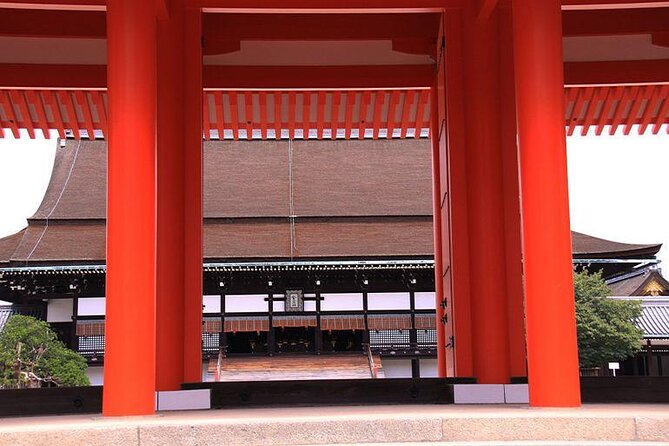
- Private setting near Nijo Castle, with only your group taking part
- Aya-sensei leads the ritual, guiding you through etiquette and matcha preparation
- Three handcrafted wagashi sweets that are gluten-free and vegan
- Koma and Hiroma tea rooms, giving you the atmosphere the ceremony depends on
- Uji matcha and Kyoto tea bowls, tied to established potters and tea traditions
- A takeaway tea booklet, so your memory has a framework, not just photos
A private tea room near Nijo Castle, not a show
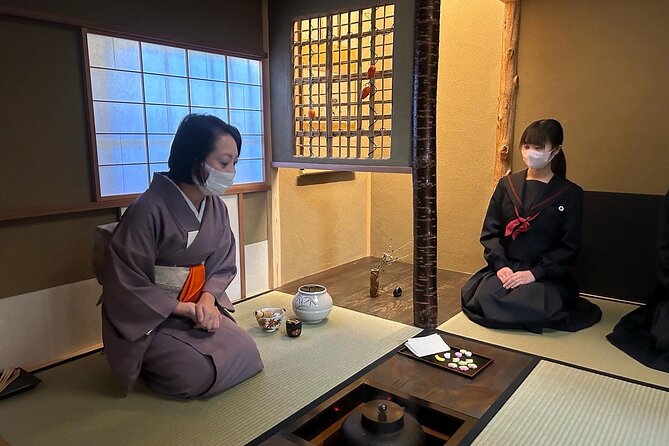
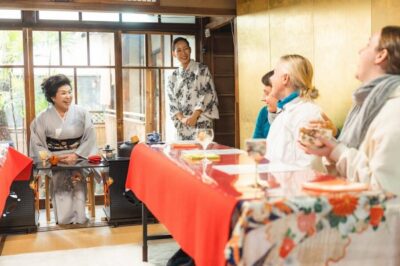
Kyoto has plenty of performances. This experience is different. You step into a lived-in home atmosphere and sit down inside a proper tea-room setting, Koma and Hiroma, where the pace is slow on purpose.
For you, that matters. You get time to ask questions and learn why each movement exists. For the price, it also helps that it is private, so you are not fighting for attention in a large group.
The session runs about one hour, so it is doable even on a day packed with temples. Still, it is long enough to cover more than just whisking matcha, you also cover etiquette, the meaning of steps, and how to handle the bowls and sweets respectfully.
More Tea Ceremonies in Kyoto
- Kyoto: Tea Ceremony in a Traditional Tea House in Kiyomizu
★ 4.9 · 3,519 reviews - Kyoto: Tea Ceremony Ju-An at Jotokuji Temple
★ 4.9 · 3,207 reviews - Kyoto: 45-Minute Tea Ceremony Lesson Experience
★ 4.3 · 2,378 reviews
Meeting Aya-sensei at Sakura Experience Japanese Culture Nijo Home
You meet at さくら日本文化体験 二条城教室, also shown as SAKURA Experience Japanese Culture Nijo Home, address 660 Izumichō, Nakagyo Ward, Kyoto. It is near public transportation, which is a big help if you plan to pair it with other sights around Nijo Castle.
Aya-sensei is the tea master who guides the ceremony. In the reviews you shared, she stands out for patient teaching and a welcoming tone, which is exactly what you want when the rules feel unfamiliar.
One extra practical bonus comes from the way the hosts handle guest needs. In past sessions, Aya’s husband has taken photos during the class and shared them while guests are still there. That means you can focus on the ritual instead of constantly grabbing your phone.
Inside Koma and Hiroma: how the room shapes the ritual
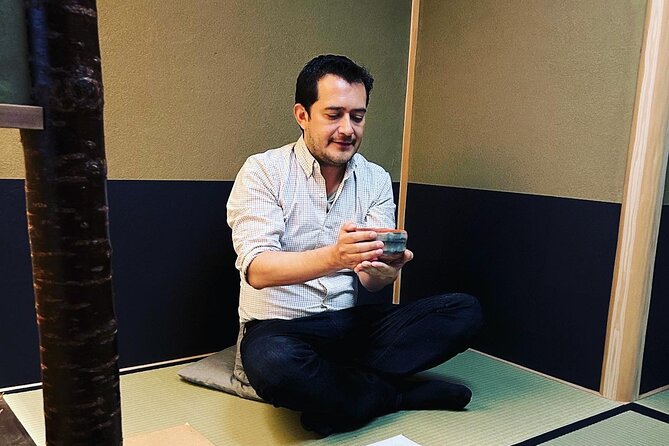
The ceremony takes place in traditional tea rooms, not a generic studio. The home setup matters because the ceremony depends on quiet, clean gestures, and careful attention to objects and space.
This is also where the experience is built for respect. You are expected to keep your fragrance off, wear the right clothes, and follow tatami hygiene rules. If that sounds strict, it is. But it is also how the tea room stays calm.
You might notice how even the small details create the mood. The host controls the flow, so the room does not become a casual chat space. It becomes a guided classroom where the atmosphere is part of the lesson.
The hosts are presented as certified masters across traditional arts, not just tea. That background shows up in how the ceremony gets explained as a discipline, with attention to form, not just drinking matcha.
Matcha by bamboo whisk: what you actually do
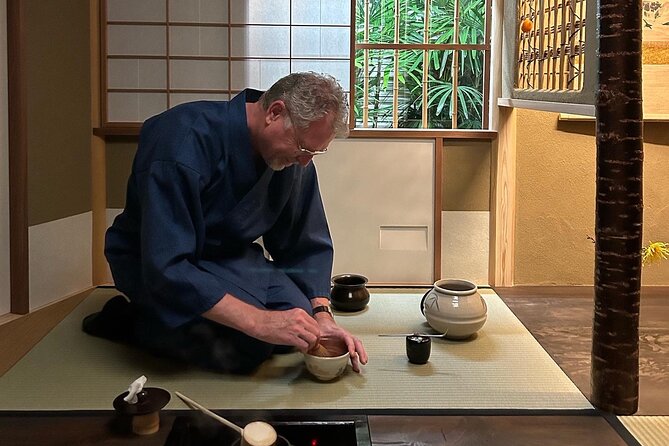
The headline for most people is matcha. Here, you do not just taste it, you also learn to prepare it.
Your session includes guided demonstration and hands-on preparation. You will work with a bamboo whisk to make matcha the traditional way, and you will get to drink it. The class includes two bowls of matcha, made with the experience’s original blended matcha sourced from historic tea gardens in Uji.
Why I like this approach for you: making tea changes how you experience it. When you whisk, you understand that the foam texture and the consistency are not random. They come from technique, temperature awareness, and careful handling of the bowl.
You also learn how to hold and present the bowl, and how serving fits into the etiquette of the ceremony. Even if you do not become a matcha wizard overnight, you will leave with a clearer sense of what the ceremony is trying to teach, patience, attention, and respect.
The session includes a takeaway guide too, so you can remember the structure of what you learned and repeat parts at home later.
Same corner of Japan, a different kind of day:
- PERFECT KYOTO 1-Day Bus Tour
★ 5.0 · 13,518 reviews - Kyoto: Fushimi Inari, Kinkakuji, Bamboo Grove 1 Day Bus Tour
★ 4.8 · 4,316 reviews - Kyoto Geisha Walking Tour: Gion District & Hidden Gems
★ 4.7 · 3,273 reviews - Kyoto: Gion Magical Night Walking Tour with Geisha Trivia
★ 4.9 · 2,393 reviews
Wagashi snacks: three gluten-free vegan sweets and their role
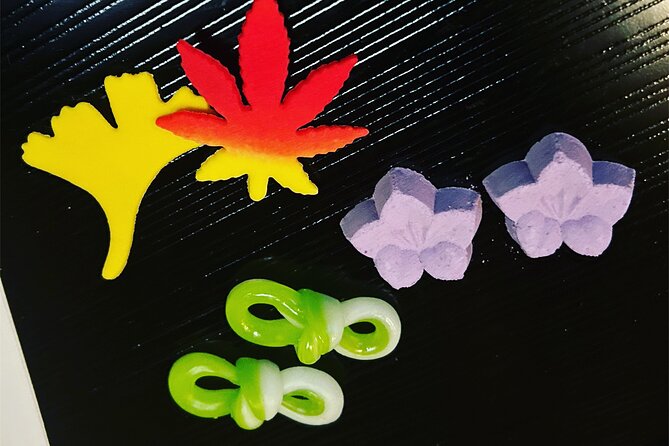
The sweets are not an afterthought here. You snack on three different types of Japanese sweets, called wagashi, prepared seasonally by a long-established Kyoto confectioner.
The important part for your planning is the diet fit. These sweets are listed as gluten-free and vegan, which is unusually specific for a cultural activity like this. If you normally struggle to find dessert options that match your needs in Kyoto, this detail is a real value-maker.
In a tea ceremony, wagashi often acts like a rhythm partner for the matcha. You taste something sweet and fragrant, then you shift into the tea, adjusting your palate and your mood between bites and sips. When the host explains the sweets alongside the etiquette, you stop thinking of them as just candy and start seeing how the ceremony flows.
If you are sensitive to dietary restrictions, this is worth extra credit. You should still confirm any personal allergies when you book, but having gluten-free and vegan built in reduces the guesswork.
Tea bowls, Uji matcha, and Kyoto craftsmanship you can see
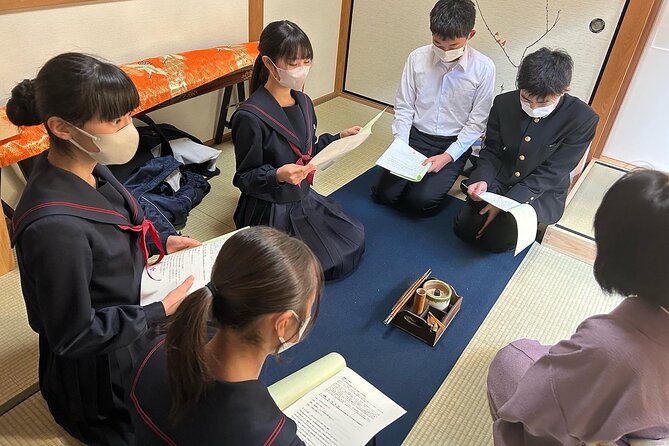
A big reason tea ceremonies feel grounded is the tools. In this experience, you are connected to Kyoto craftsmanship through the tea bowl setup and the matcha source.
The experience describes tea bowls commissioned from Kiyomizu and Raku potters. You also drink matcha made from a blend sourced from Uji tea gardens. Those details help explain why tea tastes like more than a beverage. It is a relationship between ingredients and objects, chosen to support the ritual.
Even if you are not a ceramics person, you will likely appreciate seeing how the bowls look and feel, because the host explains how they fit into the ceremony. The shape, material, and finish can change how a tea moment feels in your hands.
And when you leave with a booklet, you also leave with a context to remember why these tools matter, not just that they were pretty.
Souvenirs that help you remember: the booklet and the ritual memory
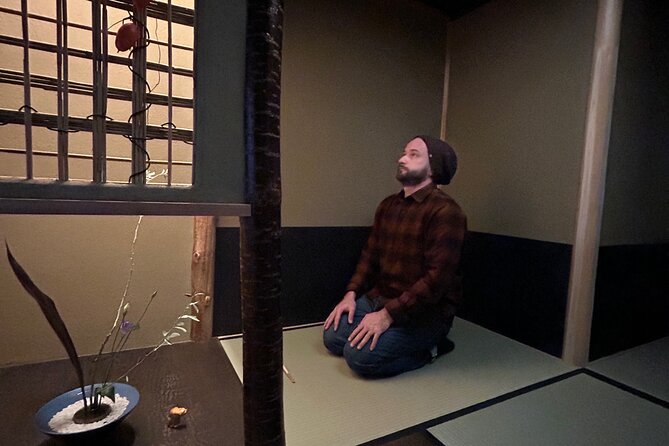
You take home a concise tea ceremony booklet. It is described as a guide to the spirit and etiquette of tea, meaning it is meant to help you connect the steps you learned to a bigger idea.
For me, that is part of the value. Lots of cultural activities give you a photo and a vague feeling of, nice, Japan. This one offers a reference you can actually use to remind yourself what you did and why.
The booklet also makes the experience easier to revisit mentally. When you get home and remember one step, like whisking or how sweets are handled, the guide helps you place it in the overall flow.
If you are the kind of traveler who likes to bring home small, useful souvenirs instead of clutter, this fits your style.
Price and timing: why $99.08 can be fair value
This experience costs $99.08 per person and runs about one hour. On paper, that might sound like a lot compared to a museum ticket. In practice, you are paying for three things that are hard to get cheaply in Kyoto.
First, you are paying for privacy. It is a private activity, only your group participates. In a one-hour class, that time is valuable.
Second, you are paying for the materials and instruction. You get matcha made with an original blended tea from Uji, plus two bowls of matcha for you to drink, and three types of handcrafted wagashi.
Third, you are paying for a teacher who can guide guests through etiquette without turning the tea room into a performance. In the reviews you shared, the consistent praise is about warm welcome, clear English, and patient guidance while keeping the ceremony proper.
Booking timing also matters. This kind of class is often booked ahead, and the average booking window listed is 48 days in advance. If you have a fixed Kyoto schedule, you will do yourself a favor by locking in early rather than hoping for last-minute availability.
If you want to cancel, there is free cancellation up to 24 hours before the start time. That flexibility is helpful if your Kyoto plans are still forming.
What to wear and bring so you do not lose your spot
This is one of those experiences where your preparation affects your enjoyment. Read the rules like a checklist, then follow them. The host will guide you, but you still need to show up ready.
Key rules:
- Socks are required to protect tatami mats and keep hygiene clean. If you forget, socks are available for purchase on site.
- Attire rules: wear a long skirt or long pants, and a top with sleeves. Sleeveless tops, shorts, and mini skirts are not permitted.
- Perfume restriction: please refrain from perfume, including musk-based scents, because it can disturb the tea-room atmosphere.
- Punctuality: arrive on time. Guests arriving more than 15 minutes late cannot participate, and no refund can be provided.
Small comfort options exist too. Small chairs are available if you need them, but you must inform the provider in advance.
One more planning item: this class has an age restriction. Children aged 13 and under are not permitted, so plan accordingly if you are traveling as a family.
If you respect these details, you will feel calmer once you arrive, because you will not be worrying about corrections mid-ceremony.
Who should book this Kyoto tea ceremony at home
Book this if you want calm, structured learning and a respectful atmosphere. It is best for people who enjoy traditions with rules, and who like hands-on instruction more than passive viewing.
It is also ideal if you have dietary needs. The wagashi are listed as gluten-free and vegan, and that can be hard to guarantee in many other cultural food experiences.
You might skip it if:
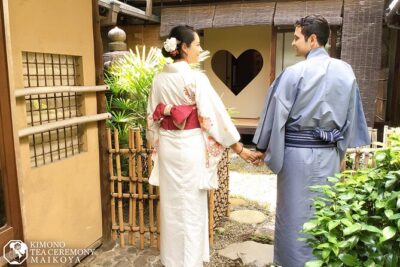
- You want kimono included. Kimono rental is not included.
- You dislike etiquette rules. This class depends on behavior and presentation.
- Your schedule is too flexible. Arrive late and you may not be able to join, even though you paid.
If you are doing a Kyoto route that includes Nijo Castle, this can be a lovely contrast. After walking through gardens or halls, you can sit down and slow your brain for an hour.
And if you like photography but want to avoid constantly managing it, the host taking photos during the class can be a nice support.
Should you book this Kyoto Private Tea Ceremony?
I think you should book it if your goal is to understand tea ceremony as something practical and human, not just a cultural checkbox. The combination of private instruction, hands-on matcha, and three wagashi sweets with gluten-free and vegan compatibility makes it feel like real value for Kyoto.
You should also book it if you want to leave with more than a memory. The included booklet helps you keep the etiquette and spirit in your head, so the experience keeps working after you go home.
Just be honest about your comfort with rules. If socks, sleeves, and perfume restrictions sound like a chore, you might get frustrated. But if those are easy for you, this Kyoto tea ceremony is one of the most sensible ways to experience tea culture at a personal pace.
FAQ
Is this experience private?
Yes. It is a private tour/activity, and only your group participates.
How long does the Kyoto tea ceremony last?
The duration is about 1 hour.
Are children allowed?
Children aged 13 and under are not permitted to join this class.
Do I need to wear socks?
Yes. Socks are required for hygiene and to protect the tatami mats. Socks are available for purchase on site if you forget.
What should I wear?
Wear a long skirt or long pants, and a top with sleeves. Sleeveless tops, shorts, and mini skirts are not permitted.
Will I get matcha and sweets during the session?
Yes. You get seasonal three types of handcrafted wagashi, plus demonstration and hands-on matcha preparation, and two bowls of matcha are included.
Fresh options around Kyoto
- Kyoto Aquarium Admission Ticket★ 4.7 · 12 reviews
- Kyoto Gion Photoshoot – Private Session | Pro Photographer★ 5.0 · 12 reviews
- Gyoza Cooking Class in Kyoto: Traditional Japanese Dumplings★ 5.0 · 12 reviews
- Kyoto: Guided Food Tour with 12 Dishes & 3 Drinks★ 5.0 · 12 reviews
- Kyoto: Avoid the Crowds at the Hidden Gems of Arashiyama★ 4.9 · 13 reviews
- Kyoto Early Bird English Tour: Gion & Higashiyama(Private opt)★ 5.0 · 13 reviews
- Otsu-e Folk Art Workshop & Local Culture Walk Near Kyoto★ 5.0 · 13 reviews
- Kyoto, Osaka, Nara Full Day tour by Car English speaking Driver★ 3.5 · 13 reviews
Tea Ceremonies in Kyoto, compared.
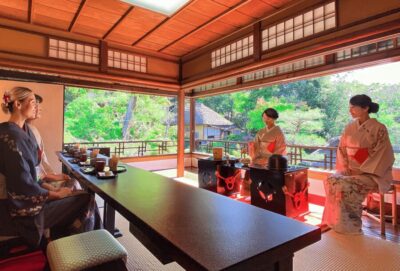
Tea Ceremony in a Traditional Tea House in Kiyomizu
Read our review →
Arashiyama Bamboo Forest, Monkeys, Matcha & Temple Tour
Read our review →
Tea Museum Tickets and Matcha Grinding Experience
Read our review →
Browse the lists this tour appears in