
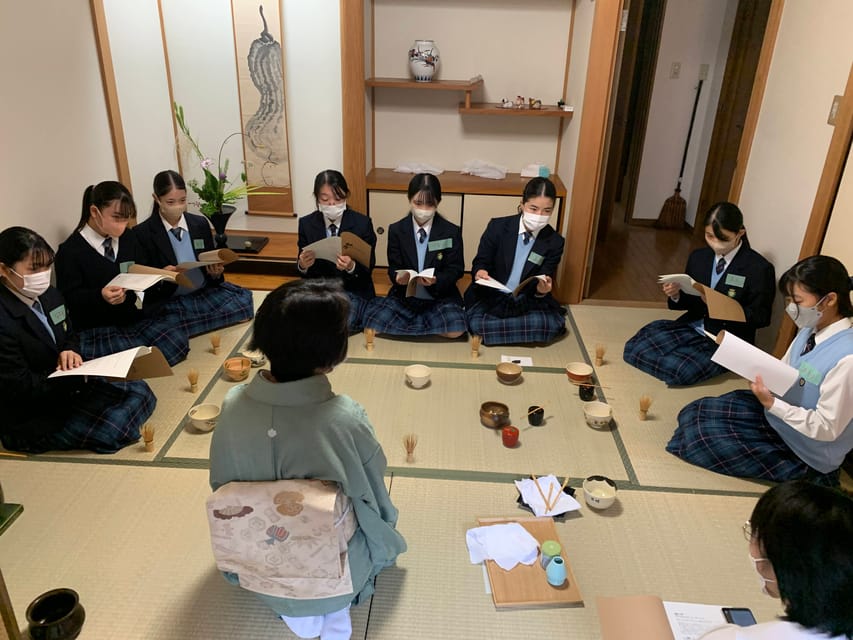
Reviewed · TEA CEREMONIES IN KYOTO
Kyoto: Private Tea Ceremony at local home with tea master
Matcha tastes better with a calm lesson. In this private ceremony at a local home near Nijo Castle, I love the certified tea-master guidance and the high-quality Uji matcha served with seasonal sweets, plus you get a culture lesson built around real etiquette. The main thing to plan for is the strict tea-room rules, especially clothing and the no-recording setup.
This is an easy, central add-on to your Kyoto days, close to the subway and within walking distance of major sights like the Kyoto Imperial Palace area. You’ll get a step-by-step look at the meaning behind each gesture, from folding the cloth to preparing matcha yourself.
Key things I’d mark on your Kyoto map
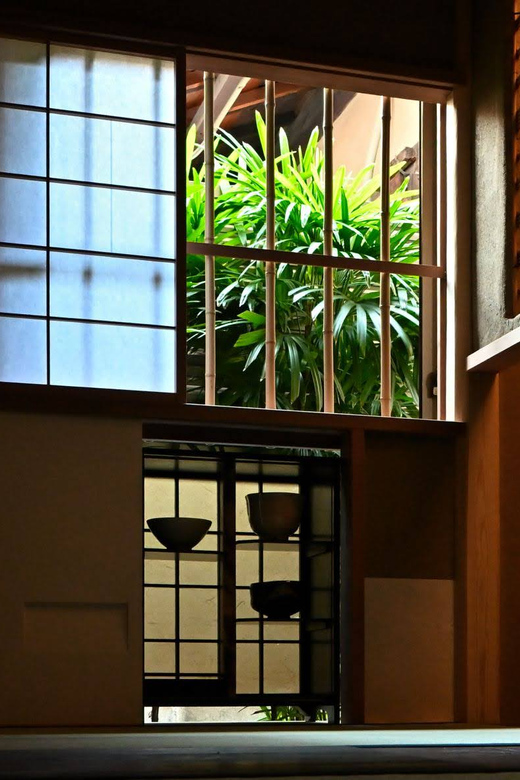
- A certified tea master in a local home setting near the Nijo Castle area
- Matcha from Uji, Kyoto, served with two cups during the session
- Seasonal Japanese sweets made to order, including two types of dried sweets
- Hands-on matcha preparation plus clear instruction on tools and technique
- Clear tea-room etiquette rules (socks, no perfume, no hats, no jewelry)
Why this Kyoto private tea ceremony feels personal, not performative
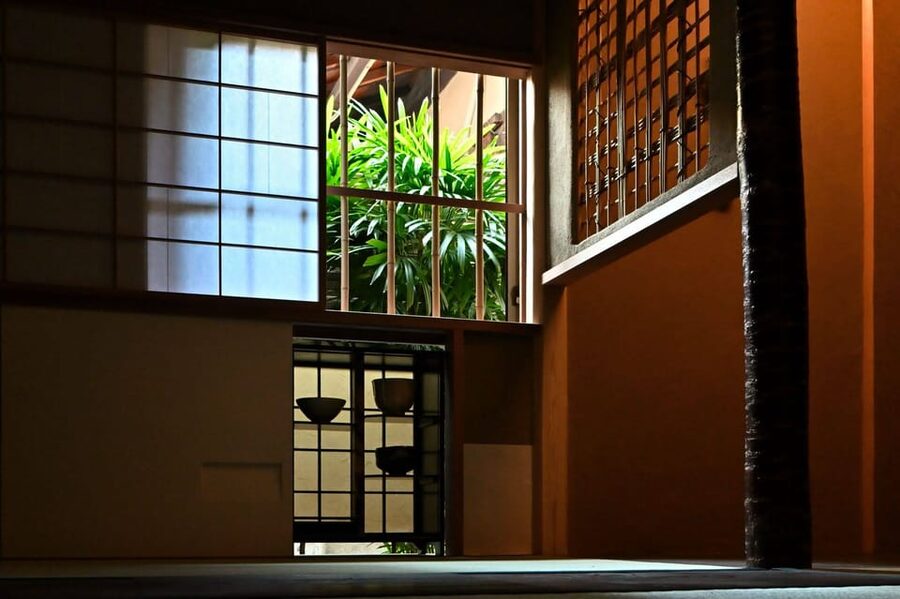
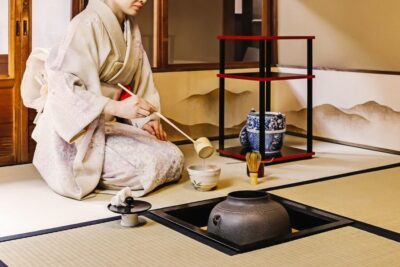
Kyoto has plenty of tea experiences, but what you’re looking for here is the human scale. This ceremony happens in a warm tea room inside a local home, not a big show space, so the pace feels thoughtful. Even if it is your first time with matcha, you’re guided step by step.
I also like that you are not only tasting. You are learning the why behind the movements, including the cultural values of respect and tranquility. That turns matcha from a drink into a mini lesson you can carry into how you travel.
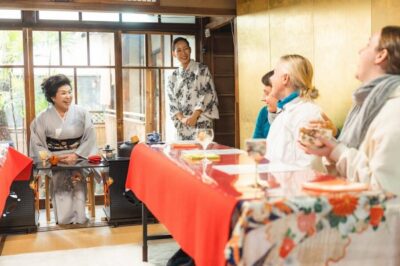
And because the experience is a private group, you can ask questions during the Q&A and reflection portion. That matters when you want more than the basics, like why certain utensils are held a certain way or why the etiquette is so strict.
More Tea Ceremonies in Kyoto
- Kyoto: Tea Ceremony in a Traditional Tea House in Kiyomizu
★ 4.9 · 3,519 reviews - Kyoto: Tea Ceremony Ju-An at Jotokuji Temple
★ 4.9 · 3,207 reviews - Kyoto: 45-Minute Tea Ceremony Lesson Experience
★ 4.3 · 2,378 reviews
Getting there near Nijo Castle, without stress
Location is a big deal for a 1-hour experience, and this one makes it simple. Your meeting point is about 3 minutes from Nijo Castle and from the Kyoto subway stop Nijojomae by foot. It is also around 3 minutes from the Kyoto city bus Nijojomae stop.
If you are coming from the Hankyu Shijo area, expect about a 15-minute walk. From JR Kyoto Station, plan on roughly a 10-minute taxi ride.
For timing, I suggest you build in a few extra minutes for the walk and the quiet transition into the tea room. You do not want to rush yourself right at the start, since the whole point is slower, calmer attention.
What happens inside the tea room, step by step
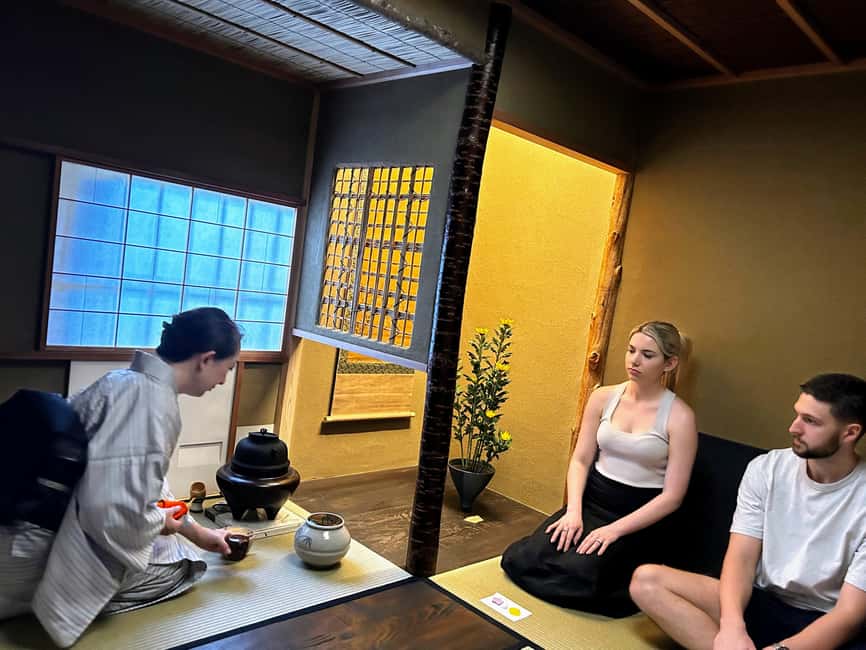
The session is built to move through the ceremony in a clear order, with explanation and then practice. It begins with an intro and background from the certified tea master, who is born and living in Kyoto. That detail matters, because you are getting context from someone rooted in the local tea world.
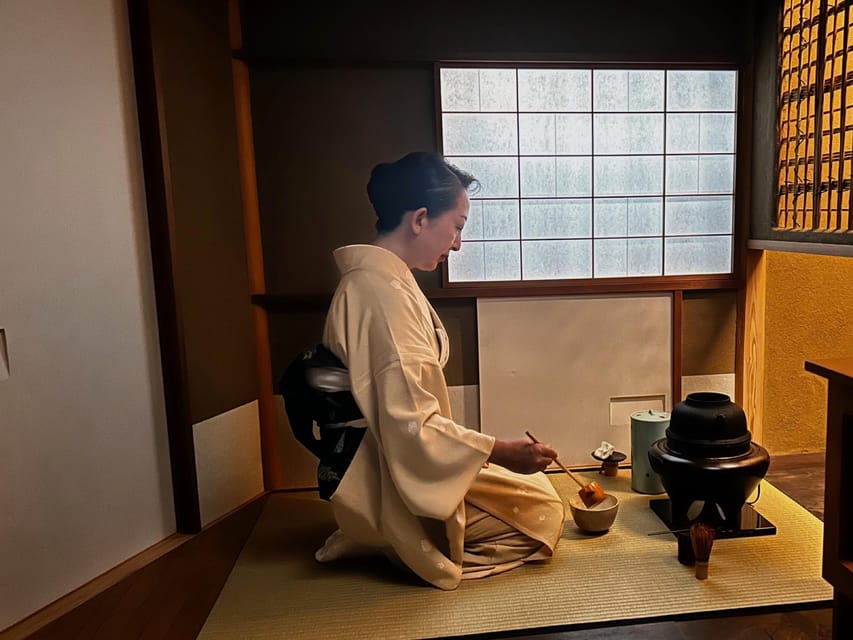
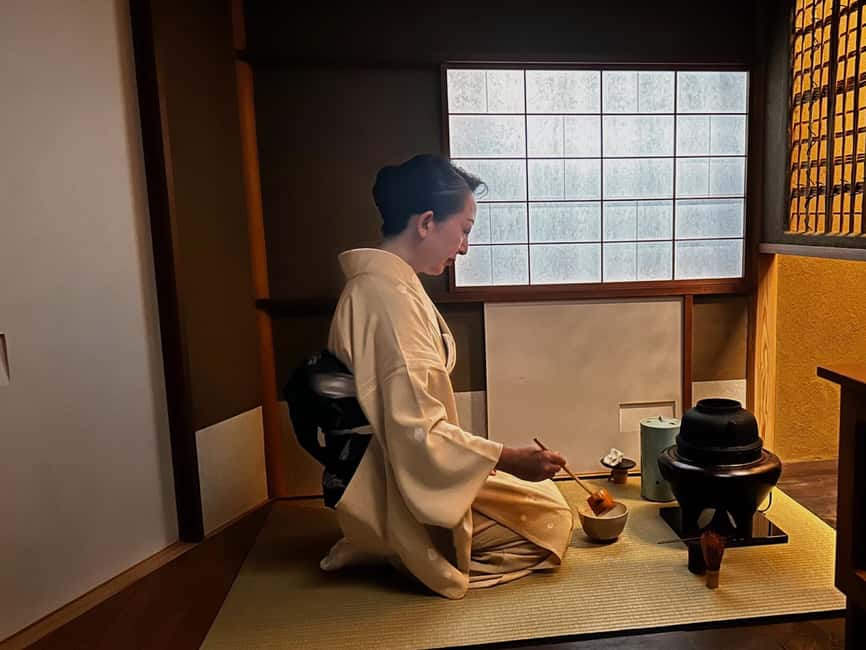
Then you step into the tea room, and the lesson starts with the small actions. You fold the ceremonial cloth, and you learn what each gesture communicates. This is one of those experiences where the movements feel simple, but the teacher’s explanation gives them meaning.
Here’s the core structure you should expect:
- History and cultural background of the tea ceremony, kept beginner-friendly
- Tea utensils and their significance, including the tea bowl (chawan), tea whisk (chasen), and tea scoop (chashaku)
- Etiquette for preparing and enjoying tea, including how to handle the bowl and participate politely
- A demonstration showing graceful movements and seasonal hospitality
- Hands-on matcha preparation, so you do not just watch
- Q&A and reflection, where your questions fit naturally into the flow
The demo and the hands-on segment are the heart of the value here. If you only tasted matcha, you might leave with a nice memory. With this structure, you leave with a clear idea of what you are actually doing when you whisk, pour, and sip.
Matcha from Uji, plus seasonal sweets that pair well
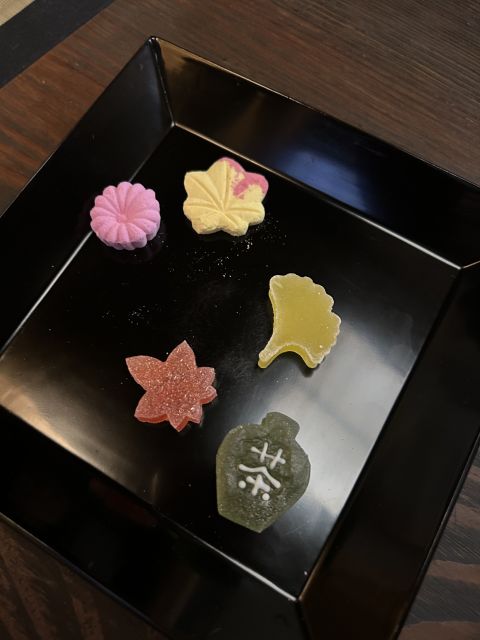
You get 2 cups of matcha during the ceremony, which is a meaningful amount for a 1-hour experience. The matcha is described as being sourced from Uji, Kyoto, which is a name you will recognize if you have been reading about matcha quality. Even if you do not know the details, the teacher will help you taste with intention.
You also get two types of order-based seasonal Japanese sweets, served alongside the tea. They are described as beautiful and seasonal, and the goal is pairing, not just adding dessert. The best part is that the sweets are made with the ceremony in mind, so the flavors match the rhythm of the tasting.
If you have dietary needs, this is one of the good places to ask questions early. The experience says they can accommodate Halal, Vegan, various allergies, and LGBTQ needs. What is not spelled out is the exact ingredient list for the sweets, so if you have allergies, message ahead with specifics.
Same corner of Japan, a different kind of day:
- PERFECT KYOTO 1-Day Bus Tour
★ 5.0 · 13,518 reviews - Kyoto: Fushimi Inari, Kinkakuji, Bamboo Grove 1 Day Bus Tour
★ 4.8 · 4,316 reviews - Kyoto Geisha Walking Tour: Gion District & Hidden Gems
★ 4.7 · 3,273 reviews - Kyoto: Gion Magical Night Walking Tour with Geisha Trivia
★ 4.9 · 2,393 reviews
Tea-room rules that can catch you off guard
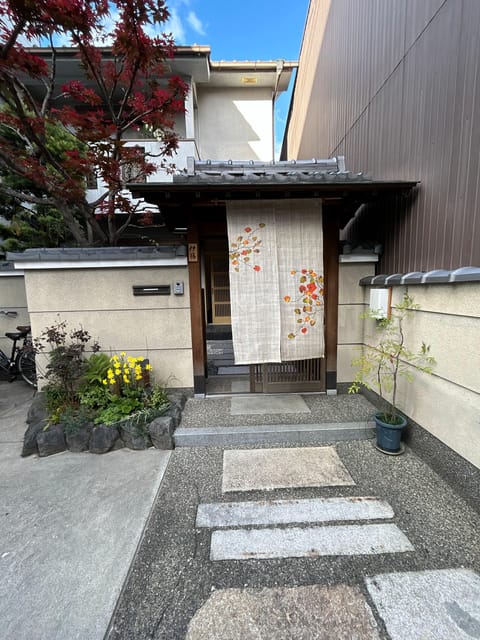
This is where you either glide in smoothly or you spend part of your hour worrying about what you are wearing. The rules are clear, but they are strict, and that is normal for tea rooms.
Key do’s:
- Wear comfortable clothes and long pants or a long skirt
- Bring socks. If you do not have them, socks are available for purchase
- Come without perfume and avoid strong fragrances
- Shoes stay outside. You do not go barefoot indoors, either
Key don’ts:
- No shorts, short skirts, hats, sleeveless shirts
- No jewelry
- No smoking or vaping
- No alcohol and drugs
- No video recording or audio recording
- Avoid strong fragrances, and do not wear perfume on the day
Also, you should plan around the shoe and sock rules. If your Japan day involves a lot of walking in sandals or open-toe shoes, adjust your outfit choices before heading to the ceremony.
Finally, there is a child limit. This experience is not suitable for children under 13, so if you are traveling with a younger kid, you may need to look for a different option.
Price and value: what $101 buys in one hour
At $101 per person for a 1-hour experience, you might wonder if it is worth it versus the more casual tea tastings. The value comes from the combination of things you get, not just the matcha.
You are paying for:
- A private, tea-room learning experience with a certified tea master
- 2 cups of matcha plus guided tasting
- Two kinds of seasonal sweets
- Instruction on utensils and etiquette, not just history trivia
- A hands-on matcha preparation moment
- A certification from a tea master
One practical way to judge it: if you want something you can actually do later, like how to whisk matcha, hold the bowl, and understand the etiquette, this format makes sense. If you only want a quick cup and a photo, it may feel focused and rules-heavy.
Also, 1 hour is tight, so you get an organized lesson rather than a slow daylong retreat. If you like structured experiences with a calm pace, it fits well.
The human touch, including named hosts
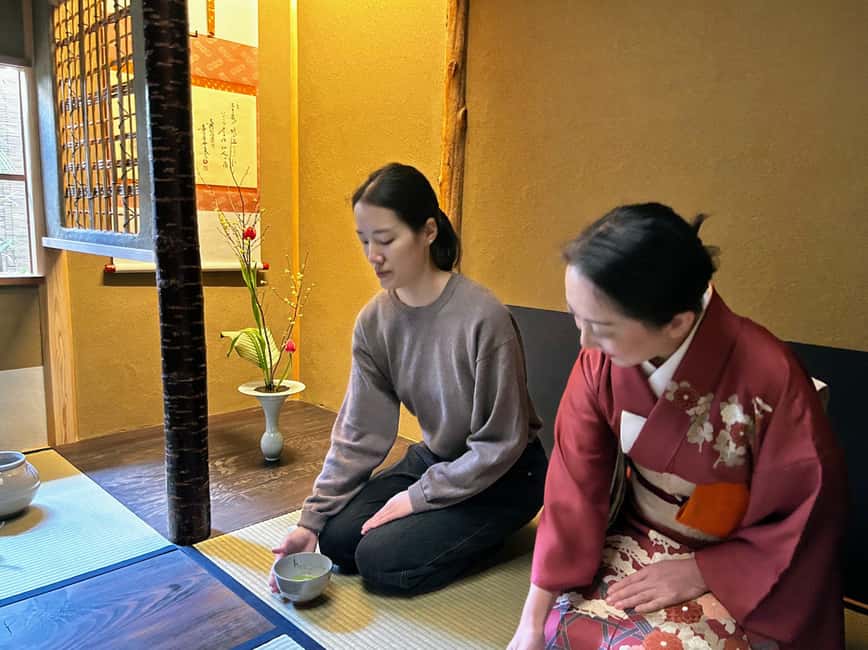
The tone you want in Kyoto tea instruction is patient and precise. The ceremony is explained in English and Japanese, and the teacher is described as welcoming, with an atmosphere that feels calm and respectful.
In one case, the host was called Aya-san, and the welcome was specifically noted as warm and home-like. Even without naming your future host, you can expect a teaching style that matches the room, quiet and careful, with attention to details like utensils and how to move with the tea setup.
One small timing note to keep in mind: the session may feel a bit rushed near the end if other guests arrive on schedule. If you want extra time for questions or slower practice, ask for it right at the start.
Who should book this Kyoto tea ceremony, and who might not
This experience is a strong match for:
- Beginners who want a clear, step-by-step introduction
- People who enjoy culture through hands-on practice
- Travelers who like calm, quiet experiences in the middle of busy Kyoto days
- Anyone who prefers a private group format rather than joining a larger class
You might skip it if:
- You want something casual with minimal rules
- You dislike structured etiquette moments
- You are traveling with kids under 13
- You cannot follow the no-perfume and no-recording expectations
For accessibility, it is listed as wheelchair accessible, which is a big plus for Kyoto, where old building layouts can be tricky.
Practical tips so you feel comfortable from minute one
A few smart choices will make this experience smoother and more enjoyable.
First, dress for socks and long clothes. If you forget, the whole start can feel stressful, even if socks are available. Long pants or a long skirt is required, and shorts and short skirts are not allowed.
Second, go fragrance-free. This means no perfume before you leave, and no strong-scent products on the day. It is not about being fussy. Tea rooms prioritize a clean sensory environment.
Third, plan your phone habits. No video recording and no audio recording is part of the rules, so think of your phone as a silent blocker, not a prop.
Finally, come ready to slow down. This is one of those Kyoto experiences where rushing makes it harder to appreciate what the teacher is explaining. If you arrive with a calm mindset, the whole hour feels easier.
Should you book this Kyoto private tea ceremony at a local home?
I think you should book it if you want a real cultural experience that goes beyond tasting. The best reason is the combination of matcha from Uji, hands-on technique, and clear instruction on etiquette and utensils. In just one hour, you get enough knowledge to understand what you are doing, not only what you are eating.
You should also consider it if your schedule is tight but you still want something meaningful and central. The location near Nijo Castle and Nijojomae station makes it practical, not a detour.
If strict clothing rules and a no-recording setup would annoy you, then choose a more casual option. But if you like quiet, respectful instruction, this one fits the Kyoto mood very well.
Fresh options around Kyoto
- Kyoto Aquarium Admission Ticket★ 4.7 · 12 reviews
- Kyoto Gion Photoshoot – Private Session | Pro Photographer★ 5.0 · 12 reviews
- Gyoza Cooking Class in Kyoto: Traditional Japanese Dumplings★ 5.0 · 12 reviews
- Kyoto: Guided Food Tour with 12 Dishes & 3 Drinks★ 5.0 · 12 reviews
- Kyoto: Avoid the Crowds at the Hidden Gems of Arashiyama★ 4.9 · 13 reviews
- Kyoto Early Bird English Tour: Gion & Higashiyama(Private opt)★ 5.0 · 13 reviews
- Otsu-e Folk Art Workshop & Local Culture Walk Near Kyoto★ 5.0 · 13 reviews
- Kyoto, Osaka, Nara Full Day tour by Car English speaking Driver★ 3.5 · 13 reviews
Tea Ceremonies in Kyoto, compared.
Tea Ceremony in a Traditional Tea House in Kiyomizu
Read our review →
Arashiyama Bamboo Forest, Monkeys, Matcha & Temple Tour
Read our review →
Tea Museum Tickets and Matcha Grinding Experience
Read our review →
Browse the lists this tour appears in