
Reviewed · GEISHA & GION TOURS
Kyoto: Private Rickshaw Tour of Gion and Higashiyama Area
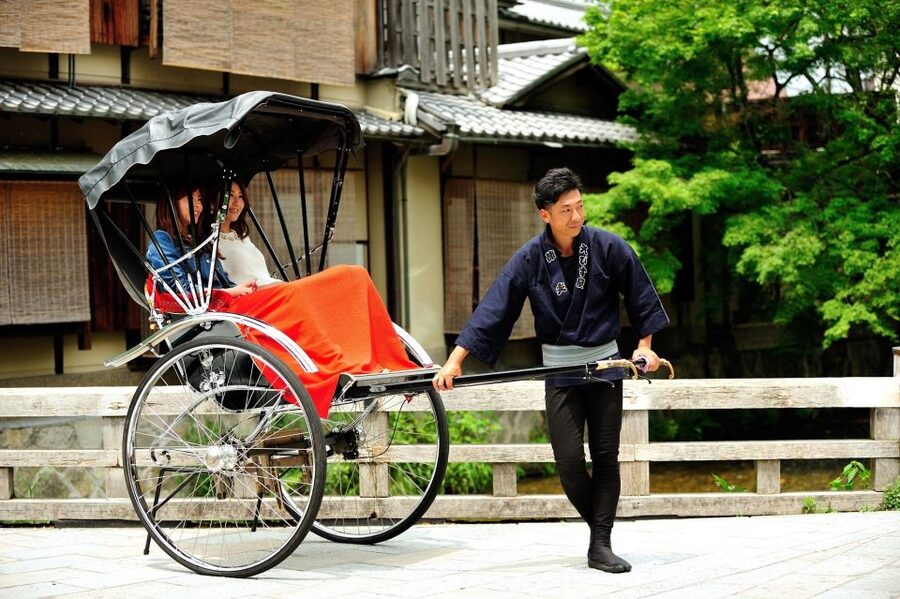
Higashiyama looks different from a rickshaw seat. I like how this private ride mixes traditional streets with a guide who talks through what you are seeing, often starting right by Kodaiji Temple with guides like Shiro.
You get photo stops built into the experience, so you are not just passing sights, you are pausing for the good angles. A possible tradeoff: the ride is outdoors on cobbles, and the rickshaw is a tight fit, so comfort matters (especially with back issues).
In Gion, you are close enough to notice the details people miss when they walk, like the rhythm of the district and the moment when you might spot maiko or geisha up close. Guides such as Daichi and Fumi often tailor the route, and that flexibility is a big part of why this feels personal.
One more consideration: selfie sticks are not allowed, and the rickshaw width is fixed, so if you are a larger group you may want to plan around individual rickshaws for more space.
Key things I think you will love
- Private, customizable route across Higashiyama and into Gion, guided at your pace
- Photo stops timed for the best streetscapes, not just quick sightseeing
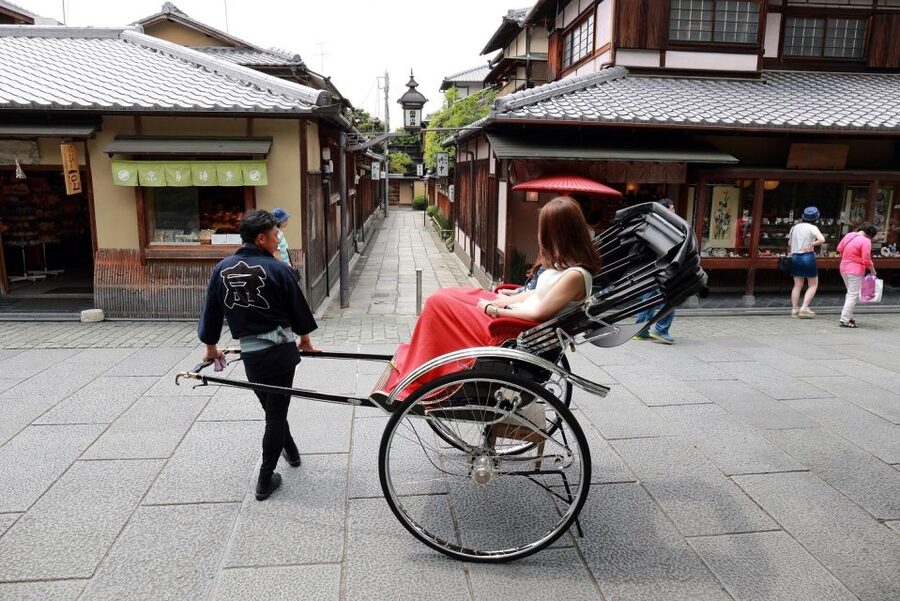
- Higashiyama townhouses and temple passing that feel slow and old-school
- Gion district sightlines, where you may see kimono-clad locals and performers
- A smooth meet-up at Kodaiji Temple, easy to find on foot
- Small souvenir extras like a postcard and sticker after the ride
Why this rickshaw tour feels like Kyoto, not a checklist
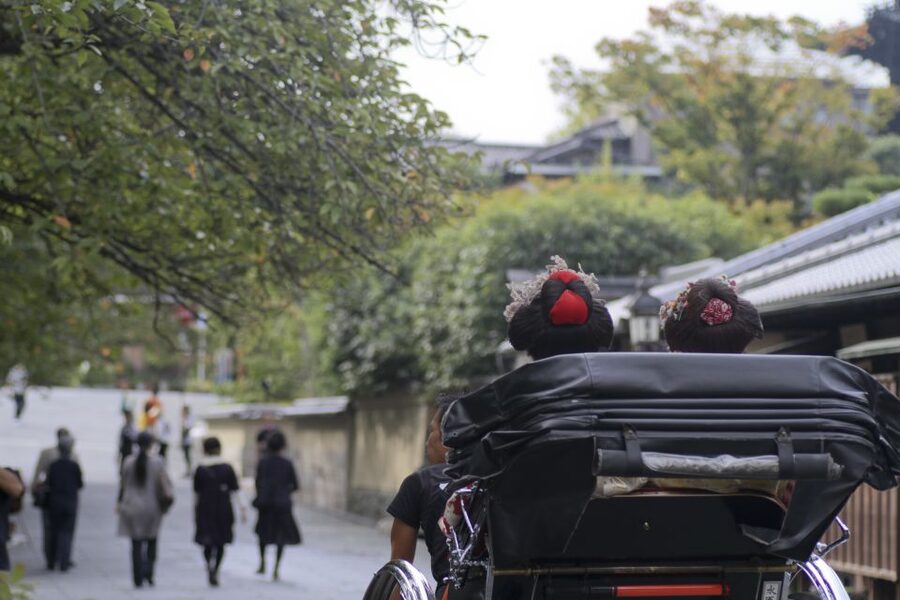
Kyoto can be over-planned. You can end up rushing from one postcard spot to another, surrounded by the same crowd. This tour gives you a different rhythm. From the rickshaw seat, the lanes of Higashiyama feel narrower and older, and the streetscape pulls your attention forward instead of sideways.
My favorite part is the combination of slow movement and storytelling. You are not just looking at buildings, you are hearing what makes them significant, why they survived, and what to notice while you pass. Guides in the experience have names like Shiro, Moto, Shinya, Daichi, and Shiro again, and the tone is consistent: friendly explanations plus lots of photo coaching.
The second standout is the way the tour builds in time for pausing. In a normal walking day, your best photos happen by accident. Here, the guide stops you where the angles work.
Just know this is not a sit-and-glide ride. You will be pulled through uneven, sometimes steep historic streets, and that is part of the charm.
More geisha experiences in Kyoto:
- Kyoto Geisha Walking Tour: Gion District & Hidden Gems
★ 4.7 · 3,273 reviews - Kyoto: Gion Magical Night Walking Tour with Geisha Trivia
★ 4.9 · 2,393 reviews - Kyoto: Gion Geisha District Walking Tour – Stories of Geisha
★ 4.7 · 2,187 reviews
Starting at Kodaiji Temple, then sliding into Higashiyama’s old streets
The meeting point is on the corner of Nene Street and Ichinenzaka Street, by Kodaiji Temple. It is a very workable location because it places you in the heart of Higashiyama’s pedestrian zone quickly, without needing complicated transit.
Once you are seated, the tour begins the “Kyoto time travel” feeling. Your rickshaw moves through traditional lanes with well-preserved wooden townhouses and small shops. The guide controls the pace so you can actually look up at rooflines and doorways instead of scanning for sidewalks.
One practical benefit of starting here: you are already in a historic area, so the experience doesn’t feel like a long warm-up drive before Kyoto shows up. You are in the good stuff early.
If the weather is bad, plan to still dress for it. The ride is outdoors, and you will be stopped for photos. One guide even made a rainy day feel like a win in their own way, but you still want a rain layer and non-slip footwear.
What you will see in Higashiyama, beyond the obvious temples
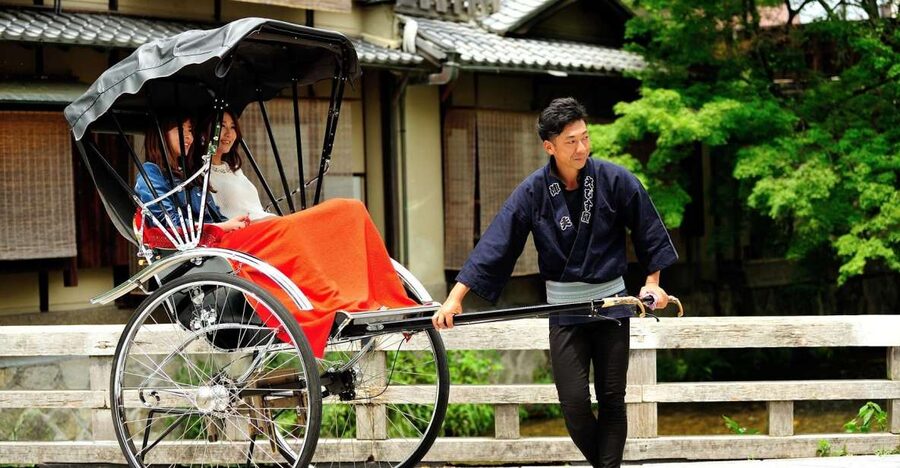
Higashiyama is famous for temples and photogenic streets, but the value of the rickshaw is how it helps you connect those dots. You will pass some of Kyoto’s most recognized temple areas while still moving through neighborhoods, not only around viewpoints.
Here is what I think you should expect in Higashiyama:
- Traditional wooden townhouses and historic storefront lanes: This is where you get the sense of Kyoto’s architectural continuity.
- Temple areas: You are likely to see major sights from the road and sometimes near enough for quick photos, depending on the tour length.
- Stops for scenic photos: The guide chooses positions that work with the narrow streets and the way light falls on older facades.
- River-side moments: Longer tours include passing weeping willows along a picturesque river, which is the kind of Kyoto scene that reads instantly as authentic.
A quick reality check: the tour may include temple viewpoints, but entry fees are not included. So if you want to go inside temples, you will need to plan for that separately.
Also, the tour is customizable. If you care more about streetscapes than temples, ask for the heavier street time. If you want more temple time, the longer durations usually make that easier.
Gion district time: how the experience handles geisha-area atmosphere
Then comes the shift into Gion, one of Kyoto’s best-known cultural neighborhoods. You will pass through the geisha district area and the guide will point out what you are looking at and why it matters.
A lot of people book this expecting a guaranteed geisha sighting. That is not how it works. But multiple guides in this experience have helped people spot maiko or geisha, and you can definitely see the district’s visual cues: the kimono-clad crowd, the sense of etiquette in the streets, and the “don’t rush this” pacing of the area.
What makes this tour useful in Gion is your position. Walking puts you at street level with everyone else. In a rickshaw, you glide through with enough elevation and control that you can notice details and move away before the crowd compresses.
If you are traveling with kids or family, this part often lands well because it is active without requiring constant walking. I would still keep expectations realistic about photography restrictions and crowd flow, especially if you try to line up shots for the perfect image.
A few more Kyoto days worth comparing
- PERFECT KYOTO 1-Day Bus Tour
★ 5.0 · 13,518 reviews - Kyoto: Fushimi Inari, Kinkakuji, Bamboo Grove 1 Day Bus Tour
★ 4.8 · 4,316 reviews - Kyoto: Tea Ceremony in a Traditional Tea House in Kiyomizu
★ 4.9 · 3,519 reviews - Kyoto: Tea Ceremony Ju-An at Jotokuji Temple
★ 4.9 · 3,207 reviews
Choosing your duration: how 45 minutes vs 3 hours changes the feel
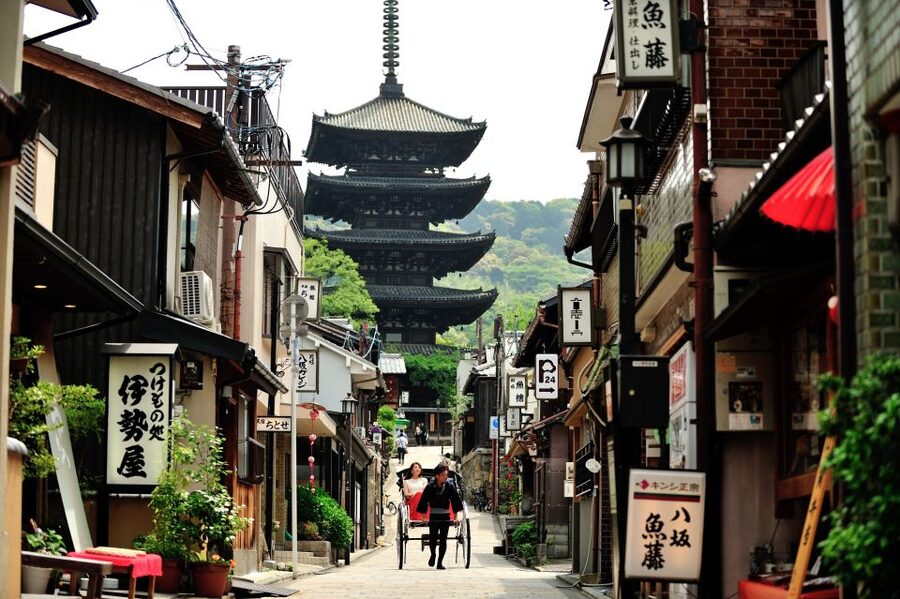
The tour comes in multiple duration options, from about 45 minutes up to a longer ride around 3 hours and 10 minutes. That range matters because it changes the number of stops and how far north into Gion you go.
Here is the practical way I would choose:
- 45 minutes: Best if you want the signature experience. You get the rickshaw sensation, some Higashiyama streets, and at least a taste of the Gion atmosphere. It is a good “best-of” start, especially if you are tired or jet-lagged.
- Medium options: Ideal if you want more time for photos and a slightly fuller Higashiyama route, with a smoother transition into Gion.
- Longest options: Best if you want the slow, scenic version. You will likely include more of what Higashiyama offers plus northern Gion moments, including passing weeping willows and additional temple-area scenery.
If you are torn, think about your energy, not just your schedule. A rickshaw tour is still a real outing with outdoor pauses and photo stops. Longer is more fun, but only if you feel good enough to enjoy the pace.
Price and value at about $51 per person
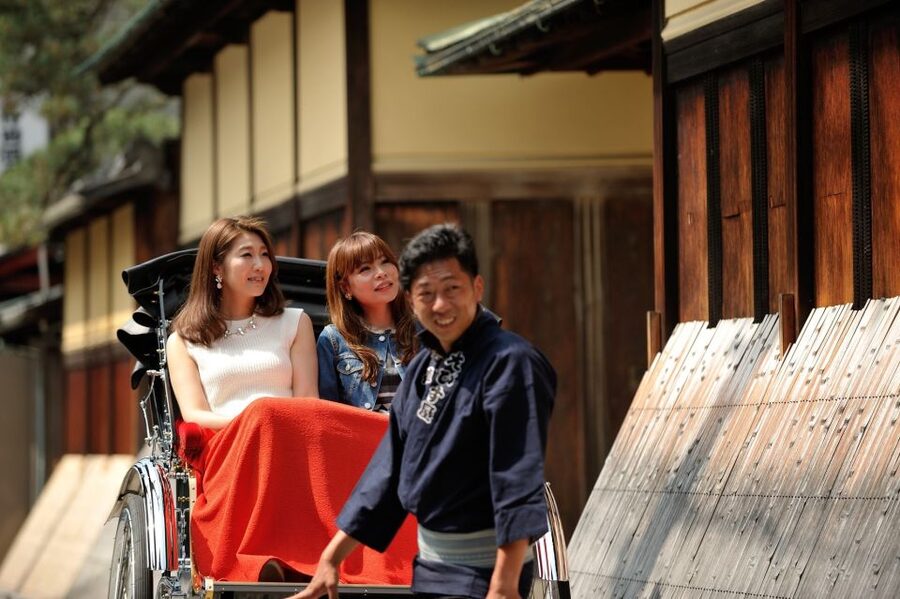
At about $51 per person, this is not a budget activity, but it is also not in the “private driver for a day” price category. The value is in what you get bundled: a private rickshaw, a guide who explains what you are seeing, dedicated photo stops, and small souvenir extras (a postcard and sticker).
Where the math usually works for me:
- If you are walking yourself, you will spend time getting oriented, backtracking, and waiting for a good photo moment.
- With this tour, the guide helps you hit the best spots in sequence, and you do not waste time figuring out where to stand or how to frame narrow lanes.
- If your group includes someone with mobility limits, the rickshaw can be the difference between skipping Higashiyama entirely or experiencing it comfortably.
One more value angle: the tour can be customized. That means you can steer toward your priorities, like more street photography, more temple scenes, or more Gion atmosphere. Customization turns the price from a fixed product into a flexible experience.
Not included items are the usual ones: food and drinks, entry fees, and hotel pickup and drop-off. So you will still need to plan those parts yourself. The tour is the ride plus the guidance plus photo stops.
Comfort, rules, and who should rethink this tour
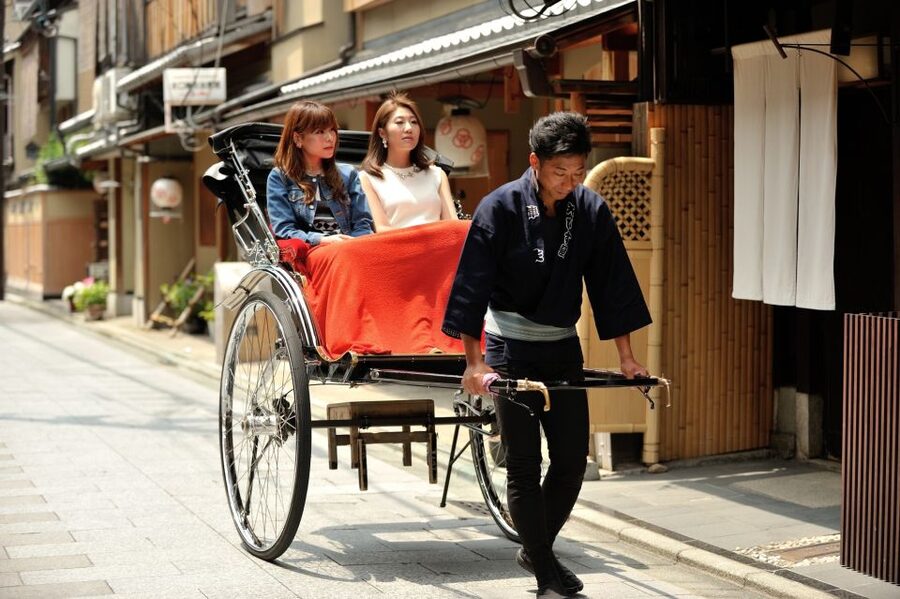
This tour is wheelchair and stroller-friendly as stated, but you still need to consider how the ride works on historic terrain and how tight the rickshaw seating can feel.
Key comfort facts you should plan around:
- The rickshaw is 74 centimeters wide. That can feel snug. If you are a couple or small group, booking separate rickshaws for each passenger can make the ride more comfortable.
- The tour is not recommended for expecting mothers in the first 16 weeks and for people with back problems.
- Selfie sticks are not allowed, so you will want to bring a regular phone camera setup without attachments.
- The ride is not designed for big gear or awkward filming habits. If you want photos, keep your hands free.
Families: adult pricing applies to children aged 6 and over. Up to two children aged 5 and under can ride with two adults, with kids sitting on an adult’s lap, one child per adult. If a child aged 0 to 5 needs one of the two rickshaw seats, they must be booked as an adult paying guest.
If you fall into a mobility-sensitive category, I suggest thinking of this as a comfort-first experience. The rickshaw can help you see more, but the terrain and seating still matter.
The guide makes it: what people keep praising
In an experience like this, the guide is not a side character. They set the pace, choose the photo stops, and decide how much you learn without making the ride feel like a lecture.
The praise pattern in the guides’ work is consistent:
- Excellent English was frequently mentioned, including guides like Shintaro Hutakeyna, Shiro, and Suzuki-san.
- Guides were described as very enthusiastic, with a lively style that helps the ride feel fun even when you are moving slowly.
- Many guides were strong at customizing the route, like Daichi and Moto, especially for people who want “hidden gems” type pacing.
- Several guides acted as photographer helpers. People talked about getting creative shots and even short keepsake video moments on the fly.
There is also a less visible reason this tour gets high marks: the drivers are physically able to pull the rickshaw through narrow, sometimes steep streets safely. That shows up in the repeated respect people express for the guides’ strength and control.
If you are the kind of traveler who likes being slightly led, this tour fits your style.
Small included extras that make the experience feel finished
It is the little wrap-up items that make the experience feel more like a memory than a receipt. You get a souvenir postcard and sticker included, which is a nice touch if you like collecting Kyoto mementos without buying a pile of extra stuff.
You also get photos handled by the stop timing. The guides often position you for angles that would be hard to find while walking alone.
Should you book this private rickshaw tour of Gion and Higashiyama?
Book it if you want:
- A private, guided way to see Higashiyama and Gion without walking every stone
- Photo stop time built in, so you are not scrambling for good frames
- A more relaxed way to catch the atmosphere of Gion, including chances to see maiko or geisha when the moment lines up
- A flexible route where you can nudge the guide toward your interests
Skip or rethink if:
- You have significant back issues or you are early-pregnancy cautious, since it is not recommended for those cases
- You rely on selfie sticks or extra camera gear, since they are not allowed
- You expect temple entry included, because entry fees are not part of the tour
If you are trying to make one “Kyoto experience” decision that feels personal and efficient, this is a strong pick. The mix of traditional streets, photo stops, and a real human guide is exactly what turns Higashiyama from scenery into a story you remember.
FAQ
Where is the meeting point?
Meet your guide on the corner of Nene Street and Ichinenzaka street, by the Kodaiji Temple.
How long is the tour?
The duration options range from about 45 minutes to about 3 hours and 10 minutes. Exact starting times depend on availability.
Is this tour private?
Yes. It is a private group rickshaw tour.
What is included in the price?
A private rickshaw, a guide, photo stops, and a souvenir postcard and sticker are included.
What is not included?
Food and drinks, hotel pickup and drop-off, and entry fees are not included.
Are there restrictions on cameras or devices?
Selfie sticks are not allowed.
Is the tour wheelchair or stroller-friendly?
Yes. The tour is listed as wheelchair and stroller-friendly.
What languages are offered, and what is the cancellation policy?
The live guide is available in English and Japanese. Free cancellation is offered up to 24 hours in advance for a full refund.
Fresh options around Kyoto
- Kyoto Aquarium Admission Ticket★ 4.7 · 12 reviews
- Kyoto Gion Photoshoot – Private Session | Pro Photographer★ 5.0 · 12 reviews
- Gyoza Cooking Class in Kyoto: Traditional Japanese Dumplings★ 5.0 · 12 reviews
- Kyoto: Guided Food Tour with 12 Dishes & 3 Drinks★ 5.0 · 12 reviews
- Kyoto: Avoid the Crowds at the Hidden Gems of Arashiyama★ 4.9 · 13 reviews
- Kyoto Early Bird English Tour: Gion & Higashiyama(Private opt)★ 5.0 · 13 reviews
- Otsu-e Folk Art Workshop & Local Culture Walk Near Kyoto★ 5.0 · 13 reviews
- Kyoto, Osaka, Nara Full Day tour by Car English speaking Driver★ 3.5 · 13 reviews
Geisha & Gion Tours, compared.
Kyoto Geisha Walking Tour: Gion District & Hidden Gems
Read our review →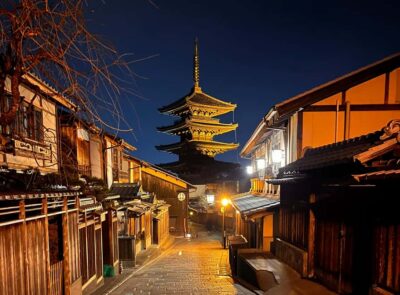
Gion Magical Night Walking Tour with Geisha Trivia
Read our review →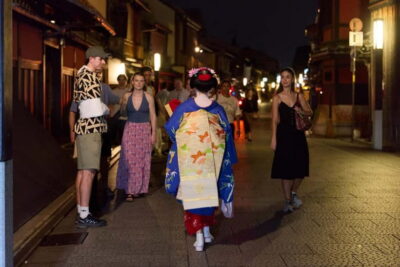
Gion Geisha District Walking Tour – Stories of Geisha
Read our review →
Best of Kyoto: Gion, Geisha, Pagodas & Cobblestones
Read our review →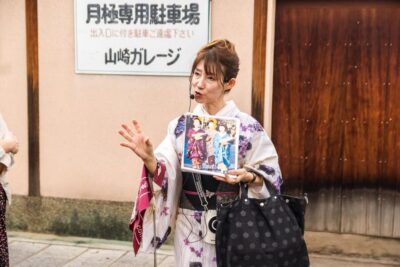
Kyoto Night Foodie Tour in Gion (9+ dishes + 6 Sake tastings)
Read our review →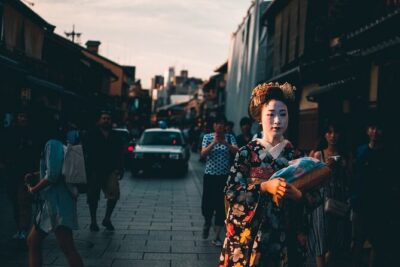
Kyoto Gion Geisha District Walking Tour – The Stories of Geisha
Read our review →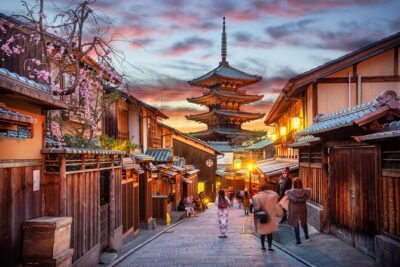
Kyoto Gion: 2-Hour Geisha Culture & History Walking Tour
Read our review →Browse the lists this tour appears in