
Reviewed · TEA CEREMONIES IN KYOTO
Kyoto: Nara & Traditional Matcha Experience Bus Tour
A giant Buddha hall, a park full of deer, and matcha you make yourself. That mix is what makes this Kyoto to Nara and Uji day feel memorable. I like that you get major UNESCO sites like Tōdai-ji and Byōdoin in one efficient route, and I also love the hands-on matcha experience in Uji where green tea is a way of life. The main catch is the physical side, you will walk stairs and hills, so comfortable shoes really matter.
The trip runs from Kyoto Station area in the morning, then settles into a classic old-Japan day: temples, shrine lanterns, deer park chaos in a good way, then tea craft in Uji. I also appreciate the support system, a professional English-speaking guide plus audio headsets, and the bus has free Wi-Fi so you can kill time without stress. One possible drawback: if you want to minimize crowds and early starts, this is not the mellow, slow option.
Key Points Worth Caring About
- UNESCO highlights in one day, including Tōdai-ji and Byōdoin
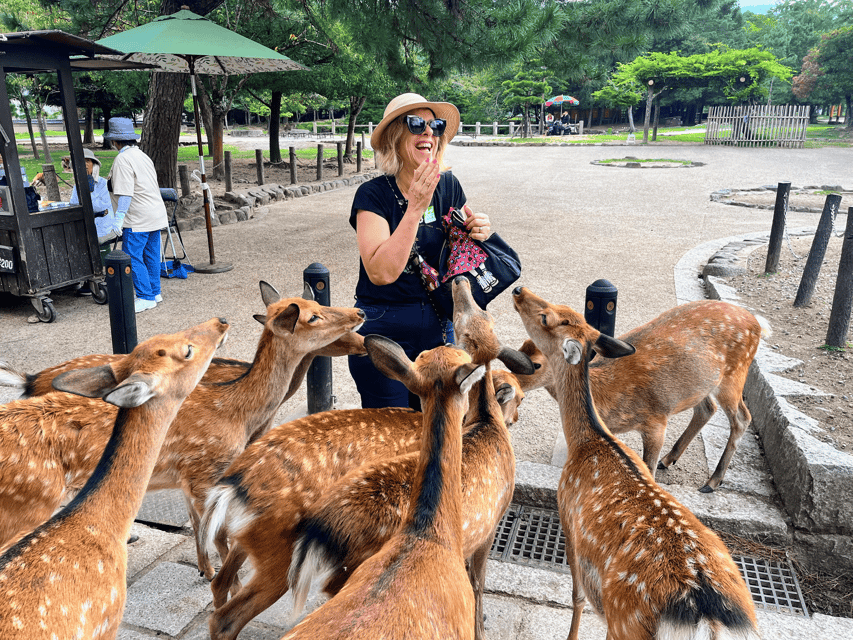
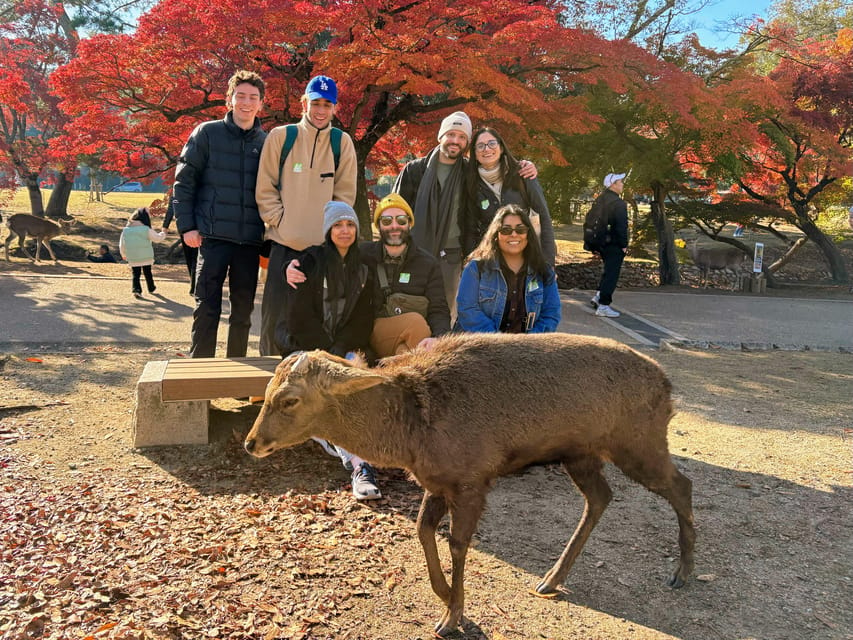
- Nara Park deer feeding, with rice crackers and a real chance of a friendly bow
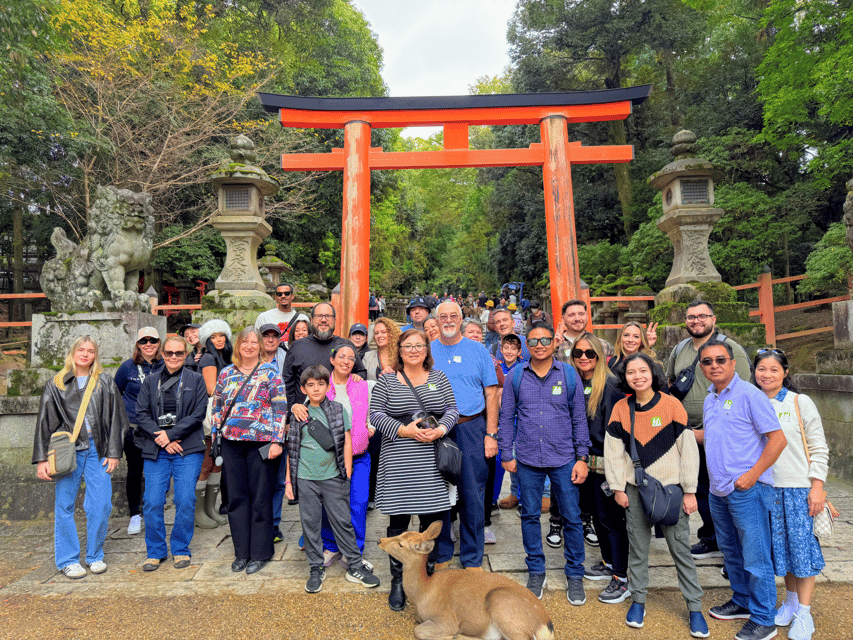
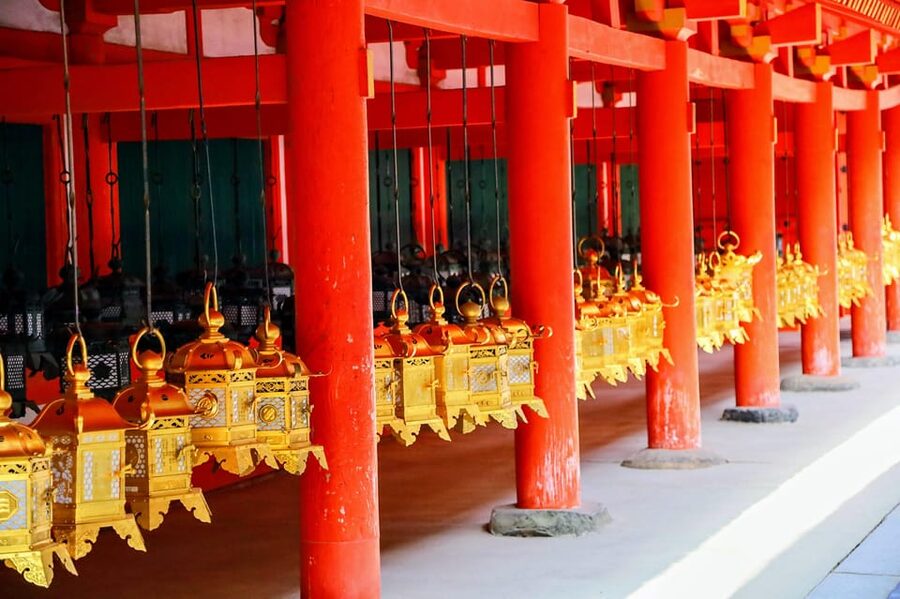
- Kasuga Taisha’s 3,000 stone lanterns, a shrine moment that photos cannot fully explain
- Matcha made from scratch in Uji, with time to shop nearby afterward
- English-speaking live guide plus audio headsets, so you do not miss the important stuff
- Comfort-focused coach, with air-conditioning and free Wi-Fi on board
How This Kyoto to Nara and Uji Day Tour Really Flows
This tour is built for first-timers who want the big wins without having to coordinate buses, tickets, and timing. You are moving through two famous areas, Nara for temples and shrines, then Uji for tea, with a lunch stop in between. The rhythm is mostly guided sightseeing, plus short free windows so you can take photos, regroup, and browse.
Expect a full day, not a half-day snack. The total duration is 510 minutes, and the schedule includes multiple transit segments and walking around each site. If you like structure, this is a good match. If you hate moving around, you will feel it.
A nice bonus is the bus experience. The coach is air-conditioned, has free Wi-Fi, and is regularly ventilated. It also has an antibacterial coating, which is a practical comfort detail on long days. That matters if you plan to stay on the coach during transit instead of rushing to be early at every stop.
More Tea Ceremonies in Kyoto
- Kyoto: Tea Ceremony in a Traditional Tea House in Kiyomizu
★ 4.9 · 3,519 reviews - Kyoto: Tea Ceremony Ju-An at Jotokuji Temple
★ 4.9 · 3,207 reviews - Kyoto: 45-Minute Tea Ceremony Lesson Experience
★ 4.3 · 2,378 reviews
Kyoto Avanti Start: What to Know Before 8:00 AM
Your meeting point is in front of Tully’s Coffee, Kyoto Avanti Store. Check-in is at 7:50 AM and departure is at 8:00 AM, so do not roll up at 8:00 hoping to slide in. If you are navigating Kyoto Station area, give yourself a little buffer so you are not sprinting in the last minutes.
Look for a green and white flag reading Japan Panoramic Tours. Check for that specific flag, not just any group collecting near the curb.
This tour is also designed around day-trip practicality. The included admission fees for Tōdai-ji and Byōdoin mean you can focus on the experience. It also includes skip-the-ticket-line admission, which saves time when lines get annoying.
And pack light but smart: comfortable shoes, water, and cash. You will walk on uneven ground, and you will also handle stairs in temple areas.
Morning Transfer: Passing Fushimi Castle and Heijokyo
Once you leave Kyoto Station, the coach passes by Fushimi Castle and Heijokyo palace on the way to Nara. You are not getting out to tour these particular sights, so think of them as context along the ride. Still, it helps the day feel less random because the guide can explain how the route connects to older Kyoto and Nara periods.
This transit portion is also your decompression. You will have some time seated on the deluxe coach, and you can use the free Wi-Fi if you want to check maps, book a future train, or just rest.
If you are sensitive to morning fatigue, this is a good time to hydrate and settle in. Once you start walking, it is go mode.
Tōdai-ji Temple: The Great Buddha in a Monster Wooden Hall
Tōdai-ji is the heart of the Nara portion, and it earns its reputation. The Daibutsuden Hall houses the Great Buddha of Nara, and it is one of the world’s largest wooden buildings. That size hits you fast. Even if you have seen other big Buddha images in Japan, this one feels different because the architecture is so dominant.
You will get about 50 minutes here, enough to see the main hall area, absorb the scale, and still take photos without feeling rushed. There is usually a sense of calm around the grounds, but it is also one of the busiest stops in Nara. So plan to move with purpose.
Practical tip: keep your camera ready but do not block your own path. People swirl in temple spaces, and you do not want to trip or get delayed while others stream past.
Also, this stop includes admission fees, so you are not stuck hunting ticket counters. That is a small detail, but it matters when you have a tight day.
Same corner of Japan, a different kind of day:
- PERFECT KYOTO 1-Day Bus Tour
★ 5.0 · 13,518 reviews - Kyoto: Fushimi Inari, Kinkakuji, Bamboo Grove 1 Day Bus Tour
★ 4.8 · 4,316 reviews - Kyoto Geisha Walking Tour: Gion District & Hidden Gems
★ 4.7 · 3,273 reviews - Kyoto: Gion Magical Night Walking Tour with Geisha Trivia
★ 4.9 · 2,393 reviews
Nara Park Deer Time: Feeding, Bowing, and Avoiding Trouble
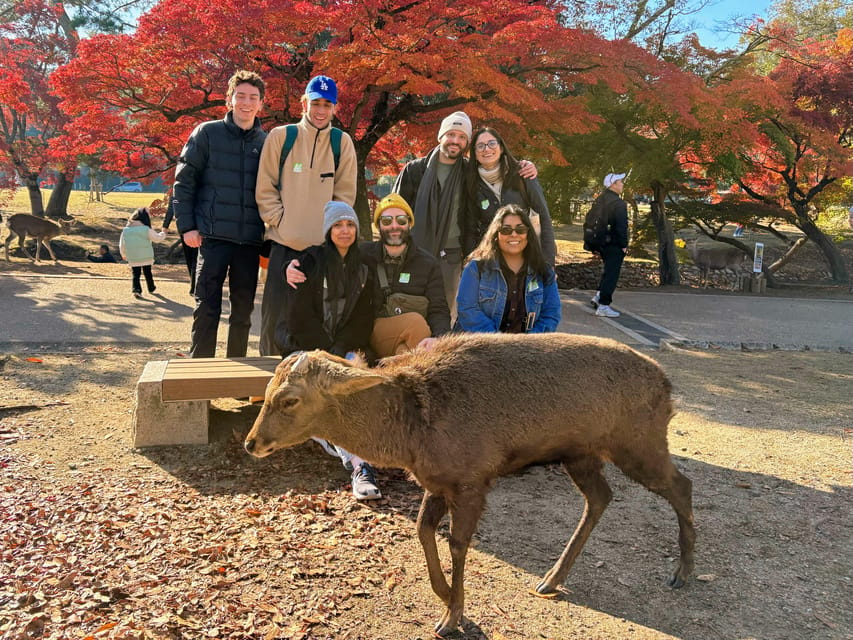
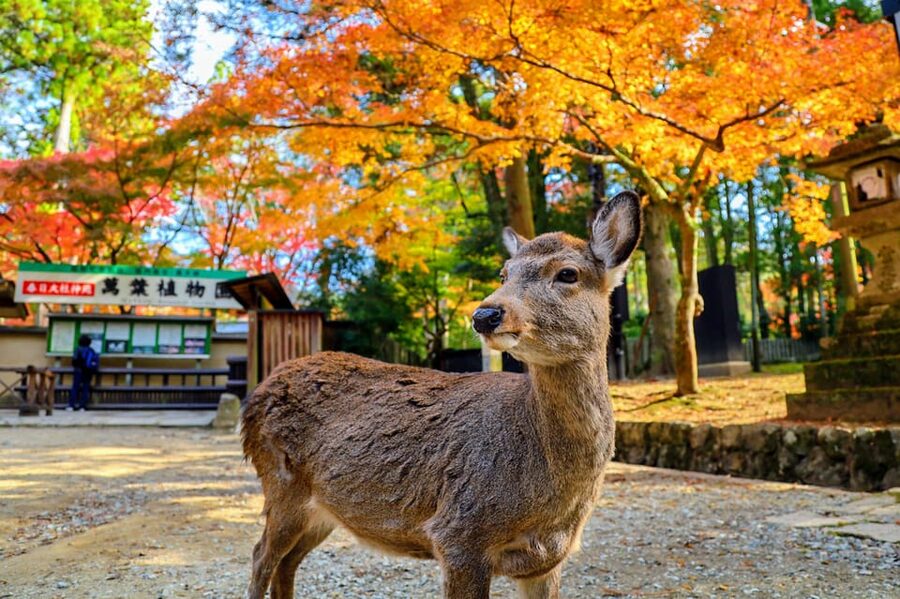
Right by Tōdai-ji is Nara Park, and the deer experience is a major reason this day tour works. The deer are not staged props. They are genuinely wild and very comfortable around humans, which is why the moment can feel both cute and slightly chaotic.
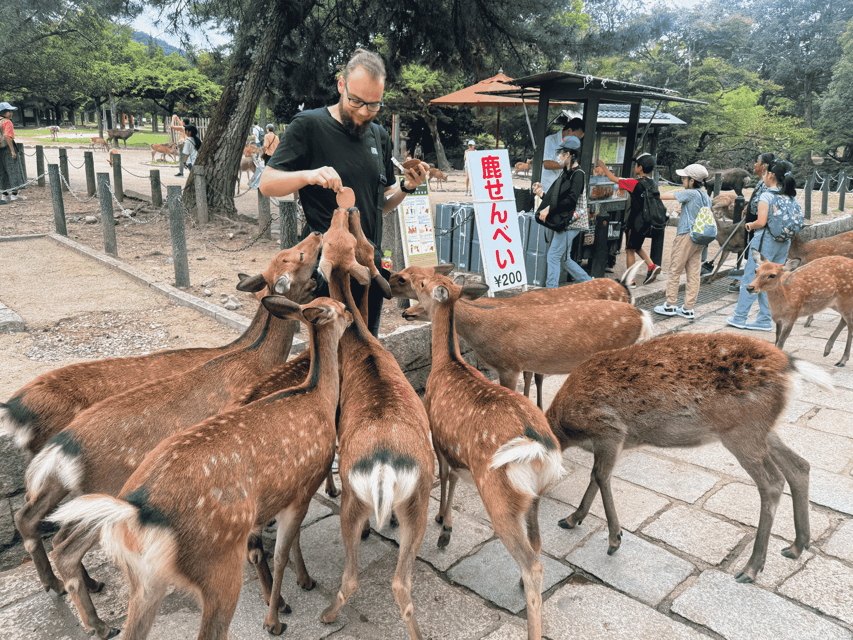
You get about 30 minutes in the park. You can walk through and take your time, but be mindful that deer can approach quickly. You can feed them rice crackers sold at roadside stalls and near shrines around the park.
And yes, you might get the classic deer bow when you feed them. It sounds like a silly detail, but it is genuinely one of the more surprising and memorable moments of the day.
One key caution: deer can bite, especially if you move suddenly or if you put your fingers too close. Keep snacks in your hand low and controlled, and do not tease or reach toward their mouths. Think of it as a brief, respectful interaction, not a photo shoot stunt.
Kasuga Taisha’s 3,000 Stone Lanterns: A Shrine Moment That Feels Otherworldly
After Nara Park, you head to Kasuga Taisha Shrine. Plan for about 30 minutes here. That is enough time to take in the shrine grounds and walk through the lantern area without feeling like you are speed-running a sacred place.
Do not miss the 3,000 stone lanterns. They have a special magic because they create a patterned path through the space, not just a single object you glance at and move on. At certain angles, they look like a sea of stone, and your photos will only partially capture how dense the lanterns feel in person.
A helpful way to enjoy this stop is to slow down for two things: the lantern corridor feel, and the shrine details around you. If you stay focused on just the biggest landmark, you might miss the smaller symbolism that gives Kasuga Taisha its character.
Lunch in the Midday Break: Fuel Without Losing the Flow
After Kasuga Taisha and Nara sightseeing, you reach the lunch stop. You have about 50 minutes here. If you selected the lunch option, you will enjoy a Japanese lunch at a local restaurant.
This is the right kind of break. It is long enough to eat, use the restroom, and let your feet cool down, but not so long that you lose the day. Since the schedule continues to Byōdoin Temple and then Uji, it is smart to keep your meal efficient.
If you did not pick the lunch option, you can still spend the time for something nearby, but the data here only confirms the Japanese lunch when the lunch option is selected. Either way, hydrate during this stop, because after Uji you will be walking again.
Byōdoin Temple and the Phoenix Hall: The 10 Yen Temple Moment
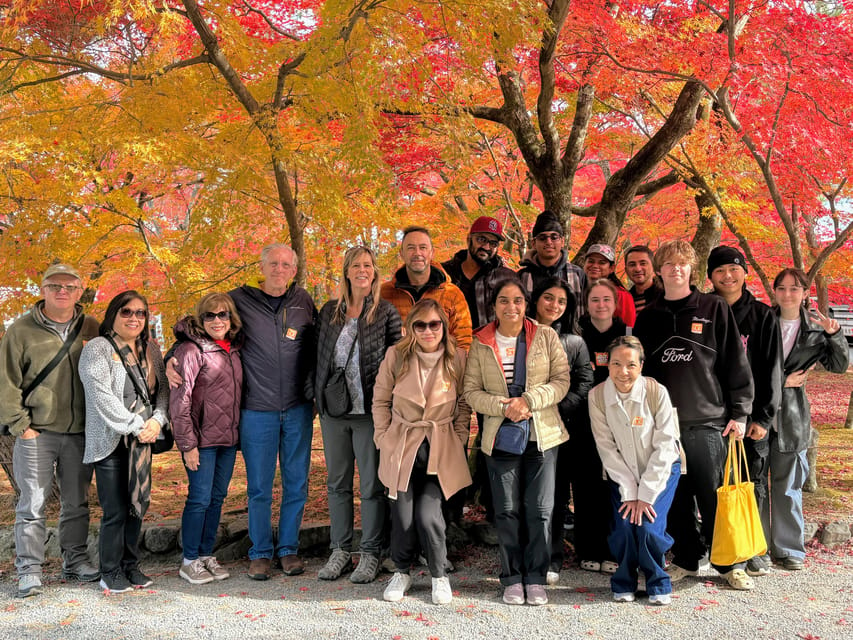
Next up is Byōdoin Temple, with about 1 hour on site. This is the place that everyone recognizes because the Phoenix Hall is depicted on the 10 yen coin.
Byōdoin is also registered as a UNESCO World Heritage Site as part of the Historic Monuments of Ancient Kyoto. That blend of everyday symbol and official heritage status is exactly why it works as a later-day highlight. You get a sense of continuity from old Japan to modern currency branding.
What to do with your time here: take in the Phoenix Hall view points first, then walk through at a slower pace. The 1 hour window gives you space to find your own angle for photos, not just the one closest spot.
And since admission fees are included, you can focus on the art and the architecture without adding extra steps to your day.
Uji Free Time and Matcha Workshop: Making Green Tea the Right Way
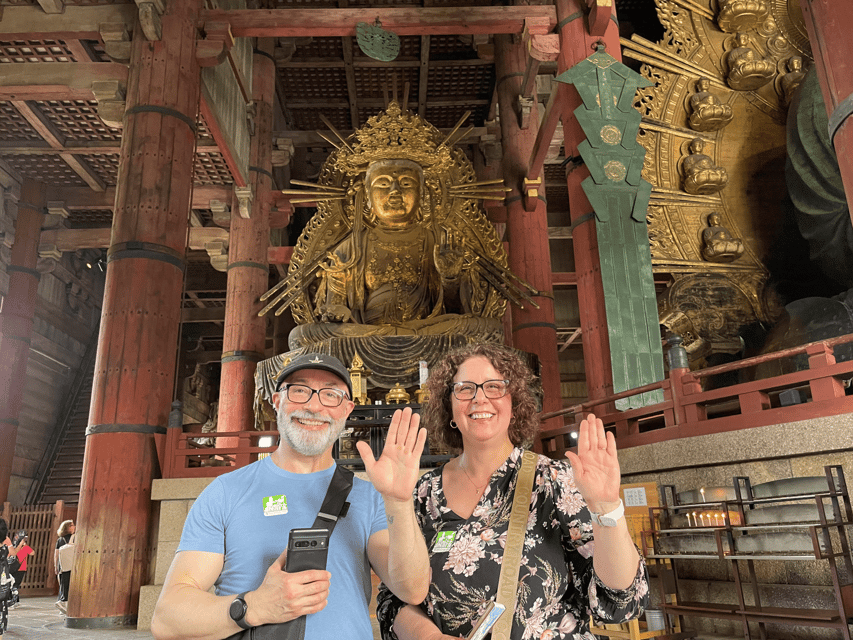
After Byōdoin, you head to Uji area, famous as home of matcha. You get a long block here, about 70 minutes, with free time and the tea-making session.
Uji is where the day changes tone. Nara is temples and deer. Uji is craft, flavor, and the quiet pride that comes with a local specialty.
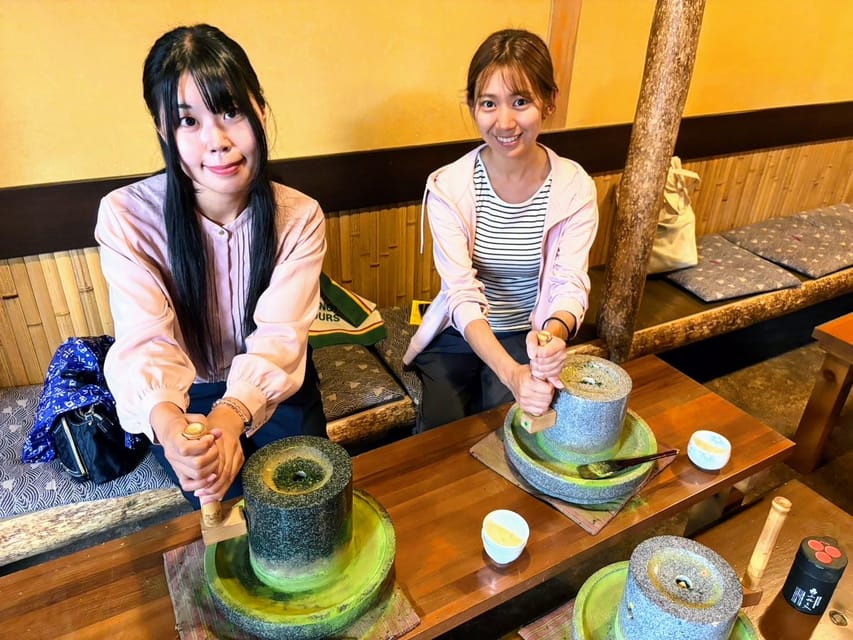
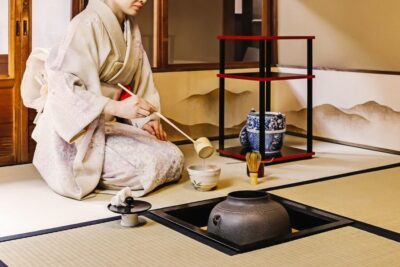
The tour includes making matcha from scratch. Matcha is powder made from finely ground green tea leaves. In Japan it is used for tea ceremonies, and it is also used in sweets and cooking. During the workshop, you will learn the basics of how matcha is prepared, and you get to taste what you made. That hands-on part is why this stop feels more than just sightseeing.
Practical detail: you will have small shops and restaurants nearby, so your free time can double as shopping time. This is where you can buy souvenirs and matcha products directly from the area rather than settling for whatever you find later.
If you are a tea lover, this is the payoff. If you are not, you might still leave with the kind of curiosity that makes your next cup different.
Shopping Around Uji: How to Spend Your Time Without Overbuying
Uji gives you a real chance to shop because there are many small shops and attractions near the matcha experience area. You might find matcha sweets, tea accessories, and packaged tea to take home.
Here is the move I like: decide what you want before you start browsing. Is your goal edible gifts? Or tea you actually drink? If you only have one or two souvenirs budgeted, focus on matcha you can use and store easily.
Some guides also help people find specific tea shops during the free shopping period, like pointing guests toward a particular store such as Tsuen. That kind of local guidance can save you time, especially in a compact area where you do not want to walk in circles.
And since matcha can be a flavor commitment, I suggest tasting-friendly choices first, then upgrading if the taste clicks.
Guide Support and Audio Headsets: How Your Understanding Gets Better Fast
You travel with a professional English-speaking guide. That guide handles the pacing and explains what you are looking at, which is where group tours can either feel great or annoying. Here, the emphasis is on making the day understandable and not just a list of places.
You also get audio headsets with multilingual support in English, plus Spanish, French, Italian, German, Portuguese, and Ukrainian. That means even if you miss part of the live explanation, you can catch it from the audio track.
A pattern in the experience is that guides often bring extra value beyond the facts. For example, some guides like At-chan, Mai, Nanami, and Yuta are known for clear storytelling, plus interactive moments like basic Japanese word tips and number practice during bus rides. That sort of training makes the whole day feel less like watching and more like learning.
If you are the type who wants culture context, the guide style matters. And based on the high rating, the guides here generally balance information with a friendly pace.
Transport Comfort and Timing: Why the Coach Day Works for Busy Schedules
The big practical reason people like day-trip coaching is predictability. You start at Kyoto Station area, your admission stops are included, and you have a structured timeline that wraps back to the same meeting point area.
You are also on an air-conditioned coach with free Wi-Fi, plus an antibacterial coating and regular ventilation. That is useful if you get carsick easily or you simply want a calm place to reset between walks.
Timing wise, this is a full day but not a never-ending marathon. You visit the core sites, spend enough time at each to feel satisfied, and then spend the later part in Uji, which is more relaxed and shopping-friendly.
Still, be honest with yourself. There is walking. There are hills and stairs. If you are managing mobility limits, this tour is not suitable for wheelchair users or people with mobility impairments.
Value and Price: Is $122 Worth It?
At $122 per person, you are paying for a day that bundles transport, guided context, two major UNESCO site admissions, and the matcha workshop fee. You are also getting bus comfort with free Wi-Fi and skipping ticket line time at at least some admissions.
That pricing makes the most sense if:
- you want to see Nara and Uji without planning the logistics yourself
- you care about explanations, not just photos
- you value the matcha workshop as a real activity, not just a stop
If your travel style is independent and you like building your own routes step by step, you might spend less by going solo. But you also take on the time cost and stress of transit scheduling and ticketing.
For most people doing Kyoto for the first time, this price feels like a practical trade: you pay to reduce decision fatigue and gain structure.
Who This Tour Fits Best (and Who Should Skip It)
This tour fits you if you want a classic Nara and tea-country pairing in one day, with professional guidance and real experiences. It is also a good option if you like the idea of deer in Nara Park but want the experience framed properly, with guidance on how feeding works and when to be careful.
It is not ideal if you:
- need wheelchair-accessible routes (this is not suitable for wheelchair users)
- want minimal walking or low stair exposure
- prefer to avoid early starts
Should You Book This Nara and Uji Tour?
If you want a day in Kyoto that mixes big heritage sights with something hands-on, I think this is a strong choice. You get Tōdai-ji’s scale, deer park moments in Nara, Kasuga Taisha’s lantern atmosphere, and then Uji matcha craft that turns the day from sightseeing into participation.
Book it if matcha is a priority and you want the route handled for you. Skip it if you are mobility-limited or you dislike walking hills and stairs.
If you do book, wear shoes you can trust, bring water, and treat the deer feeding with respect and caution. That is how you make the cute parts stay cute, and the day stays fun.
FAQ
Where do I meet for the tour?
Meet in front of Tully’s Coffee, Kyoto Avanti Store. Check-in is at 7:50 AM and departure is at 8:00 AM. Look for the green and white Japan Panoramic Tours flag.
Is lunch included?
A Japanese lunch is included only if you select the lunch option. Lunch time on the schedule is about 50 minutes.
What is included in the tour price?
Included items are a professional English-speaking tour guide, air-conditioned coach transport with free Wi-Fi, admission fees for Tōdai-ji and Byōdoin, the matcha experience fee in Uji, and audio headsets for multiple languages.
Do I need to buy admission tickets for Tōdai-ji and Byōdoin?
Admission fees for Tōdai-ji and Byōdoin are included, and the tour also includes skipping the ticket line for admission.
How many languages are available through audio headsets?
Audio headsets are available in Spanish, French, Italian, German, Portuguese, and Ukrainian in addition to the live English guide.
Is this tour suitable for wheelchair users or limited mobility?
No. The tour is not suitable for people with mobility impairments or wheelchair users, and it involves walking up stairs and hills.
Fresh options around Kyoto
- Kyoto Aquarium Admission Ticket★ 4.7 · 12 reviews
- Kyoto Gion Photoshoot – Private Session | Pro Photographer★ 5.0 · 12 reviews
- Gyoza Cooking Class in Kyoto: Traditional Japanese Dumplings★ 5.0 · 12 reviews
- Kyoto: Guided Food Tour with 12 Dishes & 3 Drinks★ 5.0 · 12 reviews
- Kyoto: Avoid the Crowds at the Hidden Gems of Arashiyama★ 4.9 · 13 reviews
- Kyoto Early Bird English Tour: Gion & Higashiyama(Private opt)★ 5.0 · 13 reviews
- Otsu-e Folk Art Workshop & Local Culture Walk Near Kyoto★ 5.0 · 13 reviews
- Kyoto, Osaka, Nara Full Day tour by Car English speaking Driver★ 3.5 · 13 reviews
Tea Ceremonies in Kyoto, compared.
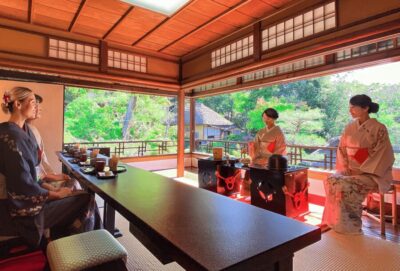
Tea Ceremony in a Traditional Tea House in Kiyomizu
Read our review →
Arashiyama Bamboo Forest, Monkeys, Matcha & Temple Tour
Read our review →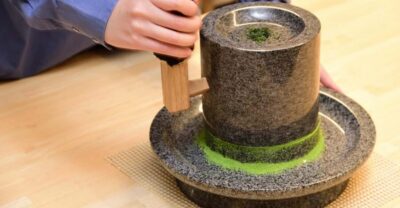
Tea Museum Tickets and Matcha Grinding Experience
Read our review →
Browse the lists this tour appears in