Reviewed · TICKETS
Kyoto: Hop-on Hop-off Sightseeing Bus Ticket
Kyoto can feel spread out fast, this bus keeps you flexible. I like that you can hop on and off at major stops using a mobile voucher, so you set your own pace. It is also a smart way to connect neighborhoods to big sights without wrestling with transit transfers.
Two things I really like: the open-top double-decker gives you panoramic views while you travel, and the ride includes pre-recorded audio in seven languages. The main drawback to plan for is the open-air sun, plus limited shelter during busy, bright hours, even though raincoats are provided when weather turns wet.
Key points before you ride
- Hop-on, hop-off freedom with a mobile voucher, so you can change plans on the fly.
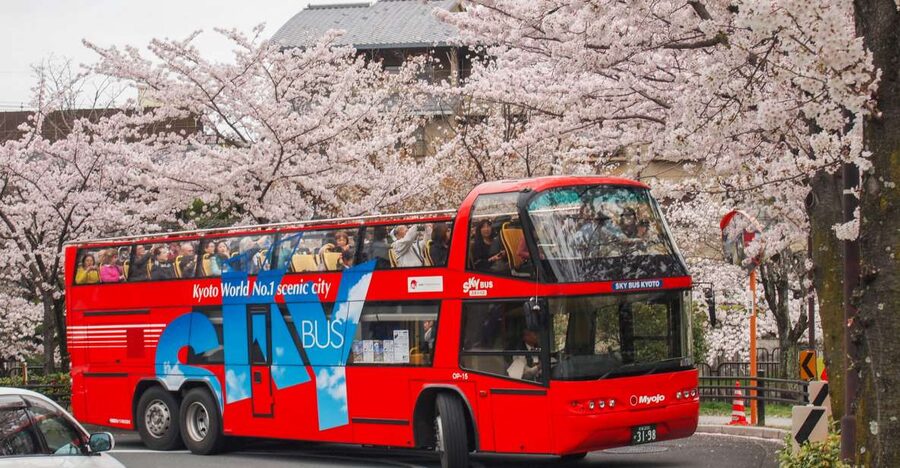
- Panoramic open-top views from the double-decker bus for quick sightlines as you move around Kyoto.
- Audio commentary in 7 languages to give context as landmarks roll by.
- Unlimited rides during your 1- or 2-day ticket, which is great if you like stopping longer.
- Stops built around big Kyoto names, including UNESCO sites like Nijo Castle, Kinkakuji, and Kiyomizu-Dera.
- Rules to know up front, like no umbrellas on board and no selfie sticks.
Why a hop-on hop-off bus makes sense in Kyoto
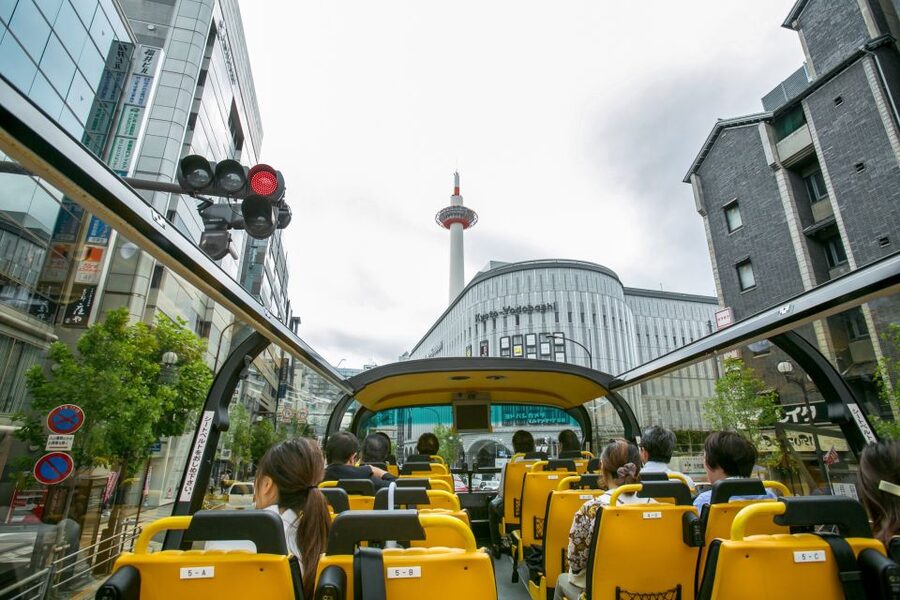
Kyoto rewards slow wandering, but the city also punishes wasted time. Temples and historic districts are not all clustered in one compact area, so a transportation plan that lets you move efficiently, then explore on foot, is a real quality-of-life upgrade.
This style of hop-on hop-off works especially well in Kyoto because it lets you treat the bus like a map you can ride. You get a pass that links neighborhoods and landmarks, and you can decide later which stops deserve your full attention. Even if you only have a day, you can still do the classic circuit and leave with a clear sense of where you want to return.
One extra perk: the UNESCO-heavy route means you see more of Kyoto’s headline sights without trying to design a perfect itinerary from scratch. If you want a low-stress overview first, this is an easy way to get your bearings fast.
A few more Kyoto days worth comparing
- PERFECT KYOTO 1-Day Bus Tour
★ 5.0 · 13,518 reviews - Kyoto: Fushimi Inari, Kinkakuji, Bamboo Grove 1 Day Bus Tour
★ 4.8 · 4,316 reviews - Kyoto: Tea Ceremony in a Traditional Tea House in Kiyomizu
★ 4.9 · 3,519 reviews
Price and ticket choices: 1-day vs 2-day value
The ticket is $27 per person and comes in 1-day or 2-day options. The real value is not only the sightseeing, it is that you buy transportation between far-flung stops and get audio guidance at the same time.
Here is how to choose:
- If you have a tight schedule, the 1-day ticket can work as a highlights run. You will likely hop off, walk around, then hop back on to keep momentum.
- If you like breathing room, the 2-day ticket is the better deal. You can do one day to sample areas, then the second day to linger where you enjoyed the vibe most.
The bus includes unlimited rides for the duration of the ticket’s validity, so you are not paying for one “loop” only. That matters, because Kyoto sightseeing often turns into time spent in lines, time spent drifting, and time spent noticing one more detail you did not expect.
Getting started at Kyoto Station without stress
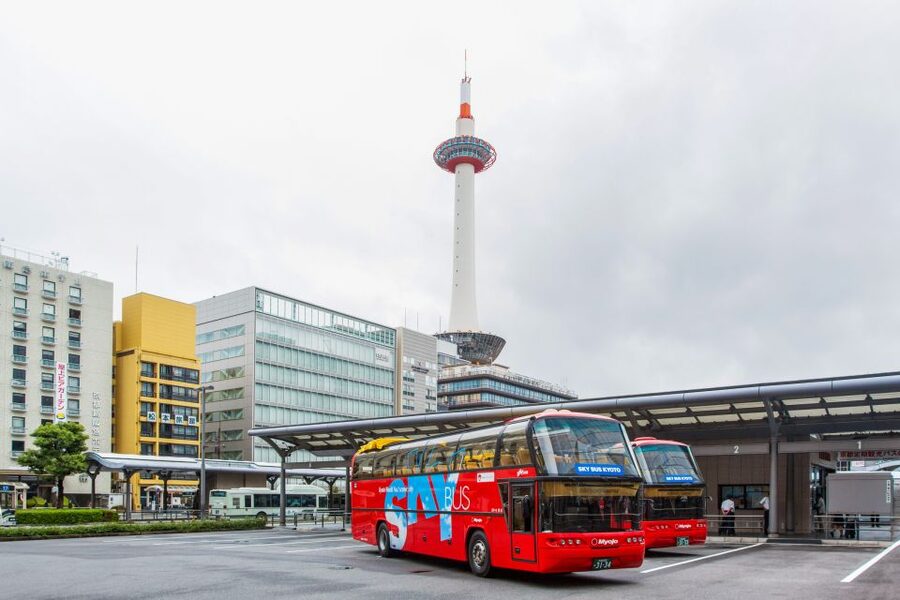
Your first stop is at Kyoto Station. The guidance given is straightforward: take the north central exit of Kyoto Station, and find the sightseeing bus stop directly in front of the Isetan department store.
What I like about this setup is that Kyoto Station is a central anchor point for many visitors. Even if you are staying elsewhere, it is a reliable place to start from. You also can board at any stop on the route, as long as you have the mobile voucher ready.
Think of it like this: Kyoto Station is your reset button. If you accidentally burn time in one neighborhood, you can get back on the bus and rejoin the route instead of improvising with complicated routes.
Riding details that affect your comfort (sun, rain, and rules)
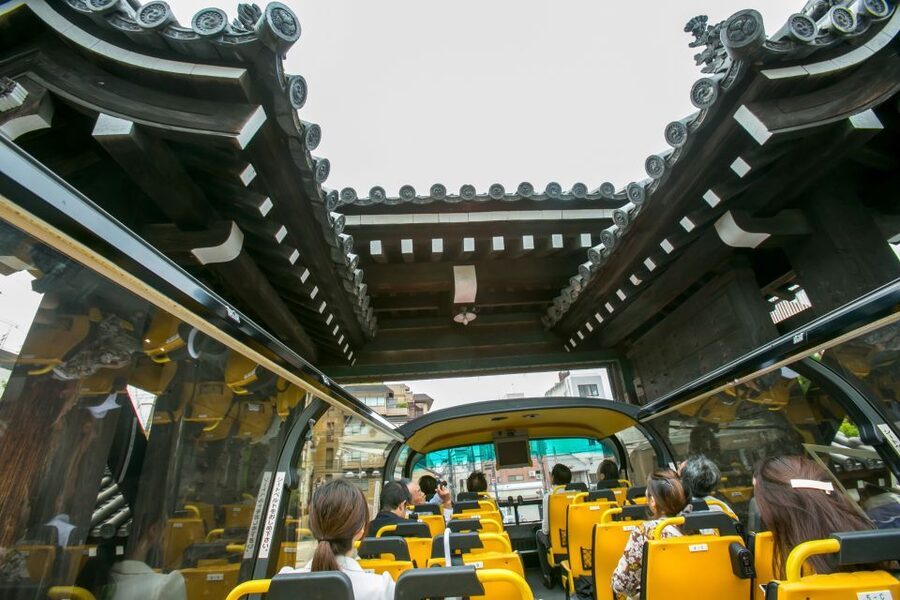
This bus is an open-top double-decker, and that changes the whole feel of the day. You get great views, but you are also out in the sun more than you might expect. If you tan easily or wear hats, bring a hat. If you are heat-sensitive, plan shorter temple stops during peak sun, then return to the bus for transit breaks.
Weather is handled, but not in a magical way. The important notes you should know:
- The bus may not operate in severe weather such as typhoons or thunderstorms.
- Raincoats are provided in wet weather.
On board, there are also clear restrictions. You cannot bring things like:
- Selfie sticks
- Umbrellas
- Food in the vehicle
- Alcoholic drinks in the vehicle
- Smoking in the vehicle
You can bring soft drinks with lids (including plastic bottles and coffee). This is the kind of rule set that feels strict until you realize it keeps the bus clean and safe, especially in crowded periods.
One more logistics note: Wi-Fi is listed as temporarily suspended. So enjoy the audio and the views, not the internet.
Same corner of Japan, a different kind of day:
- Kyoto Geisha Walking Tour: Gion District & Hidden Gems
★ 4.7 · 3,273 reviews - Kyoto: Tea Ceremony Ju-An at Jotokuji Temple
★ 4.9 · 3,207 reviews - Kyoto: Gion Magical Night Walking Tour with Geisha Trivia
★ 4.9 · 2,393 reviews - Kyoto: 45-Minute Tea Ceremony Lesson Experience
★ 4.3 · 2,378 reviews
The route in plain language: what each stop is really for
The stops cover a classic spread of Kyoto: palace, gardens, major temples, historic districts, and museum areas. You can hop off for a walk, then hop back on when you want to move again. Here is what each stop is good for, plus the practical catch for each area.
Kyoto Station
This is the easiest starting point and also a convenient place to return to. It is ideal if you want to begin early, beat some crowds, or simply reposition after shopping or exploring nearby streets.
Practical tip: treat Kyoto Station as a “home base,” especially on your first day.
Nishihonganji (Kyoto Tokyu Hotel)
This stop is useful because it plugs you into a very walkable area with access to temples and the kind of Kyoto-street atmosphere many visitors want. If you are the type who likes to pair a landmark with a stroll, this is one of those stops that can turn into “one more street” time.
Shijo Karasuma / Nishiki-ichiba Market
This is a natural pairing of transit and food. Nishiki Market is the kind of place where you can snack your way through and still keep moving. Even if you do not eat a lot, the shopping streets around Shijo Karasuma are a good reset after temple-heavy mornings.
Catch to plan for: markets can be crowded, so go with a patience mindset and expect slower walking.
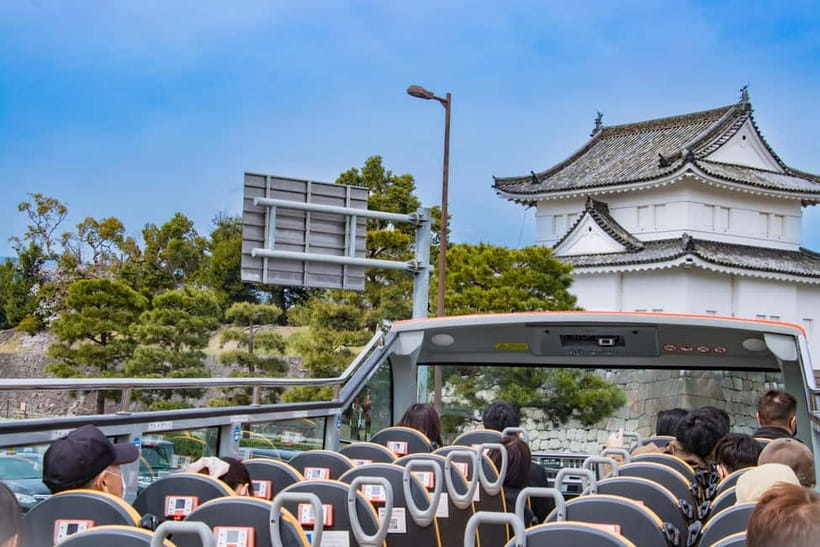
Nijo-jo Castle
This is a UNESCO World Heritage site on the route, which is exactly why it belongs here. If you want one structured historic stop, this is a strong candidate.
What to expect on timing: you may spend more time inside than you think, because castle grounds give you both architecture and walkway time. If you are on a tight schedule, use this stop as your “anchor” and keep other stops lighter.
Kitano-tenmangu Shrine / Kamishichiken
This pairing is great if you like Kyoto’s traditional neighborhoods. It is also a nice switch in scenery from the big spectacle temples. The area is a good place to wander slowly, look for small details, and take photos without the same feel as the most heavily marketed stops.
Kinkakuji Temple (Golden Pavilion)
Kinkakuji is the UNESCO World Heritage highlight most people already have on their list. It is also one of those places where you may see a lot of visitors at the same time.
One practical heads-up from real-world experience: Kinkakuji only accepts cash, and there is no ATM on site. So if you are planning entrance fees, do not wait until you arrive to figure out money.
Daitokuji Temple
This stop can be a calm breather if you have been jumping between the most famous sites. It is the kind of temple stop that fits well with visitors who want quieter moments, not only the headline sights.
Because the bus stops close to the areas you want to reach, you can choose how long to stay depending on your energy.
Kyoto Imperial Palace (Doshisha University)
This is a good stop if you want something that feels more official and ceremonial than the classic street-temple vibe. It is also a useful connector stop, because it sits along the route between other “big names.”
If you like a mix of sights, this is where you can balance temple time with palace-area time.
Ginkakuji Temple (Silver Pavilion)
Another UNESCO-linked Kyoto classic. This stop is ideal if you want a different mood than Kinkakuji. You will likely feel the difference in atmosphere more than you can describe from the bus.
Photo reality check: the bus ride can give you quick impressions, but for full views, you will need to walk the grounds.
Heian-jingu Shrine / Okazaki Park
This is a strong choice if you like pairing a shrine with space to wander. Okazaki Park adds that feeling of open area around your stop, which makes it easier to take breaks between major sights.
If you are using the bus to pace yourself, this can be your “slower hour.”
Gion (Kotowa-Kyoto Yasaka)
Gion is one of the neighborhoods people plan around, and this bus stop makes it easy to reach without complicated transit. It is a great way to see Kyoto in a more lived-in, street-level context.
Catch to plan for: this area can be busy. Keep your expectations realistic, and use your time to wander the smaller nearby streets rather than trying to do everything at once.
Gojozaka (Kiyomizu-Dera Temple / Gion)
This stop is a practical bridge into the Kiyomizu-Dera area. The name on the route basically tells you it is meant to serve the Kiyomizu-Dera access zone and connect you back toward Gion.
If Kiyomizu is your priority, this is one of the stops where you want to manage your time carefully. You will probably want extra minutes for walking and viewpoint hunting.
Sanjusangendo / Kyoto National Museum (Hyatt Regency Kyoto)
This is a museum-and-temple stop combination, which makes it great for mixed-interest days. If your day includes temple time and you still want a culture break, this stop fits well.
Practical advantage: you can match your stop length to the mood of the day, and you are not forced into only one kind of attraction.
Timing tips: how to use your 1 or 2 days like a pro
The simplest way to get the most out of this bus is to treat Day 1 as scouting. One approach that works well in Kyoto is:
- Do a longer ride through the main stops to pick the 2 to 4 places you actually want to spend time on.
- On Day 2, focus on those stops first, then fill in the rest depending on energy and weather.
A real-world timing note you can plan around: people have reported that a full circle can be around 45 minutes, depending on traffic and the day. That gives you a mental framework. If you hop off and wander, you can still come back without feeling like the bus is abandoning you.
Also, remember the open-top nature. If you know you are going to sweat in the sun, you might prefer earlier morning rides or later afternoon rides, then keep midday temple walks shorter.
Audio commentary: what it does well, and what it does not
The audio guide is included and offered in English, French, Japanese, Korean, Chinese, Spanish, and German. This is a genuine value add because it turns the bus from a simple transport tool into an orientation tool.
Here is the key expectation to set: it gives an overview. So you get context and location hints, but you should not rely on it to replace deep research or a guided tour once you are on temple grounds.
One nit people have pointed out is that the narration can cut off as the bus approaches stops and may switch between route announcements. That does not make the audio useless, it just means you should use it as a guide to where you are, not a substitute for reading or doing a separate temple explanation.
Weather and crowd reality: how to stay comfortable
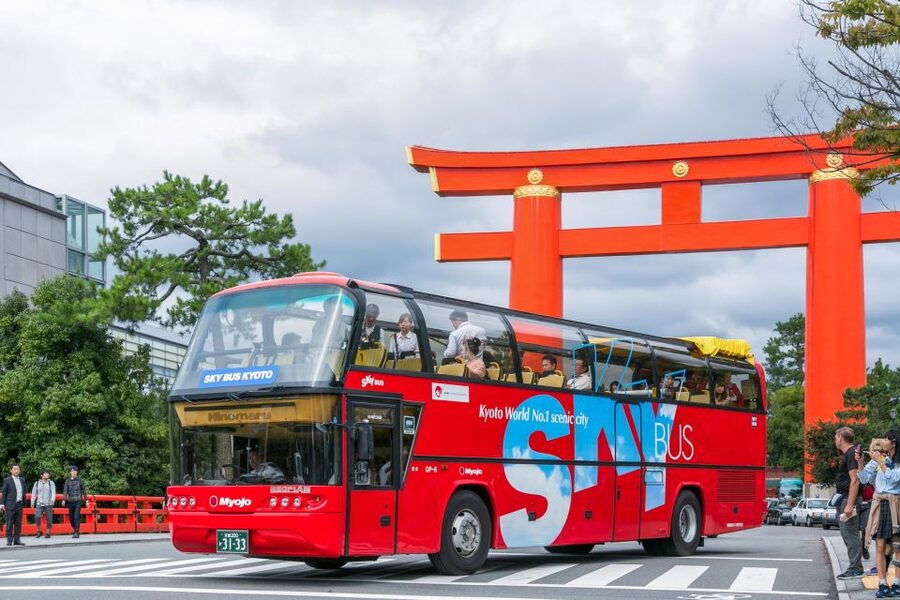
Kyoto can swing quickly between sunny and rainy, and the route can be affected by severe weather. In normal conditions, you get raincoats when needed. In heavy rain or storms, service may be paused.
For crowds, the practical move is to be flexible with your stop duration. When a stop is popular, you can still enjoy it, but you might need more time than your ideal plan. The bus helps because you can move on when you want a calmer moment.
Also, expect that not every view is photo-perfect from the bus. Some attractions are visible only once you walk closer, so treat the ride as orientation and transit, not as a moving gallery.
Who should book this bus (and who should look elsewhere)
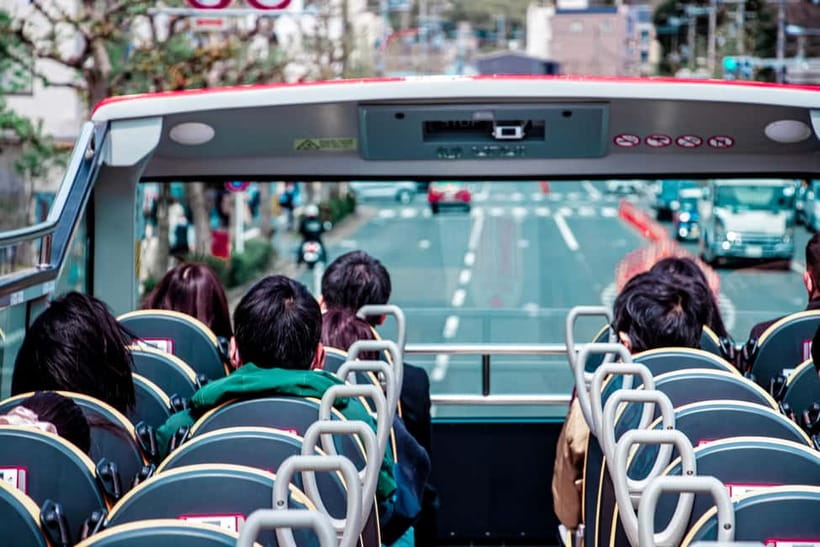
This hop-on hop-off experience is a strong fit if:
- You are in Kyoto for a short stay and want to cover major sights efficiently.
- You prefer flexibility over a rigid guided tour schedule.
- You want an easy way to connect UNESCO highlights like Nijo Castle, Kinkakuji, and Kiyomizu-Dera to surrounding neighborhoods.
- You like open-top city views and straightforward audio guidance.
It might be less ideal if you are looking for a deep, hour-by-hour cultural lecture. The audio is helpful, but it is not meant to replace on-site explanations or specialist tours.
Staff, on-time driving, and the little service details
A big part of the value is how smoothly the ride runs. Reviews praising the staff consistently mention friendly drivers and attendants, and specific guide names such as Lauren, Casey, Miyuki, and Frederick. That kind of support matters in Kyoto because you need to know which side of the route fits your interests and how to move from stop to stop efficiently.
Service also shows up in the smaller things:
- The bus system feels organized, with staff helping people get oriented at stops.
- Vehicles are generally treated as clean and comfortable, including options like rain-covered areas on the top deck.
If you travel during very busy windows, do not assume the bus will magically beat crowds. But you can at least expect it to help you keep momentum.
My decision checklist: should you book it?
I would book this Kyoto hop-on hop-off bus if you want a practical way to see the major highlights without turning your trip into a spreadsheet. The combination of unlimited rides for 1 to 2 days, 7-language audio, and stops built around big names like Nijo-jo and Kinkakuji is solid value for the price.
I would think twice if:
- You hate sun and cannot manage outdoor time on an open-top bus, even with raincoats when it is wet.
- You need detailed historical interpretation, not just an overview.
- You are counting on card-only payments. Plan for cash at Kinkakuji.
If you want a quick, efficient Kyoto orientation day, then a second day to slow down, this is one of the easiest tickets to build around.
FAQ
How long is the Kyoto hop-on hop-off bus ticket valid?
You can choose a 1-day or 2-day ticket, and the bus is valid for unlimited rides during your selected time period.
Where is the first bus stop?
The first stop is at Kyoto Station, found at the north central exit, with the bus stop directly in front of the Isetan department store.
Can I board the bus at stops other than Kyoto Station?
Yes. You can board at any of the available stops on the route by showing your mobile voucher.
What attractions does the route cover?
The bus passes major Kyoto sights, including UNESCO World Heritage sites such as Nijo Castle, Kinkakuji (Golden Pavilion), and Kiyomizu-Dera Temple.
Is audio commentary included, and what languages are available?
Yes. Audio commentary is included in English, French, Japanese, Korean, Chinese, Spanish, and German.
Is Wi-Fi available on board?
Wi-Fi is listed as temporarily suspended.
Will the bus run in bad weather?
The buses may not operate in severe weather such as typhoons or thunderstorms. Raincoats are provided in wet weather.
What items are not allowed on the bus?
The ticket rules state no smoking, selfie sticks, food, umbrellas, or alcoholic drinks on board.
Can I bring drinks onto the bus?
You can bring soft drinks with lids (such as plastic bottles and coffee).
Do children need tickets?
Children aged 0 to 5 do not need a ticket if they sit on an adult passenger’s lap (with 1 child per passenger with ticket).
Are entrance fees included for the temples and attractions?
No. Entrance fees are not included.
Fresh options around Kyoto
- Kyoto Aquarium Admission Ticket★ 4.7 · 12 reviews
- Kyoto Gion Photoshoot – Private Session | Pro Photographer★ 5.0 · 12 reviews
- Gyoza Cooking Class in Kyoto: Traditional Japanese Dumplings★ 5.0 · 12 reviews
- Kyoto: Guided Food Tour with 12 Dishes & 3 Drinks★ 5.0 · 12 reviews
- Kyoto: Avoid the Crowds at the Hidden Gems of Arashiyama★ 4.9 · 13 reviews
- Kyoto Early Bird English Tour: Gion & Higashiyama(Private opt)★ 5.0 · 13 reviews
- Otsu-e Folk Art Workshop & Local Culture Walk Near Kyoto★ 5.0 · 13 reviews
- Kyoto, Osaka, Nara Full Day tour by Car English speaking Driver★ 3.5 · 13 reviews
Tickets, compared.

teamLab Planets TOKYO Digital Art Museum Entry Ticket
Read our review →

Japanese Dance Cabaret Theater Asakusa-Kaguwa Ticket
Read our review →