
Reviewed · DESSERT TOURS
Japanese Traditional Sweets ”Nerikiri” making
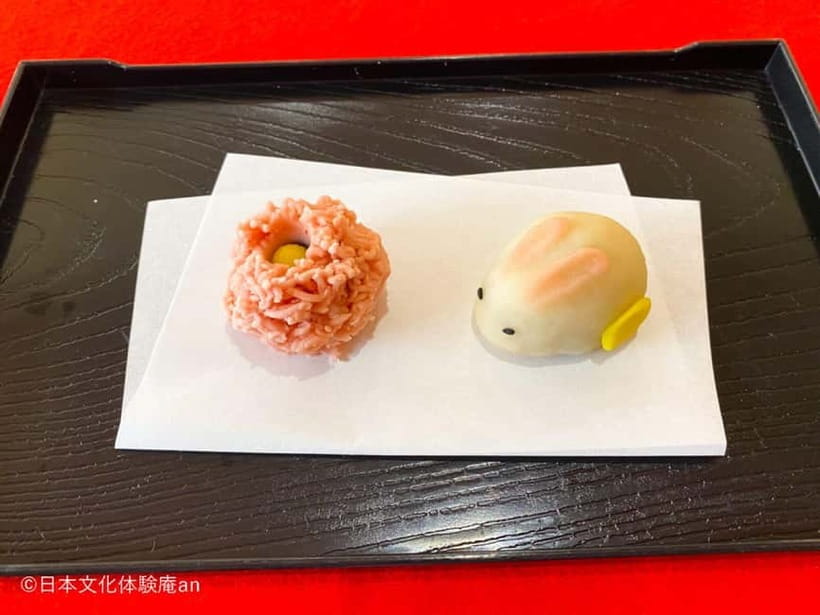
A flower of sweets takes shape in your hands. I especially like the use of Kyoto bean paste from long-established shops, plus the fact you make two seasonal Nerikiri and eat what you make during the session. It feels like doing something genuinely Japanese, without it turning into a long, stressful lesson.
One thing to consider up front: there is no elevator, so you will need stairs to reach the venues. If you are fine with steps, the rest is straightforward, short, and creative.
Key Points You Will Notice
Two seasonal sweets, made by you (a flower-shaped Nerikiri plus a Kinton Nerikiri)
Ingredient quality matters with white and red bean paste from Kyoto’s long-established shops
You eat on the spot, so the workshop ends with a reward, not just photos
Short 65 minutes, including a photo moment and time to enjoy your sweets
Easy entry for many ages and skill levels, because the process is hands-on and guided
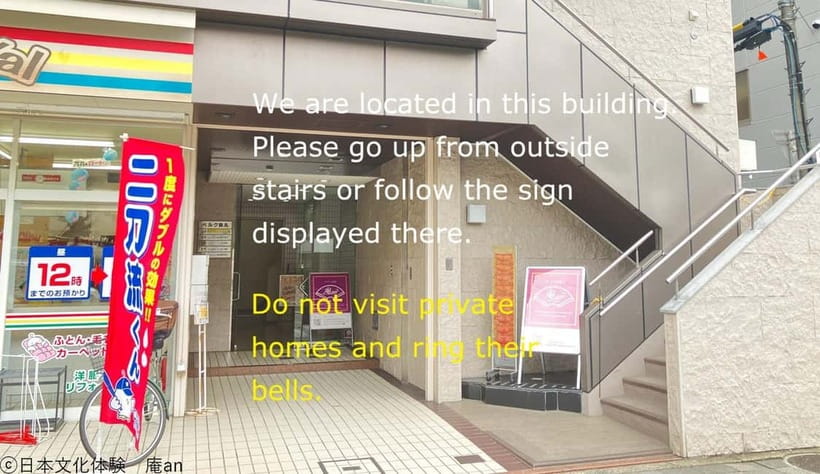
Near Gojo Station, just a minute from Exit 1 of the Karasuma Line, facing Gojo-dori
Nerikiri Making in Kyoto: What You’re Really Signing Up For
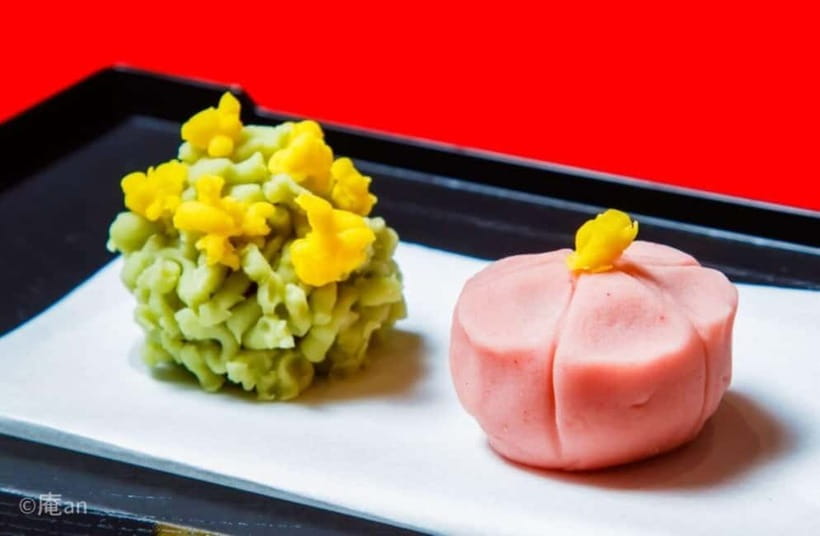
This is a hands-on workshop focused on Japanese traditional sweets called Nerikiri. You are not just watching from the sidelines. You get to shape and finish two sweets that match the season, then eat them right there.
The vibe is practical and creative. You get a guided flow, you get real ingredients, and you get a final plate that looks like it took more time than it actually did. The result is the kind of activity that feels special, even if you have zero food-art background.
If you like small, skill-building activities on a travel day, this fits well. It is short enough to slot into a normal sightseeing schedule, but structured enough that you should not feel lost.
A few more Kyoto days worth comparing
- PERFECT KYOTO 1-Day Bus Tour
★ 5.0 · 13,518 reviews - Kyoto: Fushimi Inari, Kinkakuji, Bamboo Grove 1 Day Bus Tour
★ 4.8 · 4,316 reviews - Kyoto: Tea Ceremony in a Traditional Tea House in Kiyomizu
★ 4.9 · 3,519 reviews
Kyoto Bean Paste, Real Ingredients, and Why It Changes the Experience
A big part of why this workshop feels worthwhile is the ingredient story. You use white and red bean paste produced by Kyoto’s long-established shops. That matters more than it sounds.
When sweets depend on paste texture, flavor, and consistency, the raw materials can make or break the experience. Using paste sourced from established makers usually means your finished sweets taste and feel more like the real thing, not like a generic imitation.
It also helps you appreciate what you are doing. When the base ingredient is good, your shaping and finishing steps actually show up in the final result. You are not working blind with mystery goo.
The 65-Minute Flow From Start to Finish
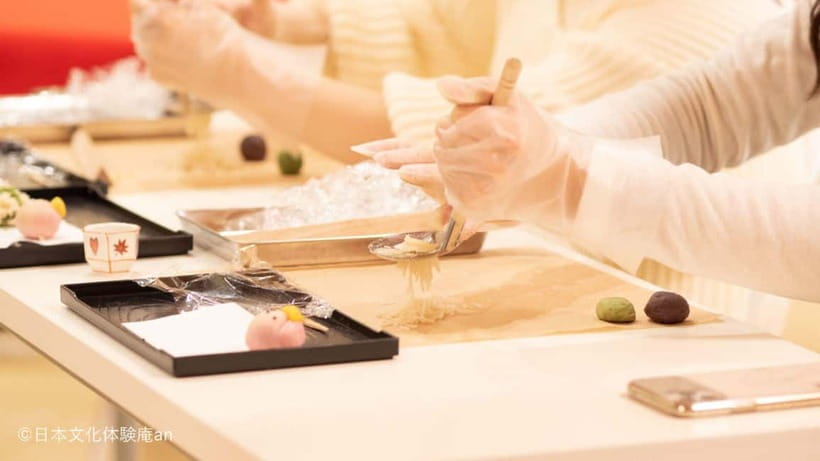
The session runs for 65 minutes total. Plan for a calm arrival, because the workshop will not be held to accommodate delays. This is one of those activities where being early is not just polite, it protects your whole experience.
Here is the timing you can expect:
- Start with an explanation of Japanese traditional sweets
- Then you make a flower-shaped Nerikiri
- After that, you make a Kinton Nerikiri
- There is a picture time around the 55-minute mark
- Then you eat the sweets, finishing by 65 minutes
This pacing is smart. You get explanation first, then hands-on work while your confidence is building. The photo moment is timed right after you finish, so you can document the results while they are still fresh and beautifully presented.
Step 1: Flower-Shaped Nerikiri, Where Most People Feel the Magic
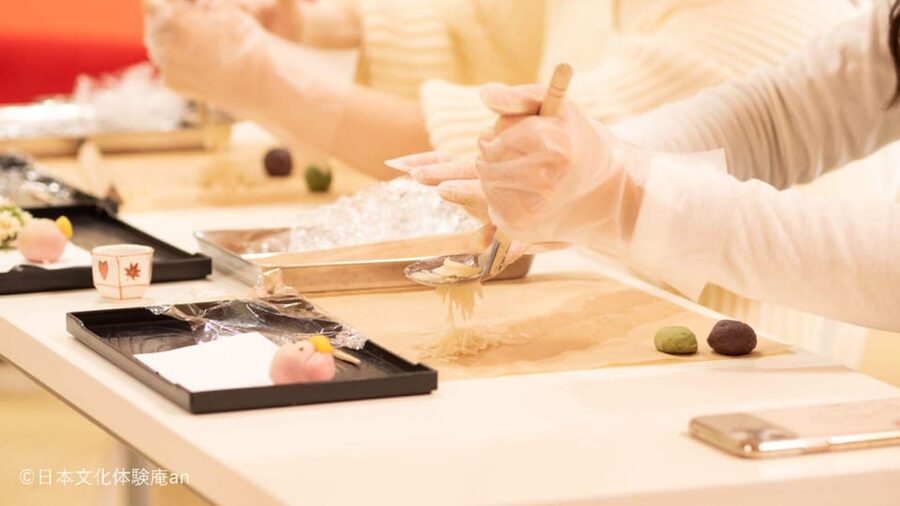
The first practical part is making the flower-shaped Nerikiri. This is typically where the workshop clicks for most people, because it is visual and doable.
You get instruction, you work with the bean paste you brought into the session, and you shape until the piece looks like the intended design. Even if your first attempt is a little uneven, you are still learning a process: press, shape, and refine until it reads as the form you are aiming for.
What I like about this step is that it trains your eye. You start paying attention to edges, surface finish, and how the shape holds together. That makes the second sweet easier, since you already understand what the paste is doing under your hands.
Same corner of Japan, a different kind of day:
- Kyoto Geisha Walking Tour: Gion District & Hidden Gems
★ 4.7 · 3,273 reviews - Kyoto: Tea Ceremony Ju-An at Jotokuji Temple
★ 4.9 · 3,207 reviews - Kyoto: Gion Magical Night Walking Tour with Geisha Trivia
★ 4.9 · 2,393 reviews - Kyoto: 45-Minute Tea Ceremony Lesson Experience
★ 4.3 · 2,378 reviews
Step 2: Kinton Nerikiri, Your Second Chance to Level Up
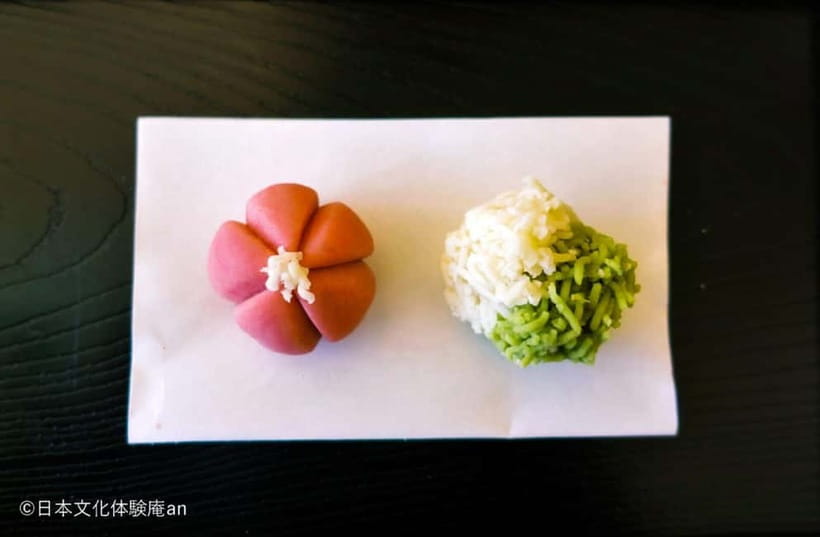
Next comes the Kinton Nerikiri making. This second sweet is the one that often feels different, simply because you are switching gears from your first technique and looking at another seasonal style.
You get the same core workshop structure: guided making, your hands doing the work, and time to finish and present the finished sweets. The best part is that you are not just making one item. You end up with two different designs, so the experience feels richer and you have a bigger payoff when you eat them.
If you are the type who worries about messing up, this is good news. Two sweets means even if the first one takes a little longer, you still get to land the plane on the second one.
Eating What You Make, The Part That Makes It Worth Doing
The workshop is not only about creating. You also get to eat the sweets on the spot. That is a huge value point, because it turns the activity into an actual tasting experience, not just a craft project.
Eating your own Nerikiri gives you instant feedback. You understand how the paste tastes, how the finished texture sits in your mouth, and how the shaping may affect what you notice later. It also makes the session feel complete, since you do not need to pack anything to enjoy the results.
If you add matcha later, that is optional, not required. There is an extra charge for tatedashi matcha, 500 JPY, if you want the classic pairing feeling.
Price and Value: What $11 Buys You (and What Costs Extra)
The price is listed at $11 per person for a 65-minute session. For that, you get the set of Nerikiri making experience, meaning the workshop itself and the process of making the two sweets.
This is one of those situations where the extras do not look mandatory. You can leave with exactly what you made, eat it there, and be done.
If you want additional options, they are add-ons:
- Take-out box: 100 JPY
- Experience completion certificate: 300 JPY
- Tatedashi matcha: 500 JPY
I like how these extras are clearly optional. The core value is in making two seasonal sweets with real ingredients and enjoying them immediately.
Language Support and Teaching Style: You Will Still Manage
The workshop is conducted in Japanese. English translation is provided as much as possible, and you can contact them if you would like to add translation support.
In practice, this kind of workshop format usually relies on clear visual instruction and step-by-step guidance. Even if your Japanese is limited, you should be able to follow along by watching hands and matching shapes.
One practical tip: treat the class like a craft lesson, not a lecture. Ask for clarification early if you need it, and focus on doing the next step rather than trying to memorize every detail for later replication.
That also leads to a fair consideration. If your goal is to recreate the exact process at home from scratch, you might find yourself leaving with inspiration more than a full do-it-all recipe. The teaching is designed for making the sweets in the room, not for producing a home kitchen manual.
Where to Meet in Kyoto: Gojo Station, One-Minute Walk, Gojo-dori Facing Entrance
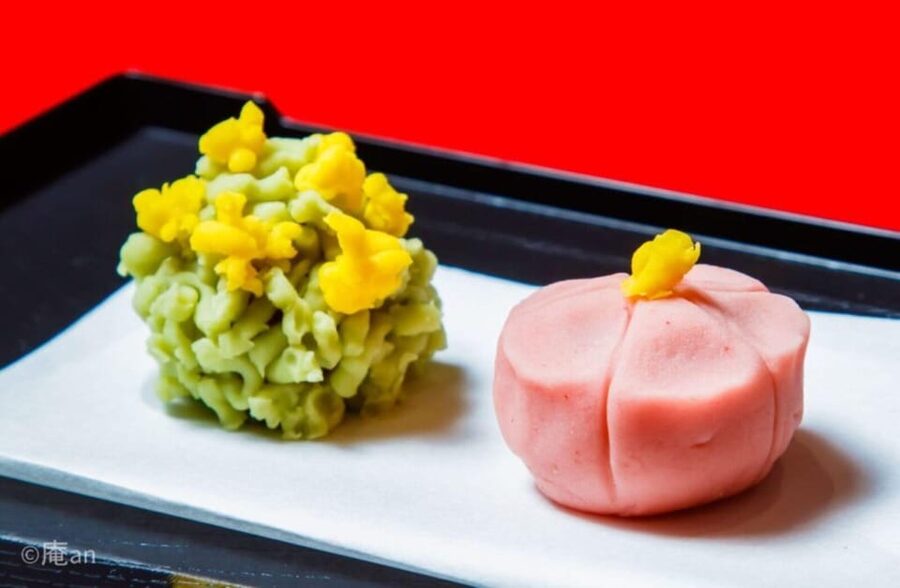
You meet about one minute walk from Exit 1 of the Subway Karasuma Line Gojo Station. The store entrance faces the main street, Gojo-dori.
This is helpful if you are already using the subway a lot. You can plan to drop in between neighborhoods without burning time hunting a side street.
If you have a phone map, save the coordinates ahead of time so you are not walking circles. The location is roughly 34.99641932143154, 135.76180263178597.
Also note a rule that matters for timing and entry: those who do not participate are not allowed to enter. So if you are arriving with a friend who is not joining, they should wait nearby instead of expecting to hang out inside.
Who This Workshop Suits Best
This works well for:
- People who want a short, hands-on Kyoto activity instead of another museum stop
- Food lovers who like the idea of eating what they make
- Visitors who want something calmer and more relaxing for part of the day
- Travelers with different skill levels, because the making is guided and approachable
It is also a good family option, since children who sit on their parents’ laps are free of charge if they are under 2 years old. For older kids, it tends to be an engaging activity because the output is visual and rewarding.
Keep the stairs in mind. The venue is wheelchair accessible, but there is no elevator, and you will need to take stairs to reach each venue. If stairs are a problem, you should plan around that before booking.
Should You Book This Nerikiri Making Experience?
Book it if you want a fast Kyoto activity that results in two seasonal sweets you can actually eat, plus ingredient quality that feels authentic. The workshop structure is simple, the pace is human, and the best moment comes at the end, when you sit down with what you made.
Skip it or think twice if you strongly need detailed instructions for recreating the exact technique later at home. Also consider the stairs if you are navigating mobility limits, since you will be using steps inside the building.
If you are looking for value, this is hard to beat for the time: make, photo, eat, all in about an hour.
FAQ
How long is the Nerikiri making experience?
The experience lasts 65 minutes, with picture time at around 55 minutes and time to eat the sweets before you depart.
What will I make during the workshop?
You will make two Japanese traditional sweets called Nerikiri, matched to the season. The session includes a flower-shaped Nerikiri and a Kinton Nerikiri.
What is included in the price?
The price includes the set of the Nerikiri making experience (the workshop itself). Optional items like a take-out box, matcha, and a completion certificate cost extra.
Are there extra costs for take-out, a certificate, or matcha?
Yes. A take-out box costs 100 JPY, an experience completion certificate costs 300 JPY, and tatedashi matcha costs 500 JPY.
Where is the meeting point near Gojo Station?
You meet about a one-minute walk from Exit 1 of the Subway Karasuma Line Gojo Station. The store entrance faces Gojo-dori.
Can I cancel for a full refund?
Yes. Free cancellation is available if you cancel up to 24 hours in advance for a full refund.
Fresh options around Kyoto
- Uji: Private immersion into Kyoto’s tea and reglious culture★ 5.0 · 17 reviews
- Kyoto Full Day (8 hours) Ultimate Sightseeing Private Tour★ 4.5 · 17 reviews
- Kyoto Guided Walking Tour: Secret Zen Garden and Fushimi Inari★ 5.0 · 17 reviews
- Kyoto/Nara/Osaka: Highlights Custom Tour with Hotel Pickup★ 4.0 · 17 reviews
- Explore Hidden Alleyway with a Local Expert (Afternoon Tour)★ 5.0 · 17 reviews
- Inside of Fushimi Inari – exploring and lunch with locals★ 4.5 · 17 reviews
- Authentic Maiko Experience&Kyoto Dinner (Free drink) at Noh Stage★ 5.0 · 17 reviews
- Taste of Nishiki Market Walking Food Tour with Local guide★ 5.0 · 17 reviews
Dessert Tours, compared.

Matcha Making Class in Tokyo with Authentic Japanese Sweets Set
Read our review →
Matcha Making Class in Osaka with Authentic Japanese Sweets Set
Read our review →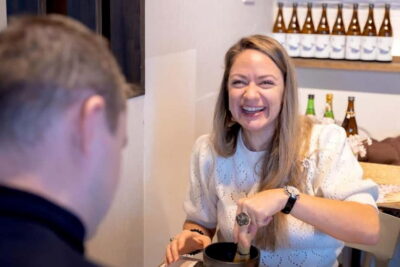
Matcha Making Experience with Mochi Sweets in Asakusa
Read our review →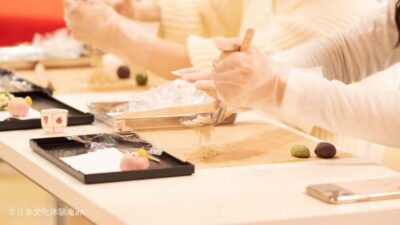
Japanese Traditional Sweets Making and Tea Ceremony
Read our review →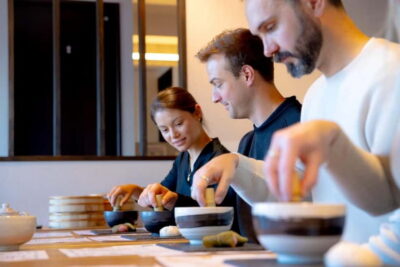
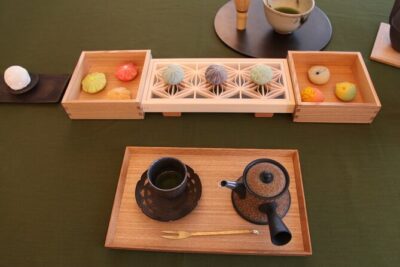
Make Traditional Nerikiri Sweets & Matcha experience in Shibuya
Read our review →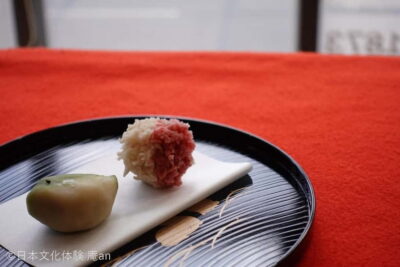
Japanese Traditional Sweets Making and Tea Ceremony
Read our review →
Private Mochi Sweets Making class near Shibuya area
Read our review →Browse the lists this tour appears in