
Reviewed · MIYAJIMA TOURS
Hiroshima & Miyajima: UNESCO A-Bomb Dome & Itsukushima
Hiroshima becomes human fast on this private day. Japanese local guides, including second-generation atomic bomb survivor families, shape the meaning behind the A-Bomb Dome and the quiet beauty of Itsukushima Shrine on Miyajima. It is history you can feel, not just read.
I love that this is truly private, so the pace bends to tides and your questions, not a rigid group flow. I also love the way the guides handle the details, including photo timing and scenic stops that make the day easier on your feet and your focus.
The tradeoff is simple: some transit costs are on you, and the schedule can shift a bit depending on where you start and tide conditions, so go in with a flexible plan and comfortable shoes.
Key things that make this tour worth your time
- Second-generation survivor family perspective: family memory brings context and restraint to the sites you will visit.
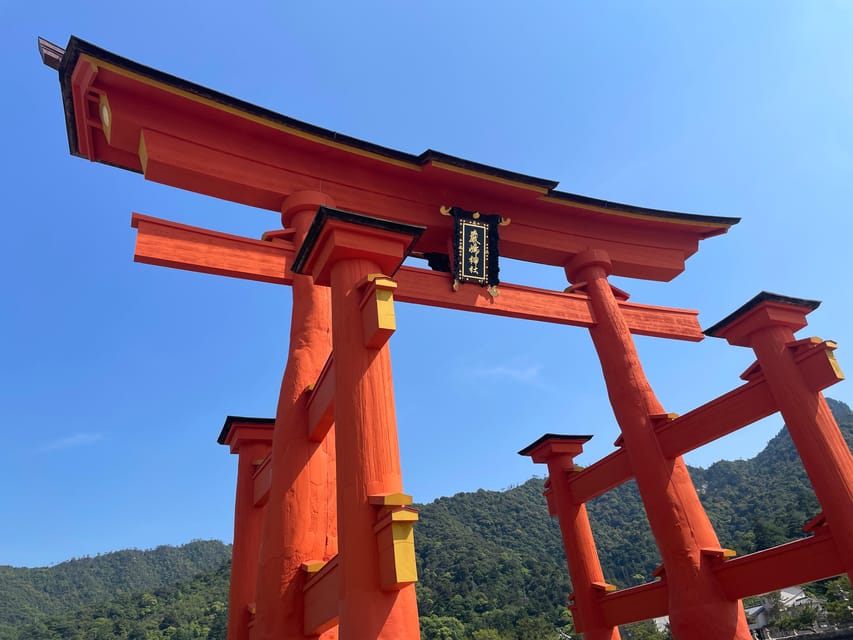
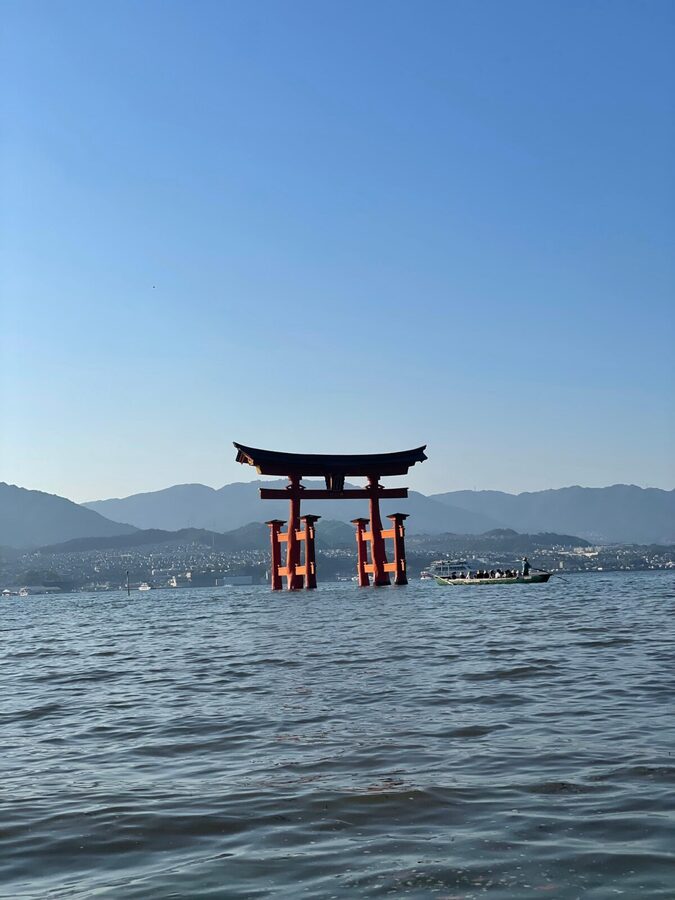
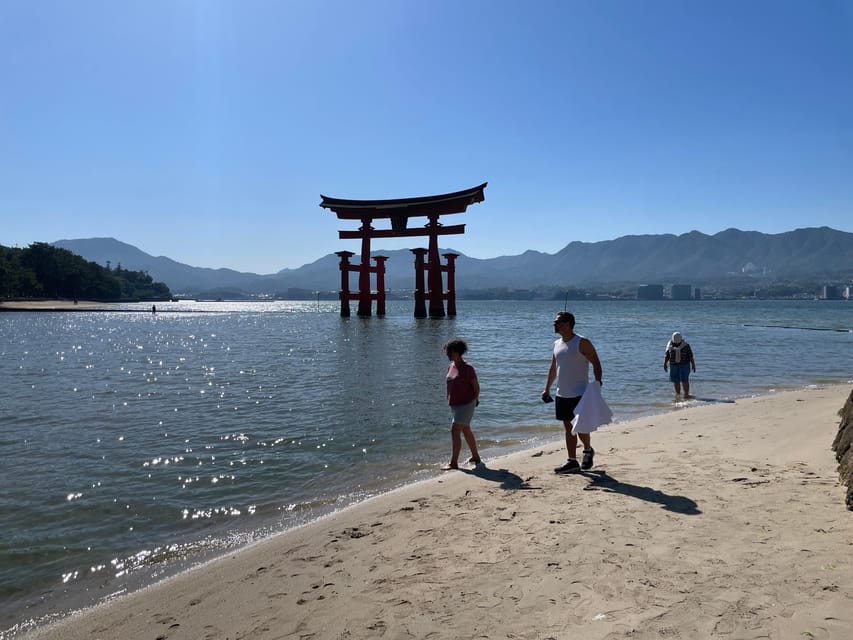
- Miyajima first for the floating Torii timing: the plan works with tide to help you catch the iconic view.
- Itsukushima Shrine plus multiple Miyajima sacred stops: shrine, Daishoin, Senjokaku, and quiet moments for your own reflection.
- Peace Memorial Park and Museum with guided framing: you get historical facts plus personal stories passed through Hiroshima families.
- Photo help and photo data after: your guide points out good angles and you receive the results.
- Private pacing with real flexibility: if you want Hiroshima Castle or an extra pause, the day can adjust.
A private Hiroshima and Miyajima day, guided by family memory
This is the kind of tour that changes how you look at a place. You are not bouncing through a checklist. You are moving through two UNESCO worlds, Miyajima’s sacred traditions and Hiroshima’s memorial landscape, with people who have lived beside both.
What I like most is the human layer. Guides like Masa (Masayo Kobayashi) and Yuka often bring stories that connect the public sites to what families carried at home. That shows up in the tone of the day, especially around August 6, 1945, where the guide does not treat the moment like a set of facts.
The tour is also practical. It is built around public transit plus ferries and short tram segments, so you are not stuck figuring out routes while you are processing big emotions. And because it is private, you can ask for what you care about, then get the rest without feeling rushed.
More Miyajima tours:
- Peaceful Hiroshima & Miyajima UNESCO 1 Day Bus Tour
★ 5.0 · 5,309 reviews - Hiroshima: Hiroshima and Miyajima UNESCO Sites 1-Day Tour
★ 4.9 · 2,330 reviews - Hiroshima / Miyajima Full-day Private Tour with Government Licensed Guide
★ 5.0 · 1,298 reviews
Miyajima first: floating Torii timing and Itsukushima Shrine calm
I like that the day starts on Miyajima Island, because it sets the tone before Hiroshima turns heavy. You take a train for about 40 minutes, then a ferry for around 15 minutes, and suddenly the pace feels different. Even before you reach the shrine, you are seeing how Miyajima treats time, with calm and space for noticing.
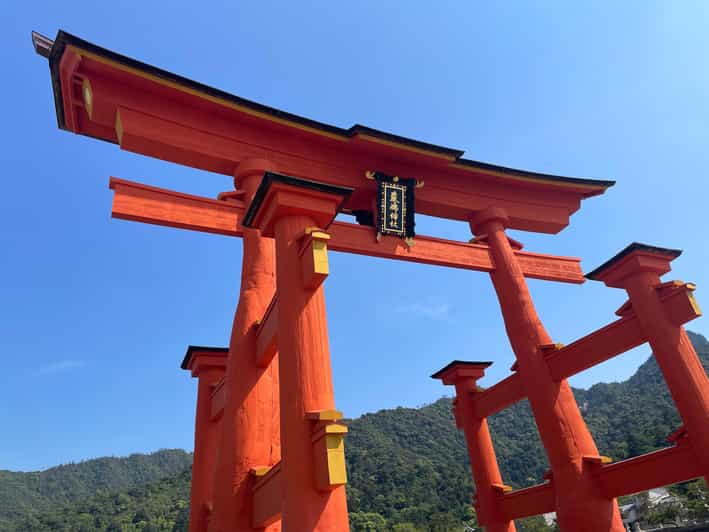
The first big target is the Itsukushima Floating Torii Gate. Your guide will plan a photo stop with tide timing in mind, and that is important here, because the famous floating look depends on water level. If you care about photos, this is one of those “do it right” moments, and it is easier with a guide than trying to guess the tides yourself.
From there you head to Itsukushima Shrine. Expect a guided visit plus free time for your own walking and views. You also get a scenic stretch on the way, which helps you slow down instead of rushing straight into sightseeing mode.
A small but meaningful detail: if your priorities include calm and symbolism, Miyajima gives it to you. If your priorities include fast stops and constant movement, it still works, but you will get better results by leaning into the island’s unhurried rhythm.
Daishoin, Senjokaku, and deer-filled temple time
Miyajima is famous for the main shrine view, but the tour makes sure you see more than one postcard. After the shrine, you visit Daisho-in, a major temple site on the island. Your guide handles the meaning, so you are not just looking at buildings. You learn how traditions and symbolism show up in layout and atmosphere, and you also get time for photos and a deeper pause (around 30 minutes of guided time plus photo stops).
Then comes Senjokaku Pavilion, with another short photo stop and guided explanation. This is one of those places where it helps to know what you are seeing, because the scale and purpose can feel abstract without context.
And yes, you will likely deal with the island’s famous deer. The tour experience balances that chaos with timing and guidance, so you are not just dodging animals while trying to read shrine signs. If you plan your photos carefully and stay aware in crowded approach lanes, you will get great shots without turning the day into stress-management.
One practical note: the itinerary can shift with tides and your departure situation. Your guide will decide whether to walk or use public transportation at key points during the day, and that matters most when you want comfort without losing the sights you came for.
Omotesandō shopping street breaks, lunch, and a workshop-style pause
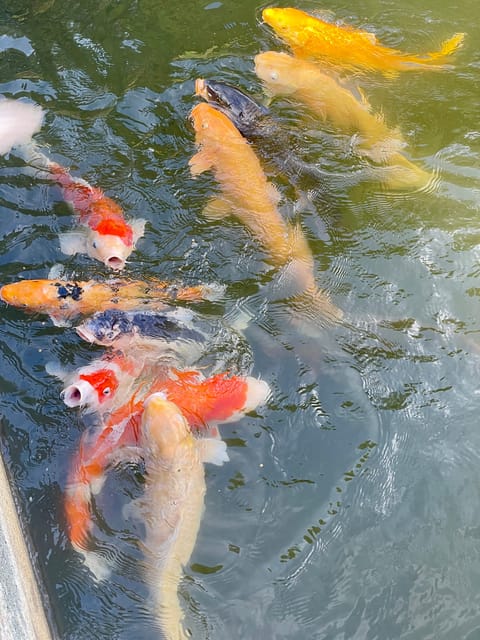
Between the sacred stops, the tour builds in breathing room on Miyajima Omotesandō Shopping Street. You get time for a workshop-style activity (about 30 minutes). The exact activity is not spelled out in your tour details, but the point is clear: you get a structured cultural pause without needing to research anything in advance.
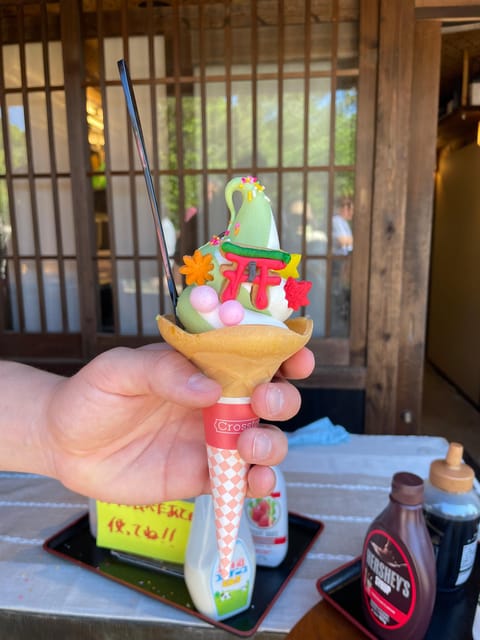
Then you move into lunch and browsing time. This section is flexible, letting you shop and snack at your pace. If you want local flavor, you are in the right area. You can find things like momiji manju, and the guides typically know where to get tasty Hiroshima or Miyajima foods without sending you on a scavenger hunt.
Lunch is set aside for about 1.5 hours, which is a sweet spot. You can eat well and still keep energy for Hiroshima’s memorial sites later, when you will want your brain clear even if your heart is heavy.
This is also where the tour’s private nature helps. If you have dietary needs or you want more time for shopping, your guide can adjust so you are not stuck following a group’s pace. Just keep in mind that drinks and food are not included in the base price, so budget for your meals on your own.
A few more Hiroshima days worth comparing
- Hiroshima Historical Walking Tour – Why A-Bomb was Dropped
★ 4.8 · 893 reviews - Hiroshima Peace (Heiwa) Walking Tour at World Heritage Sites
★ 5.0 · 872 reviews - Hiroshima in a Nutshell: Morning Bike Adventure
★ 5.0 · 524 reviews - Hiroshima City 4hr Private Walking Tour with Licensed Guide
★ 5.0 · 437 reviews
Back in Hiroshima: Shukkeien Garden and Hiroshima Castle for a steadier mood
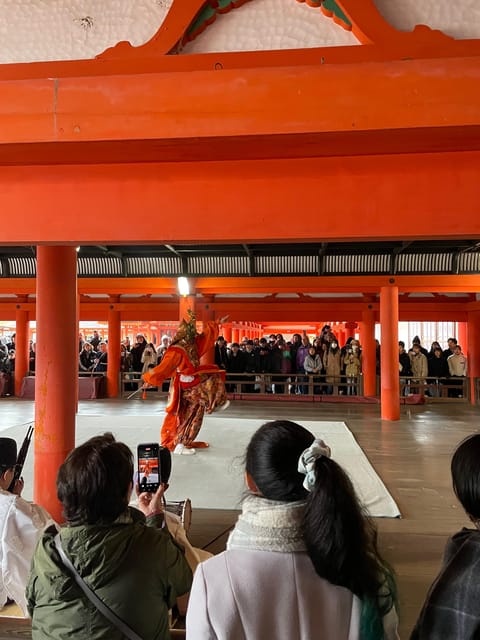
After Miyajima, the day returns to Hiroshima with a mix of transport and scenery. You take the ferry back (around 15 minutes), then use a tram segment (about 45 minutes) as you head through the city.
A highlight here is Shukkeien Garden, with guided time and entry included. Your guide brings context so you are not only admiring greenery. You learn how the garden is meant to be read like a designed landscape, and you get about 30 minutes for photos and walking.
Next is Hiroshima Castle. You get a photo stop plus guided time (around 15 minutes). This part works as a psychological breather. After Miyajima and before the memorial core, the castle stop helps you reset, so the transition to the A-bomb sites does not feel like a sudden drop.
What you should know: the tour uses public transportation unless you ask for a taxi option. Even if you have a transit pass, you might still cover a few segments yourself, since transportation fees are not included. The upside is that local routing keeps the day moving without turning it into long waits.
A-Bomb Dome, Hypocenter, and Peace Memorial Park and Museum
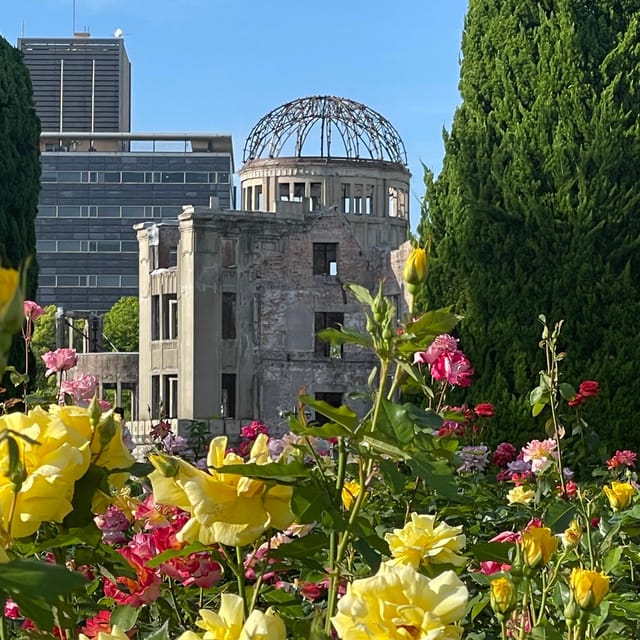
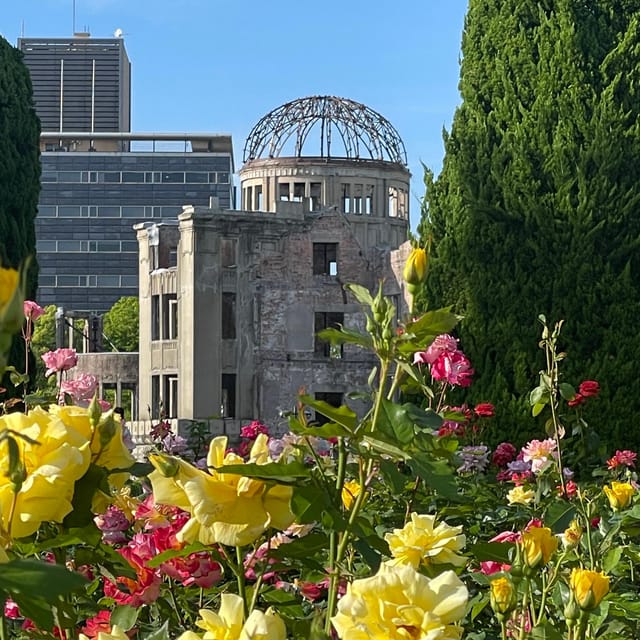
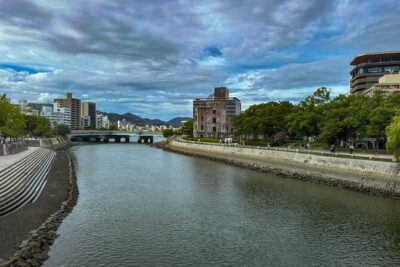
This is the section that most people remember for the rest of their trip. You visit the Atomic Bomb Dome with a photo stop and guided time (about 15 minutes). Seeing the building in person is one thing. Understanding how families experienced the aftermath is another, and that is where the guide’s personal stories matter.
Then you head to the Hypocenter, with a photo stop and short guided time (about 10 minutes). The goal here is clarity. Your guide helps you connect the memorial geography to the timeline and the human impact.
From there, you enter Hiroshima Peace Memorial Park. You get guided time (about 30 minutes) plus stops at key markers like the Children’s Peace Monument. These are not just symbolic stops. Your guide frames them so you understand why they exist and what they ask of visitors.
Finally, you visit the Peace Memorial Museum (about 1 hour). Entry tickets are included, and the tour includes skip-the-ticket-line convenience. The museum can be emotionally intense, so I suggest treating the guided narration as a way to prepare, not as a reason to rush through. If you want quiet time after the guide’s explanation, ask for it.
Important timing note: the Peace Memorial Museum is closed Feb. 16 to Feb. 21 due to renewal, so plan around your travel dates.
Price and logistics that keep the day smooth
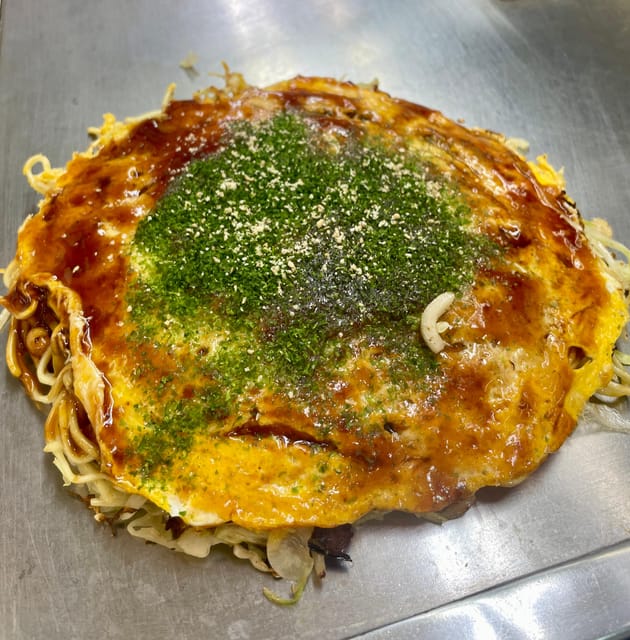
At $177 per person for a 7-hour private experience, the value comes from what is included and what would otherwise cost you extra effort. You are paying for a live guide, private pacing, entry tickets for the Peace Memorial Museum and Shukkeien Garden, pickup on foot, and guided photo help with photo data delivered after.
A big part of the value is also the way the guide manages transitions between two very different emotional settings. Miyajima calls for quiet observation. Hiroshima calls for careful attention. A good guide helps you do both without turning the day into frantic sightseeing.
Two logistics items matter most. First, transportation costs like taxis, trams, and buses are not included, and you are responsible for those fees. Second, the itinerary can adjust based on tides and departure situation, with the guide deciding between walking and public transit.
One more detail I appreciate: the tour can be done with public transportation or taxi if you want. If your group includes someone who needs less walking, talk about it early, and your guide will shape the day accordingly.
Not suitable for everyone: the tour information says it is not suitable for people with a cold, likely because of close contact during the day and the need to stay comfortable. If you are even mildly sick, consider rescheduling your visit.
Should you book this Hiroshima and Miyajima private tour?
Yes, if you want more than a sightseeing day. Book it if you care about context, if you want a human perspective on the A-bomb sites, and if you like having one reliable person handle trains, ferries, timing, and photo stops while you focus on the experience.
Skip it or compare with alternatives if you only want quick surface-level highlights. The Peace Memorial sites will slow you down no matter what. This tour is designed for reflection, and it is most satisfying when you are ready for that tone.
If you can handle some transit costs on your own, wear comfortable shoes, and keep your schedule flexible around tides, this is an easy pick for a meaningful Hiroshima and Miyajima day.
FAQ
What is the duration of the tour?
The tour runs for about 7 hours.
Where does the tour begin in Hiroshima?
Pickup is available on foot from multiple central Hiroshima locations listed for the tour, including major hotels and Hiroshima Station area options.
Is the tour private?
Yes. It is a fully private group experience with a live guide.
What language is the guide?
The live tour guide speaks English and Japanese.
How does the itinerary handle tides on Miyajima?
The plan may change depending on departure point and tides, and the guide decides whether walking or public transportation makes the most sense.
What sights are included in the day?
The tour includes Miyajima with Itsukushima Shrine and key temple stops, plus Hiroshima City’s Atomic Bomb Dome and Peace Memorial Park and Museum, along with Shukkeien Garden and Hiroshima Castle photo time.
Are tickets included?
Entry tickets to the Peace Memorial Museum and Shukkeien Garden are included.
What is not included in the price?
Transportation fees (taxi, tram, bus, etc.), visitor’s tax to Miyajima Island, drinks or food, and taxi costs from and to the cruise port are not included.
Is the Peace Memorial Museum open during my dates?
It is closed Feb. 16 to Feb. 21 due to renewal, so you should avoid those dates if you want to visit the museum.
Is the tour wheelchair accessible?
Yes. Wheelchairs are accessible, but you should let the provider know in advance if you have specific needs.
Fresh options around Hiroshima
- The Peace Memorial and Beyond: A Half-Day around Hiroshima★ 4.9 · 12 reviews
- Hiroshima Saijo Sake Tasting Tour with visit to 3 Breweries★ 5.0 · 12 reviews
- Private Hiroshima Calligraphy: Create Your Own Kanji Art Souvenir★ 5.0 · 12 reviews
- Hiroshima:Private lacquer workshop experience tour(gift included)★ 5.0 · 13 reviews
- Sunset Walking Tour at Peace Park, Hiroshima★ 5.0 · 13 reviews
- Kimono and Calligraphy Experience in Miyajima★ 5.0 · 16 reviews
- Hiroshima Peace Memorial Park: A Guided Tour★ 4.9 · 16 reviews
- History of Hiroshima: Small Group Night Walking Tour★ 4.8 · 17 reviews
Miyajima Tours, compared.
Peaceful Hiroshima & Miyajima UNESCO 1 Day Bus Tour
Read our review →
Hiroshima and Miyajima UNESCO Sites 1-Day Tour
Read our review →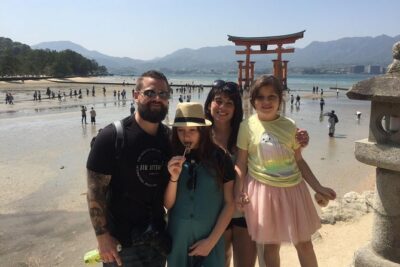
Hiroshima / Miyajima Full-day Private Tour with Government Licensed Guide
Read our review →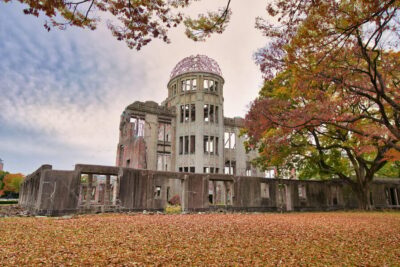
Osaka/Kyoto: Hiroshima Miyajima Bus Tour & Shinkansen Ticket
Read our review →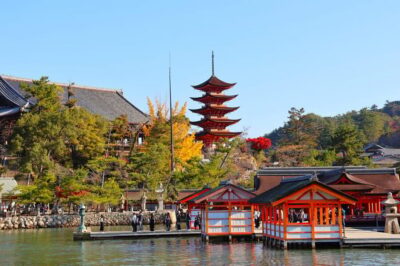
Hiroshima and Miyajima Day Trip with Itsukushima Shrine & Ferry
Read our review →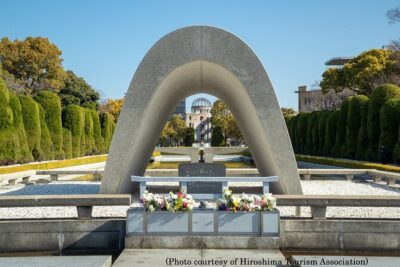
Full Day Hiroshima and Miyajima Bus Tour from Hiroshima
Read our review →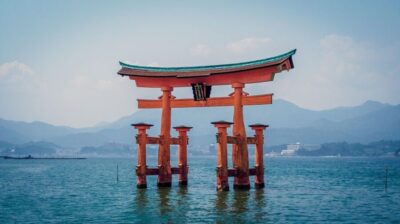
Miyajima Peace Memorial Icons of Peace and Beauty
Read our review →Browse the lists this tour appears in