
Reviewed · HISTORICAL TOURS
Hiroshima & Miyajima Island Private Tour: History & Culture
Hiroshima hits you fast, and this tour frames it with care. I love the human storytelling around Peace Memorial Park, and I also love that you get a real Miyajima day with Itsukushima Shrine plus time on Omotesando Street. One thing to consider is that this is a walking-focused itinerary, so comfortable shoes matter.
What makes it especially good is the private format. Guides such as Nabeel and Malek are praised for patient pacing and clear English, so you can move at your speed and still cover the big sights like the A-Bomb Dome and Itsukushima Shrine.
Key highlights at a glance
- Peace Park stories with local insight, designed to keep the visit respectful and meaningful
- A Miyajima day that feels like an island reset, with deer roaming nearby
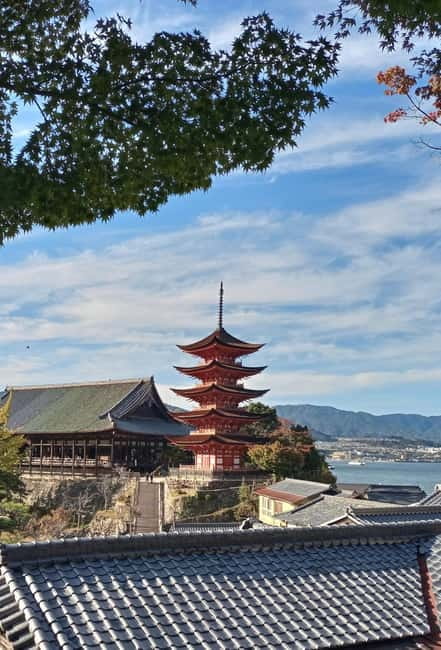
- Itsukushima Shrine and the iconic torii area, plus temple grounds at Daisho-in
- Food stops you can actually use, including fresh oysters, okonomiyaki, and momiji manju
- Private tour pacing, with guides adjusting timing for your group (teens to kids)
Private Hiroshima and Miyajima in 6 hours: what you gain
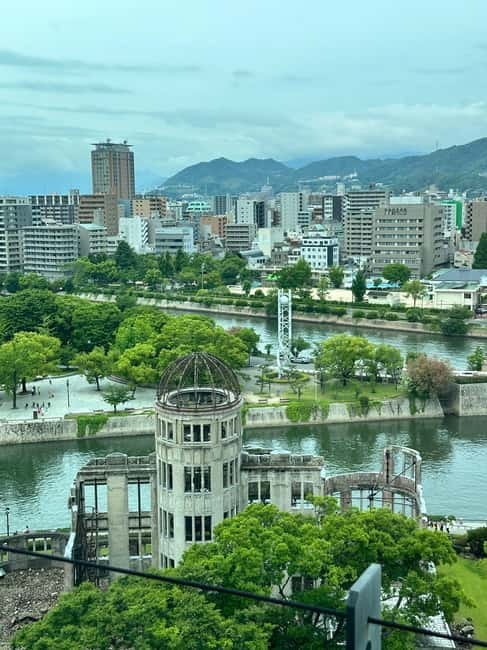
A day that covers Hiroshima and Miyajima can feel like a stampede if you’re on your own. This private tour is built to stop you from rushing, while still hitting the moments that matter: Peace Memorial Park, the Atomic Bomb Dome, and the UNESCO setting of Itsukushima Shrine.
The best part is the combination of places with very different moods. Hiroshima is about memory and witness. Miyajima is about atmosphere, nature, and that slightly surreal feeling of walking through an island world where deer casually share the path. Doing both in one half-day helps you understand the scale of the region, from tragic history to long recovery and daily life.
And yes, it’s also practical. You’re moving by train and ferry, and the itinerary is designed so you are not guessing transit times or ticket questions while you’re trying to take it all in.
More Miyajima tours:
- Peaceful Hiroshima & Miyajima UNESCO 1 Day Bus Tour
★ 5.0 · 5,309 reviews - Hiroshima: Hiroshima and Miyajima UNESCO Sites 1-Day Tour
★ 4.9 · 2,330 reviews - Hiroshima / Miyajima Full-day Private Tour with Government Licensed Guide
★ 5.0 · 1,298 reviews
Entering Peace Memorial Park: how the tour keeps it respectful
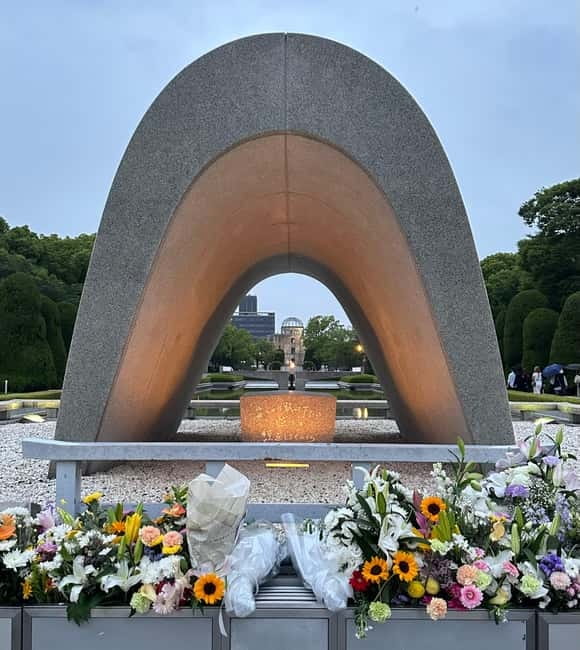
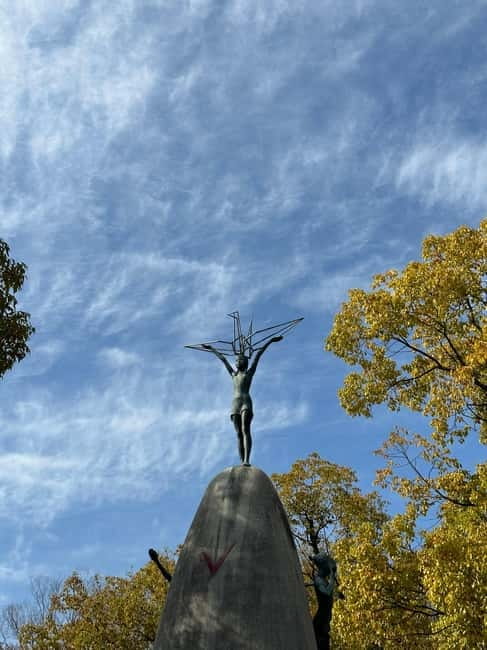
Peace Memorial Museum (40 minutes) and Peace Memorial Park (50 minutes) are the core of the day. The museum gives context, and the park gives you space to reflect in a quieter way. Even if you only have a short time there, the guided flow helps you avoid the most common problem: standing in the wrong place, reading nothing, and leaving with only vague impressions.
What I like about this approach is the tone. Guides such as Nabeel and Yasmin are described as giving explanations with sensitivity and respect. That matters because Hiroshima is not a normal sightseeing stop. If you’re watching the clock, you miss the point. A good guide slows your attention down and connects the details on the ground to the lived reality of people then.
A-Bomb Dome stop: short time, big weight
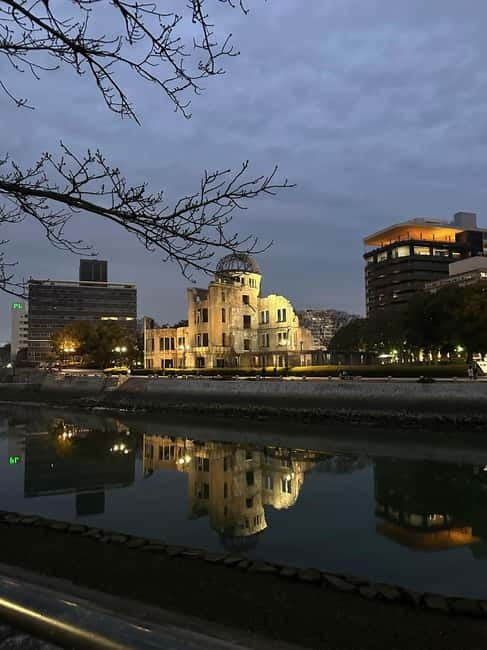
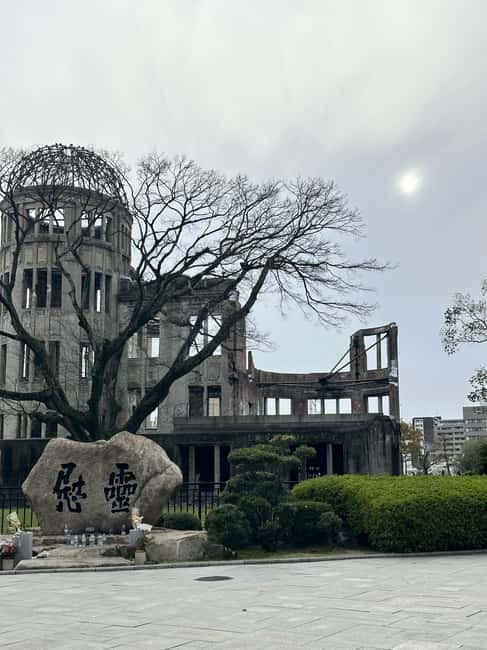
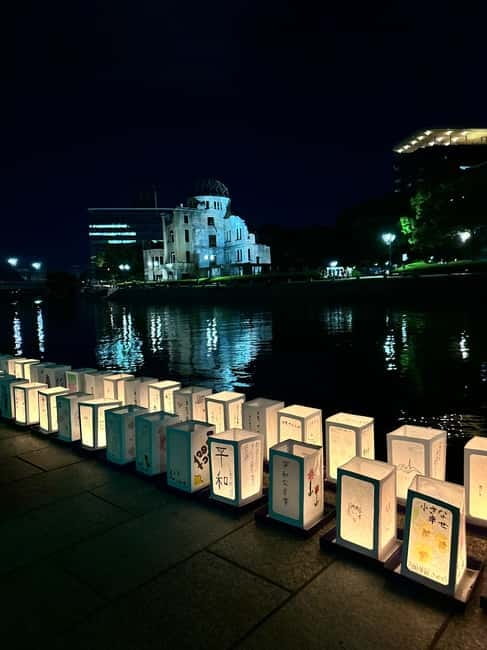
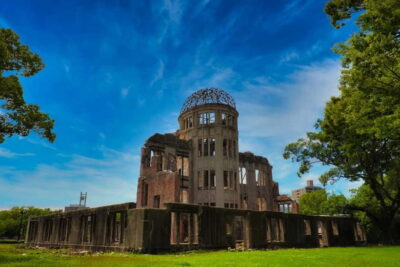
Right after the park, you get a brief guided look at the Atomic Bomb Dome (about 10 minutes). That sounds short, but the timing makes sense in a 6-hour plan. You see it, you take it seriously, and you’re not stuck there long enough to get numb.
A drawback to note: it can be emotionally heavy. If you’re traveling with children or someone who gets overwhelmed, the private format is a real advantage because you can ask for a slower pace and adjust how much standing still you want.
If the museum is closed on your date
One itinerary detail to keep in mind: there are days when the Peace Memorial Museum may not be available. In that situation, the guide is expected to cover the history through explanation and stories so you still leave informed. I’d still recommend you plan to be flexible, emotionally as well as logistically.
A few more Hiroshima days worth comparing
- Hiroshima Historical Walking Tour – Why A-Bomb was Dropped
★ 4.8 · 893 reviews - Hiroshima Peace (Heiwa) Walking Tour at World Heritage Sites
★ 5.0 · 872 reviews - Miyajima Half-day Trip Historical Walking Tour
★ 5.0 · 284 reviews - Hiroshima: History of Hiroshima Group Walking Tour
★ 4.8 · 266 reviews
Hiroshima food breaks: what local stops can add to the day
The tour does not include food or drinks, but that’s not a dealbreaker. It often makes the experience better because you’re choosing meals with guidance instead of picking random convenience options near the landmarks.
You can expect insider suggestions for local favorites. Based on guide recommendations, you might find yourself trying things like fresh oysters, okonomiyaki, and momiji manju. The value here is not only taste. It’s timing and location. Hiroshima food is part of how people live now, not just a snack for tourists.
I also like that the itinerary gives natural rhythm. You’re not forced to eat at one pre-chosen restaurant for the whole group. You get break time later in Miyajima on Omotesando, but in Hiroshima you’re guided to the kinds of places that fit the day you’re having.
The transit rhythm: ferry, train, and why it matters
The tour uses the real connections between Hiroshima and Miyajima: train segments and ferry ride(s). On a self-guided day, the hardest part is not the walking. It’s matching the ferry timing to your exact route and then trying to read signs while you’re already tired.
Here, transit is built into the schedule: a train leg (about 35 minutes) and a ferry leg (about 10 minutes) to reach the island. Later, you return with another on-foot segment (about 15 minutes) and a ferry ride again (about 10 minutes), followed by a train segment (about 25 minutes). That structure is why the day stays within a 6-hour window.
Practical note: you’ll likely do some uneven walking, steps, and island paths. The tour asks for comfortable shoes, and I agree. If you wear soft soles and breathable footwear, the day feels easier even when you’re stopping often for photos and explanations.
Miyajima ferry ride: the mood shift you’re really buying
Crossing by ferry is more than transport. It acts like a reset button. One minute you’re in the city mode, next you’re heading into a landscape where the pace slows, the air feels different, and the whole place seems built for lingering.
This part of the tour is short, around 10 minutes once you’re on the water, but it matters because it creates a mental transition from Hiroshima memory to Miyajima calm. By the time you arrive, you’re ready to experience Itsukushima Shrine as a living cultural site, not just a photo spot.
Itsukushima torii gate area and shrine grounds
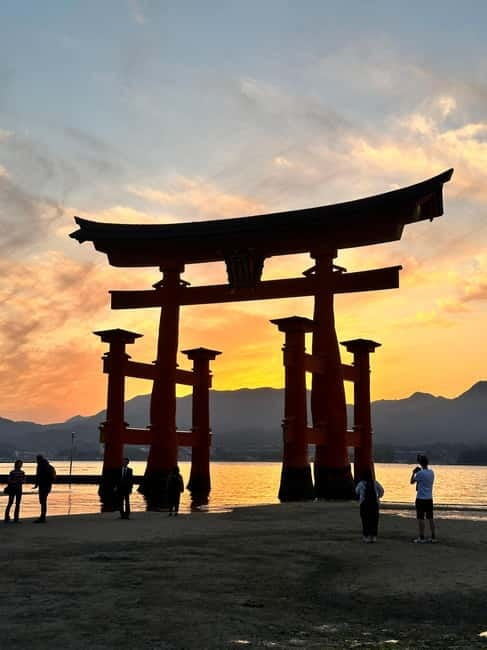
On Miyajima, you get time focused on the iconic UNESCO setting. You start with the Itsukushima Floating Torii Gate area (about 20 minutes guided), then you move to Itsukushima Shrine (about 20 minutes visit).
The guided portion helps you understand what you’re looking at. The shrine area can feel busy if you treat it like a rapid checklist, so a guide’s context helps you slow down and notice details that your eyes would otherwise skip: the way the structures sit in relation to the water, the sacred layout, and why the island setting is not just scenery but part of the experience.
Seeing deer nearby
Miyajima is famous for deer roaming freely, and this tour includes that reality as part of the day. That’s fun, but it also means you should watch your footing and stay calm if one wanders close. The island feels playful, yet it still has a devotional atmosphere around the shrine.
Daisho-in temple walk: where the island story gets deeper

After the shrine, you visit Daisho-in (about 40 minutes guided). This stop is valuable because it gives you more than the postcard moment. You get a fuller sense of Miyajima’s religious and cultural landscape, with an experience that feels more like a walk through a living place than a quick stop at a landmark.
In a private format, you’re more likely to ask questions and get answers on the spot. That’s the kind of interaction that turns a temple visit from sightseeing into understanding.
A small consideration: this portion adds walking time. If you have limited mobility, you may want to ask the guide to adjust pace. The tour is listed as wheelchair accessible, but the itinerary still includes walking and time outdoors.
Omotesando shopping street break: using your freedom well
Then comes one of the easiest parts of the day to enjoy: Miyajima Omotesando Shopping Street (about 30 minutes break time, visit, free time, shopping, and walking). This is where the island becomes everyday. You can grab snacks, souvenirs, or just browse.
If you’re hungry, this is also a great place to connect the day’s food theme. The tour highlights local sweets and bites such as momiji manju, and Omotesando is exactly the kind of street where you can find it without turning the meal into a scavenger hunt.
The best way to use this break is to keep it simple. Pick one treat, sit for a moment if you can, and don’t fill every minute with shopping. The island views and deer are part of the show, so leave room for that.
Pace, pacing, and private guide flexibility
A 6-hour day can feel tight. The tour’s promise is that the guide tailors the day to your pace and interests, and that shows in how people describe their guides as patient and adaptable.
That matters most at the emotionally heavy stops. If you want to slow down at Peace Memorial Park, you can. If you want faster movement at A-Bomb Dome, you can. If your group includes teenagers, the tour’s educational tone is reported as a strong fit, not too lecture-like and not too shallow.
Some guides were also praised for communication and handling timing challenges, such as cruise day delays. That’s reassuring if you’re arriving from elsewhere and want a plan that stays workable when the day runs late.
Price and value: what $69 really buys you
At $69 per person for a 6-hour private tour, the value depends on what you want from the day.
If you’re the type who hates logistics, this price can be a bargain. You’re not just buying walking and photos. You’re buying an English-speaking guide, museum entrance to the Peace Memorial Museum, and help coordinating key transit segments by train and ferry. You also get a structured flow through the places that need context, especially around the Atomic Bomb sites.
What is not included is also clear: food and drinks. That gives you flexibility to choose what you eat, and it keeps you from being locked into a single meal option. Since the tour includes major entrances and guided time, your budget can focus on meals and any personal shopping on Omotesando.
Who should book this Hiroshima and Miyajima private tour
I’d point you here if you:
- Want a meaningful Hiroshima visit with context, not just landmark photos
- Prefer a private or small-group pace so your day doesn’t feel rushed
- Like pairing history with an atmospheric cultural stop like Miyajima
- Want guide-led suggestions for local foods such as oysters, okonomiyaki, and momiji manju
It may not be ideal if you:
- Want a long, slow day with lots of free time in each location
- Dislike walking outdoors and around shrine grounds
Should you book it?
Yes, if you want a guided, respectful Hiroshima and a well-paced Miyajima day within one half-day block. The biggest reason to book is the pairing: Peace Memorial Park and the A-Bomb Dome with sensitive interpretation, then a shift to Miyajima’s sacred island vibe, deer encounters, Itsukushima Shrine, and time on Omotesando.
If you do book, go in with comfortable shoes and an open mind. Plan to be present at Peace Park, then let yourself enjoy the lighter island moments at Miyajima.
FAQ
What is the duration of the Hiroshima and Miyajima private tour?
The tour is listed as 6 hours.
Is the Peace Memorial Museum entrance ticket included?
Yes. Entrance ticket to the Peace Memorial Museum is included.
Are food and drinks included?
No. Food or drinks are not included.
Does the tour include a private English-speaking guide?
Yes. The tour includes a live tour guide in English, with private or small-group options available.
How does pickup work?
Pickup is optional and available from your accommodation only if it is within a reasonable walking distance. If you prefer to meet at a built-in meeting point, you can choose that when booking.
Where do I meet the guide if I choose Hiroshima Station?
If you choose Hiroshima Station, the guide should be met at the Shinkansen Exit (2nd floor, in front of Starbucks).
Are there ticket lines to wait in?
The tour states you can skip the ticket line.
Is the tour wheelchair accessible?
Yes, it is listed as wheelchair accessible.
Does the itinerary include transport to Miyajima?
Yes. The schedule includes train and ferry segments to and from Miyajima Island.
What is the cancellation policy?
You can cancel up to 24 hours in advance for a full refund.
Fresh options around Hiroshima
- The Peace Memorial and Beyond: A Half-Day around Hiroshima★ 4.9 · 12 reviews
- Hiroshima Saijo Sake Tasting Tour with visit to 3 Breweries★ 5.0 · 12 reviews
- Private Hiroshima Calligraphy: Create Your Own Kanji Art Souvenir★ 5.0 · 12 reviews
- Hiroshima:Private lacquer workshop experience tour(gift included)★ 5.0 · 13 reviews
- Sunset Walking Tour at Peace Park, Hiroshima★ 5.0 · 13 reviews
- Kimono and Calligraphy Experience in Miyajima★ 5.0 · 16 reviews
- Hiroshima Peace Memorial Park: A Guided Tour★ 4.9 · 16 reviews
- History of Hiroshima: Small Group Night Walking Tour★ 4.8 · 17 reviews
Historical Tours, compared.
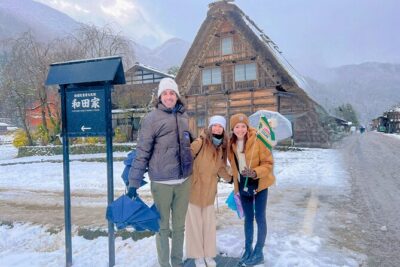
World Heritage Shirakawa-go and Experience Tours from Kanazawa
Read our review →
Imperial Palace and Shogun Historical Walking Tour
Read our review →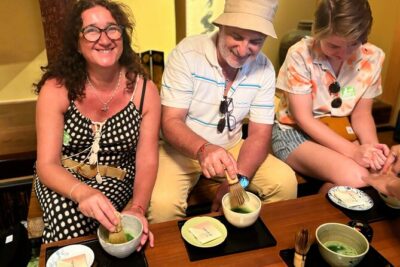
World Heritage Kyoto & Nara Uji Authentic Matcha Experience
Read our review →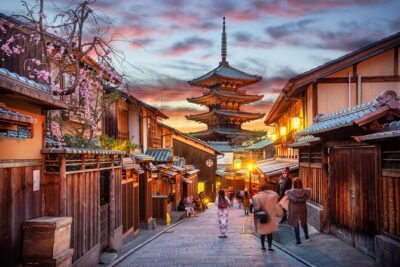
Kyoto Gion: 2-Hour Geisha Culture & History Walking Tour
Read our review →
World Heritage Shirakawa-go Morning Guided Tour
Read our review →
Hiroshima Historical Walking Tour – Why A-Bomb was Dropped
Read our review →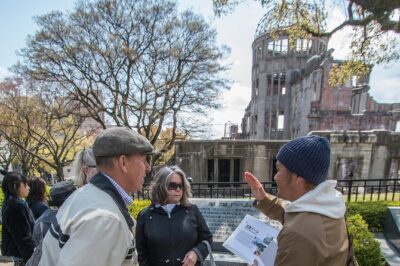
Hiroshima Peace (Heiwa) Walking Tour at World Heritage Sites
Read our review →Browse the lists this tour appears in