
Reviewed · WORKSHOPS
Fujisan Sushi Making Lesson
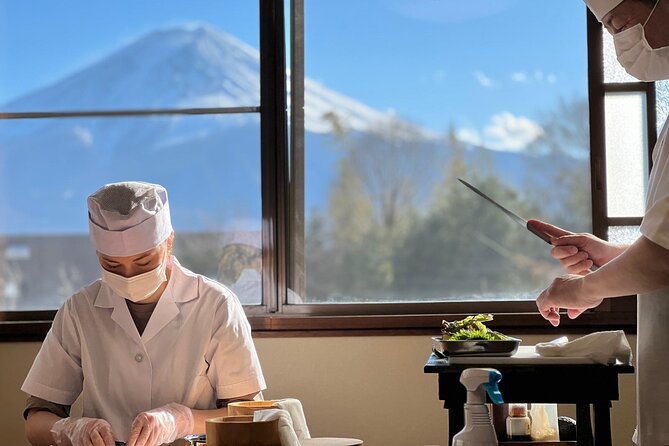
Sushi class, with Mount Fuji nearby. This Fujikawaguchiko lesson is a hands-on, chef-led way to learn sushi you can actually repeat at home, and you get Mount Fuji views while you work. You’re taught the methods behind nigiri and sushi rolls, plus how Japanese table etiquette fits into the whole experience.
What I really like is the way the class blends technique with culture. You’ll hear English instruction from a veteran chef, and the teaching style includes fun structure like trivia questions and an informative slideshow that covers sushi traditions and history.
The main thing to consider is the cost. At $229.91 per person for a roughly 3-hour session, it can feel pricey unless you value one-on-one time with a professional and you’re ready to spend the time practicing.
Key Things You’ll Notice Right Away
- Nigiri and rolls, not just one style, so you leave with more than one basic shape
- Mount Fuji close by, so the setting makes the work feel special and easy to focus on
- Japanese table etiquette and sushi history tied directly to what you’re making
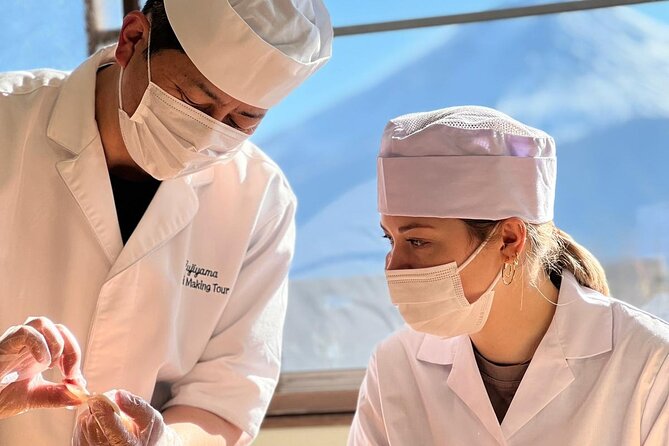
- English explanations from a veteran chef with worldwide cooking experience
- Vegetarian option available, plus you can flag allergies in advance
- Private tour format, so your group works together without mixing with strangers
A Lesson in Fujikawaguchiko That Starts With the View
Fujikawaguchiko-machi is the kind of place where Mount Fuji keeps showing up, even when you’re not looking for it. The lesson meets at Kawaguchiko Station, and that matters more than you think. Stations are convenient when you’re timing a 3-hour activity, and you’re not stuck figuring out remote transport after your meal is planned.
The experience also positions the class near the Fuji area so you’re not stuck staring at a wall of ingredients. When the view is part of the atmosphere, you pay attention longer. You remember how the rice should feel, how the cut of fish or filling is handled, and why the chef cares about small steps.
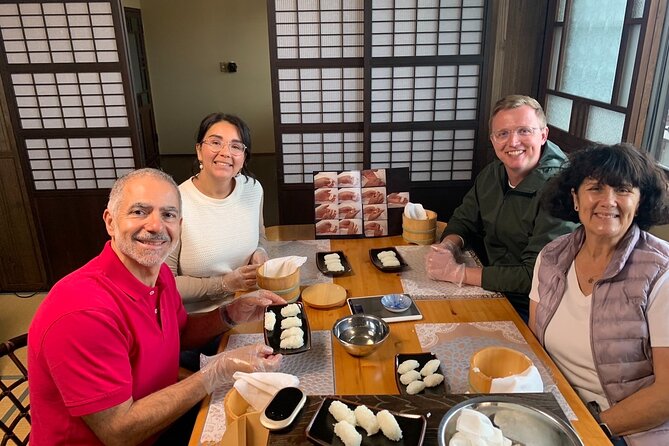
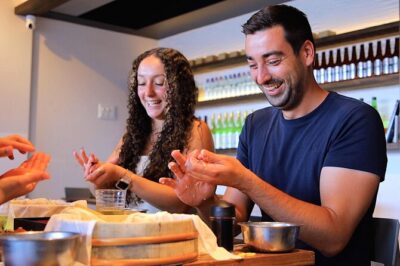
This is also a private tour/activity, meaning only your group participates. That usually leads to better questions and fewer awkward moments asking the same thing twice. If you like learning with a bit less crowd noise, this format is a plus.
More sushi making classes in Fujikawaguchiko machi:
- Sushi Cooking Class at Sushi Factory -KIWAMI- Mt.Fuji
★ 5.0 · 23 reviews - Sushi Making Tokyo Roll and Authentic Japanese Sushi Class
★ 5.0 · 3,971 reviews - Tokyo: Roll and Authentic Sushi Making Class in Asakusa
★ 4.9 · 1,957 reviews
What You’ll Make: Nigiri-Sushi and Sushi Rolls
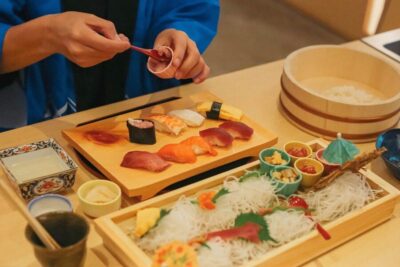
This class centers on two sushi types: Nigiri-Sushi and sushi rolls. That mix is a strong choice. Nigiri teaches the core idea of sushi as balance, especially rice and topping harmony. Rolls teach structure, how the ingredients stack, and how to keep the final shape neat.
The bigger value here is that you’re not just assembling. The description says a professional sushi chef teaches you how to actually make the dish, including cooking methods you can imitate at home. That is what separates a hands-on class from a “watch and snack” session.
If you’ve eaten sushi in Japan and wondered why it tastes so clean and precise, this is the kind of lesson that helps you spot the difference. You’ll learn methods, then connect them to the traditions behind sushi. That connection is key. Without it, home attempts often fall into one of two traps: either everything tastes bland, or it’s tasty but doesn’t have that sushi-like polish.
You should also expect that the lesson is built around doing. You’ll be working through steps for nigiri and rolls, which means you’ll likely handle rice, shape items, and learn how to finish them. The practical benefit is obvious: you’ll know what to do next time you try it in your kitchen, not just what it looks like on a menu.
Sushi Etiquette and History, Explained Like It Matters
Sushi etiquette sounds fancy until you realize it’s just practical manners tied to how sushi is eaten. This class includes Japanese table etiquette and the history of sushi, taught alongside the making process. That pairing matters because etiquette is easier to learn when you understand the food.
For example, you don’t just learn that there’s a correct way to eat or handle sushi. You learn the cultural reason behind it, and that changes how you approach the meal. You start to see sushi as something designed to be eaten thoughtfully, not shoved quickly between bites.
The history component is also valuable because sushi is not one thing. It’s a food culture shaped by time, ingredients, and technique. When you understand that background, the lesson stops being a single recipe. It becomes a context for why nigiri exists, why rolls exist, and why chefs care about rice handling and presentation.
And based on the positive feedback, the class doesn’t treat this as a lecture. There’s mention of trivia questions and an informative slideshow. That style helps you remember facts without feeling like you’re in a classroom for hours.
How the Chef Teaches, and What That Means for Learners
A big selling point is that the lesson is taught by a veteran chef with worldwide cooking experience, with explanations in English. For many visitors, that removes the biggest barrier: not knowing what the chef wants you to do during the moment you’re holding rice.
English support also helps if your goal is to recreate the methods. You can focus on the steps and technique instead of constantly translating instructions after the fact. That speeds up learning, and it makes your home cooking attempts more accurate.
At the same time, one of the review highlights points to Japanese being used in the class environment, which can be a neat bonus if you’re studying the language. Even when instruction is in English, you might still hear Japanese terms during demonstrations and trivia. If you’re a language learner, that combination is useful because you get real context for food vocabulary and cultural phrases.
If you have dietary needs, this lesson expects you to communicate them. Vegetarian is also available, and you’re asked to let the provider know about food allergies in advance. That’s worth taking seriously. Sushi is ingredient-sensitive, and the safest approach is to inform them early so adjustments can actually happen.
Same corner of Japan, a different kind of day:
- Mt Fuji Area Private Guided Tours in English-Nature up close, quiet, personal
★ 5.0 · 288 reviews - Explore Mt. Fuji Ice Cave in Aokigahara Forest
★ 5.0 · 243 reviews - Private guided hidden gems tour by local English speaking driver
★ 5.0 · 142 reviews - Ramen Cooking Class at Ramen Factory in Mt.Fuji
★ 5.0 · 101 reviews
Mount Fuji Stop: Why It’s Not Just a Photo Moment
There’s a specific stop listed for Mount Fuji, and even without minute timing details, the concept is clear. The class is located close to Mount Fuji, so you can enjoy views while preparing sushi.
That “while preparing” part is important. If you only visit Fuji as a separate sightseeing block, you spend time traveling and you lose momentum. Here, you’re still in practice mode. You’re working, shaping, learning, and then you get a scenic break that keeps the experience light.
This matters when you’re on a short trip. Fujikawaguchiko is often a day’s plan for Mount Fuji views, and adding a high-quality activity helps you use your time well. You end with both the memory of the mountain and the practical skill of sushi making.
Also, the setting supports focus. I find that when food smells are in the air and you have a view beyond the table, your attention stays on the task. You notice texture, heat, and timing more than you would in a standard indoor workshop.
Price and Value: Is $229.91 Worth It?
At $229.91 per person for about 3 hours, this is not a budget activity. The value is tied to what you’re buying, not just the duration.
Here’s what you’re getting for the money:
- A professional sushi chef teaching you both nigiri and rolls
- Sushi history and Japanese table etiquette, taught alongside technique
- English instruction from a chef with worldwide experience
- A private tour format, so it’s only your group
- Vegetarian availability and a process for handling allergies
If you break it down, you’re paying for the chef’s time plus instruction designed to help you repeat the methods at home. That’s the real “learn it, then use it” value. A cheaper cooking class might still be fun, but it might not deliver that precision you want for sushi.
Another detail that supports value is that the activity uses a mobile ticket and typically gets booked far ahead. The booking pattern suggests demand, which often correlates with consistent quality. It’s also a sign you should reserve early if your dates are firm.
One more consideration: a private format can be ideal for couples or small groups. If you’re traveling solo and you don’t want to pay premium rates, the price may feel heavy. If you’re the type of traveler who learns best from doing and asking questions, you’ll likely feel happier with the cost.
Getting the Most From Your 3 Hours
To enjoy the lesson, think like a chef for a little while. The goal is practice and feedback, not speed.
A few practical ideas that fit this format:
- Arrive ready to work, since the lesson is hands-on and structured around making nigiri and rolls.
- If you have allergies, communicate them early. The listing asks you to do this in advance, and it’s the simplest way to avoid confusion mid-lesson.
- If you’re going for vegetarian, mention it ahead of time so the class can prepare appropriately.
- Plan your day around a focused 3-hour block. Sushi making is the kind of activity where you want your full attention.
Since it’s near public transportation and begins at Kawaguchiko Station, you’re not boxed into a complicated schedule. Still, build in a little buffer time so you can settle before starting.
Also, consider your learning style. This class includes sushi tradition and etiquette, plus trivia and slides. If you like facts and cultural context alongside technique, you’ll likely enjoy it more than a purely technical cooking workshop.
Who Should Book This Fujisan Sushi Making Lesson
This is a good match if you want sushi skills with cultural context. It fits foreign tourists, expatriates, and local friends, and that’s because the instruction is set up for an international audience. English explanations help, and the chef’s experience suggests the lesson is designed to work across skill levels.
It’s especially suitable if:
- You’ve eaten sushi and want to understand how it’s made
- You want methods you can imitate at home, not just a one-time tasting
- You’re interested in Japanese table etiquette and why it exists
- You want a vegetarian option and need reassurance that dietary needs can be handled
If your priority is only sightseeing or only eating, you might feel like this is “too much work” for a short visit. It’s a class. You’ll be creating sushi, not just sampling it.
Should You Book It?
Book the Fujisan Sushi Making Lesson if you want a polished, chef-led experience near Mount Fuji that teaches both nigiri and rolls, plus the etiquette and history behind sushi. The pricing feels easier to justify when you look at the value of professional instruction, private group format, and the chance to recreate methods at home.
I’d skip it if you’re on a tight food-and-activities budget, or if you hate hands-on cooking. Sushi making takes concentration, and the best payoff comes when you treat it like practice.
If you’re heading to Fujikawaguchiko and you want one memorable, useful activity instead of another “just a view” day, this one is a strong choice.
FAQ
How long is the Fujisan Sushi Making Lesson?
The lesson runs for about 3 hours.
What is the price per person?
The price is $229.91 per person.
Where do I meet for the lesson?
You start at Kawaguchiko Station, 3641 Funatsu, Fujikawaguchiko, Minamitsuru District, Yamanashi 401-0301, Japan.
What types of sushi will I learn to make?
You will learn how to make Nigiri-Sushi and sushi rolls.
Is there a vegetarian option, and what about allergies?
Vegetarian is available. You should let the provider know in advance if you have any food allergies.
What language is the chef’s instruction?
The veteran chef explains in English.
Is this a private tour?
Yes, this is a private tour or activity, and only your group participates.
Do I get a mobile ticket, and when will I receive confirmation?
You use a mobile ticket. Confirmation is received within 48 hours of booking, subject to availability.
What is the cancellation policy?
You can cancel for free up to 24 hours in advance for a full refund. If you cancel less than 24 hours before the start time, the amount paid is not refunded.
Fresh options around Fujikawaguchiko machi
- Private Fuji Half-day Car Tour with Hotel Pickup and Local Guide★ 5.0 · 20 reviews
- Private Local Hiking to enjoy the nature and culture of Mt.Fuji★ 5.0 · 22 reviews
- Sushi Cooking Class at Sushi Factory -KIWAMI- Mt.Fuji★ 5.0 · 23 reviews
- Mt Fuji Area: In-depth Guided Adventure in English or French★ 5.0 · 27 reviews
- Ramen Cooking Class at Lake Kawaguchiko (Short Course)★ 5.0 · 42 reviews
- Hidden Fuji drive tour with a Local English speaking guide★ 5.0 · 43 reviews
- Cute & Fun E-Car tour following guide around Lake Kawaguchiko★ 5.0 · 54 reviews
- Mt. Fuji Five Lakes Area Private Tour with Licensed Guide(Kawaguchiko area Dep)★ 5.0 · 55 reviews
Workshops, compared.
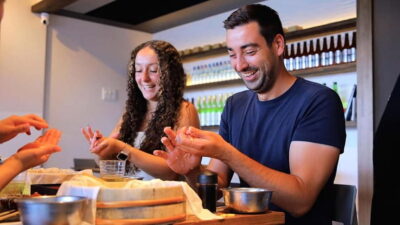
Sushi Making Tokyo Roll and Authentic Japanese Sushi Class
Read our review →
Roll and Authentic Sushi Making Class in Asakusa
Read our review →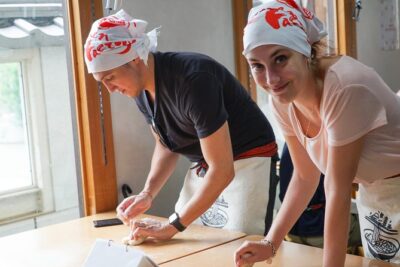
Ramen Cooking Class at Ramen Factory in Kyoto
Read our review →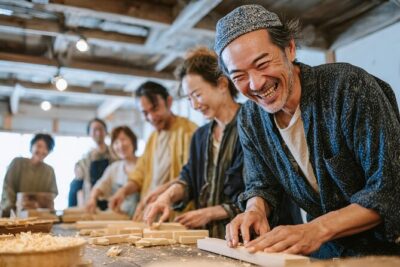
Sushi Making Class in a Happi Coat near a Famous Spot
Read our review →
Sushi Making Osaka Roll and Authentic Japanese Sushi Class
Read our review →Browse the lists this tour appears in