
Reviewed · MT FUJI AREA TOURS
Explore Mt. Fuji Ice Cave in Aokigahara Forest
Cold, dark, and oddly beautiful under Mt. Fuji.
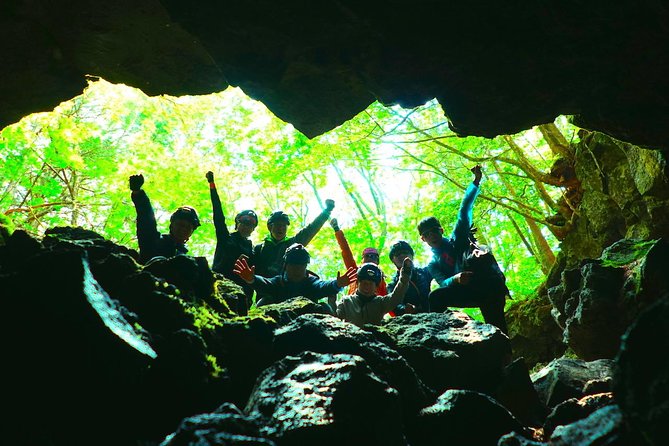
What makes this tour compelling is the chance to get into a lava-formed ice cave with special entry permits that most independent travelers cannot arrange. I love the small-group feel, which keeps the pace relaxed and lets your guide handle tricky bits safely. I also love the way the experience is built around real atmosphere, not just quick photo stops. One drawback to plan for: you need decent traction and comfort with cold, uneven cave rock, because the cave walk includes maneuvering.
I like that the guides focus on both the geology and the forest side of the story, so you understand what you are looking at instead of just looking at it. In reviews, guides such as Tada, Takasi, Toshi, and Tadasuke come up again and again for staying calm, friendly, and funny, and for making the walk feel manageable even with kids in the group. If you are expecting a simple stroll with zero effort, this is not that.
Key things I’d plan around before you go
- Special entry permits included, so you get access beyond what most self-guided visitors can manage
- Small-group cap (up to 12), plus some dates can feel private when the group is tiny
- Helmet, headlight, overalls, and gloves are provided for the cold cave part
- A 40-minute forest walk, 60-minute cave time, then another 40 minutes in the trees
- You enter around 0°C ice conditions, so warm layers matter more than you think
- Cave maneuvering is real, so shoes with grip and a steady step help a lot
Mt. Fuji Ice Cave, explained: why lava tubes freeze into art
This is not a “man-made” ice attraction. This cave system comes from a volcanic story: roughly 1,200 years ago, lava from Mt. Fuji helped form caves out of solidified flow. Later, melted snow from Mt. Fuji fed into those frozen spaces, and over time the water turned into ice structures that can look almost artistic.
That is why it feels different from a typical winter cave. The whole experience is built around cold, natural surfaces and the way the cave keeps its temperature. Guides also tie the forest around the caves into the same story, since Aokigahara is volcanic terrain with thick trees and moisture.
If you want the short version: you are walking through the results of volcanic events, plus the seasonal snow and freezing cycles that turned them into an ice-cave interior. That mix is what makes it memorable, even after you have seen photos.
More Mt Fuji tours from Tokyo:
- Mt Fuji Area Private Guided Tours in English-Nature up close, quiet, personal
★ 5.0 · 288 reviews - Ramen Cooking Class at Ramen Factory in Mt.Fuji
★ 5.0 · 101 reviews - Early Morning Kayaking With Views of Mt Fuji at Lake Kawaguchiko
★ 5.0 · 69 reviews
The 3-hour rhythm: what happens from pickup to return
The tour runs about 3 hours total, but it does not feel rushed because it is paced in chunks. Here is the rhythm I would expect you to plan around:
First, you meet at the designated meeting point, then you do tour prep. This includes getting your helmet, headlight, overalls, gloves, and head into the safety and comfort routine. The prep also mentions time for a toilet stop and a moment to calm down, which tells you they are thinking about both practical safety and mindset before going into the cave environment.
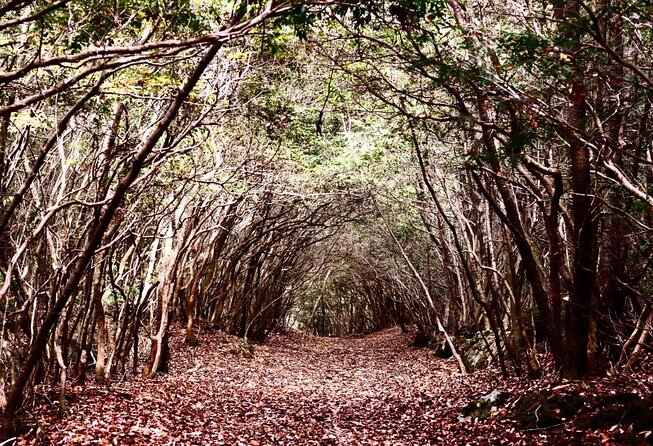
Next comes movement to the departure site. Then you start the forest walking portion. The schedule shows about 40 minutes of walking through Aokigahara, known as the Sea of Trees.
Then you switch from walking to exploring. The cave exploration time is about 60 minutes. This is when the headlight becomes your main tool, when the cold hits, and when you slow down for careful footing.
After the cave, you walk again through the forest for about 40 minutes, which helps you warm up and gives you a chance to take in the trees and the overall mood once you are back above ground.
In practice, timing can shift depending on how the group is moving, so I treat the day as flexible, not clockwork.
Aokigahara Forest: walking the Sea of Trees with context
Aokigahara is famous for its dense forest feel, and the nickname Sea of Trees fits what you experience on the ground: narrow sightlines, tall trunks, and a kind of quiet that makes you pay attention.
What I like about doing it with a guide is that you learn what to notice. In multiple guide reviews, the emphasis is not just on pointing at scenery. Guides such as Tada or Takasi are described as explaining forest life and how the volcanic environment shapes what you see. That means you are not only taking pictures, you are building a mental map of the place.
It also helps that the guides manage the emotional tone responsibly. Some reviews mention how the guide handled the forest’s heavier reputation with care and respect, while still giving real geology and local context. That matters, because Aokigahara can feel intimidating if you treat it like a spooky set.
If you are going for atmosphere, this forest section is a big part of the value. It is also a reason to consider this tour even if you are not chasing caves as your only goal.
Inside the ice cave: headlamps, cold, and careful steps
This is the main event. The cave exploration is where you get that vivid contrast: outside you are in forest air, inside you are in cold, damp conditions that can feel like a different world.
The tour description highlights walking with a single headlight and entering a world near 0°C. Even if you have winter gear, caves are their own climate. That is why the tour provides equipment and why they build a prep stage before you go in.
Also expect cave movement that is not just flat walking. Reviews mention maneuvering around rocks and that the cave can involve scrambling or tricky sections. In other words, traction helps a lot. If you are unsure about your footing, I would lean toward sturdier shoes with grip rather than thin-soled sneakers.
The cold is not only temperature. It is also sensory: the way sound carries, the way surfaces feel under your hands (even if you only touch briefly for balance), and the way you adjust when light is limited to what your headlamp shows.
One more important point: the tour includes access to a secluded area referred to as the Real Cave, described as not having become a typical tourist attraction. That fits the overall theme, dodge crowds, and experience something more secluded.
Same corner of Japan, a different kind of day:
- Private guided hidden gems tour by local English speaking driver
★ 5.0 · 142 reviews - Johnny’s Exclusive: Mt. Fuji Adventure from Kawaguchiko
★ 5.0 · 62 reviews - Mt. Fuji Five Lakes Area Private Tour with Licensed Guide(Kawaguchiko area Dep)
★ 5.0 · 55 reviews - Cute & Fun E-Car tour following guide around Lake Kawaguchiko
★ 5.0 · 54 reviews
Gear and clothing that actually matter in a 0°C cave
The tour includes core gear, which is a big part of why the experience is easier to do than it sounds. You get:
- a helmet
- an overall
- gloves
- a headlight
That setup means you do not have to rent or buy cave gear before you arrive.
Still, you need to dress for the cold and for getting comfortable under layers. The guidance is clear: wear long sleeves and long pants, plus a winter jacket. Plan on changing into or adjusting clothing during prep, and keep in mind you will be wearing overalls too.
Practical tip: wear warm base layers under whatever you choose, and keep your outer layer simple. Cave clothing needs to be functional, not fragile.
Also, bring shoes you trust. Even if the cave is spacious in some sections, the reviews consistently point out rock navigation and the need for grip. If you have shoe options, pick the pair that handles wet, uneven surfaces.
Guide quality is part of the product here
A guided cave tour can be either informative or just “follow me.” This one leans hard toward the first option, and reviews back that up with repeated praise for guides.
Names you will see: Tada, Takasi, Toshi, and Tadasuke. People talk about their humor, calm handling of the group, and the way they connect Mt. Fuji to the cave and the forest.
I also like the way guides respond to different group needs. One review highlights a small child in the group and Takasi being patient and friendly. Another describes older travelers mixed with a younger kid. That suggests the guide style is flexible, not rigid.
If you are sensitive to safety instructions, pay attention here. The tour notes that safety may override the schedule if someone does not follow directions or is disturbing others. That is normal for places with cold conditions and uneven footing, and it is a good sign they take it seriously.
Price and value: is $53 a fair deal for this access?
At $53.06 per person for about 3 hours, this is priced like an “access + guide + gear” experience, not a cheap countryside walk.
So what are you really paying for?
- Access that typically requires permits. The tour includes special entry permits for exclusive access to lava-formed ice caverns. That is usually the hardest part for independent travelers.
- A guide who handles the cave environment. Cave navigation is the core value. A guide makes the difference between a safe visit and a stressful one.
- Gear provided. Helmet, headlight, gloves, overalls. That is not always included elsewhere.
- Transportation and pickup/drop-off. Pickup is offered around Kawaguchiko, including Kawaguchiko station and hotels around Lake Kawaguchiko, plus an air-conditioned vehicle.
If you already have your own transport and gear, you might think you could copy it. But the permits and the cave-specific prep are the real hurdles. From a value standpoint, you are buying convenience plus safety plus story.
One more value angle: the tour caps groups at a maximum of 12, and some departures have effectively been private when others did not show up. That can turn a standard price into a much more personal feel.
Who this tour suits, and who should reconsider
This tour is best for people who enjoy active walking and weird nature, not only scenic viewpoints.
You should strongly consider it if you:
- like geology, volcanic landscapes, and how nature changes over time
- want a guided route through Aokigahara’s Sea of Trees feel
- are comfortable with cold and short indoor cave segments
- have moderate physical fitness and can handle uneven ground
You might reconsider if you:
- have mobility limits, because reviews mention scrambling or maneuvering around rocks
- cannot handle cold well, since the cave experience is near 0°C
- are pregnant, since the tour notes it may not be safe for pregnant customers
- have been drinking, since it may not be safe for customers who have been drinking
Families can work, and guides are praised for being patient. Still, treat this as an adventure, not a playground. Kids will do best if they can walk steadily and listen to instructions.
Logistics you should plan around: timing, weather, and comfort
Two things can make or break your day: weather and timing.
Weather matters because the experience requires good weather. If it is canceled due to poor weather, you are offered a different date or a full refund. I would treat this like a weather-dependent activity and build your schedule with some slack when possible.
Timing also matters. One review criticizes the listed start time details and says the meeting time text differed from the original start time. I cannot guarantee how often that happens, but it is enough to make a clear recommendation: confirm your exact meeting instructions the day before and again the morning of. Arrive early enough that a last-minute adjustment does not stress you out.
Finally, plan for cold and damp. Even with overalls, you will feel the temperature shift. Bring the right layers and expect to be underground long enough to feel it.
Should you book Mt. Fuji Ice Cave in Aokigahara Forest?
If you are going to the Mt. Fuji area and you want one truly different experience, I think this is worth serious consideration. You get a mix of forest atmosphere and a cold cave you cannot easily recreate on your own. The big selling points are the permits included, the small-group setup, and the fact that you get gear and a guide who understands the environment.
You might skip it if you are not comfortable with cold conditions or uneven cave rock, or if you need an easy, fully accessible walk. Also, if you hate surprises in timing, double-check instructions and give yourself buffer time.
My bottom line: this is a strong choice for people who like hands-on nature and value access that would otherwise be difficult.
FAQ
Where do pickup and drop-off happen?
Pickup service is offered from Kawaguchiko station and hotels around Lake Kawaguchiko, and there is also drop-off after the tour.
How long is the Mt. Fuji Ice Cave tour?
The duration is about 3 hours, approximately.
Are entry permits included for the ice cave?
Yes. The tour includes special entry permits for exclusive access to the lava-formed ice caverns.
What equipment is included?
You receive exploration equipment including a helmet, an overall, gloves, and a headlight.
How big is the group?
The tour is described as a small-group experience capped at a maximum of 12 people. The activity info also states a maximum of 1 traveler, and some reviews describe cases where the group ended up very small or private.
Is the tour safe for everyone?
The additional info notes it may not be safe for customers who are pregnant or have been drinking. It also says the tour requires a moderate physical fitness level.
What if the weather is bad?
The experience requires good weather. If it is canceled due to poor weather, you will be offered a different date or a full refund.
Fresh options around Fujikawaguchiko machi
- Lake Kawaguchi Explorer: E-Bike Guided Tour★ 5.0 · 15 reviews
- Fujisan Sushi Making Lesson★ 5.0 · 16 reviews
- Private Fuji Half-day Car Tour with Hotel Pickup and Local Guide★ 5.0 · 20 reviews
- Private Local Hiking to enjoy the nature and culture of Mt.Fuji★ 5.0 · 22 reviews
- Sushi Cooking Class at Sushi Factory -KIWAMI- Mt.Fuji★ 5.0 · 23 reviews
- Mt Fuji Area: In-depth Guided Adventure in English or French★ 5.0 · 27 reviews
- Ramen Cooking Class at Lake Kawaguchiko (Short Course)★ 5.0 · 42 reviews
- Hidden Fuji drive tour with a Local English speaking guide★ 5.0 · 43 reviews
Mt Fuji Area Tours, compared.
Mt. Fuji 5th Station & Hakone Cruise 1-Day Bus Tour
Read our review →
Mt Fuji Area Private Guided Tours in English-Nature up close, quiet, personal
Read our review →
Private guided hidden gems tour by local English speaking driver
Read our review →
Mount Fuji Full Customized Tour English Guide
Read our review →

Ramen Cooking Class at Ramen Factory in Mt.Fuji
Read our review →
Fuji-Q Highland: Afternoon Pass (Non-Japanese Citizens)
Read our review →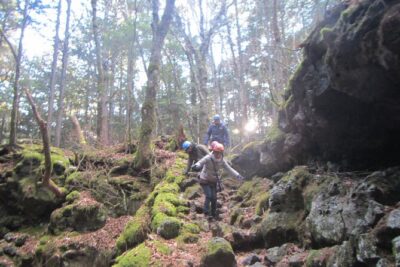
Exploring Mt Fuji Ice Cave and Sea of Trees Forest
Read our review →Browse the lists this tour appears in