
Reviewed · WALKING TOURS
Arashiyama Hidden Gems: Walking Tour escaping crowds
Arashiyama gets a lot calmer on foot. This small-group walk from Arashiyama Station slips off the main crush to temples, moss gardens, and scenic corners, guided by Yusuke Tanaka, a local Kyoto guide who also adds a story option for The Tale of Genji. You’ll see the bamboo forest, but you’ll experience it with breathing room instead of elbow-to-elbow pacing.
What I like most is the photo-friendly guidance. Yusuke helps you frame shots and even takes photos for you in the bamboo area. I also really enjoy the temple and shrine focus, with practical context on how shrines and temples differ, plus respectful steps for praying at places like Nonomiya Shrine.
The main drawback to plan for is time and extra costs. The tour runs about 3 to 4 hours and you’ll have to budget for temple and pond tickets not included, plus you’ll remove shoes to enter some halls.
Key highlights you’ll feel on this walk
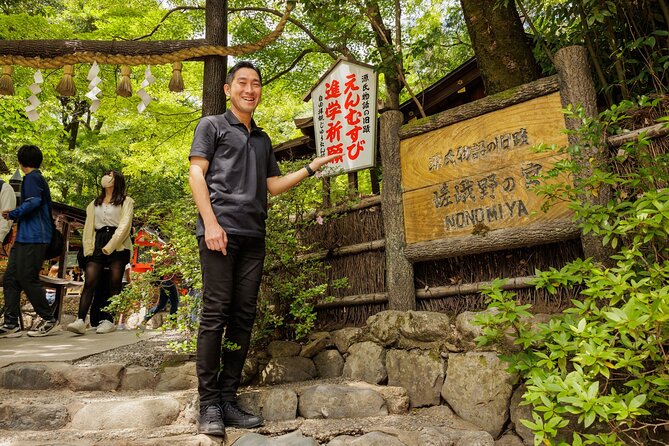
- Black wooden torii at Nonomiya Shrine, one of only two shrines in Japan with that striking detail
- Bamboo forest soundscape + guided photo time, so you get photos without turning it into a sprint
- Seiryoji Temple’s national treasure, plus inside access rules (shoes off)
- Daikakuji and Saga Gosho (imperial palace history), visited with calmer pacing
- Osawa-no-ike pond, Japan’s oldest artificial pond, with quiet seasonal scenery
- Two modes of storytelling, standard history walking or the The Tale of Genji option for extra literary context
Arashiyama starts at Randen-yaJapan, then slips into quieter lanes
The meeting point is easy if you’re already in Arashiyama: you’ll meet at Randen-yaJapan, inside the 嵐山駅はんなりほっこりスクエア at Arashiyama Station. Getting started there matters, because Arashiyama can feel like a funnel. This tour keeps you moving in a more controlled way from the first few minutes.
You’re walking about 3 kilometers across the full experience, and that walking time is baked into the 3 to 4 hour schedule. With a maximum group size of 6, the pace stays human. You don’t feel like you’re being processed, and you can ask questions without shouting over a crowd.
Also, you’ll get a mobile ticket, and you receive confirmation at booking. That cuts down on last-minute fuss, especially if your Japanese is basic (as mine is). The tour includes an original booklet of about 15 pages, which is great for keeping the story straight while you’re walking.
One more comfort note: this is designed to be a calmer alternative to the typical Arashiyama route, so you’ll appreciate it more if you like side paths, mossy corners, and slower temple time.
More Walking Tours in Kyoto
- Kyoto Geisha Walking Tour: Gion District & Hidden Gems
★ 4.7 · 3,273 reviews - Kyoto: Gion Magical Night Walking Tour with Geisha Trivia
★ 4.9 · 2,393 reviews - Kyoto: Gion Geisha District Walking Tour – Stories of Geisha
★ 4.7 · 2,187 reviews
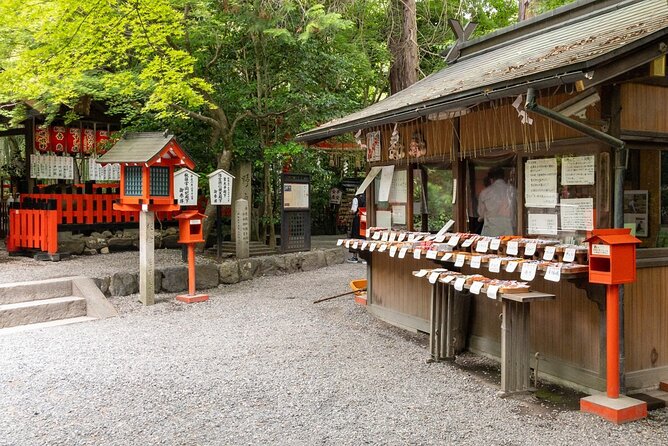
Nonomiya Shrine and the black torii you almost miss
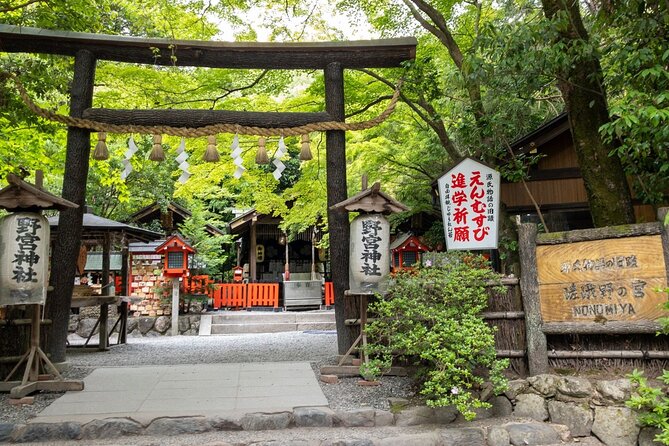
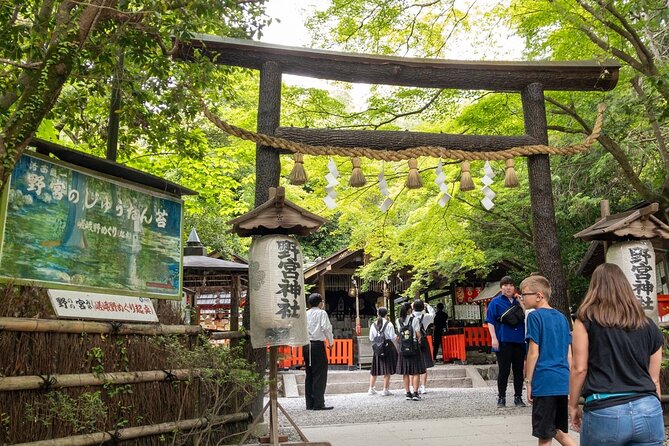
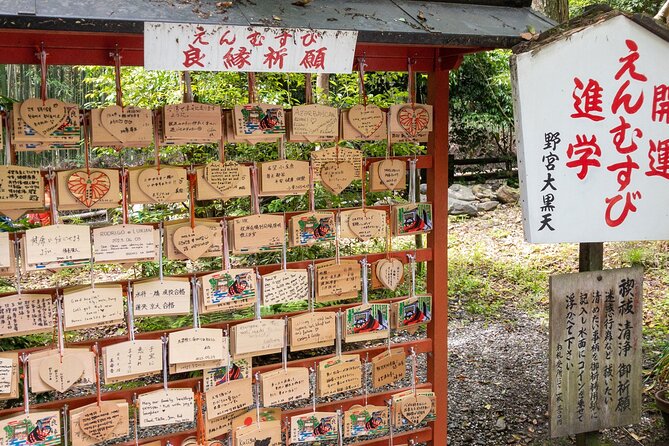
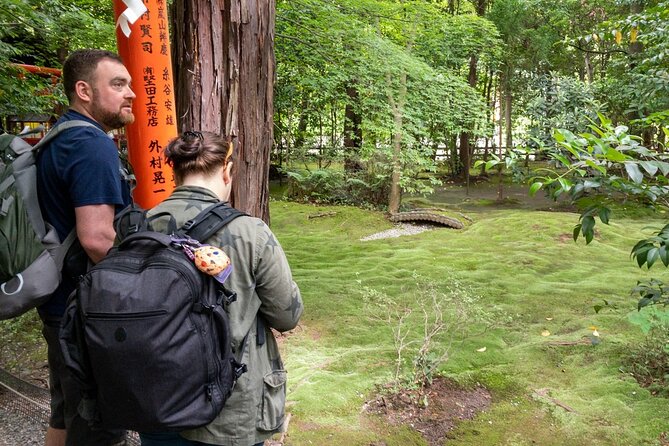
Stop one is Nonomiya Shrine, where you’ll get to see something most visitors never spot: a black wooden torii gate. The tour info highlights that only two shrines in Japan have black torii, so this is not just a pretty detail, it’s a genuinely rare feature.
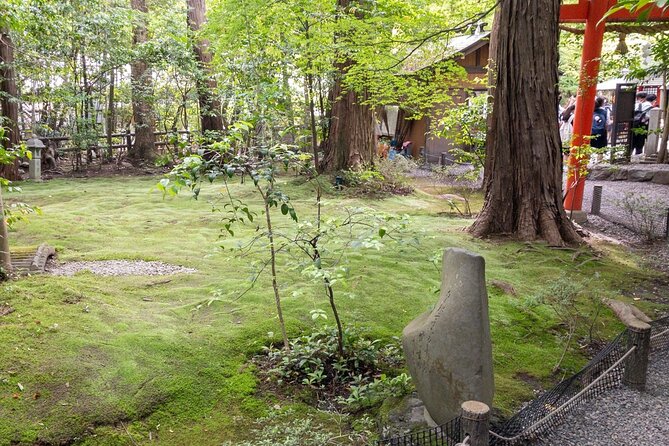
You’ll also spend time in the moss garden. Moss is one of those Kyoto things that feels simple until you slow down and notice how the texture changes with light and moisture. In a crowd, you don’t get that moment. On this walk, you do.
Then Yusuke shares the practical stuff people often skip: the way of visiting and praying at shrines. He also explains the difference between shrine and temple, which matters in Kyoto because the architecture and rituals can look similar until you know what to watch for. You’ll feel more confident stepping into sacred spaces respectfully.
What to consider: this stop is about 30 minutes. If you’re the type who wants long photo sessions at every gate and garden, plan for the fact that you’ll get a taste here and move on.
Bamboo forest photos without losing your day to crowds
Yes, you will go into the Arashiyama Bamboo Forest area. But the tour is built to help you experience it more gently, with less of the forced sprint many people get trapped in.
You’ll have around 15 minutes to enjoy the bamboo forest, including the soundscape of bamboo. That part is underrated. The clatter and rustle can feel oddly soothing once you stop trying to look at everything at once. Yusuke also builds in time for memorable photos, including taking photos for you in the bamboo forest.
Here’s the smart part: if your main goal is pictures, you still want a guide. He knows where to position you and how to work around the flow of people. If your main goal is atmosphere, you also benefit because you’re not constantly checking your phone to figure out where you are. You can just look up, listen, and let the moment land.
A potential drawback is that the bamboo forest is still a popular place. Even with a better route, you may encounter some visitors. The difference is how long you’ll feel stuck.
Also remember, this tour option called The Tale of Genji does not place the bamboo forest as part of the story links. You still get the forest experience, but the literary focus is elsewhere.
Seiryoji Temple: old buildings, a national treasure, and shoe rules
Next up is Seiryoji Temple, where the tour leans into age and craftsmanship. This temple was originally built about 1,200 years ago, and the current building dates to about 300 years ago. That layered timeline makes the place feel like a living archive, not just a set of buildings for photos.
You’ll see a Shaka Nyorai statue described as a Japanese national treasure. Seeing a national treasure in person changes the vibe. Even if you’re not a museum person, you’ll notice that the details and significance are treated with care.
One practical item you must plan for: you have to take off your shoes to enter inside at Seiryoji Temple. That’s not optional. If you’re in sandals, you’ll be fine. If you’re in hard-to-remove shoes, consider switching to something easy to slip off before you start the day.
This stop is about 55 minutes. That’s long enough to feel present, not just to pass through. You’ll have time to absorb the setting and follow Yusuke’s explanations, including how to read the space respectfully.
More Arashiyama tours:
- Kyoto: Fushimi Inari, Kinkakuji, Bamboo Grove 1 Day Bus Tour
★ 4.8 · 4,316 reviews - Osaka/Kyoto:Kinkakuji,Arashiyama,FushimiInariShrine,NaraPark
★ 4.1 · 1,596 reviews - Kyoto/Osaka: Nara, Fushimi Inari Taisha, Arashiyama Bus Tour
★ 4.7 · 1,275 reviews - Kyoto Arashiyama Walking Tour: Bamboo, Monkeys, Gardens & Secrets
★ 5.0 · 1,216 reviews
Daikakuji and Saga Gosho, imperial history without the crowd math
Daikakuji is where the tour starts to feel like you’ve stepped into quieter Kyoto layers. The experience highlights that this temple was the former imperial palace called Saga Gosho, built about 1,200 years ago. That connection to imperial Kyoto adds weight to what you see here.
You’ll visit Daikakuji for around 50 minutes. The emphasis is on enjoying the traditional imperial palace setting without the heavy crowd pressure you might expect in a major Kyoto sight. It’s the kind of stop that works well if you enjoy architecture, gardens, and the idea of how power and culture shaped everyday space.
As with Seiryoji, you’ll need to take off your shoes to enter inside at Daikakuji Temple. So, keep that in mind for your clothing choices too. You’ll want socks that you don’t mind being on display for a temple interior.
Ticket cost: Daikakuji temple admission is not included in the base price. The tour data lists ¥800 per person for Daikaku-ji temple and Osawa-no-ike Pond together. Plan for that extra cost so you don’t get surprised at the gate.
There’s also a note that there are some unique features here, but the details aren’t specified. Still, the core value is the setting: imperial history paired with slower pacing.
Osawa-no-ike Pond: the calm finish and seasonal views
The final stop is Osawaike, also called Osawa-no-ike. The tour info points out a big reason people care: it’s described as the oldest artificial pond in Japan.
This is the place where the tour’s crowd-avoidance strategy pays off. You’re not trying to squeeze in last-minute photos. You get around 20 minutes to enjoy the scenery and the quiet bamboo forest feel around the pond.
Seasonal views are part of the pitch. Even if you don’t know what season it is back home, you’ll likely notice how the colors and reflections shift with time of day. Pond scenery is one of those things that looks best when you aren’t rushing.
Ticket note: Osawaike has an entry ticket listed as 300 JPY in the stop details, and Daikakuji plus Osawa-no-ike is listed as ¥800 per person in the non-included section. Budget for temple and pond entry, and expect you’ll pay at the site.
At the end, the tour finishes at Daikakuji Temple (Sagaosawacho, Ukyo Ward). If you prefer to return to the start, Yusuke offers a free returning walking tour back to the beginning. That’s helpful because the ending area has fewer easy dining options than central Arashiyama.
The Tale of Genji option changes how you see the route
If you choose the The Tale of Genji option, it adds deeper literary storytelling while still visiting the same locations (except the bamboo forest). Yusuke explains historical and literary context connected to places on the route, with the note that most stops you’ll visit appear in The Tale of Genji.
What this does for you is simple. Instead of seeing a shrine or temple as just a background for photos, you start connecting it to characters, setting, and the way stories reflected real court life. You’ll likely slow down, because your brain is following the thread of narrative instead of just scanning for landmarks.
There’s also a practical comfort element. One review mentioned an older guest found the route a bit lengthy on a warm day. If you pick the Genji option, you might be more focused on the story and not notice how quickly your body is getting tired, so stay aware of your energy.
If you’re a Genji fan or you’ve read even a little, this option can make the day feel more personal. If you’ve never heard of it, the standard version still works because you’ll still get the shrine and temple guidance and the route designed for calm pacing.
Price and logistics: what you get for $89
Let’s talk value in plain terms. The tour is $89 per person. That price covers guiding, a roughly 15-page original booklet, and photo help, with Yusuke learning photography as a hobby. It also includes the walking time and a route that aims to keep you away from the worst congestion.
What it does not include is the temple and pond entry. You’ll need to pay:
- Seiryoji Temple ticket: ¥500 per person
- Daikakuji Temple and Osawa-no-ike Pond ticket: ¥800 per person
- Plus there’s a separate note listing Osawaike entry as 300 JPY
So the real cost is the base fee plus site tickets. Still, compared with doing everything alone, you’re paying for route choice, context, pacing, and photo assistance.
The group size is small (maximum 6), which usually matters more than people expect. In a famous place, the guide isn’t just sharing facts. The guide helps you step into the right flow so you spend your time actually seeing things.
Duration is 3 to 4 hours, with about 3 kilometers of walking. If your schedule is tight, this is doable. If you’re visiting during peak season, it’s especially worth considering because you’re paying for a calmer structure.
Also, the tour has a “good weather required” condition. If weather is bad, you’ll get a different date or a full refund. That’s important in Kyoto, where rain can change everything about temple comfort.
Who should book this Arashiyama small-group walk
This tour suits you if you want Arashiyama to feel like a half-day experience, not a checklist. You’ll probably enjoy it most if you like:
- walking on quieter lanes and seeing moss and shrines up close
- learning what you’re looking at, including shrine versus temple etiquette
- getting solid photos without treating the bamboo forest like a photo factory
It’s also a good fit for solo travelers who want a small group structure, because the cap of 6 keeps it personal.
If you’re moving slowly or heat is a concern, plan carefully. The route is described as comfortable for most travelers, but one review noted the walking felt long in warm weather for someone age 68. So bring water, slow down when needed, and don’t be shy about telling Yusuke you need a brief pause.
What to bring for an easy, comfortable walk
You don’t need fancy travel gear for this one. The biggest practical items are:
- Shoes that are easy to remove, since you’ll take shoes off at Seiryoji and Daikakuji
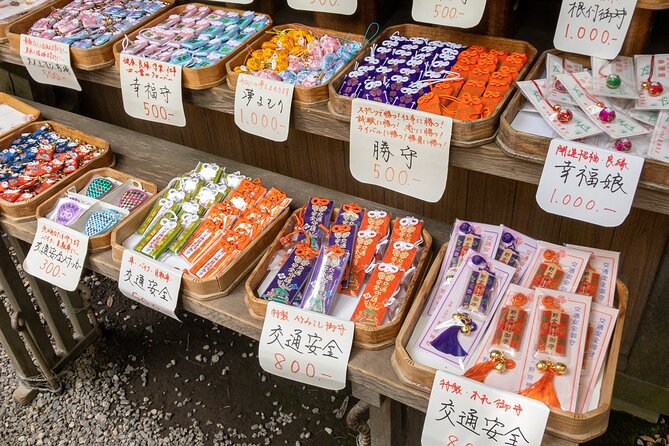
- A small snack, if you think you’ll want one. The tour notes there are not many restaurants around the ending point, and optional Japanese snacks are listed around 500 yen
- Sun or rain protection, because the tour depends on good weather and you’ll be outdoors between stops
- A power bank or charging plan, since you’re using a mobile ticket
If you’re a camera person, great. If you’re not, also great. Yusuke helps with photo framing and will take photos for you in bamboo.
Should you book this tour?
Book this tour if you want Arashiyama with breathing room. The standout value is the combination of rare details like the black torii at Nonomiya Shrine, meaningful temple time at Seiryoji and Daikakuji, and a calm finale at Osawa-no-ike pond, all delivered by a small-group guide.
Skip it only if you’re chasing maximum speed and don’t care about context. If you want to sprint between top sights and you don’t need help with photos or shrine etiquette, you might be happier doing parts on your own.
And if you’re deciding between the standard walk and The Tale of Genji option, pick the Genji version if you enjoy literary context. It’s the kind of extra layer that changes how you experience the route, not just what you learn.
FAQ
How long is the Arashiyama walking tour?
The tour runs about 3 to 4 hours, including walking time.
How much walking is involved?
You’ll walk about 3 kilometers total (with about 55 minutes of walking time included in the tour duration).
What is included in the price?
Included are the guiding, an original tour booklet about 15 pages, and help taking good photos. The guide also offers photo support in the bamboo forest area.
What tickets cost extra during the tour?
You should budget for Seiryoji Temple (¥500), and Daikakuji Temple plus Osawa-no-ike Pond (¥800 per person). The pond entry is also listed as 300 JPY in the stop details.
Does the tour include the Arashiyama Bamboo Forest?
Yes. You’ll spend about 15 minutes in the bamboo forest area, with time for photos and enjoying the bamboo soundscape.
Do I need to remove my shoes?
Yes. You have to take off your shoes to enter inside at Seiryoji Temple and Daikakuji Temple.
Is there a Tale of Genji option?
Yes. The Tale of Genji option adds deeper historical and literary storytelling. It visits the same locations as the standard option, with the bamboo forest noted as the exception for the literary connections.
What group size should I expect?
The tour has a maximum of 6 travelers, and it’s described as suitable for most travelers.
Fresh options around Kyoto
- Kyoto: Gion Geisha District Walking Tour and Hidden Gems★ 4.9 · 14 reviews
- Kyoto : Family-Friendly Sword Lesson at Samurai Ninja Museum★ 4.4 · 14 reviews
- Kyoto Early Morning E Biking Tour Fushimi Inari Kiyomizu Temple★ 5.0 · 14 reviews
- Kyoto: Geisha Dinner & Gion Cultural Walk★ 5.0 · 14 reviews
- Kyoto: Arashiyama UNESCO Walking Tour with Admission★ 5.0 · 14 reviews
- Kyoto: The Geisha Districts of Kyoto Walking Tour★ 4.9 · 14 reviews
- Kyoto Lazy Bird Walking Tour★ 5.0 · 14 reviews
- Kyoto: 1 Day:Traditional Japanese Kimono Rental Experience★ 4.9 · 14 reviews
Walking Tours, compared.
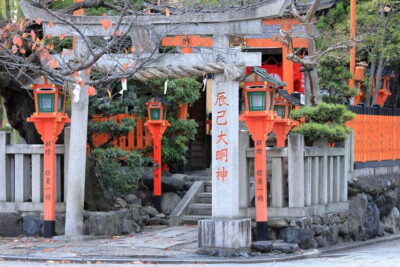
Kyoto Geisha Walking Tour: Gion District & Hidden Gems
Read our review →
Tokyo Tsukiji Fish Market Food and Culture Walking Tour
Read our review →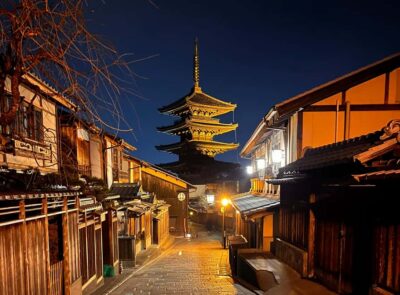
Gion Magical Night Walking Tour with Geisha Trivia
Read our review →
Imperial Palace and Shogun Historical Walking Tour
Read our review →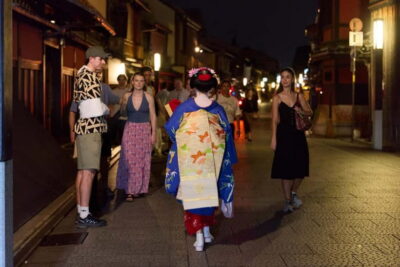
Gion Geisha District Walking Tour – Stories of Geisha
Read our review →
Shinjuku Local Bar and Izakaya Guided Walking Tour
Read our review →
Browse the lists this tour appears in