
Reviewed · WORKSHOPS
Kyoto: Calligraphy class at Buddhist temple in city center
Brushstrokes in a Kyoto Buddhist temple.
This calligraphy class turns a busy city morning into something focused and calm, with a real temple setting and a patient instructor guiding your hand. I love that you practice on tatami in a traditional washitsu, then leave with your own finished work, plus a small OMIYAGE keychain tied to the character you choose.
One heads-up: most seating is on the floor, so the workshop may be tough if your legs do not love tatami time.
Key highlights before you go
- Buddhist temple setting in central Kyoto gives the class real atmosphere, not a studio vibe
- Small group size (max 6) means you can actually get help while you write
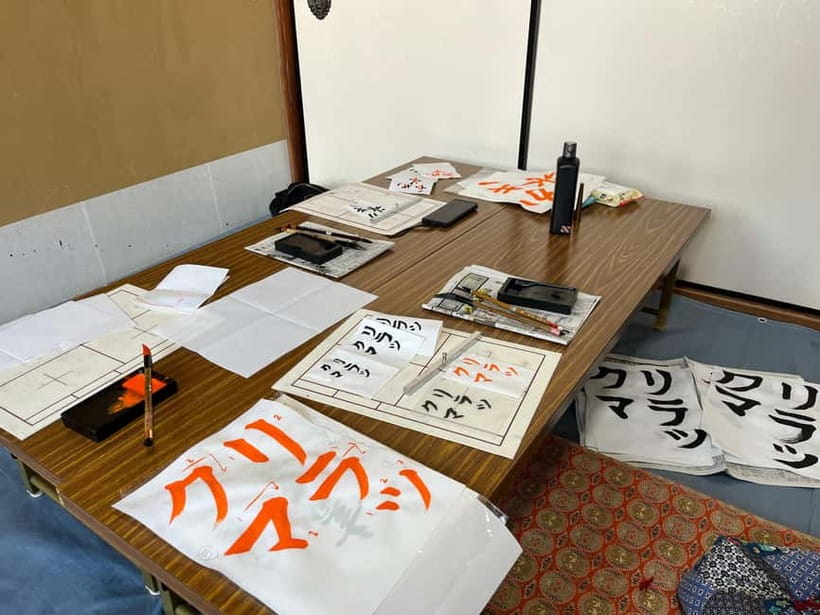
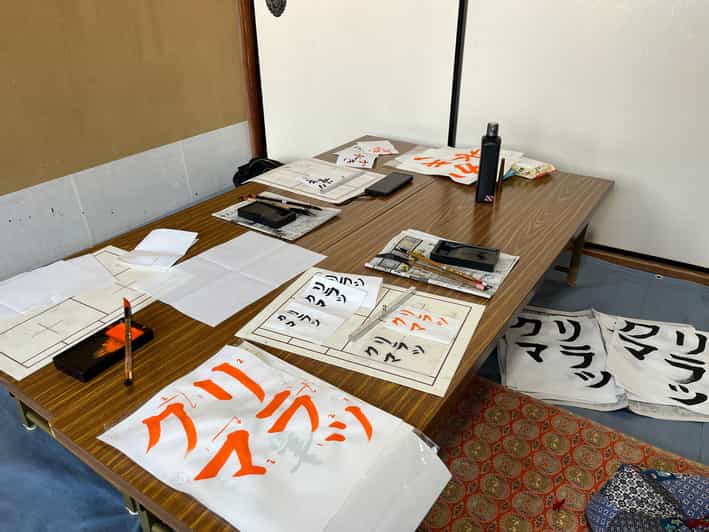
- Choose your own Kanji/word and build it step by step into a final shikishi piece
- All tools included so you are writing with proper materials from ink to paper
- Take-home OMIYAGE includes your artwork and a character keychain from the instructor
- Washitsu practice on tatami makes the experience feel distinctly Japanese
Meeting Seigan-ji at the Shinkyogoku red lantern
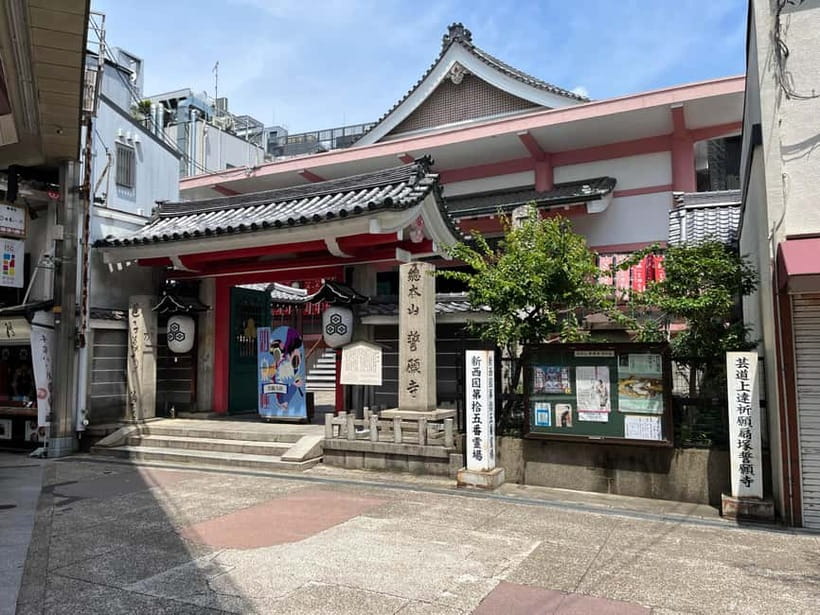
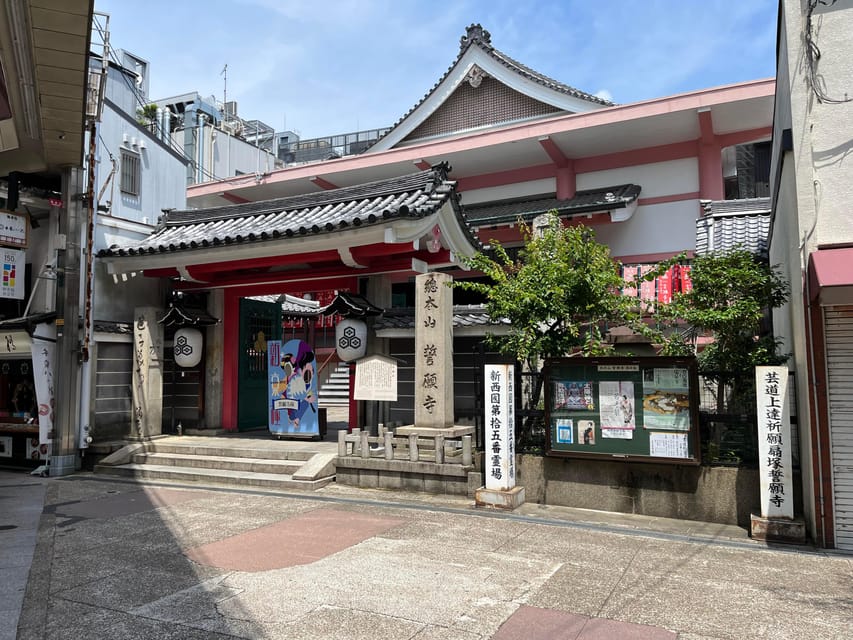
This class starts in central Kyoto, right around the Shinkyogoku shopping street area. Your meeting point is in front of Seigan-ji Temple, and you should look for the person holding a red lantern on a stick under the covered walkway. It is simple, but do not get tempted to wander inside first.
A practical rule that matters here: do not go upstairs to enter the temple yourself, and do not stop monks or staff to ask if you are in the right place. Instead, stay out front and wait for the person with the lantern to bring you in. That one move keeps things smooth for everyone, including the temple.
Language support is part of the setup too. The workshop can run in English, Spanish, Japanese, or Dutch, and there are translators on hand. You may see guides such as Jose and Saskia in past sessions, and that team approach helps when the calligraphy teacher is focused on technique rather than translating every detail.
If you like knowing what is coming, aim to show up a few minutes early. You are not just meeting a person. You are starting a small, quiet ritual in a temple space, and being on time helps you settle in fast.
More Temple & Shrine Tours in Kyoto
- Kyoto: Fushimi Inari, Kinkakuji, Bamboo Grove 1 Day Bus Tour
★ 4.8 · 4,316 reviews - Kyoto: Tea Ceremony Ju-An at Jotokuji Temple
★ 4.9 · 3,207 reviews - Fushimi Inari Hidden Hiking Tour (Private Option Available)
★ 5.0 · 1,750 reviews
Washitsu on tatami, with zabuton and limited desks
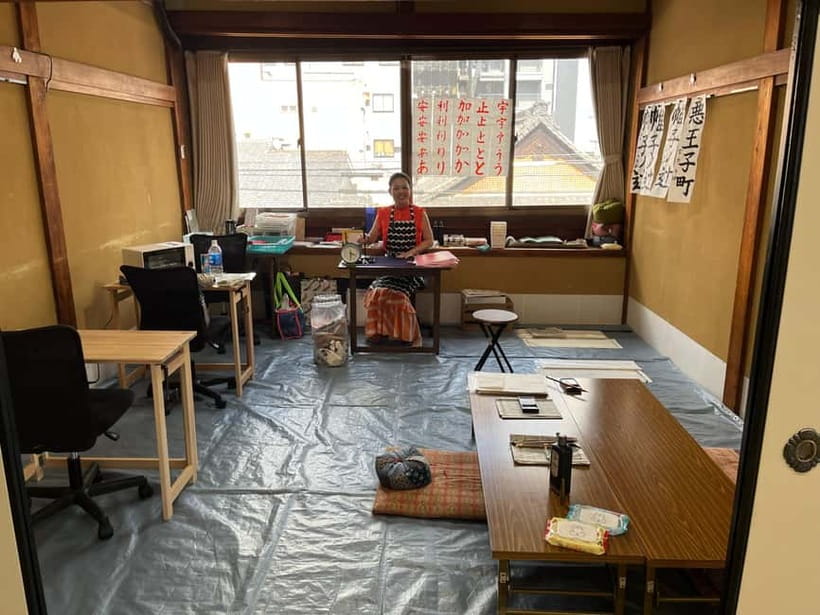
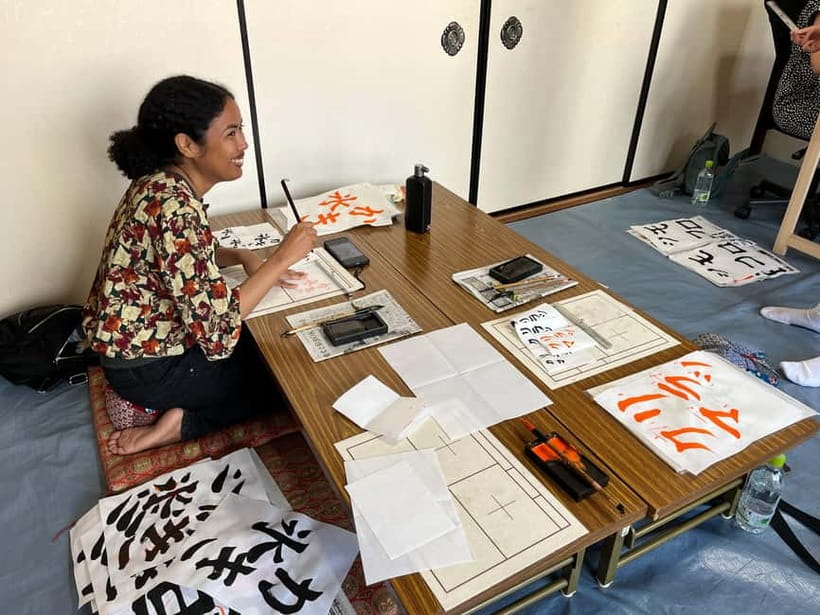
When the group gathers inside, you transition from street Kyoto to a traditional washitsu room. The floor is tatami. Seating is mostly on the floor with zabuton (floor pillows), and there are desks available, but the number is limited.
This is one of the biggest practical things to understand before you book. If you have limited mobility or your legs cramp easily, the floor seating can feel like the hardest part of the experience. The good news is that the class is wheelchair accessible, so if you rely on a chair or need extra planning, it is worth coordinating based on your needs.
The atmosphere is also its own highlight. It is not a silent retreat. You will hear normal conversation levels as people concentrate, but the room tends to be quiet in the way a classroom gets quiet when everyone is trying to make their strokes look right.
Also notice the room setup. A few people have mentioned Japanese sliding door rooms and the feeling of being in a more private temple area, not just a quick stop on a tourist circuit. That is the kind of detail that makes this workshop feel grounded in Kyoto, not pasted on top of it.
Bottom line: this is a sit-and-write experience first, tour-photo time second. If that sounds good to you, you will probably love it.
Choosing your Kanji and learning the tools properly
The workshop moves in a clear sequence, and it is built for beginners. First, you get introductions. You will meet the Japanese calligraphy instructor, and then the translator(s) step in so you can follow along even if the teacher is speaking only Japanese.
Before the brush ever hits paper, you pick your word or Kanji. They provide examples you can choose from, but you will get the best results if you arrive with a couple ideas in your head. This is not just a souvenir decision. Your character choice affects the strokes you practice, how long you spend on each element, and what your final piece ends up looking like.
Then comes the tools. You will use supplies that are included in the price: washI, brush, ink, bunchi, and shitakami. If those names are new to you, no stress. The instructor shows you how to handle the materials so your writing looks intentional rather than rushed.
The teacher also practices basic lines first. That part matters because calligraphy is not just about copying a shape. It is about pressure, direction, and timing. You start with simpler strokes, then you build toward the specific Kanji you selected.
And yes, you will feel your hand get tired if you overdo it. More practice is good, but too much can make your final piece messy. A solid workshop pace is part of the value here. The guidance keeps you from turning 70 minutes into an exhausted arm sprint.
From practice strokes to a finished shikishi keepsake
After the basics, you move into the character writing you chose. The instructor guides you step by step, and the translator helps you understand what to focus on. This is where many people end up surprised by how much they learn in a short session.
The practice usually goes like this:
- You repeat the basic strokes until your rhythm feels stable.
- You practice the full Kanji using the teacher’s cues.
- You adjust your grip and pressure based on what you see in your own attempts.
- You then create the final artwork.
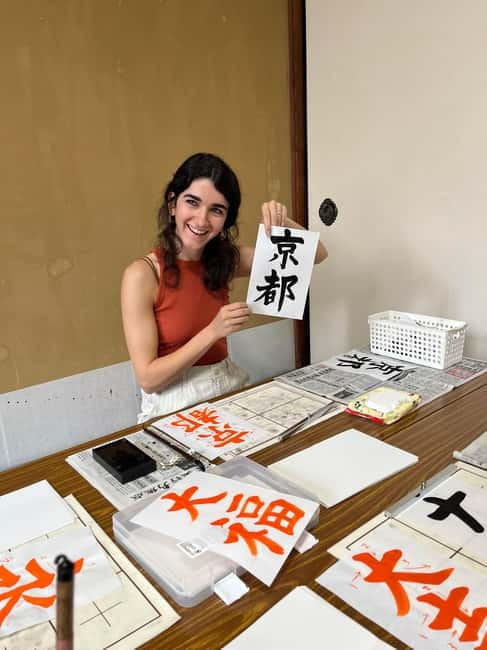
Your final piece is done on shikishi, a special square cardboard. This is not plain paper. It is designed for display, and it gives your calligraphy that clean, finished look.
By the end, you complete your own artwork and take it with you. The way the class is paced helps beginners succeed. People with little prior experience have described the instruction as step-by-step rather than a demo you watch. The teacher also tends to be patient and encouraging, with translators there to make sure technique tips land correctly.
One subtle thing to watch for: handedness. If you are left-handed, you might find it takes a little extra effort at first. The room and brush control habits often assume right-handed motion. That said, the environment is relaxed enough that making mistakes is part of the learning, not a problem.
When you finish, it should feel like you earned it, not like you got a quick template.
More temple and shrine tours in Kyoto:
- Osaka/Kyoto:Kinkakuji,Arashiyama,FushimiInariShrine,NaraPark
★ 4.1 · 1,596 reviews - Kyoto/Osaka: Nara, Fushimi Inari Taisha, Arashiyama Bus Tour
★ 4.7 · 1,275 reviews - Arashiyama Bamboo, Temple, Monkeys, or Secret Sake Brewery
★ 4.8 · 886 reviews - Kyoto: Arashiyama Bamboo Forest, Monkeys, Matcha & Temple Tour
★ 5.0 · 759 reviews
OMIYAGE keychain, plus what your artwork means at home
This is not a class where you leave with a certificate and a vague memory. You take tangible pieces home.
Included take-home items:
- Your completed calligraphy artwork on shikishi
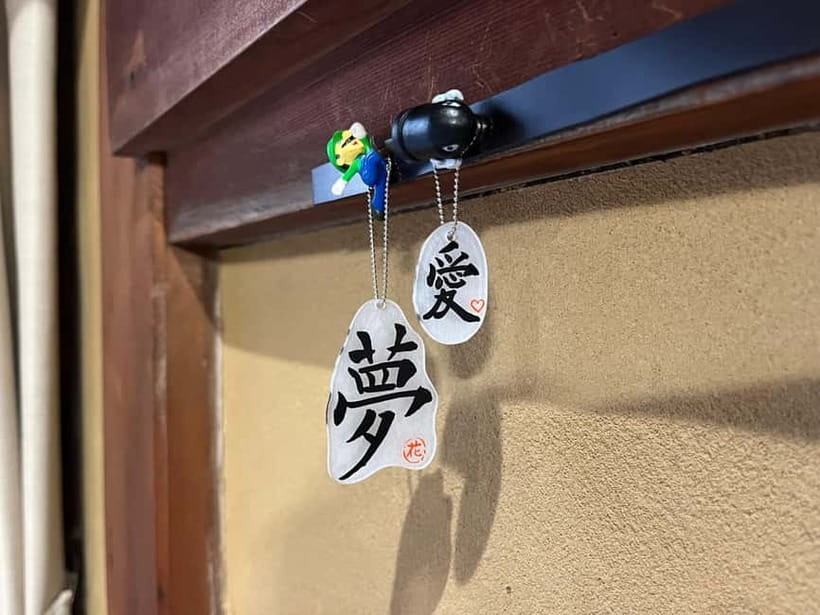
- A keychain that features your chosen character, made by the instructor
- Your own self-made souvenir tied to the character you selected
That keychain detail is small, but it is thoughtful. It turns your decision during the class into something you can carry daily, even after the artwork is framed.
How to enjoy the artwork after you get home depends on what you like. You can display it as-is, frame it, or treat it like a one-of-a-kind wall piece. Since it is your own Kanji or word, it often becomes more personal than a standard postcard souvenir. Even people who are not artsy tend to keep it because it feels connected to the time you spent learning.
Also, this workshop helps you understand why calligraphy matters in Japan. It is part of school education and daily culture, because the characters carry meaning and structure. When you write a Kanji yourself, you start to see the logic behind the shape, not just the appearance.
Price, 70 minutes, and why small group matters for beginners
At $55 per person for about 70 minutes, the price feels fair mainly because the class includes everything you need to write. The materials are part of the package: paper and tools plus instruction. You are also taking home more than just one small craft item. You leave with a finished display piece and a character keychain.
Another value driver is group size. The workshop is limited to 6 participants. That matters because calligraphy is hands-on. If the group were bigger, you would likely spend more time waiting and less time getting corrected. In this format, you tend to receive more individual guidance while you practice.
Language support also makes a difference in value. The instructor teaches in Japanese, and the translator(s) handle communication in languages like English, Spanish, and Dutch. That keeps the learning from turning into guesswork. It also makes the experience feel like a real class, not a silent activity with a facilitator hovering nearby.
Finally, there is a timing advantage. You get a full experience without eating an entire day. This makes it a smart choice if your Kyoto schedule is packed with temples and neighborhoods. It is also a good reset after walking, because you sit, focus, and create something without needing to read a menu or navigate transit.
Who this class is best for, and the one thing to plan around
This workshop is a strong fit if you want a traditional Japanese art experience in Kyoto’s city center, and you want it to be practical. The stroke practice and the final shikishi give you a clear output. If you like calm activities and do not mind quiet concentration, you will probably enjoy it a lot.
It can also work well for couples and small groups. The atmosphere is peaceful, and there is just enough shared focus that it feels like a group class without turning chaotic.
Who should think twice:
- If you find floor seating uncomfortable, you should plan for tatami time. There are zabuton, and desks are limited, but most guests sit on the floor.
- If you rely heavily on visual reading, note that the workshop is not suitable for visually impaired people.
- Children under the age guidelines listed are not recommended, including children under 2, 3, 4, and 5 (as provided).
- The class is not an all-day activity, and it does not include food or drinks.
Also note behavior rules: no bare feet. The workshop prohibits smoking, vaping, and alcohol or drugs. These are standard, but worth respecting so the temple setting stays comfortable for everyone.
Practical tips so your final character looks its best
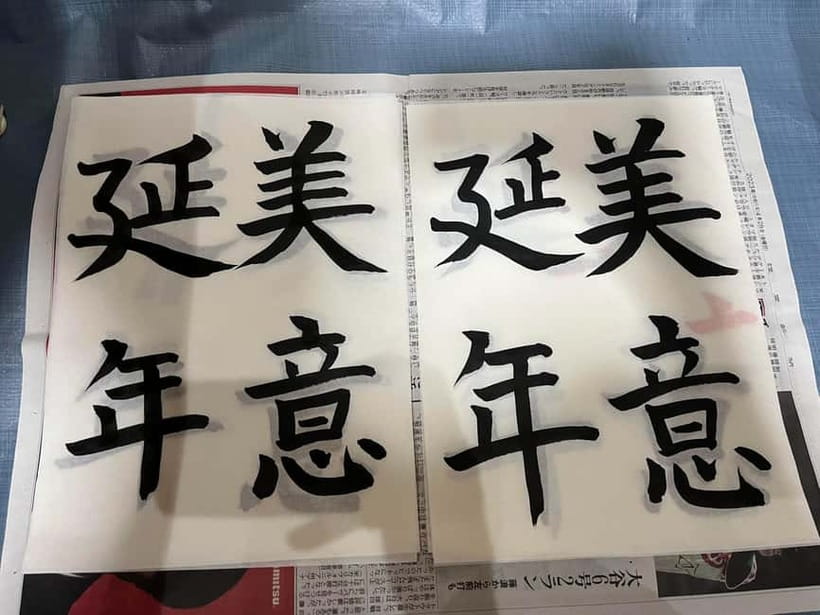
You will get the best result by treating this like a short training session, not a souvenir grab.
Here are the tips that actually help:
- Think of a word or Kanji before you arrive. They provide examples, but having your own shortlist prevents decision time from eating practice time.
- Expect to practice basic lines. That is where your final shape improves.
- Pace your writing. Practice is good, but an over-tired arm can ruin the strokes. Leave some energy for your final piece.
- If you are left-handed, start relaxed. You may need extra effort on the first attempts, and that is normal.
- Wear comfortable clothing for sitting. Since you will be on tatami with zabuton, mobility matters.
Food and drinks are not served. You can buy drinks from vending machines outside the temple. That is handy if you get thirsty during the session, and it keeps you from feeling stuck with an empty stomach plan.
Should you book this Kyoto calligraphy class?
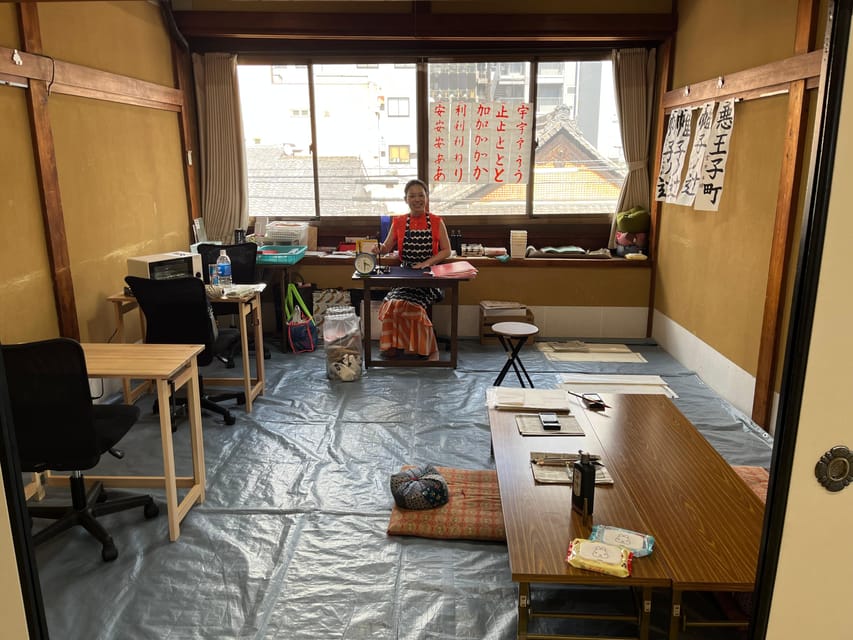
I think you should book it if you want one memorable Kyoto souvenir that is also a real skill. The temple setting in central Kyoto is a major part of the appeal, and the fact that you take home your own shikishi artwork plus an OMIYAGE keychain makes it feel worth the money.
Skip it if floor seating would put you in misery, or if you want a more energetic, sightseeing-style experience. This is calm, focused, and hands-on.
If you do book, arrive with a couple Kanji ideas ready. Plan for a quiet room and a full 70 minutes of writing practice. You will leave with something you can display, and you will understand a little more about why calligraphy is still taught and practiced in Japan.
FAQ
Where does the workshop meet?
You meet in front of Seigan-ji Temple in the Shinkyogoku shopping street. Look for the person holding a red lantern on a stick under the roofed street. Wait there and do not go up the stairs.
How long is the calligraphy class?
The experience runs for about 70 minutes.
What is included in the price?
The price includes use of washI, brush, ink, bunchi, shitakami, instruction and practice, kanji examples, and a self-made souvenir. You also take home your finished artwork and a character keychain.
Is food or drinks provided?
No. Food and drinks are not served, but you can buy drinks from vending machines outside the temple.
Do I need to bring a word or Kanji idea?
You should think of a word or Kanji you would like to write, because examples are provided but it helps to arrive with ideas.
What languages are available for the class?
The class can be taught with English, Spanish, Japanese, or Dutch support.
Is the workshop fully silent?
It is not complete silence, but the room tends to be quiet because everyone is concentrating on writing.
Where do you sit during the workshop?
You sit in a washitsu with tatami flooring. Most seating is on the floor with zabuton, and some desks are available but limited.
Is there free cancellation?
Yes. You can cancel up to 24 hours in advance for a full refund.
Fresh options around Kyoto
- Kyoto: Quiet and Graceful Tea Ceremony★ 4.5 · 19 reviews
- Oboro | Mindful Tea Ceremony in a 100-Year-Old Kyoto Teahouse★ 5.0 · 19 reviews
- Ikebana Traditional Japanese Art of Flower Arranging★ 4.5 · 19 reviews
- Kyoto Satoyama Cycling with Lunch and English Guide★ 5.0 · 19 reviews
- Kyoto International Party Solo Friendly Expats and Locals★ 5.0 · 19 reviews
- Tea Ceremony Experience in Traditional Kyoto Townhouse★ 5.0 · 19 reviews
- Kyoto: Amanohashidate Ine Funaya Tour★ 4.4 · 19 reviews
- Kyoto Private Food Tours with a Local Foodie: 100% Personalized★ 4.5 · 19 reviews
Workshops, compared.
Sushi Making Tokyo Roll and Authentic Japanese Sushi Class
Read our review →
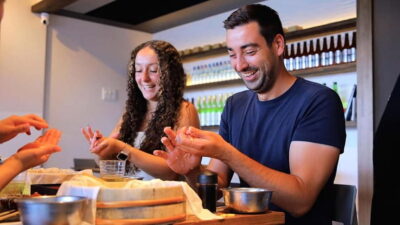
Roll and Authentic Sushi Making Class in Asakusa
Read our review →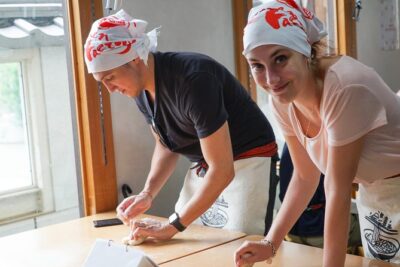
Ramen Cooking Class at Ramen Factory in Kyoto
Read our review →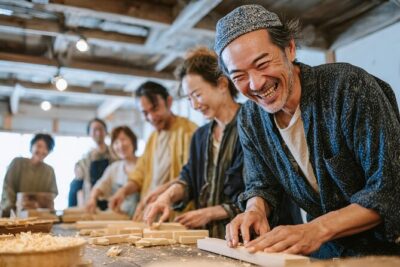
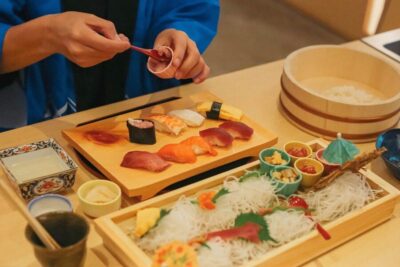
Sushi Making Class in a Happi Coat near a Famous Spot
Read our review →
Sushi Making Osaka Roll and Authentic Japanese Sushi Class
Read our review →Browse the lists this tour appears in