
Reviewed · WALKING TOURS
Kamakura: Private Guided Walking Tour with Local Guide
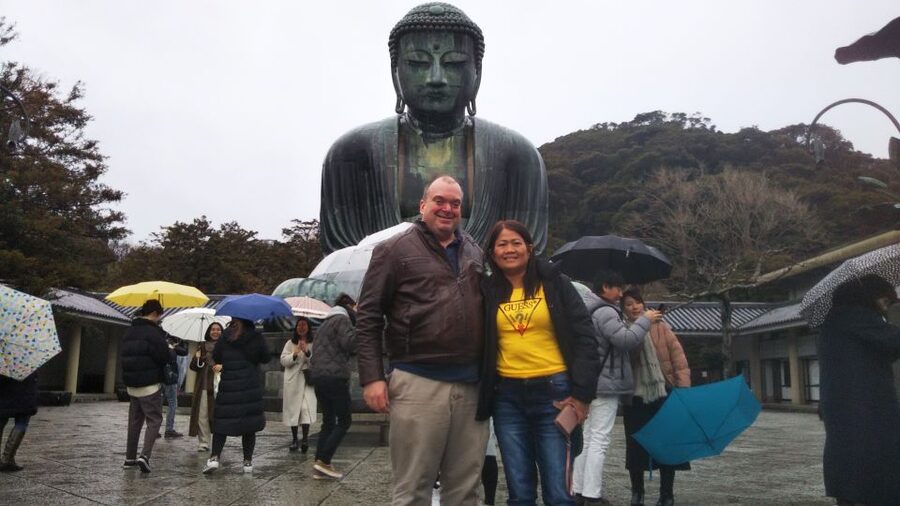
Kamakura rewards slow walking. This private tour gives you a licensed local guide who can steer you through the big highlights and lesser known corners of the old samurai town, with routes built around your interests. What I like most is that you can enter the Great Buddha statue and actually see the space up close, not just view it from outside.
The second big win is flexibility. You can customize the order and the pacing, or let the guide plan a tight day that fits closures and logistics, with people like Shinji, An, and Yuki earning repeat praise for smooth organization. The only real drawback to plan for is that it runs rain or shine, and the tour does not include entrance fees or the in between public transport, so you’ll want comfortable shoes and some extra yen set aside.
Key things that make this Kamakura tour shine
- Enter the Great Buddha interior so the day feels more than photo stops
- A private, customizable route that matches your pace and interests
- Hase-dera in season with hydrangeas that can peak around June
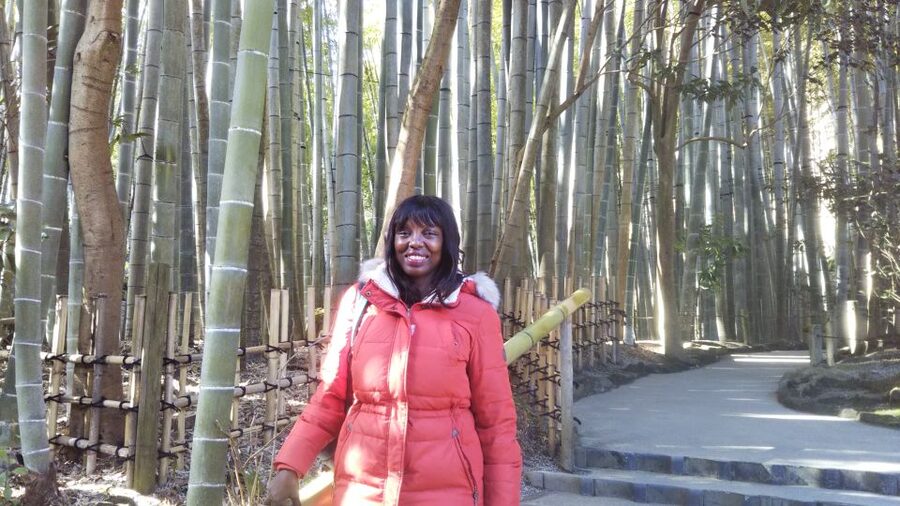
- Hokoku-ji bamboo forest plus matcha for a quiet reset between temples
- Crowd-smart timing and photo help from guides who know where to stand
Why a private walking tour fits Kamakura so well
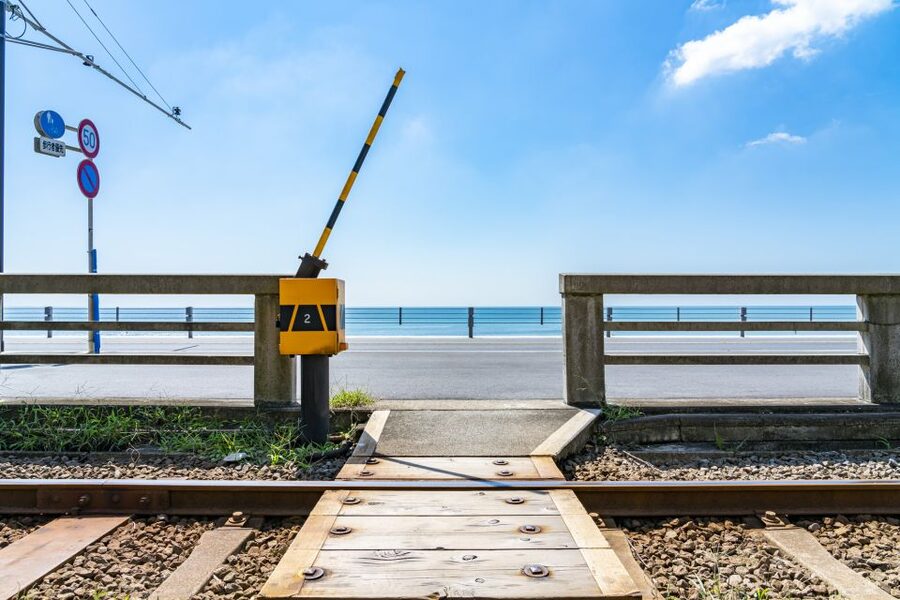
Kamakura is one of those places where moving a bit slower changes everything. By foot, you feel the rhythm of the neighborhoods, the approach paths to shrines, and the small scenes you would miss if you only hop between stations.
A private guide also matters here. With a group, you usually follow the same script. With a private walk, I like that you can ask for what you care about, then build a route around it, whether that means more shrines, more gardens, or a faster hit of the famous sites.
This is also a smart way to handle timing. Kamakura has a lot of temples, and choosing only a few can feel like regret later. A good guide helps you pick well, then keeps you moving without turning the day into a sprint.
More walking tours in Kamakura:
- Kamakura Historical Walking Tour with the Great Buddha
★ 5.0 · 129 reviews - Kamakura Walking Tour – The City of Shogun
★ 5.0 · 100 reviews - Buddha, Bamboo & Zen – Bespoke Kamakura Private Walking Tours
★ 5.0 · 25 reviews
Your guide, your pace: how the day stays personal
You’re not stuck with a rigid itinerary. The tour is private, and the guide is a nationally licensed Tour Guide Interpreter, meaning they’re trained for both language and cultural context. In real tours, names like Koba, Shinji, and An show up again and again, usually for the same reason: they answer questions clearly and keep the day organized.
Pacing is where private walking tours win. Some people like a quick stride and more stops. Others want time to linger, take photos, and ask why each place matters. Reviews consistently point to guides adjusting pace, timing, and even the plan when closures or conditions get in the way, like working around holiday downtime or trying to catch a view such as Mt. Fuji if it’s possible.
If you have limited time before your train back to Tokyo, this kind of pacing help is huge. One common theme in guide praise is route planning that still leaves you with a clean finish at the end of the day.
Great Buddha access: what it means to go inside
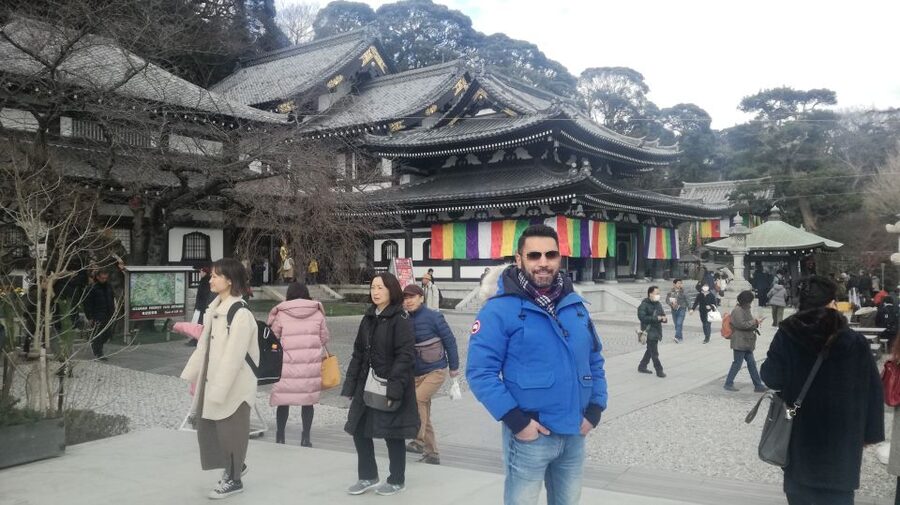
The Great Buddha of Kamakura is the star, but the real difference on this tour is that you can enter the interior. Seeing the statue from outside is impressive, sure. Going in makes the whole site feel more grounded, like you’re stepping into the scale and intention of the place.
Expect a mix of reverence and practical walking. This stop is big and popular, so your guide’s job is to keep your time efficient while still giving you context. The best guides also point out photo angles that feel natural, not staged.
One thing to know: entrance fees are not included in the price you pay for the tour. So while the Great Buddha interior is a major selling point, you should budget for entry costs on your day as needed.
Hase-dera gardens and hydrangeas: planning around June
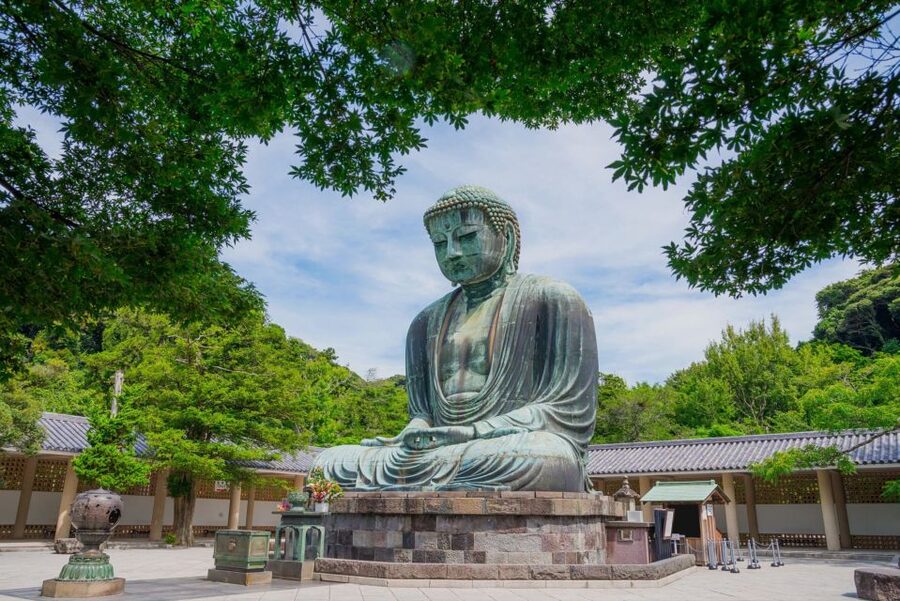
Hase-dera is famous for its temple grounds and views, and it’s especially magical during hydrangea season. Around June, the gardens can feature about 2,500 colorful hydrangeas across 40 varieties, and the effect is more than pretty flowers. It changes how you walk through the space, turning temple steps into a slow, scenic path.
Even if you’re not traveling in peak bloom, Hase-dera is still worth it because the gardens are designed for gradual discovery. You’ll get that classic Kamakura feeling of changing sightlines as you move between temple buildings and terraces.
The main drawback is crowd pressure and timing. Hydrangea season draws people fast, so your guide’s timing choices matter. If you’re visiting near June and hydrangeas are a priority, ask your guide to plan the day to reduce your time in the busiest stretches.
A few more Kamakura days worth comparing
- Tokyo: Kamakura & Enoshima Day Trip including Temple Tickets
★ 4.5 · 1,375 reviews - From Tokyo: Kamakura & Enoshima 1-Day Bus Tour
★ 4.5 · 189 reviews - Kamakura Private Tour: Temples, Nature, and the Great Buddha
★ 5.0 · 121 reviews - Kamakura 4hr Private Trip with Government-Licensed Guide
★ 5.0 · 58 reviews
Zeniarai Benten Shrine: a fun legend with a ritual vibe
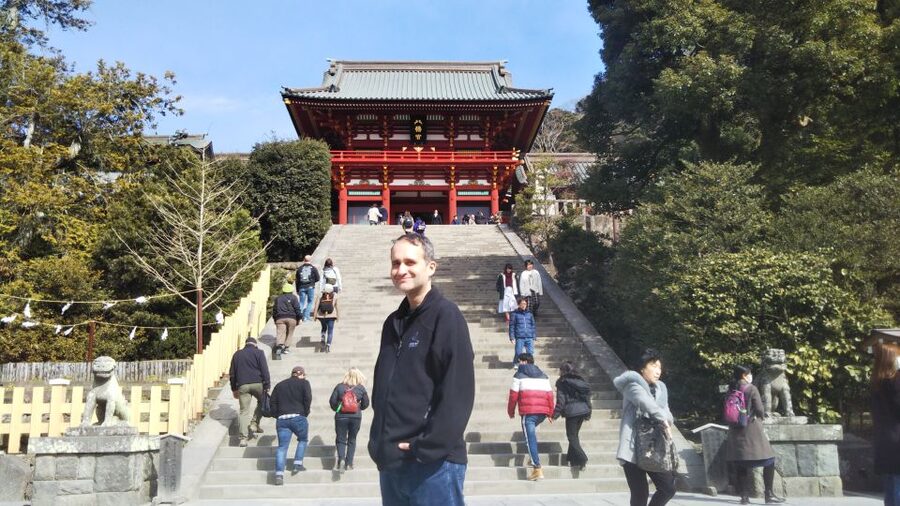
This stop is short, memorable, and different from the temple gardens. At Zeniarai Benten Shrine, there’s a legend that when money is washed in the holy water from the shrine’s spring, you may earn more money.
It’s playful, yes, but it’s also a good moment to understand how belief and daily life overlap in Japan. The ritual gives you a clear sense of how people engage with religion beyond just sightseeing.
Because it’s an active shrine moment, it’s also a good place for your guide to explain what you’re seeing so you don’t just watch water splashing and move on. On a private day, you can ask questions about the meaning and the etiquette without feeling rushed.
Hokoku-ji bamboo forest: matcha in the quiet zone
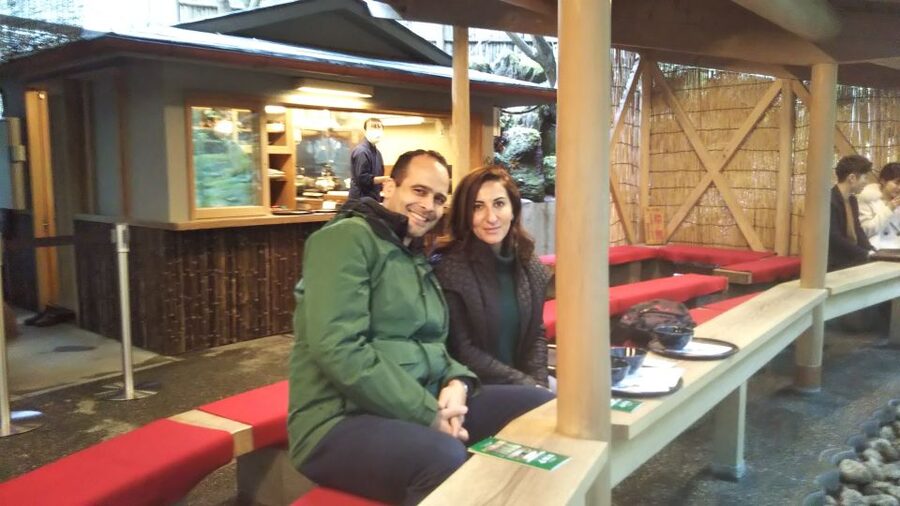
Hokoku-ji is known for its bamboo forest garden, and it’s exactly the kind of reset you want in the middle of a temple-heavy day. After the busier shrine and temple areas, the bamboo walk tends to feel calmer and more focused, which makes it easier to actually enjoy the setting rather than just collecting stops.
This tour includes time for matcha tea while you’re there. That detail is more important than it sounds. Tea time helps you slow down, sit with your thoughts, and recharge before you head to the next location.
The bamboo forest can also affect your photo style. Bright sunlight can make shadows strong. Overcast days can make the bamboo textures look softer. Since the tour runs rain or shine, the guide will likely adjust where you pause and how you move through the garden based on conditions.
Temple bonus stops: how your route can expand beyond the big names
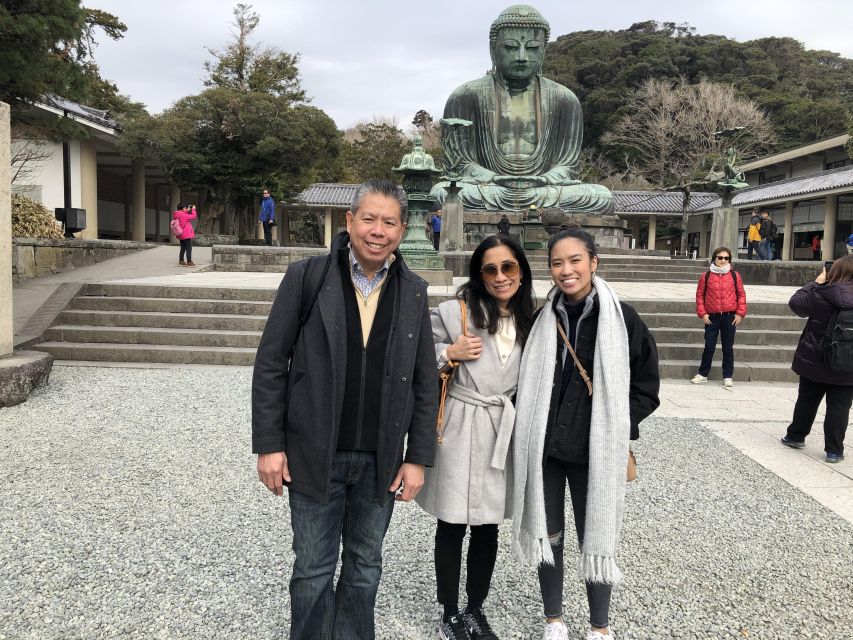
Kamakura has a lot more temples than you can fit into one half day without help. That’s why customization is a real value here, not a marketing line.
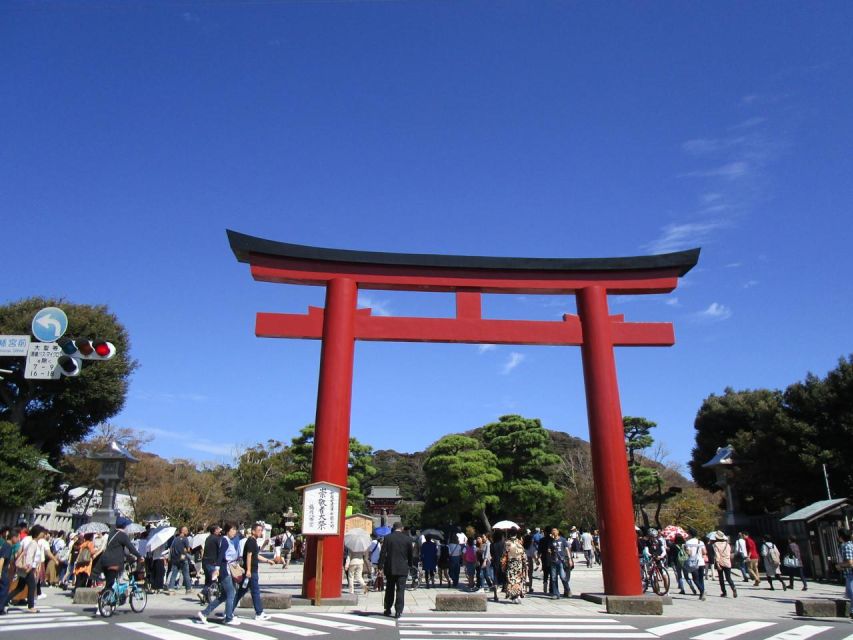
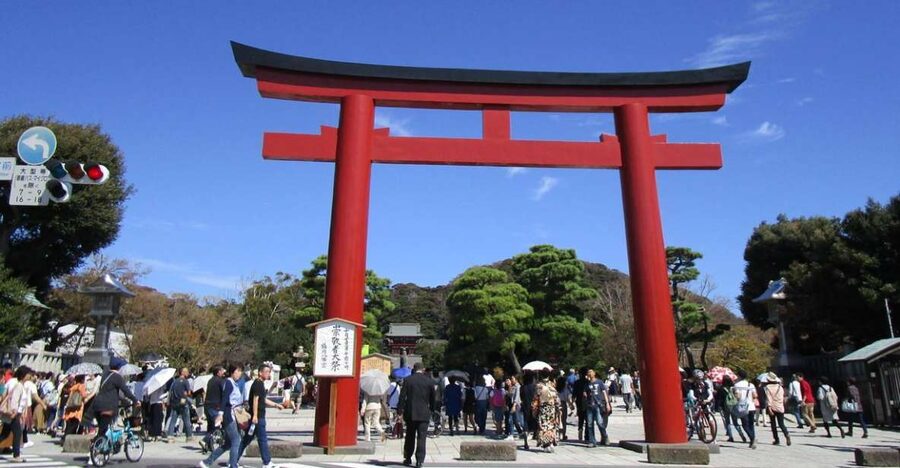
Many guide plans include additional major sites, depending on what you ask for and what fits your schedule. For example, you might see classic names like Tsurugapka Hachimangu and Zen temples such as Engaku-ji, or other temple stops that feel quieter. Some routes also expand toward places on or near Enoshima, like a cave visit, if your timing allows.
You can also use your guide as your decision maker. If you feel stuck choosing between too many options, a strong guide can build a logical path that avoids backtracking and keeps the day coherent.
One more smart angle: some guides are proactive about helping you spot views. In at least one praised experience, the guide shifted the plan to try for a rare glimpse of Mt. Fuji when possible. You should treat that as a maybe, not a guarantee, but it shows how flexible the day can be.
Food and photo time: what to expect and how to plan
Food is not included. That means your guide should help with choices rather than assume you want the same thing they do. In real tour days, guides earned praise for finding satisfying lunch options, including sushi and also soba and tempura in different cases.
I’d plan your day with two goals: eat at a time your energy can handle, and choose food that doesn’t slow you down too much. If you want to keep moving, ask for lunch places that are close to the route, not across town.
Photo time is another big deal, and it shows up in guide praise. People often mention guides who spot good angles and help with timing for clearer shots. If photography matters to you, tell your guide early and ask where they recommend you pause for the best results.
Rain or shine: making the day comfortable without fuss
The tour runs rain or shine. That doesn’t mean you spend hours getting soaked. It means the plan stays active, and the guide adjusts the flow as needed.
For you, that means practical prep:
- Wear shoes that handle wet temple paths.
- Bring a small umbrella or a light rain jacket.
- If you’re aiming for hydrangeas or bamboo photos, bring a lens cloth and plan for damp air.
In my view, private guiding helps most on bad weather days because the guide can reroute and tighten the pacing so you don’t lose the day to weather delays.
Price and logistics: what you’re paying for with $106
At $106 per person for a 4 to 6 hour private walking tour, you’re paying for three things: the guide, the private structure, and the time efficiency.
First, the guide is the center of the value. The nationally licensed Tour Guide Interpreter certification is not just a stamp. It usually shows up in how smoothly they explain what you’re seeing and how they handle questions. In praised experiences, guides like Shinji and An stand out for answering questions and building an itinerary that makes sense.
Second, the private format keeps your day from turning into a group shuffle. You can set the pace, request additions or swaps, and work around closures. That’s why people highlight how guides tailor routes and keep the day meaningful, even on days with limited choices.
Third, it’s a walking day tour. A private vehicle is not included, and you may use public transit or taxis between sites. Transportation costs during the tour are discussed with the guide after booking is finalized, and you should have Japanese yen ready for these costs.
One more note that affects value: entrance fees and food are not included. So the total day cost can rise depending on how many stops you enter and what you choose to eat. If you want the smoothest budget, ask your guide to confirm which stops require entry and what to expect before you arrive.
Who this tour is best for
This tour fits best if you want structure without feeling locked in.
I’d especially recommend it for:
- First timers in Kamakura who want the main sites plus a few thoughtful extras
- People who enjoy temple and shrine context, not just quick photos
- Travelers who want a faster decision process, since the guide can plan your route
- Anyone trying to fit Kamakura between Tokyo plans, since the pacing and logistics help
It may not be the best fit if you strongly dislike walking. Since it is a walking day, you will cover distances between sites, even if some segments are handled by transit to save time.
Also, if your goal is purely low effort and zero planning, a private guide can still help, but you’ll need to engage at least a little, like sharing what you care about and confirming any route priorities.
How to get the most out of your private day
To make your tour feel custom, come with a few anchor interests. For example, if you love gardens, prioritize Hase-dera and Hokoku-ji. If temples and rituals interest you more, emphasize places like Zeniarai Benten and the larger shrine areas.
If you have a tight schedule, say so early. One recurring pattern in praised tours is that guides plan so you still have time to catch your train back to Tokyo, without stress at the end.
If you’re traveling around peak seasons, tell the guide what matters most. Hydrangeas around June are a big reason people choose Hase-dera, and your guide can then shape your day to reduce wasted time in crowds.
And yes, ask about photos. Many guides have clear ideas about where to pause, and that can turn a normal snapshot into something you’ll actually want to keep.
Should you book this Kamakura private guided walking tour?
If you want Kamakura with context, control, and a schedule that makes sense, I think this is a strong booking. The standout value is the combination of private guiding plus access to the Great Buddha interior, then a route that can include major shrines and temples plus calmer garden stops like Hokoku-ji bamboo, with matcha for a breather.
Book it if you can enjoy a few hours of walking and you want your day planned by someone who understands Japanese culture, history, and how to keep you moving. Pass or adjust expectations if you expect all costs to be included, or if you don’t want to deal with entrance fees and in between transit costs.
FAQ
How long is the Kamakura private guided walking tour?
The duration is 4 to 6 hours, depending on the option you choose.
Is transportation between sites included in the tour price?
Public or taxi transportation between sites may be used during the tour, and those costs are not included. You may discuss exact transportation costs with the guide after booking is finalized, and you should have Japanese yen on hand.
Are entrance fees included?
No. Entrance fees are not included in the tour.
Does the tour include food and drinks?
No. Food and drinks are not included.
What languages are the tour guides?
The tour guide is available in English and Japanese.
Is this tour wheelchair accessible?
Yes, the tour is wheelchair accessible.
What should I know about cancellations and guide confirmation timing?
The tour offers free cancellation up to 24 hours in advance for a full refund. Also, the tour is not confirmed until the guide contacts you, and guides are typically expected to contact you within 7 days.
Fresh options around Kamakura
- Kamakura Bamboo Forest and Great Buddha Private Tour★ 5.0 · 12 reviews
- Tokyo Yokohama Night View Tour With Kamakura And Enoshima★ 3.5 · 14 reviews
- First time in Kamakura? Enjoy a Tour of All Must-sees!★ 5.0 · 15 reviews
- Kamakura and Enoshima: Private Guided Day Tour with Vehicle★ 3.9 · 17 reviews
- Kamakura Half Day Tour with a Local Expert Guide★ 4.4 · 23 reviews
- Your Own HANKO Name Seal Activity in Kamakura.★ 5.0 · 24 reviews
- Buddha, Bamboo & Zen – Bespoke Kamakura Private Walking Tours★ 5.0 · 25 reviews
- Kamakura: A Journey Through Medieval Japan★ 4.9 · 32 reviews
Walking Tours, compared.
Kyoto Geisha Walking Tour: Gion District & Hidden Gems
Read our review →
Tokyo Tsukiji Fish Market Food and Culture Walking Tour
Read our review →
Gion Magical Night Walking Tour with Geisha Trivia
Read our review →
Imperial Palace and Shogun Historical Walking Tour
Read our review →
Gion Geisha District Walking Tour – Stories of Geisha
Read our review →
Shinjuku Local Bar and Izakaya Guided Walking Tour
Read our review →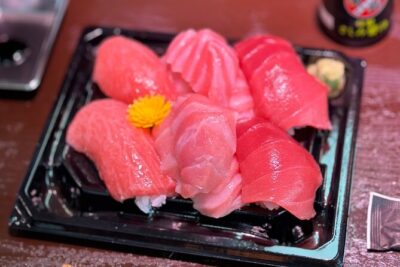
Browse the lists this tour appears in